Culture
- Fun pictures /
- Culture

In Japan, bowing is more than just a greeting—it's a deep expression of respect shaped by centuries of culture. Brazilian Carnival isn't just a party; it's rooted in Afro-Brazilian history, Catholic traditions, and vibrant street storytelling. The Maasai people of Kenya jump high in traditional dances to show strength and attract admiration—it's their culture in motion.

In France, sharing long meals with family isn't just about food—it's about connecting through culture over time. Many Native American tribes pass down stories orally, keeping culture alive through generations without writing. In South Korea, age determines how people speak to each other—culture there means language literally changes with respect.

Italian culture is famous for hand gestures—some say you can have a full conversation with your hands alone! In India, touching elders' feet is a sign of respect, deeply woven into family and religious culture. The Inuit people build igloos not just for shelter, but as a cultural tradition showcasing survival and design skills.

Mexican Día de los Muertos isn't spooky—it celebrates loved ones through art, food, and centuries-old culture. Scottish kilts and bagpipes aren't just costumes—they're symbols of Highland culture and clan identity. In Thailand, heads are considered sacred—touching one is a big no-no in their deeply respectful culture.

Australian Aboriginal rock art tells stories from thousands of years ago, painting a picture of ancient culture. In China, the color red means luck and joy—it's all over weddings and New Year celebrations thanks to culture. Argentine tango started in working-class neighborhoods, mixing African, European, and native cultures into one iconic dance.

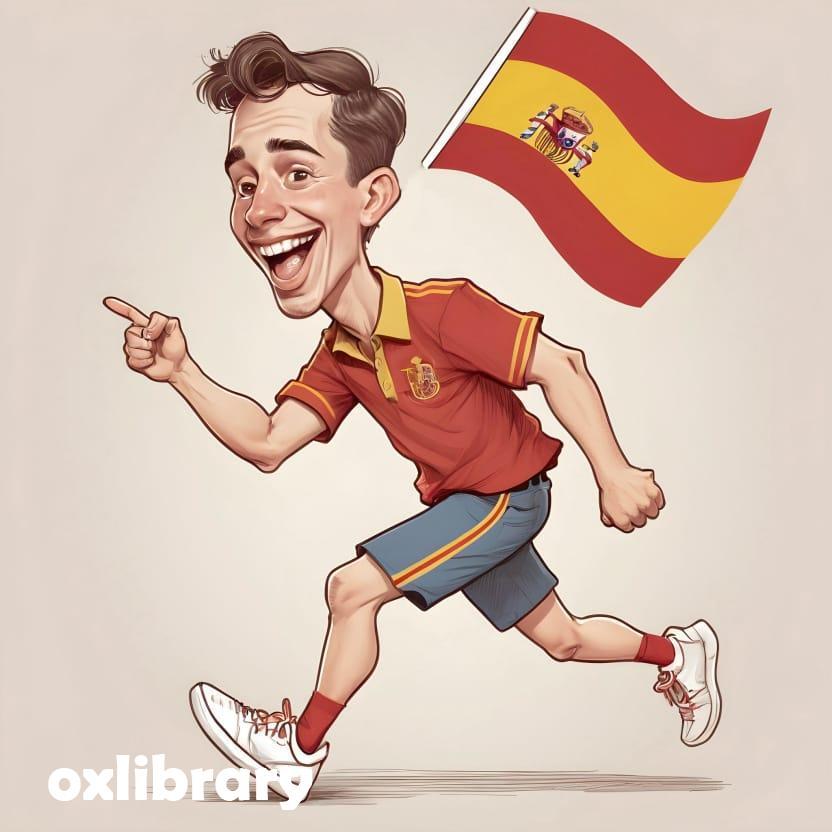
Egypt's ancient pyramids weren't just tombs—they were expressions of culture, faith, and cosmic alignment. In Spain, the siesta isn't laziness—it's a cultural rhythm shaped by heat, tradition, and community life. Russia's nesting dolls (matryoshka) tell stories through layers—a playful symbol of family and culture.

In Morocco, sharing mint tea is an art—serving it with grace reflects hospitality at the heart of culture. New Zealand's haka dance, made famous by rugby teams, comes from Māori culture and warrior pride. Vietnamese lunar new year, Tết, is about family reunions and ancestral respect—a powerful blend of culture and memory.

In Ethiopia, coffee ceremonies can last hours, symbolizing friendship and deeply rooted culture. In Jewish culture, storytelling during Shabbat helps preserve history, humor, and community identity. Dutch people often hang schoolbags on flags when students graduate—a charming bit of modern culture.

South African "ubuntu" means "I am because we are"—a beautiful word that defines culture through connection. In Turkey, giving guests slippers to wear at home shows the warmth and care central to their culture. Many Caribbean islands blend African, European, and Indigenous influences into a musical and culinary culture explosion.

In Korea, kimchi isn't just food—it's an everyday symbol of resilience and shared culture. Finnish people love silence—it's not awkward, it's part of a calm and thoughtful culture. Peruvian textiles tell stories in color and thread—culture stitched into every piece.

In Iceland, naming rules protect language and heritage, showing how tightly culture and identity are linked. In Iran, Nowruz (Persian New Year) celebrates rebirth and family through ancient culture. Greece's plate smashing at weddings? It's a lively way to express joy through culture and tradition.

Jamaican patois blends English, African, and Spanish into a rich, rhythmic culture of speech. In Norway, "kos" is the culture of cozy—think warm socks, soft lights, and simple happiness. In Bhutan, happiness is measured over wealth—a unique cultural take on what matters most.

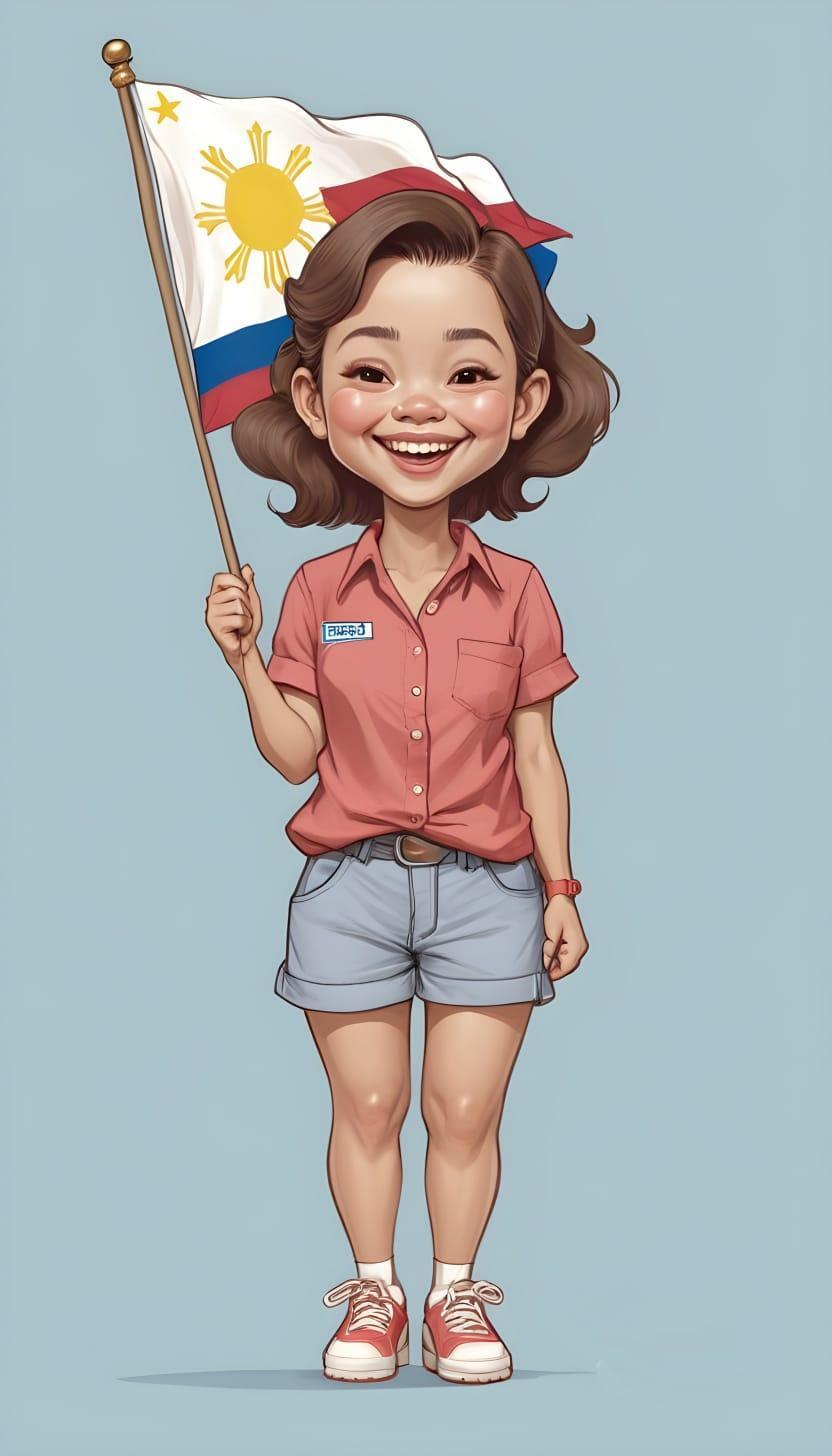
Germany's Christmas markets date back centuries, combining faith, food, and winter culture. In the Philippines, "mano po" shows respect by placing an elder's hand to one's forehead—a gesture of living culture. Sami reindeer herding in northern Scandinavia isn't just a job—it's a way of life shaped by ancient culture.

In Nigeria, colorful headwraps called "gele" are fashion and culture woven together. In Laos, sticky rice is eaten with fingers—it's not just food, it's a tactile part of culture. France's cheese-making regions are fiercely proud, each slice a bite of local culture.

In the U.S., jazz was born from a mix of African and European sounds—it's America's original culture remix. In Tibet, prayer flags flutter to spread blessings—culture carried on the wind. In Poland, name days are celebrated like birthdays—a small but cherished cultural tradition.

In Kenya, storytelling circles aren't just for fun—they're tools for passing down culture and wisdom. In Saudi Arabia, coffee with cardamom is offered with dates—hospitality that's steeped in culture. Swedish "fika" is more than a coffee break—it's a daily ritual that anchors social culture.

In Cuba, music pulses through daily life—whether it's salsa, rumba, or son, it's all part of the culture. Cambodian shadow puppetry brings myths to life, blending religion and culture through art. In Haiti, vibrant art and Vodou rituals reflect a deep, layered culture.

Mongolia's nomadic culture means portable homes (gers), strong horse bonds, and sky-wide freedom. In Brazil, the Afro-Brazilian martial art capoeira mixes music, dance, and defense—a culture of resistance and rhythm. In Ireland, ancient stone circles still stand, silent witnesses to a mysterious prehistoric culture.

In Hungary, paprika isn't just a spice—it's a flavor that defines national culture. In Taiwan, night markets buzz with life—a delicious celebration of street food and youth culture. In Nepal, festivals like Holi and Dashain light up the year with color and cultural meaning.

Indonesia's batik patterns are more than fabric—they're symbols of regional culture and identity. In Argentina, sharing mate tea is a daily habit that ties friends and culture together. Canada's maple syrup tradition taps deep into both land and culture.

In Sri Lanka, the New Year falls in April, full of games and food that reflect ancient cultural beliefs. In Switzerland, yodeling wasn't always for music—it started as a way to communicate across mountains, rooted in culture. In Palestine, embroidery patterns tell village origins—a quiet but proud display of culture.
In Estonia, folk songs have been passed down for centuries—melody as memory and culture. In Chile, Mapuche silver jewelry reflects strength and resistance in indigenous culture. In the Czech Republic, mushroom hunting is a beloved national pastime that reflects a foraging culture.

In Myanmar, thanaka paste on the face isn't just for beauty—it's part of cultural skincare and tradition. In Portugal, the haunting fado music expresses deep emotions—culture in every note. In Uzbekistan, massive community feasts for weddings reflect a generous, food-loving culture.

In Syria, hospitality means guests never leave hungry—it's a sacred cultural expectation. In Belgium, comics are serious art—just visit a museum to see culture in colorful panels. In Tanzania, storytelling often happens by firelight—where wisdom is handed down and culture burns bright.

In Colombia, the "Day of Little Candles" lights up December, a glowing example of faith and family culture. In Malaysia, different religions and languages live side by side—a vibrant, blended culture. Papua New Guinea has over 800 languages, each tied to a unique culture and worldview.

In Denmark, the idea of "hygge" creates a culture of comfort through candles, friends, and calm. In Afghanistan, the game of buzkashi is fierce—horseback polo with culture and courage mixed in. In Lebanon, dancing the dabke brings people together in joyful cultural rhythm.
In Zimbabwe, stone sculpture traditions date back centuries—art and culture carved in every piece. In Romania, painted monasteries and folk costumes tell stories of spiritual and rural culture. In Singapore, food courts are where cultures collide—Chinese, Malay, Indian, all on one tray.
In Ghana, naming ceremonies are huge events—culture wrapped in names and celebration. In Georgia (the country), polyphonic singing blends voices into ancient harmony—a rare form of musical culture. In Serbia, the "slava" feast honors family saints, blending religion and food into a tight-knit culture.

In Bolivia, traditional cholita fashion is making a comeback—a proud symbol of indigenous culture. In Croatia, lace-making is a UNESCO-protected craft and a delicate expression of culture. In Pakistan, truck art turns vehicles into bright moving canvases of culture.

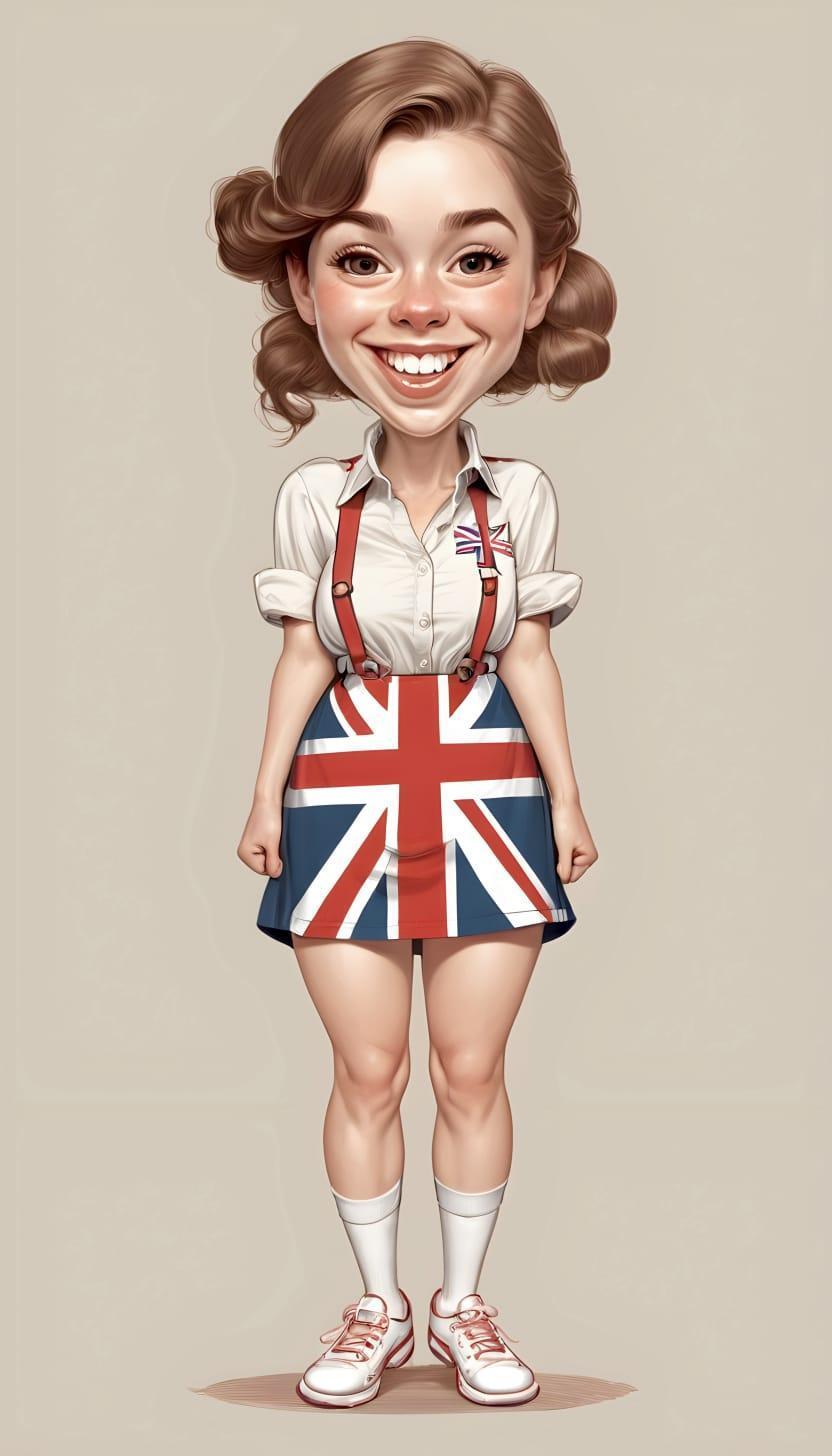
In the U.K., afternoon tea is a quiet celebration of politeness and pastry-driven culture. In Azerbaijan, carpet weaving holds deep meaning—each thread a symbol in family culture. In Rwanda, traditional dance teaches coordination and culture from an early age.

In Belarus, straw weaving continues as a folk art, connecting people to rural culture and craftsmanship. In Honduras, Garifuna drumming carries Afro-Caribbean culture through generations. In Lithuania, midsummer festivals celebrate nature and folklore in deep-rooted culture.

In Montenegro, kolo circle dances bring villages together—a moving symbol of shared culture. In Albania, the code of honor (besa) defines trust and loyalty—core parts of local culture. In Qatar, falconry is more than a sport—it's a noble tradition in desert culture.

In Sudan, henna painting for weddings reflects beauty, ritual, and vibrant culture. In the Maldives, boat-making skills are passed down with pride, floating pieces of island culture. In Tunisia, souks are alive with color, trade, and centuries-old culture.

In Kazakhstan, eagle hunting is a proud tradition—culture on the wings of birds. In the Dominican Republic, merengue music moves hips and hearts—a national culture you can dance to. In Burkina Faso, masks in ceremonies aren't just decoration—they embody spirit and culture.
In Yemen, the ancient city of Shibam stands tall with mudbrick skyscrapers—culture carved from the earth. In Slovakia, wooden churches tell stories of faith and carpentry culture. In Panama, the mola textiles of the Kuna people reflect identity and hand-stitched culture.

In Moldova, wine cellars stretch for miles underground—culture preserved in barrels and bottles. In the Seychelles, creole language and food reflect a sunny island blend of cultures. In Latvia, folk songs (dainas) are short but packed with meaning—culture you can sing in a few lines.

In North Macedonia, the giant Orthodox cross on a hill shows faith as a visible part of national culture. In Armenia, ancient churches and khachkars (cross stones) keep Christian culture alive in stone. In Laos, baci ceremonies tie white strings on wrists for blessings—a heartfelt piece of culture.

In Cyprus, meze meals turn dining into slow, social culture. In Niger, camel caravans still cross the Sahara—a nomadic culture that endures against the odds. In Brunei, traditional music called "Adai-adai" mimics boat paddling—culture echoed in rhythm.
In the Bahamas, Junkanoo parades burst with feathers, horns, and island culture. In Iraq, maqam music tells poetic stories passed through generations—culture carried by voice. In Suriname, diverse immigrant backgrounds mix into a multicultural blend of language, food, and celebration.
In Guinea, drumming schools teach rhythm as history—a heartbeat of West African culture. In Luxembourg, dancing around the city during "Echternach Procession" shows medieval culture in motion. In Paraguay, harp music and handmade lace define a sweet, slow-paced culture.
In Togo, voodoo festivals honor spirits with music, color, and sacred culture. In Monaco, the tiny nation keeps its royal traditions alive as part of its unique culture. In Central African Republic, barkcloth is still worn in ceremonies—a living link to forest culture.
In Liechtenstein, alpine herding traditions continue despite modern life—a quiet echo of mountain culture. In Eswatini, reed dances bring thousands together in celebration of beauty and cultural pride. In Malawi, storytelling and proverbs are woven into everyday conversation, keeping culture close at hand.

In Namibia, the Himba people use red ochre cream on their skin—a striking tradition rooted in culture and climate. In the Gambia, kora music tells tales with 21 strings, weaving history and culture together. In Andorra, folk dances passed through generations keep mountain culture spinning.

In Bosnia, coffee isn't just a drink—it's a social ceremony that runs deep in culture. In Guinea-Bissau, carnival is a joyful fusion of Portuguese and African culture. In Mauritania, poetry is a respected art, with culture flowing through carefully crafted verses.

In Chad, the Gerewol festival includes beauty contests judged by women—a dazzling show of culture and flair. In Equatorial Guinea, Spanish and native tongues mix in schools and songs—a unique cultural cocktail. In Timor-Leste, tais weaving combines family heritage with colorful culture.

In San Marino, medieval reenactments celebrate centuries of uninterrupted culture. In Saint Lucia, creole festivals bring together dance, drums, and language to honor local culture. In Kiribati, dancing mimics the ocean—culture shaped by waves and isolation.

In Vanuatu, land diving with vines inspired bungee jumping—it's a fearless tradition in island culture. In Comoros, wedding customs involve weeks of festivities—an extended expression of love and culture. In Palau, traditional storyboards carved from wood preserve legends and culture.
In Micronesia, navigation by stars and waves is a skill passed down—a living science and culture. In Tuvalu, communal fishing practices build strong bonds and reflect sea-centered culture. In Saint Kitts and Nevis, masquerade dancers spin colonial and African influences into vibrant culture.
In Tonga, tapa cloth made from tree bark is both everyday wear and sacred culture. In Dominica, the Kalinago people maintain their own language and crafts as pillars of culture. In Marshall Islands, stick charts once mapped ocean swells—a smart and artistic part of navigation culture.

In Saint Vincent, breadfruit festivals honor both food and freedom—a tasty slice of cultural history. In Samoa, tattooing is a rite of passage, with deep roots in family and culture. In Antigua, carnival isn't just for tourists—it's a community-powered culture celebration.

In Barbados, crop-over festivals celebrate sugar harvests—culture born from hardship and turned into joy. In Grenada, spice markets smell like cinnamon and nutmeg—a scent trail of island culture. In Seychelles, Sega music is the heartbeat of Creole culture—joyful, rhythmic, and irresistible.
In Cabo Verde, morna music wraps sorrow and love into melodies that express culture with every note. In the Maldives, bodu beru drumming brings islands together in one powerful cultural rhythm. In the Bahamas, conch salad is more than a dish—it's a taste of culture by the sea.

In Suriname, Hindu, Muslim, and Indigenous festivals share the same calendar—a unique blend of cultures. In Fiji, kava ceremonies are slow, respectful, and soaked in tradition—a drink of unity and culture. In Solomon Islands, panpipe orchestras create harmonies that echo ancient culture.
In Nauru, storytelling traditions passed down from elders hold the island's culture together. In Bhutan, masked dances during festivals are spiritual dramas—culture expressed in motion. In Saint Helena, isolation has preserved accents and habits unchanged—culture frozen in time.
In Macau, Portuguese colonial past meets Cantonese roots in architecture and culture. In Hong Kong, tea is serious business, served with etiquette shaped by centuries of culture. In Greenland, Inuit drum dances and throat singing keep native culture alive despite the Arctic chill.
In Western Sahara, nomadic culture lives on through camel caravans and oral poetry. In Vatican City, centuries of religious art and ritual make up the smallest but one of the richest cultures. In Kosovo, Albanian and Serbian heritage meet in a complex cultural mosaic.
In Montenegro, fishing and folklore go hand-in-hand, casting culture out to sea. In Jordan, Bedouin culture values hospitality above all—guests are treated like kings in the desert. In Bahrain, pearl diving was once a lifeline, now it's a cherished cultural memory.
In the UAE, date palms are a symbol of life and generosity—culture rooted in the desert. In Israel, the kibbutz lifestyle shaped agriculture and community-focused culture. In Oman, frankincense trails built trade empires—culture carried on spice-scented winds.
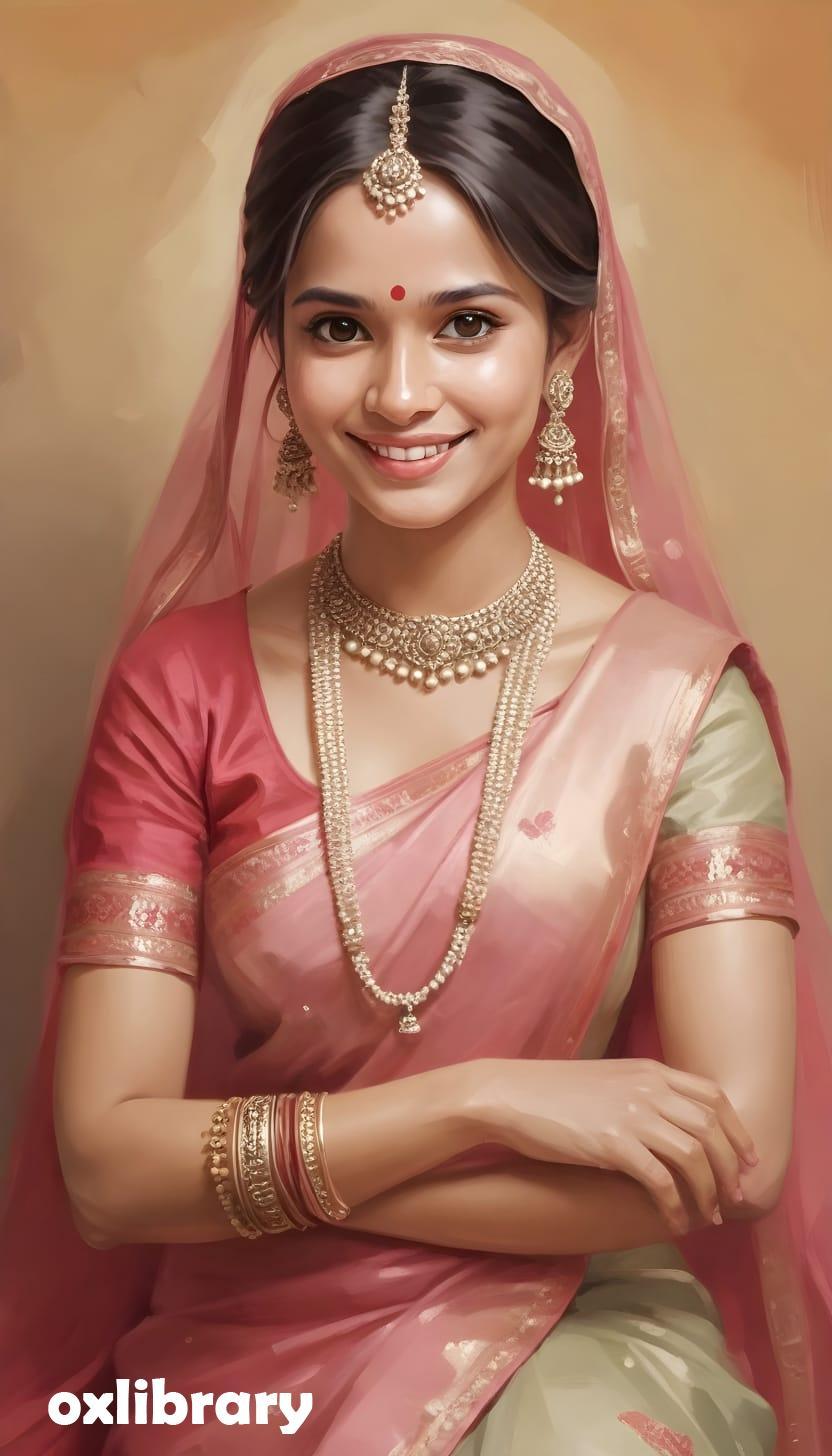
In Qatar, dhow boats are still built by hand—culture crafted from wood and sea salt. In Kuwait, storytelling and poetry events are national pastimes, keeping culture spoken and alive. In Syria, old souks whisper stories from centuries of layered culture.
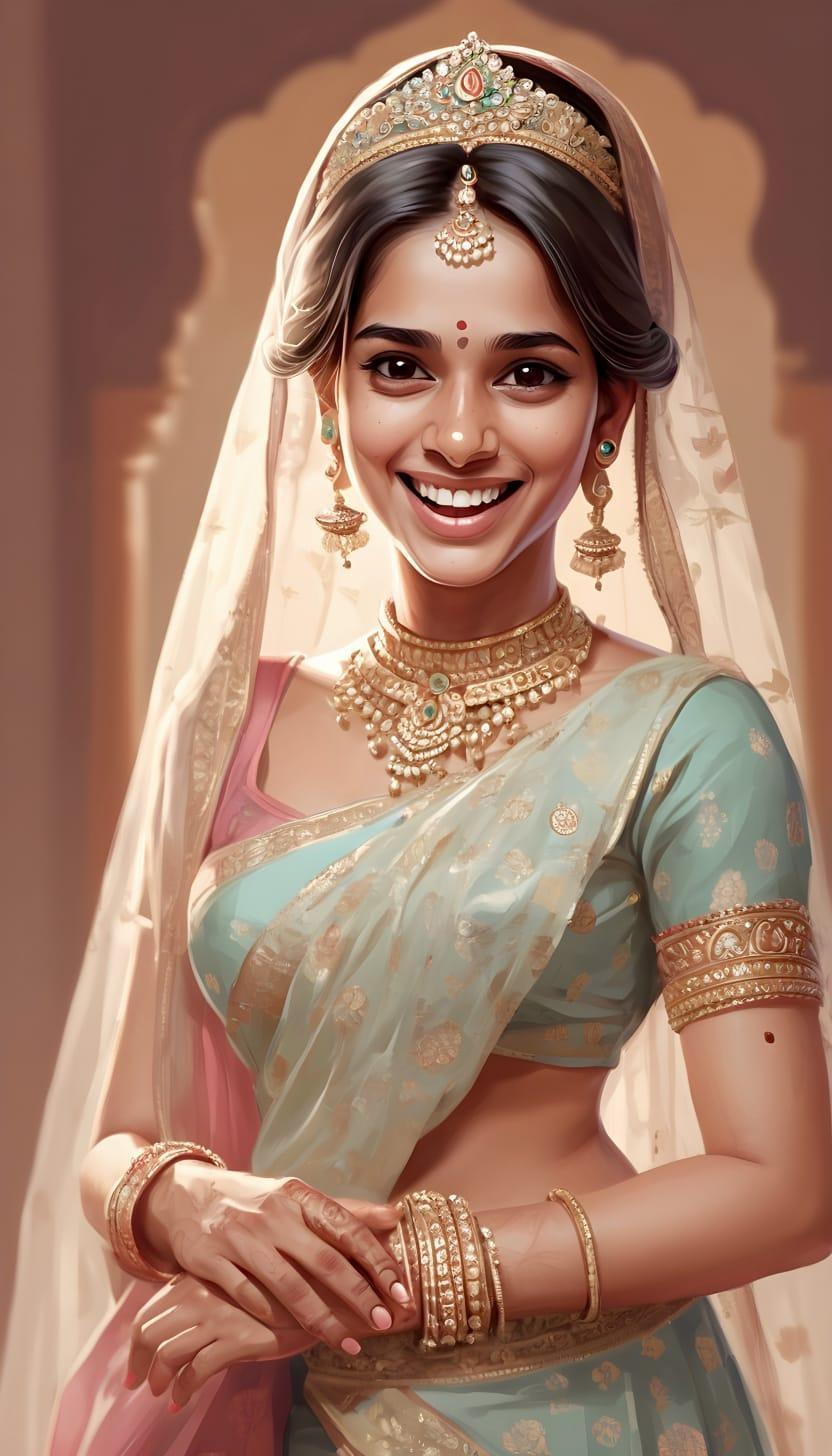
In Armenia, apricot wood is used to make the duduk, a haunting flute that breathes culture. In Georgia, supra feasts combine toasts, food, and philosophy into one big table of culture. In Lebanon, food is central—mezze meals stretch for hours, flavored with culture and conversation.

In Uzbekistan, plov is a beloved rice dish cooked in huge pots—it feeds families and fuels culture. In Kyrgyzstan, felt-making is a traditional skill that weaves comfort and culture into everyday life. In Tajikistan, storytelling poets known as "ashiqs" preserve culture through rhyme.

In Turkmenistan, carpets aren't just floor coverings—they're masterpieces of culture and tribal identity. In Mongolia, yurts are portable homes that symbolize a nomadic lifestyle and culture. In Afghanistan, kite flying isn't just a game—it's a cultural tradition full of symbolism.

In Nepal, prayer wheels spin mantras and culture in every turn. In Bangladesh, the Bengali New Year is celebrated with parades, color, and culture. In Sri Lanka, the Perahera festival includes elephants, dancers, and centuries-old culture on full display.

In Myanmar, golden pagodas shine as symbols of spiritual and cultural devotion. In Thailand, water fights during Songkran celebrate cleansing and fun—culture gets a splash. In Laos, weaving skills are passed down like stories—culture in every thread.

In Vietnam, street food isn't fast—it's handmade, passed down, and full of flavor and culture. In Cambodia, Angkor Wat isn't just ancient—it's living culture through temple and prayer. In Brunei, modesty and faith shape a distinct and elegant culture.
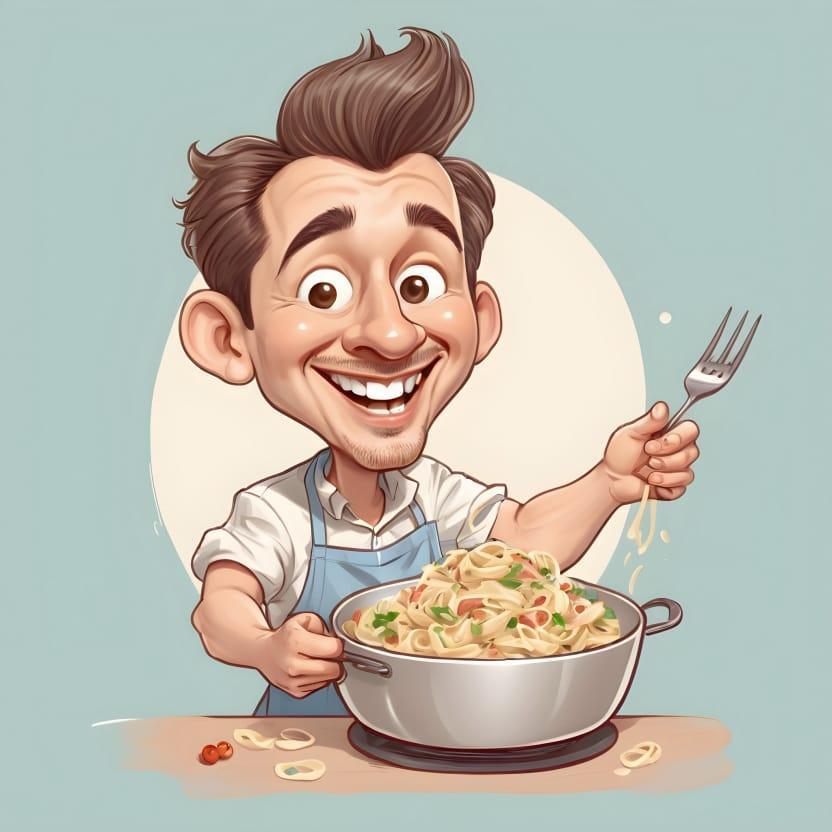
In Indonesia, wayang shadow puppets bring mythology to life in one of the oldest storytelling cultures. In the Philippines, jeepneys are loud, colorful, and totally unique—a rolling piece of urban culture. In Malaysia, Hari Raya feasts unite families and cultures in festive harmony.
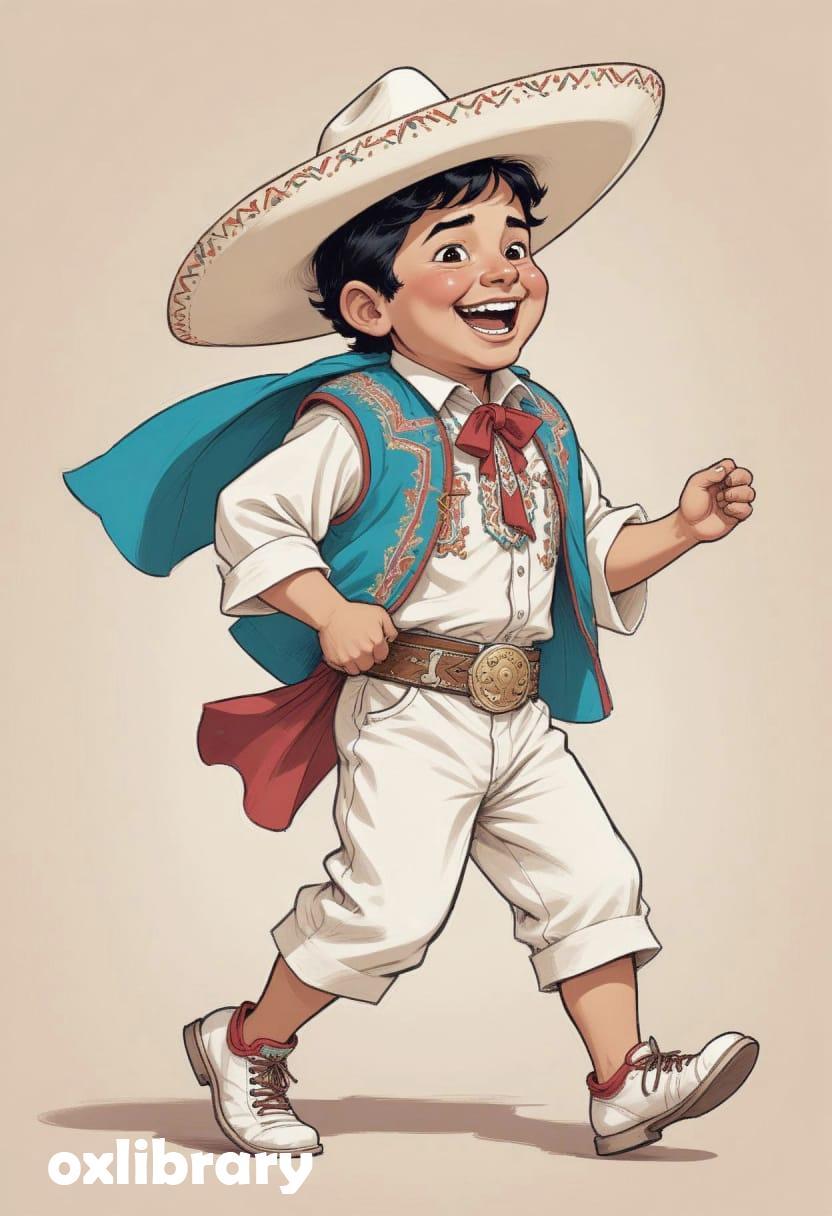
In Singapore, multiculturalism is baked into national policy—a rare balance of cultures in one city. In Timor-Leste, traditional dance and tais weaving form the rhythm and color of national culture. In Papua New Guinea, sing-sings showcase tribal culture with feathers, paint, and song.
In Australia, Aboriginal dot painting encodes stories and geography—art as culture and map. In New Zealand, marae are sacred gathering places where Māori culture lives and breathes. In Tonga, royal family traditions reflect a deep cultural respect for hierarchy.
In Samoa, fa'a Samoa means "the Samoan way"—a powerful phrase that defines their entire culture. In Fiji, village chiefs lead with consensus—a political system rooted in culture. In Micronesia, community canoe-building events are huge and meaningful moments of shared culture.
In Palau, matrilineal family lines mean women inherit land—a rare feature in Pacific Island culture. In Kiribati, oral histories preserve climate knowledge and survival skills through culture. In Tuvalu, climate change threatens not just land, but the very survival of their culture.
In the Cook Islands, traditional dancing tells stories of the sea, family, and culture. In Niue, tapa cloths and songs are passed through generations—culture folded into everyday life. In Tokelau, communal living isn't just practical—it's a key part of cultural identity.
In the British Virgin Islands, storytelling under the stars keeps folklore and culture alive. In the Cayman Islands, shipbuilding was once central to island life—a maritime culture now celebrated in museums. In Bermuda, Gombey dancers combine African, Caribbean, and British traditions into a bold cultural expression.
In the Falkland Islands, sheep farming isn't just a job—it's part of the island's rural culture. In French Polynesia, flower crowns are worn proudly, reflecting joy and island culture. In New Caledonia, Kanak totems and hut designs express the spirit of Melanesian culture.
In Wallis and Futuna, kava ceremonies and dance connect communities to Polynesian culture. In Réunion, Creole food and music show a rich blend of African, French, and Indian cultures. In Guadeloupe, Carnival season bursts with color, sound, and a fierce celebration of culture.
In Martinique, zouk music mixes Caribbean rhythm with French lyrics—culture on a dancefloor. In Saint Pierre and Miquelon, French fishing traditions hold strong despite harsh Atlantic winds—culture by the sea. In Mayotte, Islamic and African influences shape a unique blend of island culture.
In Greenland, dog sledding is more than sport—it's a cultural survival skill. In Faroe Islands, chain dancing links generations through music and community culture. In Svalbard, preserving silence and nature is part of the local culture in this Arctic outpost.
In the Azores, volcanic festivals honor the land's power—culture tied to nature's rhythms. In Madeira, flower parades celebrate beauty and renewal in a vivid cultural expression. In the Canary Islands, guanche heritage survives in place names and traditions—echoes of ancient culture.
In the Balearic Islands, folk dances and instruments like the xeremia express a joyful island culture. In Corsica, polyphonic singing is a haunting way of telling cultural stories. In Sardinia, shepherding traditions and masked festivals keep the island's rural culture strong.
In Sicily, puppet theater once brought epic tales to life—culture performed in tiny wooden acts. In Crete, Cretan lyra music connects the island's ancient soul to its modern culture. In Malta, the mix of Arabic and Latin influences shows up in the language, food, and deep cultural layers.
In the Galápagos Islands, local culture blends conservation, fishing, and respect for unique wildlife. In Easter Island, the moai statues are silent guardians of ancestral memory and Polynesian culture. In Antarctica's research stations, scientists build micro-cultures—tiny international communities united by discovery.
Related Content
- America culture
- American culture fun fact
- American culture trivia facts
- American indigenous culture
- American mass culture
- Asian lady customs
- Australia culture fun fact
- Australia culture
- Australian culture
- Brazil culture
- Brazilian culture
- Britain culture
- Canada culture customs
- Canada culture
- Canadian culturecon
- Cowboy customs
- Cowgirl culture
- Cowgirl customs
- England culture and tradition
- England interesting cultural facts
- France custom and tradition
- French culture and tradition
- French culture facts
- French woman customs
- German culture
- Germany culture fun fact
- Germany culture trivia facts
- Germany interesting cultural facts
- India interesting cultural facts
- Indian culture
- Indian interesting cultural facts
- Italian culture
- Italy culture trivia facts
- Italy culture
- Mexican boy customs
- Mexican child customs
- Mexican child fun picture
- Mexican culture day
- Mexican culture facts
- Mexican culture fun fact
- Mexican culture fun facts
- Mexican culture trivia facts
- Mexican custom and tradition
- Mexican girl fun picture
- Mexican interesting cultural facts
- Mexican with sombrero hat
- Mexican woman customs culture
- Mexicans interesting cultural facts
- Mexico culture fun facts
- Mexico customs
- Mexico dress culture
- Mexico girl customs
- Mexico girl dress culture
- Mexico hat customs
- Mexico woman customs
- Palestine flag
- Palestine woman
- Philippine culture
- Spain culture
- Spain dress culture