Australian culture
- Fun pictures /
- Culture /
- Australian culture
Australia is home to the world's longest fence, called the Dingo Fence, stretching over 5,600 kilometers to keep wild dingoes away from farmland. Vegemite, a salty yeast spread, is a staple breakfast item in Australian culture—loved by many Aussies but often a surprise for visitors. The didgeridoo, an ancient wind instrument made by Indigenous Australians, produces deep, hypnotic sounds and is one of the oldest instruments still in use today.

The Australian tradition of "Aussie BBQs" is more than just grilling; it’s a social event where friends and family gather to share stories and laughs outdoors. Australia has more than 10,000 beaches, making coastal life a big part of Australian culture and leisure time for locals and tourists alike. The phrase “No worries” perfectly captures the laid-back, friendly attitude that’s central to Australian culture.

In Australian culture, the "bush" refers to the wild, natural areas of the country, and many Aussies enjoy spending time camping or hiking there. Australian Rules Football, or “footy,” is a unique sport that’s hugely popular in several states and a proud part of local culture. The famous Sydney Opera House, with its iconic sail-like design, is a symbol of modern Australian culture and architecture.
Anzac Day, held every April 25, is a significant national day in Australia, honoring the country's military history and its soldiers' sacrifices. Australia is known for its unique wildlife, including kangaroos and koalas, which are deeply tied to the country’s cultural identity. The Australian slang word “mate” is a common term of friendship, reflecting the country’s friendly and inclusive culture.
Surfing is not just a sport but a lifestyle for many Australians, especially along the famous Gold Coast and Bondi Beach. Barbie (short for barbecue) culture is so strong in Australia that outdoor grilling is almost a national pastime. The tradition of "throwing another shrimp on the barbie" became famous worldwide, even if Aussies usually say "prawns" instead of shrimp.
The Indigenous Dreamtime stories explain the creation of the world and are a vital part of Australian culture and Aboriginal heritage. Australia's multicultural society means that Australian culture is a rich mix of traditions from around the world, especially from Europe and Asia. Vegemite was created during World War I when Marmite became scarce, making it a uniquely Australian invention rooted in history.
Australians love their coffee, and cities like Melbourne are famous for their thriving café culture, which is a big part of modern Australian culture. The phrase “fair dinkum” means genuine or true and is often used to show honesty or surprise in everyday Australian conversation. The Aussie “swagman,” a traveler who carries their belongings in a bedroll, became a folk hero and symbol of Australian independence and adventure.
Australia’s Great Barrier Reef isn’t just a natural wonder; it also inspires many cultural stories and environmental movements within Australian culture. The Melbourne Cup horse race is known as “the race that stops a nation” because of its huge cultural importance across Australia. Australian Aboriginal art, with its distinctive dot painting style, tells stories of the land and its people in a unique cultural expression.
Vegemite lovers often spread it thin on toast with butter, showing how taste preferences in Australian culture can be quite specific. “Bush poetry,” like the works of Banjo Paterson, celebrates the rugged Australian landscape and is cherished in Australian culture. Australia’s national floral emblem, the golden wattle, blooms in spring and is a proud symbol embraced in Australian culture.
The tradition of “footy tipping” during Australian football season is a popular social activity, bringing friends and families together. Australian culture has a strong outdoor focus, with activities like cricket, hiking, and swimming commonly enjoyed year-round. The slang term “arvo” means afternoon and shows how Australian culture loves shortening words for casual chat.
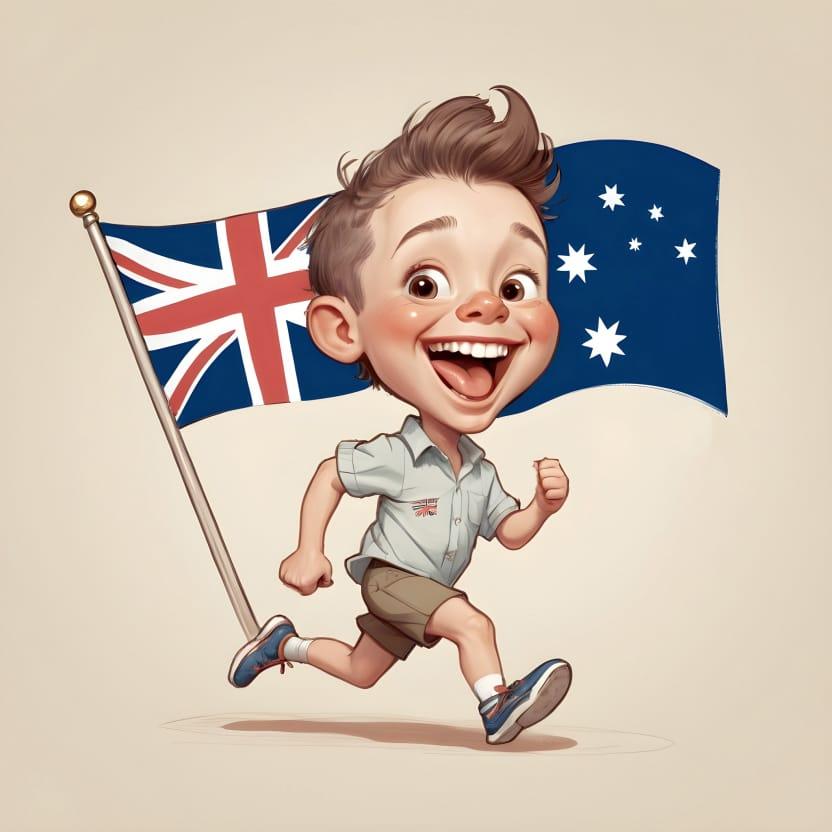
Australia Day, celebrated on January 26, marks the arrival of the First Fleet in 1788 and is a day of both celebration and reflection in Australian culture. Many Australians grow up with stories about the “Drop Bears,” a fictional but scary-sounding creature used in playful Aussie humor. Australian cinema has produced internationally acclaimed films like “Crocodile Dundee,” which helped spread Australian culture globally.
The concept of “mateship” is central to Australian culture, emphasizing loyalty, friendship, and equality among people. Australian slang includes colorful terms like “bogan” for someone considered unsophisticated, reflecting the country’s playful use of language. The Outback, Australia’s vast interior, holds a special place in Australian culture as a symbol of toughness and resilience.
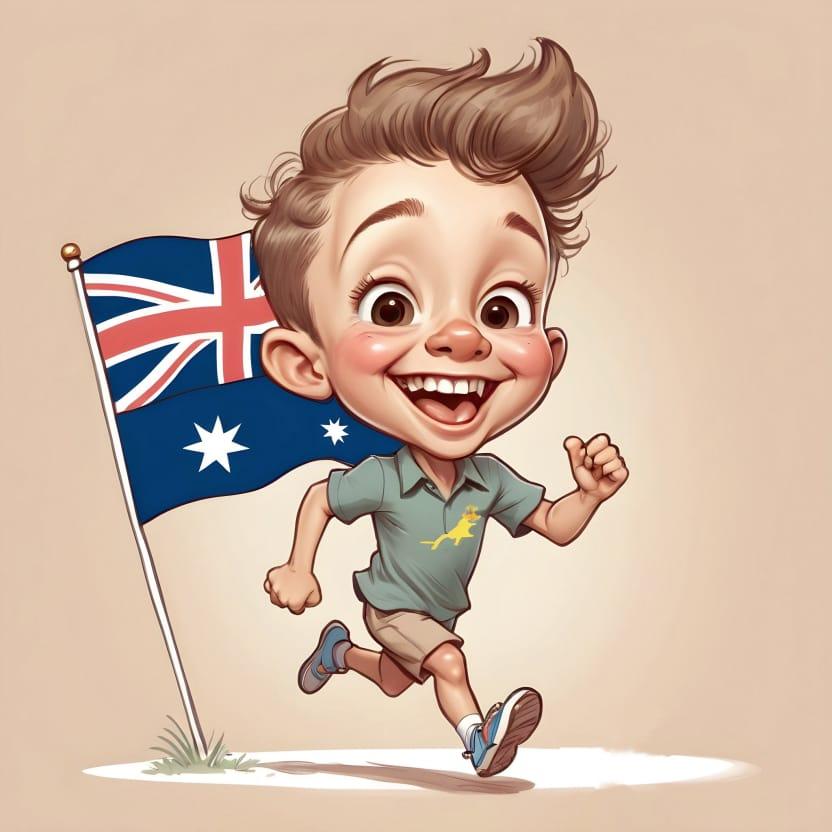
In Australian culture, “shout” means to buy a round of drinks for friends, highlighting the social nature of Aussie gatherings. Vegemite is so iconic in Australian culture that it often appears in jokes, cartoons, and even art installations. Australians celebrate “Anzac biscuits,” a sweet treat linked to the soldiers of World War I and cherished as part of national heritage.
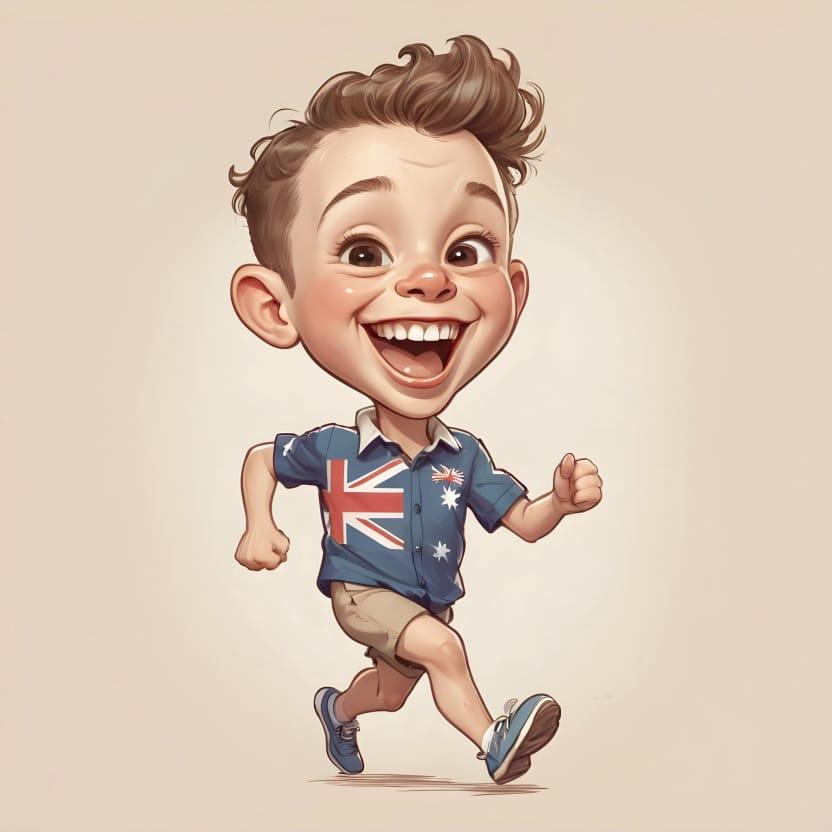
Australia’s multicultural food scene blends traditional indigenous ingredients with international flavors, showcasing the diversity in Australian culture. The phrase “she’ll be right” reflects the optimistic, can-do attitude common in Australian culture. Kangaroo meat, once taboo, is now more accepted and even promoted as a sustainable choice in Australian cuisine and culture.
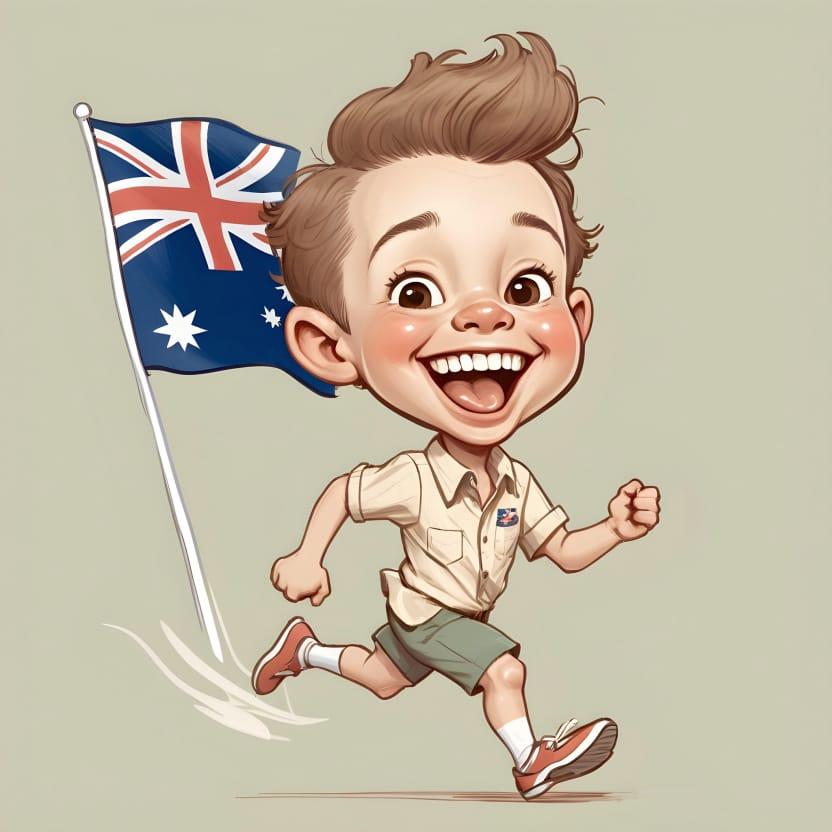
The tradition of surfing competitions like the Bells Beach Classic is an important aspect of Australian culture and outdoor sport. Australian slang includes “bloke” for a man and “sheila” for a woman, showing the country’s unique informal way of speaking. The famous Australian phrase “going walkabout” refers to a traditional Indigenous practice but is also used colloquially to mean wandering off.
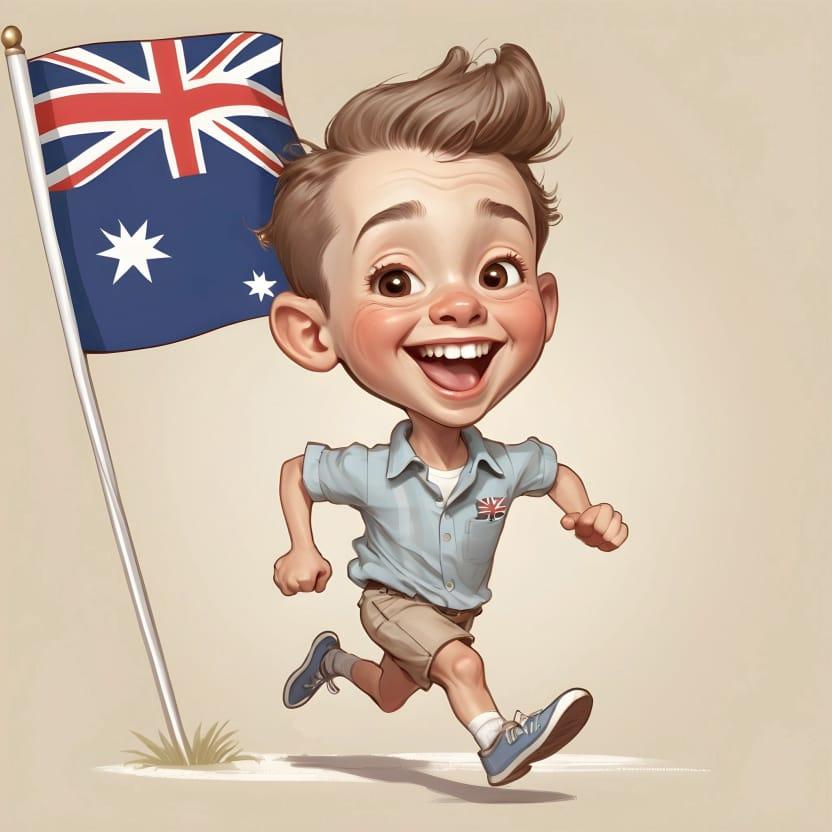
The bushranger tales of characters like Ned Kelly are a legendary part of Australian culture, blending history with folklore. Australia’s national anthem, “Advance Australia Fair,” is sung proudly at sporting events and public ceremonies, uniting many in Australian culture. Australian rules football combines elements from several sports and is a unique cultural pastime enjoyed mostly in Australia.

Many Australians celebrate “Australia Day” with fireworks, beach parties, and barbecues, which reflect the outdoor and communal spirit of Australian culture. The Southern Cross constellation appears on the Australian flag and holds cultural significance for many Australians. The tradition of “snagging” means grilling sausages on a barbecue, a simple pleasure beloved in Australian culture.
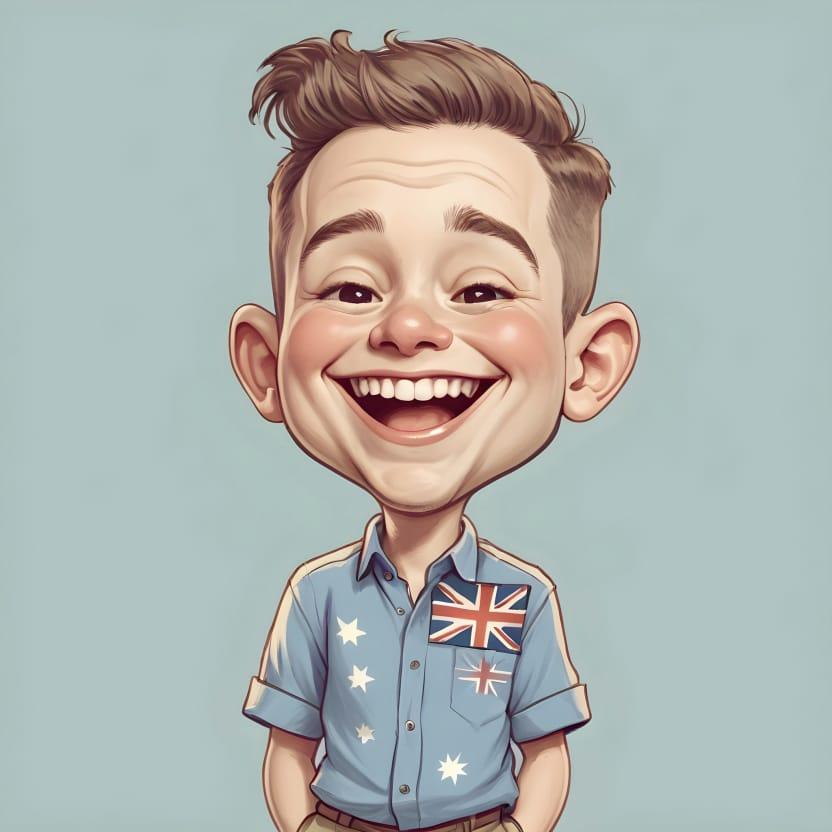
Australia has a unique system of “bush telegraph,” an informal way news and gossip spread quickly in rural communities, showing social connectedness. The phrase “flat out like a lizard drinking” humorously means being very busy and is a great example of Australian culture’s quirky expressions. Australian Aboriginal dancers perform traditional ceremonies that preserve and celebrate ancient culture still alive today.
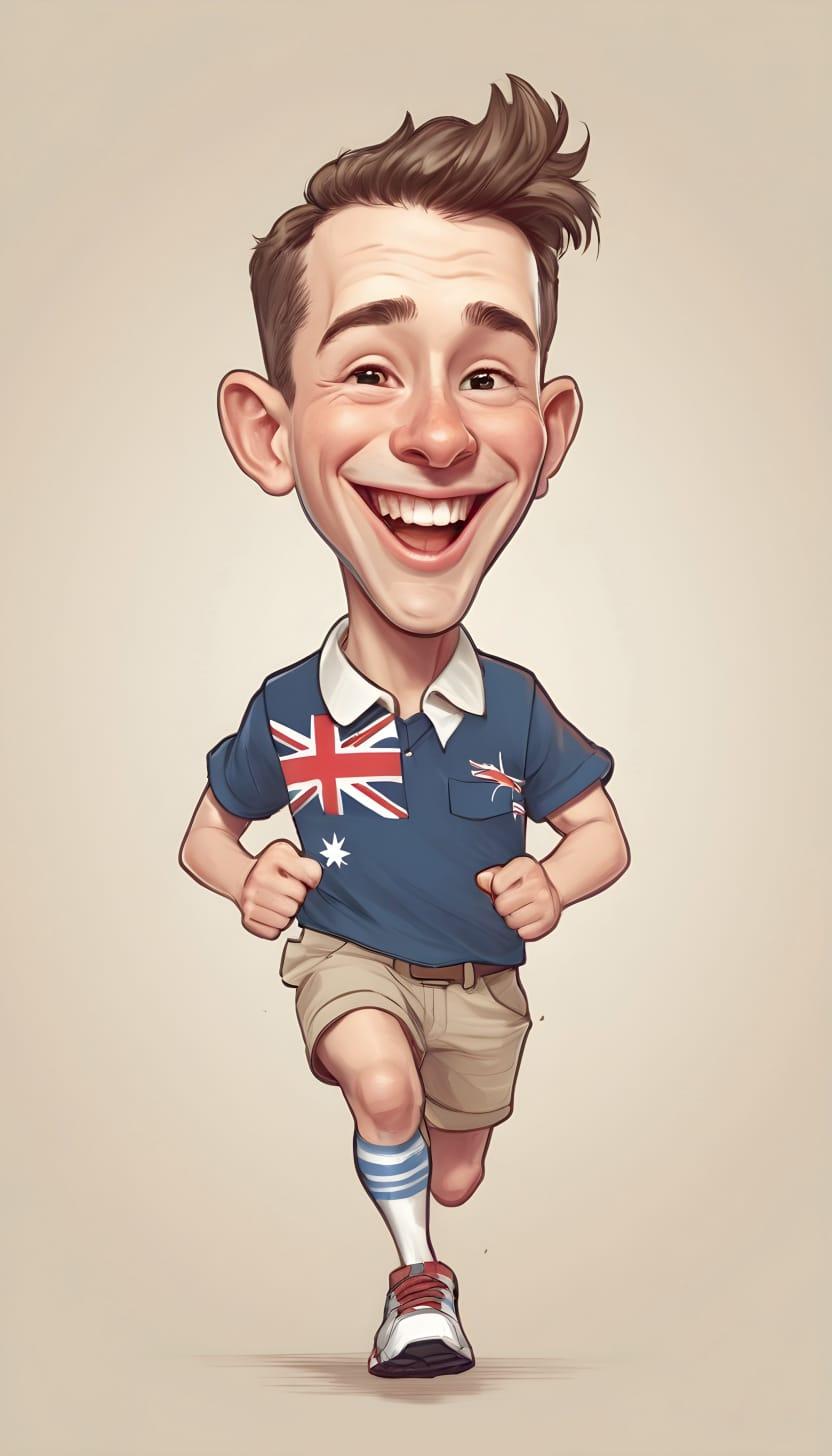
The Great Ocean Road, one of the world’s most scenic drives, is a favorite spot in Australian culture for road trips and outdoor adventures. The tradition of “happy hour” is popular across Australia, often celebrated with friends after work to relax and socialize. “Thongs” in Australia mean flip-flops, a term travelers quickly learn and a small but fun part of Australian culture.
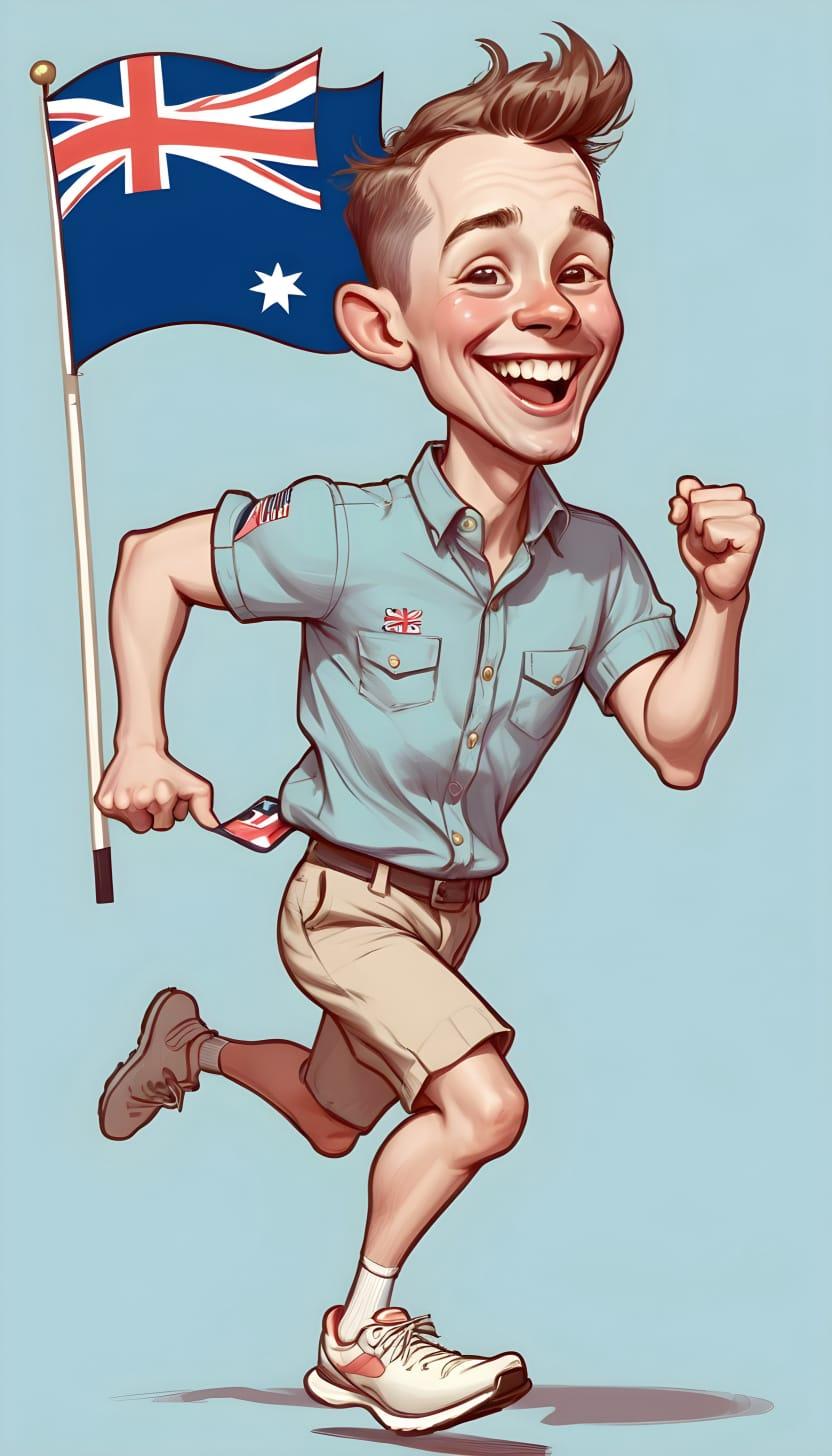
Australian culture is deeply connected to nature, with many people participating in conservation efforts to protect wildlife and landscapes. The phrase “dinkum oil” means truthful information, reflecting the value Australians place on honesty and straightforwardness. Australia’s vibrant arts festivals, like the Sydney Festival, showcase the country’s diverse cultural expressions and creativity.