French woman customs
- Fun pictures /
- Culture /
- French woman customs

Many French women still greet each other with “la bise,” a kiss on both cheeks, which is more about tradition than affection. A French woman rarely leaves the house in sweatpants—even to the bakery. Casual chic is an unwritten dress code. Sunday lunches are sacred; it’s common for French women to spend hours at the table with family, wine, and lots of laughter.
French women often avoid heavy makeup, preferring a natural, glowing look—they call it “bonne mine,” meaning “healthy glow.” It’s a custom in many regions of France for women to bring flowers when invited to someone’s home, but avoid chrysanthemums—they symbolize funerals. In French woman customs, elegance often trumps comfort. High heels may not be daily wear, but style always matters.
Many French women use perfume daily, not just on special occasions. Scent is seen as part of personal identity. In rural areas, market day is still a weekly ritual—French women shop for fresh produce while catching up on village gossip. They often take vacations seriously. August is nearly a national pause, and many French women spend it at the seaside.
A classic part of french woman customs is owning a quality scarf. It’s not just fashion—it’s a statement. French women typically don’t snack. They stick to three meals a day, with meals being moments of pleasure, not guilt. At cafes, it's common to see a French woman enjoying a glass of wine or espresso—alone and content.

Many French women begin introducing children to varied foods early. No “kid menu”—just smaller portions of adult meals. Walking is a daily habit, not exercise. It’s part of the rhythm of life and how many women stay fit naturally. Even in Paris, a French woman might carry a reusable market bag—practicality can be elegant, too.

Respect for artisanal goods is deep. A handmade baguette or a local cheese is often preferred over anything industrial. French woman customs include sending handwritten thank-you notes, especially after formal dinners or gifts. They’re often very private about personal matters, preferring to share feelings only with a close inner circle.

A French woman’s wardrobe is usually smaller but filled with timeless, quality pieces. Fast fashion is less favored. Apéritif hour—when friends meet for light drinks and snacks before dinner—is a common social ritual among women. In southern France, women often wear espadrilles in summer—part comfort, part tradition, totally stylish.
French women are taught early on to appreciate literature, art, and conversation. Cultural fluency is a norm. Dining slowly and enjoying each bite is not just polite—it’s expected. Meals are about savoring, not rushing. In many towns, women are active in organizing local festivals, church events, and community art projects.

French woman customs involve being vocal in politics. Many are deeply engaged in debates and protests. It’s common for a French woman to have a go-to bakery, butcher, and cheese shop—and know the owner by name. Sunglasses are more than sun protection—they’re part of a year-round look, even on cloudy days.
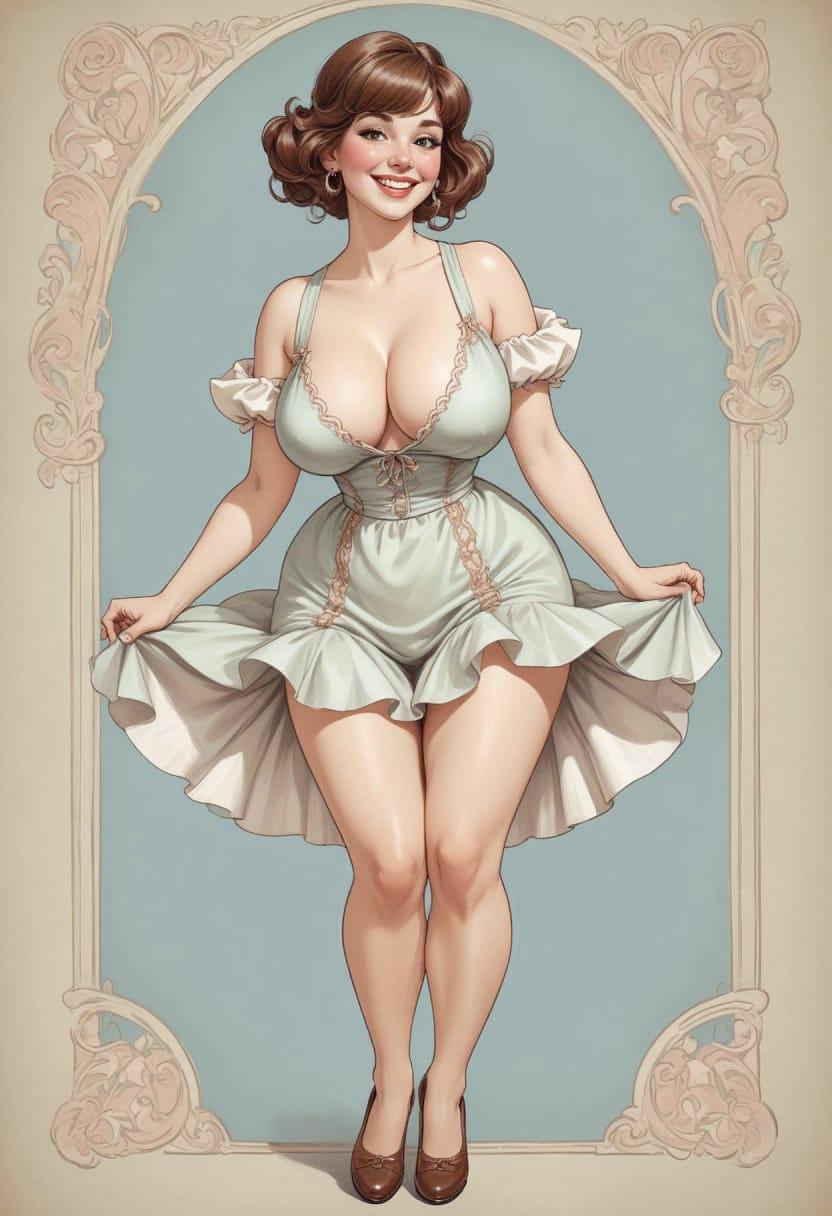
Mothers often let children play freely without constant supervision, embracing the idea of learning through risk. French women may disagree fiercely but do it with politeness and witty retorts. Civility is key. Many keep handwritten recipe books passed down through generations—a culinary heirloom of sorts.
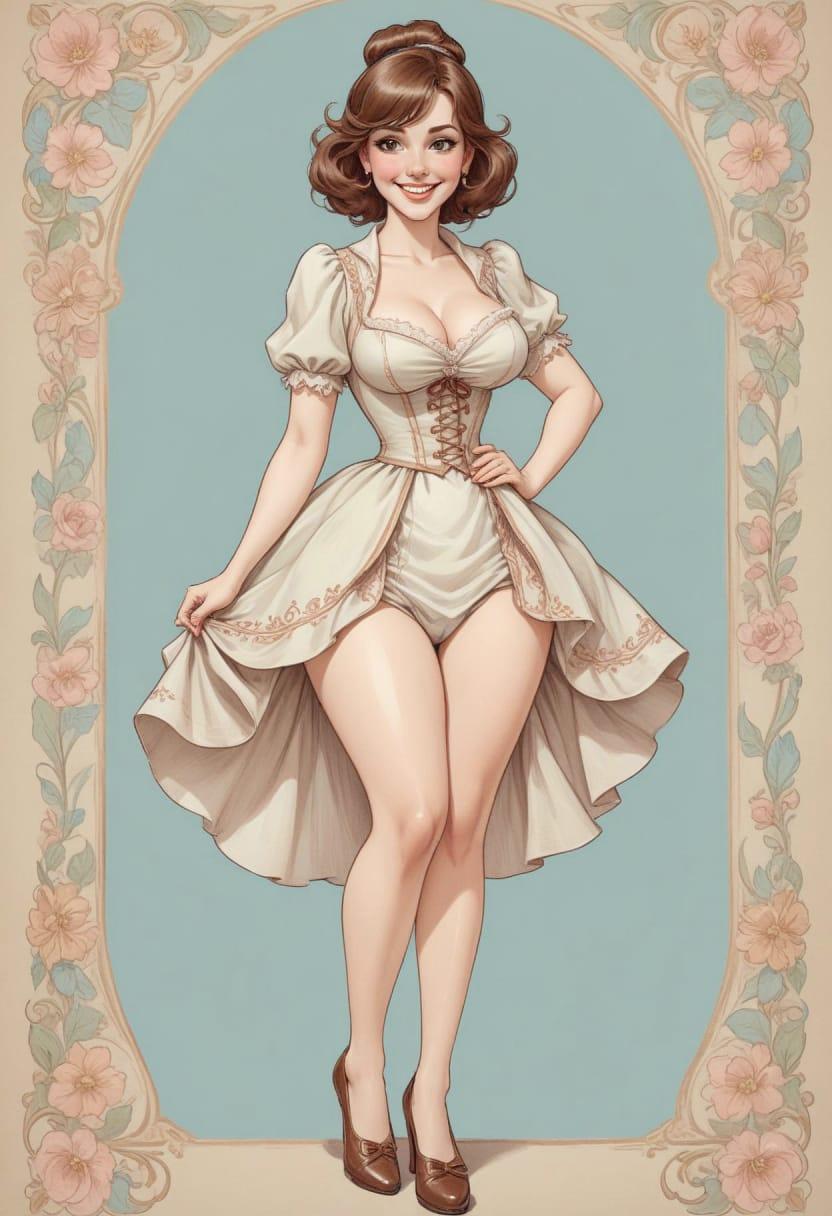
In older generations, sewing and embroidery were common skills—many women still keep this tradition alive. Celebrating birthdays with close friends at home is more common than big, loud parties. Wine knowledge is seen as essential. Many women can discuss regions and pairings as naturally as they talk weather.

French woman customs include caring for skin with pharmacy-grade products—beauty is healthcare here. They are often raised to appreciate silence, solitude, and introspection—not everything must be loud or shared. It’s typical to own fewer but better shoes—and polish them regularly. Shoe care is serious business.
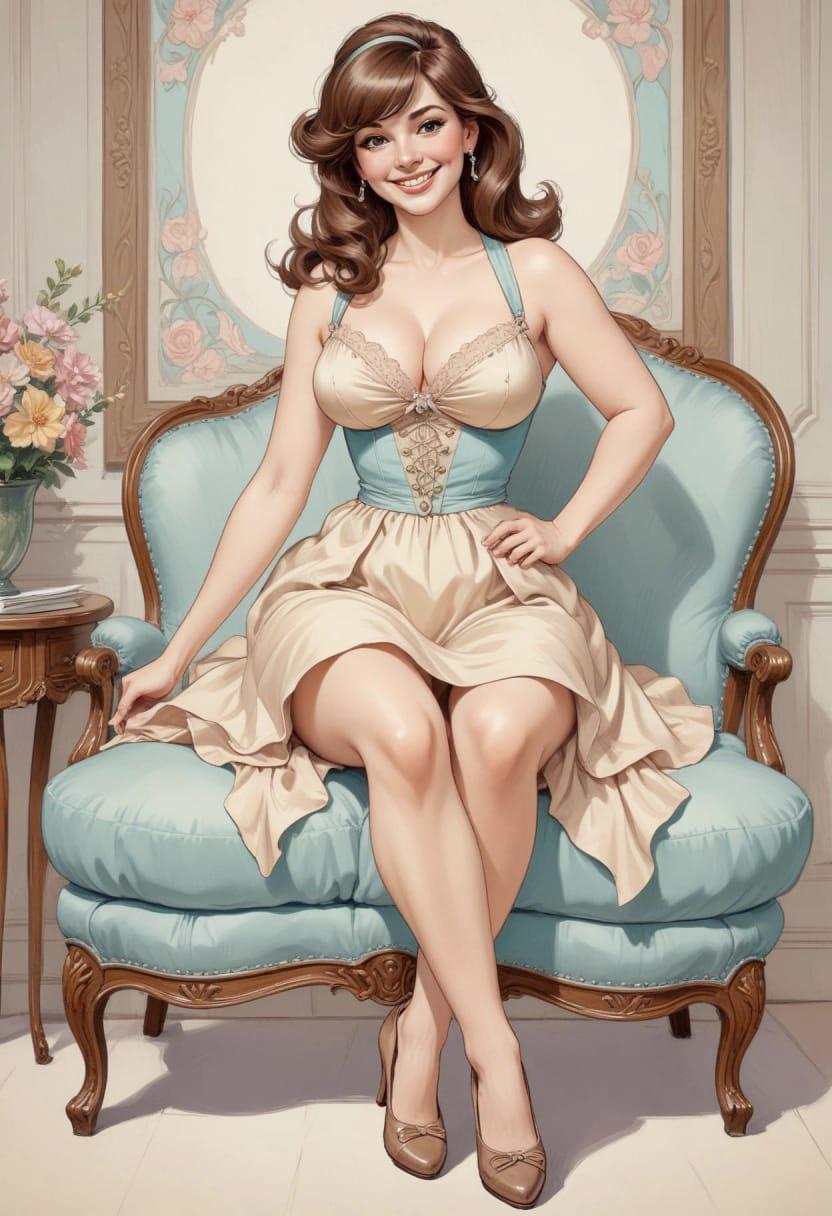
Some women carry books in their handbags, ready to read while waiting or riding the metro. Seasonal eating is taken seriously. Summer fruits and winter stews aren’t mixed—each season has its moment. In some families, women still knit during winter nights, creating scarves, socks, or sweaters with stories.
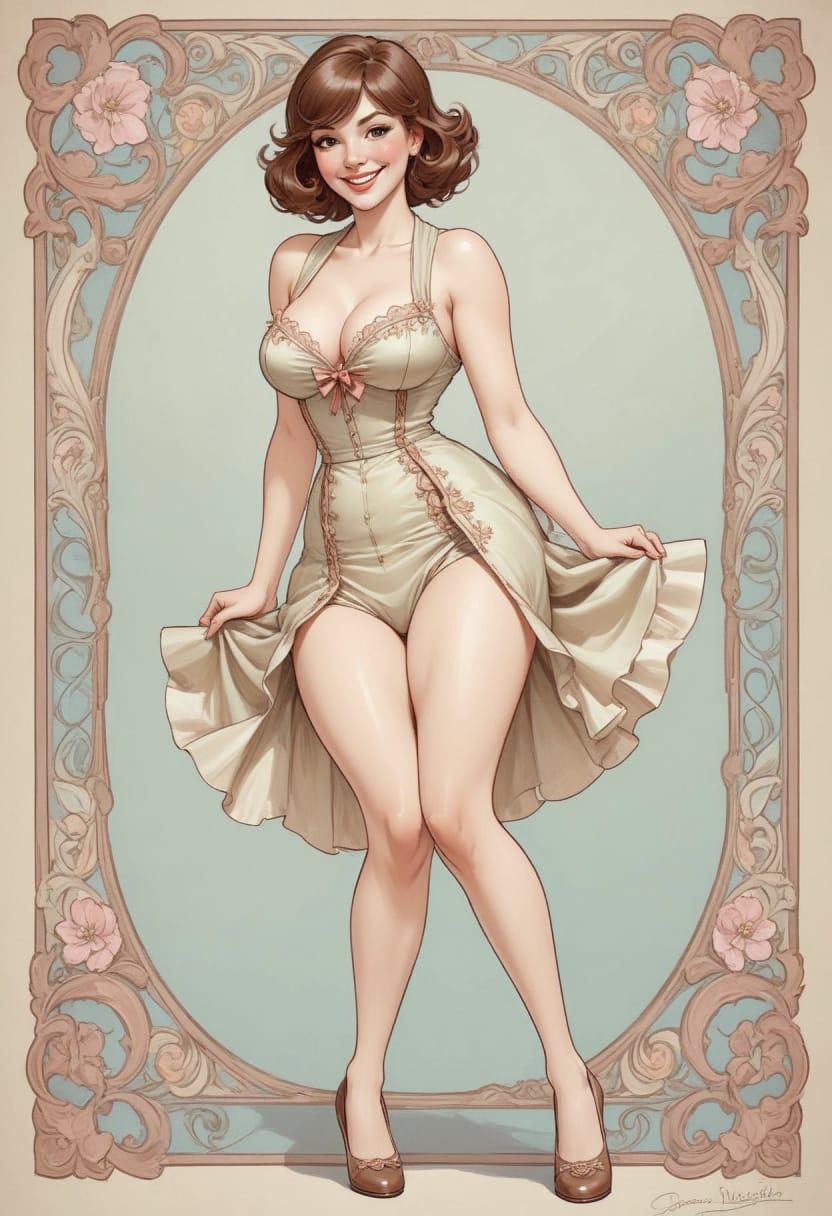
French woman customs include celebrating the Epiphany with a Galette des Rois—a cake that hides a small charm inside. While many French women are modern professionals, many still uphold traditional roles during family gatherings. Chic doesn’t always mean expensive—many know how to mix thrift finds with luxury accessories.

Even in urban areas, women maintain a connection to nature—balcony gardens are surprisingly common. French women often pass along style secrets to daughters: how to tie a scarf, choose a lipstick, or layer clothing. Greeting friends with a kiss on both cheeks varies by region—some kiss once, some four times!

In some towns, women organize book clubs that double as wine tastings—it’s culture with flavor. They may not go to the gym as often, but regular walking, yoga, and dancing are preferred ways to stay active. Local markets are also where fashion meets food—women dress stylishly even for grocery shopping.

The idea of “aging gracefully” is strong—French women often embrace grey hair and wrinkles with pride. They often decorate their homes with fresh flowers and seasonal touches, especially in Provence. Hosting a dinner party is an art form—a well-set table and the right cheese board matter.

French woman customs include Sunday strolls after lunch, often with family or a partner. They tend to prioritize quality time—over coffee, in parks, or at corner cafés. A French woman might wear lipstick just to feel good—even if no one sees her that day.

Even city-dwellers escape to the countryside regularly—fresh air and local food are part of the lifestyle. Many celebrate International Women’s Day with marches, poetry readings, or charity work. It’s common to reuse wrapping paper or ribbons creatively—it’s part eco-conscious, part custom.

Many French women grow herbs on their windowsills for cooking—parsley, thyme, and basil are favorites. Sharing recipes or tips in line at the market is normal—it’s a mix of practicality and bonding. A strong part of french woman customs is the mix of individuality and quiet confidence—it’s not loud, but it lasts.