Mexican culture trivia facts
- Fun pictures /
- Culture /
- Mexican culture trivia facts

In Mexico, it’s common to celebrate birthdays with a piñata—even at adult parties! The Mexican national dish, mole poblano, contains over 20 ingredients, including chocolate. Most Mexican homes don’t have doorbells—people just clap outside to get attention.

Mexican jumping beans aren’t really beans—they’re seed pods with a tiny moth larva inside. The Aztecs used cacao beans as currency long before paper money existed. Wearing red underwear on New Year’s Eve in Mexico is thought to bring love in the coming year.
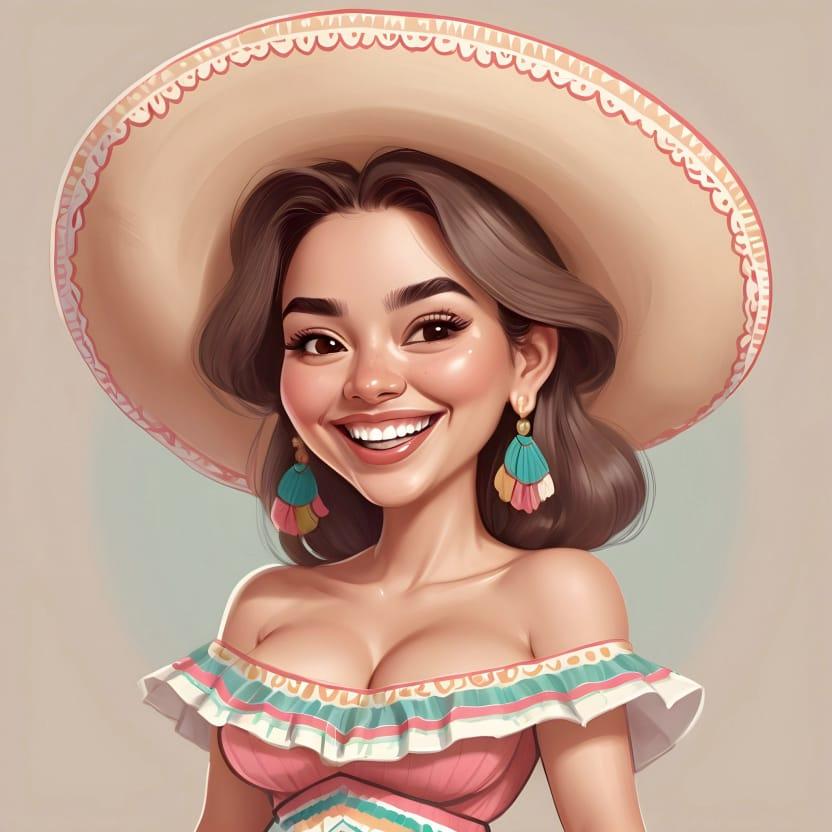
In Mexican culture trivia facts, mariachi bands originally performed without trumpets—those were added in the 20th century. Popcorn has deep roots in Mexico—it was discovered in caves that are over 5,000 years old. The traditional Mexican game "Lotería" is similar to bingo but uses pictures instead of numbers.
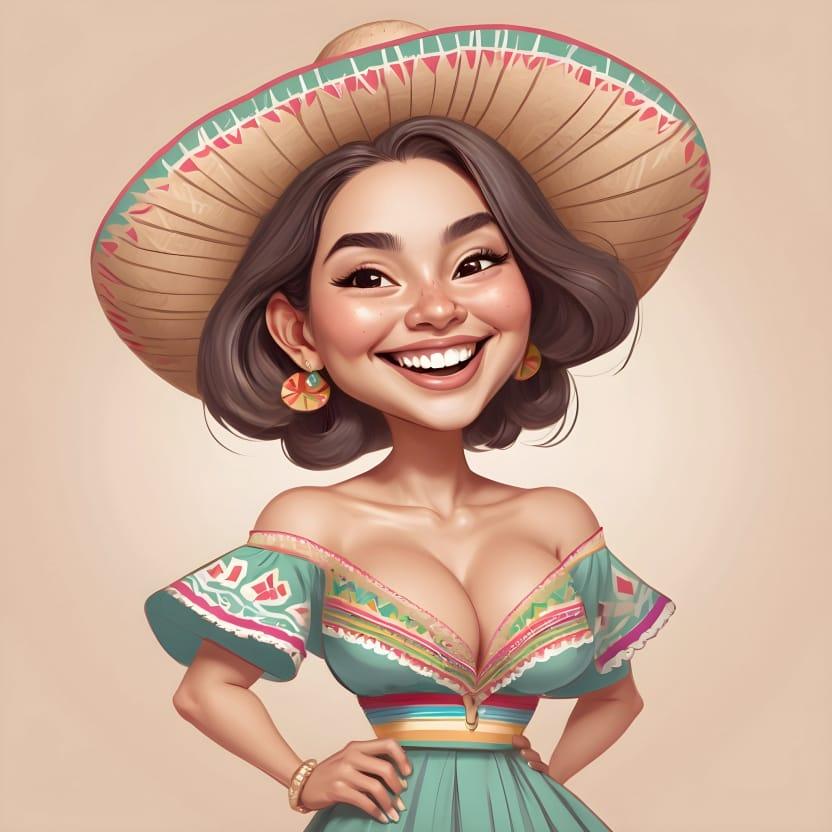
Many Mexicans eat grasshoppers, called "chapulines", as a crunchy snack with lime and chili. The Day of the Dead isn’t a sad holiday—families celebrate with food, music, and stories of loved ones. Children in Mexico often celebrate Three Kings’ Day more than Christmas.
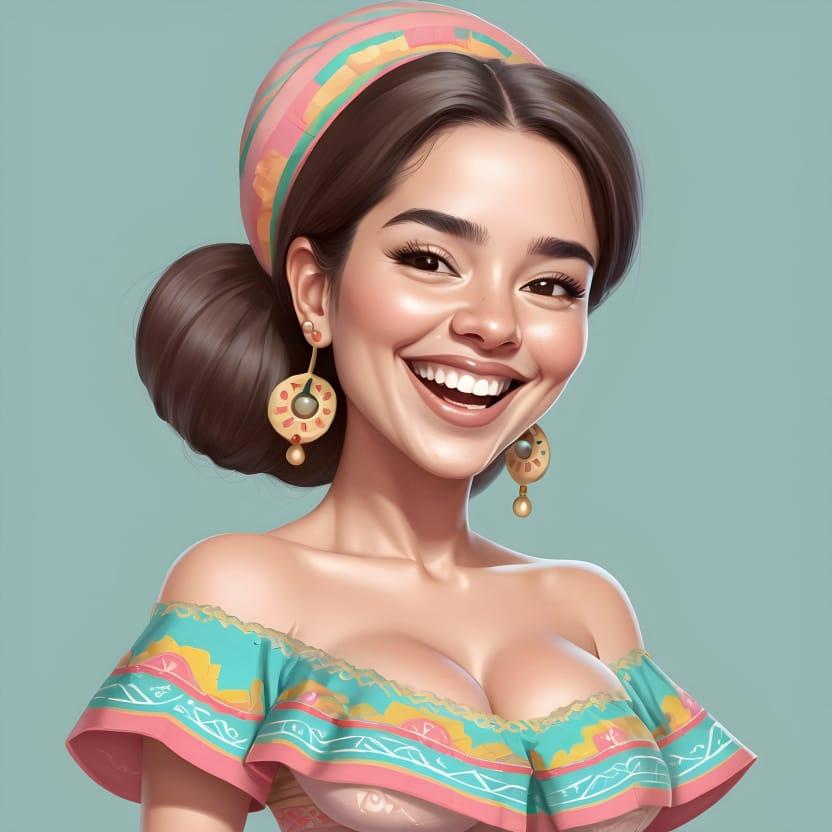
Mexico has the oldest university in North America—UNAM was founded in 1551. There’s a town in Mexico called Real de Catorce that was once a ghost town and now draws spiritual tourists. The Mexican state of Oaxaca is known for its “seven moles,” each with a unique blend of spices.
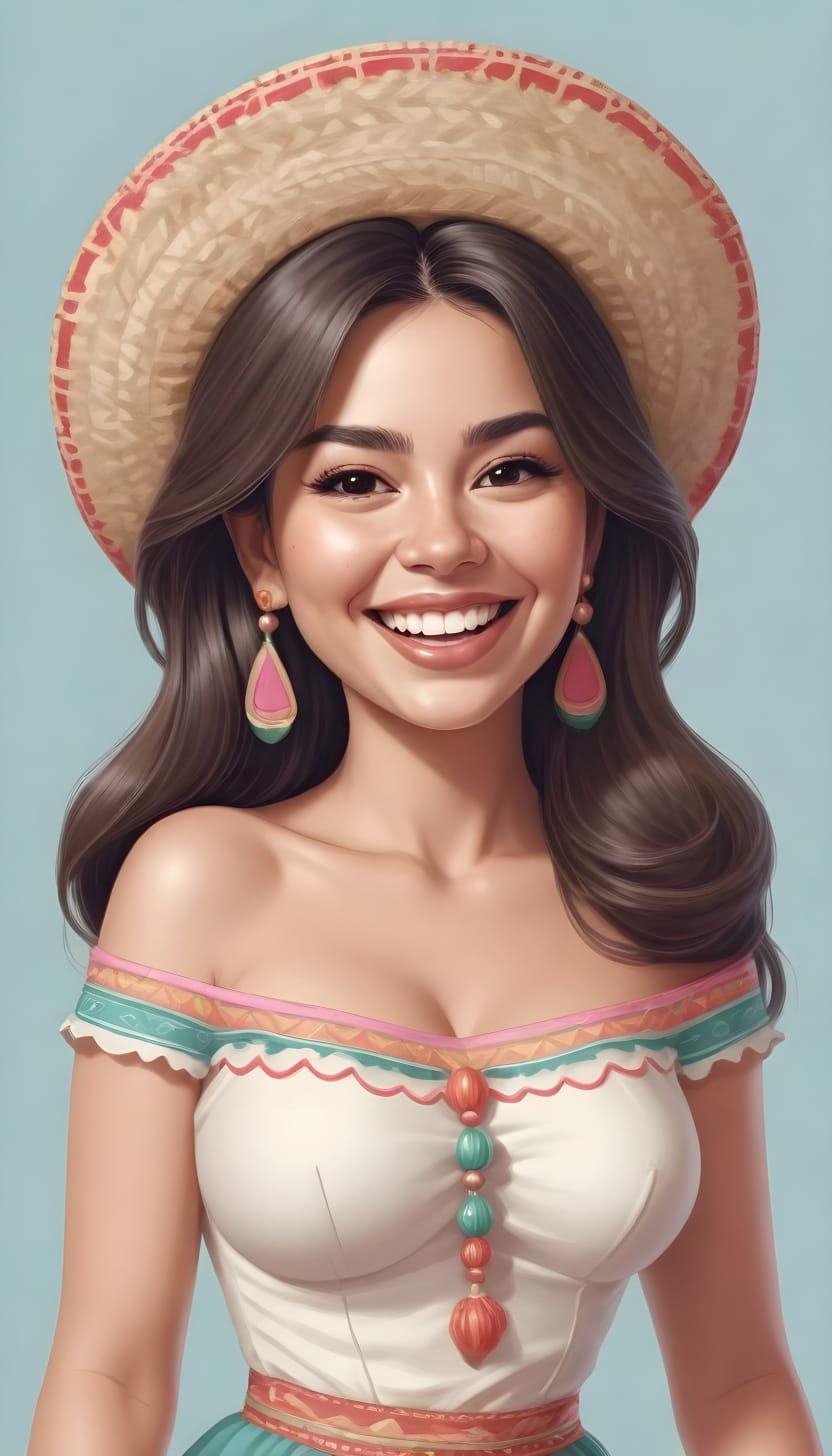
In the Yucatán, some Maya communities still speak their ancient language and keep traditions alive. The Mexican Revolution gave birth to the iconic image of “La Adelita,” a female fighter who became a symbol of strength. Tacos al pastor, a Mexican favorite, were inspired by Lebanese shawarma brought by immigrants.
In some parts of Mexico, people make art with sawdust during Easter—colorful, detailed paths called "alfombras". Xoloitzcuintli, the hairless Mexican dog, was considered sacred by the Aztecs. Mexican families often gather around for “la sobremesa”—talking after meals for hours.
In San Juan Chamula, churches blend Catholic and indigenous practices, with rituals that include candles and chickens. The Mexican flag’s eagle eating a snake is based on an Aztec legend about the founding of Tenochtitlán. Every September 15 at 11 p.m., Mexicans reenact “El Grito de Dolores,” the cry for independence.
In Mexican culture trivia facts, food is more than a meal—it’s a connection to heritage, family, and region. Corn, or “maíz,” is considered sacred, and appears in countless traditional dishes. The town of Tequila, Jalisco, is the birthplace of Mexico’s most famous drink, made from blue agave.
Cenotes—natural sinkholes—were sacred to the Maya and are now popular swimming spots. In the highlands of Chiapas, traditional clothing patterns often tell stories about local legends. Each Mexican state has its own version of tamales with different ingredients and wrappings.
In Michoacán, the Night of the Dead features candlelit altars on lake islands, creating a magical atmosphere. Some Mexican folk dances, like “Jarabe Tapatío,” tell stories of courtship and flirtation. Chocolate was first consumed as a bitter drink by pre-Hispanic cultures, not as a sweet treat.
In Puebla, there’s a church on top of the world’s largest pyramid—most of it is still buried under earth. Mexican murals are not just art—they often express political, historical, or cultural messages. The Tarahumara people of northern Mexico are famous for their ultra-long-distance running abilities.
In rural Mexico, it's common to use herbal medicine and curanderos (folk healers) for health care. Alebrijes, colorful fantasy creatures, were first created in a dream by artist Pedro Linares. Mexico City is sinking a little each year due to being built on a former lakebed.
In Mexican culture trivia facts, many town names come from Nahuatl, the Aztec language—like “Popocatépetl.” Día de la Raza, on October 12, is a celebration of indigenous and mixed heritage. Mexico has more UNESCO World Heritage Sites than any other country in the Americas.
The "chili pepper" was named by the Nahua people—and Mexico is home to over 150 types. Quinceañeras mark a girl’s 15th birthday and often include a formal ball, church service, and lots of dancing. There’s a town in Mexico where locals speak a unique whistled language to communicate across hills.
Many churches in Mexico were built directly on top of ancient indigenous temples. Some Mexican villages celebrate Carnival with colorful masks and mock battles. Mexican street food is deeply regional—what you get in Mexico City is totally different from Oaxaca.
Pulque, a fermented drink from agave, was considered sacred by the Aztecs and is making a comeback. The Mexican national anthem is so beloved that people stand still in public when it plays. In some areas, families still use "temazcales," traditional sweat lodges for physical and spiritual cleansing.
Charrería, Mexico’s national sport, is similar to rodeo but includes more traditional attire and rules. Some communities use palm fronds to decorate their homes and streets on Palm Sunday. The island of Janitzio in Lake Pátzcuaro is famous for its dramatic Day of the Dead celebrations.
In Mexican culture trivia facts, skeletons and skulls represent joy, not fear, during Day of the Dead. Some artisans in Mexico make musical instruments by hand using centuries-old methods. Mexican lullabies often have a bittersweet tone, reflecting both joy and struggle.
Mexico’s traditional markets, or “tianguis,” are vibrant places to find everything from food to folk art. The colors of Mexican textiles often reflect nature—like the blue of the sky or the red of cochineal insects. People in some towns still celebrate pre-Hispanic festivals with dances, fire, and ancient costumes.