Philippine culture
- Fun pictures /
- Culture /
- Philippine culture
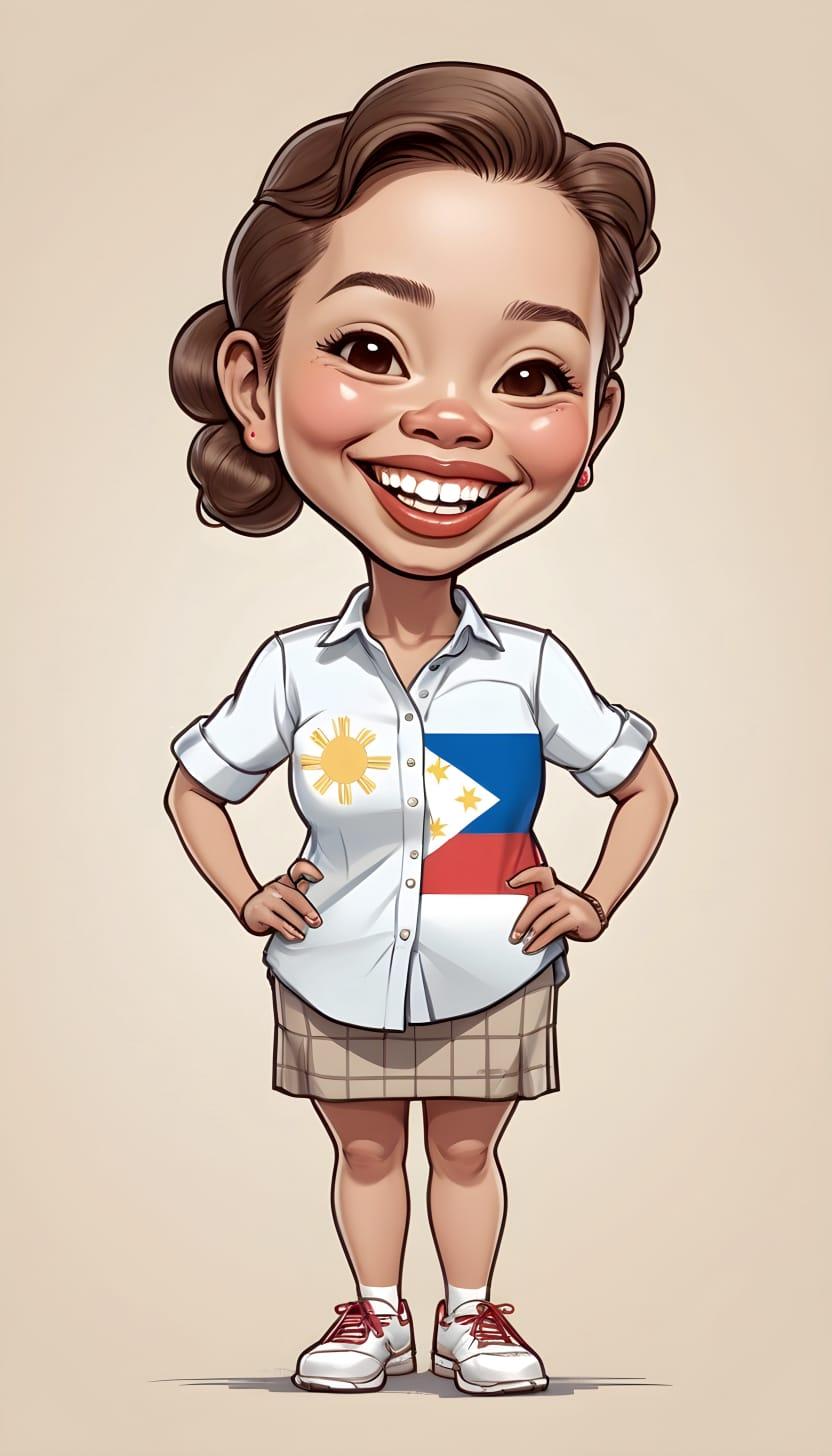
The Philippines is home to more than 7,000 islands, each with its own unique traditions and customs. This diversity shapes the rich tapestry of philippine culture. Fiesta celebrations are a huge part of life in the Philippines, with towns holding festivals almost every week to honor their patron saints and local legends. Jeepneys, the colorful and iconic public transport vehicles, started as refurbished U.S. military jeeps after World War II and have become a symbol of philippine culture.
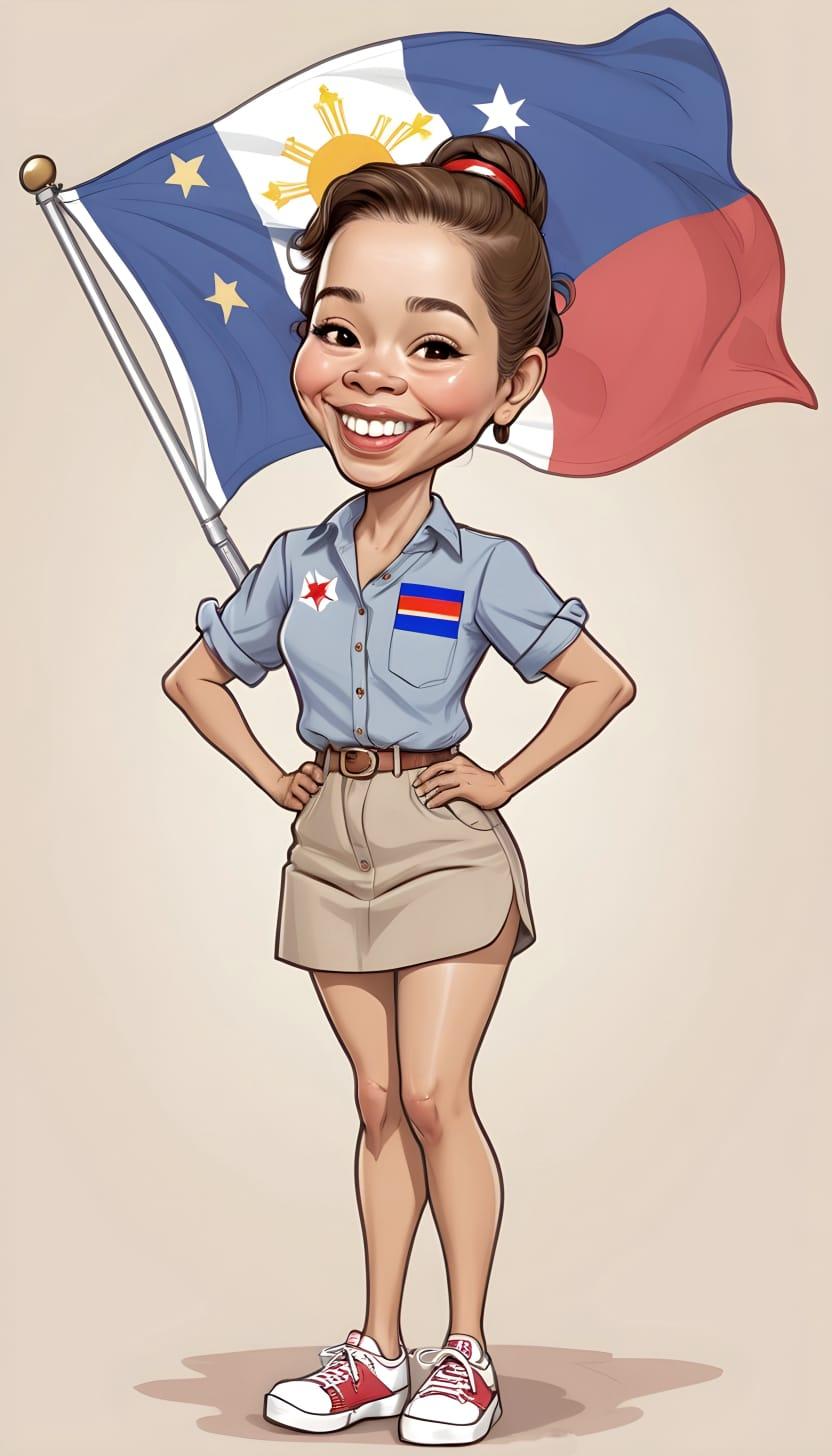
The Filipino concept of “bayanihan” means community spirit and helping one another, often seen when neighbors literally carry a house to a new location. Family ties are extremely strong in philippine culture, with extended families often living under one roof and making decisions together. Filipino cuisine reflects a blend of indigenous, Spanish, Chinese, and American influences, making it flavorful and diverse with dishes like adobo and sinigang.
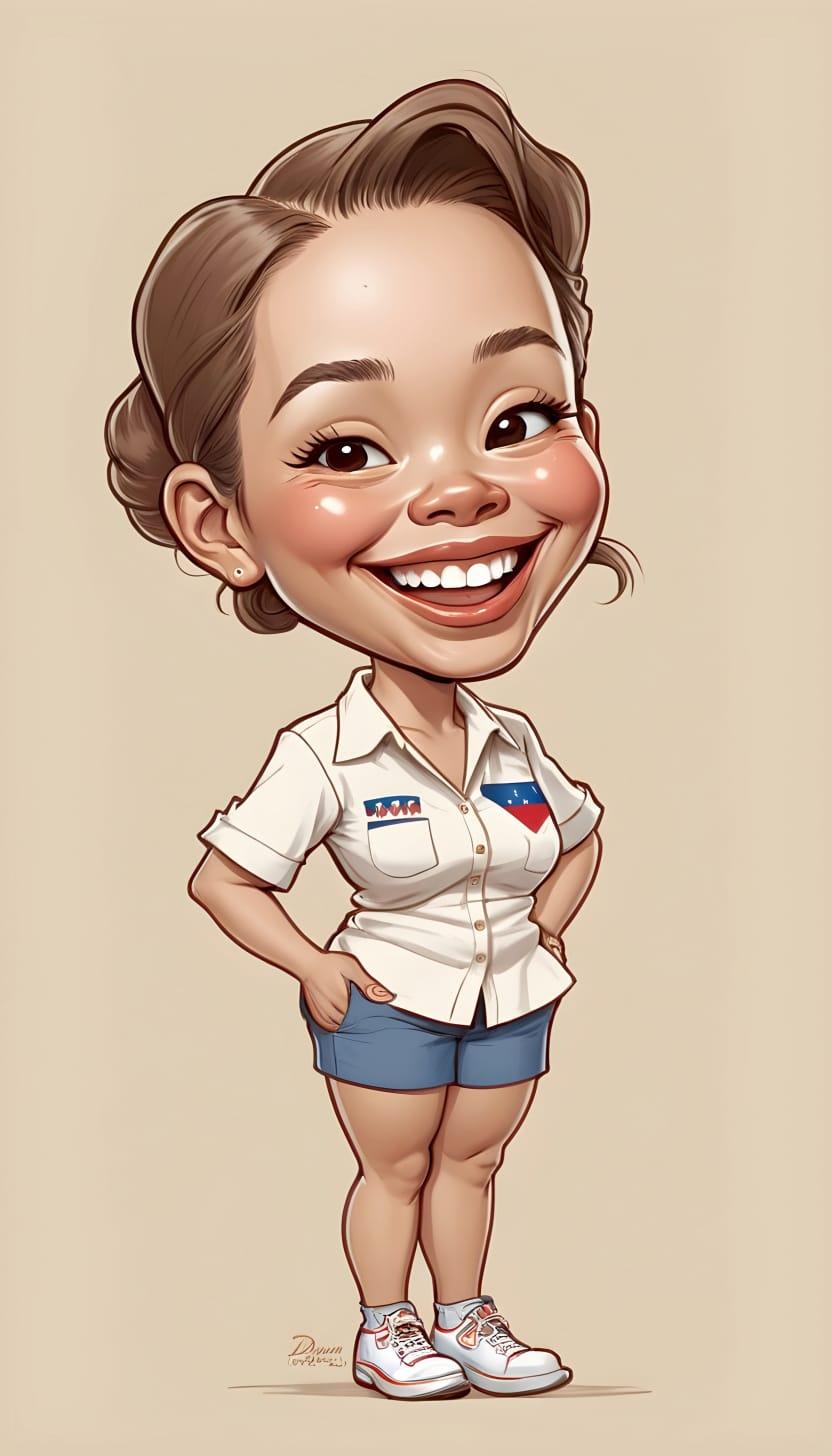
The traditional dance called Tinikling involves dancers skillfully hopping between bamboo poles that are rhythmically clapped together—an entertaining test of agility and timing. Many Filipinos are bilingual or even multilingual, often speaking Tagalog, English, and a regional dialect, showing the linguistic richness of philippine culture. Respect for elders is deeply ingrained, with gestures like “mano” (placing an elder’s hand to one’s forehead) still widely practiced.
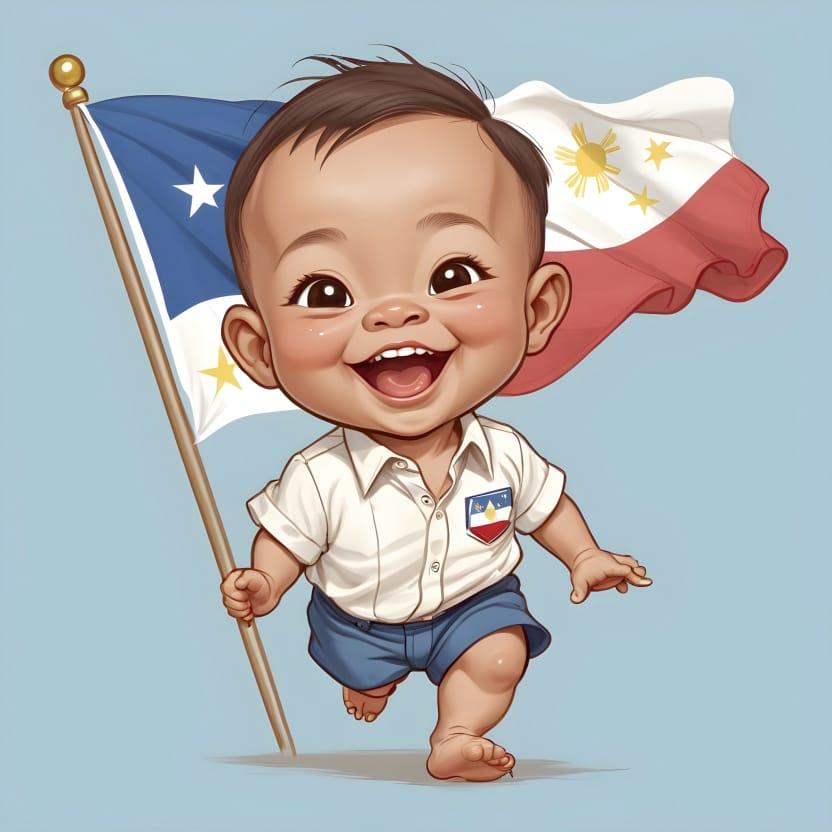
Philippine culture is famous for its love of music, with karaoke being a national pastime enjoyed at family gatherings and parties. The Philippines has one of the longest Christmas seasons in the world, starting as early as September and lasting until January. Filipino hospitality is legendary; guests are treated with warmth and generosity, often offered the best food and comfort.
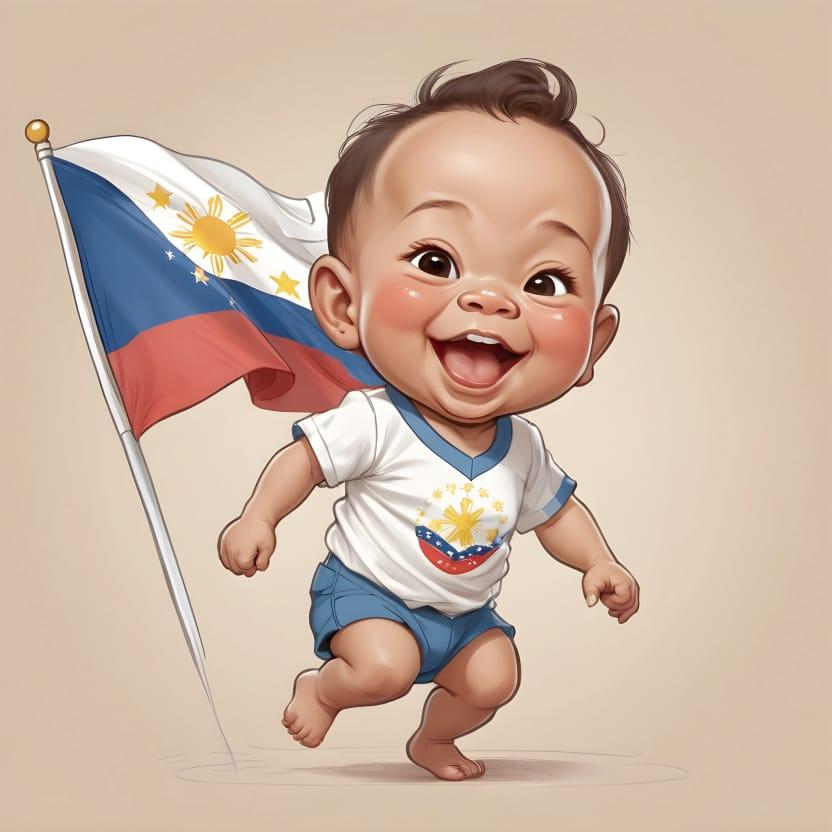
Balut, a fertilized duck egg delicacy, is a popular street food that surprises many visitors but is a beloved snack in philippine culture. The Filipino “jeepney” is often decorated with bright colors and religious icons, reflecting the owner’s personality and beliefs. Many Filipino festivals, like the Ati-Atihan, involve wearing elaborate costumes and body paint, celebrating history and indigenous roots.
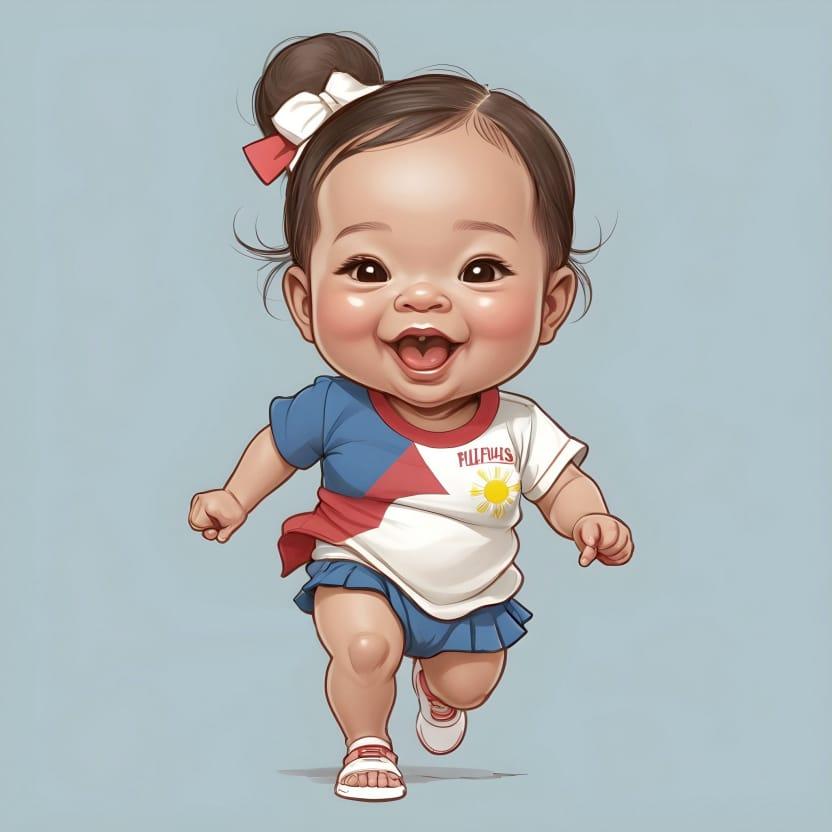
Rice is the staple food in the Philippines, served with almost every meal, symbolizing abundance and life in philippine culture. The traditional Filipino tattoo art called “batok” is making a comeback, connecting people to their ancestral heritage. Basketball is the most popular sport in the Philippines, with courts found in almost every neighborhood.
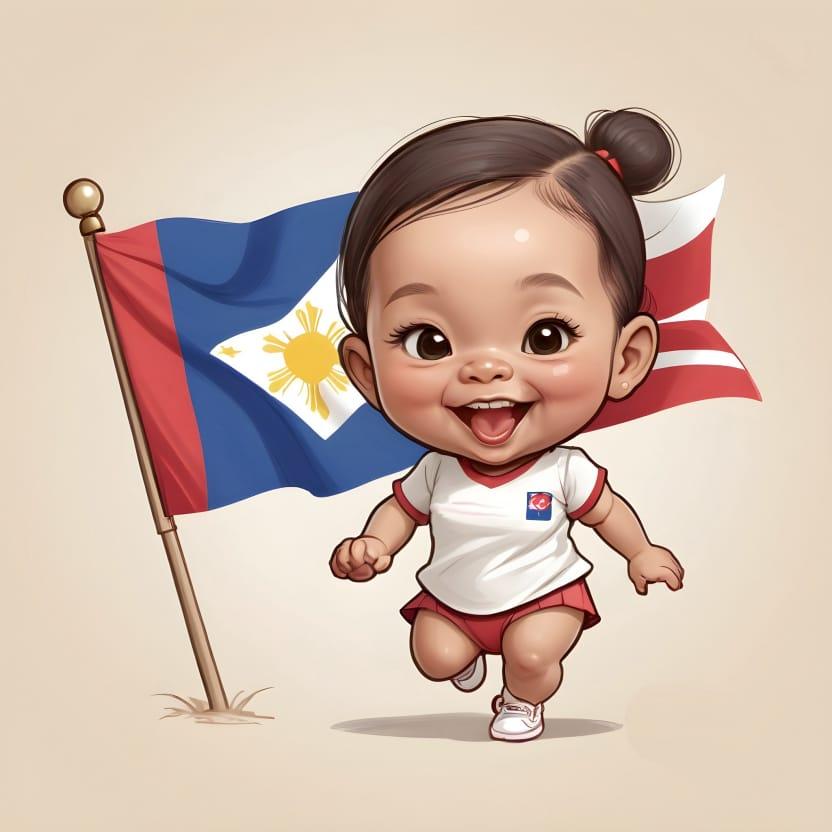
The “jeepney” not only serves as transportation but also as a mobile social space where people from all walks of life interact. Filipino “bayanihan” spirit shines especially during natural disasters, with communities coming together to rebuild and support each other. Philippine culture blends indigenous beliefs with Catholicism, leading to unique religious practices and festivals.
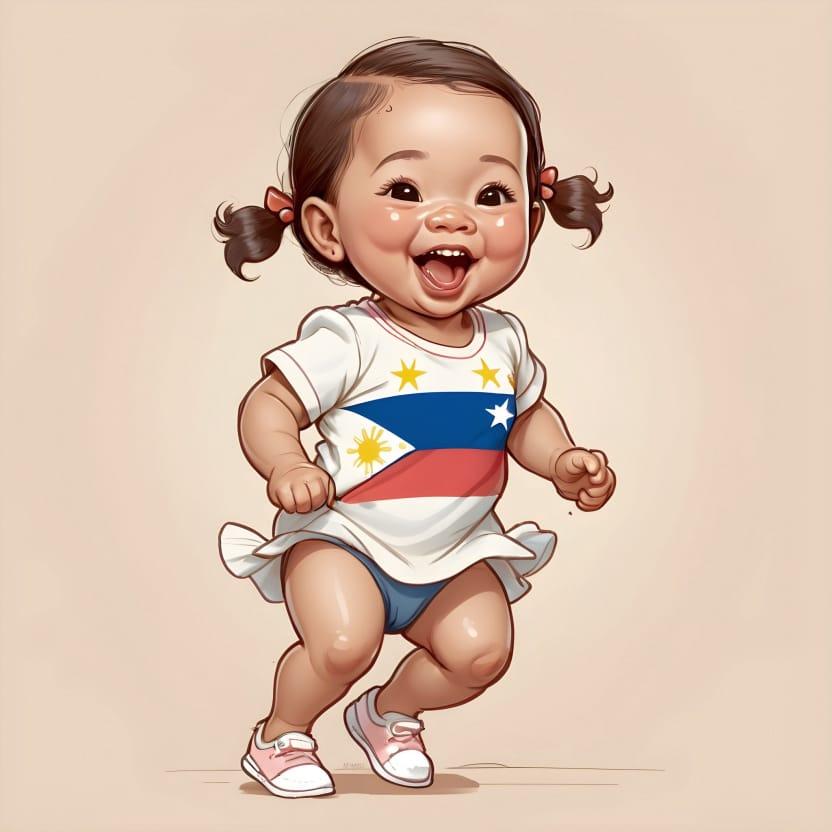
The Filipino tradition of “fiesta” often includes street dancing, parades, and contests, highlighting local pride and culture. Many Filipinos celebrate “Undas” or All Saints’ Day by visiting cemeteries to honor their ancestors, a solemn but important cultural practice. Filipino hospitality includes the custom of offering “pasalubong,” gifts brought home for family and friends after traveling.
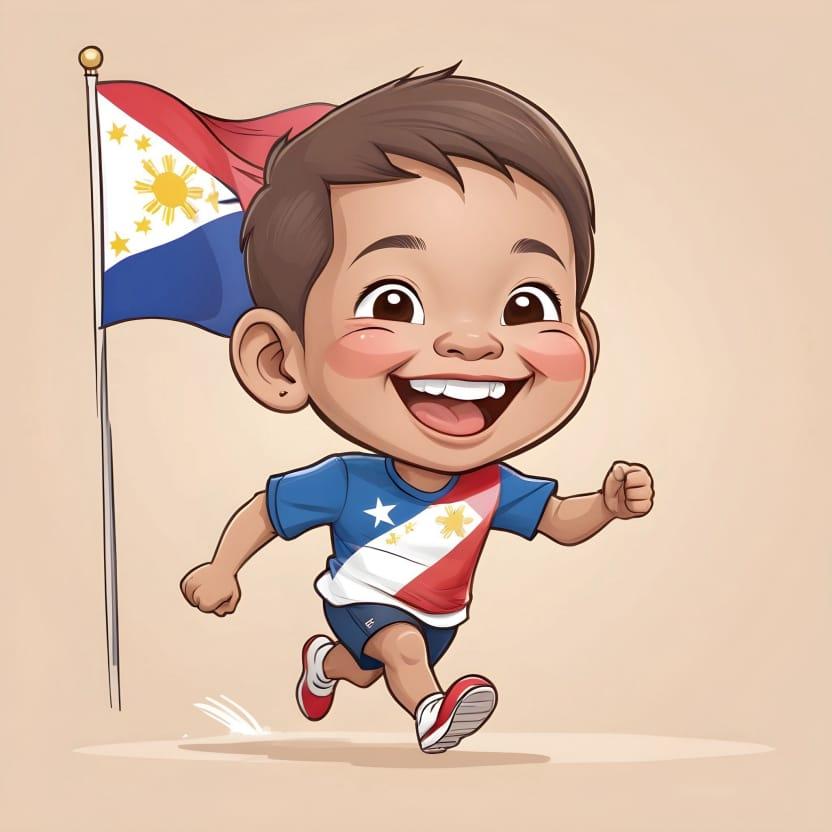
The Philippines has a rich oral tradition with folk tales, myths, and legends passed down through generations, preserving philippine culture. Many Filipino families have strong musical traditions, often playing instruments like the guitar or piano at home. The iconic “Bahay Kubo,” a traditional nipa hut, reflects the country’s tropical climate and simple lifestyle.

Street food like “isaw” (grilled chicken intestines) and “kwek-kwek” (battered quail eggs) show the adventurous side of philippine culture. “Pabitin” is a fun game during fiestas where treats are hung on a lattice and children jump to grab them. Many Filipino names combine Spanish, indigenous, and English influences, reflecting the archipelago’s diverse history.
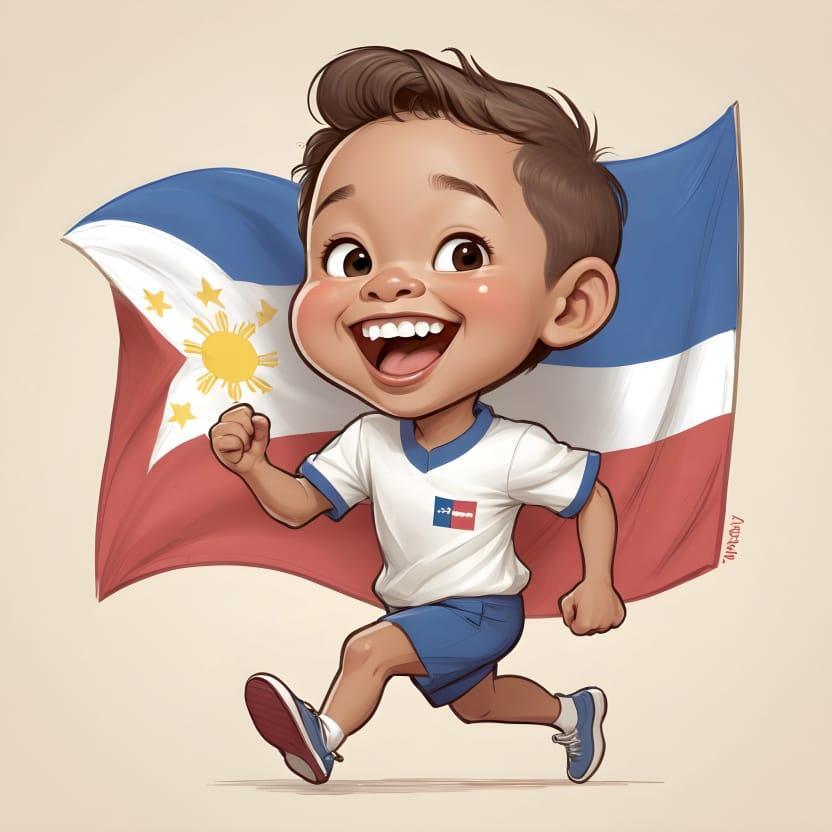
The Philippines has a vibrant film industry, often portraying stories about family, love, and social issues, mirroring philippine culture’s values. The “Mano Po” gesture shows respect by placing an elder’s hand on one’s forehead—a beautiful cultural tradition. Traditional Filipino weddings often include “pamamanhikan,” where the groom’s family formally asks the bride’s family for her hand.
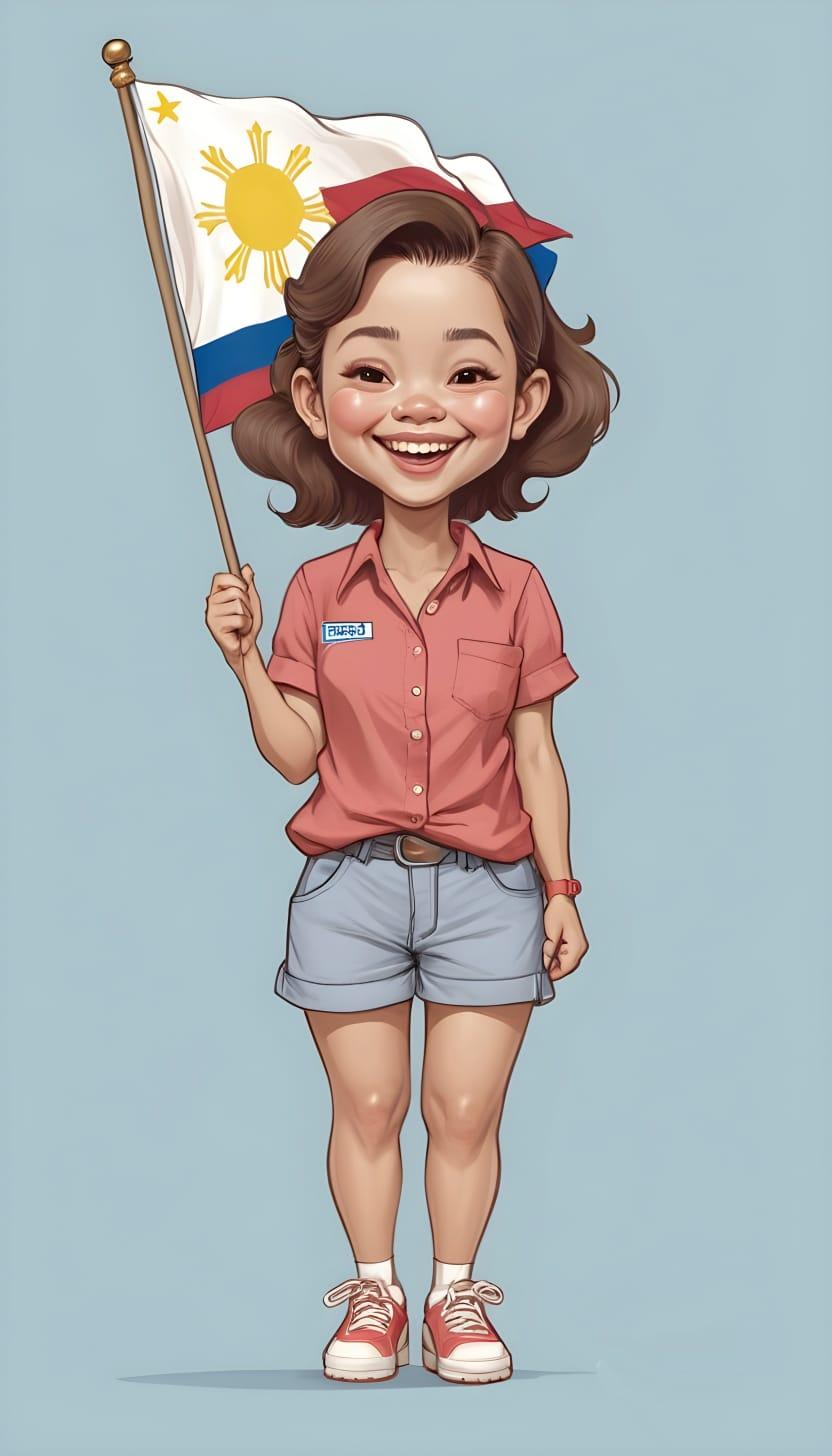
Filipinos are known for their resilience and positivity, often smiling and laughing even in tough times, a heartwarming part of philippine culture. The “Pahiyas Festival” in Lucban features houses decorated with colorful rice wafers and produce, celebrating a bountiful harvest. Basket weaving and other handicrafts remain important skills that preserve traditional philippine culture.
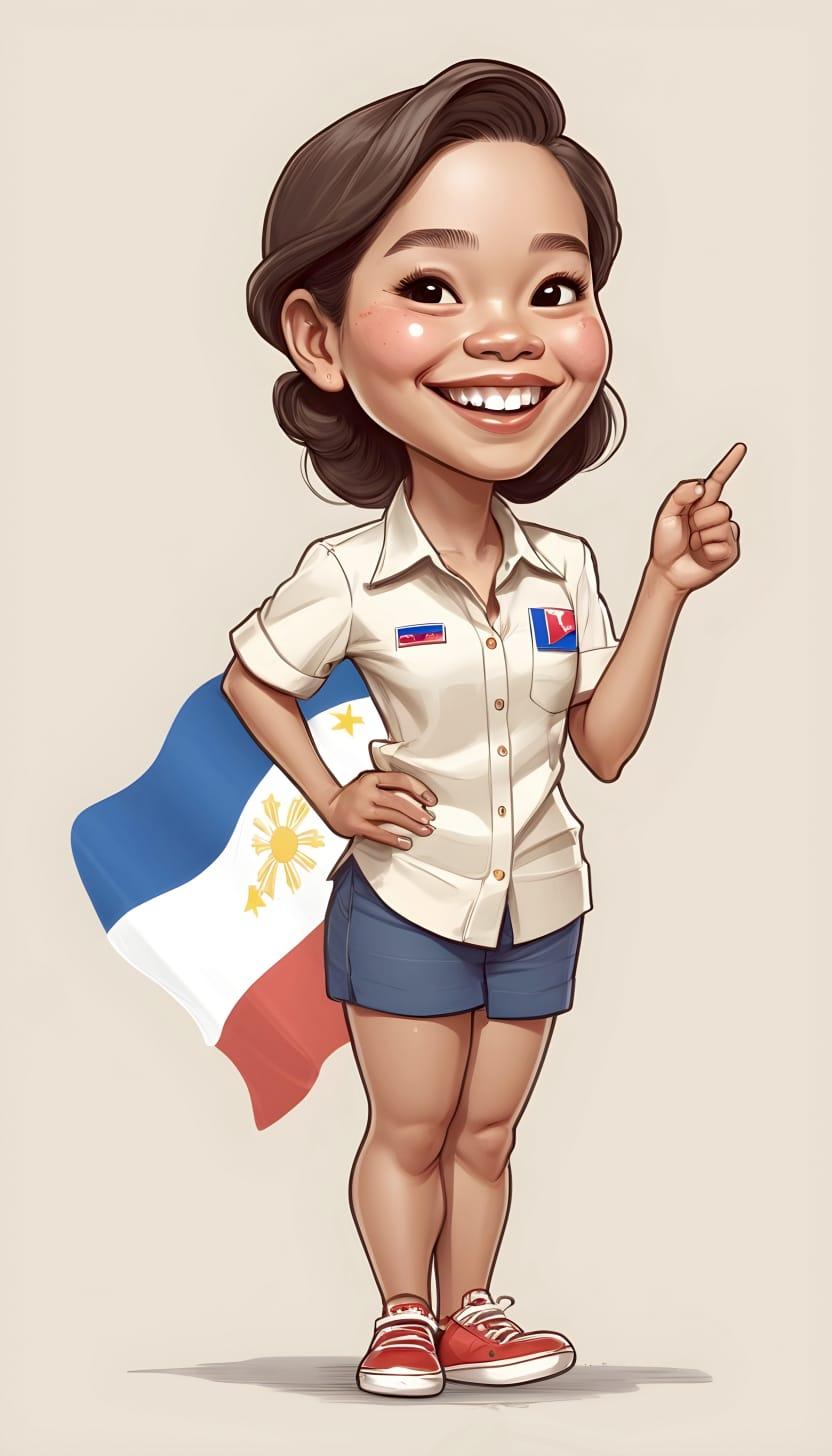
The Philippines is one of the world’s largest producers of coconuts, which play a big role in food, crafts, and economy. The “harana” is a traditional serenade where a man sings to woo a woman, a romantic practice still alive in some parts. Filipino hospitality means guests often receive more food than they can eat — refusing is considered rude!
Philippine culture values storytelling; elders often share “Alamat” (legends) that teach morals and history. The colorful “Ati-Atihan” festival is called the “Mother of All Philippine Festivals” and honors the Santo Niño (Holy Child). Filipino families often gather to watch teleseryes (soap operas) together, a shared cultural pastime.
Many Filipino children learn “utang na loob,” a deep sense of gratitude and obligation towards their parents and elders. The “Bayanihan” spirit is often symbolized by images of people carrying houses or helping neighbors in need. In some regions, traditional farming rituals are still observed, linking agriculture with spiritual beliefs.
Filipino Christmas lanterns, called “parol,” are star-shaped and symbolize the Star of Bethlehem, lighting up neighborhoods in December. The traditional Filipino martial art “Arnis” uses sticks and hand techniques and was declared the national sport. “Pancit” noodles served during celebrations symbolize long life and good health in philippine culture.
Many Filipinos have strong ties to their hometowns and often return during holidays, showing the importance of roots in philippine culture. Filipino fiestas often feature “lechon,” a whole roasted pig, as the star dish for celebrations. Singing is so popular that many Filipinos participate in talent shows and competitions from a young age.
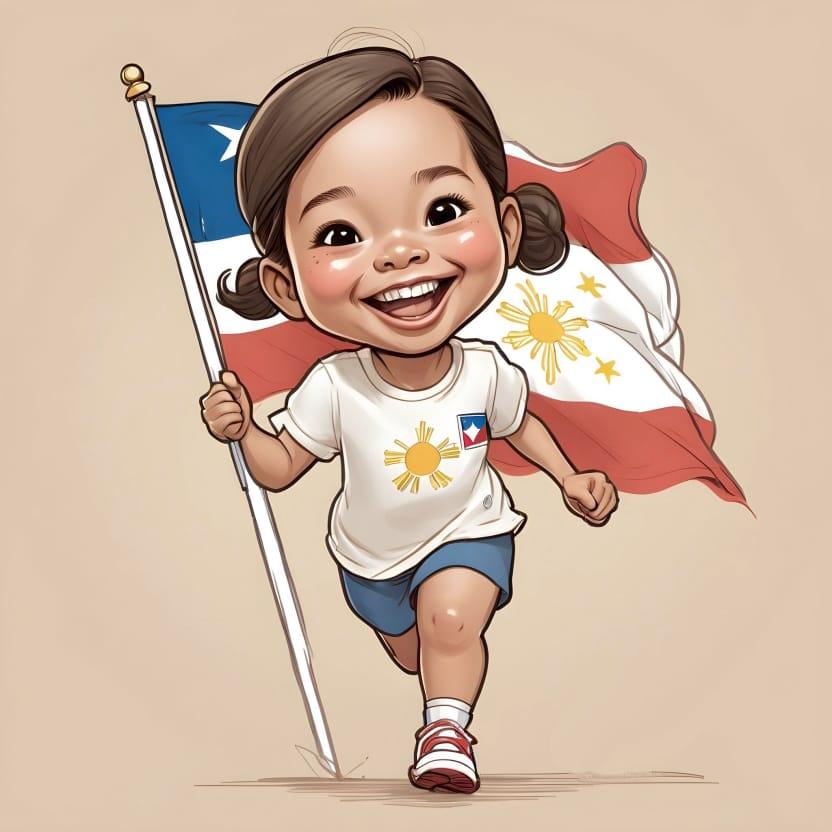
The “Bayanihan” spirit is often called the heart of philippine culture because it reflects kindness, cooperation, and community. The Philippine eagle, one of the largest eagles in the world, is a national symbol and a reminder of the country’s rich natural heritage. Many Filipino folk dances tell stories of love, bravery, and daily life, keeping traditions alive.
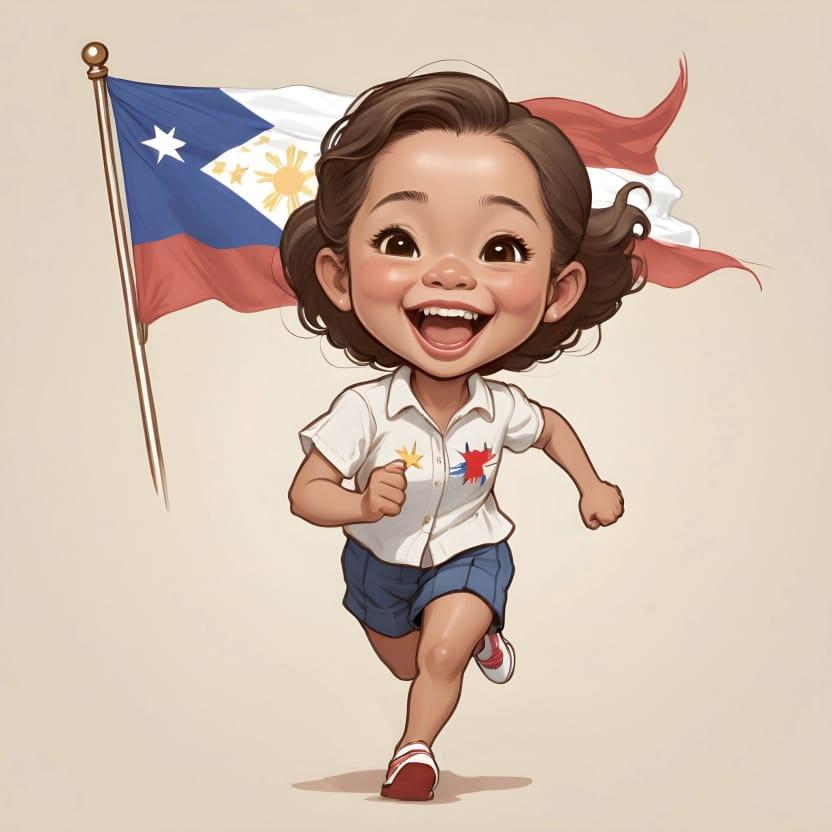
The “Salakot,” a traditional wide-brimmed hat, protects farmers from the sun and rain and is part of cultural attire. Filipino street vendors often have vibrant calls and music, adding liveliness to everyday life. The “Bayanihan” tradition is sometimes compared to a neighborhood block party but with a purpose of helping.

Philippine culture is shaped by centuries of interaction between indigenous peoples and foreign influences, creating a unique blend of traditions. The phrase “kapwa,” meaning shared identity or togetherness, sums up the Filipino value of community and empathy. Philippine culture continues to evolve while preserving its colorful past through festivals, food, and family bonds.