Cowgirl culture
- Fun pictures /
- Culture /
- Cowgirl culture
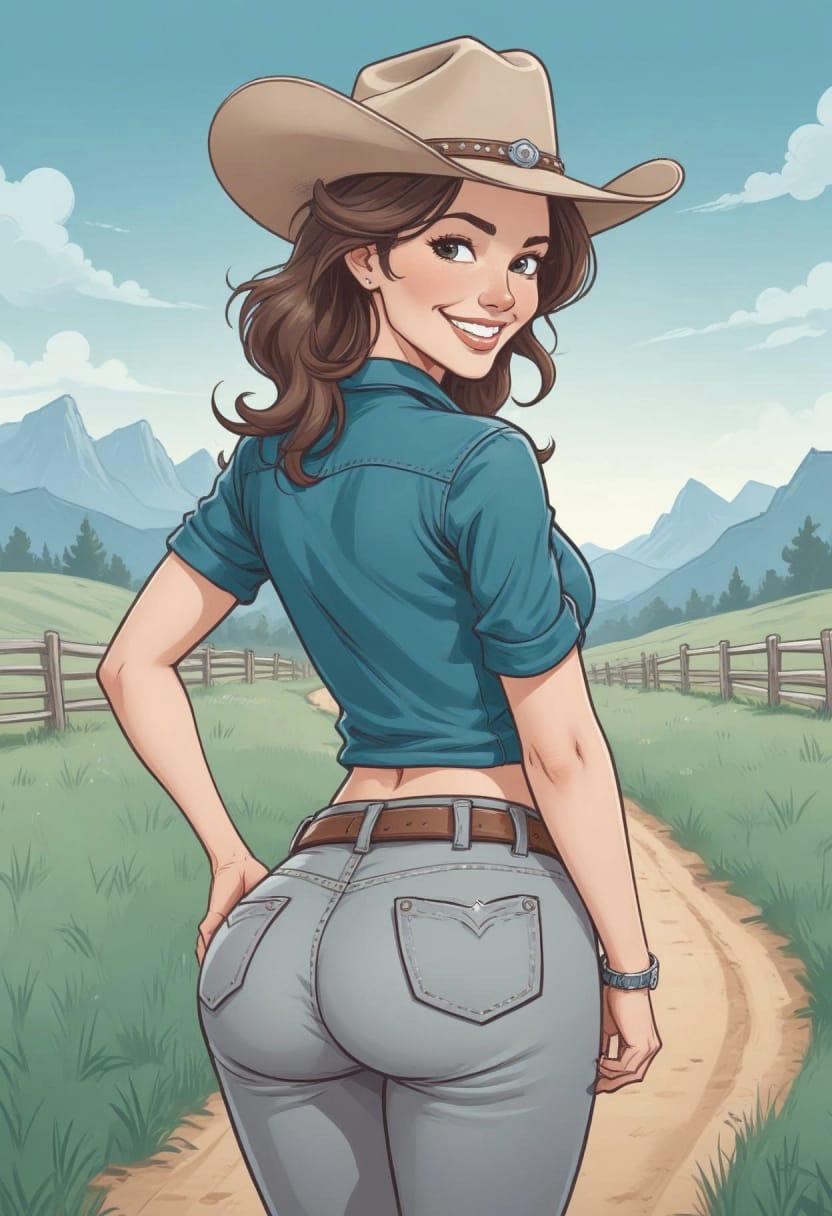
Cowgirls were real trailblazers in the Old West, proving women could handle the rough and tumble life of cattle herding just as well as men. The first rodeos started including cowgirls in the early 1900s, showcasing their skills in riding, roping, and barrel racing. The iconic cowgirl hat isn’t just for style — it was designed to shield riders from sun, rain, and dust on long cattle drives.
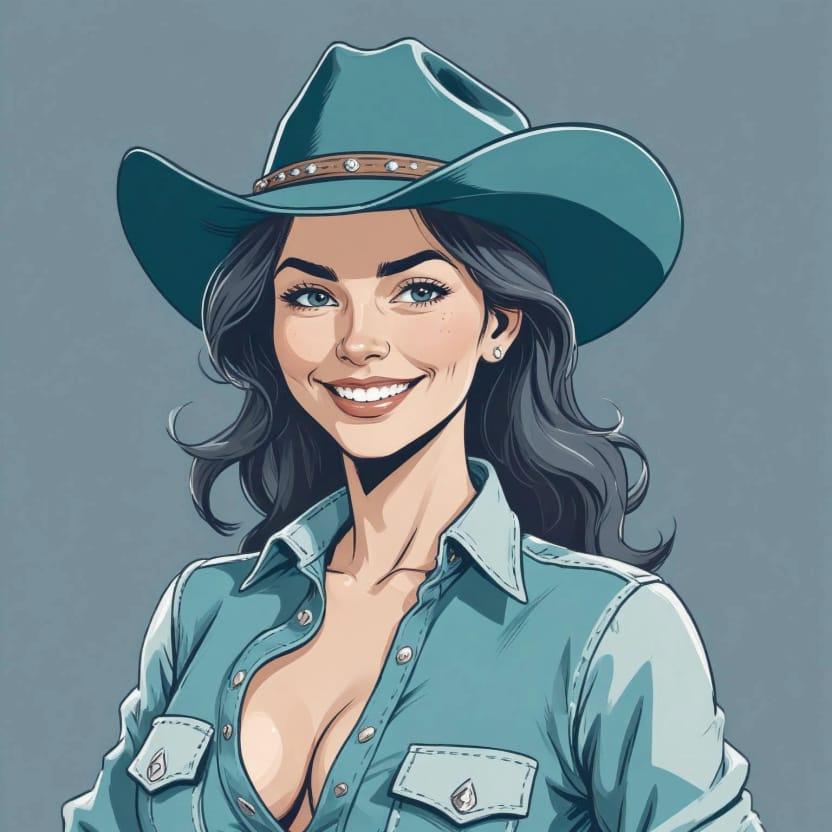
Cowgirl culture has roots in Native American, Mexican vaquero, and European traditions, blending together to create a unique Western lifestyle. Annie Oakley, one of the most famous cowgirls, was a sharpshooter who toured with Buffalo Bill’s Wild West show, inspiring generations. Rodeo queens today continue the cowgirl culture by promoting the sport and preserving Western heritage with grace and poise.
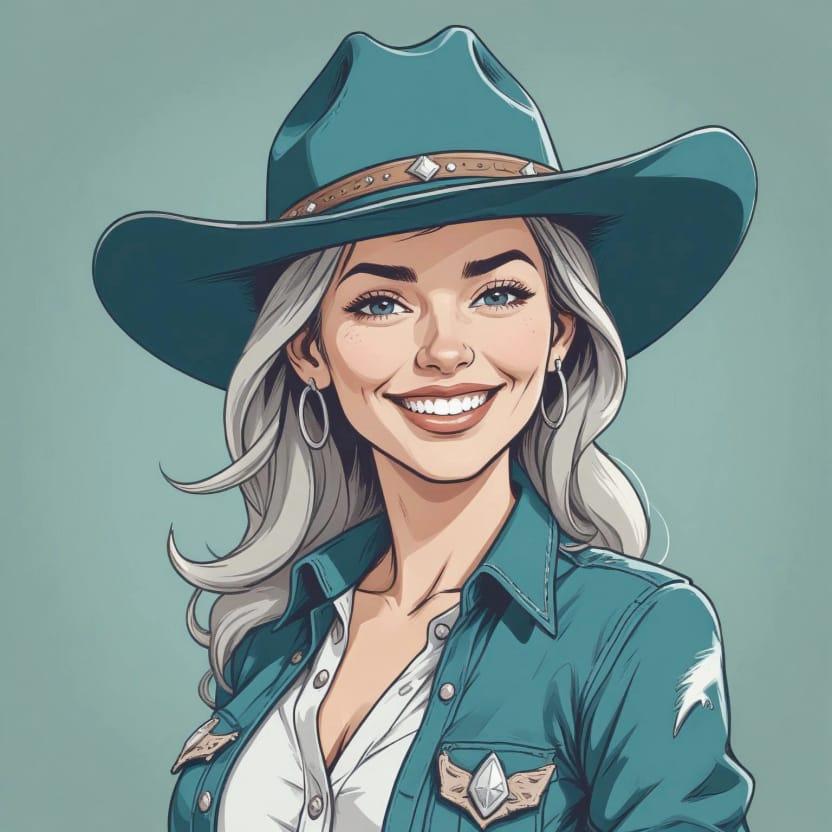
Cowgirl boots were made tall and sturdy to protect legs from brush and snake bites while riding through rough terrain. Many early cowgirls worked alongside their families on ranches, balancing tough physical work with community events and celebrations. The phrase "cowgirl culture" describes not only the skills but also the spirit of independence and resilience in Western women.
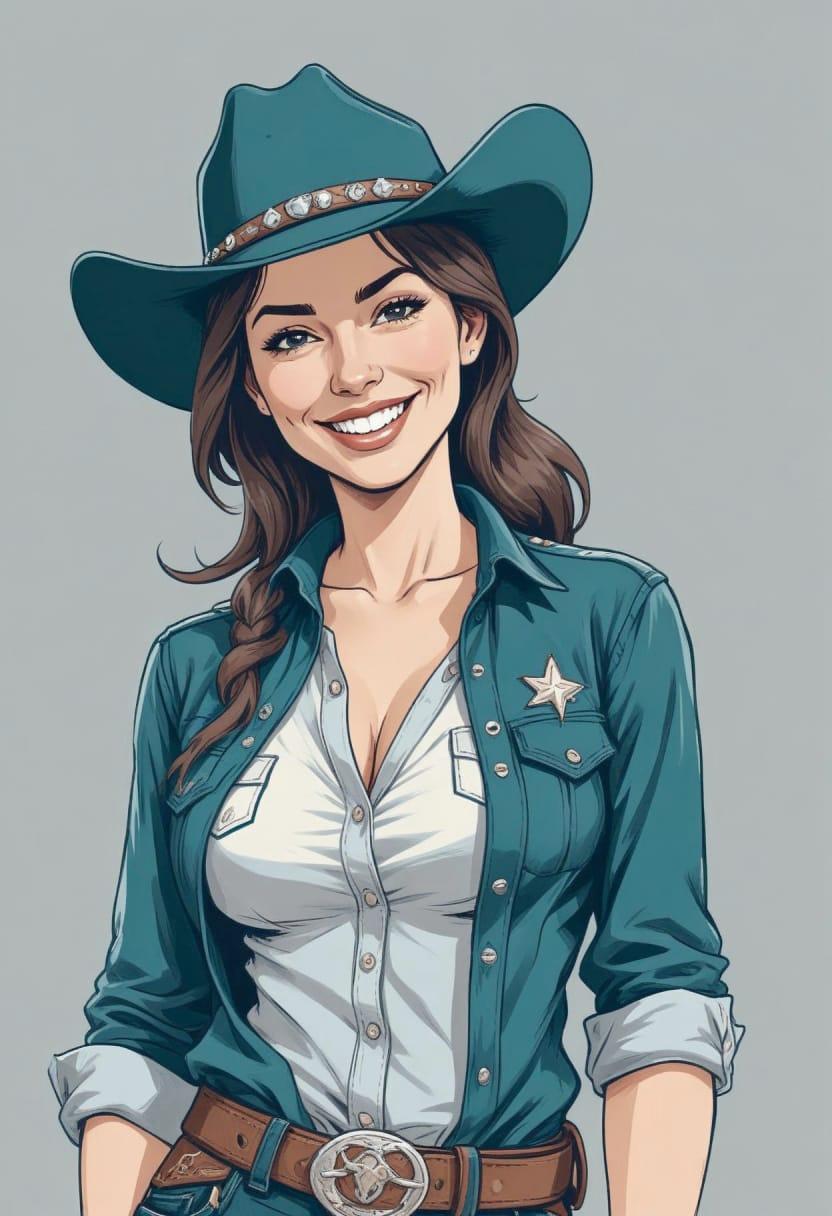
In the 1920s, cowgirls became symbols of the American frontier spirit, showing that women could be adventurous and tough. Cowgirl culture embraces both tradition and modernity, with many women now competing in high-profile rodeo events worldwide. Barrel racing, a signature cowgirl rodeo event, demands speed and agility as riders guide horses around tight barrels in a cloverleaf pattern.
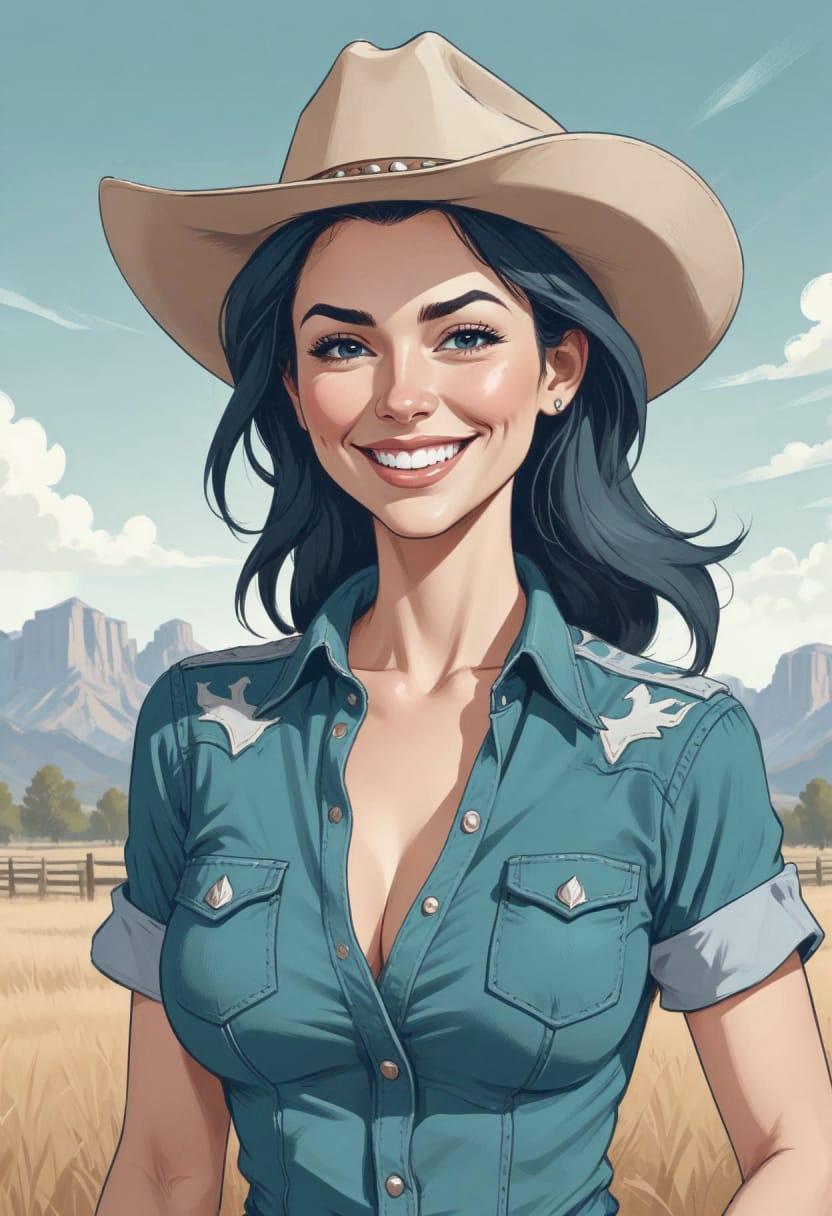
Cowgirls have their own unique style, mixing practicality with flair — think fringe jackets, bandanas, and turquoise jewelry. The annual National Cowgirl Museum and Hall of Fame in Texas honors women who shaped cowgirl culture through history and achievements. Many movies and books helped popularize cowgirl culture, portraying these women as strong, independent, and skilled riders.
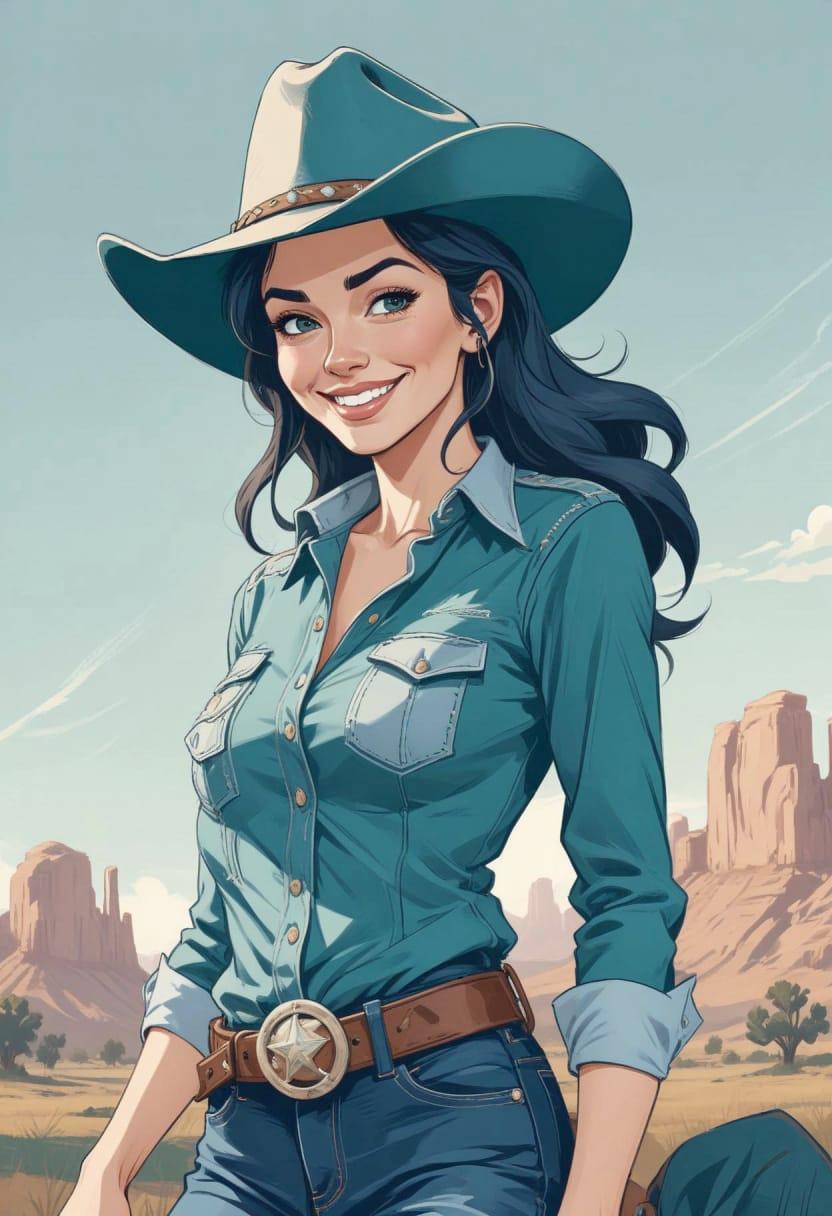
Cowgirl culture includes a strong connection to horses, with many riders developing lifelong bonds with their steeds. Ranch work for cowgirls wasn’t just riding; it involved branding, herding, fence repair, and sometimes battling the elements. Cowgirl poetry and songs celebrate life on the range, capturing the spirit of freedom and adventure in the West.
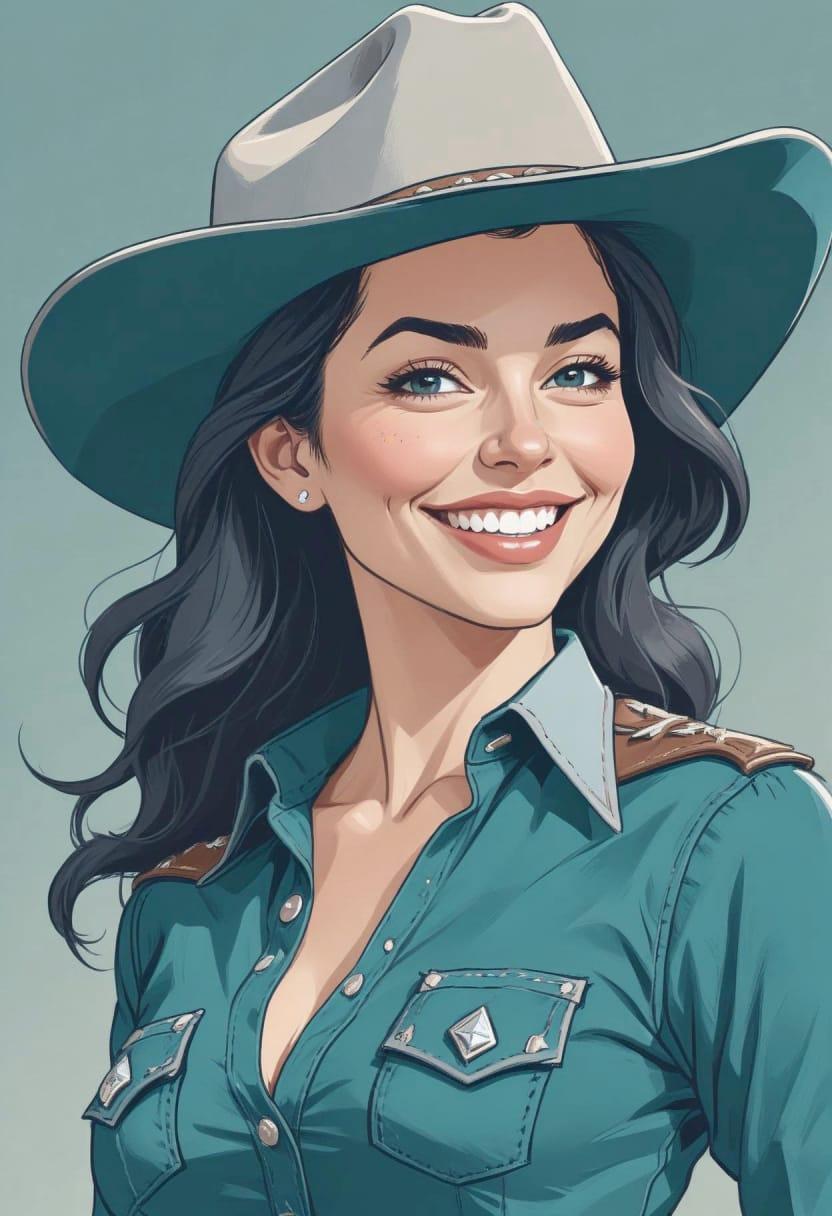
Cowgirls often had to adapt traditional men's gear to fit their needs, leading to innovations in riding wear and equipment. Women in cowgirl culture have historically been leaders in advocating for animal welfare and sustainable ranching practices. Some of the earliest female rodeo stars faced discrimination but paved the way for the diverse cowgirl culture we see today.
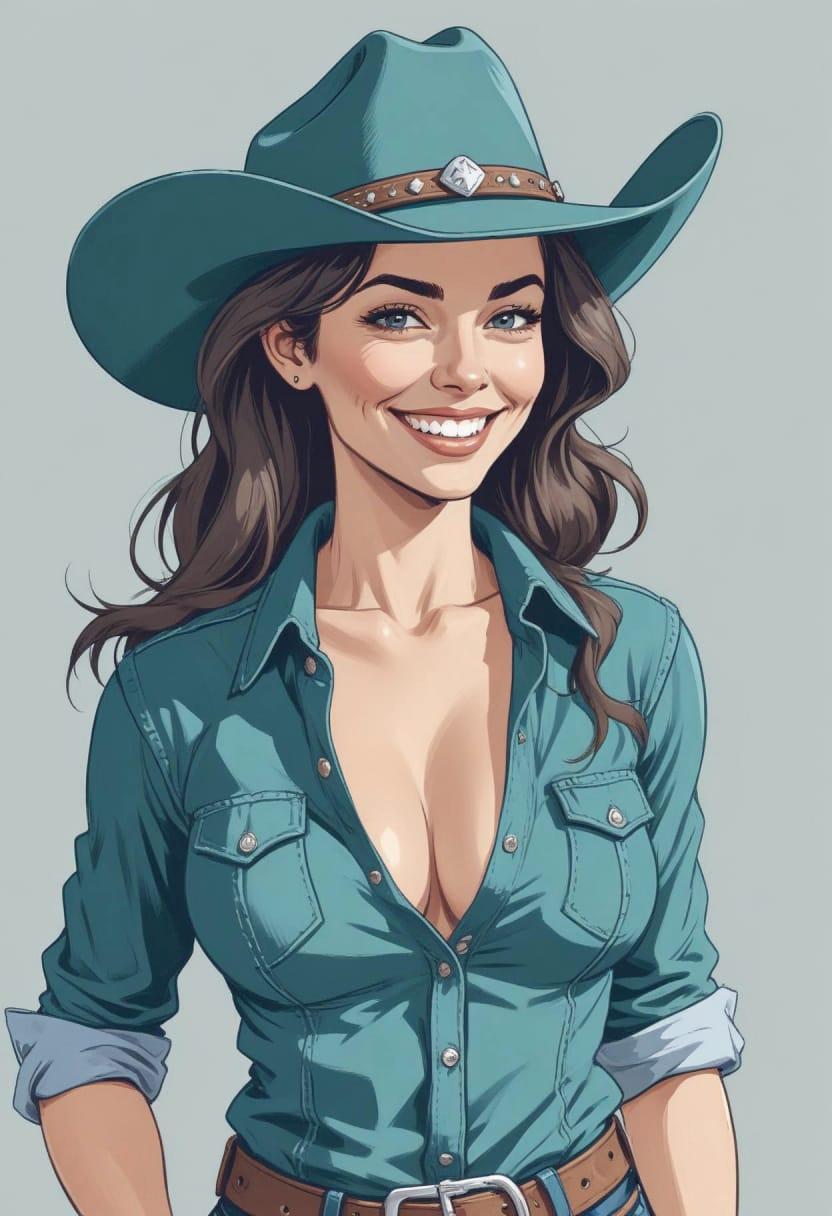
Cowgirl culture values self-reliance, courage, and community — traits needed to thrive in the rugged Western landscape. The lasso, or rope, is a vital tool for cowgirls, used to catch cattle quickly and safely during roundup and rodeos. Many modern cowgirls balance traditional ranch duties with careers in education, business, and the arts.
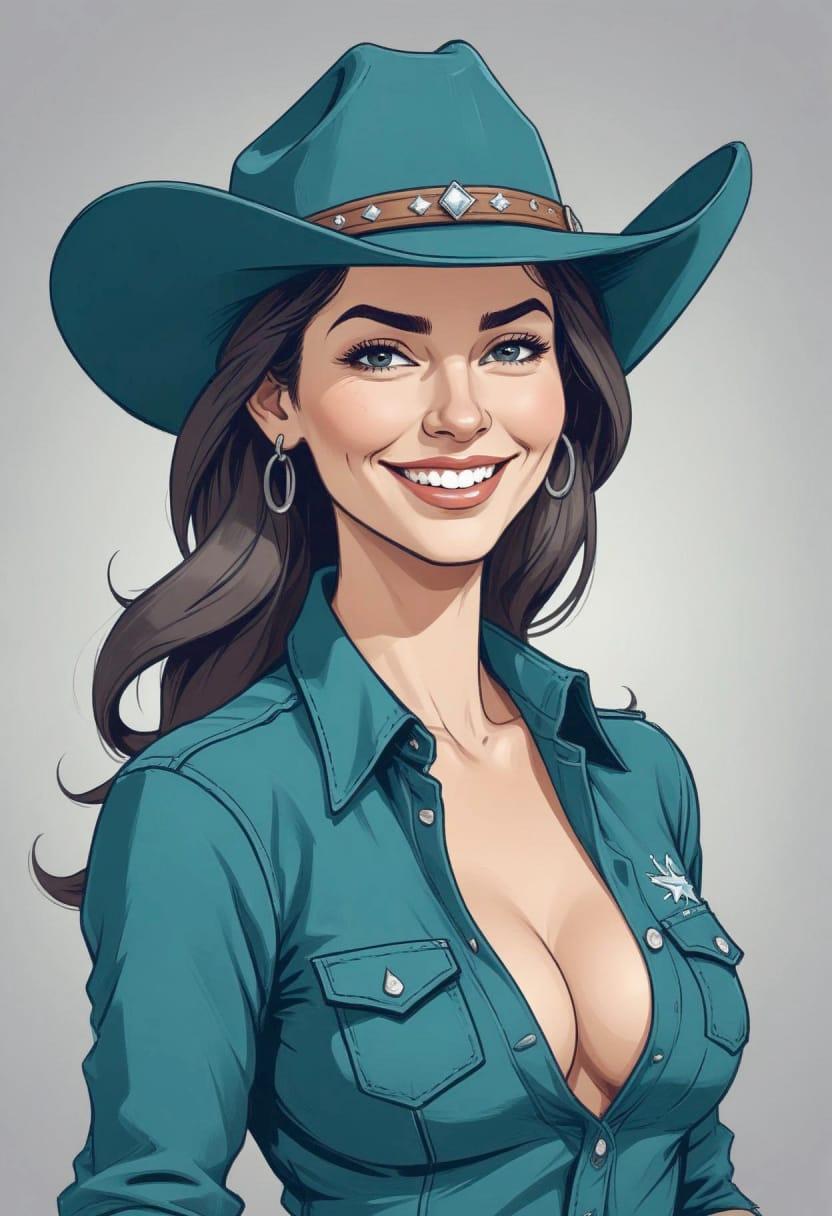
Cowgirl culture festivals often feature horsemanship clinics, traditional music, and storytelling that keep the heritage alive. Some cowgirls became famous for their wild mustangs and trained horses, showcasing impressive tricks and speed. The rodeo sport of breakaway roping highlights a cowgirl’s timing and precision as she ropes a calf and quickly releases the rope.
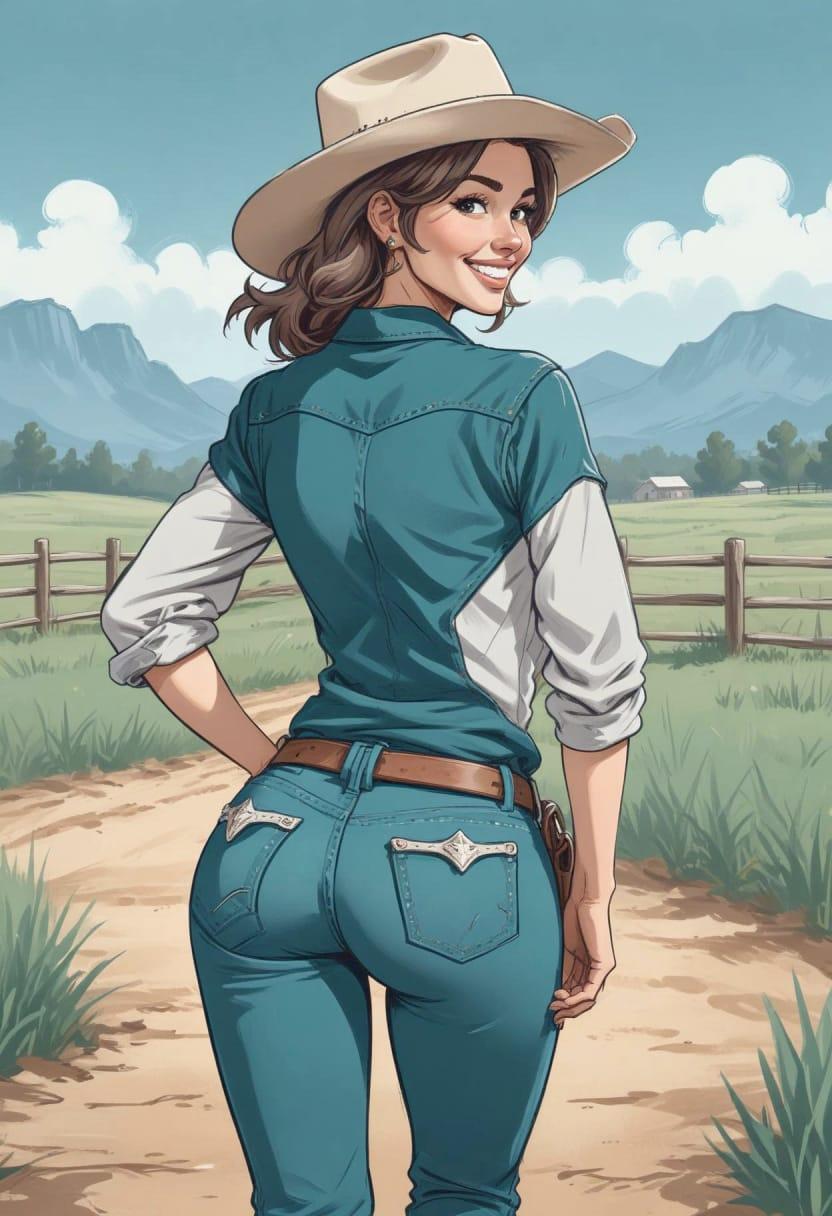
Cowgirl culture also embraces charity and mentoring, with many women supporting youth rodeo programs and Western education. From dusty trails to city parades, cowgirls celebrate their culture through fashion shows, parades, and Western dance events. Cowgirl hats are often customized with ribbons, pins, or badges that tell stories of competitions, ranches, or personal milestones.
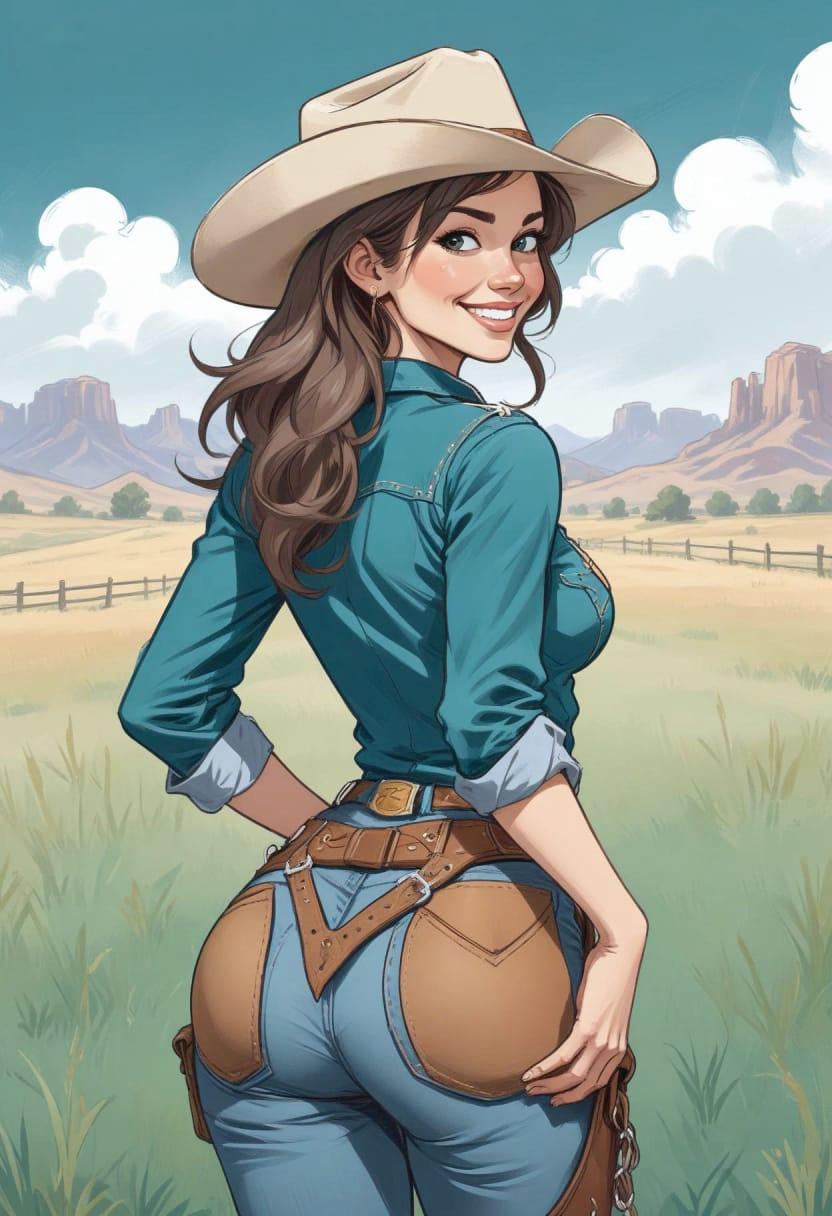
In the late 1800s, women working as cowhands were sometimes called "Cattle Queens," a nod to their skills and leadership. Cowgirl culture blends athleticism with artistry, seen in rodeo performances and Western art inspired by life on the range. Many Native American women contributed significantly to cowgirl culture, combining their equestrian skills with tribal traditions.
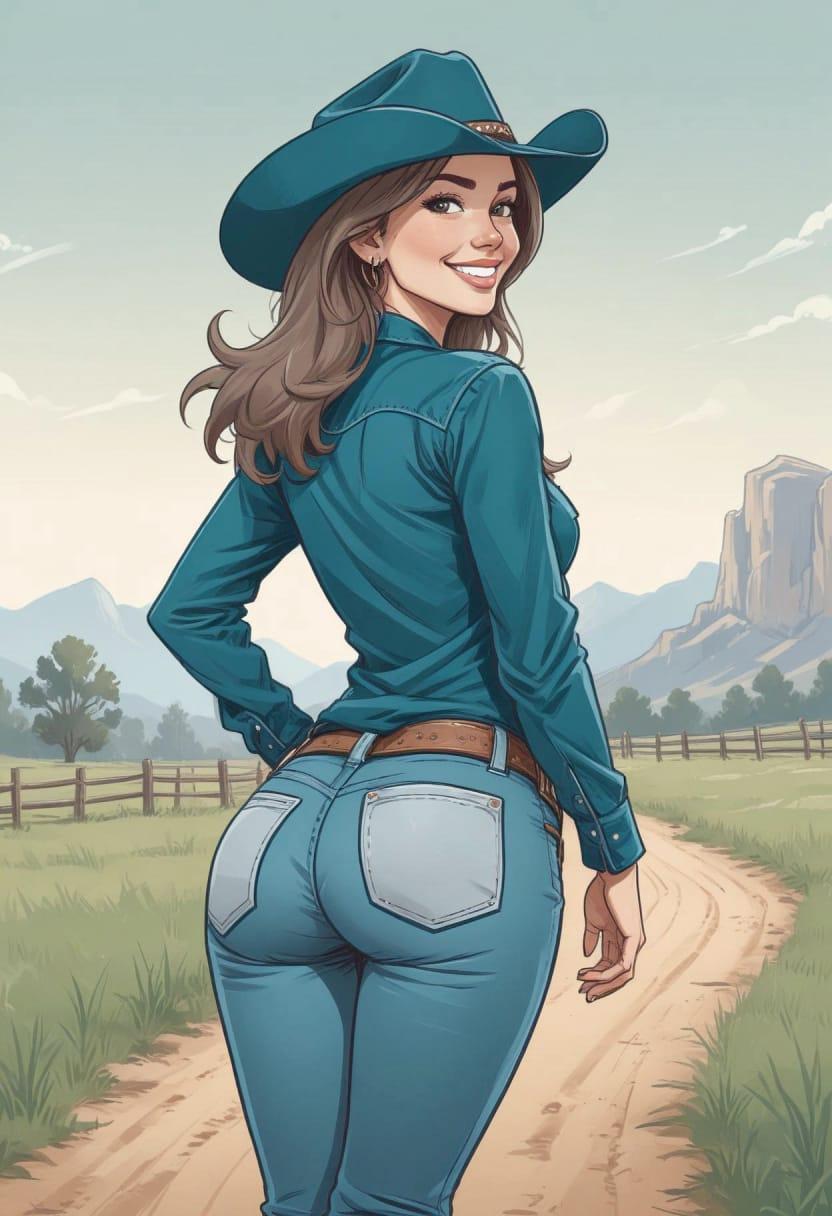
The phrase “cowgirl culture” often brings to mind independence, toughness, and a deep respect for the land and animals. Cowgirl culture has inspired countless songs in country and folk music, celebrating the freedom of the open range. Some cowgirls gained national fame by breaking records in rodeo events and pushing the limits of what was possible.
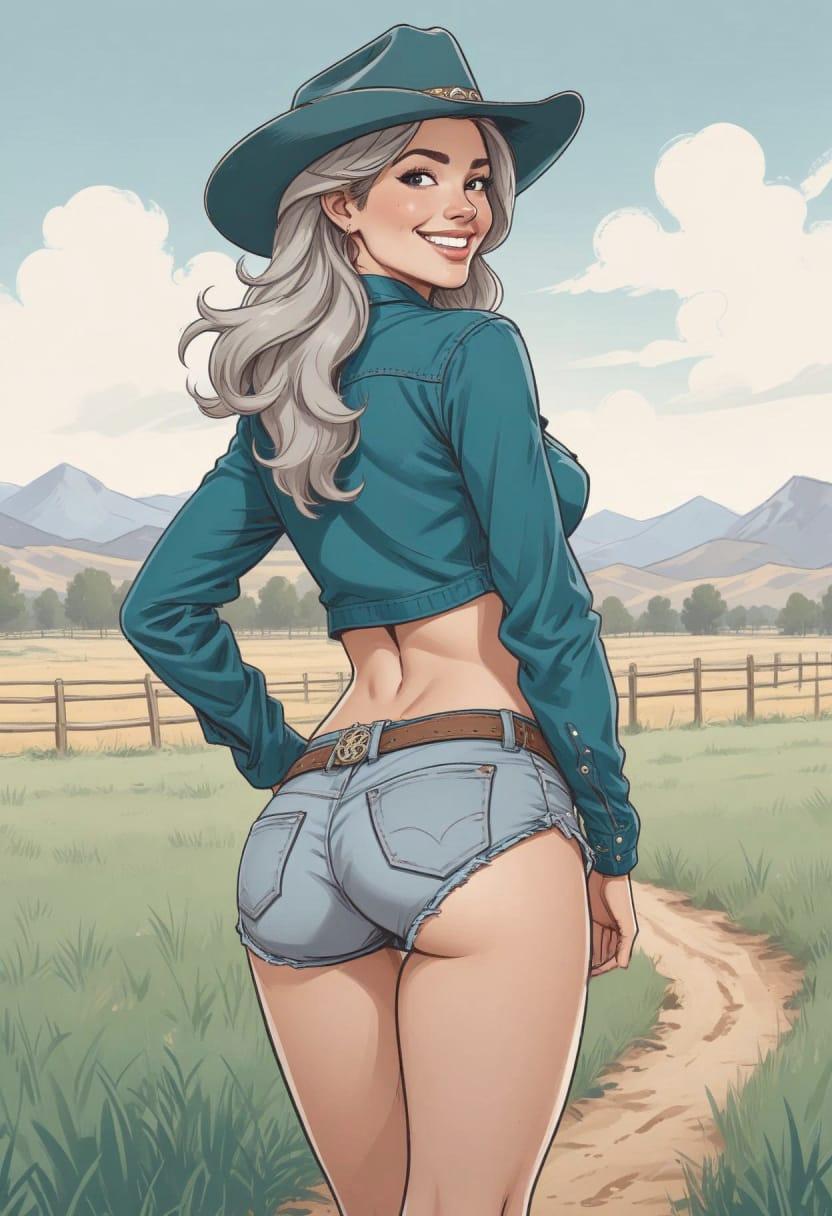
Today’s cowgirls continue to innovate, blending traditional skills with modern technology for better ranch management. The cowgirl spirit has influenced fashion trends far beyond the West, with Western boots and hats showing up worldwide. Many cowgirls use social media to share their lifestyle, connecting a global audience to the realities of ranch life.
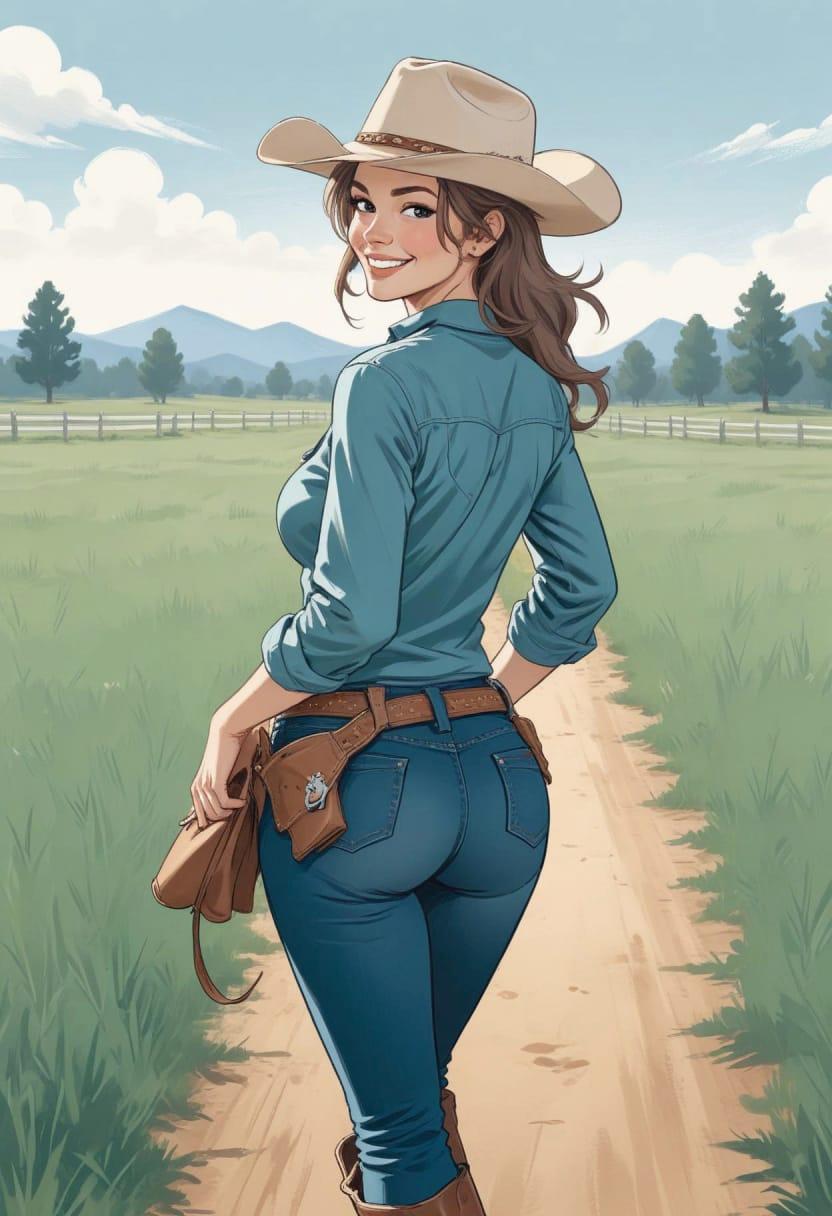
Cowgirl culture encourages respect for history while welcoming new generations eager to learn and preserve Western ways. The rodeo sport of team roping requires perfect coordination between two riders — a skill cowgirls have mastered over decades. Cowgirl culture stories often include tales of overcoming challenges, from harsh weather to economic hardships.
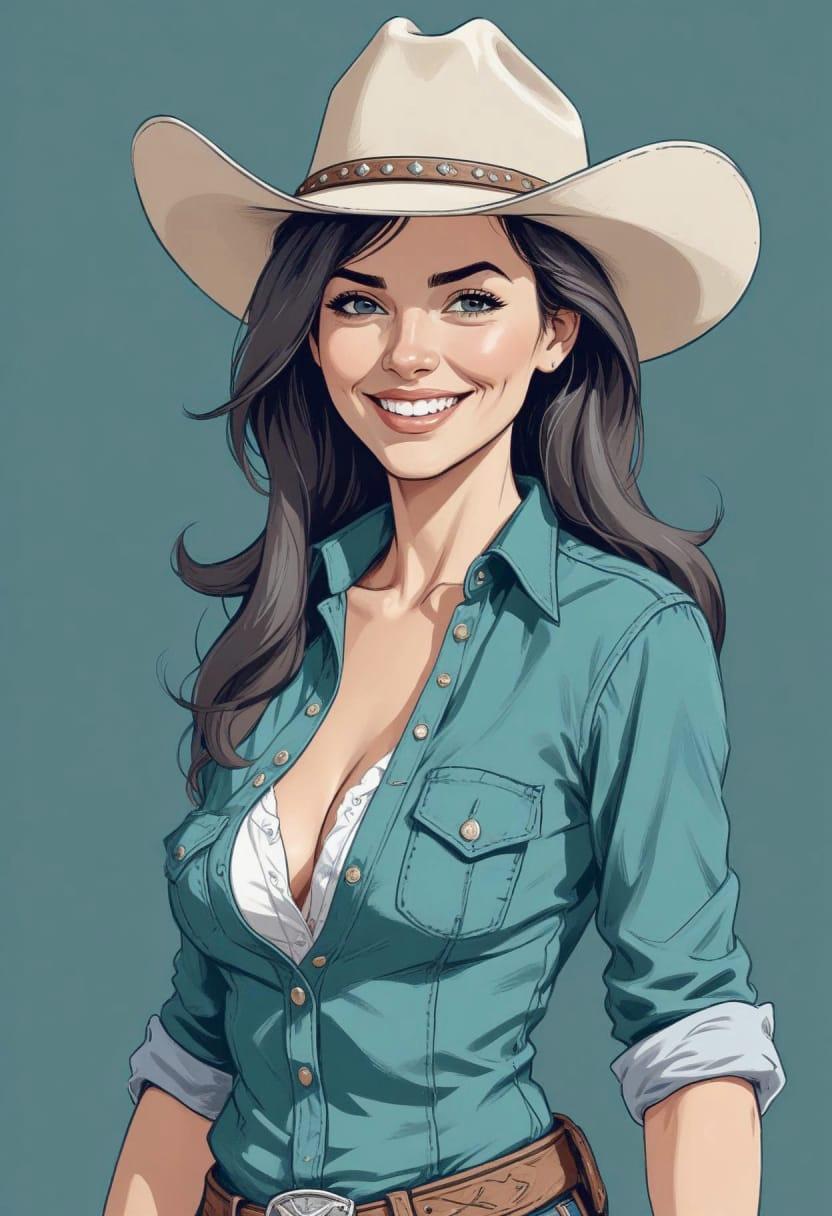
Cowgirl hats aren’t just practical; they also serve as a badge of identity and pride among riders and fans alike. The cowgirl culture’s emphasis on horsemanship means many women start riding as young girls, building skills early. Western movies of the mid-20th century often featured cowgirls as heroes, influencing public perceptions of the culture.

Some cowgirls made history by becoming rodeo judges and trainers, roles that helped shape the sport’s future. Cowgirl culture thrives at annual events like Cheyenne Frontier Days, which attracts thousands of fans and competitors. Cowgirls often pass down traditions through families, keeping ranching knowledge alive across generations.
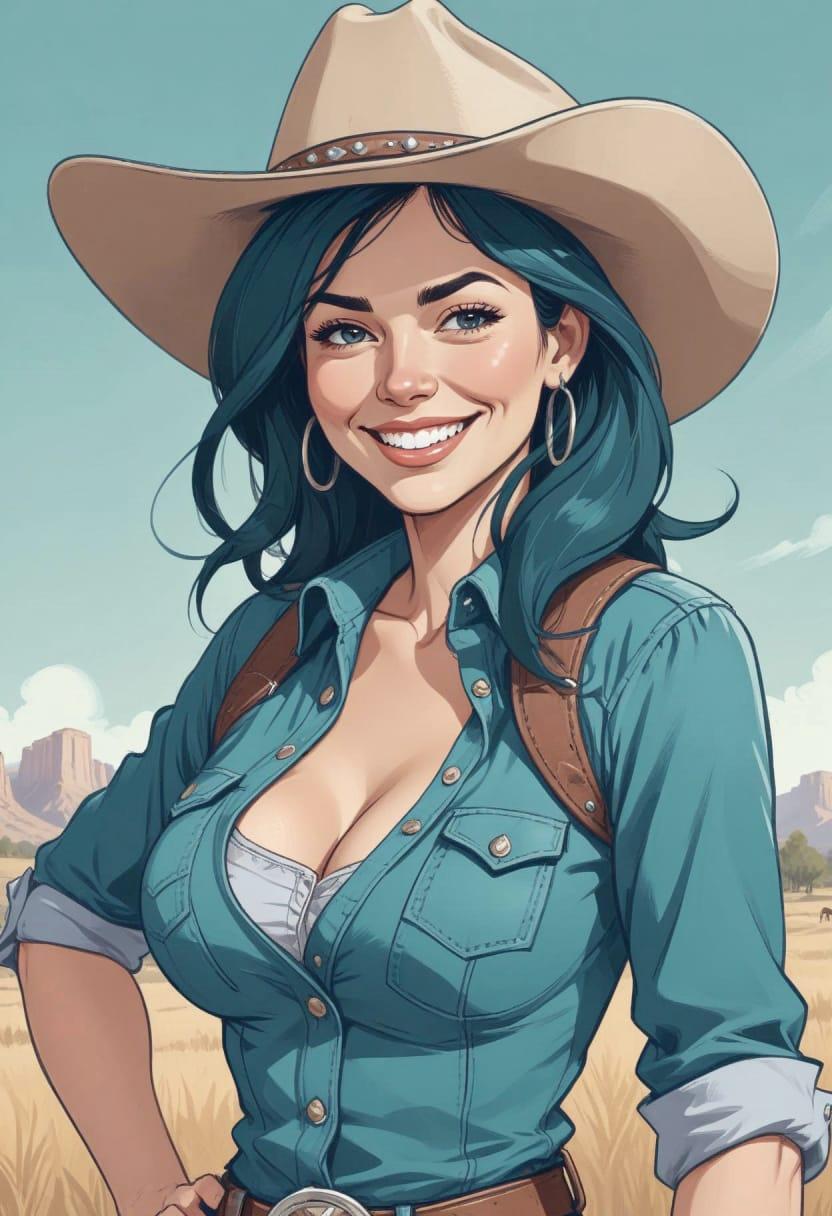
The rodeo event called “steer wrestling” is one of the toughest, requiring strength and speed—skills cowgirls continue to develop. Cowgirl culture is celebrated internationally, with rodeos and Western festivals held in countries like Canada, Australia, and Brazil. The community aspect of cowgirl culture means many women support each other through clubs and mentorship programs.

Cowgirl culture celebrates not just toughness, but also kindness and generosity, values that hold Western communities together. Many cowgirls write memoirs or blogs, sharing personal stories about life on the ranch and rodeo adventures. Cowgirl boots often feature intricate stitching, each design telling a unique story or representing a specific ranch or event.
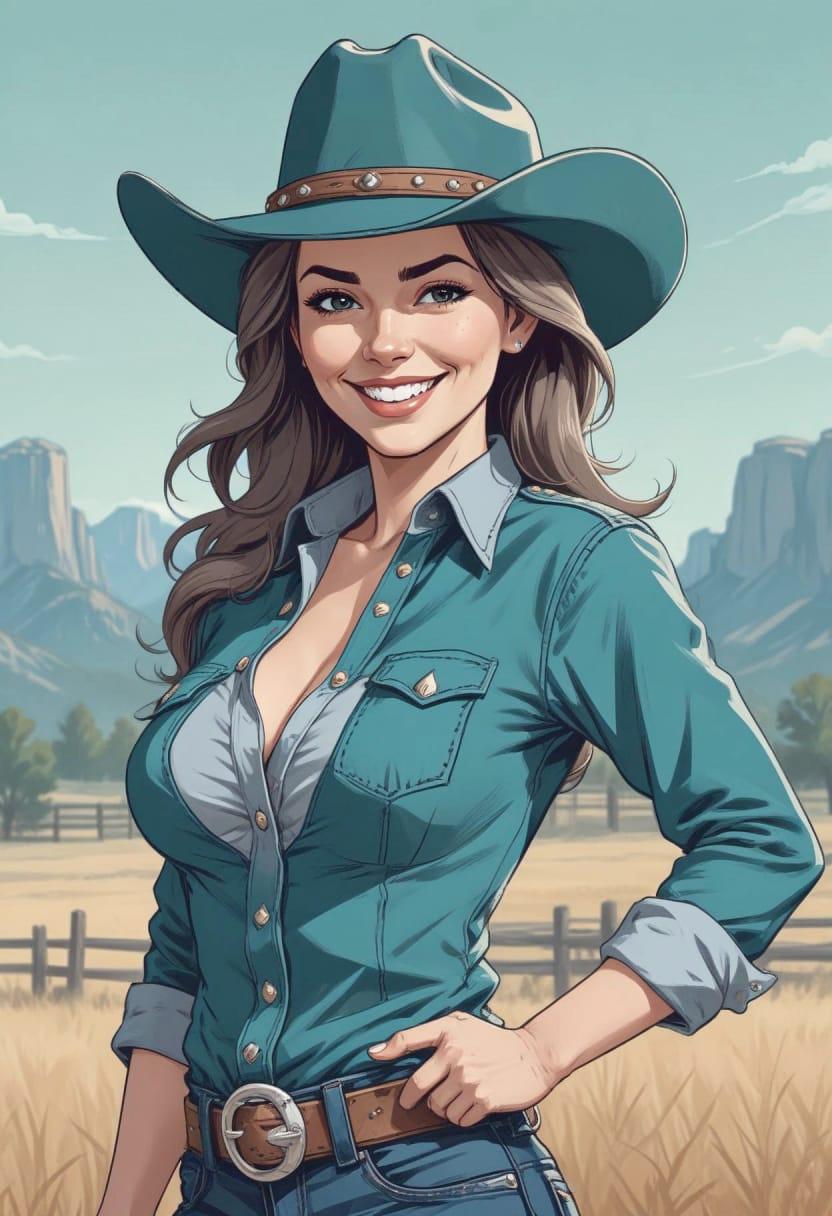
Cowgirl culture includes a respect for wildlife and conservation efforts to protect Western landscapes and habitats. The rodeo event "cutting" showcases a rider’s ability to separate a single cow from the herd, demanding skill and patience. Many cowgirls compete in multiple rodeo events, proving versatility and endurance are key to success.
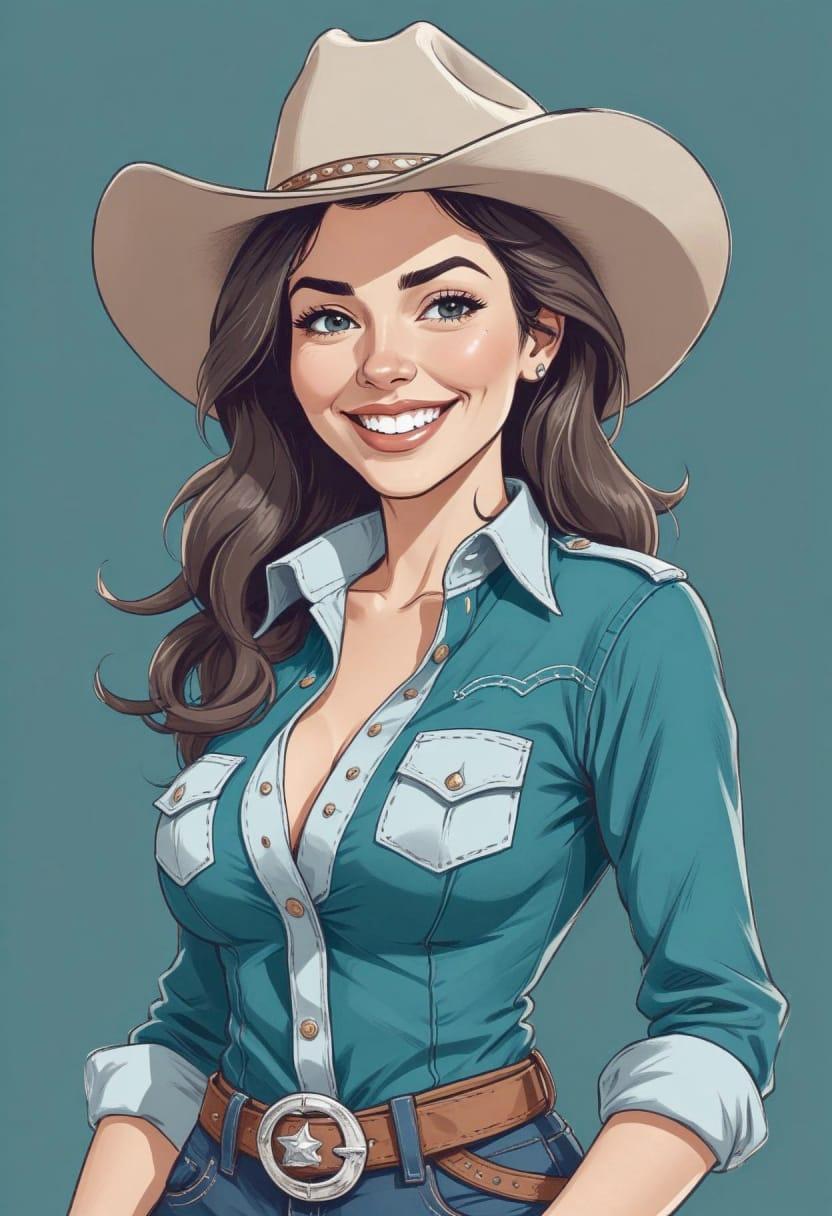
Cowgirl culture continues to inspire new generations of women seeking freedom, adventure, and connection with nature. The legacy of cowgirls is visible in today’s rodeos, ranches, and Western art, keeping the spirit alive and vibrant. Through skill, courage, and community, cowgirl culture remains a proud and dynamic part of American heritage.