Germany culture fun fact
- Fun pictures /
- Culture /
- Germany culture fun fact
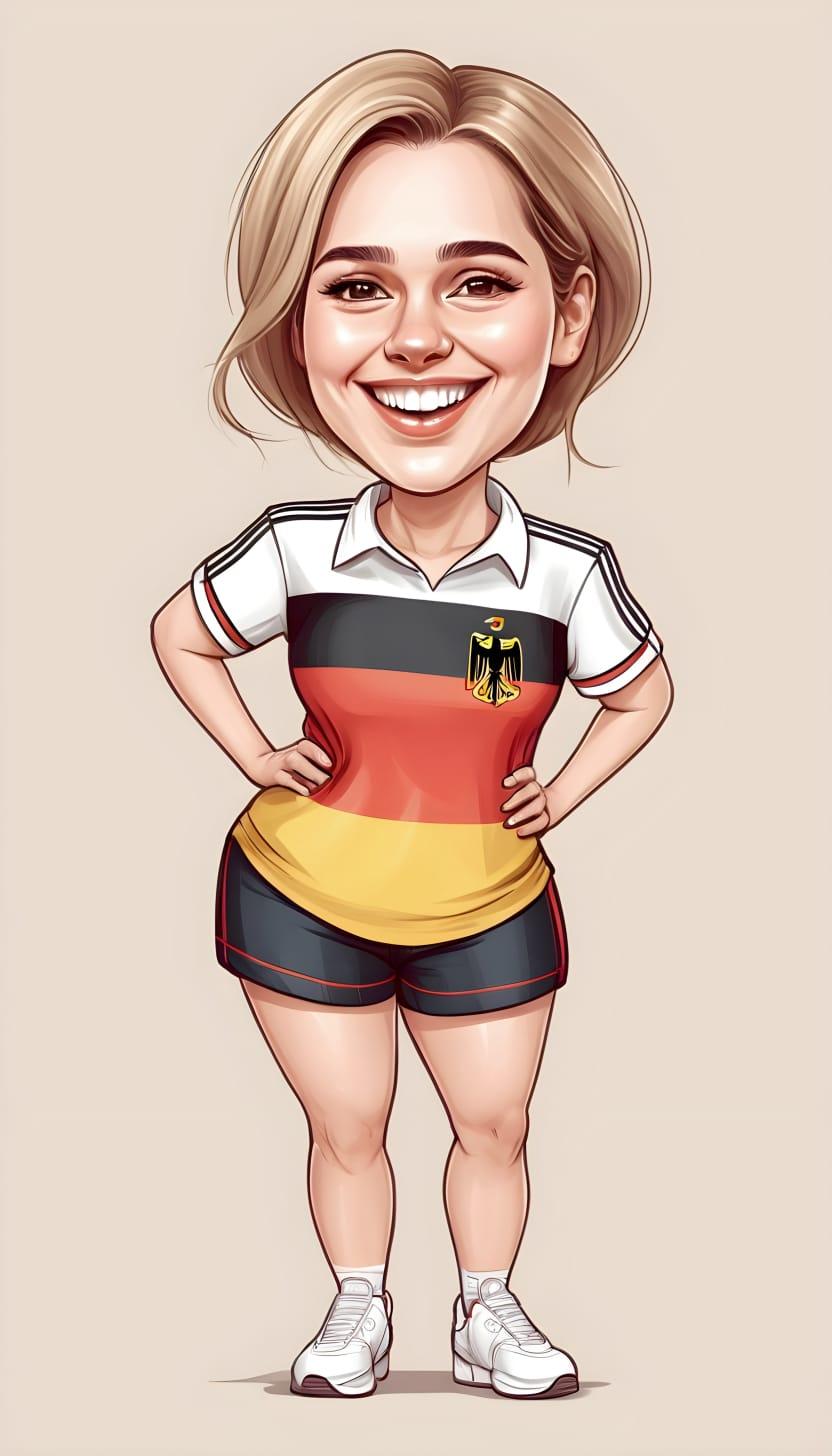
In Germany, it's normal to wait at a red pedestrian light—even if there are no cars. It's considered a social rule to follow signs strictly. Most German homes don't have overhead lighting in the living room. Instead, they use floor or table lamps for a cozy vibe called "Gemütlichkeit." The Christmas pickle tradition, where a pickle ornament is hidden in the tree, is often claimed as German—but many Germans have never heard of it!
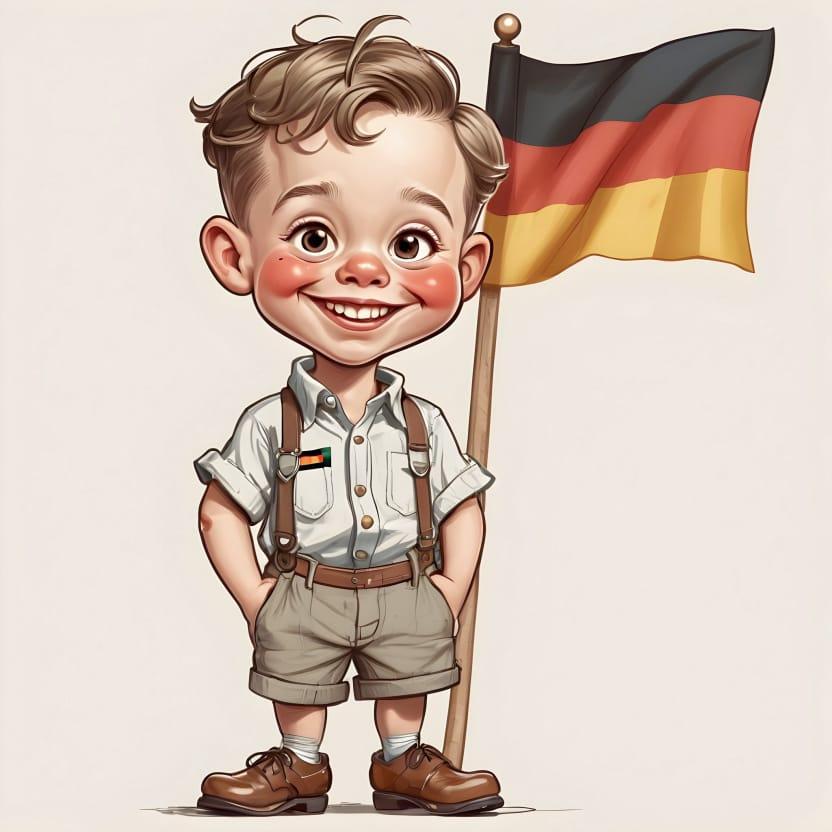
Germans take recycling seriously. There are bins for paper, plastic, organic waste, and even a separate one just for glass by color. Bread is a big deal in Germany—there are over 3,000 types, and it’s common to eat fresh rolls for breakfast and dinner. Instead of saying "bless you" after a sneeze, Germans say “Gesundheit,” which literally means “health.”
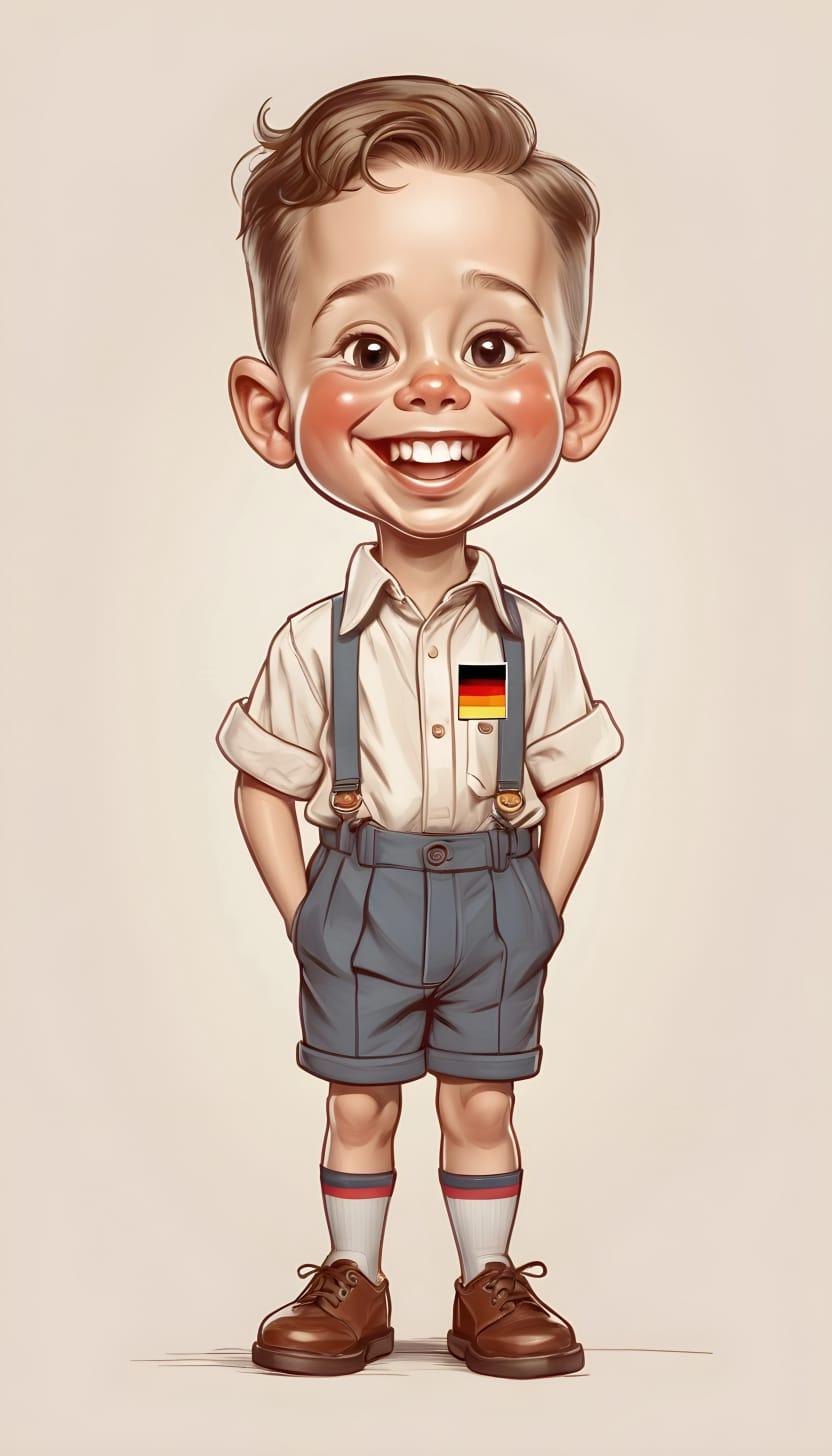
Public nudity isn’t taboo in Germany. You'll find people sunbathing nude in parks or swimming nude at lakes, especially in the east. Beer is often cheaper than bottled water in German restaurants, and it's completely normal to drink beer at lunch. Sunday is a quiet day by law. Most shops close and loud activities like mowing the lawn or drilling are frowned upon.
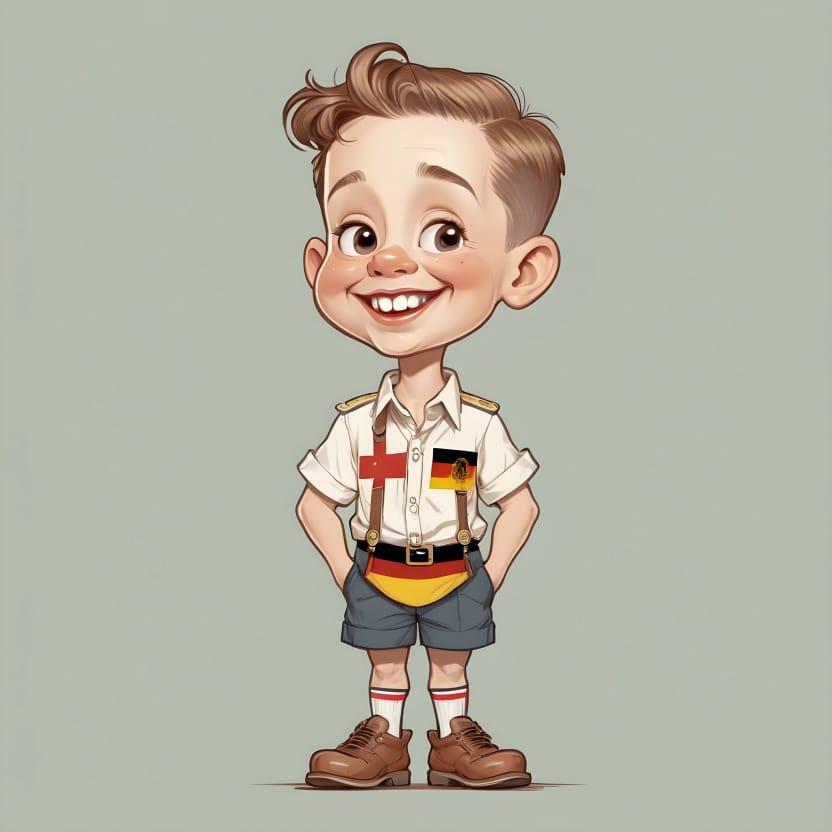
German students don’t have school uniforms, and their school schedules can end as early as 1 p.m. During Karneval, especially in Cologne, people dress wildly and throw candy from floats—it’s like Germany’s version of Mardi Gras. Germans are punctual to the minute. Arriving late, even by 5 minutes, is considered rude and unprofessional.
Instead of tipping a set amount, Germans round up the bill—if your meal costs €17.20, you might hand over €20 and say “Stimmt so.” In Bavaria, it’s legal to drink beer at age 16, and it’s not unusual to see teenagers having a pint with their parents. Germans love their sausages—there are more than 1,500 kinds, from Bratwurst to Blutwurst.
Oktoberfest actually starts in September and ends in early October—it was moved forward for better weather. German culture emphasizes privacy. Don’t ask someone what they earn or why they’re not married—it’s considered invasive. Speed limits? Not always! On many parts of the Autobahn, there’s no official speed limit.
German grocery stores charge for plastic and paper bags, encouraging customers to bring their own reusable totes. In German offices, it’s common to have a “cake rotation”—everyone takes turns bringing in homemade treats. The word “kindergarten” is German and was invented by educator Friedrich Fröbel in the 19th century.
Germans celebrate Christmas with a twist: children put their shoes out on December 5th for St. Nicholas to fill with sweets. The German language is full of compound words, like “Schadenfreude” (joy from others' misfortune) or “Fernweh” (longing for far-off places). Germans don’t jaywalk. Even kids will scold adults for crossing the street on red.

Germany has more castles than any other country in Europe—over 20,000! In German weddings, guests often break porcelain to bring good luck, a tradition called “Polterabend.” Soccer is like a religion. When the national team plays, cities can feel deserted.
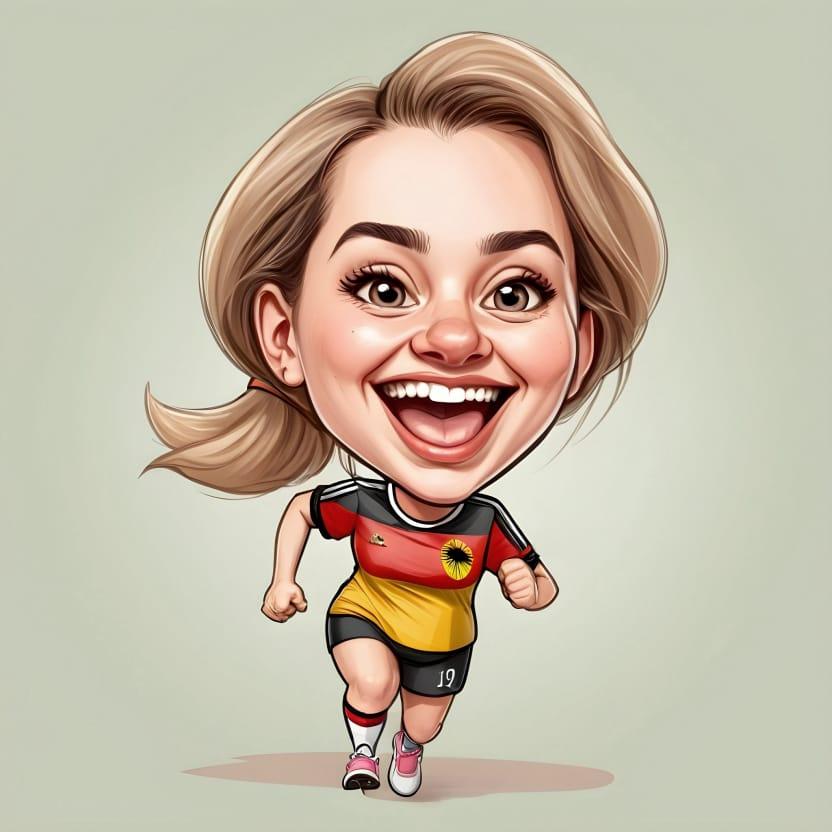
Germany culture fun fact: they have a word for everything—including the awkwardness when two people try to step aside at the same time—“Tretlag.” You won’t find ice in German drinks. Even in summer, beverages are usually served room temperature or lightly chilled. Punctuality is so ingrained that German trains publicly apologize for being 2 minutes late.
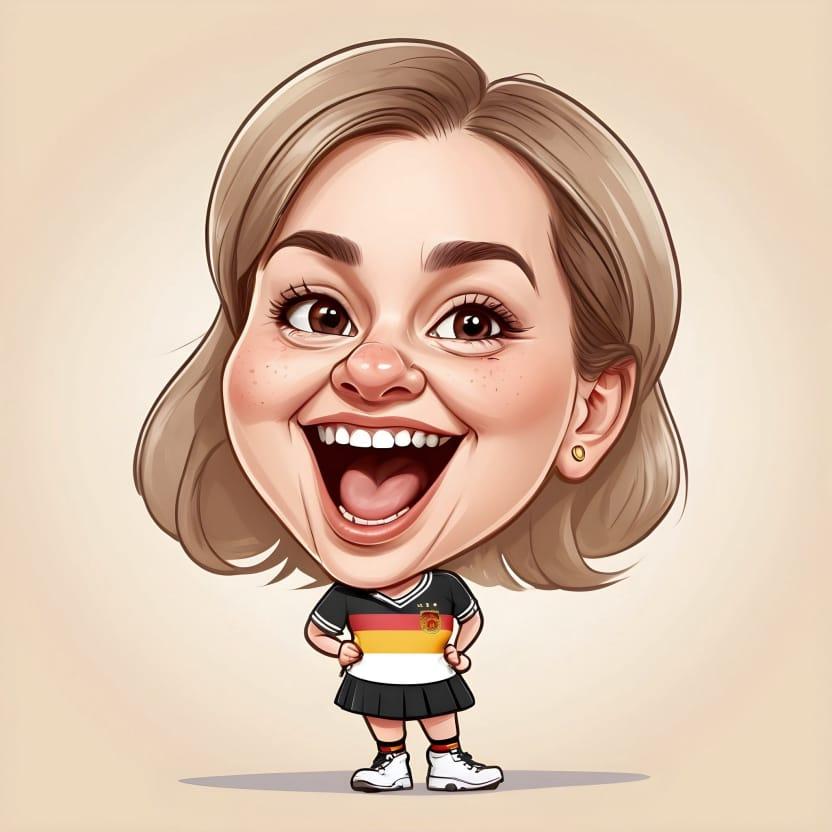
Most Germans rent their homes instead of buying—around 50% of people are long-term renters. “Tatort,” a German crime series that’s been running since 1970, is still one of the most-watched shows every Sunday night. Carnival season (called "Fasching") can involve weeks of costumed parades, satire, and pranks—especially in southern Germany.

In German high schools, students are sorted into different tracks based on academic strength—like college prep or vocational paths. Germany culture fun fact: many German cities have outdoor book-swapping boxes where people leave and take free books. On birthdays, the person celebrating is expected to provide the cake or meal, not the other way around.

In some German regions, people eat raw minced pork on bread, topped with onions—called “Mettbrötchen.” When answering the phone, Germans usually state their last name instead of saying “hello.” Germany has a long tradition of public bathing. Some bathhouses date back to Roman times.
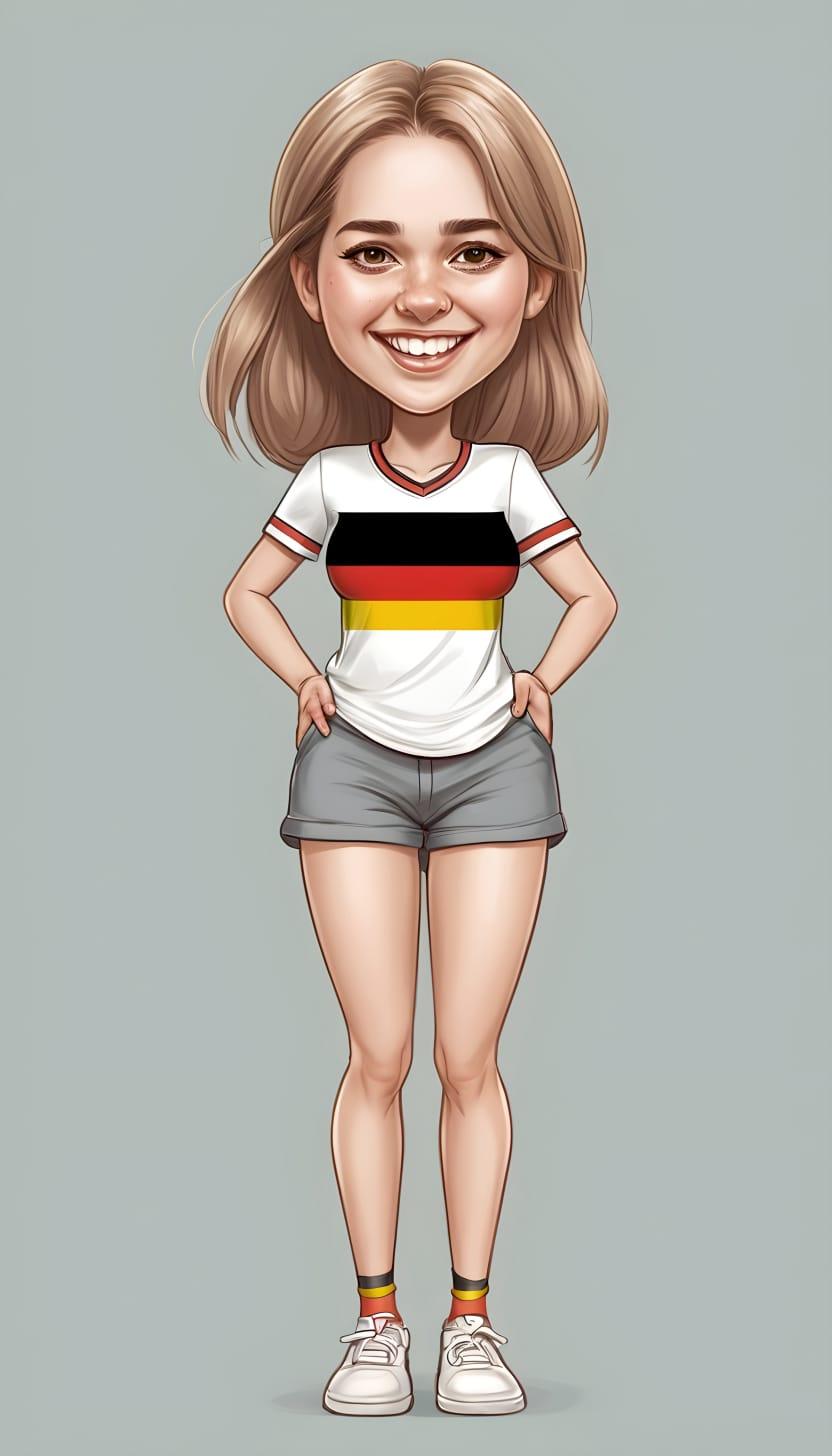
Instead of clapping at the end of university lectures, German students knock on their desks. There are over 300 kinds of bread rolls alone—every region has its favorite. In German schools, the first day of first grade is celebrated with a big cardboard cone full of candy and supplies, called a “Schultüte.”

Dogs are allowed in many restaurants and shops in Germany. They’re expected to be well-behaved, of course. Germany culture fun fact: locals often eat cake and coffee together around 4 p.m.—a tradition called “Kaffee und Kuchen.” The concept of “Ordnung” (order) is deeply rooted in German society—it affects everything from traffic to trash bins.
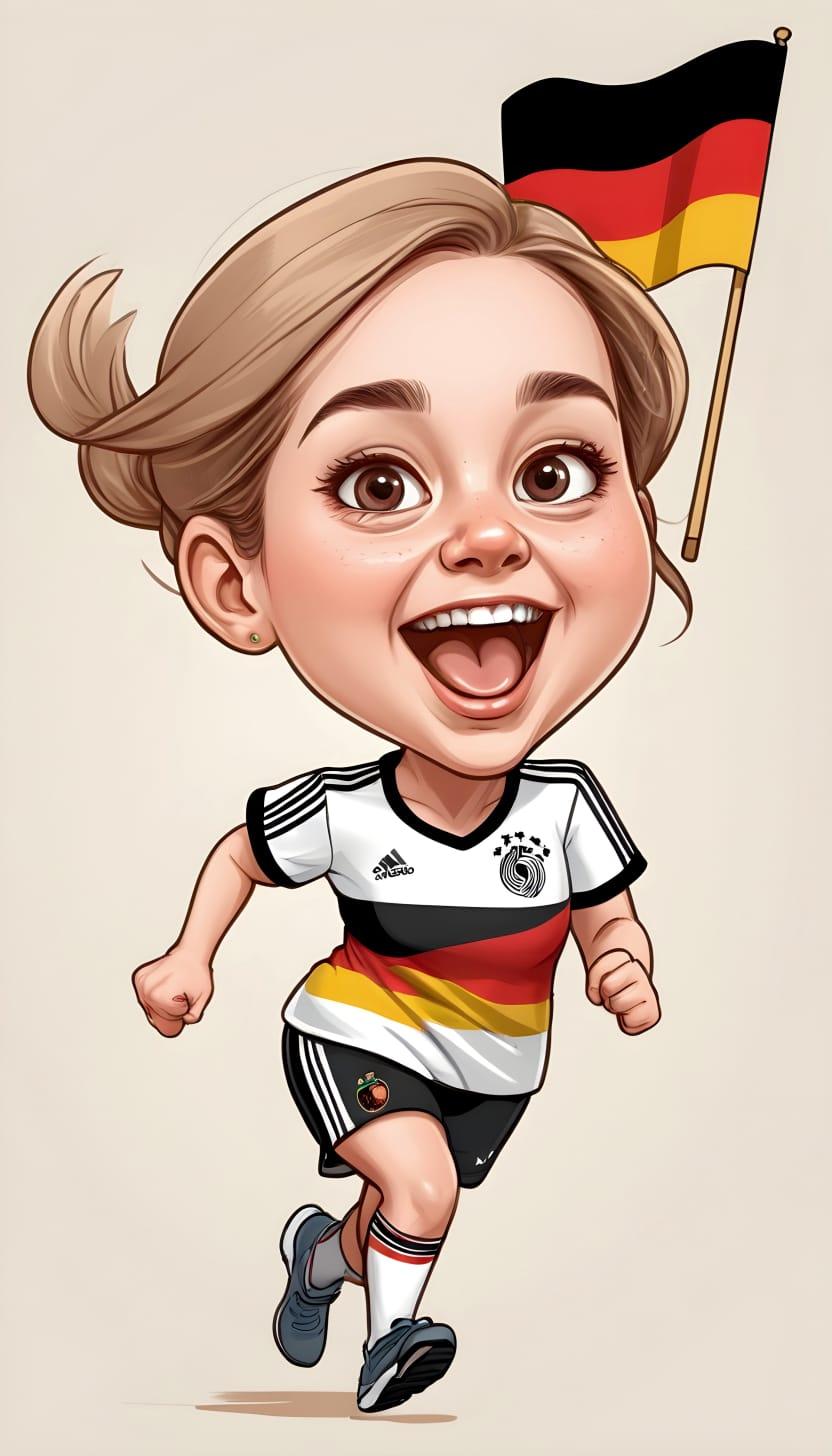
German homes often separate the bathroom and toilet into two different rooms. Germans use window sills for decoration—plants, candles, and little seasonal figures are common sights. There’s a yearly tradition called “Walpurgis Night,” where people light bonfires and dress as witches to welcome spring.

Germany’s forests inspired many Brothers Grimm fairytales—like Hansel and Gretel or Little Red Riding Hood. Instead of a bachelor party, some German men do a “Polterabend” or a “Junggesellenabschied” pub crawl in silly costumes. The legal drinking age is 14 for beer and wine if you’re with a parent—yes, really.
You’ll rarely see air conditioning in German homes—people rely on thick walls and window shutters. Germany has a national “quiet time” between 1 and 3 p.m. in some areas, where loud noise is discouraged. In Cologne, the local dialect and sense of humor are so distinct, they even have their own version of comedy TV shows.

Germans love collecting “Pfand” (deposit) from bottles and cans—it’s common to see people with bags full of returns. At Christmas markets, you can buy mulled wine in festive mugs—and if you return the mug, you get your deposit back. Germany culture fun fact: German drivers are required by law to carry a first aid kit, warning triangle, and safety vest in their cars.

Germans often take off their shoes indoors and may even offer house slippers to guests. The tradition of Advent calendars with chocolate treats started in Germany. Public transport operates on the honor system—but random ticket checks come with heavy fines if you’re caught without one.