Germany interesting cultural facts
- Fun pictures /
- Culture /
- Germany interesting cultural facts
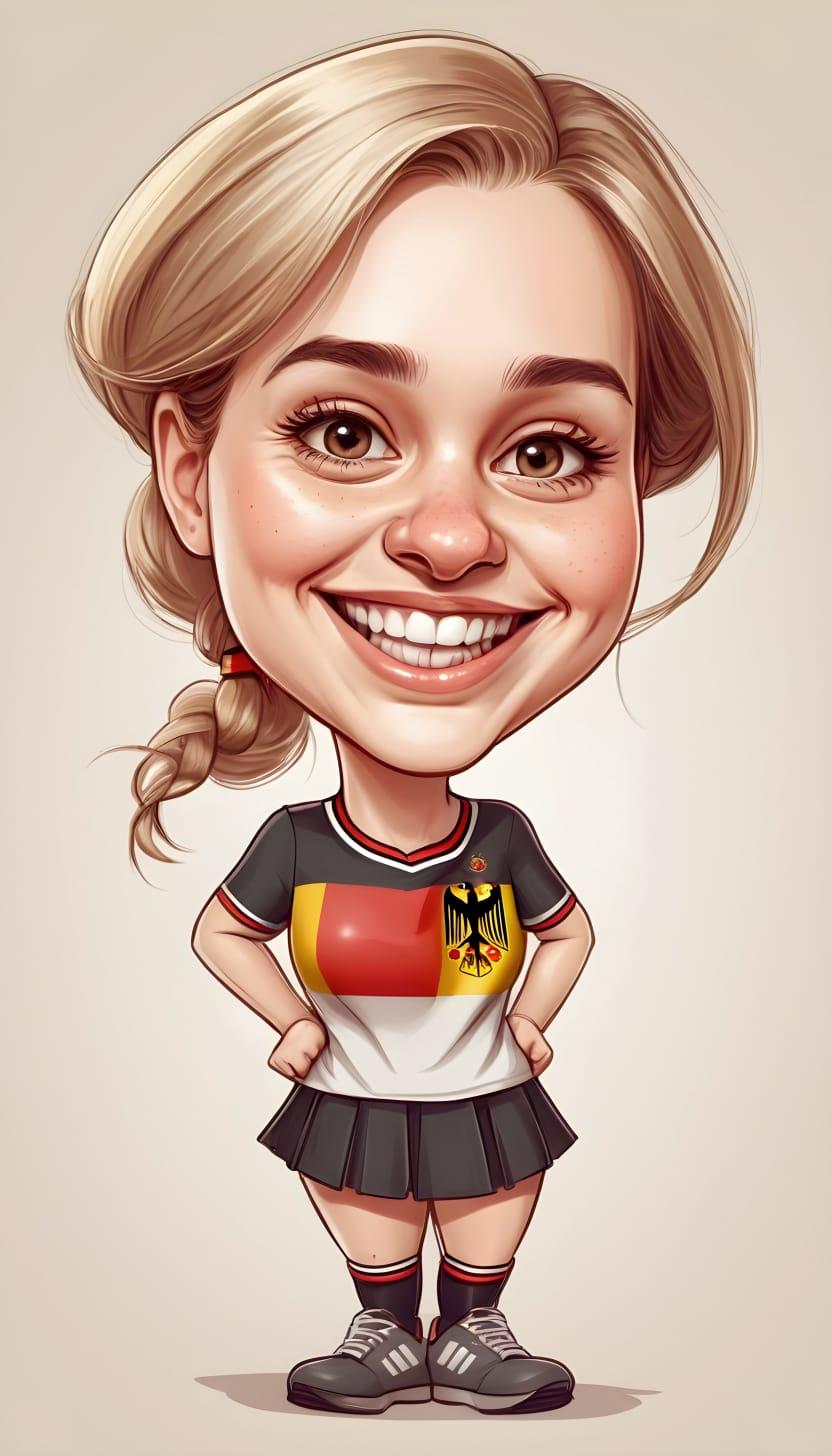
In Germany, people celebrate Christmas with a pickle ornament hidden in the tree—whoever finds it gets an extra present. Germans are serious about bread; there are over 3,200 officially recognized types across the country. Public nudity isn't taboo in Germany; you'll often find people sunbathing nude in city parks.
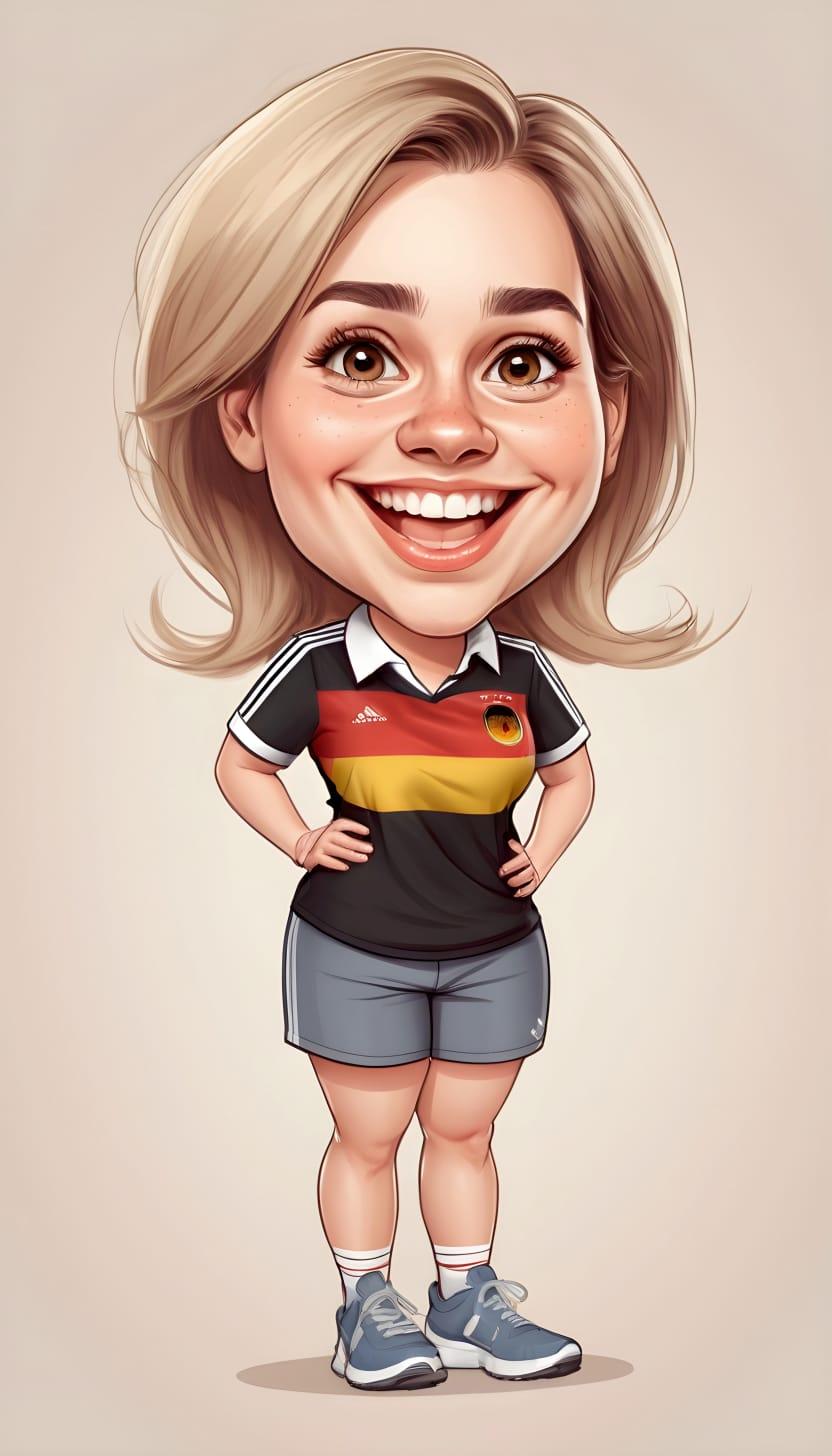
In German kindergartens, kids often play with real tools like saws and hammers to build confidence and skills. German beer is brewed under the Reinheitsgebot, a purity law from 1516 that only allows water, hops, and barley. On New Year’s Eve, Germans love watching a quirky British sketch called "Dinner for One"—it's become a national tradition.
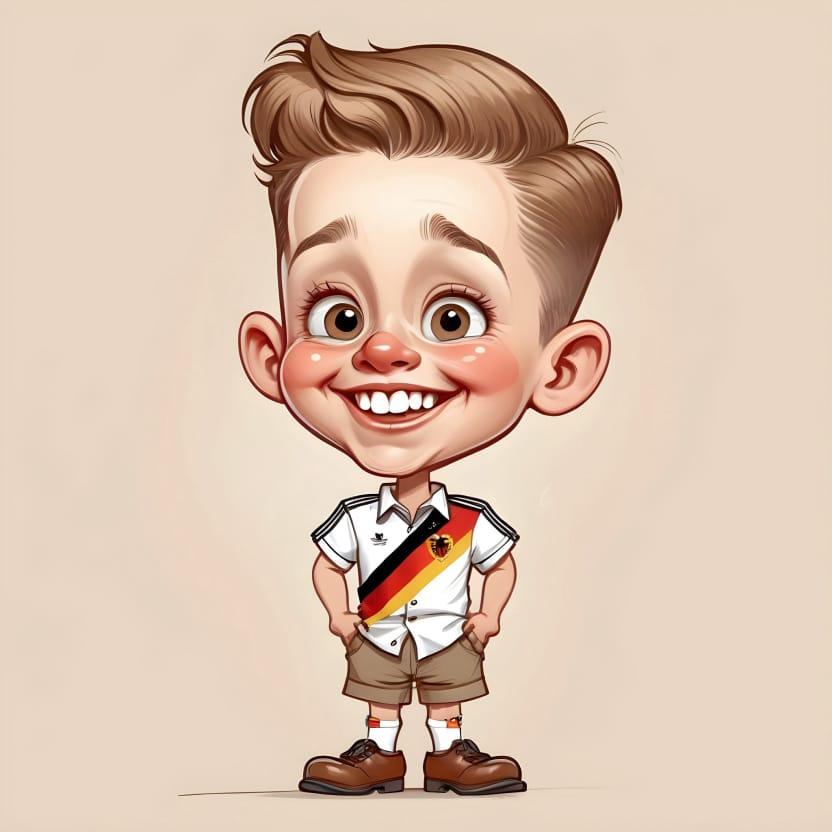
Germans love their quiet time—there are laws banning noisy activities like vacuuming on Sundays. The Autobahn has stretches with no speed limit, but you’re still expected to drive responsibly. In Cologne’s carnival season, men’s ties are snipped off by women as a playful show of gender equality.
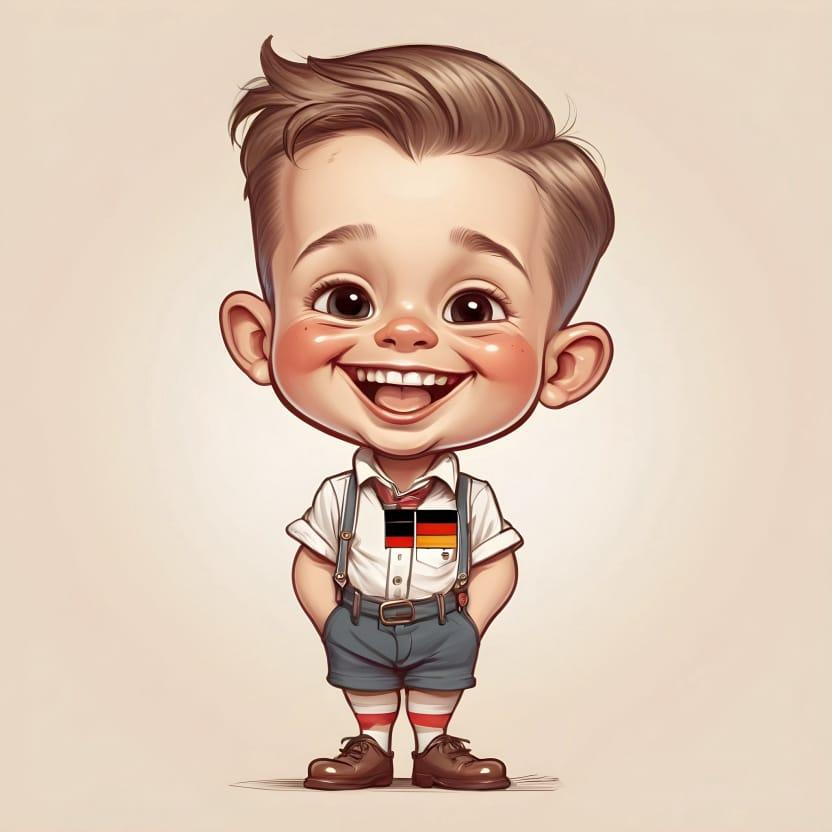
Germans have a unique way of counting on fingers—they start with the thumb instead of the index finger. There’s a forest in Bavaria that legally owns itself—it’s protected to remain untouched forever. German language has ultra-long words like “Donaudampfschiffahrtsgesellschaftskapitän,” which means Danube steamship company captain.
Many Germans don’t refrigerate their eggs because they're not washed like in the U.S., so their natural coating stays intact. Germany hosts over 1,000 sausage varieties, with each region having its proud specialty. Recycling in Germany is a serious business—trash is sorted into five or more different colored bins.
It’s common for German students to carry a "Schultüte," a giant cone filled with sweets, on their first day of school. Germans often enjoy sparkling water instead of still—sometimes tap water is not even offered by default. Stolpersteine (stumbling stones) are small memorials in sidewalks commemorating Holocaust victims at their last known residence.

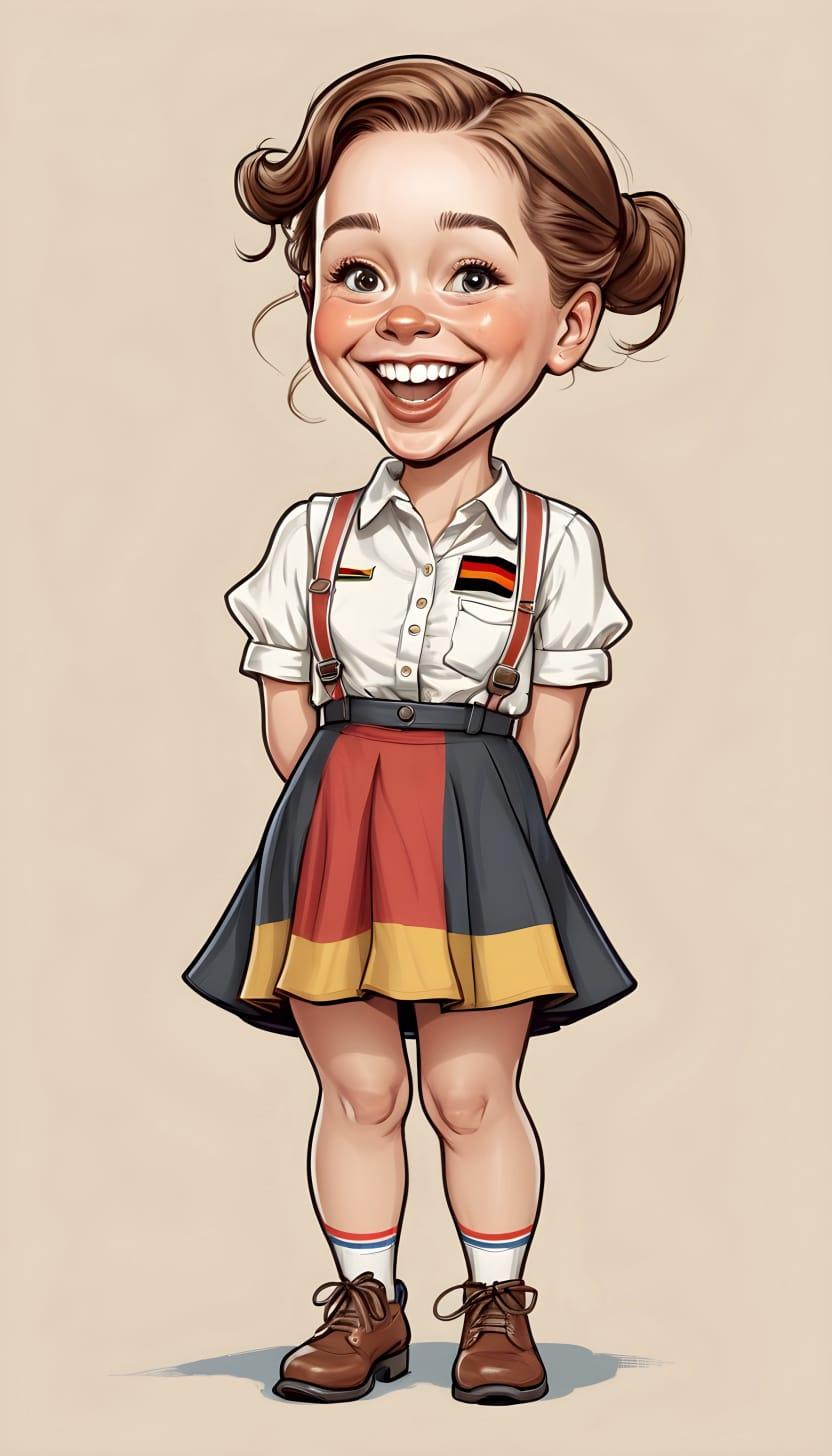
In Bavaria, it’s traditional to wear lederhosen and dirndls at festivals—not just for tourists, but locals too. Germany interesting cultural facts include how beer is considered a food in Bavaria. You can legally name your baby “Müller” or “Schmidt,” but not “Pepsi” or “Starlord”—the government must approve names.
During “quiet hours,” usually after 10 p.m., it’s against the rules to play loud music or run noisy appliances. Carnival season (Fasching) kicks off on November 11 at 11:11 a.m. with parades, costumes, and pranks. Most German towns have their own beer garden—complete with communal tables under chestnut trees.
Many Germans take off their shoes before entering a house, and guests are often offered slippers. The country has over 25,000 castles, some still lived in today. Some German trains have "quiet cars" where you're expected not to talk, even on the phone.
In Berlin, it's common to see “Spätis”—late-night corner shops that are cultural hubs for locals. Maypole dances are a lively tradition in many German villages each spring. Germany interesting cultural facts include the love for board games—some of the world’s best games come from here.
People often toast by saying “Prost” and must make eye contact while clinking glasses—otherwise, it's said to bring bad luck. A German breakfast often includes cold meats, cheeses, and lots of bread—eggs and bacon are less common. There are official “beer hiking trails” where you walk from brewery to brewery through scenic countryside.
On April 30, Germans celebrate “Walpurgisnacht,” a night of dancing and bonfires to scare away evil spirits. In many regions, houses are built with small figures or dolls in the rafters for good luck. When moving into a new place, Germans sometimes host a “housewarming party” where guests bring bread and salt as blessings.
Germans love their garden gnomes, or "Gartenzwerge," which originated in the 19th century and are still popular. On your birthday, don’t expect others to plan a party—Germans usually organize their own celebration. “Kehrwoche” is a cleaning tradition in southern Germany where residents take turns sweeping shared spaces.
At German weddings, guests often smash plates during “Polterabend” to bring good luck to the couple. You can rent a beer crate seat cushion at festivals—comfort is key when drinking for hours. Germany interesting cultural facts include its forest culture; over a third of the country is covered in trees.
Every city has a Christmas market, but Nuremberg’s is one of the oldest and most magical. In Freiburg, small water canals called “Bächle” run through the streets—stepping in one means you'll marry a local. Germans love asparagus so much there's even a term, “Spargelzeit,” for the spring asparagus season.
Dogs are welcome in many restaurants and even high-end stores—but children? Sometimes less so. In northern Germany, it's traditional to eat green cabbage and sausages with schnapps during winter walks. If you walk around with an open bottle of beer, that’s totally normal—it's called "Bier auf die Faust."
You won’t hear many car horns in Germany—honking is considered rude unless it’s an emergency. Germany interesting cultural facts include the love for punctuality; being late is seen as disrespectful. To celebrate a 25-year work anniversary, Germans throw a party called “Silbernes Dienstjubiläum.”
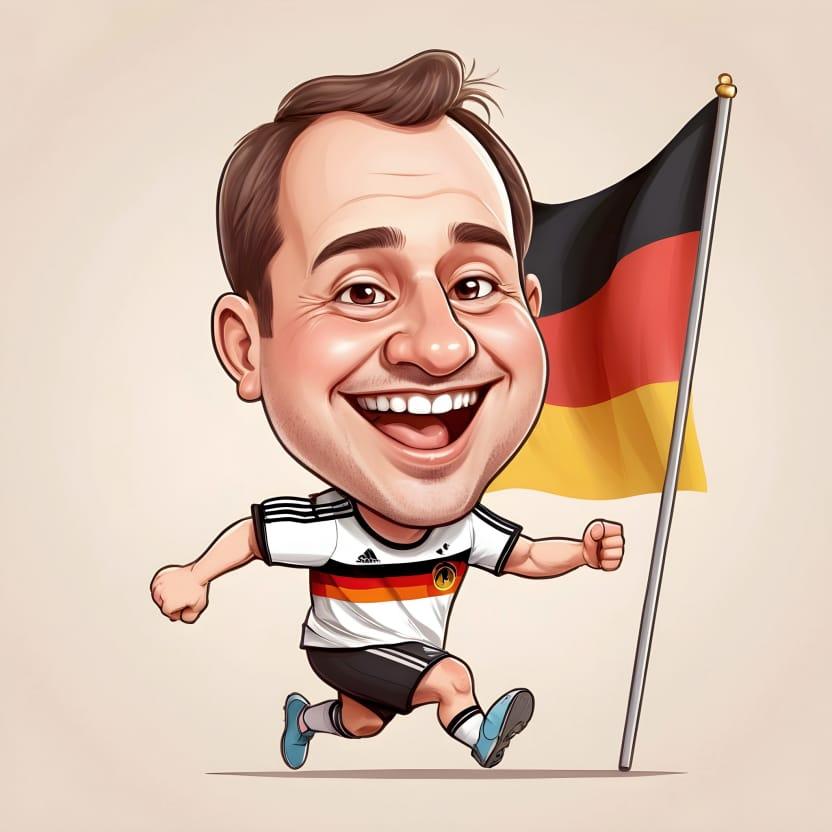
There’s a law called “Pfand” requiring deposits on plastic bottles and cans to encourage recycling. In Munich’s English Garden, you’ll find surfers riding a stationary wave in the middle of the city. For carnival, some towns elect a “fool’s mayor” to symbolically take over the city during festivities.
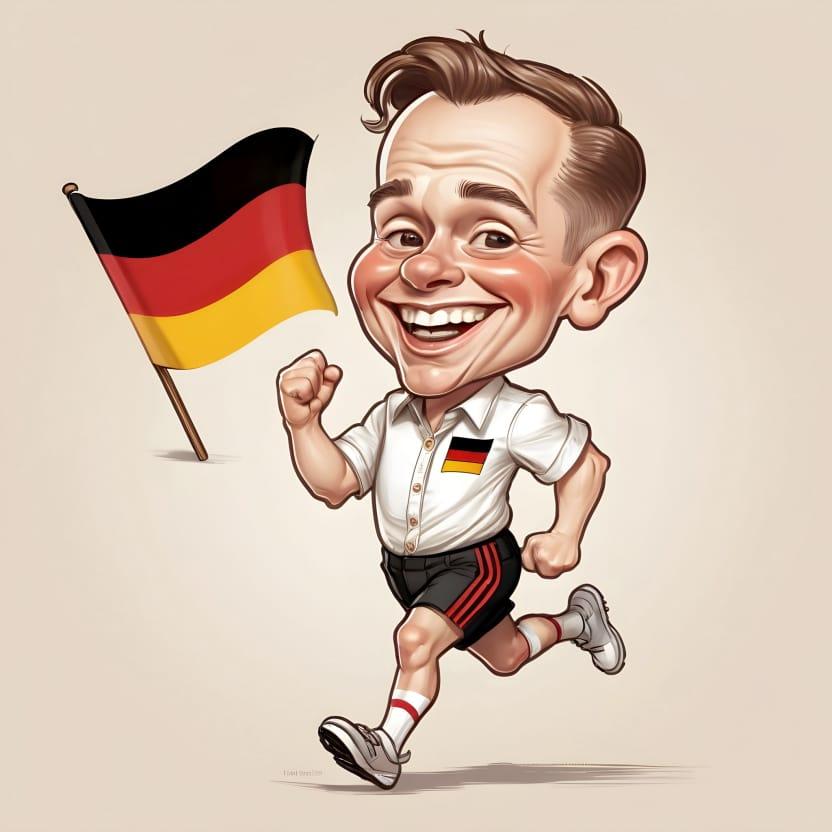
Traditional German houses often feature ornate wooden beams and painted patterns that date back centuries. There’s a long-standing rivalry between Berlin and Munich in everything from beer to soccer. Germans love mineral spas and “Kurorte”—healing resort towns with thermal springs and wellness rituals.
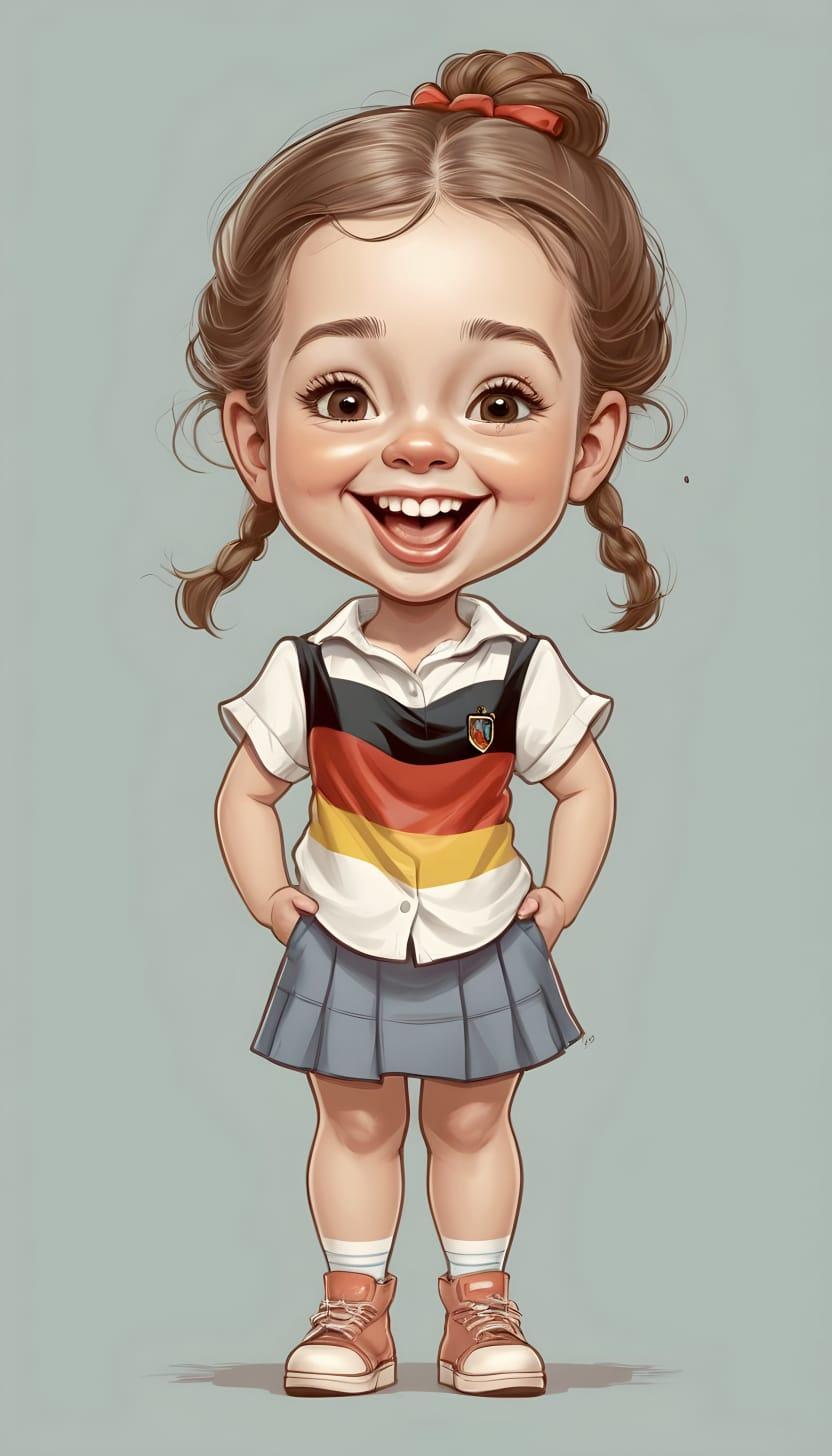
You might get funny looks if you cross the street on a red light—jaywalking is seriously frowned upon. Germany interesting cultural facts include how people celebrate “name days” in some Catholic regions, like a second birthday. Even though Germany is super modern, many towns still ring church bells hourly, just like they did in the Middle Ages.