American culture trivia facts
- Fun pictures /
- Culture /
- American culture trivia facts
The Super Bowl isn’t just a football game—it’s also the second-largest food consumption day in the U.S. after Thanksgiving. In some parts of the Midwest, “pop” is the go-to word for soda, while “soda” rules on the coasts. Americans tip restaurant servers an average of 15–20%, and not tipping is considered rude—even if the service is bad.
Walt Disney World in Florida is about the same size as San Francisco. It even has its own government-like district. Route 66, dubbed the "Mother Road," once connected Chicago to Los Angeles and became a symbol of American road trips. Jazz, born in New Orleans, is one of the few original American art forms and spread globally in the 20th century.

The U.S. has no official language, though English is the de facto national language. Drive-thrus are so common in America that you can even get married in one—in Las Vegas. Peanut butter is a household staple in most American homes, but it’s not widely eaten in many other countries.
Thanksgiving was made a national holiday by Abraham Lincoln during the Civil War, aiming to unify the country. Alaska was bought from Russia for just 2 cents an acre in 1867. Critics called it “Seward’s Folly.” Baseball is considered "America's pastime," but football is now more popular by TV ratings and revenue.
The U.S. Constitution is the oldest written national constitution still in use. Most American homes have air conditioning, something not as common in many European countries. The U.S. is one of the few countries where ice in drinks is practically mandatory.
In some states, it’s legal to drive at age 14½, which surprises many foreign visitors. American pancakes are thick and fluffy, usually served with maple syrup—unlike the thinner European crepes. The Pledge of Allegiance, recited in schools, was written in 1892 to promote national unity.
The American flag has changed 27 times since 1777, most recently in 1960 when Hawaii joined the Union. The Statue of Liberty was a gift from France and originally had a brownish copper color before turning green. The dollar bill features the pyramid and the all-seeing eye—symbols linked to the Founding Fathers’ love for Enlightenment ideas.
In some U.S. states, it’s legal to own exotic pets like tigers and monkeys—though it’s strongly discouraged. The Bald Eagle was chosen as a national symbol in 1782, despite Benjamin Franklin preferring the turkey. Black Friday is a uniquely American shopping frenzy that kicks off the holiday season right after Thanksgiving.
American high schools often have mascots and pep rallies—something uncommon in most other countries. Red Solo cups are an unofficial party symbol, made iconic in college parties and movies. The U.S. has more than 10,000 craft breweries, fueling the global explosion in beer culture.
Americans love their national parks—Yellowstone was the first in the world, created in 1872. The phrase “American Dream” was first popularized in the 1930s during the Great Depression. Each state has its own nickname—like “The Sunshine State” for Florida or “The Empire State” for New York.
Barbecue styles differ by region: Texas loves beef, Carolina favors pork, and Kansas City uses thick, sweet sauce. Halloween is a billion-dollar industry in the U.S., with costumes, candy, and haunted houses galore. Apple pie became a symbol of Americana, though its roots trace back to England and the Netherlands.
Cheerleading began as a male-only sport in the 1800s and only became dominated by women after WWII. American diners often offer free coffee refills, a practice rare in most parts of the world. March Madness isn’t just about basketball—it’s also a major gambling and social event.
The American South is known for sweet tea, which can be shockingly sugary to newcomers. In-N-Out Burger has a secret menu that diehard fans memorize like a language. The Electoral College system used in presidential elections often confuses non-Americans.
Americans celebrate Groundhog Day every February 2nd, where a rodent predicts the weather. College sports, especially football and basketball, draw crowds in the tens of thousands—sometimes larger than pro games. The U.S. Postal Service once delivered babies through the mail (yes, really) before it was outlawed in 1915.
Reality TV exploded in popularity in the early 2000s, becoming a major part of american culture trivia facts. Fast food chains are a global export, but their origin is deeply rooted in American car culture. Fourth of July fireworks are a noisy staple of American Independence Day celebrations.
Hollywood films are one of the U.S.’s biggest cultural exports and have shaped global perceptions of the country. The phrase “melting pot” describes how american culture trivia facts often blend elements from many immigrant traditions. The first drive-in movie theater opened in New Jersey in 1933.
Americans commonly say “bless you” after a sneeze, even among strangers. Ice cream trucks playing jingles are a nostalgic summer sound across suburban neighborhoods. The American school bus is famously yellow, a color chosen for visibility in early morning light.
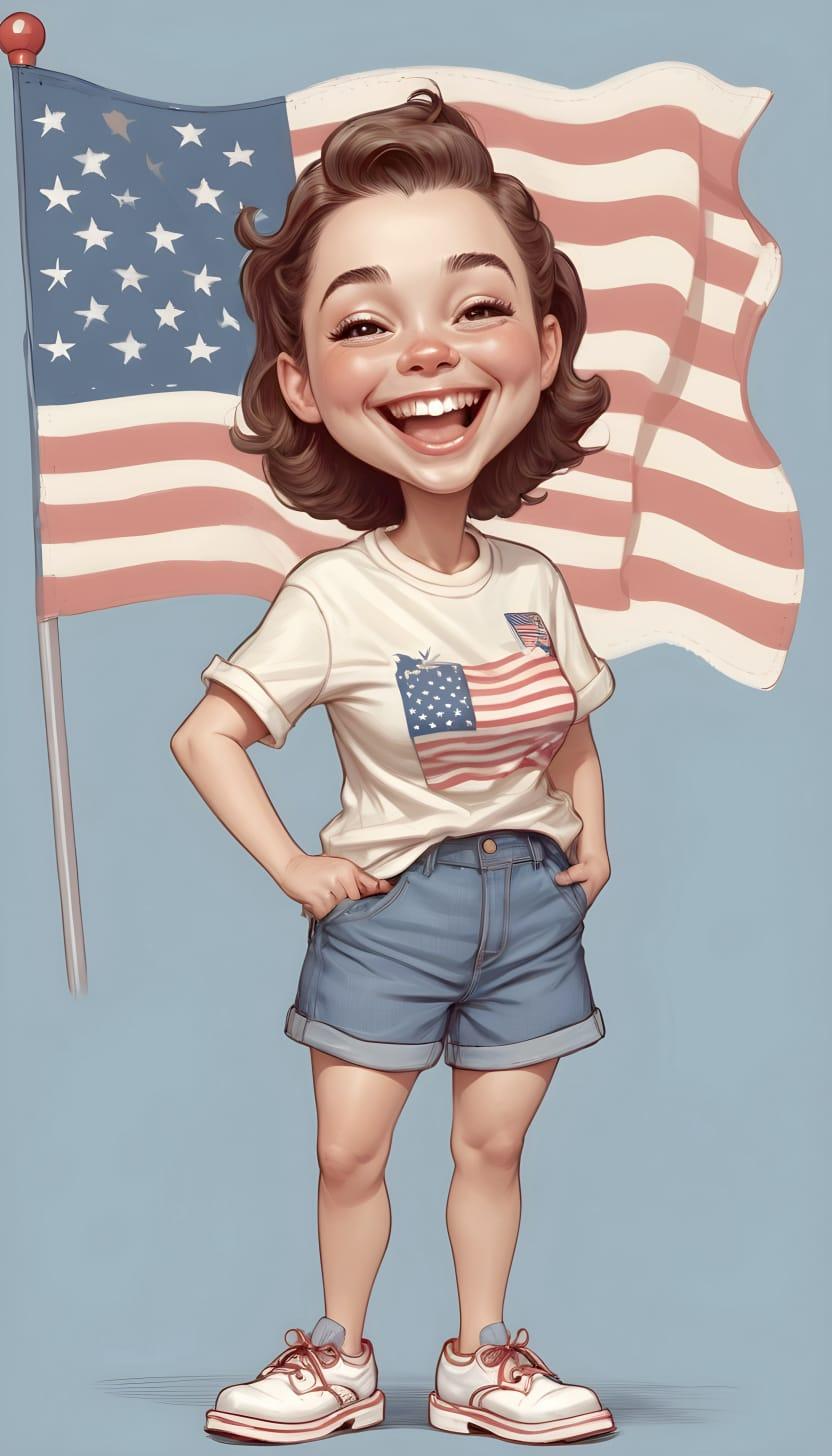
Corn dogs and funnel cakes are state fair icons and are rarely found outside the U.S. The Peace Corps, launched in 1961, is a unique American program for spreading cultural exchange. Black History Month in February spotlights the struggles and achievements of African Americans.
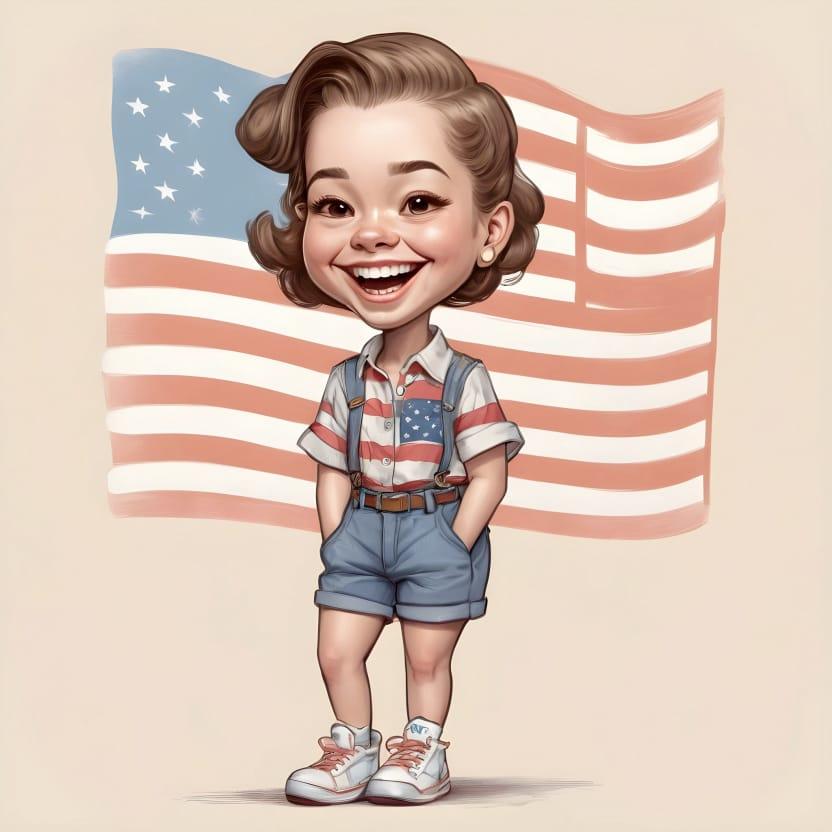
American TV sitcoms, like “Friends” and “The Simpsons,” are staples in international reruns. Drive-in churches exist in some states, where people worship without leaving their cars. The obsession with pumpkin spice everything each fall is a quirky hallmark of american culture trivia facts.
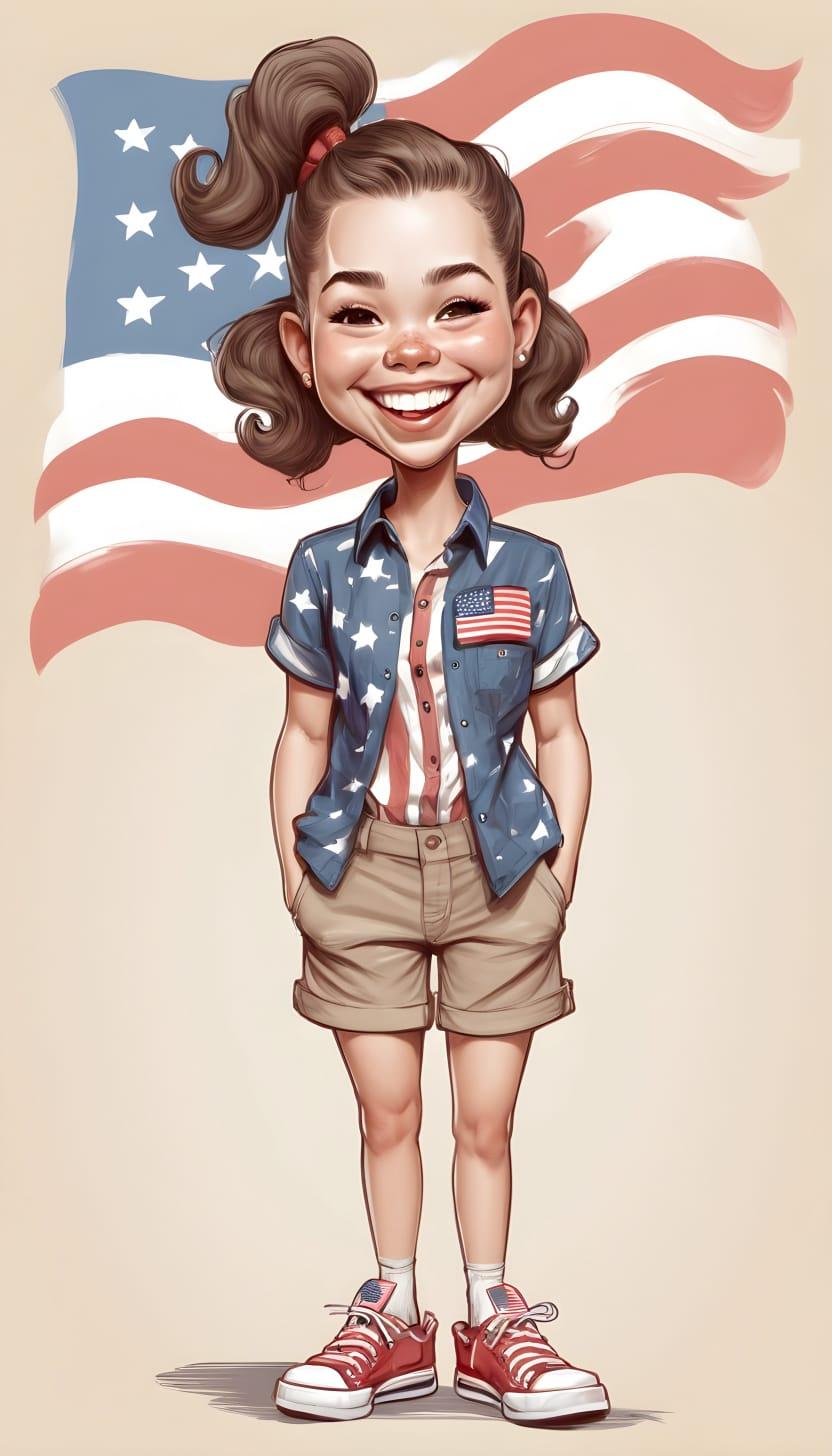
Americans often use measuring cups instead of weighing ingredients, which confuses many European bakers. Each state has its own laws—like banning dancing on Sundays or limiting pickle size—that reflect quirky parts of american culture trivia facts. Thank-you cards are still a popular and polite tradition for weddings, baby showers, and birthdays.