Indian interesting cultural facts
- Fun pictures /
- Culture /
- Indian interesting cultural facts
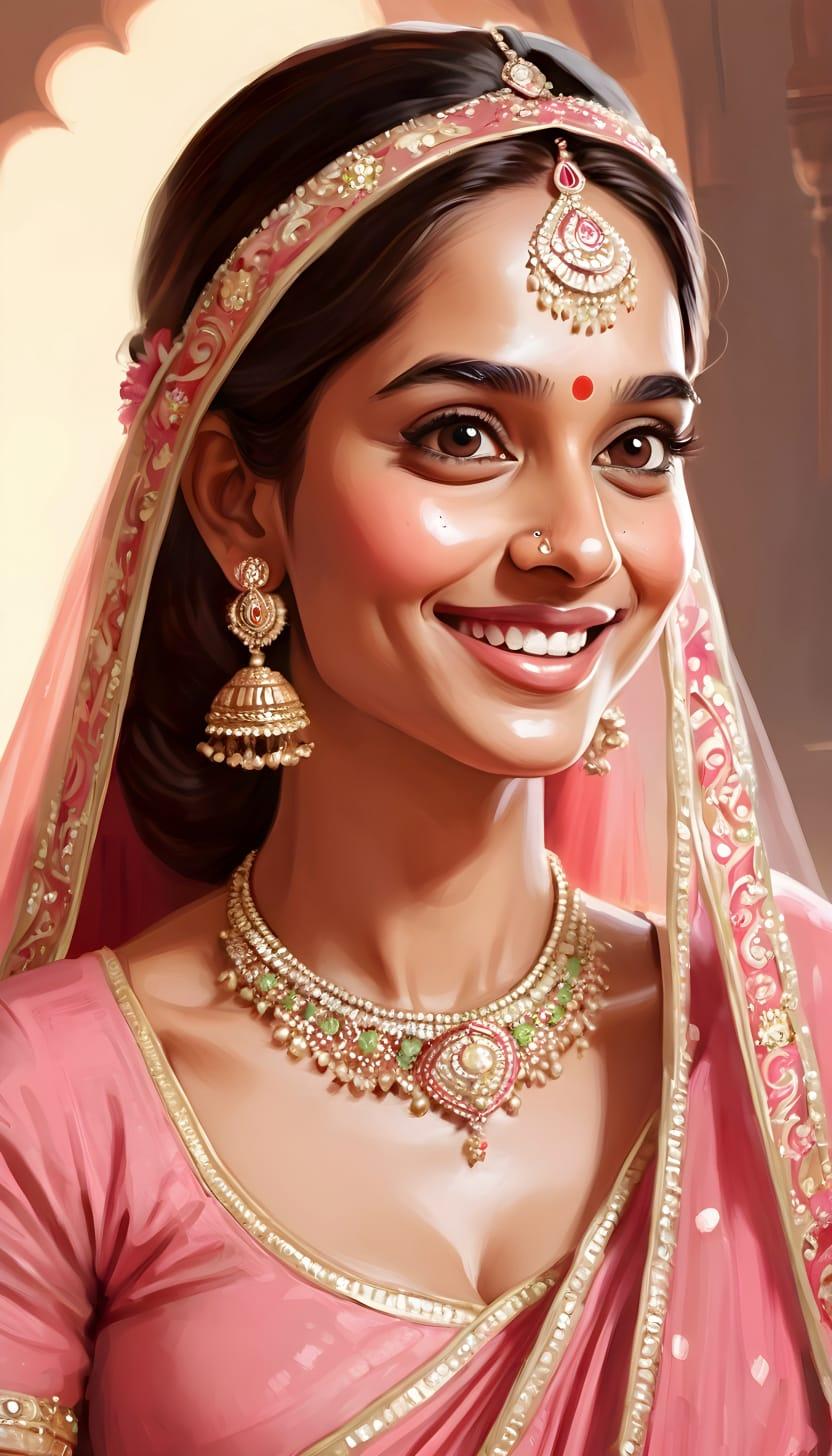
India is home to the world’s largest film industry, Bollywood, producing over 1,500 movies a year. Yoga, which originated in ancient India, is now practiced worldwide as a powerful mind-body exercise. The Indian festival of Diwali celebrates the victory of light over darkness with lamps, fireworks, and sweets.

In India, the cow is considered sacred and is often allowed to roam freely in cities and villages. The concept of zero as a number was first developed by ancient Indian mathematicians, revolutionizing math globally. Indian classical music uses a complex system of ragas, which are melodic frameworks for improvisation and expression.
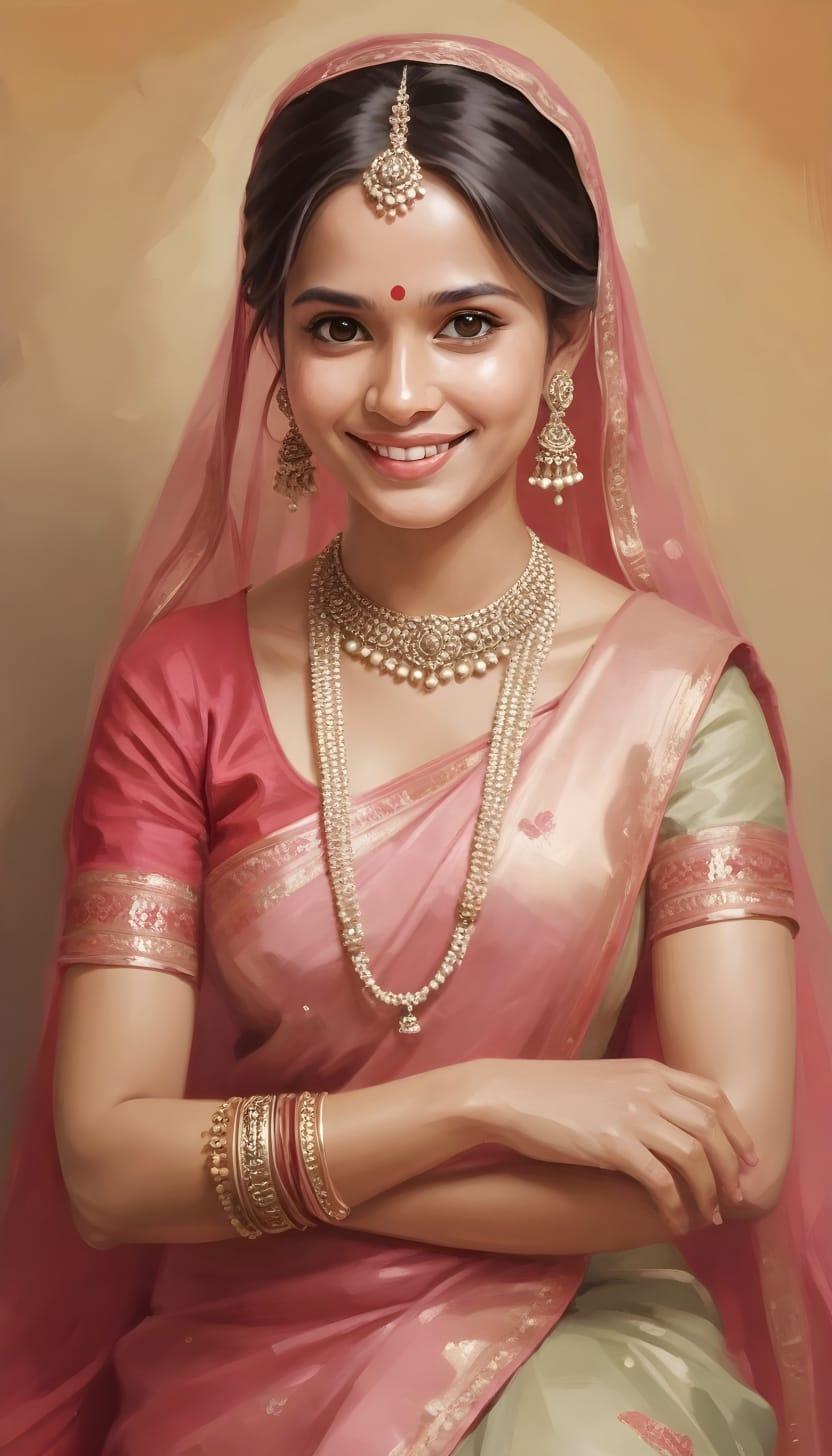
Spices like turmeric and cardamom, staples in Indian cuisine, have been used for thousands of years for their flavor and medicinal properties. Traditional Indian weddings often last several days and involve numerous rituals symbolizing cultural values and family bonds. India has 22 officially recognized languages, showcasing its incredible linguistic diversity.
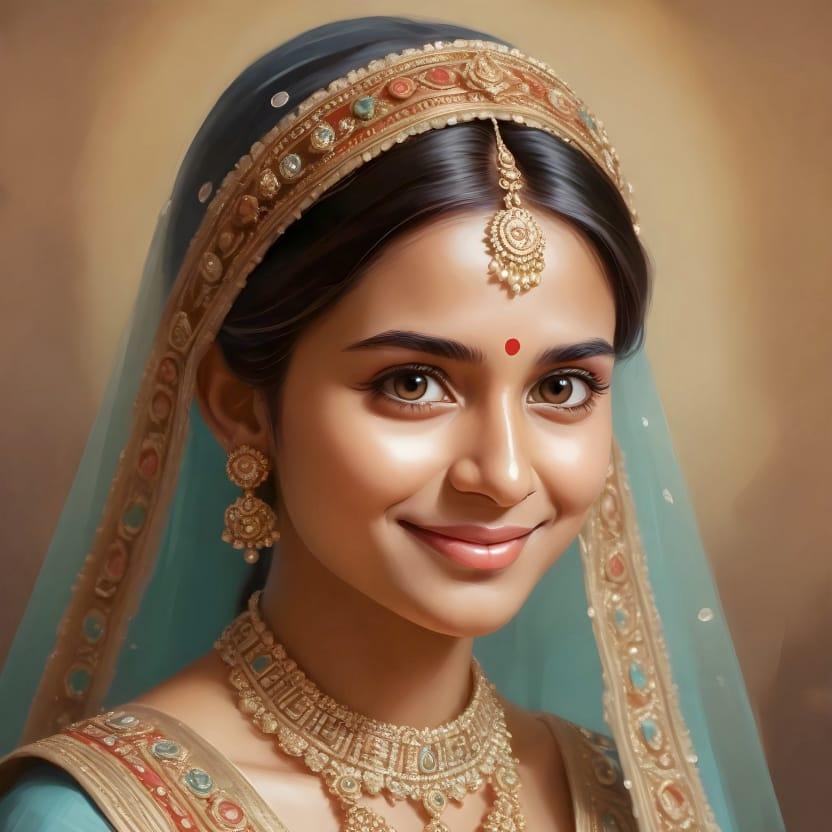
The art of henna, or mehndi, is widely used in Indian celebrations to create intricate designs on hands and feet. Kite flying is a popular pastime during Indian festivals, especially during Makar Sankranti in January. India is home to the ancient game of chess, which originated as “Chaturanga” around the 6th century.
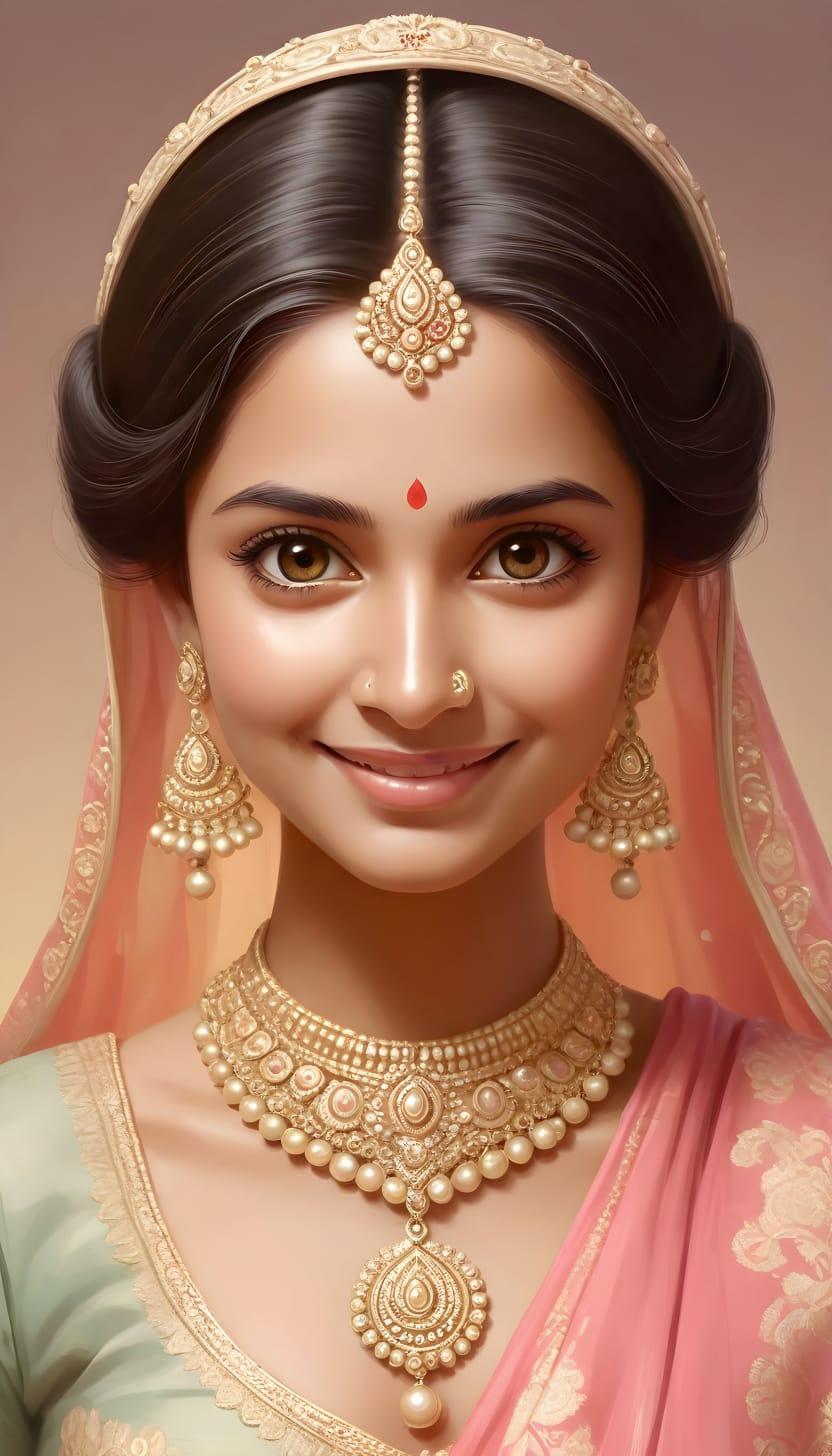
The Taj Mahal, built as a symbol of love, is one of the New Seven Wonders of the World and attracts millions of visitors yearly. Many Indian classical dances tell stories from ancient Hindu epics like the Ramayana and Mahabharata. In Indian culture, touching the feet of elders is a sign of respect and blessing.
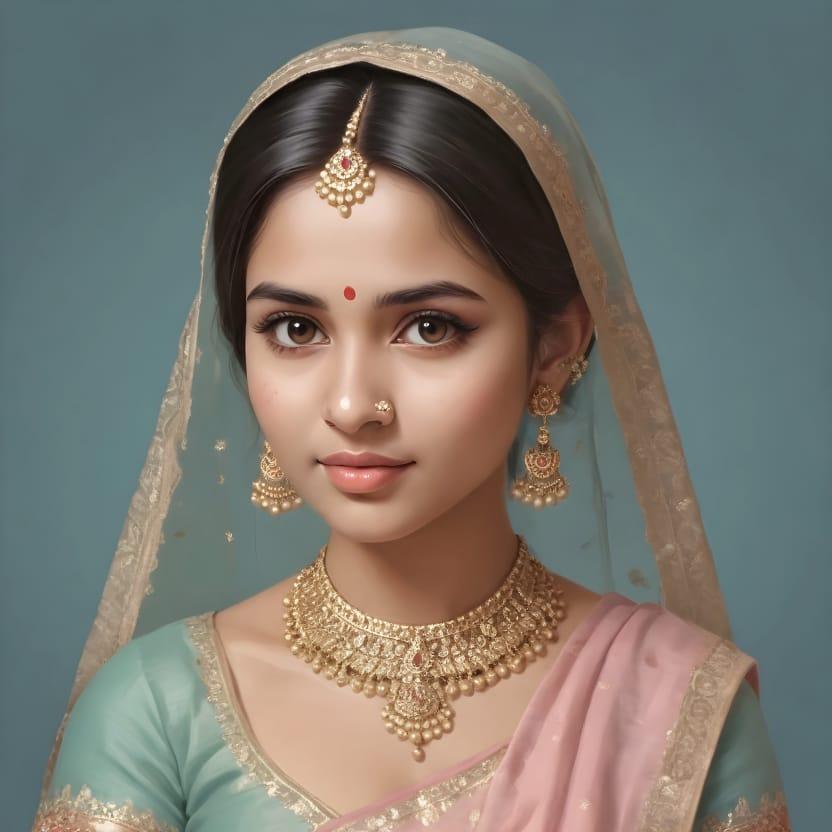
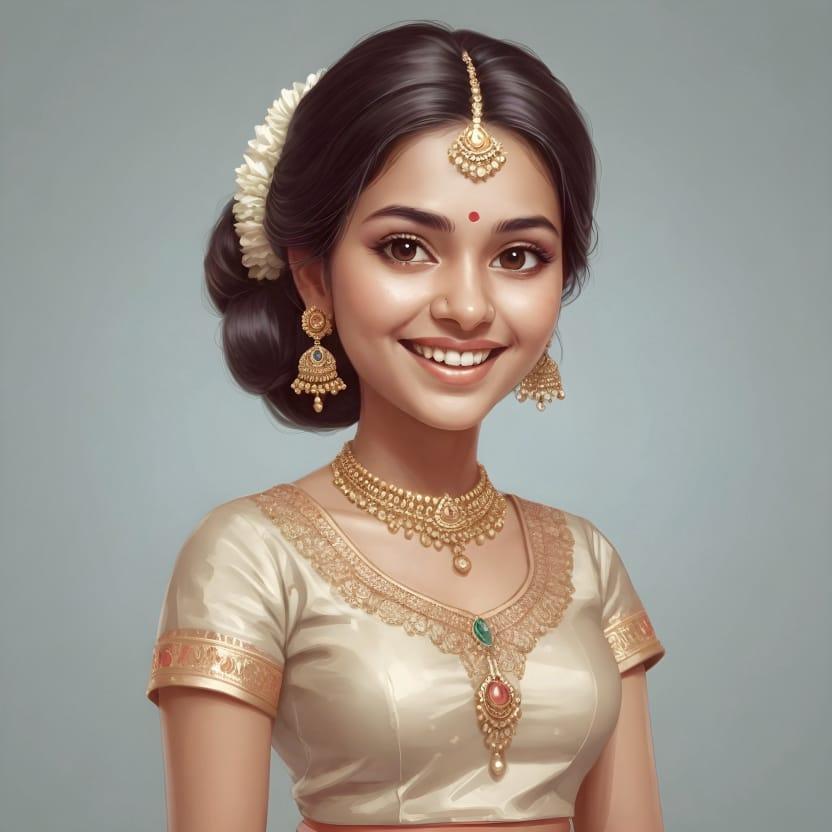
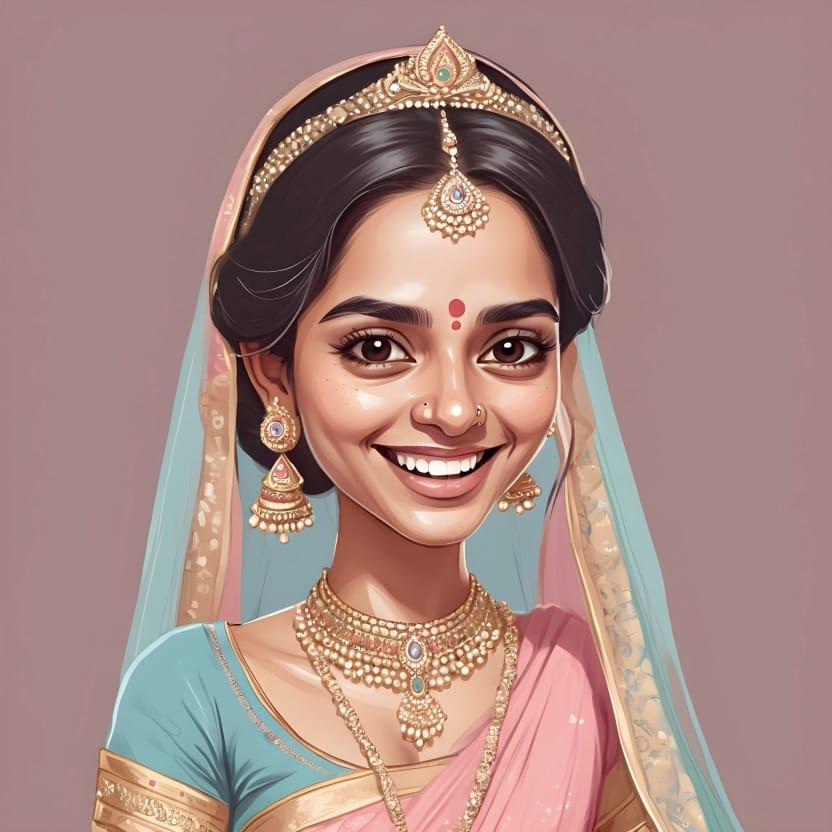
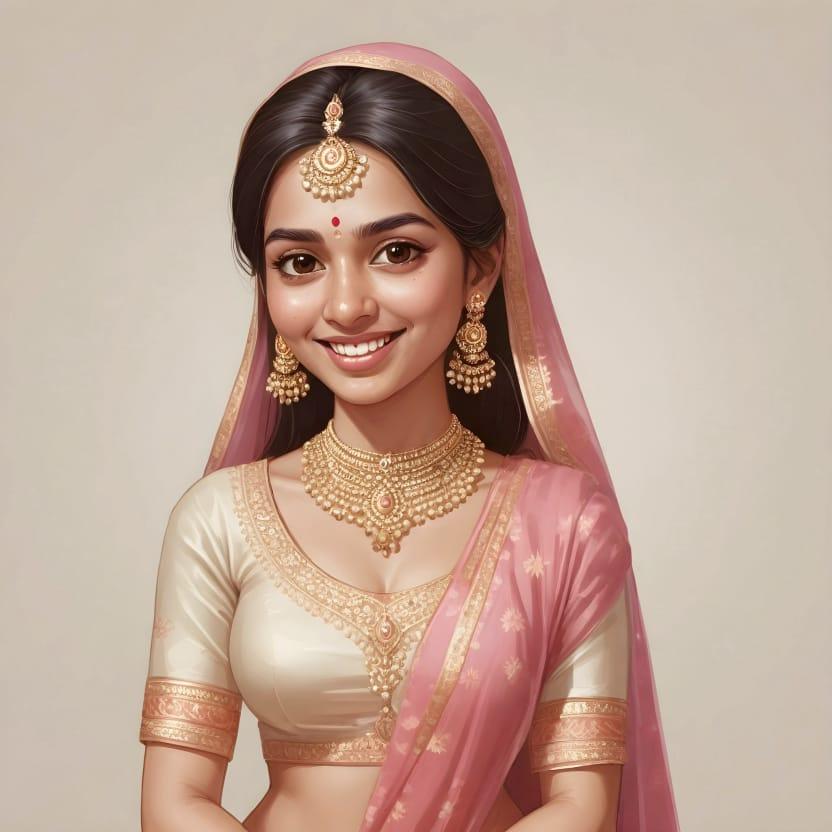
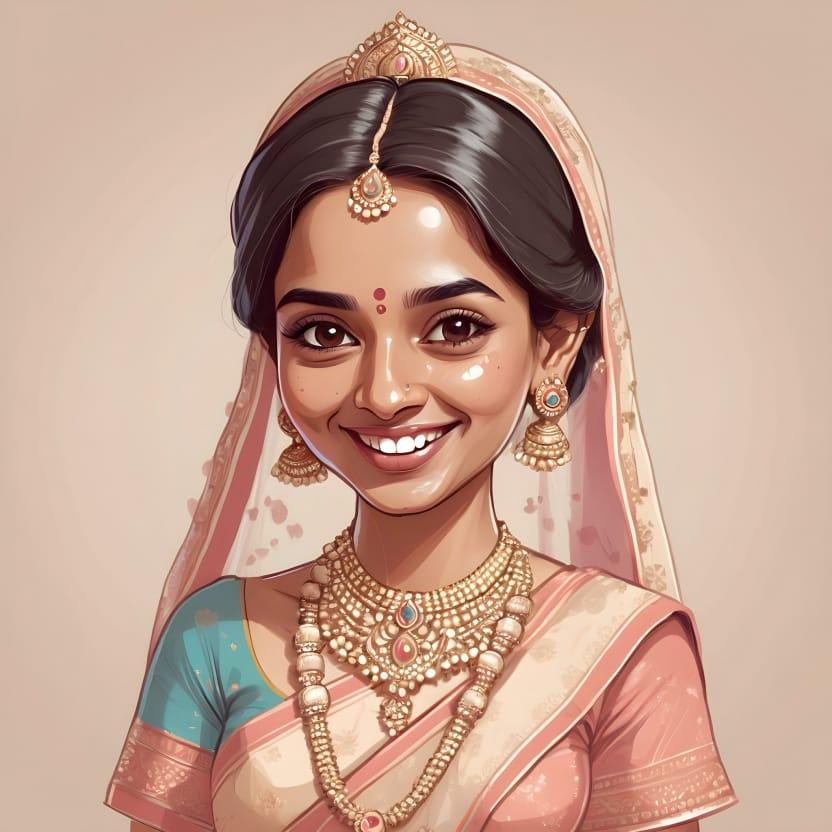
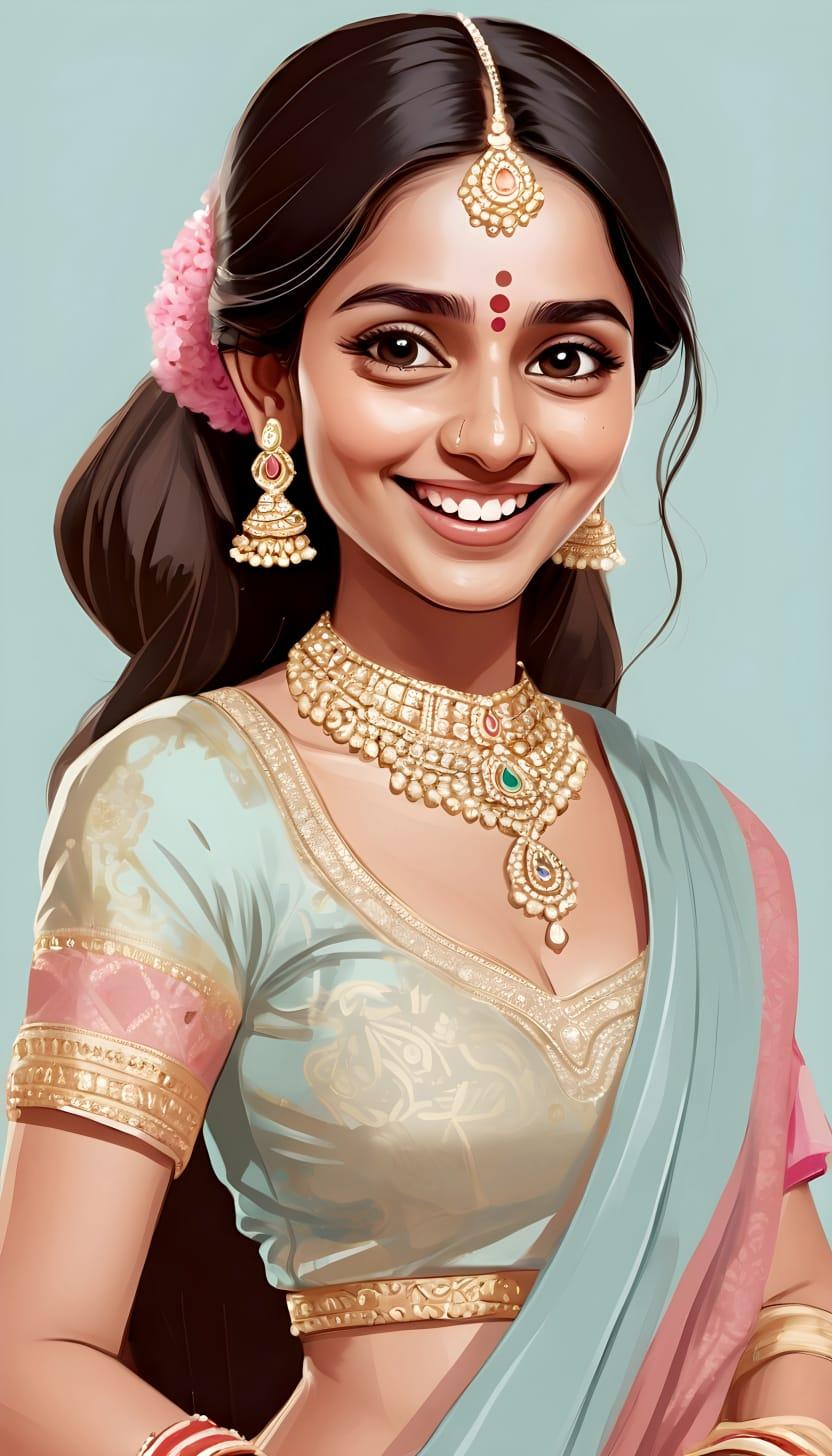
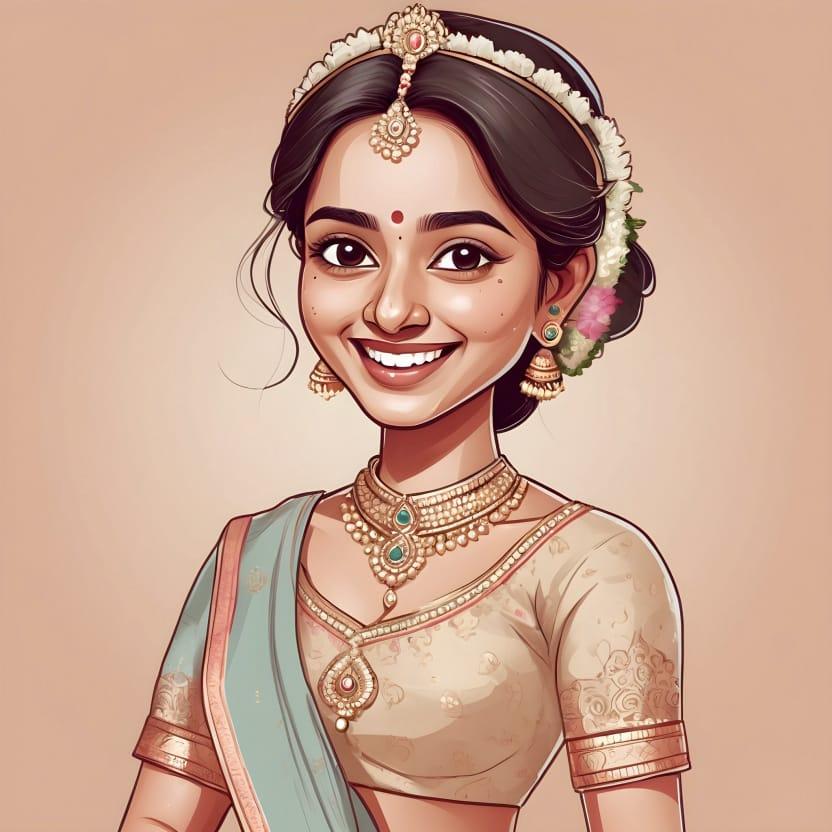
The traditional Indian sari, worn by women, can be draped in over 100 different styles depending on the region. India has the world’s largest vegetarian population, rooted in religious and cultural beliefs. The festival of Holi is known as the “Festival of Colors,” where people joyfully throw colored powders on each other.
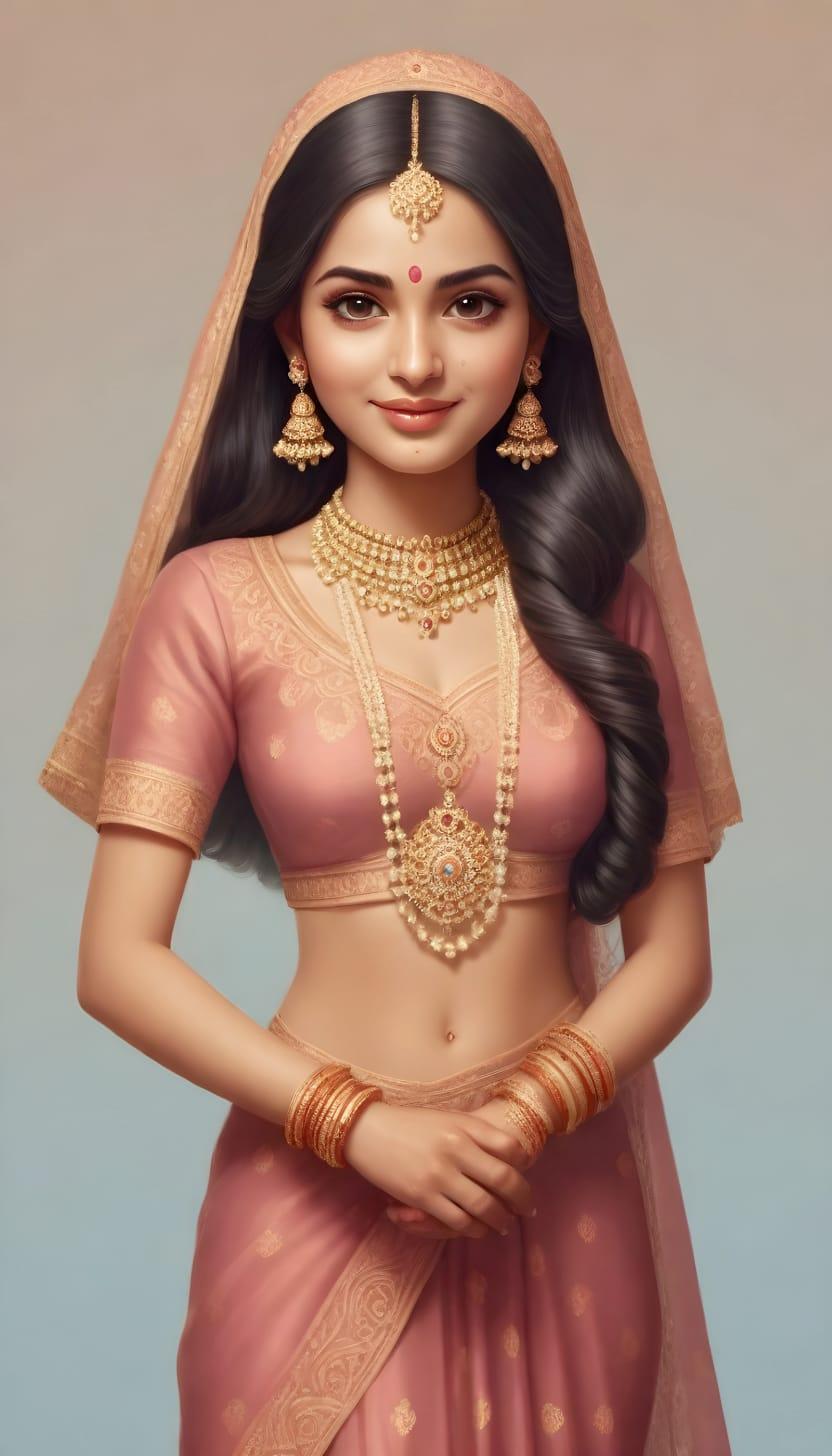
Ancient Indian doctors practiced Ayurveda, one of the oldest holistic healing systems still used today. The practice of arranged marriages remains common but often balances family choice with individual consent. India’s diverse climate allows for a wide variety of crops, including the famous basmati rice and mangoes.
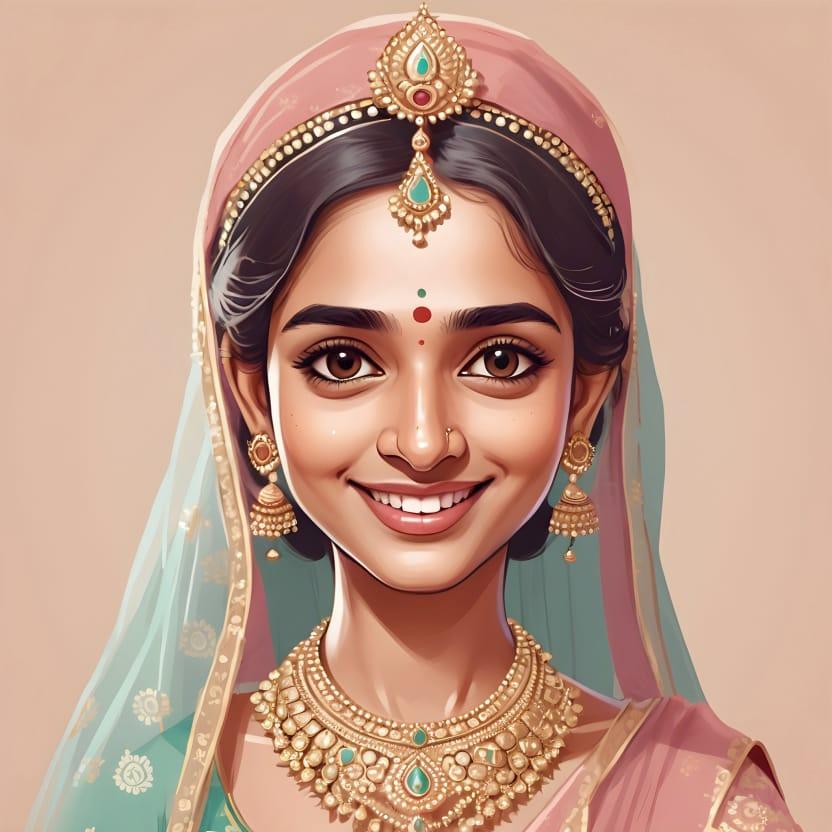
Bollywood songs often mix traditional Indian instruments with modern beats, creating a unique musical fusion. The game of Kabaddi, a contact sport, originated in India and is now popular internationally. India’s rail network is one of the largest and busiest in the world, connecting distant regions daily.
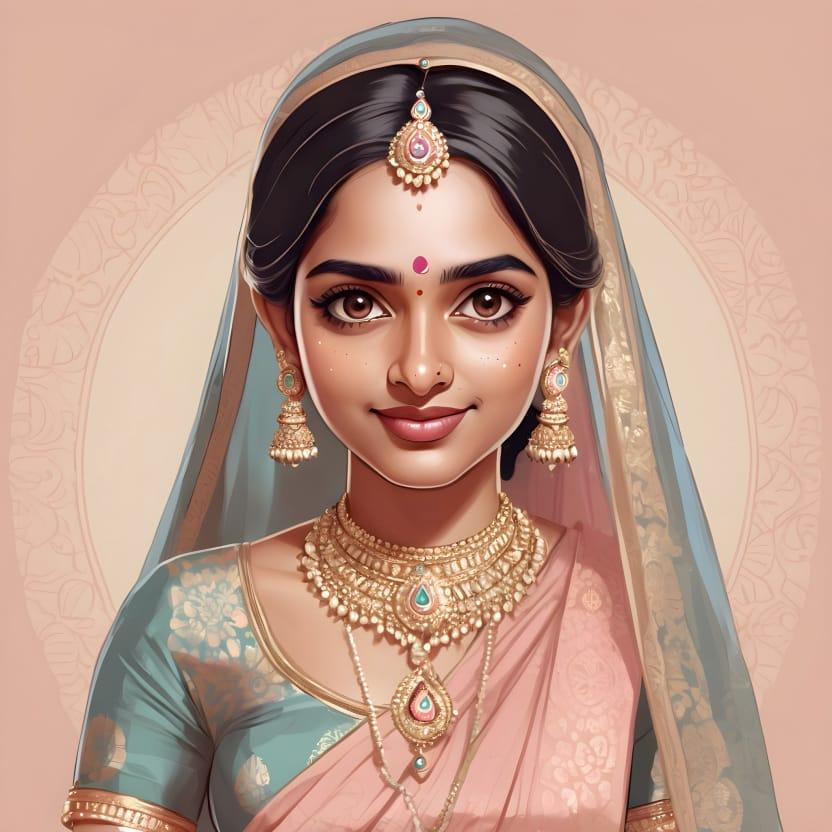
Many Indian festivals follow the lunar calendar, meaning their dates change each year. The Indian greeting “Namaste” means “I bow to the divine in you” and is done with folded hands. Indian spices were so prized that they were a key reason for European explorers seeking new trade routes.
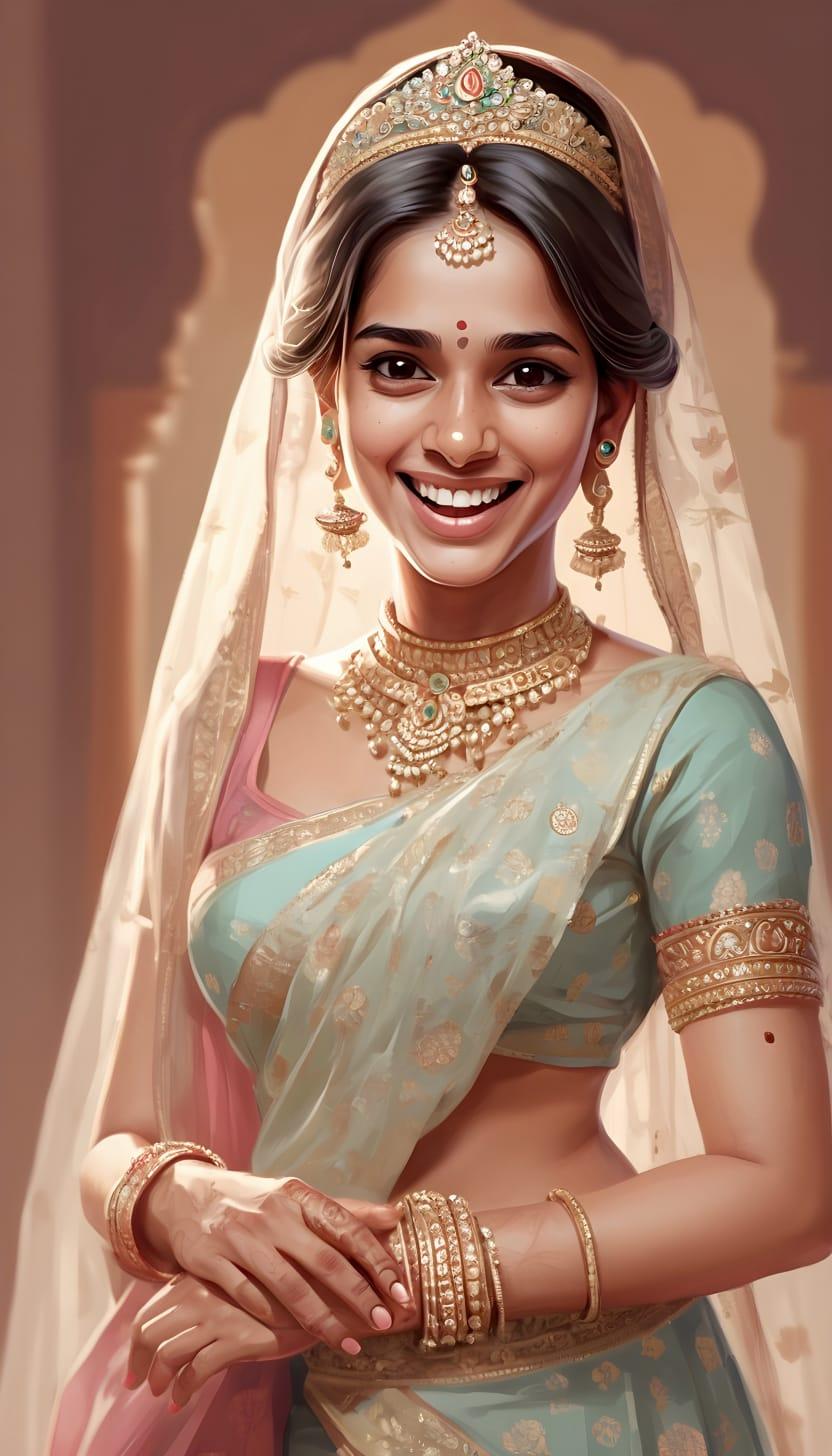
India’s traditional puppetry arts, like Kathputli from Rajasthan, tell folk stories through colorful wooden dolls. The national bird, the peacock, is deeply woven into Indian art and mythology. India hosts the world’s largest gathering of humans at the Kumbh Mela festival, held every 12 years.
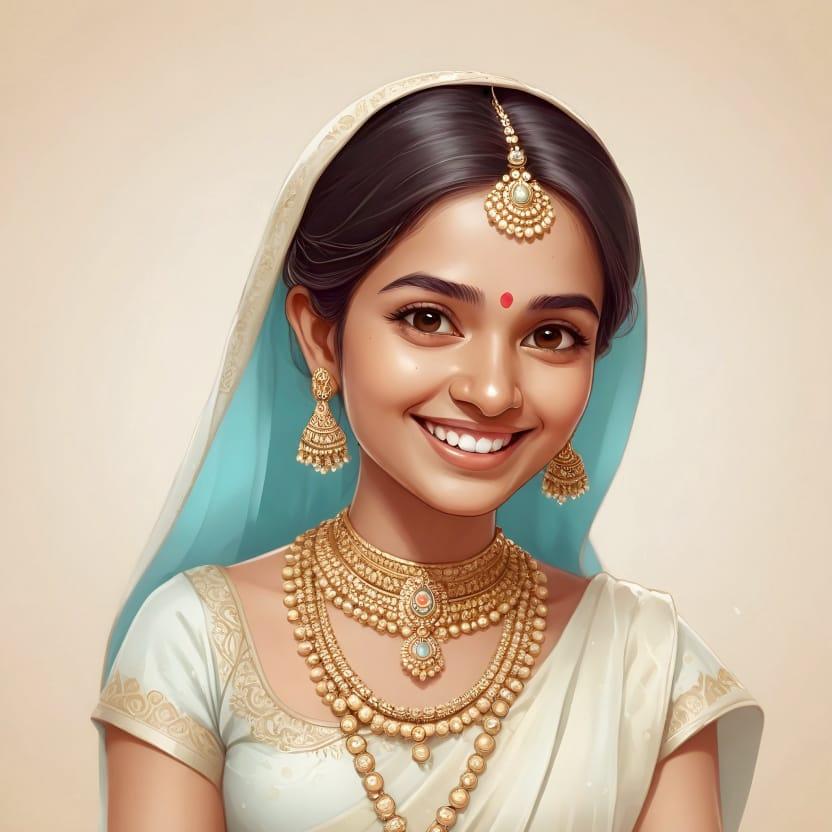
The sacred river Ganges is believed to purify sins and is central to many spiritual rituals in India. The Indian festival of Onam, celebrated in Kerala, honors the mythical king Mahabali with boat races and feasts. Indian street food, like chaat and samosas, offers a rich blend of flavors loved across the country.
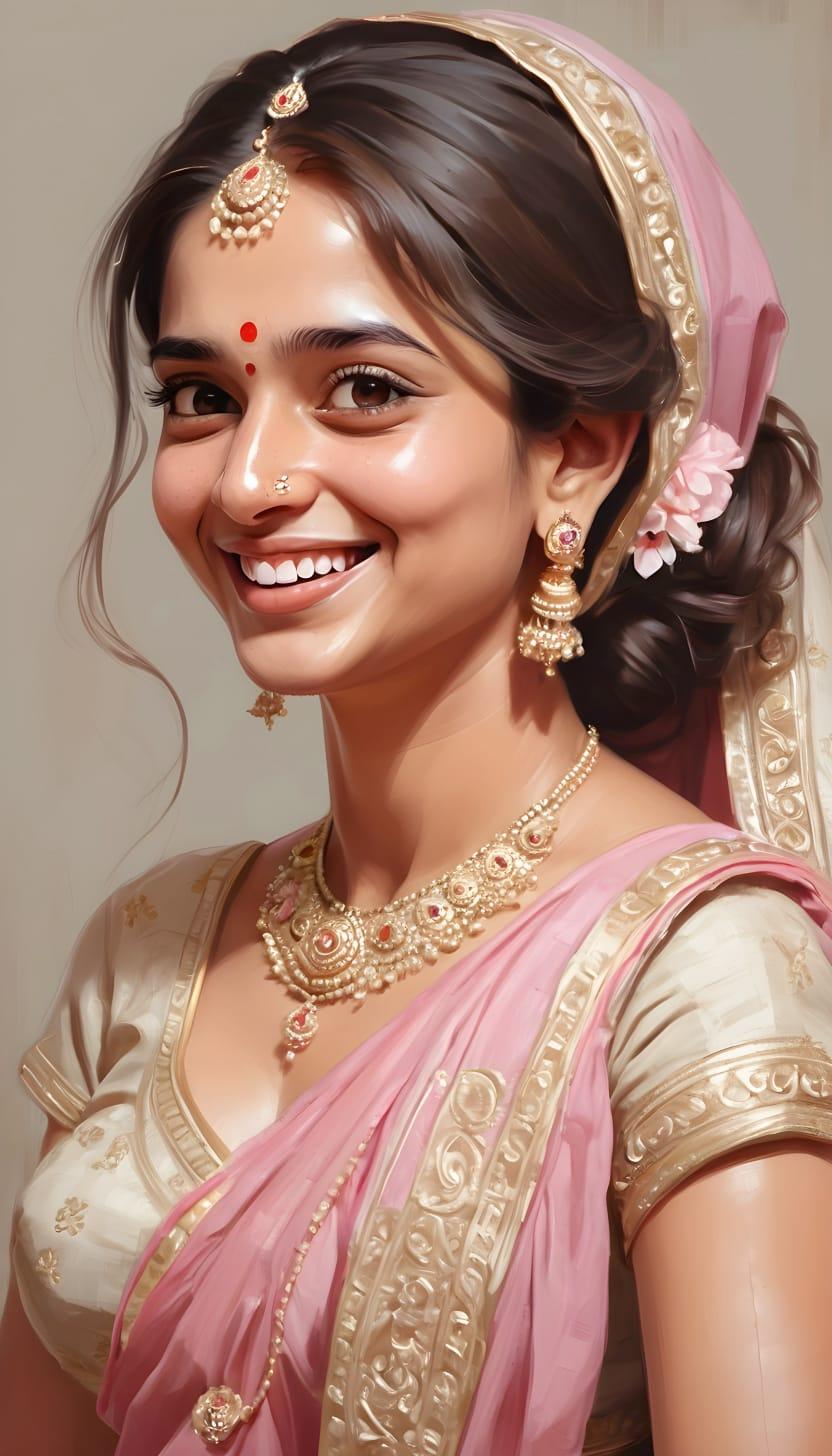
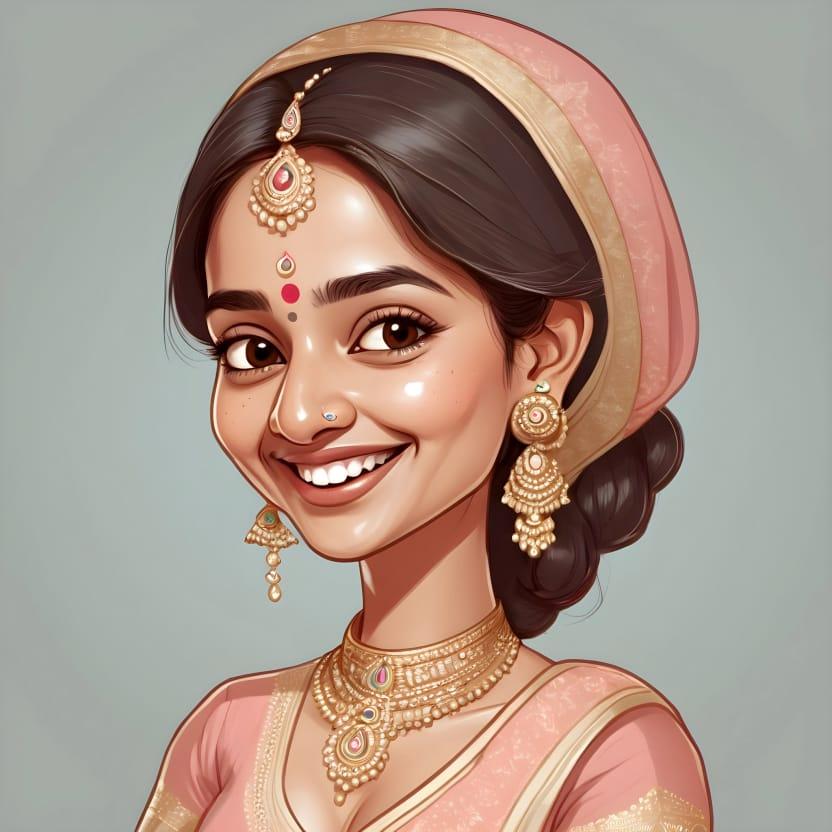
India’s ancient texts, the Vedas, are among the oldest religious writings still studied today. Many Indian homes have a small altar or prayer room for daily worship and meditation. Traditional Indian jewelry, like bangles and nose rings, often carries symbolic meanings.
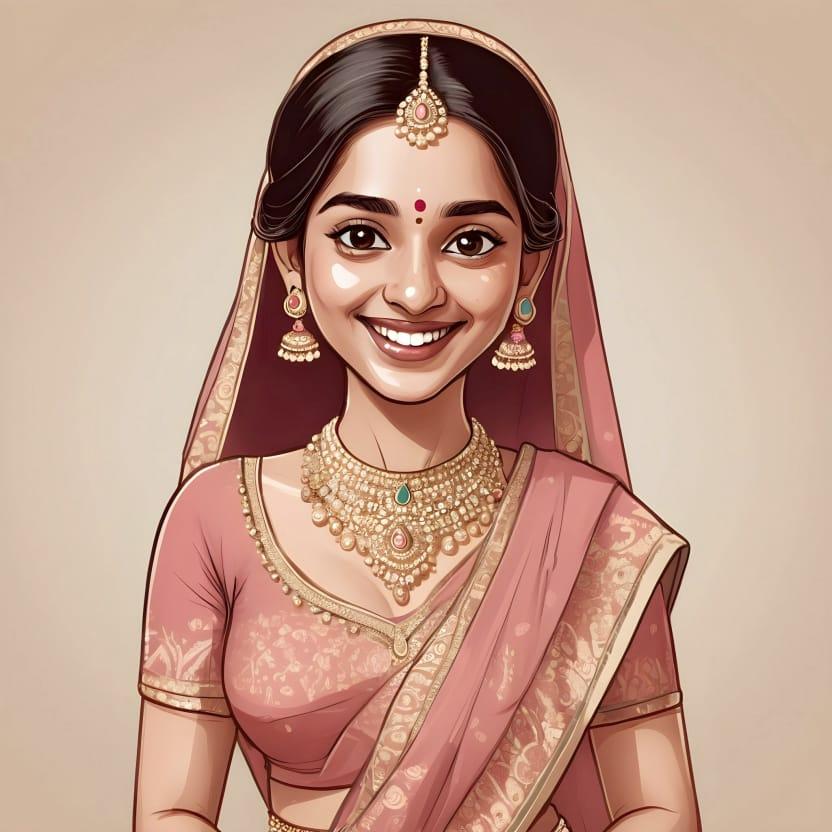
The Indian spice market is one of the oldest in the world, thriving for thousands of years in cities like Kochi. India’s diverse wildlife includes the Bengal tiger, the national animal, symbolizing strength and grace. In many parts of India, festivals are occasions for families to reunite and strengthen bonds.
Indian classical literature, such as Kalidasa’s plays, are treasured for their poetic beauty and storytelling. The system of caste, though officially abolished, still influences some social and cultural practices in India. India’s traditional architecture includes stunning temples, forts, and stepwells dating back centuries.
Traditional Indian clothing for men, like the kurta and dhoti, vary widely by region and occasion. Many Indian languages use scripts derived from ancient Brahmi writing, showing historical continuity. The spice turmeric is not only a kitchen staple but also used in Indian weddings for its auspiciousness.
In Indian culture, elephants symbolize wisdom and good luck and are featured in religious festivals. The sacred fig tree, known as the Bodhi tree, is where Buddha is said to have attained enlightenment. India’s diverse dance forms, from Bhangra in Punjab to Bharatanatyam in Tamil Nadu, celebrate regional identities.
Many Indian homes use traditional rangoli art, colorful patterns made on floors during festivals for good luck. India’s rich storytelling tradition includes folk tales passed down orally for generations. The city of Varanasi is one of the world’s oldest continuously inhabited cities, known for its spiritual significance.
Indian sweets like ladoo and jalebi are essential parts of celebrations and religious offerings. Ayurvedic massages using herbal oils have been practiced for centuries to promote wellness. The kite festival during Makar Sankranti symbolizes the end of winter and the arrival of longer days.
India’s Independence Day on August 15th is celebrated with parades, flag-hoisting, and patriotic songs. Many Indian homes display sacred symbols like the Om or Swastika for protection and blessings. Traditional Indian puppetry, music, and dance continue to thrive in rural communities, preserving heritage.
Indian spices not only add flavor but have antimicrobial properties, helping preserve food naturally. In many Indian families, sharing meals is a key ritual that strengthens relationships and cultural identity. The tradition of storytelling through dance and theater helps keep ancient myths and values alive across generations.