Mexico woman customs
- Fun pictures /
- Culture /
- Mexico woman customs

In many Mexican families, women often play a central role in organizing traditional celebrations, like quinceañeras and Día de los Muertos, showcasing their cultural influence. Traditional Mexican embroidery is often passed down from mothers to daughters, preserving unique regional designs and techniques that tell stories of heritage. Respect for elders is deeply rooted in Mexico woman customs, with women often seen caring for older family members and teaching younger generations about family values.

In rural Mexico, women still prepare food the traditional way, using molcajetes (stone mortars) to grind spices and make authentic salsas, connecting food to culture. Mexican women customarily wear colorful rebozos (shawls) that not only serve as fashion but also help carry babies or goods, blending practicality with tradition. Family meals are often a daily gathering led by women, where recipes and stories are shared, strengthening bonds through food and conversation.
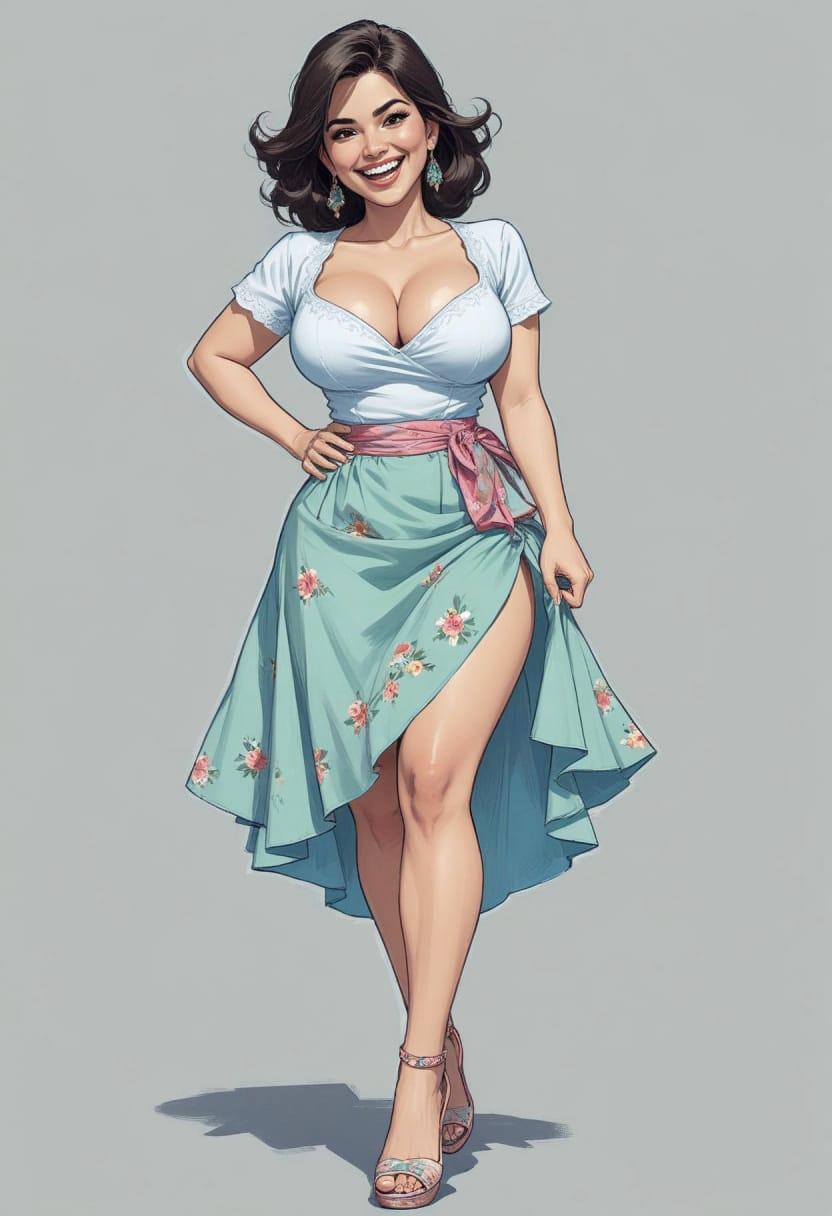
In some regions, Mexican women wear traditional dresses like the China Poblana, symbolizing national pride and history during festivals and dances. Women often serve as guardians of indigenous languages, teaching children their native tongues, which is vital for cultural preservation. Mexico woman customs include a strong connection to folk art, where women create vibrant pottery, textiles, and crafts that reflect community identity.
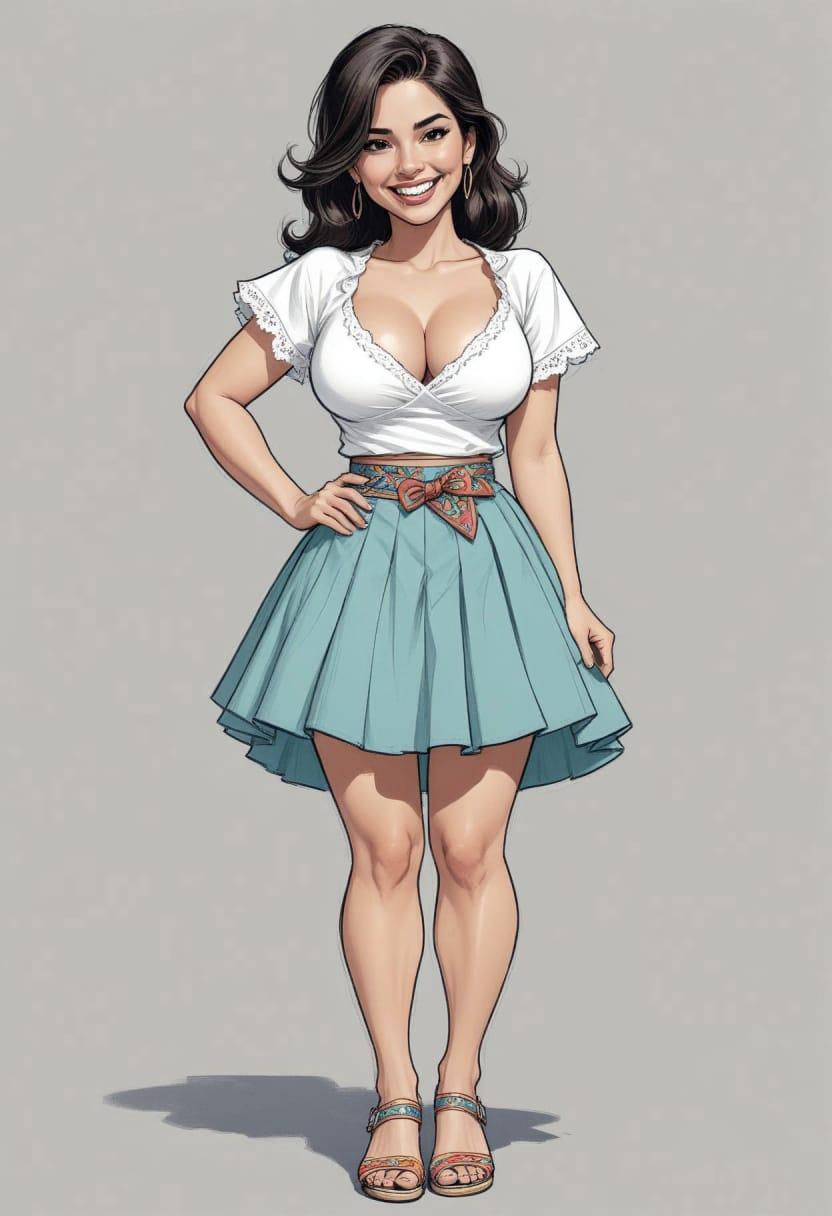
Religious festivals in Mexico often feature women in key roles, such as organizing processions and preparing altars, highlighting their spiritual influence. Mexican women traditionally greet guests with warmth and hospitality, offering homemade food and drinks, embodying the culture’s friendly spirit. Storytelling by women, especially grandmothers, is a cherished way to pass down history, myths, and life lessons within families.
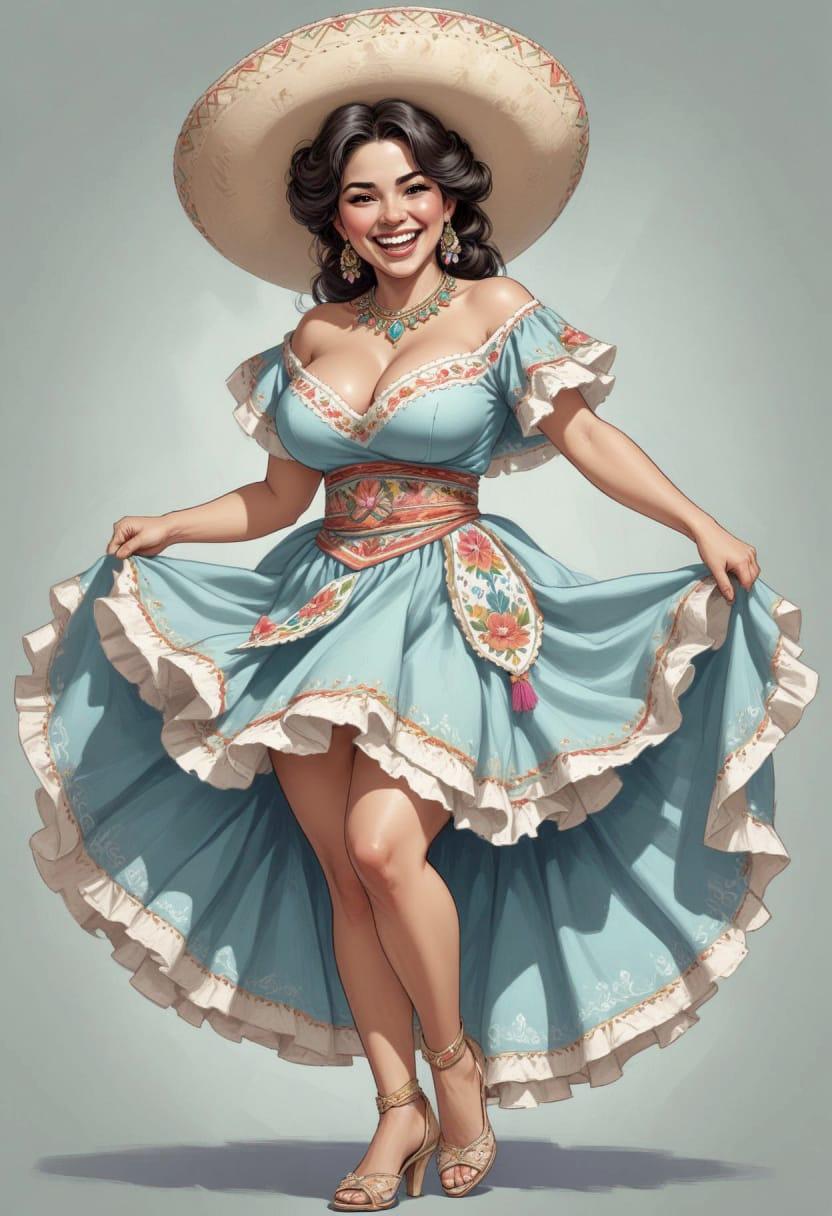
Women in Mexico commonly practice curanderismo, a form of folk healing that blends indigenous knowledge with herbal medicine. In many households, women are the keepers of traditional recipes, often secret and treasured, handed down through generations. Festive occasions see Mexican women dancing traditional folklorico, wearing elaborate costumes that celebrate regional diversity and womanhood.
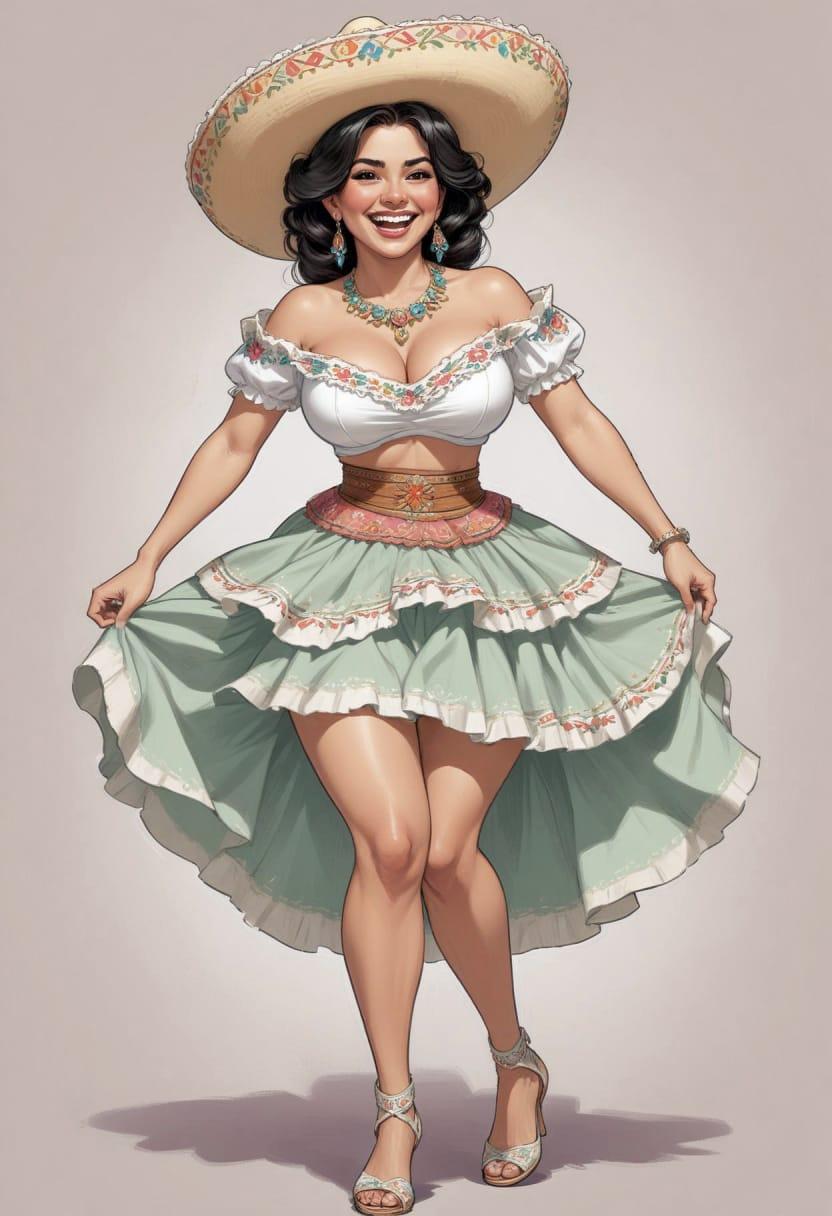
Mexican women customs emphasize respect and care for community members, often seen in cooperative activities like weaving circles or cooking groups. Mothers often teach daughters skills like pottery or weaving early on, ensuring these crafts survive in modern times. The celebration of Mother's Day in Mexico is a big event where women are honored for their role in family and society.
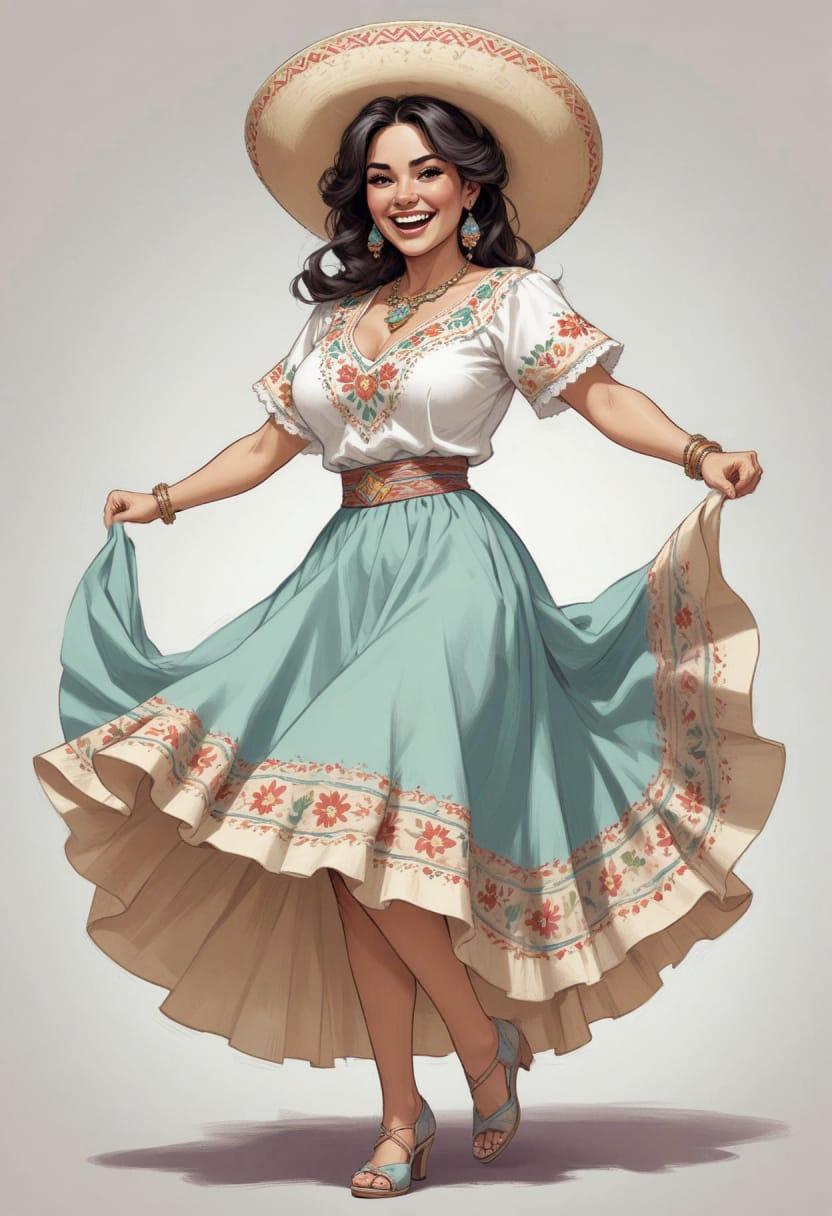
In urban areas, many Mexican women balance traditional roles with modern careers, blending cultural customs with contemporary life. Weddings in Mexico often feature women performing rituals like the "Lazo" ceremony, symbolizing unity and blessings for the couple. Women frequently manage home altars, maintaining spiritual practices that blend Catholic and indigenous traditions.
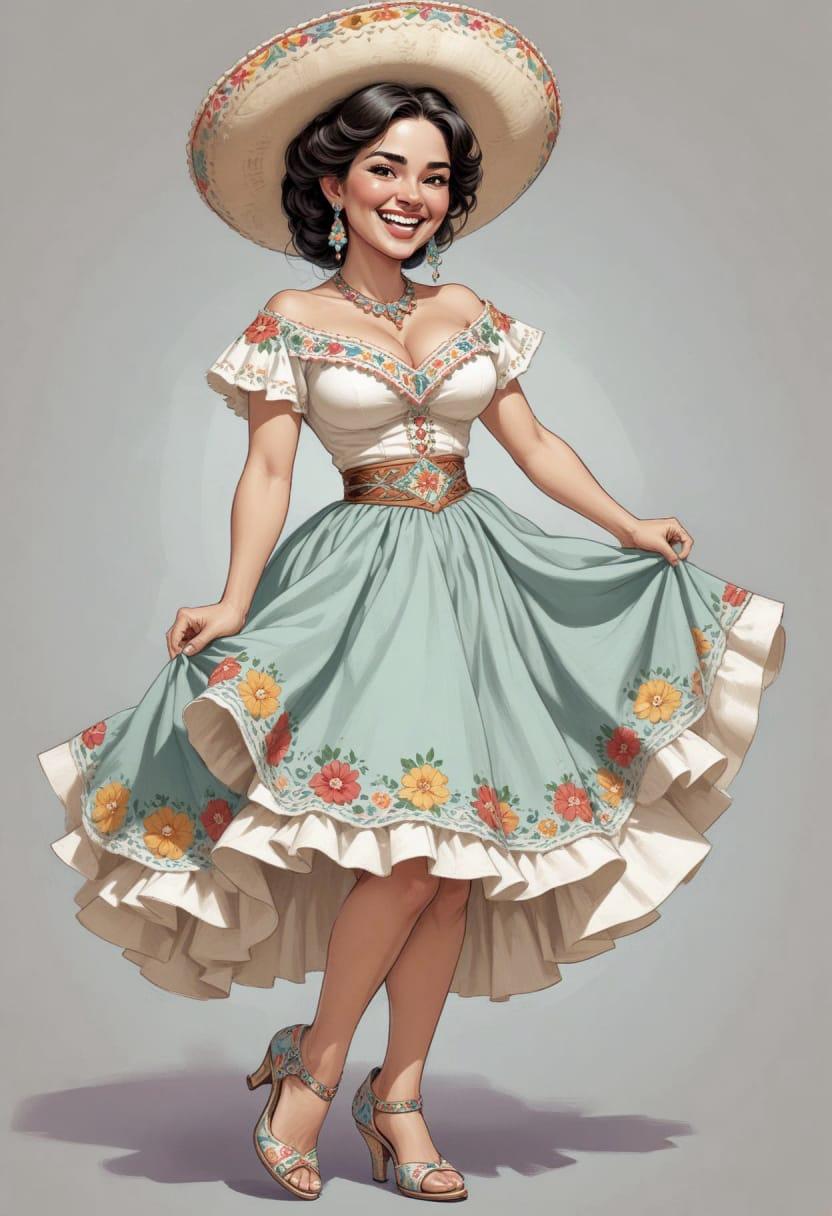
Respect for modesty and family honor is part of Mexico woman customs, influencing behavior and dress, especially in conservative regions. Women often lead community celebrations for saints' days, preparing food and decorating public spaces to show devotion. The Mexican virgin of Guadalupe holds a special place, with women often participating in pilgrimages and prayers in her honor.

Traditional Mexican midwives, mostly women, assist in births with knowledge passed down through generations, blending medicine and cultural beliefs. In some communities, women celebrate "Las Candelarias," bringing offerings to churches and preparing tamales, linking faith with family customs. Mexican women customs include caring for home gardens, growing herbs and vegetables used in cooking and healing.

Women in Mexico often have a nurturing role beyond family, contributing to schools, churches, and local organizations. Many Mexican women keep photo albums and journals that preserve family memories and cultural history in a personal way. Dance and music taught by women keep indigenous and mestizo cultures alive, passing them to younger generations at festivals.
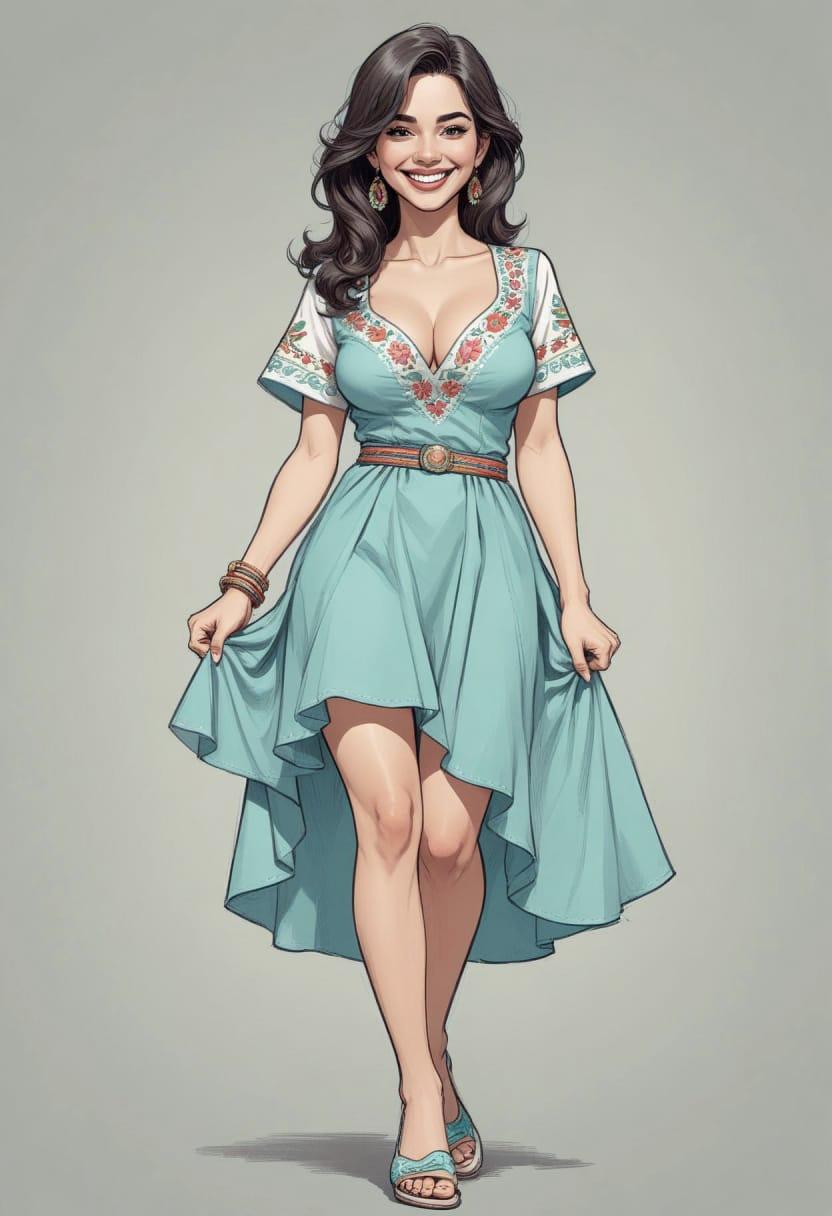
Mexico woman customs include preparing special sweets and treats during holidays, like buñuelos for Christmas or Day of the Dead. Women’s voices are key in oral traditions, where songs and prayers reflect regional history and life experiences. In some areas, women wear floral crowns during festivals, symbolizing beauty and fertility in cultural celebrations.
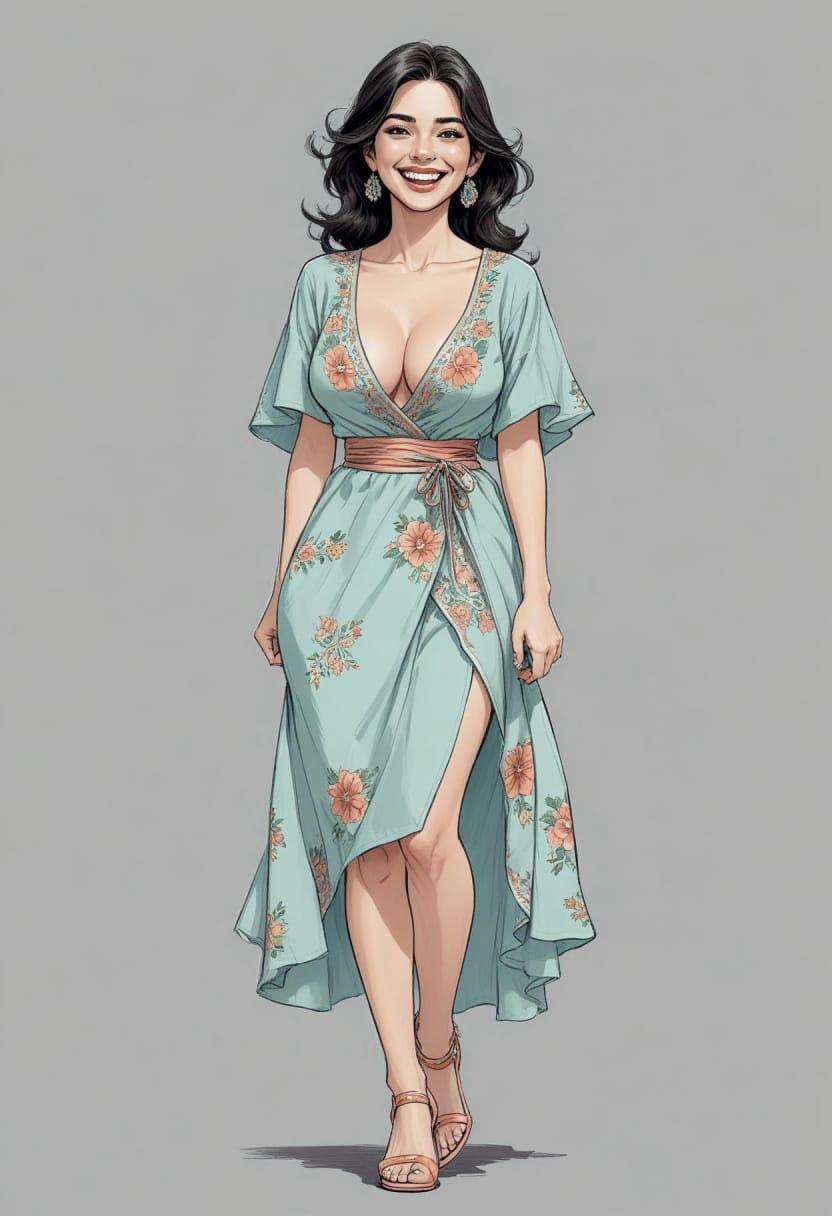
Mexican women often teach children respect for nature through stories and participation in agricultural activities. Many women play an essential role in local markets, selling handmade goods and traditional foods that sustain community economies. The art of weaving and spinning yarn is a common skill among women, connecting present generations to ancient practices.
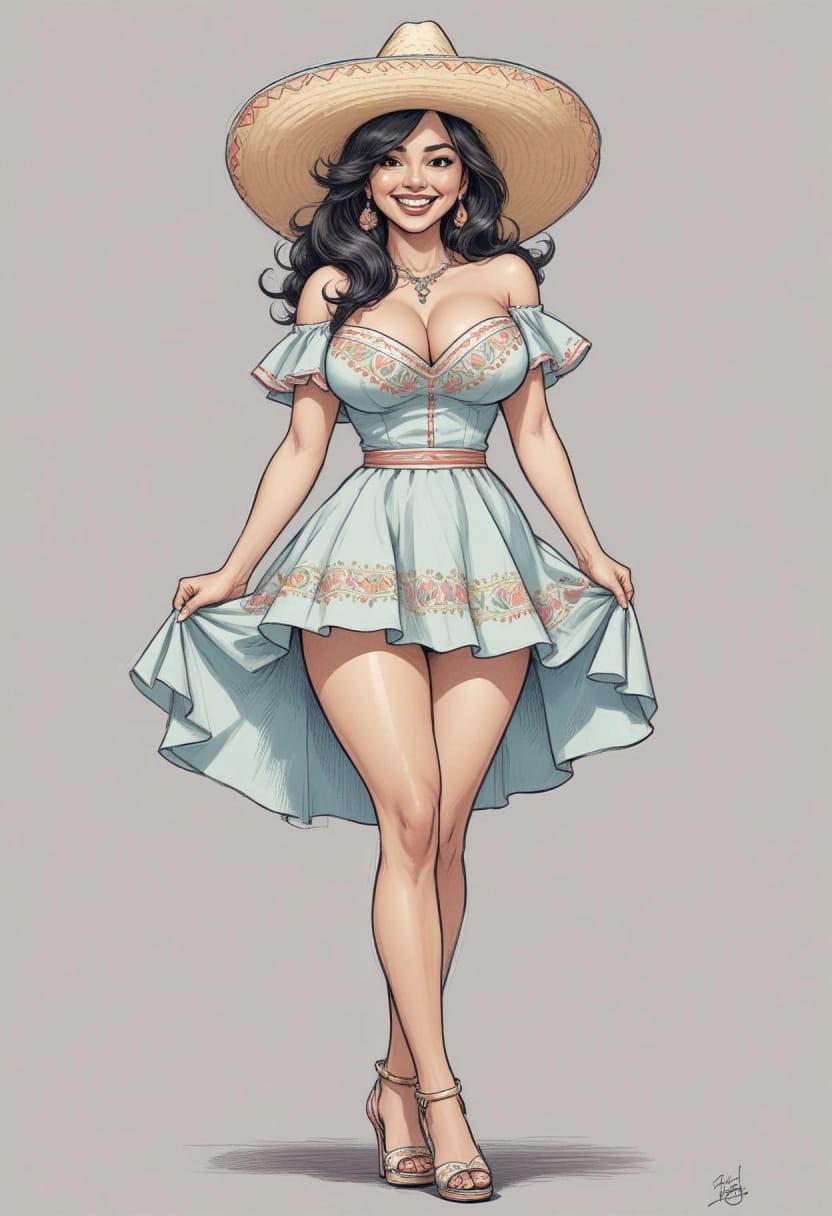
In Mexico, women often gather for "pláticas"—informal talks sharing advice on family, health, and traditions, reinforcing community ties. Women are frequently responsible for maintaining traditional cooking fires and clay ovens, preserving authentic flavors. Mexico woman customs include the preparation of special herbal teas for wellness, combining indigenous knowledge and daily care.
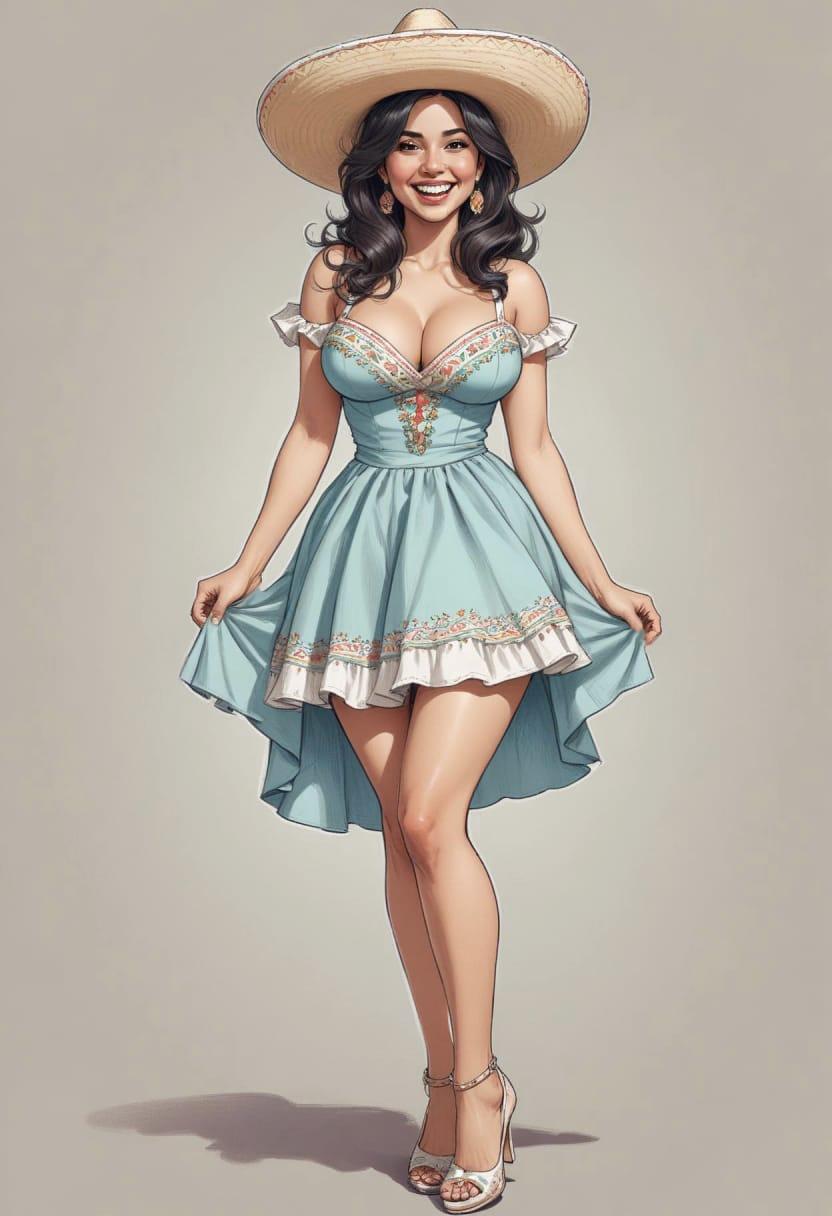
Some Mexican women participate in community rituals that honor ancestors, keeping family histories alive through ceremonies and offerings. Women often make papel picado—colorful paper decorations—used widely in festivals, blending artistry with celebration. Respect for motherhood is evident in the way women are supported and celebrated during pregnancy and after birth.

Women in Mexican villages often organize craft cooperatives, helping each other economically while preserving traditional skills. In urban settings, women balance modern education with respect for family customs, often becoming cultural bridges. Mexican women’s festivals include beauty contests, but also celebrate talent, intelligence, and cultural knowledge.
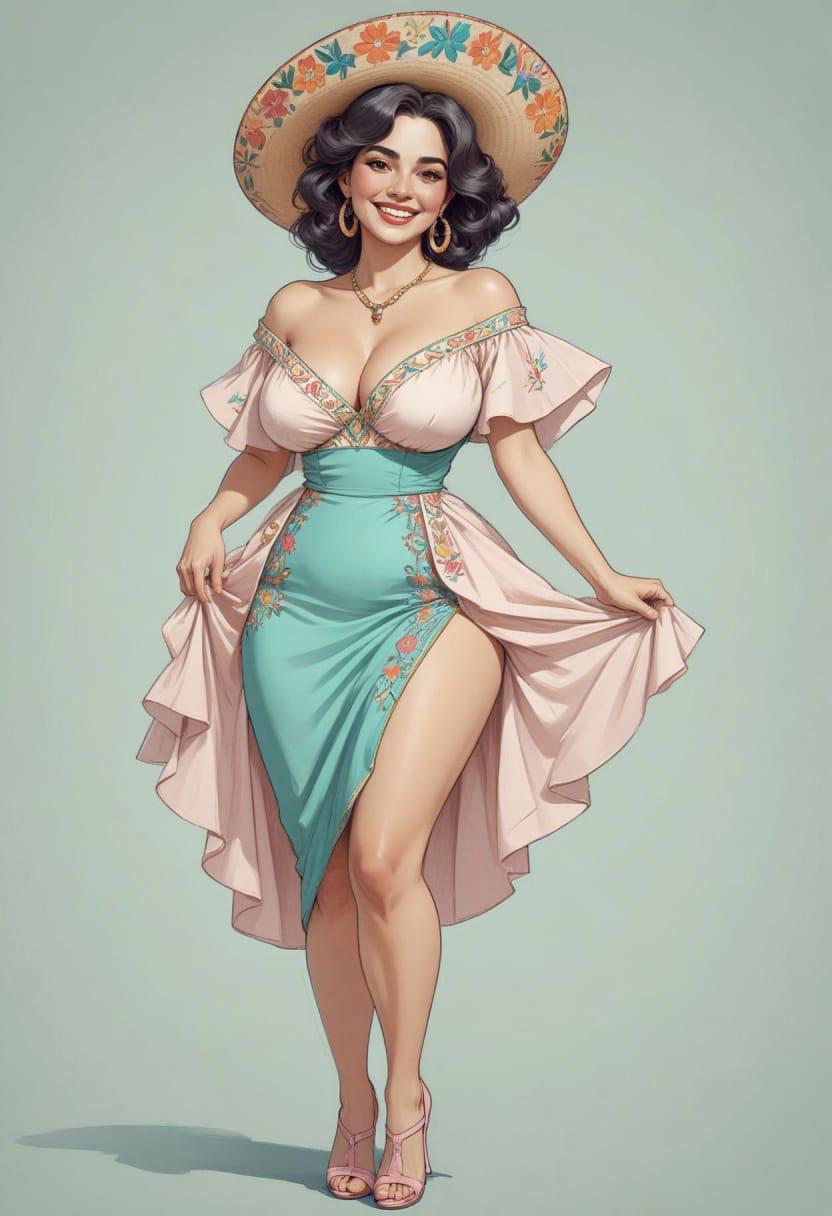
Mexico woman customs involve passing down proverbs and sayings that teach morals and wisdom to younger generations. Many women use traditional natural dyes from plants to color textiles, keeping ancient techniques alive. Women’s roles in folk dances often symbolize historical stories, legends, and regional identities.
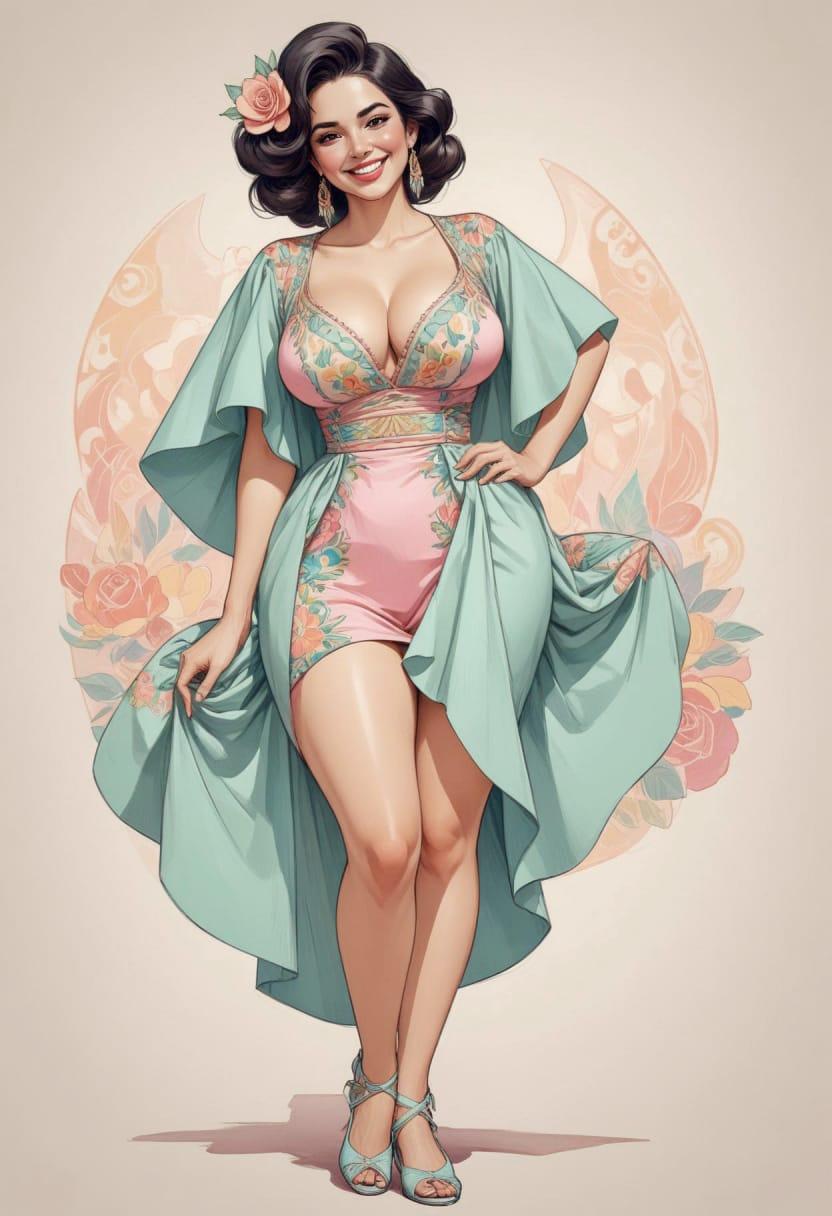
Some Mexican women still follow customs related to quinceañeras, marking a girl’s passage to adulthood with family rituals and parties. Traditional cooking methods led by women, like nixtamalizing corn, are key to Mexican cuisine’s distinctive flavors. Women in Mexico sometimes make religious candles and crafts sold in markets, supporting family income and cultural expression.
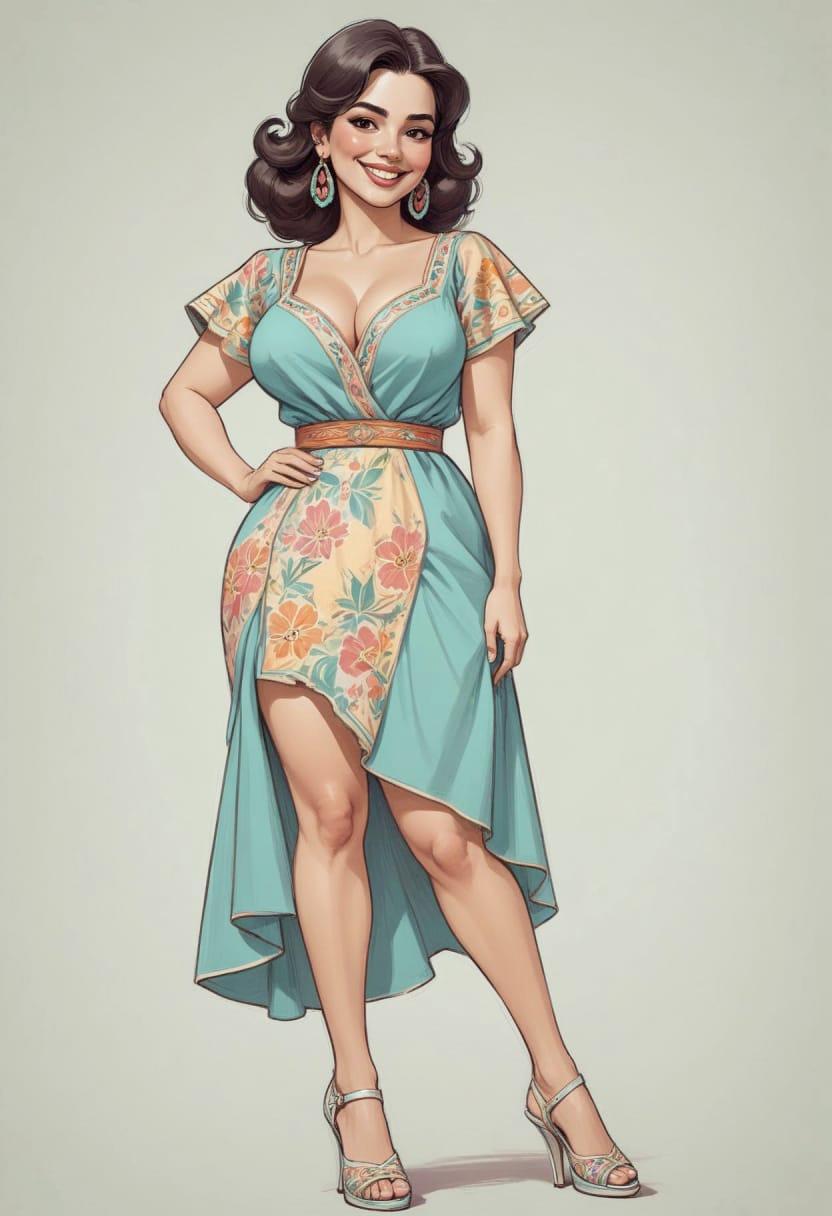
Mexico woman customs include teaching children to respect elders through everyday actions and family gatherings. Women often manage family traditions during Christmas, preparing dishes like tamales and ponche (fruit punch) for celebrations. In many regions, women wear silver jewelry crafted locally, which holds cultural and sometimes spiritual significance.
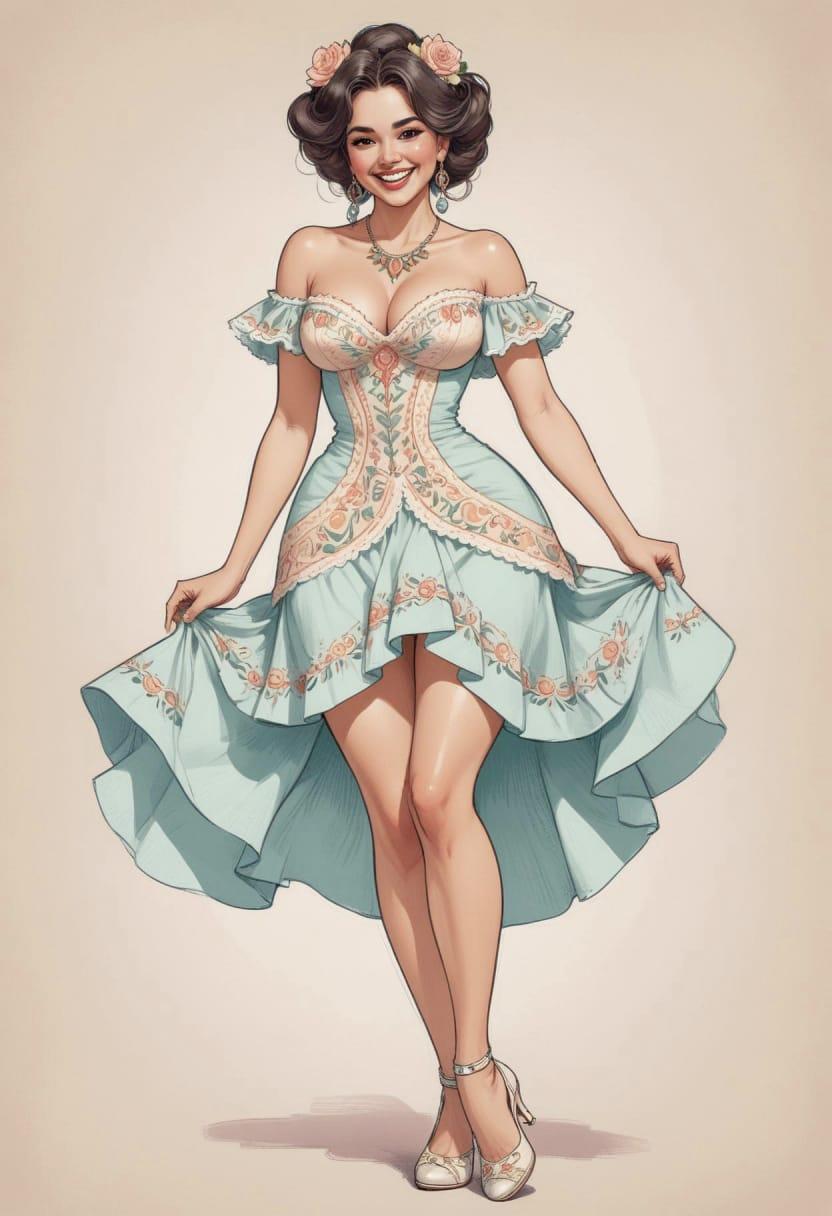
Women’s participation in community festivals often involves preparing traditional costumes and jewelry, showcasing their artistry. Some Mexican women are known for their storytelling skills, entertaining children and adults alike with folk tales. The role of women in Mexico extends beyond home life, as they increasingly participate in politics, education, and business.
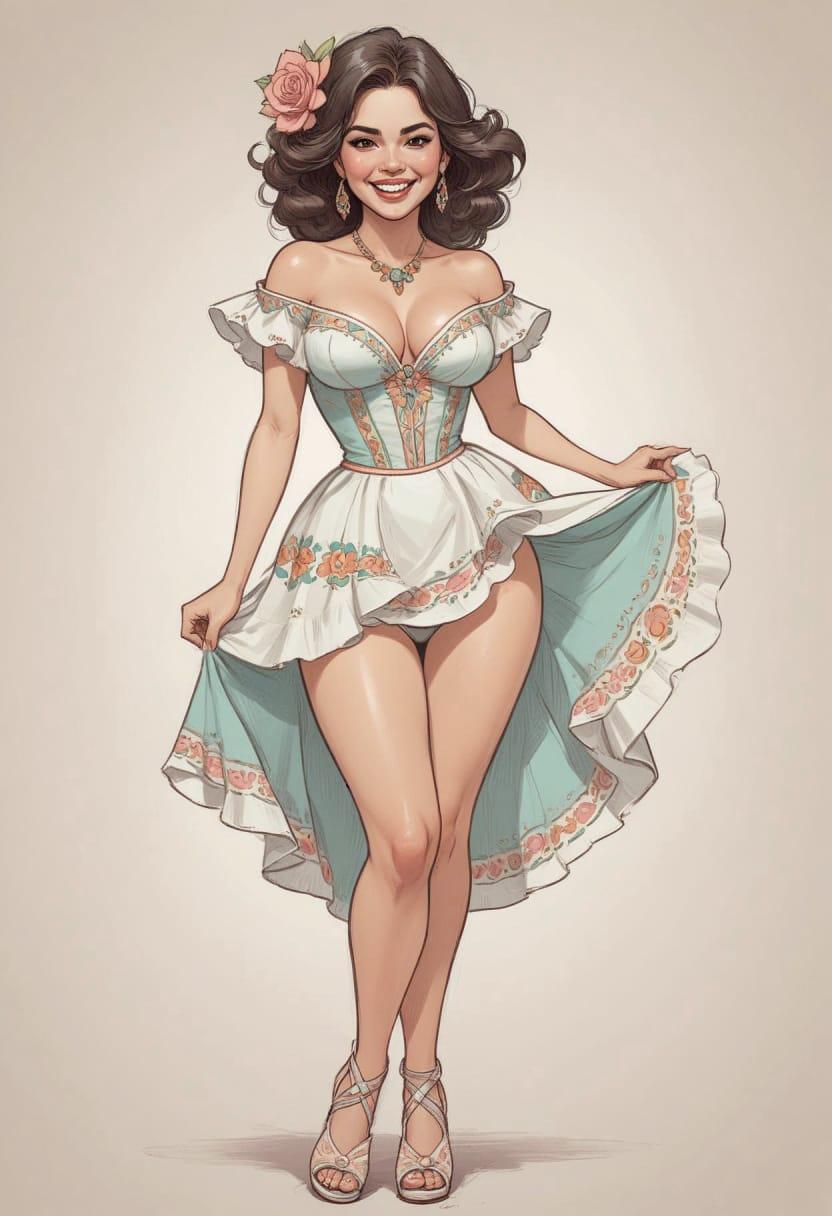
Mexico woman customs reflect a blend of indigenous, Spanish, and modern influences, making them diverse and dynamic. Women’s influence in family and community life remains strong, balancing respect for tradition with changing social roles. Their contribution to preserving cultural identity through arts, food, and celebrations is a cornerstone of Mexican society.