Mexican culture facts
- Fun pictures /
- Culture /
- Mexican culture facts
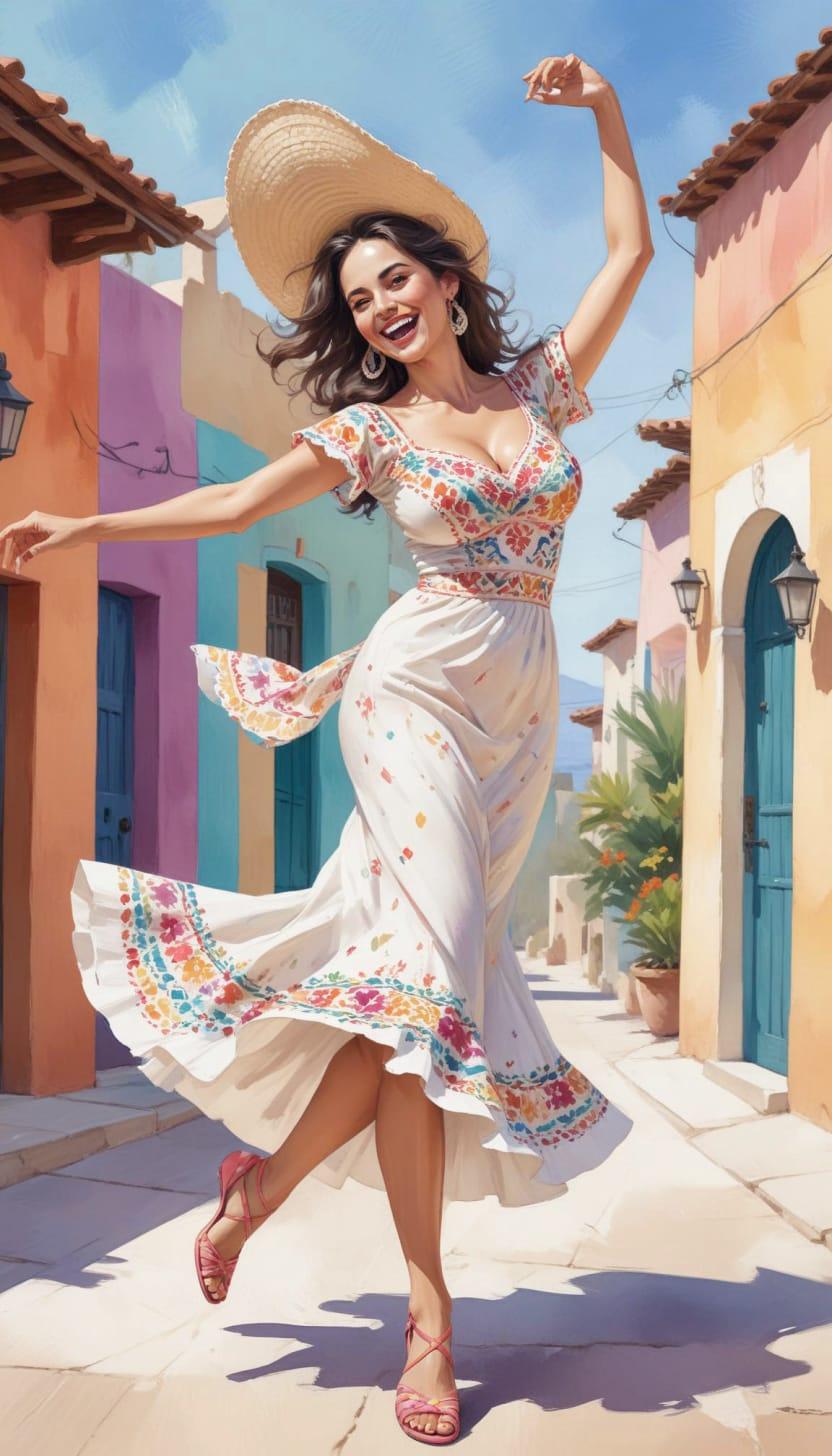
Mexican cuisine is more than just tacos and burritos—it’s a rich mix of indigenous and Spanish influences, with dishes like mole sauce featuring over 20 ingredients. Mariachi bands, famous worldwide, actually come from the state of Jalisco and use instruments like violins, trumpets, and guitars to create lively, emotional music. The Day of the Dead (Día de los Muertos) isn’t a spooky holiday—it’s a joyful celebration honoring ancestors with colorful altars, marigold flowers, and favorite foods.
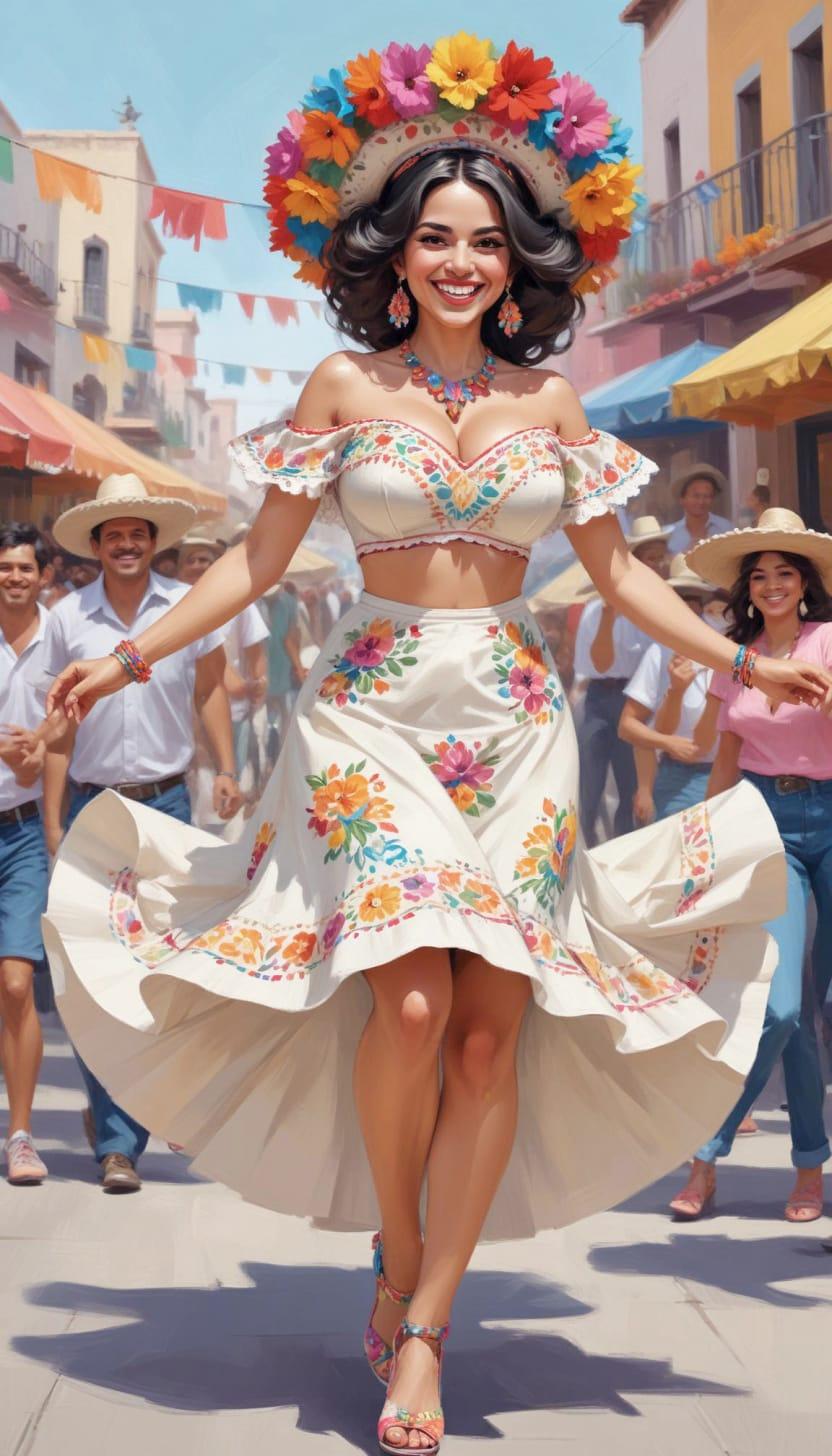
Mexico City is one of the oldest cities in the Americas, built on the ruins of the Aztec capital Tenochtitlán, which was once an island in a lake. Mexican wrestling, or Lucha Libre, combines athletic skill and theatrical performance, with wrestlers wearing colorful masks representing animals or heroes. The piñata, popular at Mexican parties, originally had a religious meaning and was used to symbolize the struggle against temptation.
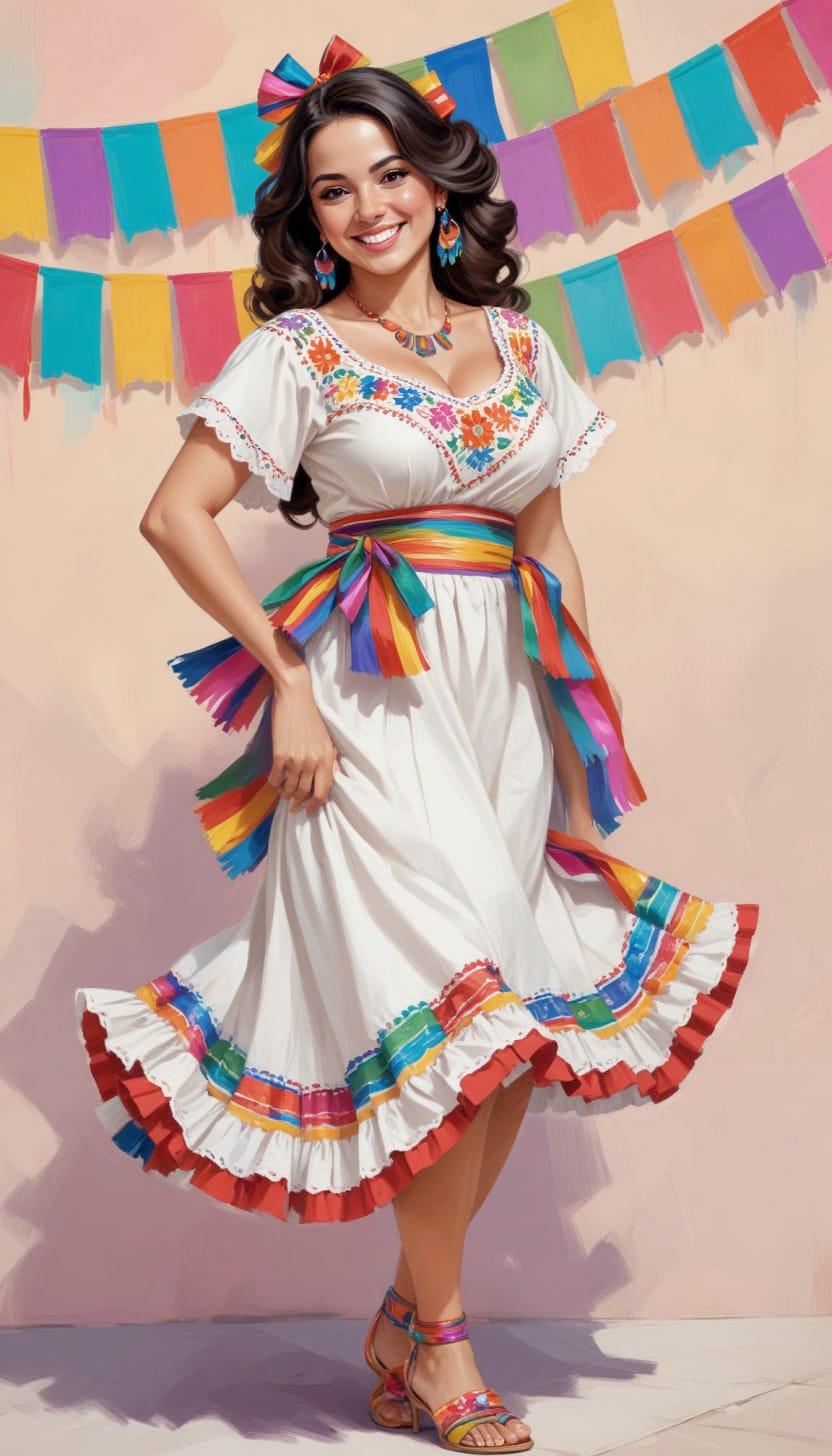
Corn is a staple of Mexican food and culture, and the ancient Aztecs believed humans were made from corn, which is why tortillas are essential at every meal. Mexico has 68 recognized indigenous languages, showing the country’s cultural diversity beyond just Spanish. Cinco de Mayo celebrates the Mexican army’s victory at the Battle of Puebla, not Mexico’s independence day, and is more widely celebrated in the U.S. than in Mexico.
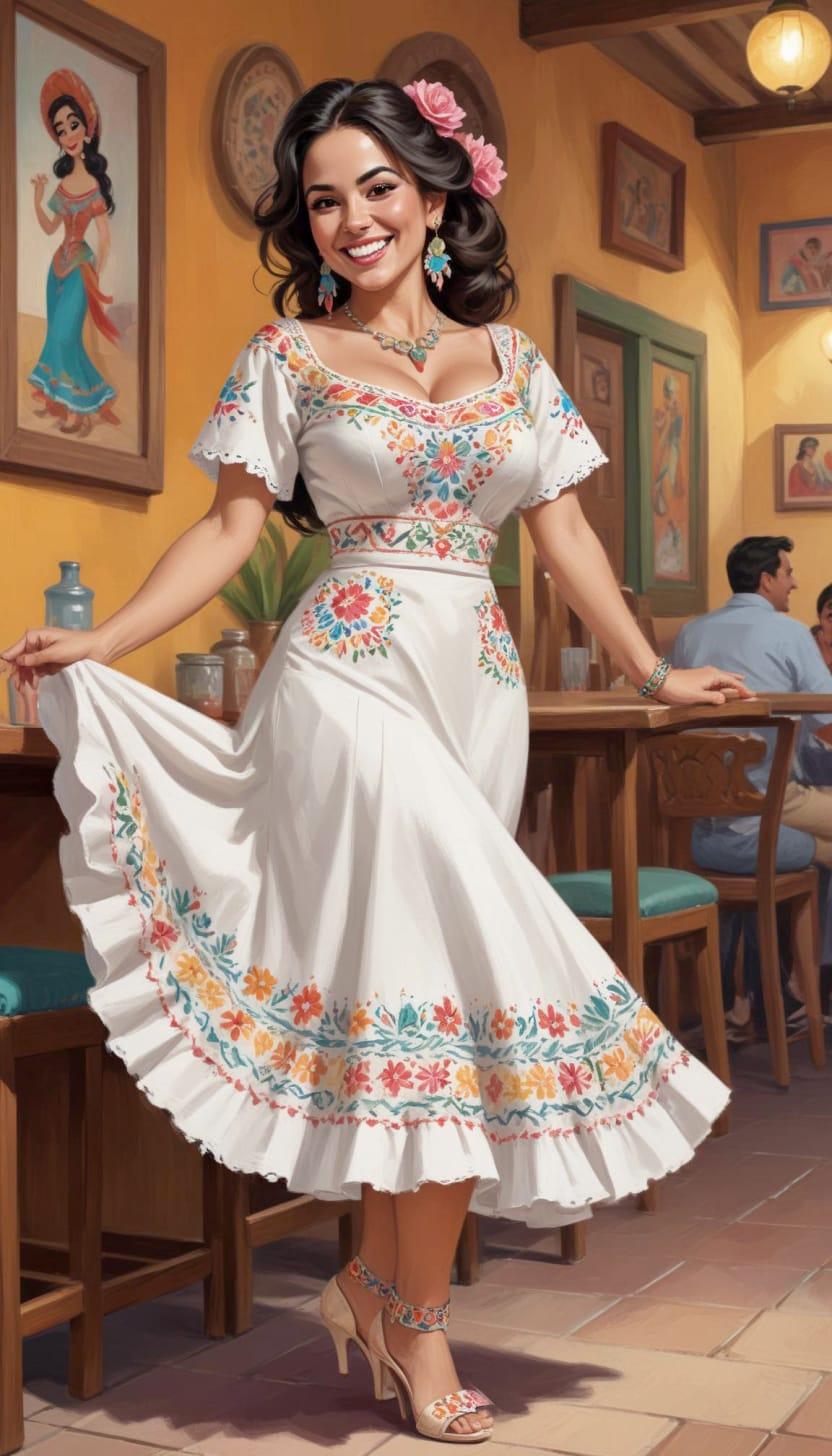
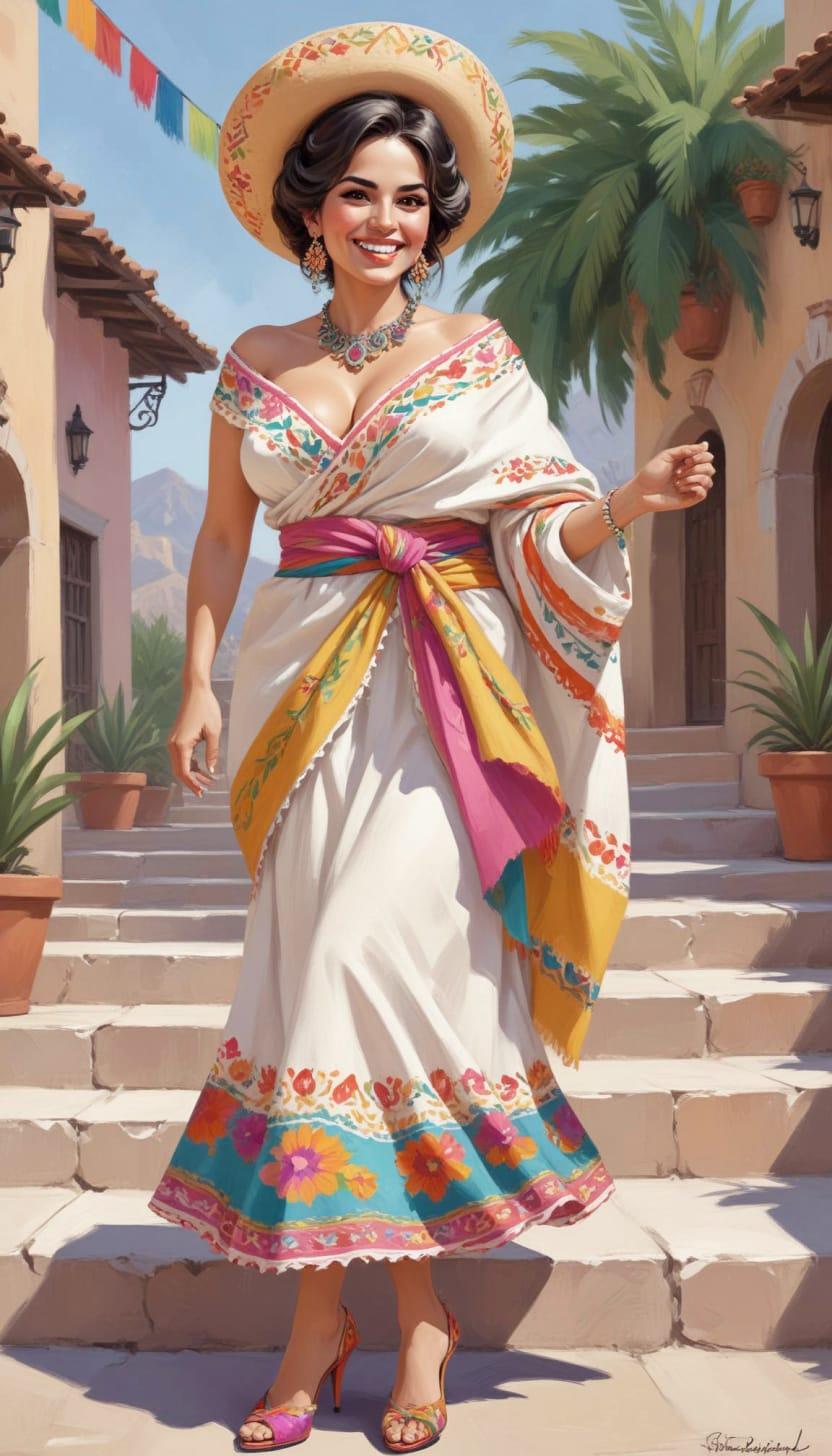
Mexican culture facts reveal that chocolate was first cultivated by the ancient Olmecs and later highly valued by the Aztecs as a drink for royalty. The traditional Mexican dress, like the colorful embroidered huipil, reflects indigenous art and identity passed down through generations. Mexico is home to one of the largest pyramids in the world, the Pyramid of Cholula, even bigger in volume than Egypt’s Great Pyramid of Giza.
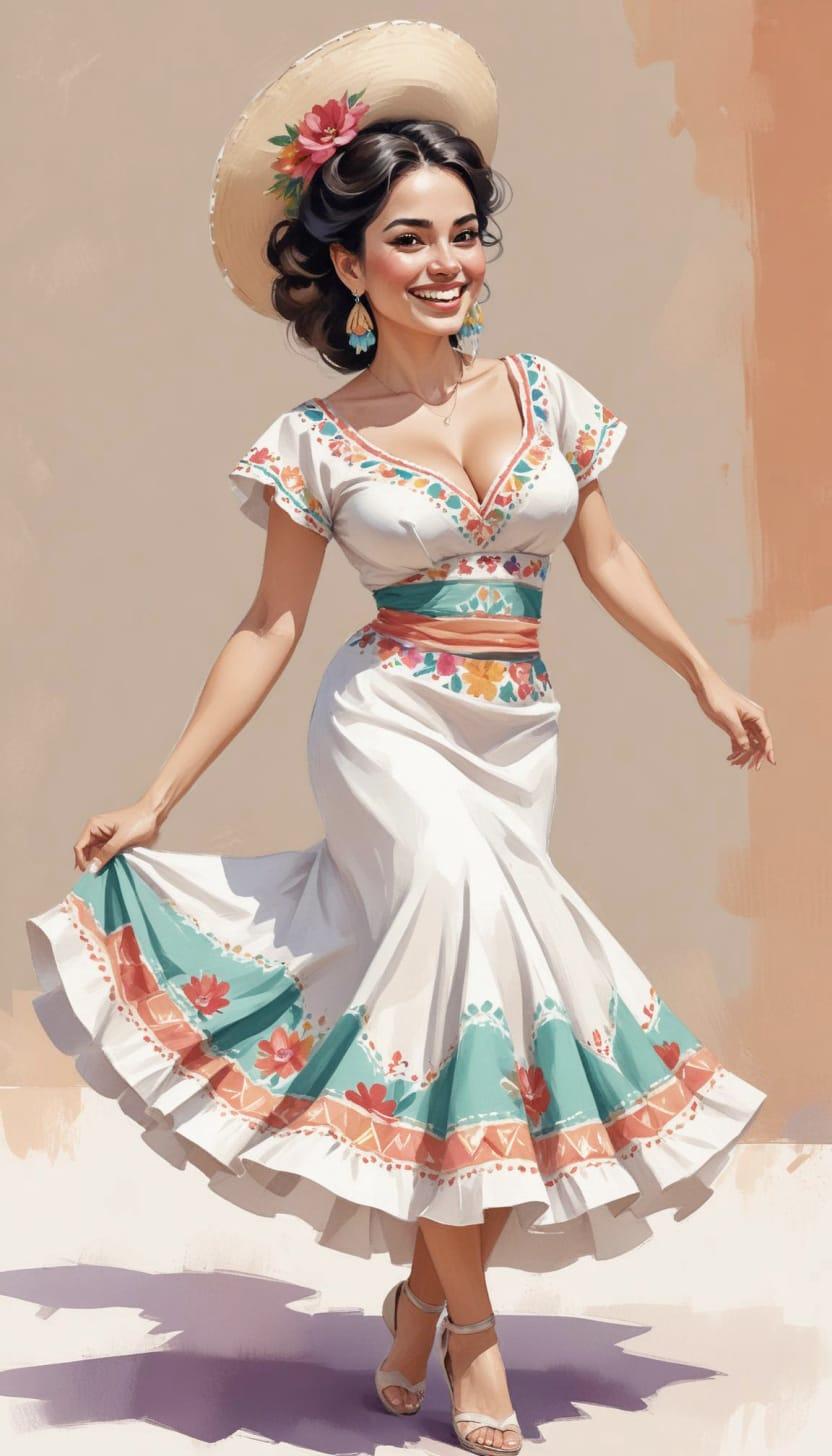
The Mexican flag colors represent different things: green for hope, white for unity, and red for the blood of national heroes. Frida Kahlo, one of Mexico’s most famous artists, used her paintings to express personal pain and Mexican heritage through vibrant folk art. Mexican culture facts include the importance of family, where gatherings often involve extended relatives sharing food and stories.
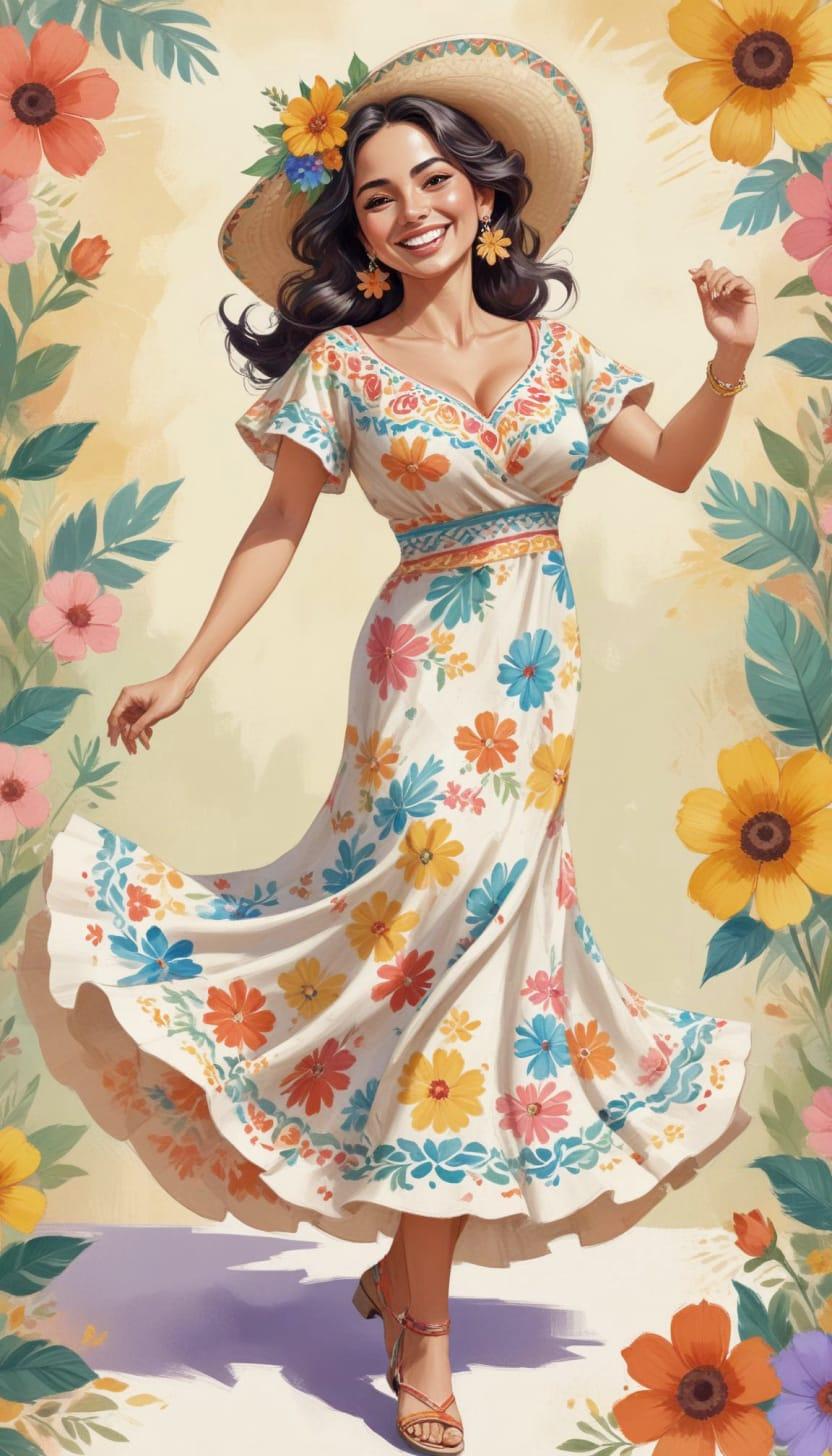
The traditional Mexican game Lotería is like bingo but uses cards with iconic images such as “La Catrina” and “El Corazón,” reflecting popular culture and folklore. Mexico has the world’s smallest volcano, Cuexcomate, standing just 13 meters tall but still considered a volcano by locals. The cenotes in the Yucatán Peninsula are natural sinkholes filled with fresh water, sacred to the Mayans and popular for swimming today.
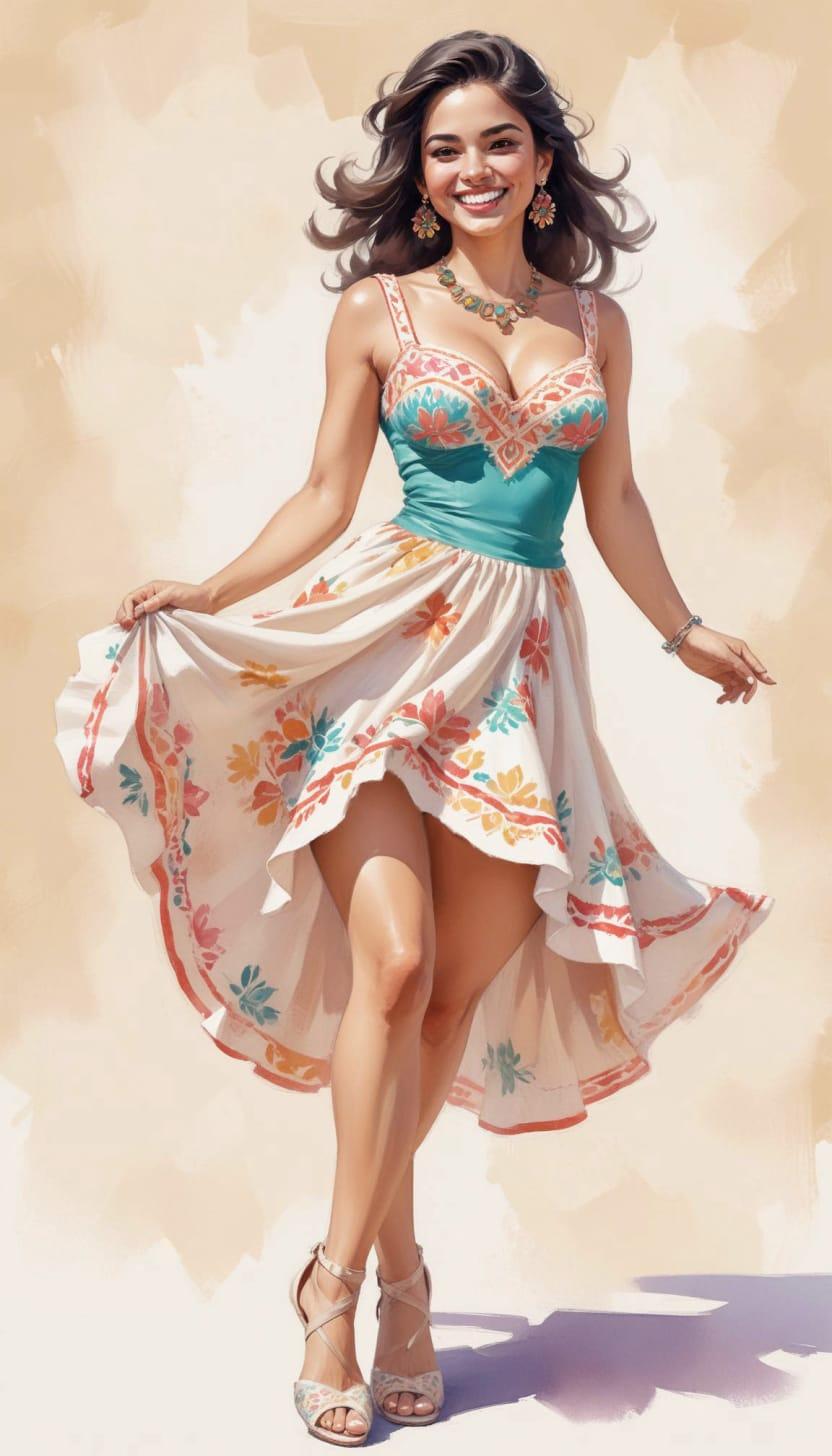
Mexican culture facts show that the art of papel picado (cut paper decorations) is a delicate craft used to brighten festivals and celebrations. Traditional Mexican pottery often uses bright colors and geometric designs, passed down by artisans in communities like Oaxaca and Puebla. Mexico introduced vanilla to the world, originally grown by the Totonac people before the Aztecs made it popular as a flavoring.
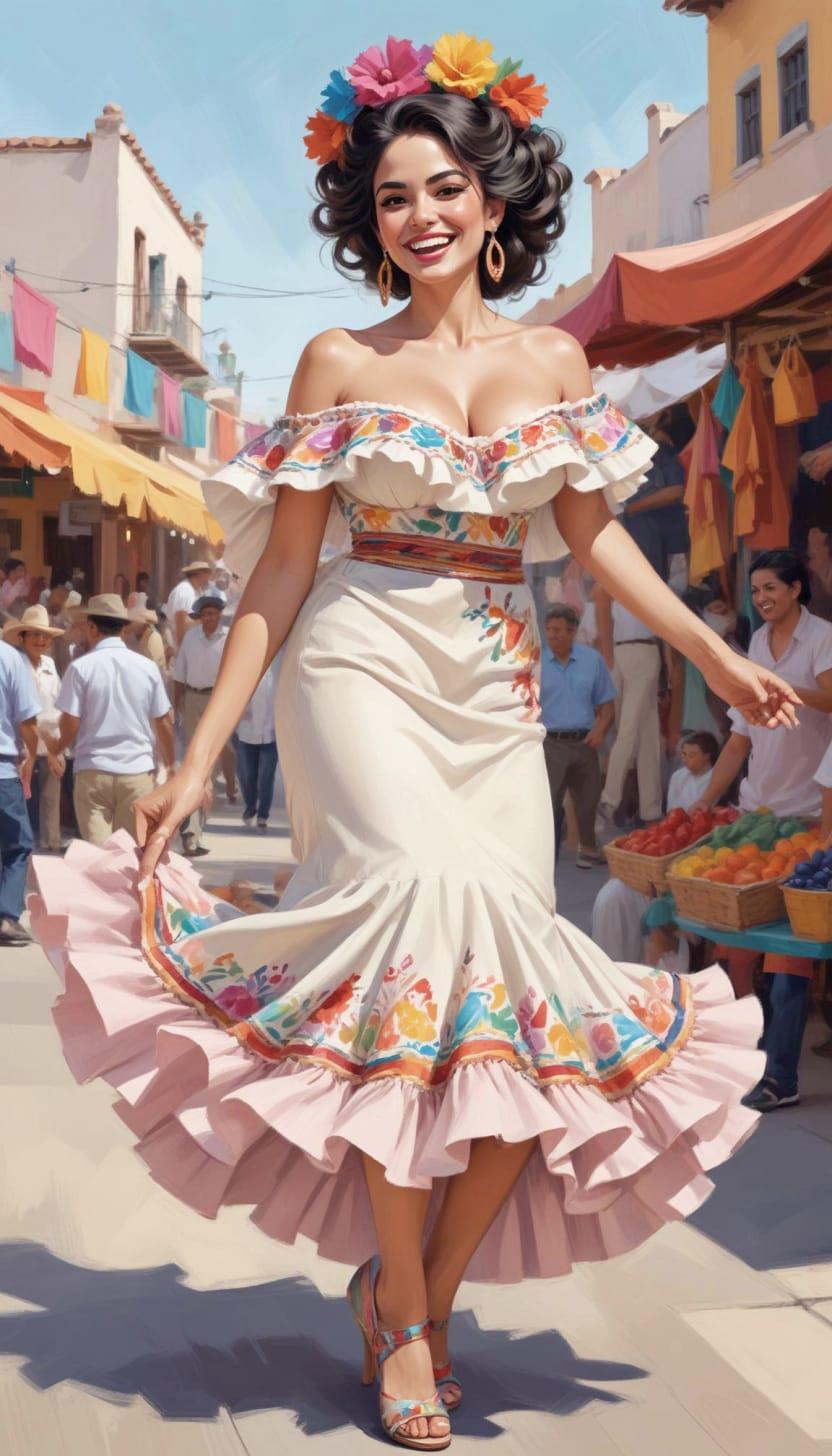
The iconic Mexican sombrero isn’t just a fun hat; it was designed to protect farm workers from the hot sun with its wide brim. Mexico celebrates Independence Day on September 16th, marked by the President’s “Grito” shout from the palace balcony to honor the call to rebellion. The ancient city of Teotihuacan features massive pyramids and murals, but its builders remain a mystery to historians.
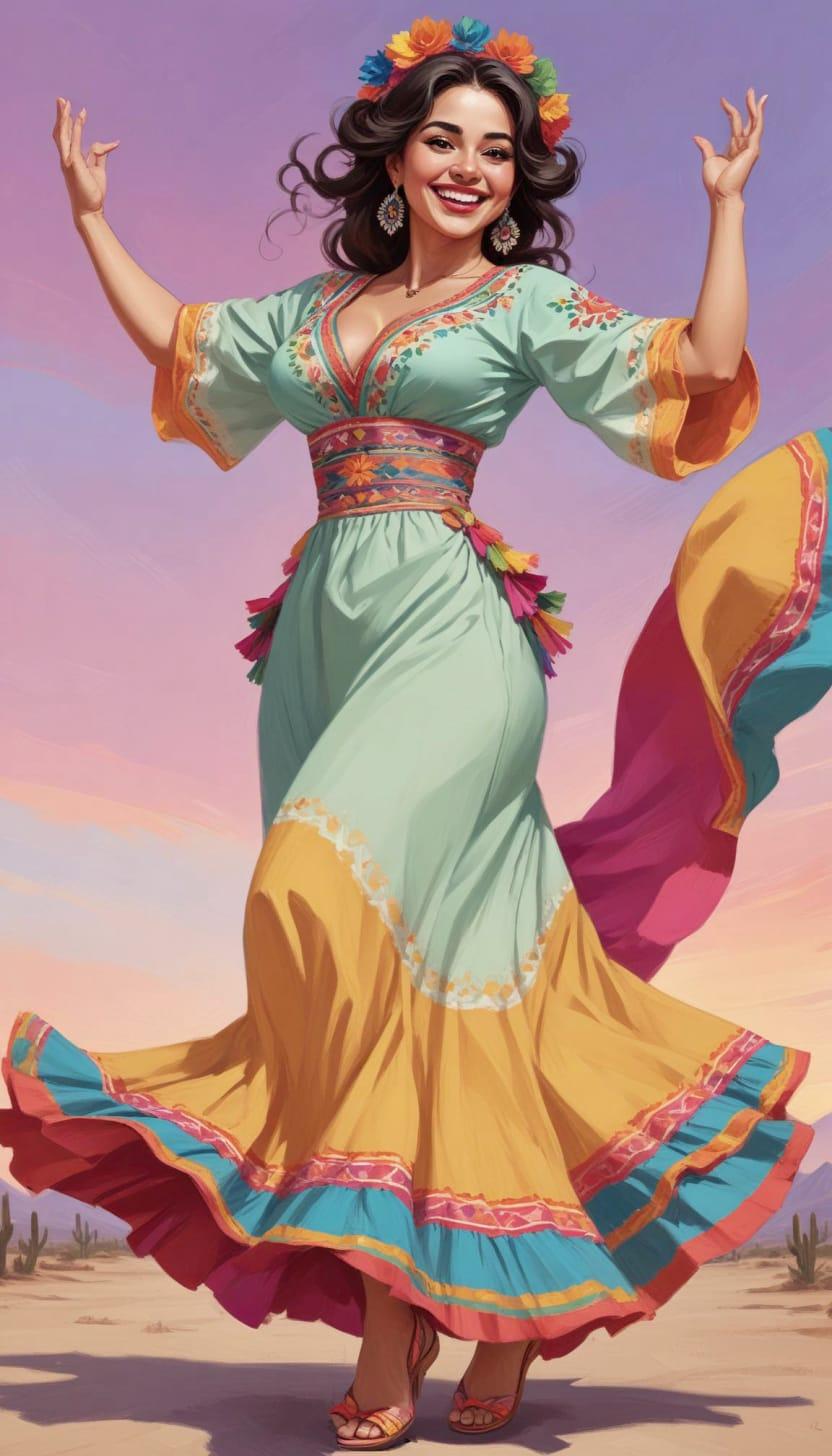
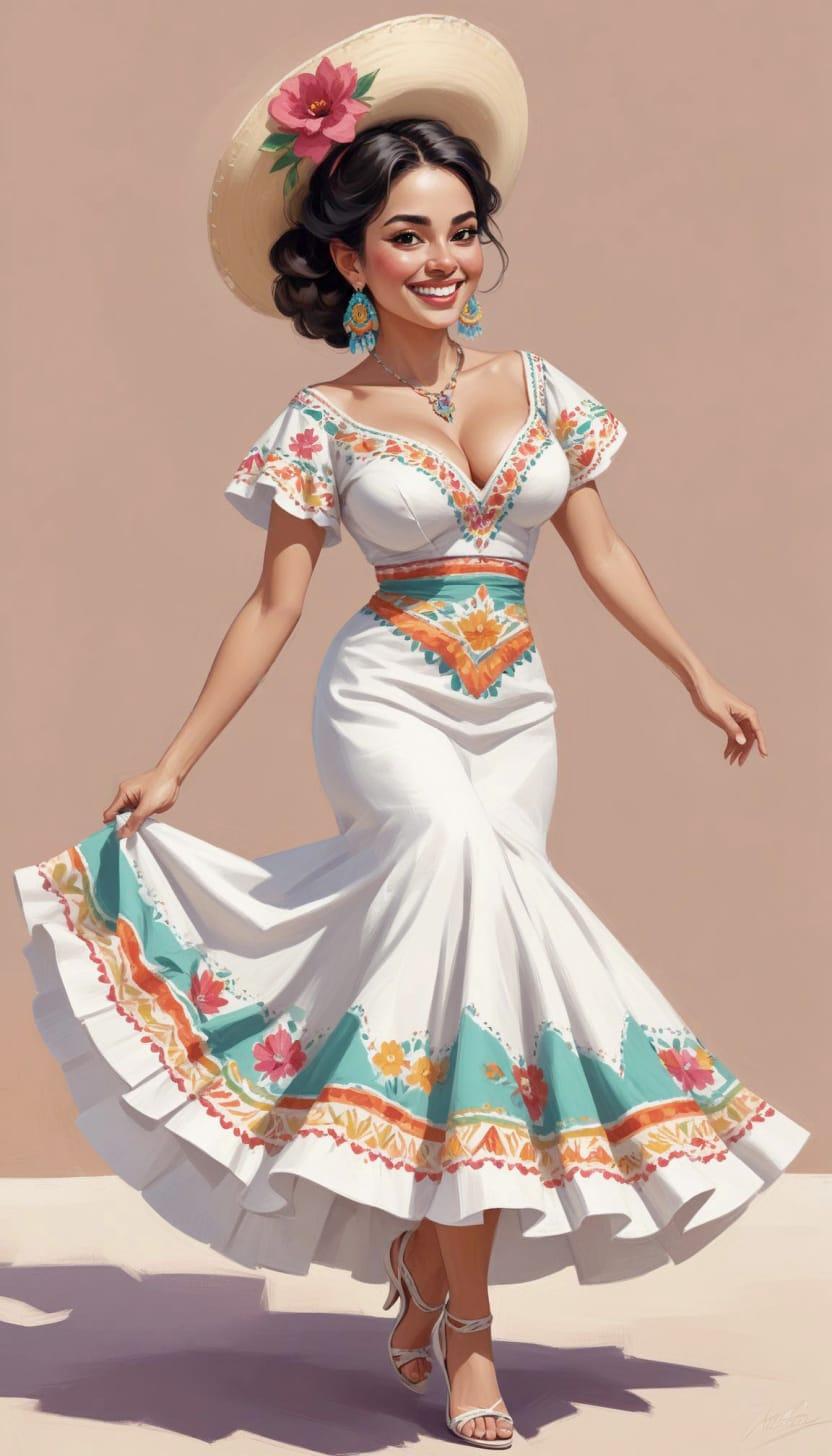
Mexican culture facts often highlight the importance of dance, with traditional dances like Jarabe Tapatío, known as the Mexican Hat Dance, symbolizing courtship. Chili peppers are central to Mexican cooking and come in dozens of varieties, from mild to extremely hot, adding flavor and heat to dishes. The Mexican Hat Dance became so popular it’s considered the national dance and is often taught to children in schools.
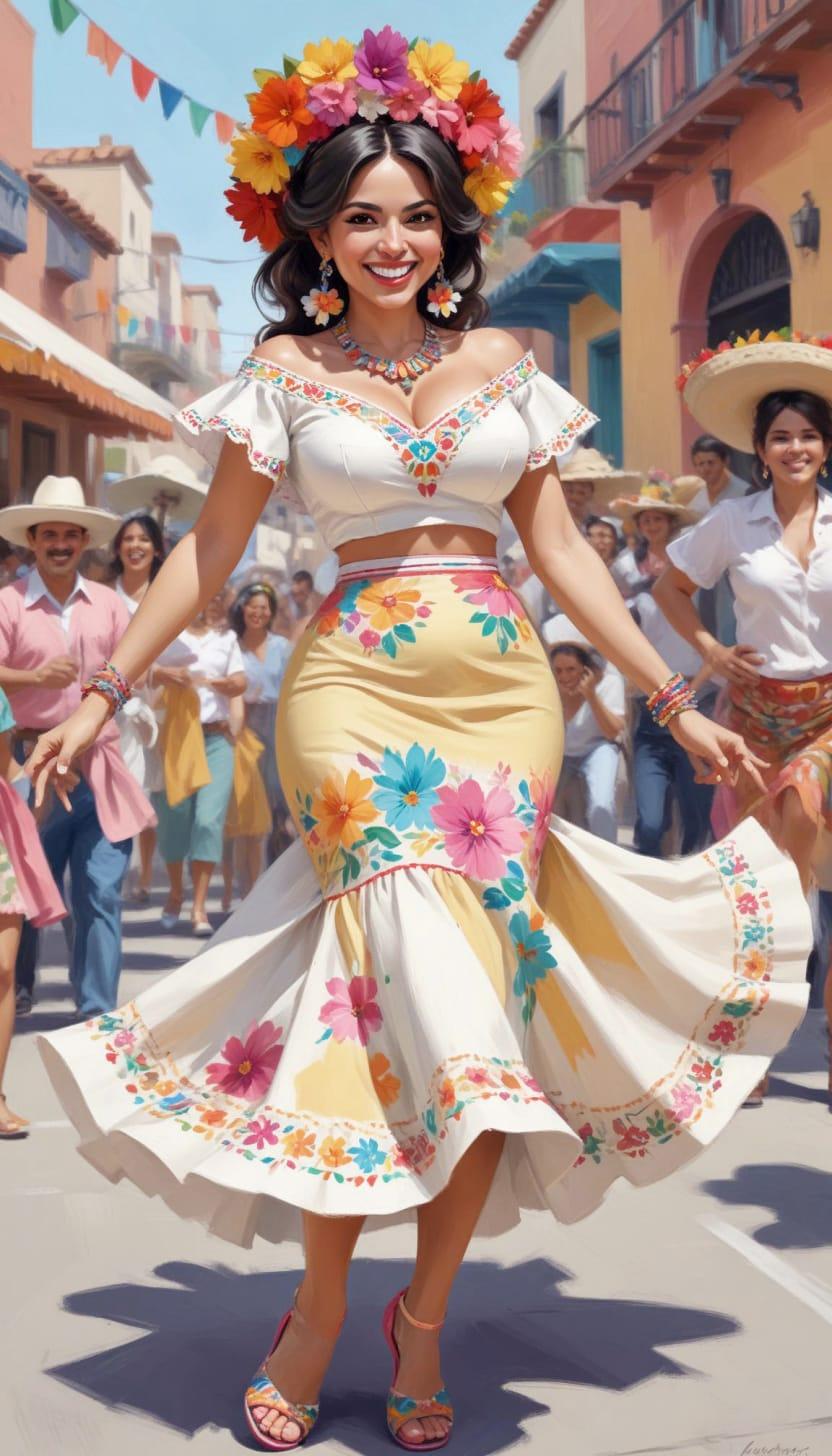
Mexican cuisine uses nopales, edible cactus pads, which are nutritious and often cooked with eggs or in salads. The Alebrijes are colorful fantasy creatures made from paper or wood, inspired by dreams and Mexican folk art. Mexican culture facts reflect a strong tradition of storytelling through oral history, music, and vibrant festivals.
Mexico City’s floating gardens, called Xochimilco, are remnants of ancient Aztec agriculture and today offer colorful boat rides with live music. The word “chocolate” comes from the Nahuatl language spoken by the Aztecs, showing deep indigenous roots in everyday words. Mexican wrestling masks often symbolize animals, gods, or mythical heroes, giving wrestlers unique identities and backstories.
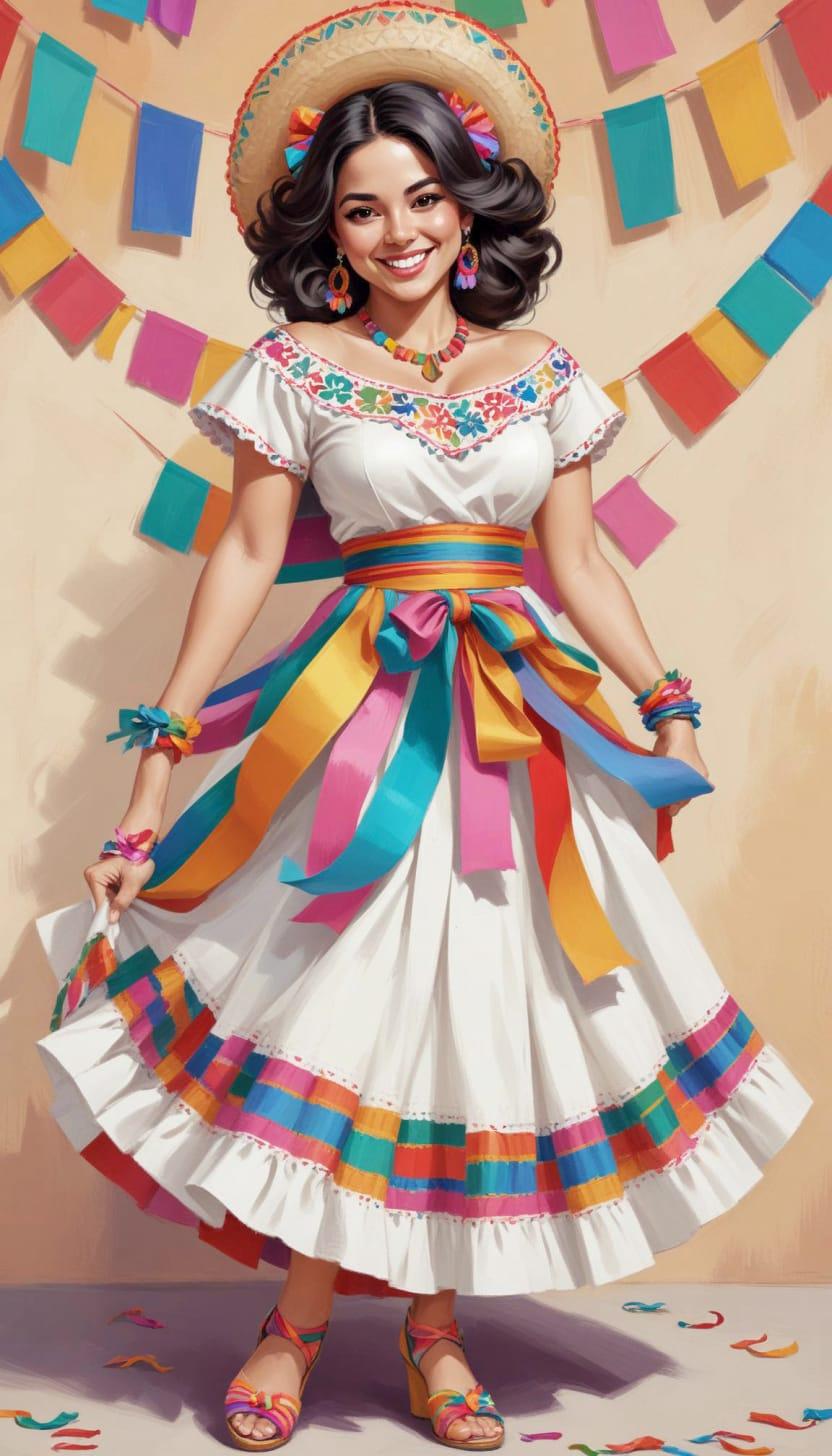
The monarch butterfly migration to Mexico each year is a natural wonder, with millions traveling thousands of miles to overwinter in forests. Traditional Mexican sweets include “pan dulce,” a variety of colorful pastries eaten at breakfast or as snacks. Mexican culture facts include the importance of crafts like weaving, pottery, and silverwork, which reflect regional histories.
The famous Mexican muralists Diego Rivera and David Alfaro Siqueiros used large public artworks to tell stories of Mexican history and social issues. Tamales, made of corn dough filled with meats or beans and wrapped in corn husks, have been eaten in Mexico for thousands of years. Mexican culture blends ancient indigenous customs with Spanish influences, seen in festivals, food, and language.
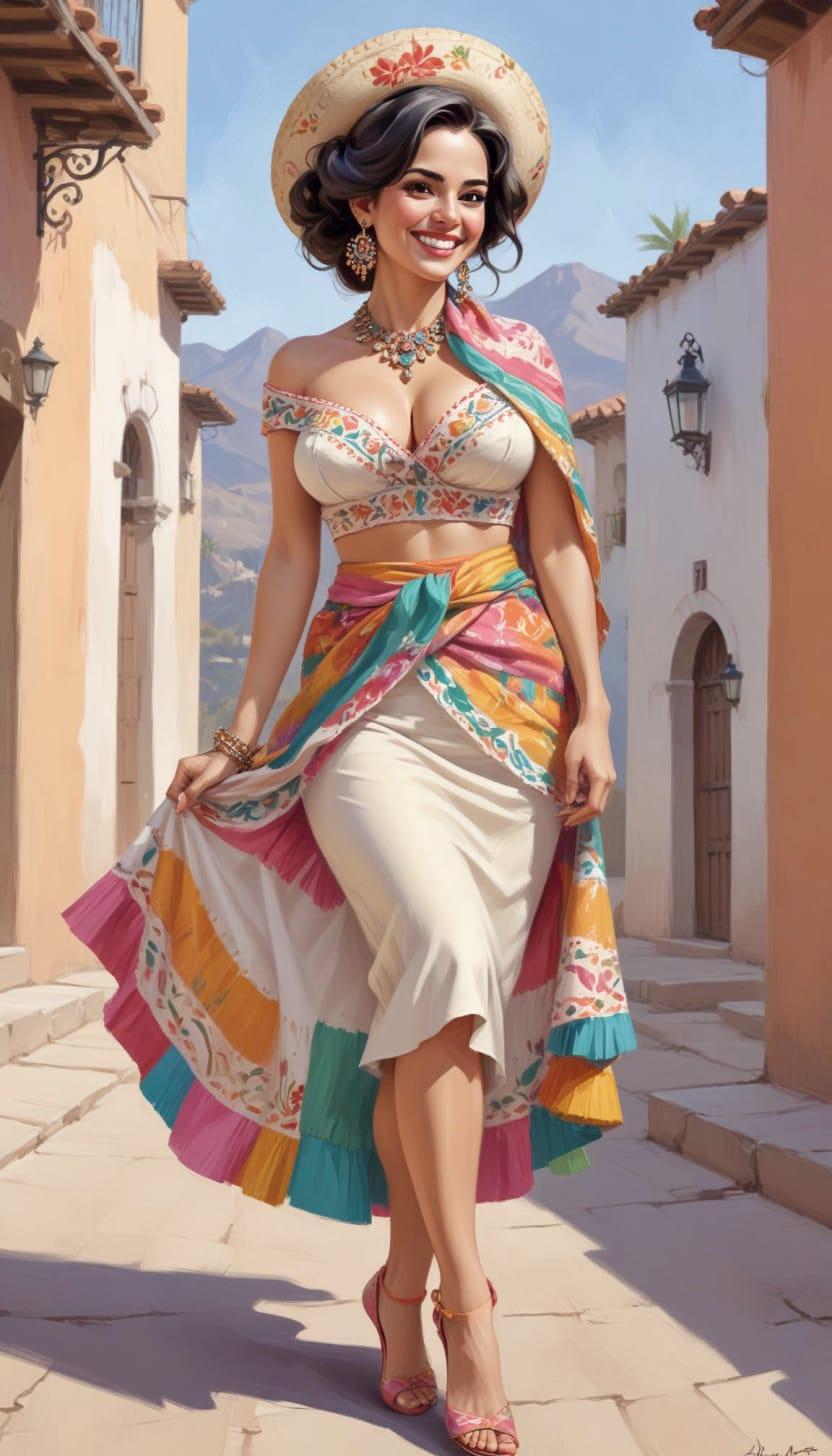
The colorful papel picado banners fluttering in the wind during festivals represent the fragility of life and the spirit of celebration. Mariachi music, with its roots in rural Mexico, often tells stories of love, patriotism, and nature. Mexican culture facts remind us that vibrant street markets (mercados) are key to everyday life, offering fresh food and handmade goods.
Many Mexican towns celebrate local saints with fiestas, combining religious traditions with lively music, dancing, and food. The piñata tradition at parties teaches children about reward and effort through a fun game of breaking it open. Mexican culture facts include a love for soccer (fútbol), where national and local teams inspire strong community pride.
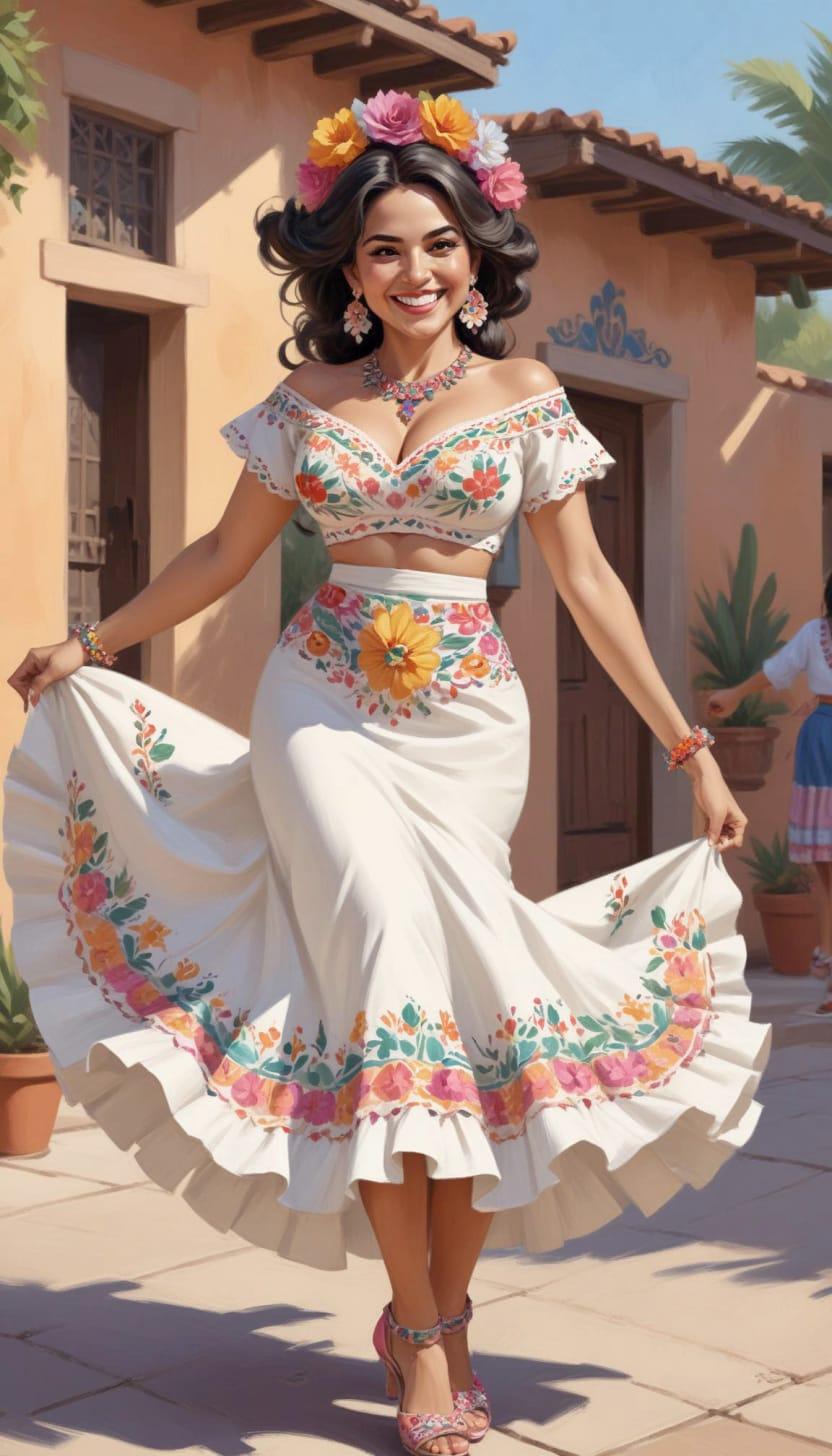
The famous Mexican hat dance was banned in some places for being too lively but later embraced as a symbol of national identity. The Aztec calendar stone, often mistaken for a calendar, actually represents the cosmos and the gods controlling time. Mexican culture facts also highlight the tradition of making hand-painted Talavera pottery, known for its bright blue and white patterns.
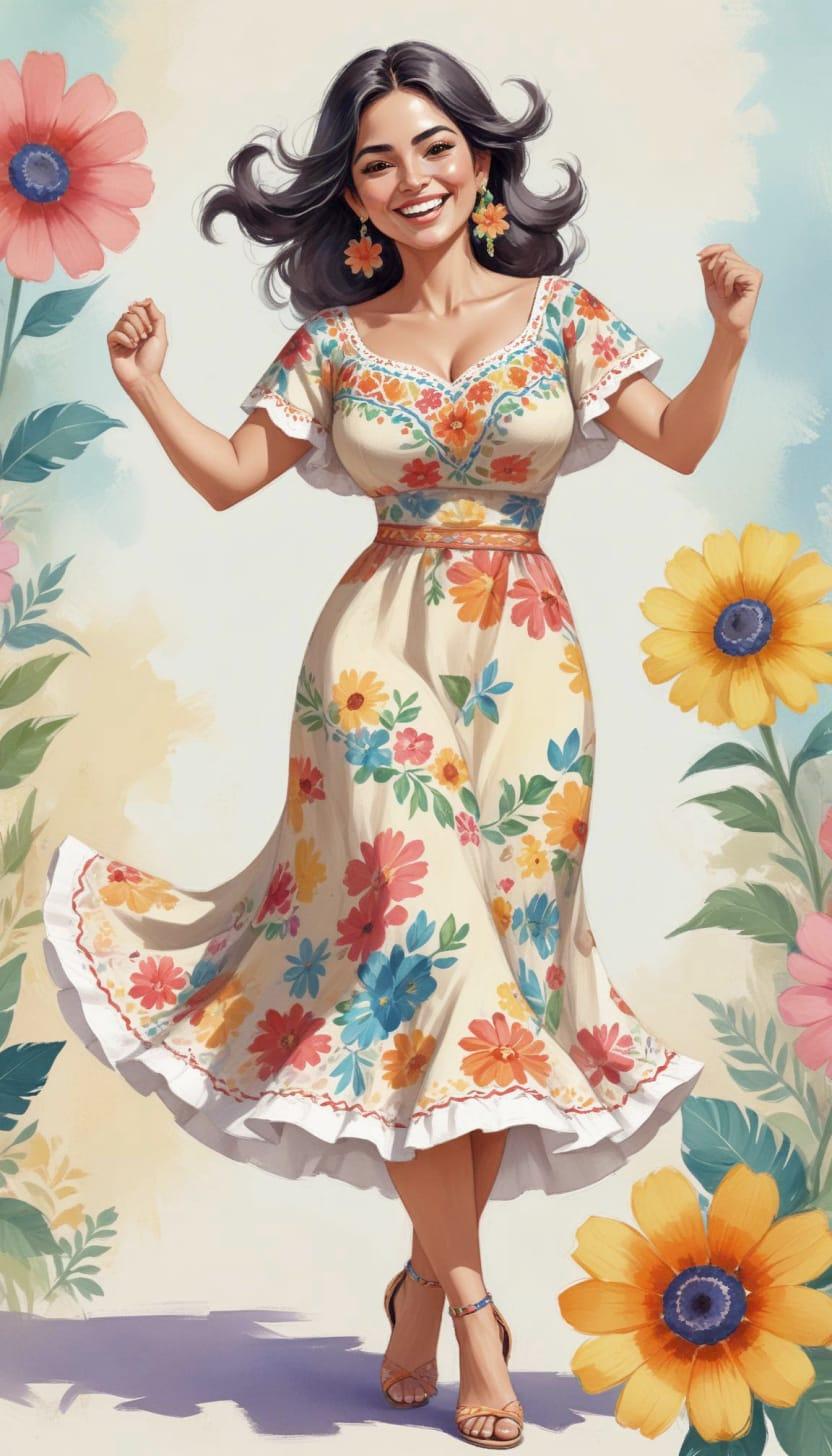
The celebration of Día de la Virgen de Guadalupe honors Mexico’s patron saint and draws millions of pilgrims to her shrine in Mexico City. Mexican cuisine’s spicy flavors come from a long history of growing and using chili peppers native to the region. Mexican culture facts show that many traditional festivals involve fireworks, music, and dancing that last for days.
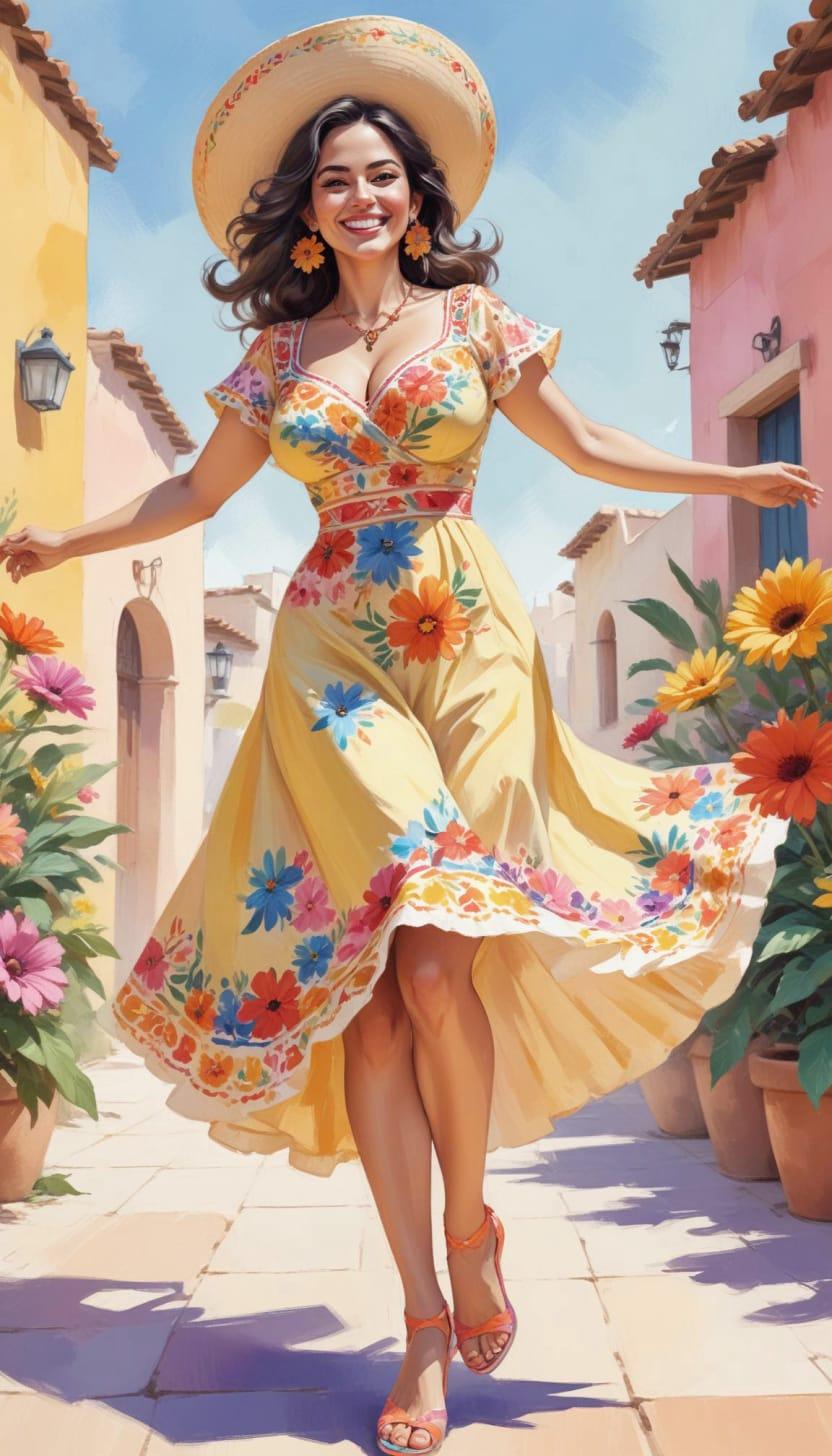
The charro tradition, linked to skilled horsemen, influenced the cowboy culture of the American Southwest. Mexican cinema, especially the Golden Age in the 1940s-50s, produced stars like Pedro Infante who are still beloved today. Mexican culture facts remind us that street food like elotes (grilled corn with toppings) is both tasty and deeply rooted in tradition.
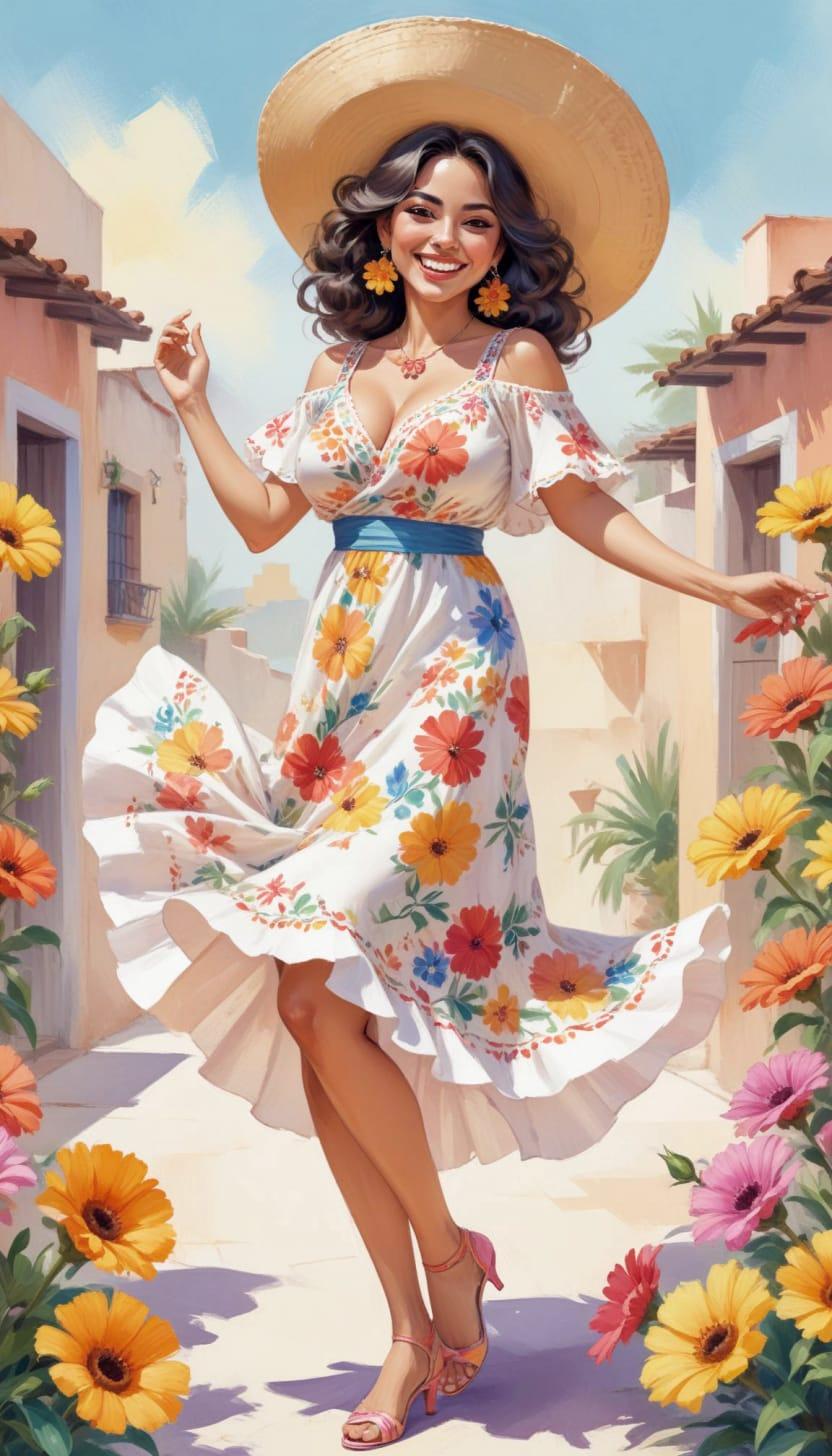
The vibrant Day of the Dead skulls (calaveras) are often decorated with bright colors and humor, celebrating life and memory. Mexican textiles often use natural dyes and patterns unique to each indigenous group, preserving cultural identity. Mexican culture facts also include the tradition of “quinceañera,” a big celebration marking a girl’s 15th birthday and passage into womanhood.
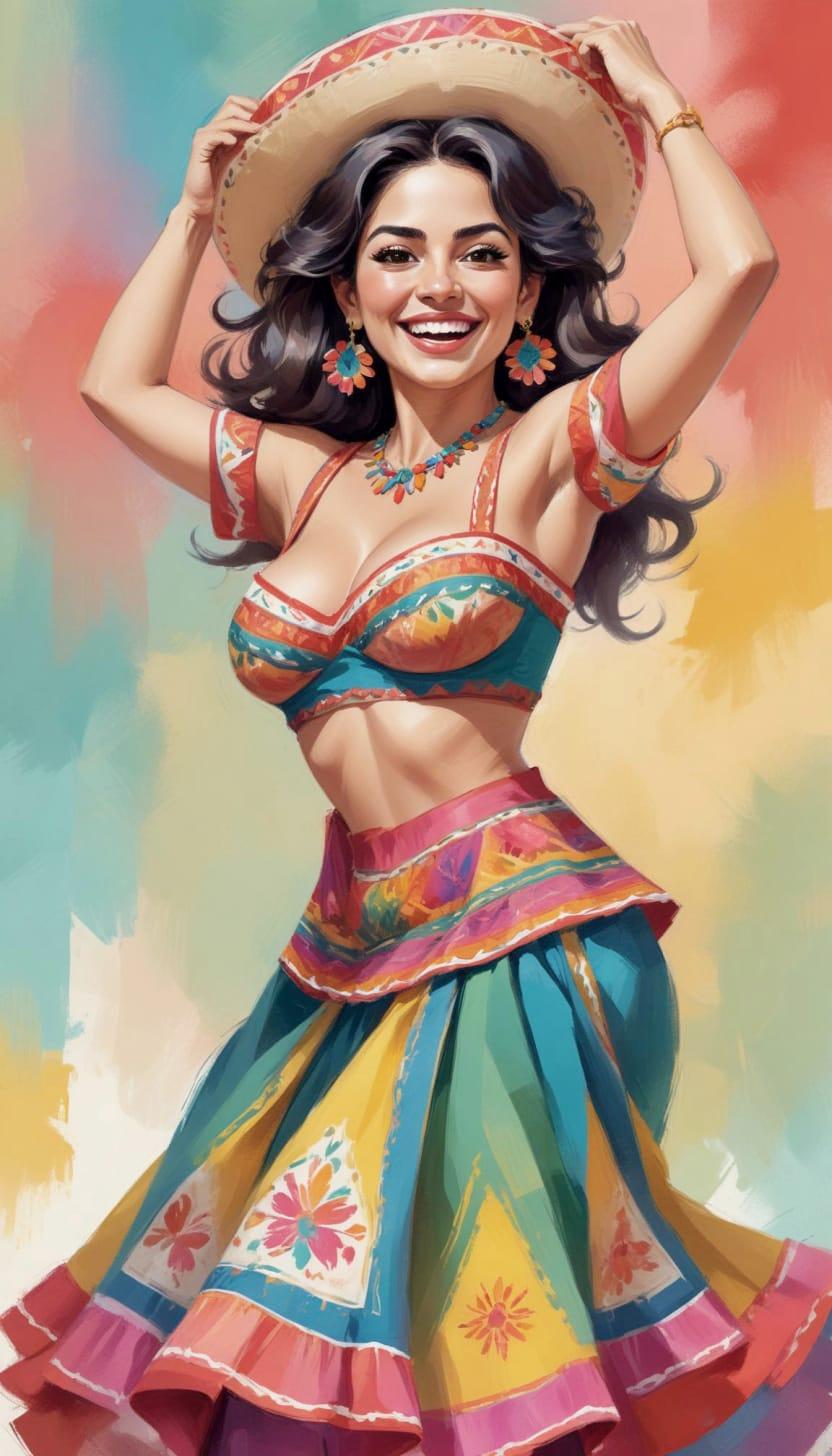
In Mexican folklore, the legend of La Llorona tells of a ghostly woman searching for her lost children, a story passed down through generations. Many Mexican holidays mix pre-Hispanic rituals with Catholic beliefs, creating rich, layered traditions. Mexican culture facts reflect a joyful spirit of community, where music, food, and celebration connect people every day.