Mexico customs
- Fun pictures /
- Culture /
- Mexico customs
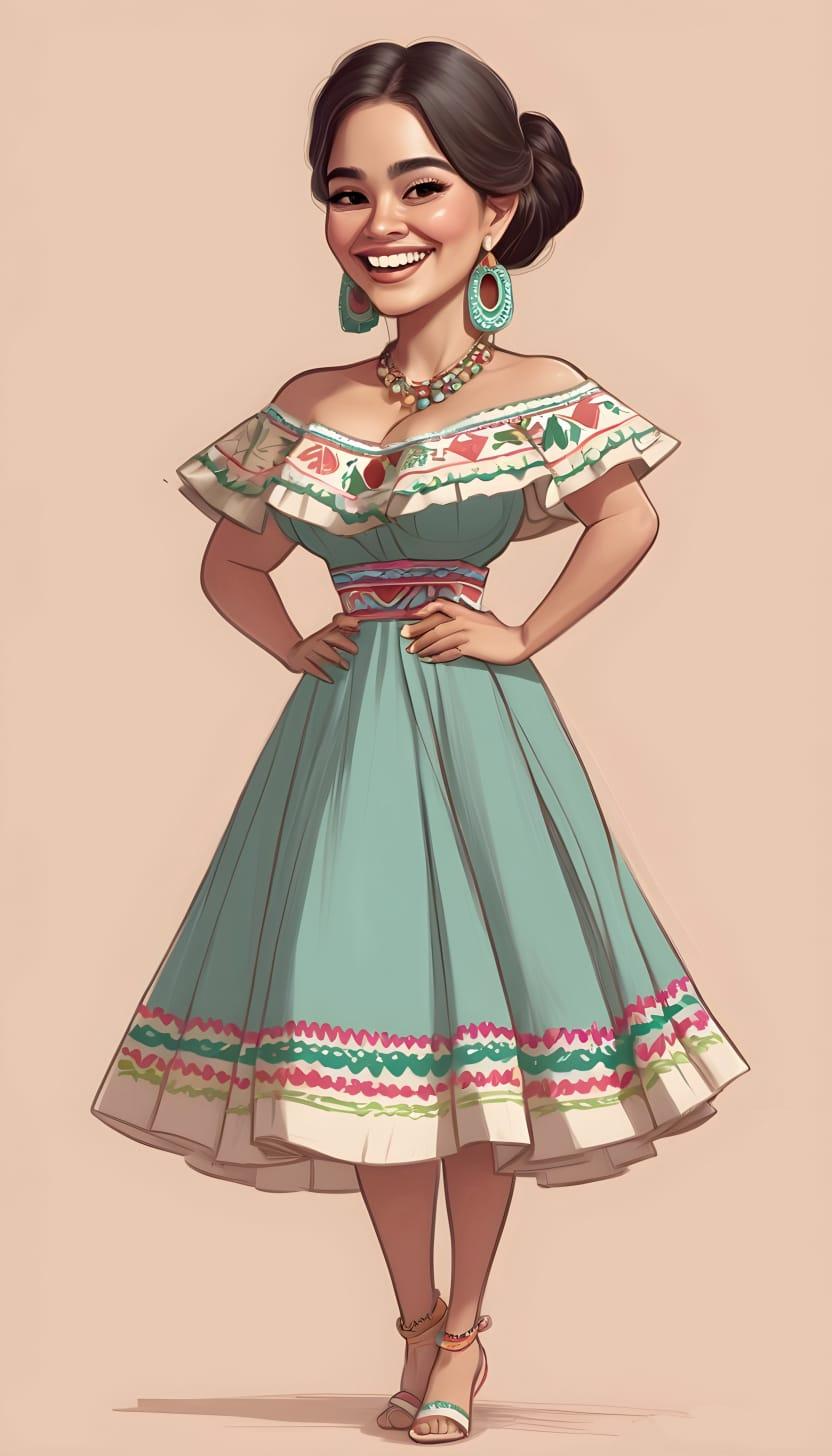
In Mexico, the tradition of celebrating Día de los Muertos (Day of the Dead) is one of the most colorful and meaningful customs, where families honor their deceased loved ones with altars, marigolds, and favorite foods. Mariachi music, with its lively guitars and trumpets, is a staple at many Mexican celebrations, adding a joyful soundtrack to weddings, birthdays, and festivals. Piñatas, originally used in Mexico customs as a way to celebrate and bring good luck, are filled with candies and broken by children during parties, symbolizing the triumph of good over evil.
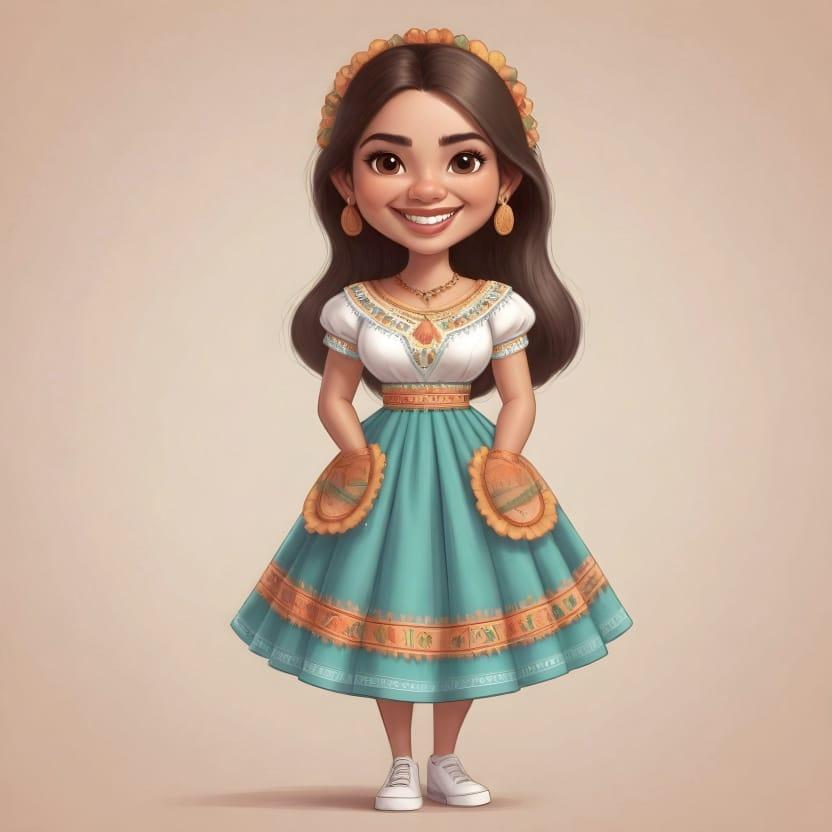
Mexican families often gather to share tamales, a traditional food wrapped in corn husks, especially during Christmas and other festive times. The ritual of "quinceañera" marks a girl’s 15th birthday, a significant milestone in Mexico customs, symbolizing her transition into womanhood with a grand party. In many Mexican homes, you’ll find "papel picado," colorful paper cutouts that decorate streets and homes, representing the fragility of life and the spirit of celebration.
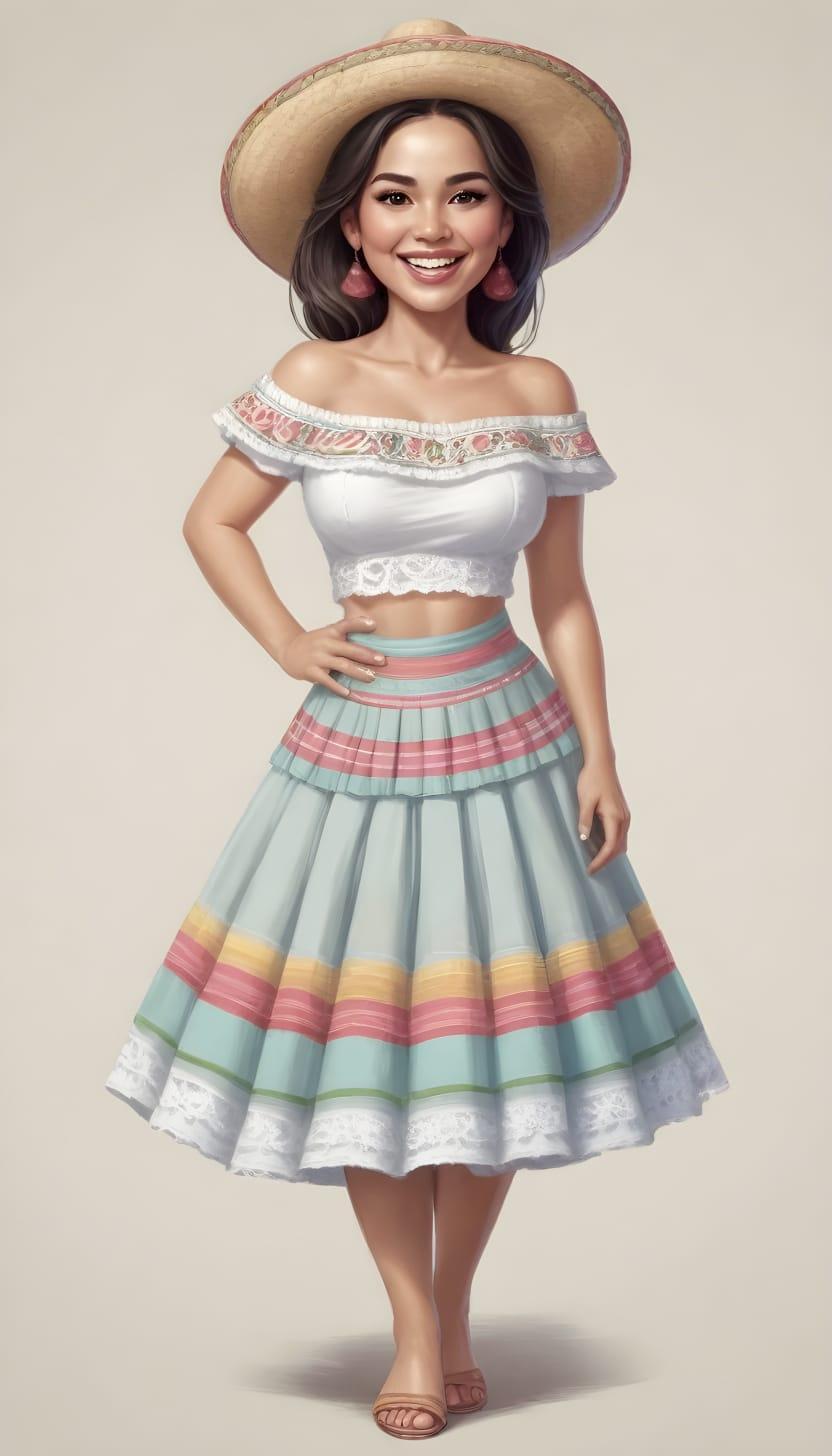
Mexico customs include the widespread use of vibrant folk art, such as hand-painted pottery and textiles, each telling a story of local culture and history. During Christmas, many Mexicans participate in "posadas," reenacting Mary and Joseph’s search for shelter, combining faith with fun and community spirit. The tradition of "Lucha Libre," Mexican professional wrestling, is not only sport but a cultural spectacle where masked wrestlers are heroes and legends.
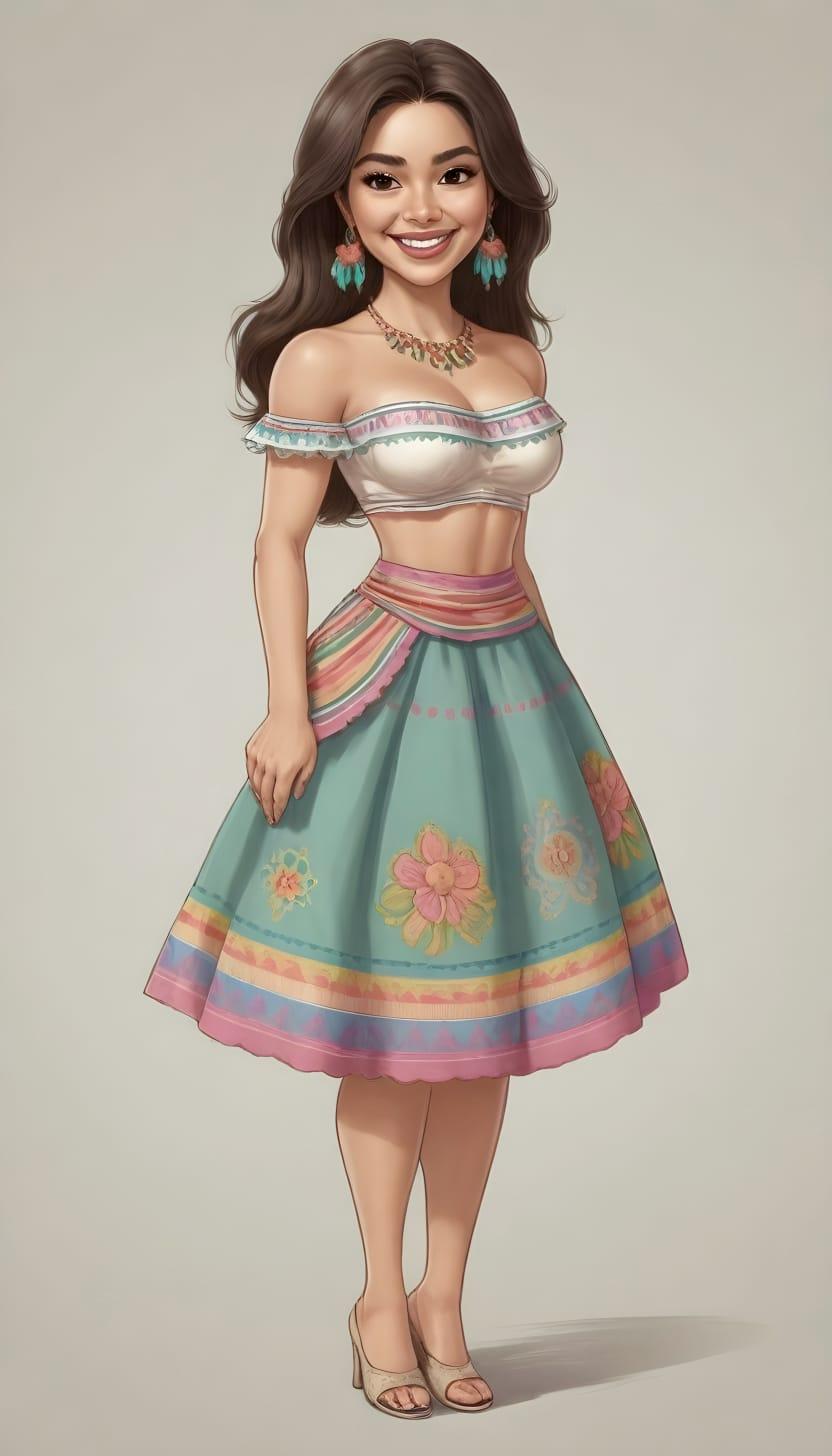
In Mexican markets, bartering is still common, reflecting an old custom where people negotiate prices as part of the social experience. Family is central to Mexico customs, with large multi-generational gatherings being the norm, especially on holidays and Sundays. The Mexican hat dance, or "Jarabe Tapatío," is the national dance and symbolizes Mexican pride and joy during cultural festivities.
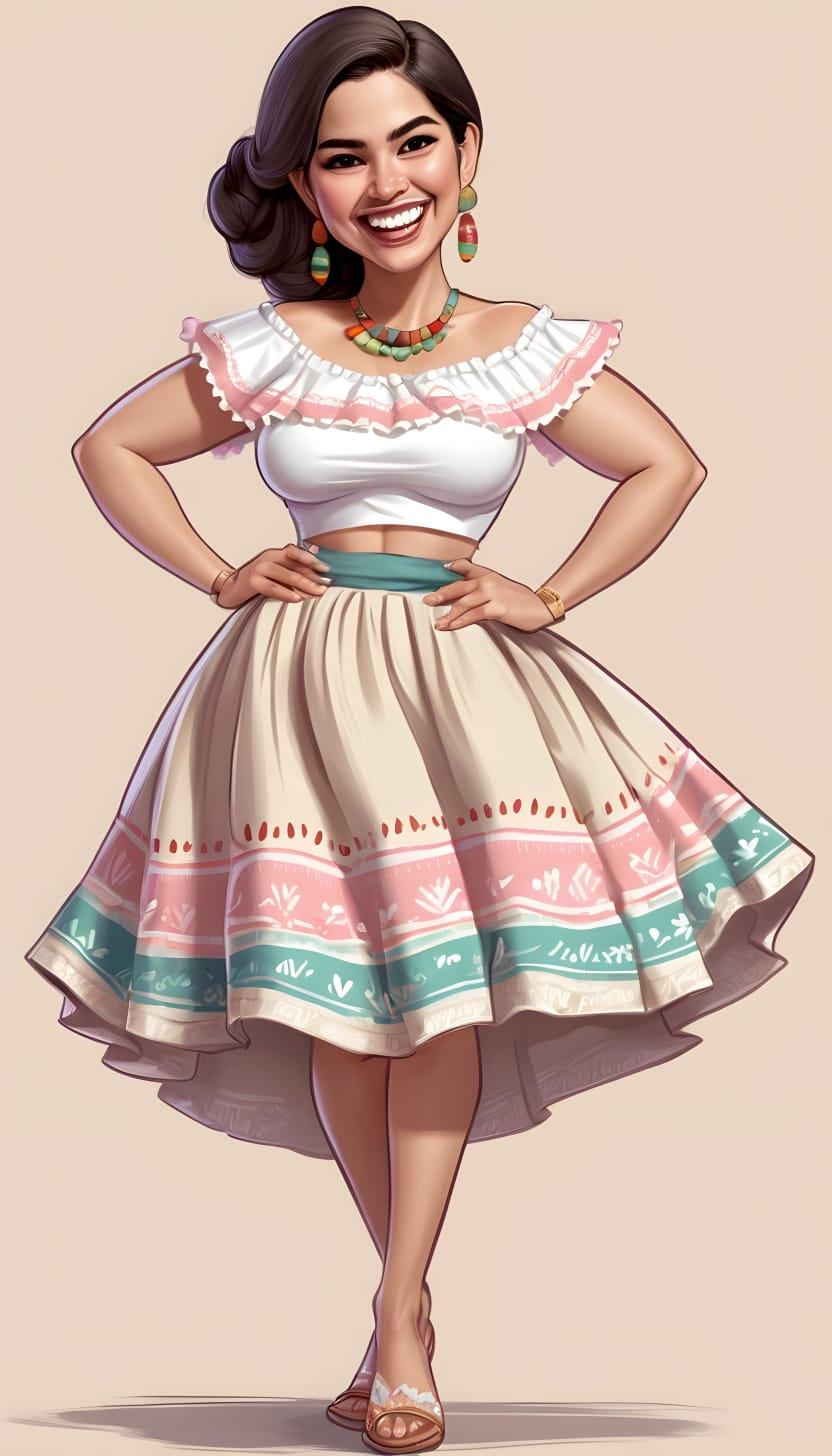
It’s common in Mexico customs to greet with a warm hug or a cheek kiss, reflecting the country’s friendly and close-knit social nature. Day of the Dead altars often include "pan de muerto," a special sweet bread baked just for the occasion, symbolizing the cycle of life and death. In many towns, "charreada," a traditional rodeo event, showcases horsemanship and is a proud part of rural Mexico customs.
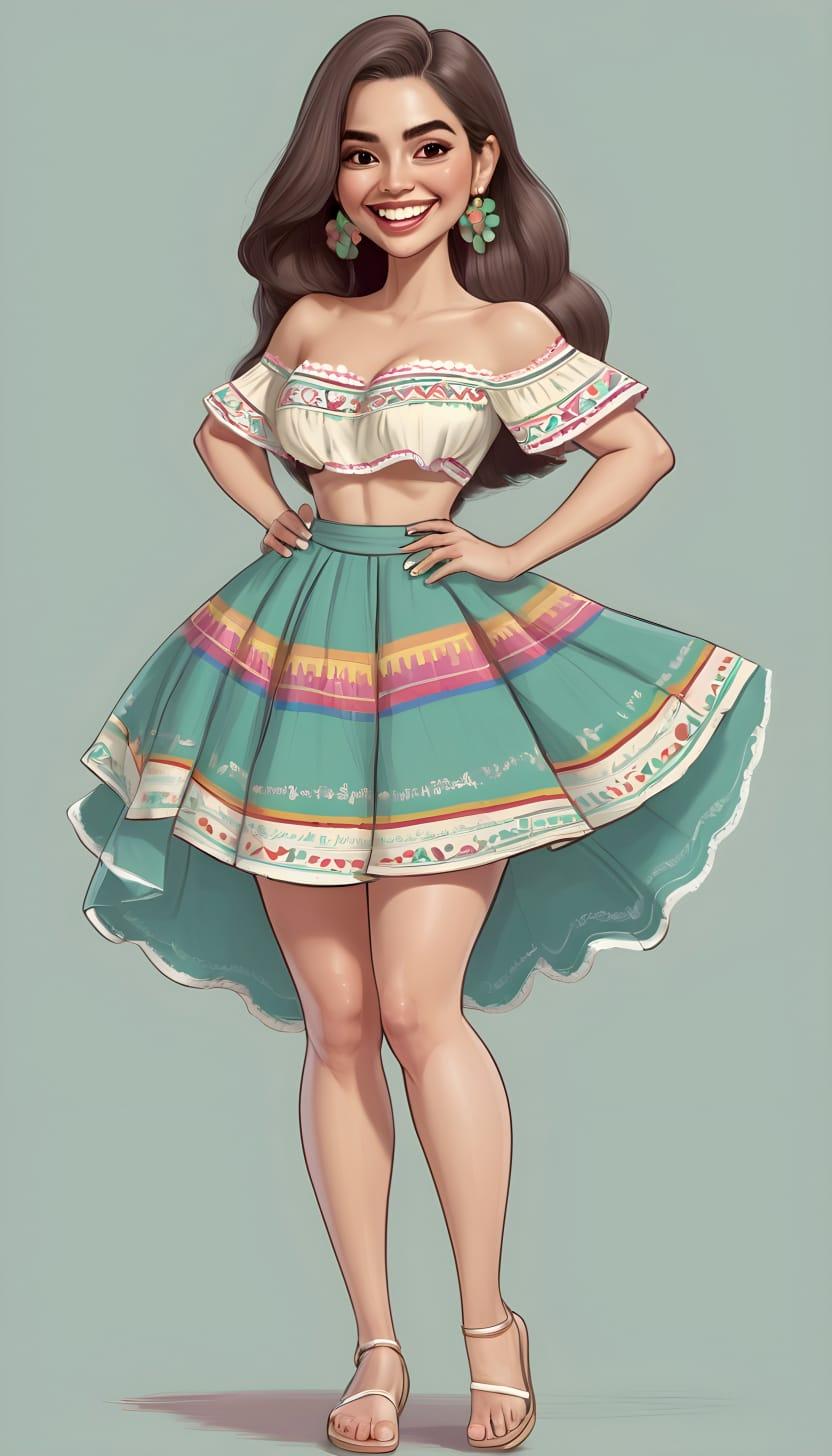
Mexican families sometimes keep "recuerdos," small keepsakes or mementos from loved ones, which are passed down as part of their heritage. Corn, or "maize," is so important that it’s considered a sacred plant in Mexico customs, used in foods and rituals for thousands of years. Traditional Mexican wrestling masks are handmade and highly valued, often telling the story or character of the wrestler wearing them.
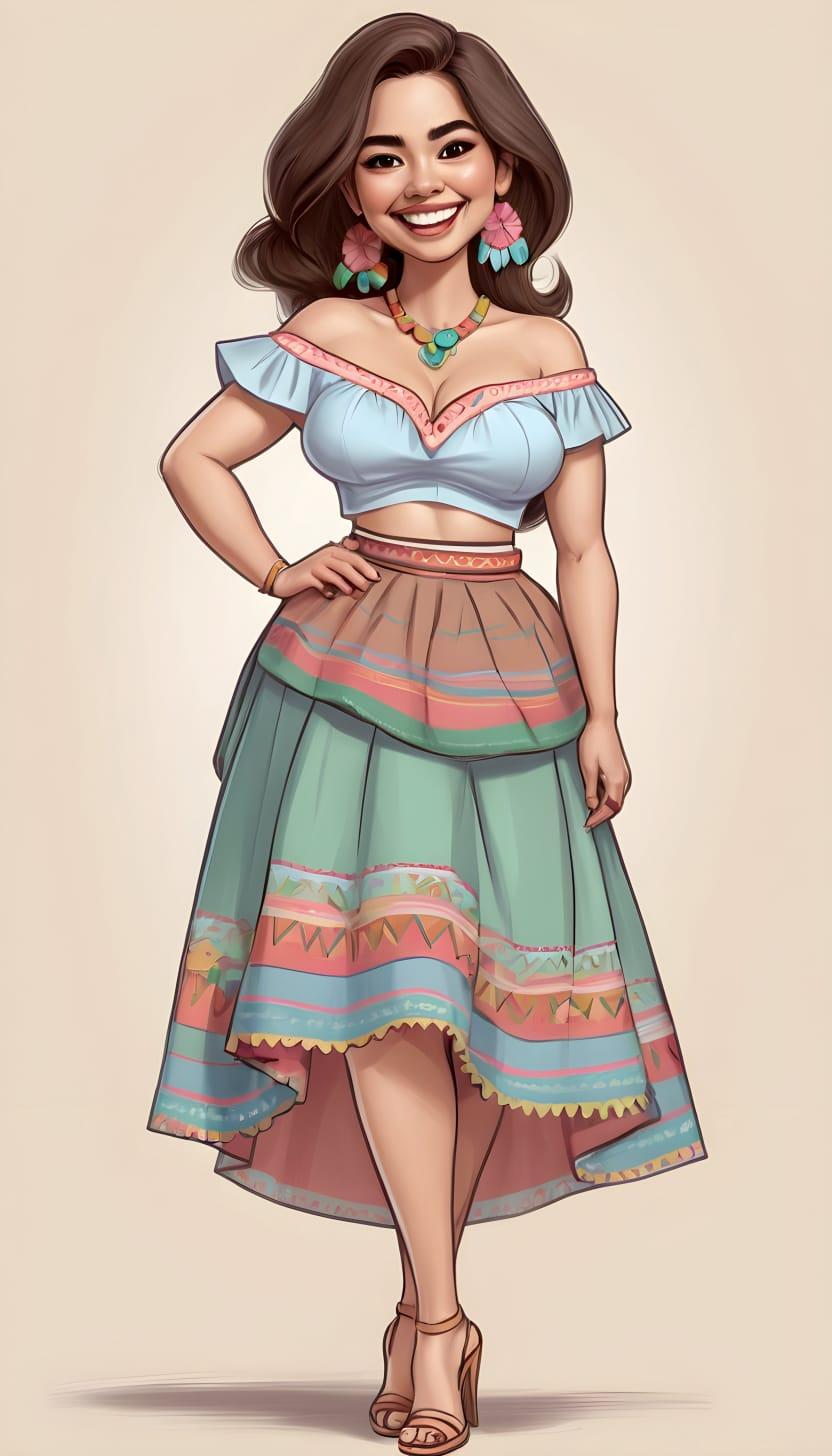
In many areas, it’s customary to offer guests "agua fresca," refreshing fruit drinks made from fresh ingredients like hibiscus or tamarind. The "Guelaguetza" festival in Oaxaca is a huge cultural event that celebrates indigenous traditions through dance, music, and food. Street food vendors are an essential part of Mexico customs, offering everything from tacos and elotes (corn on the cob) to churros and fresh fruit.
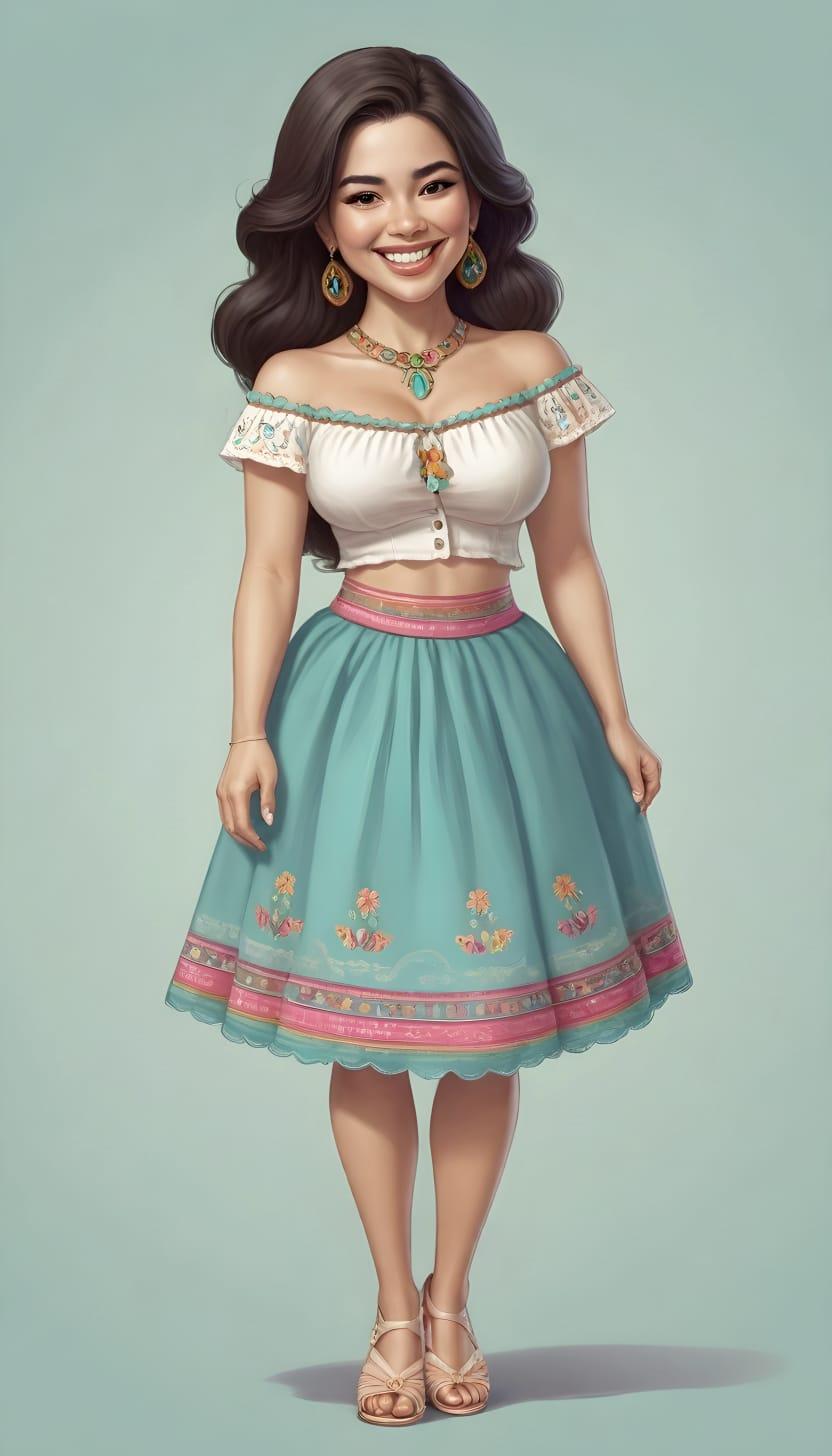
Mexican weddings often feature the tradition of "la víbora de la mar," a fun game where guests hold hands and weave under and over each other like a snake. The bright colors used in Mexican crafts and clothing are more than decorative—they symbolize happiness, life, and nature in Mexico customs. Many Mexican towns have patron saint festivals blending indigenous and Catholic customs, showcasing the country’s unique cultural fusion.
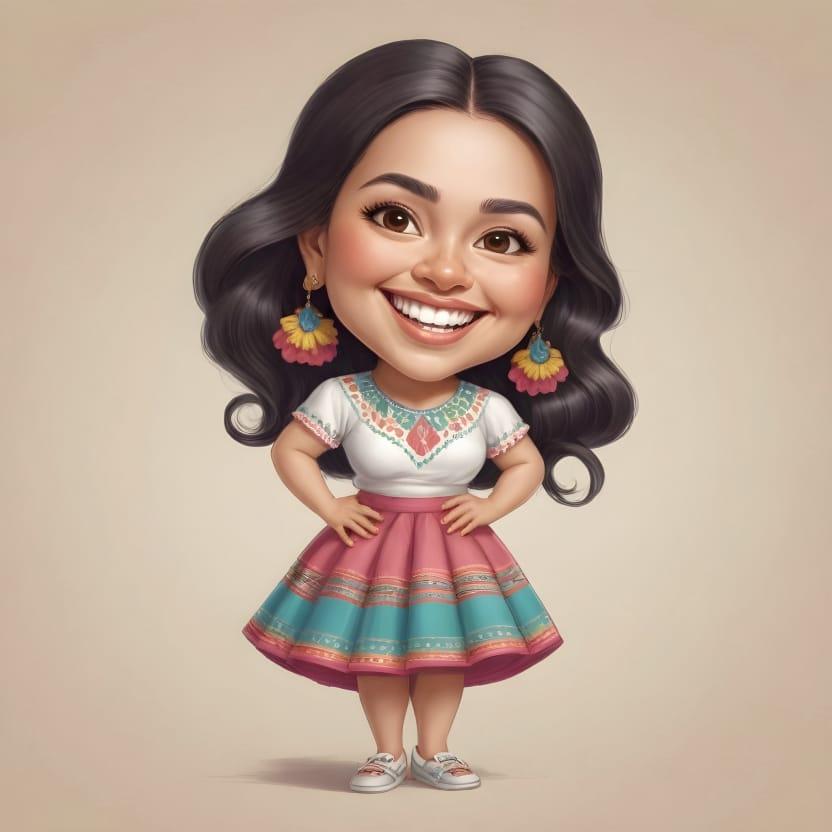
It is customary to bring a gift when invited to a Mexican home, often sweets or flowers, as a sign of respect and gratitude. Mexico customs include a deep respect for ancestors, which is why family stories and photographs are treasured and shared often. Traditional Mexican hats, or sombreros, were originally designed for protection from the sun but now are iconic symbols of Mexican culture worldwide.
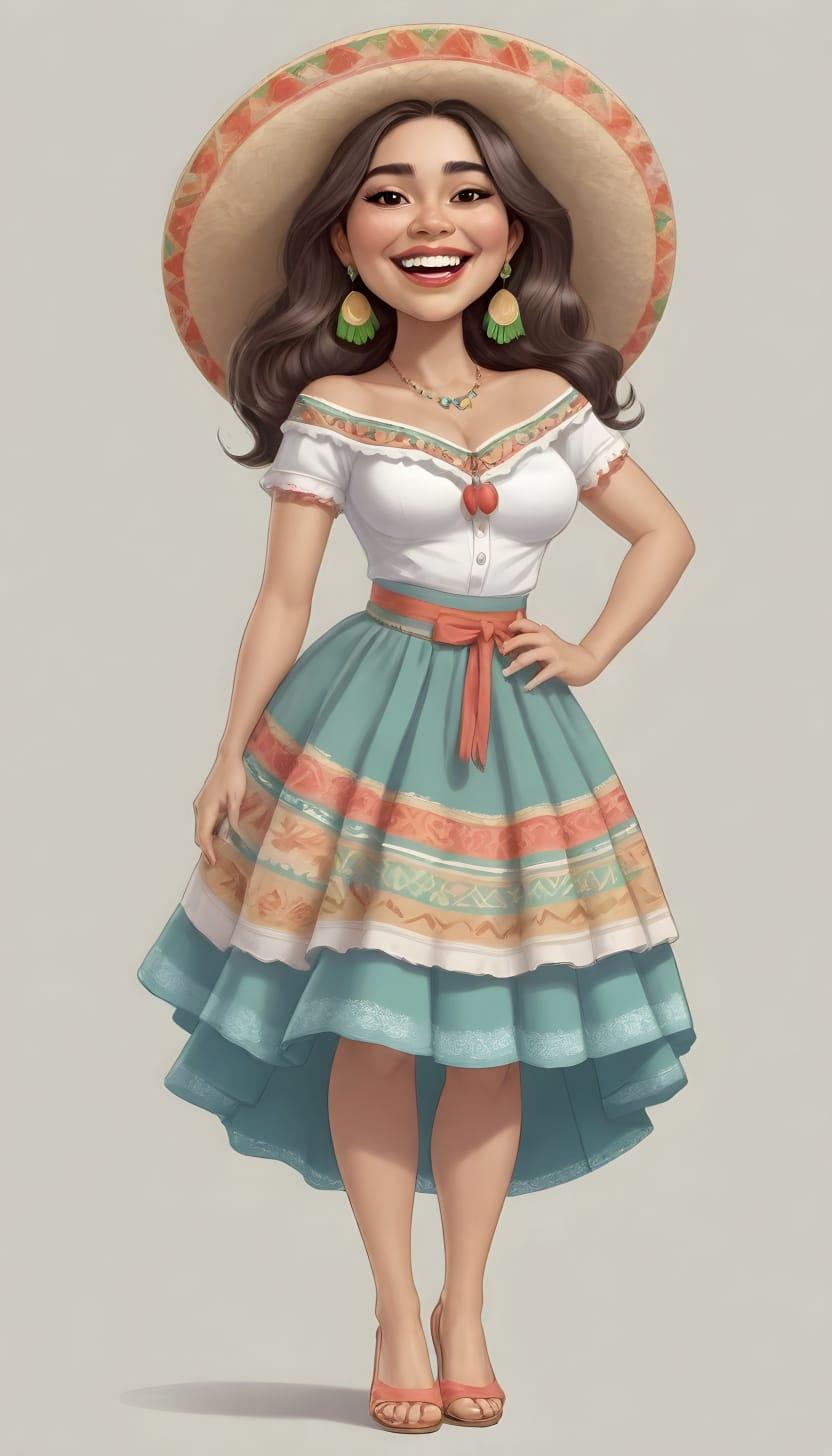
In some regions, the "mañanitas" song is sung early on birthdays to wake the birthday person with joy and good wishes. Mexican customs involve a lot of outdoor socializing, with plazas and parks serving as central gathering spots for families and friends. Crafting with natural materials like clay, wood, and straw remains a proud tradition in many Mexican communities.
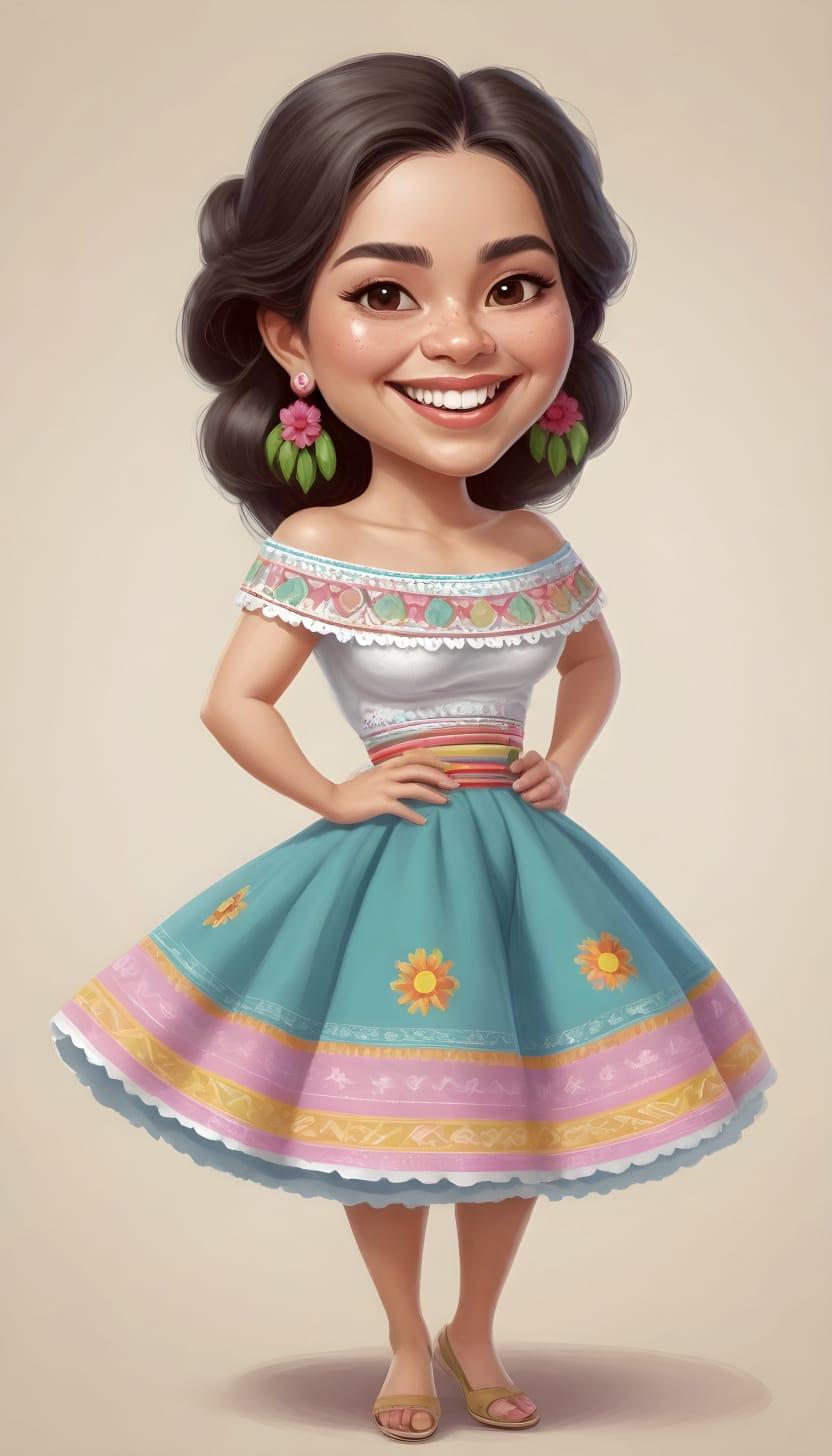
Mexico customs often include storytelling through murals and street art, which express history, politics, and everyday life vibrantly. Special desserts like "tres leches" cake and "flan" are popular at celebrations, reflecting the rich blend of indigenous and Spanish influences. The "Piñata" tradition, linked to Mexico customs, has spread worldwide but remains a party highlight in Mexico, especially for children.
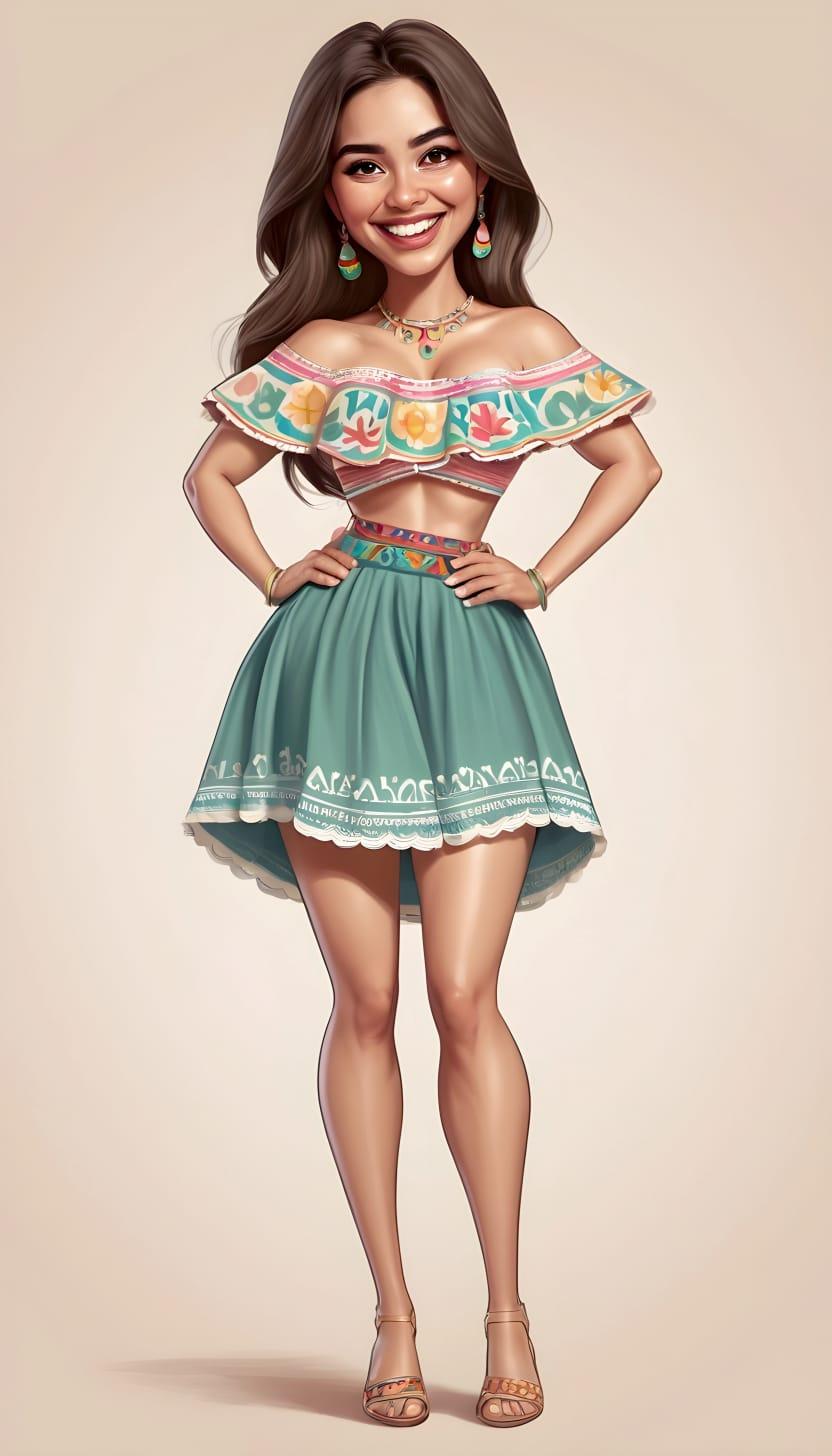
Mexican cuisine often uses chili peppers not just for heat but for flavor depth, reflecting a key aspect of Mexico customs around food. Many Mexican holidays involve fireworks, which add excitement and light to festive gatherings, tracing back to colonial times. In Mexico customs, weaving is a respected craft, with patterns and colors often representing family or village identities.
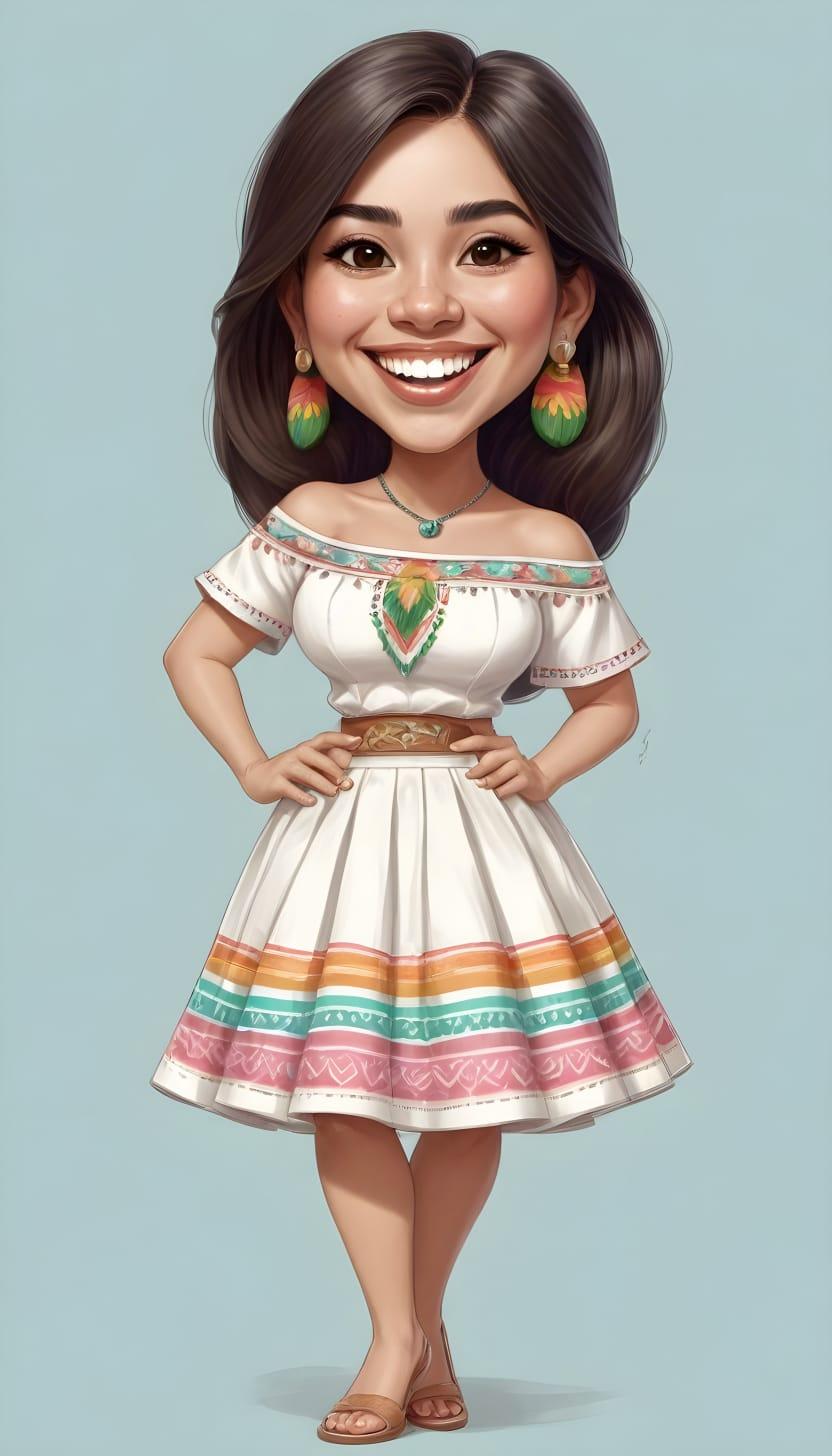
Street processions during religious festivals feature music, dancing, and elaborate costumes, showing the blending of faith and community spirit. Some Mexico customs include handcrafting "alebrijes," colorful fantasy creatures made from paper or wood, symbolizing creativity and imagination. It's common to see "Lotería," a traditional card game similar to bingo, played in social gatherings as a fun pastime.
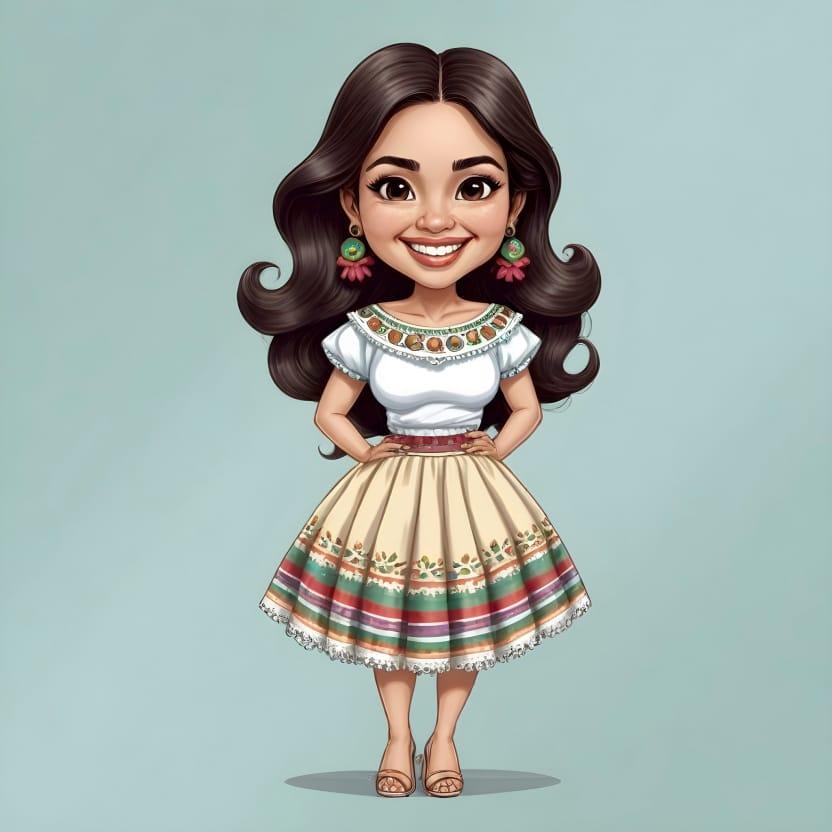
Mexico customs emphasize hospitality, so guests are usually offered the best food and drinks available as a sign of respect. In some regions, elders teach children traditional songs and dances to keep their cultural heritage alive. The art of making "mole," a complex sauce with many ingredients, reflects centuries of blending indigenous and European flavors.
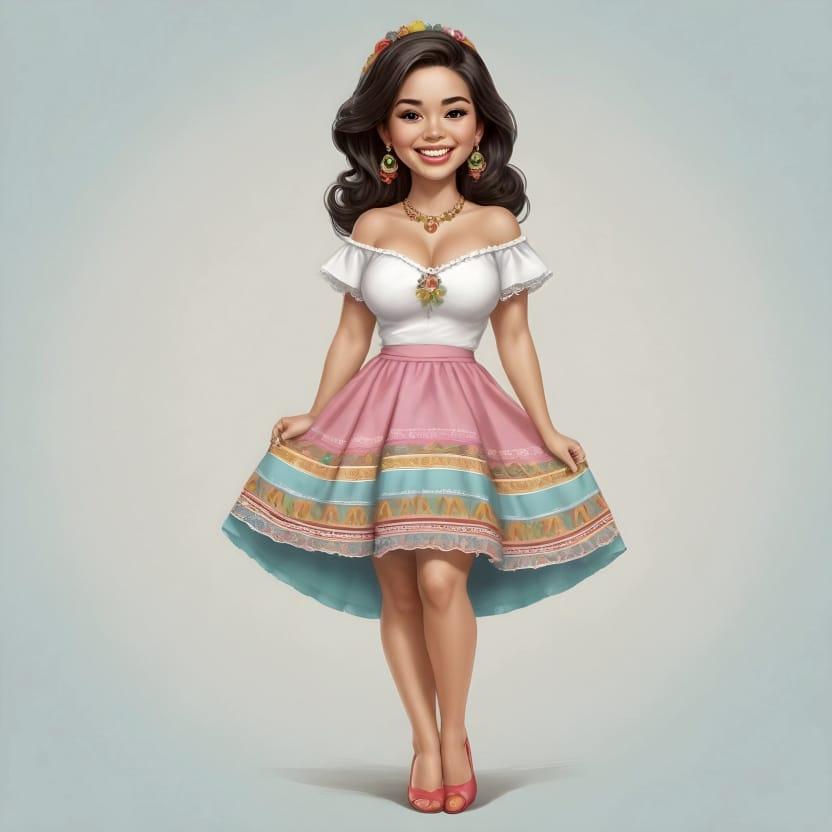
Many Mexico customs revolve around honoring the Virgin of Guadalupe, whose image is a national symbol and deeply loved. Traditional markets called "tianguis" are lively places where fresh produce, crafts, and street food come together in a bustling atmosphere. "Charros," Mexican cowboys, wear distinctive outfits that have become symbols of pride and tradition in rural Mexico customs.
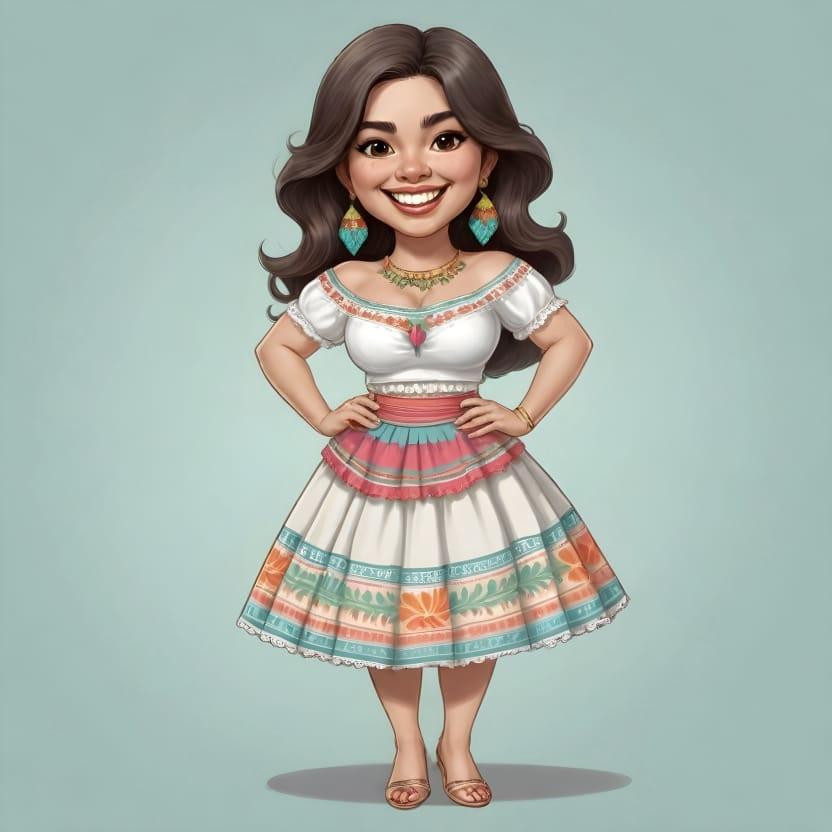
The use of bright papel picado during festivals creates a festive atmosphere and symbolizes the fragility and beauty of life. In Mexico customs, it’s common to see families playing music together at home, passing down songs through generations. Some towns have "tapetes de aserrín," sawdust carpets made in streets for religious celebrations, showing incredible artistry.
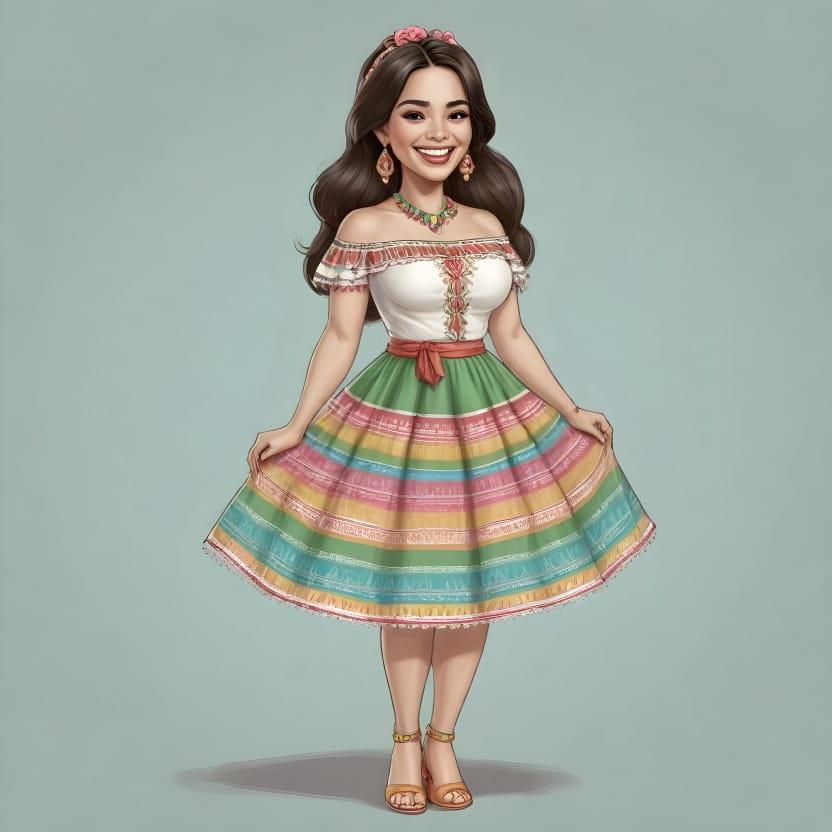
Mexico customs include celebrating "Candelaria" on February 2nd, where tamales and atole (a warm drink) are shared in community feasts. Many Mexican children grow up learning how to prepare traditional dishes, preserving culinary customs through family recipes. Day of the Dead makeup, with colorful skull designs, is both a fun and respectful way to honor ancestors in Mexico customs.
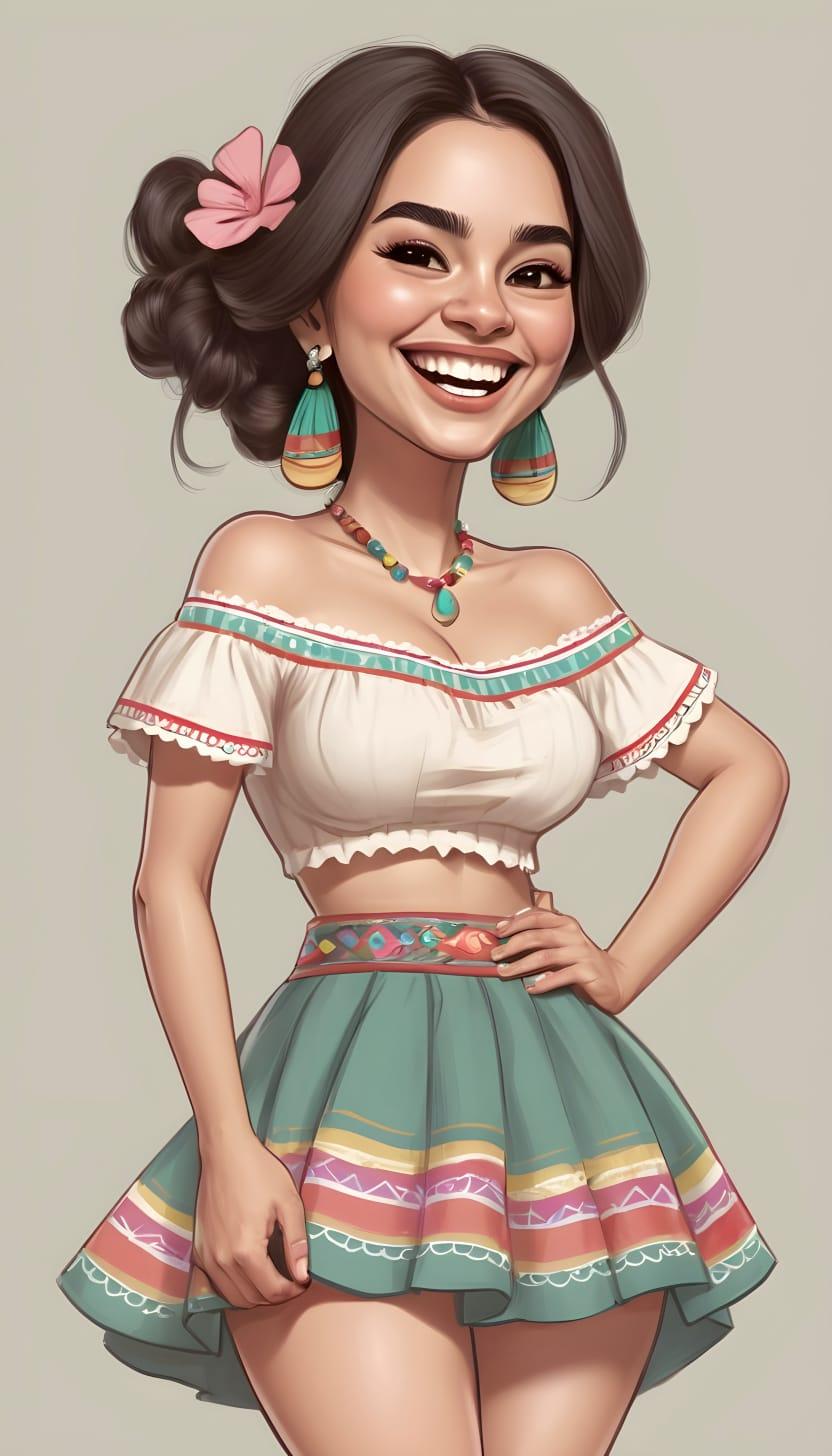
Music and dance play an essential role in Mexico customs, with regional styles like son jarocho and banda bringing communities together. Mexico customs often involve giving small gifts called "aguinaldos" during Christmas, which can be homemade treats or crafts. The tradition of "El Grito" celebrates Mexico's independence with shouting, fireworks, and patriotic pride every September.
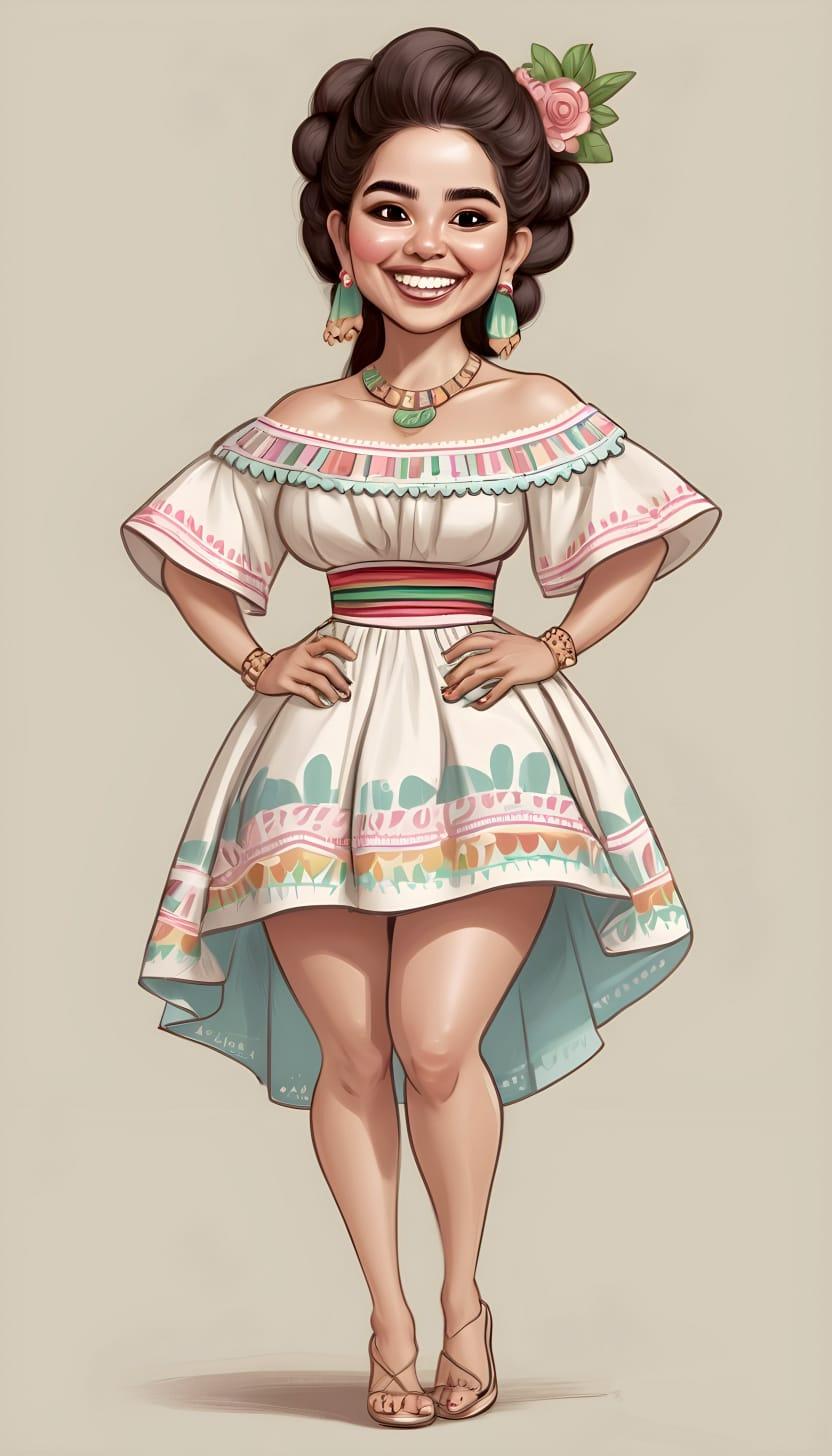
In many areas, handmade pottery is used daily and for decoration, showing the importance of craftsmanship in Mexico customs. Pilgrimages to sacred sites like the Basilica of Guadalupe reflect the strong spiritual side of Mexico customs. During festivals, "danza de los viejitos" (dance of the little old men) is performed humorously, blending indigenous roots with celebration.
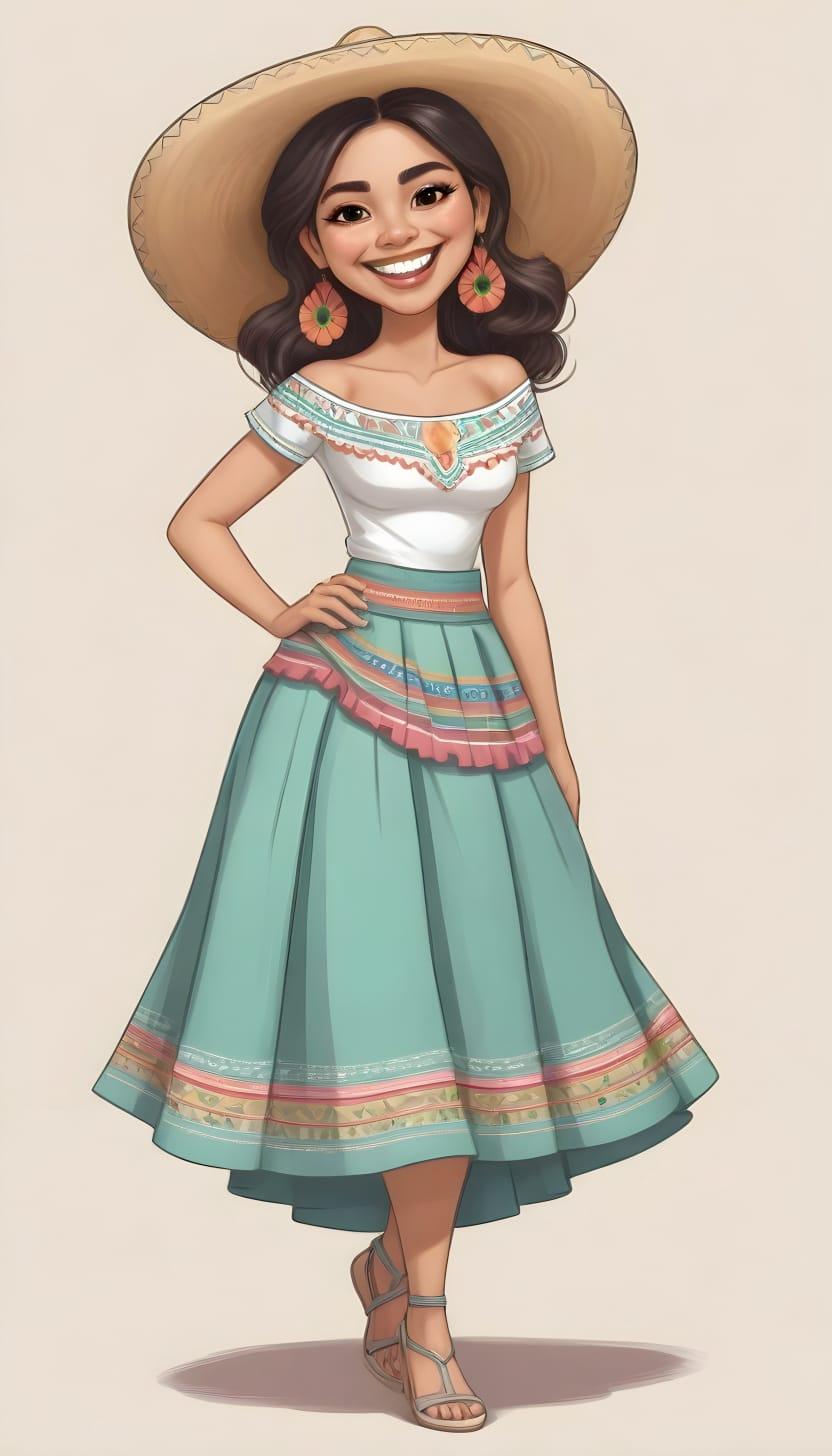
Mexico customs blend indigenous, Spanish, and modern influences into a unique cultural tapestry that continues to evolve. Food, music, family, and faith are at the heart of everyday life, connecting Mexicans to their rich heritage and each other. Celebrations often invite everyone to join, reflecting Mexico’s warm and inclusive spirit.