Spain dress culture
- Fun pictures /
- Culture /
- Spain dress culture
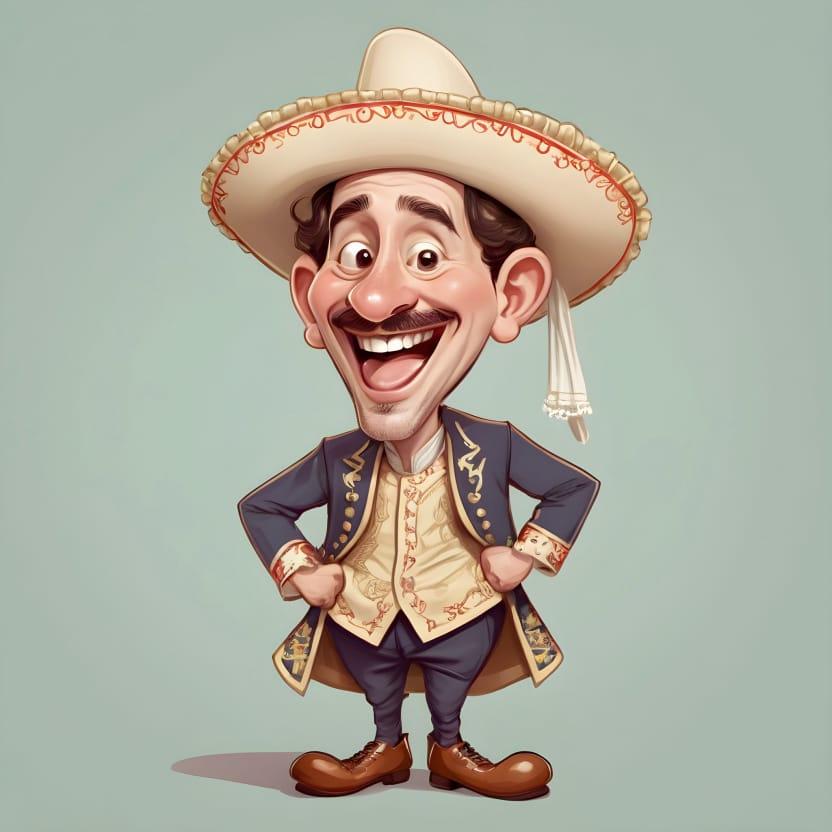
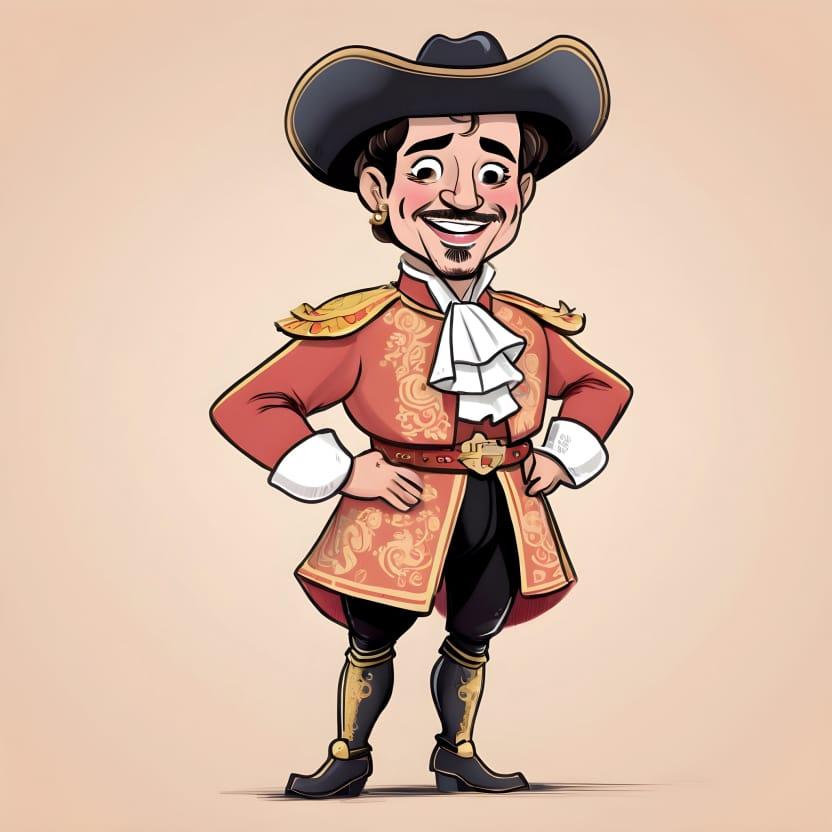
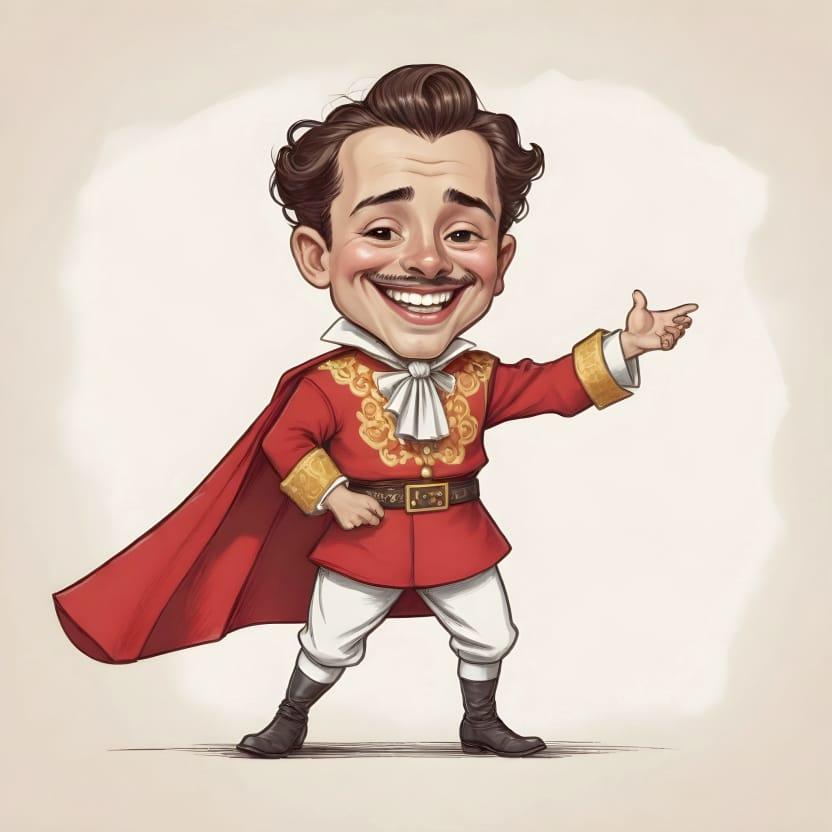
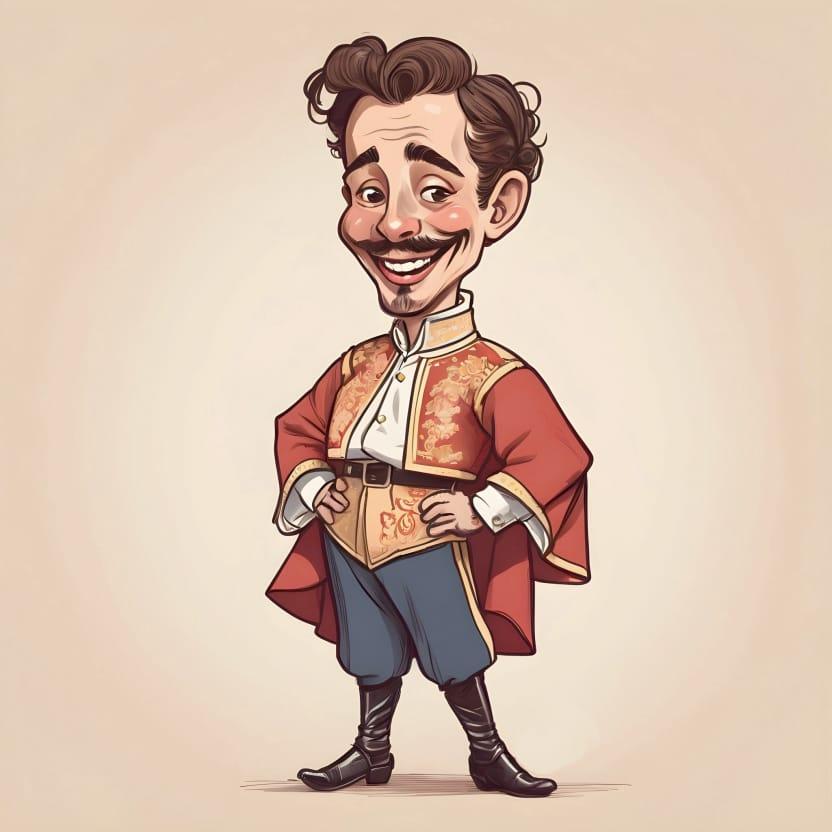
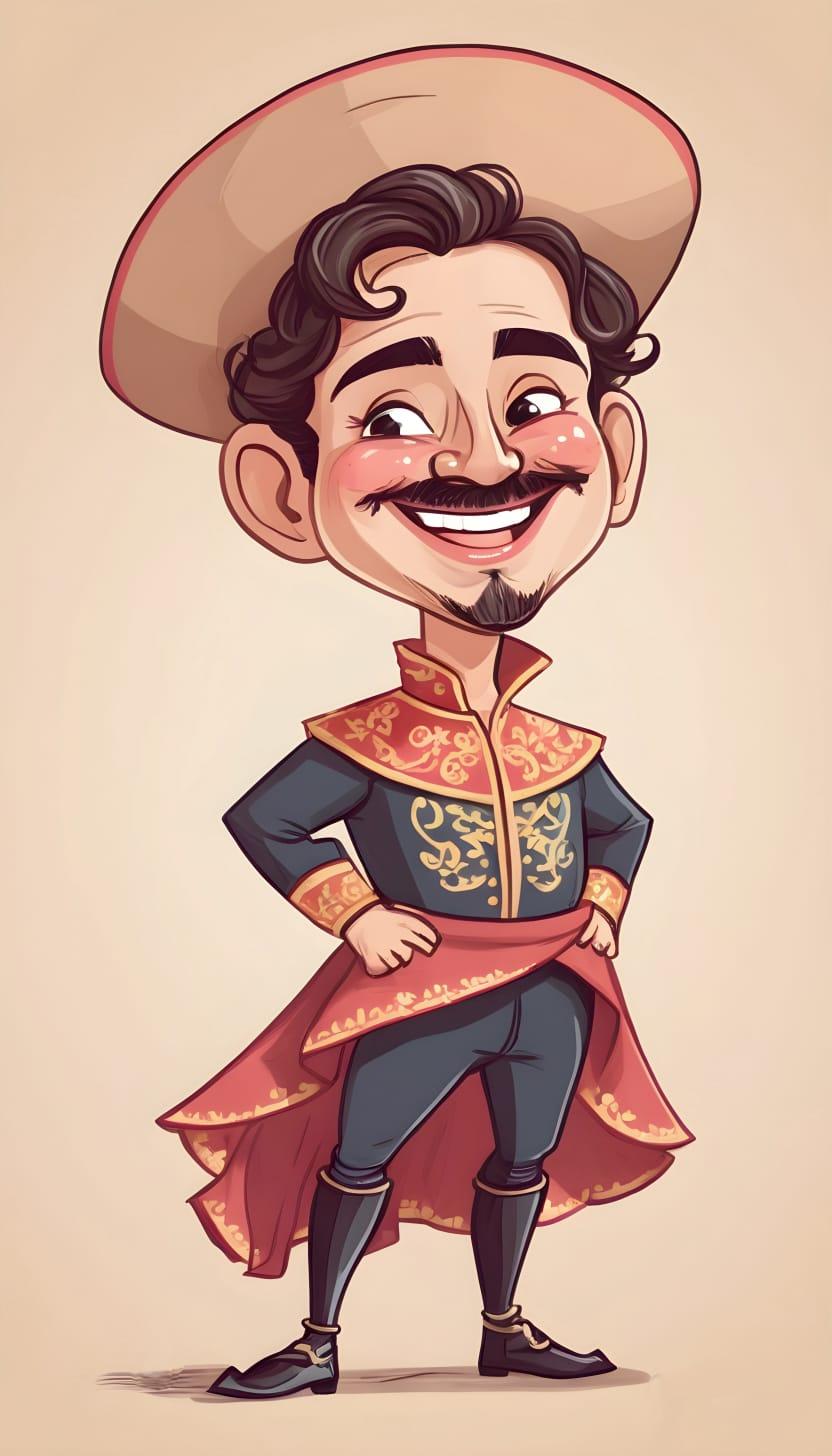
Spain’s traditional dress varies widely by region, but flamenco dresses from Andalusia are among the most famous worldwide. They feature ruffles, bright colors, and polka dots, designed to move beautifully during dance. The mantilla, a delicate lace or silk veil worn over the head and shoulders, is a classic part of Spain’s dress culture, especially during religious festivals. Men in some Spanish regions traditionally wear the “traje corto,” a short jacket and tight trousers, often paired with a wide-brimmed hat called a “cordobés.”

Spain’s dress culture reflects its diverse history, with influences from the Moors, Romans, and Gypsies blending in styles and fabrics. The colors used in traditional Spanish clothing often carry symbolic meanings—red can represent passion or strength, while black is linked to elegance and mourning. The Sevillana dress, a cousin of the flamenco dress, is popular during festivals like Feria de Abril, featuring layers of ruffles and bright, festive patterns.
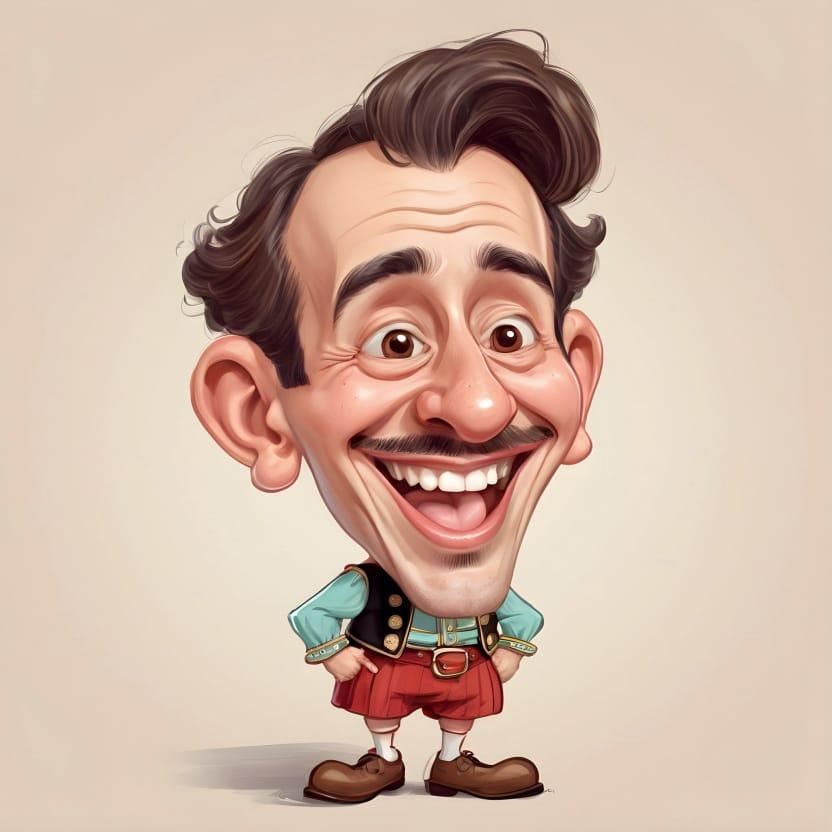
Spain dress culture is alive in local festivals where people proudly wear their regional costumes to celebrate heritage. In Catalonia, traditional dress includes the “barretina,” a red woolen hat once worn by peasants and fishermen. The Basque region’s dress culture includes the “txapela,” a flat beret that symbolizes pride and identity.
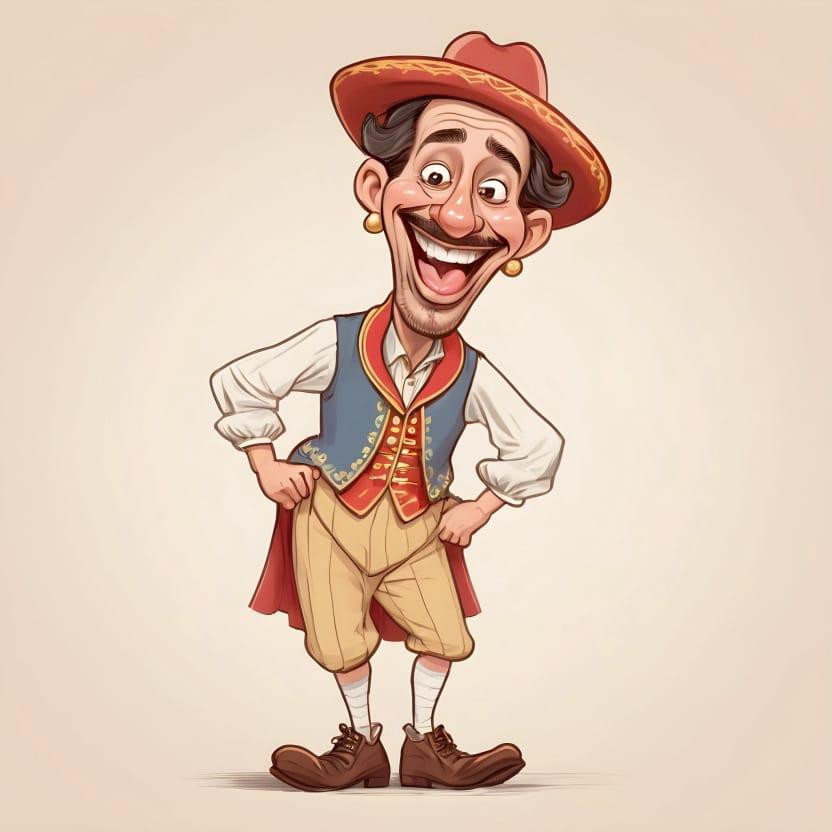
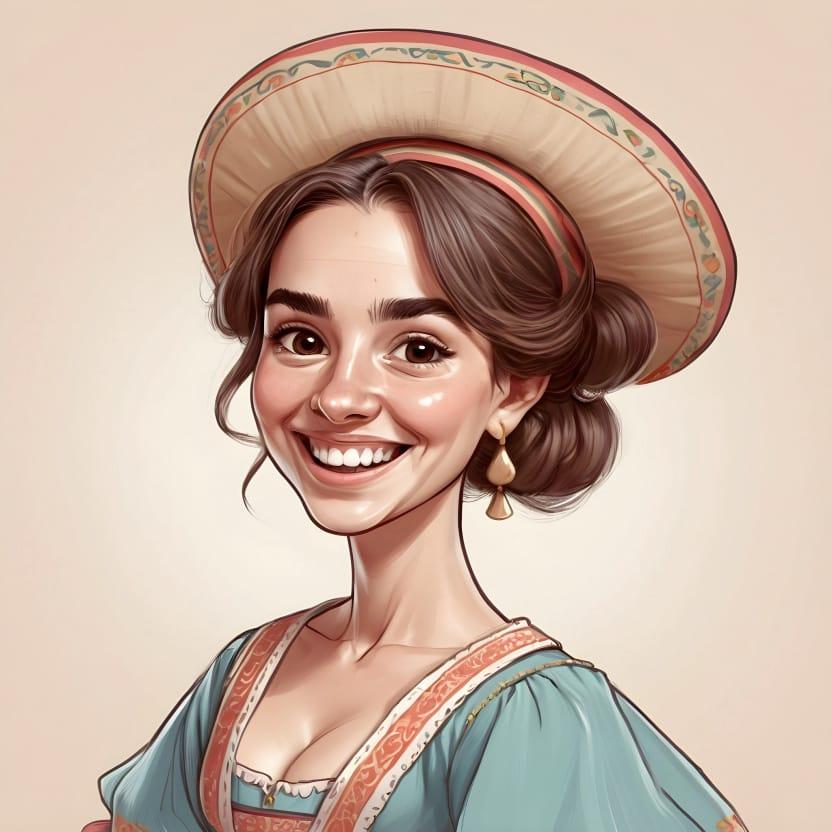
The embroidered shawl, or “mantón de Manila,” is a beloved accessory in Spain dress culture, originating from trade with the Philippines. Traditional Spanish clothing often uses heavy fabrics and embroidery, perfect for the country’s cooler northern climates. Women’s dresses in Spain often feature floral patterns inspired by the country’s rich landscape and gardens.
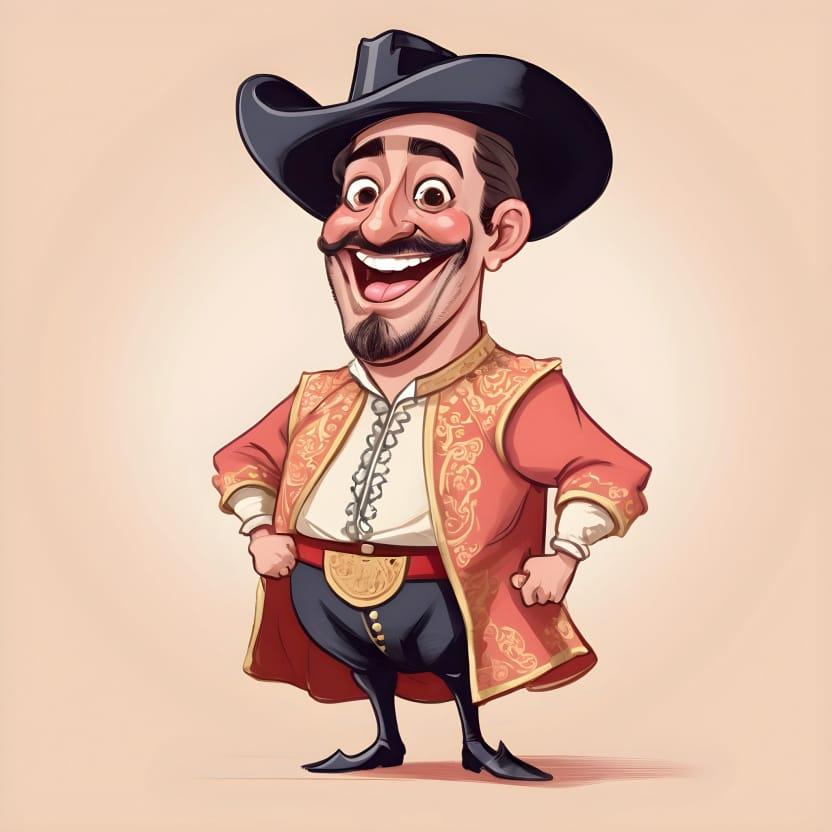
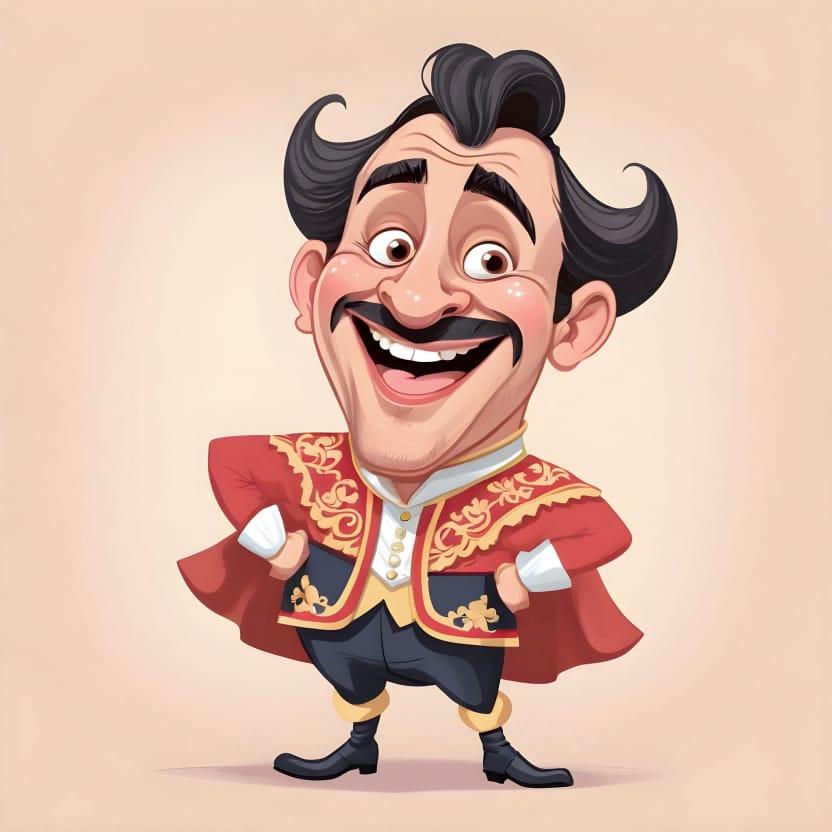
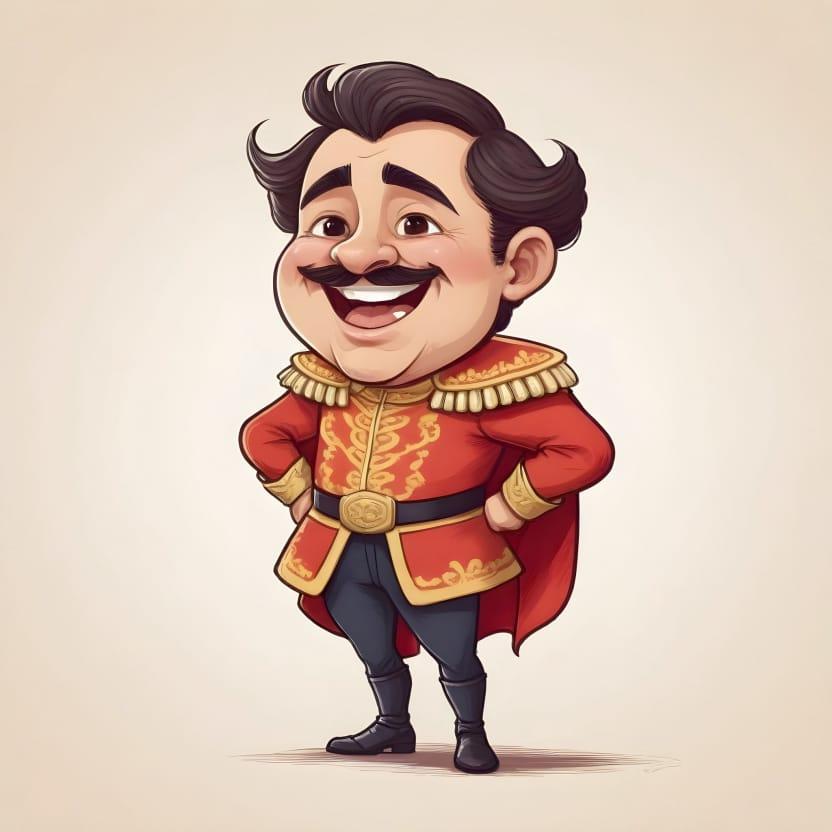
Bullfighters’ costumes, or “traje de luces” (suit of lights), are a dazzling part of Spain’s dress culture, heavily decorated with gold or silver thread. Spain’s dress culture blends practicality and artistry, with many traditional garments designed for both function and flair. Folk dances across Spain showcase different costumes, each telling a story about local customs and history.
Some Spanish regions celebrate the harvest with special dress, using natural materials like straw to decorate hats and clothing. Spain dress culture emphasizes footwear like espadrilles—simple canvas shoes with rope soles—dating back hundreds of years. Scarves and sashes add color and style, often worn by men and women alike during festivals and ceremonies.
During Semana Santa (Holy Week), many wear somber robes and cloaks as part of religious processions, deeply tied to Spain’s dress culture. The Valencian traditional dress is notable for its elaborate silk skirts and ornate jewelry worn by women during the Fallas festival. Spain’s dress culture has influenced global fashion designers, inspiring modern styles with its bold colors and textures.
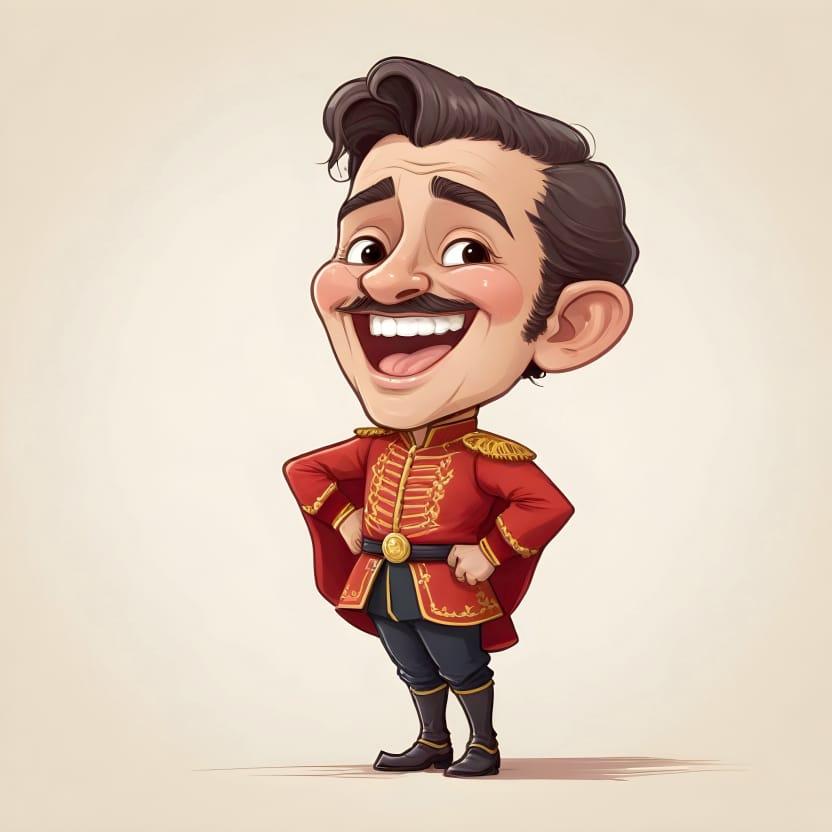
Spain dress culture values craftsmanship, with many costumes handmade by skilled artisans passing techniques down through generations. In rural areas, traditional clothing can signal social status or occupation, such as shepherds wearing specific hats or boots. Bright red and yellow, Spain’s national colors, often appear in festive dress to express patriotism and joy.
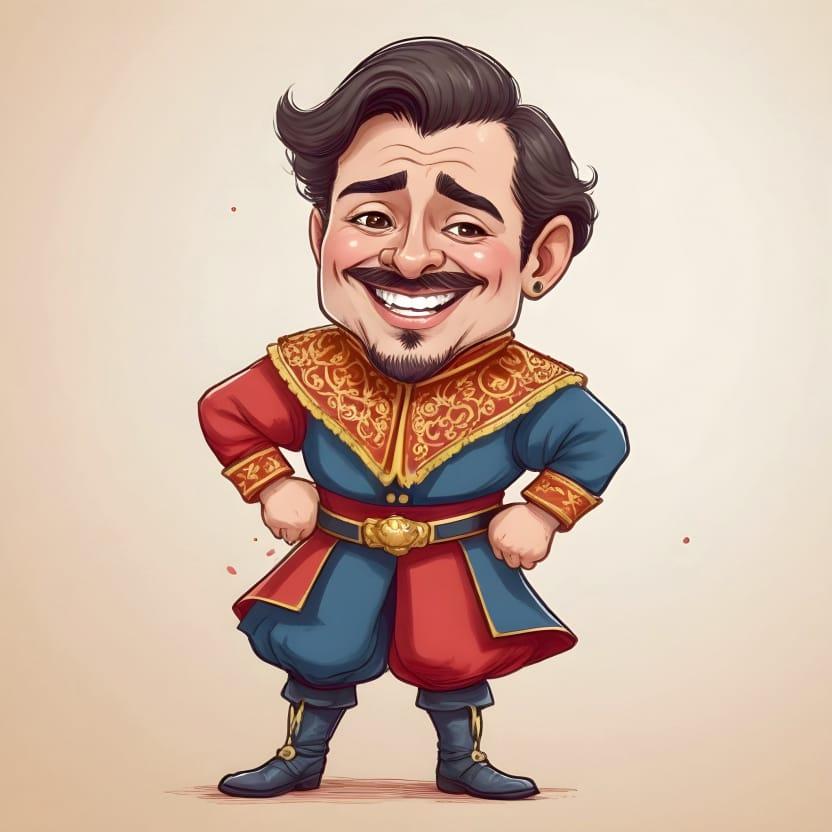
The wide-brimmed hat in southern Spain helps protect against the strong sun while adding a stylish touch to men’s traditional attire. Spain dress culture adapts in urban settings, blending old styles with contemporary fashion in everyday wear. Corsets and fitted bodices are common in women’s traditional Spanish dresses, emphasizing elegant silhouettes.
The fusion of Moorish patterns with Spanish embroidery creates unique textures seen in many traditional garments. Spain dress culture often includes symbolic jewelry, like crosses or hearts, worn during religious or cultural celebrations. During festivals, people sometimes decorate their clothes with ribbons and flowers, enhancing the festive spirit.
The flamenco dress’s famous ruffles aren’t just decorative—they help dancers express emotion and rhythm through movement. Spain dress culture is a way to connect with family roots; many young people learn about their heritage through traditional costumes. Silk and velvet are prized materials in Spanish dress culture, chosen for their luxury and historical significance.
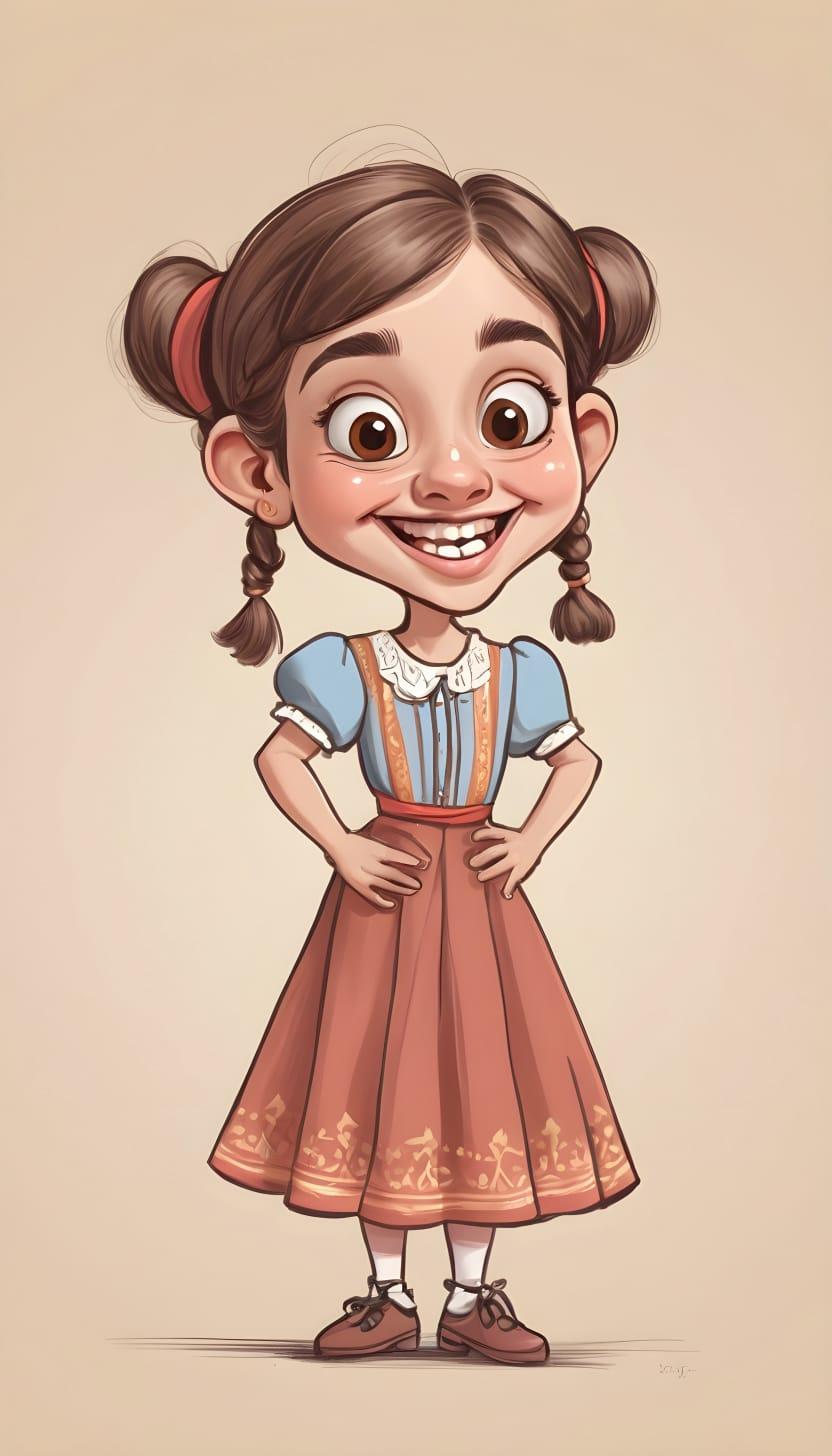
The Galician traditional dress includes a colorful skirt, white blouse, and a black shawl, reflecting the region’s Celtic roots. Spain dress culture shows its versatility with lightweight linen clothing in warmer southern regions. In some villages, wedding dresses follow old customs, incorporating specific colors and embroidery for good luck.
The “alpargata,” a type of espadrille, has become popular worldwide but remains a symbol of Spain’s rustic dress culture. Spain’s historic festivals like La Tomatina sometimes inspire themed clothing, blending tradition with playful creativity. Women’s hair accessories, like combs called “peinetas,” are traditional elements in Spain dress culture, adding height and style.
Spain dress culture is preserved in museums that showcase historic garments, keeping the tradition alive for new generations. Some traditional Spanish dresses are designed to withstand hours of dancing, with durable fabrics and reinforced stitching. The blend of bright colors and dark tones in Spanish attire reflects the country’s diverse geography and climate.
In northern Spain, wool and fur accents appear in traditional dress, providing warmth during cold winters. Spain dress culture often features geometric patterns, inspired by ancient art and architecture. The influence of gypsy culture is strong in Spain, contributing vibrant colors and bold patterns to traditional clothing.

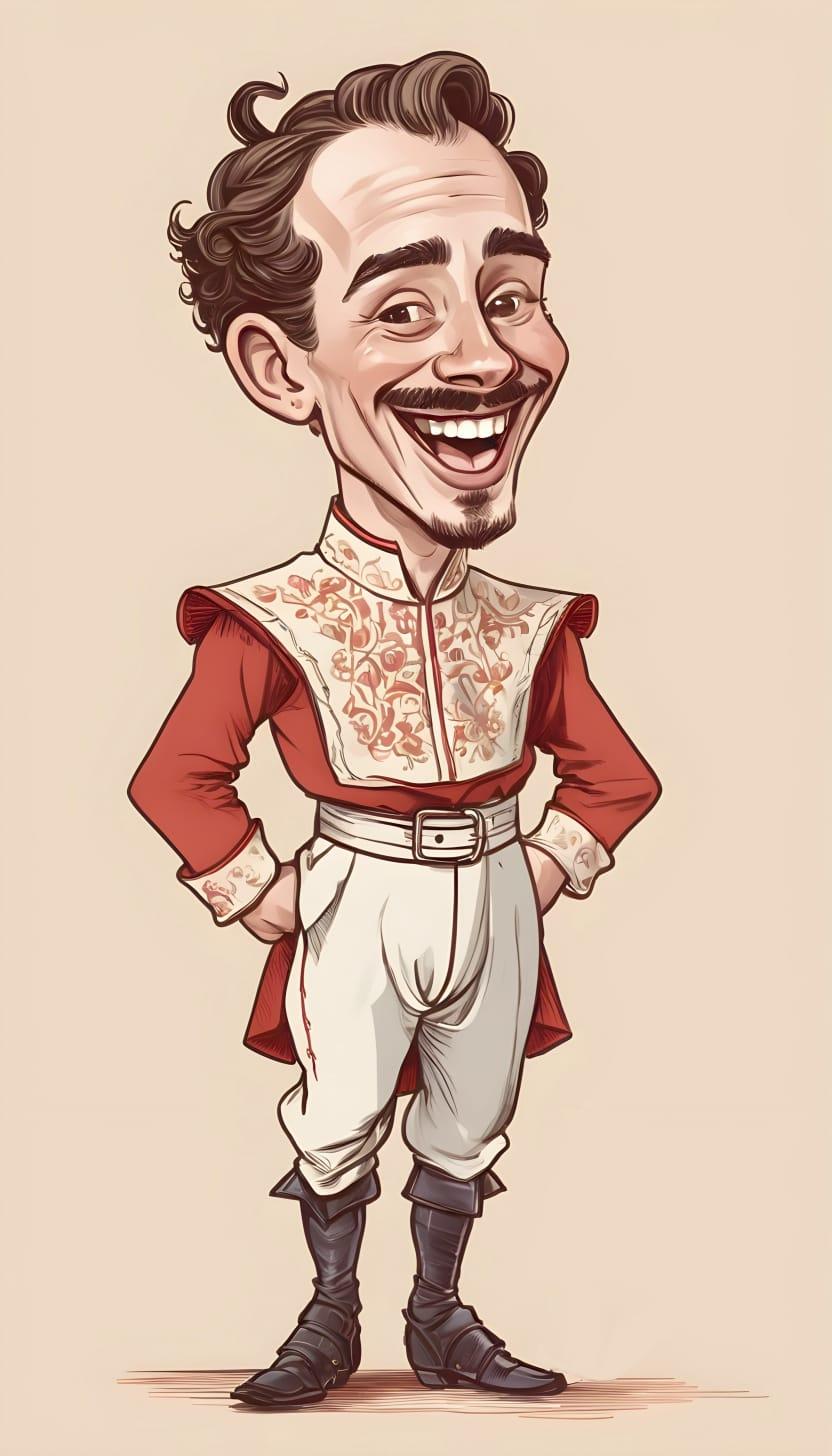
Spain dress culture celebrates not only clothing but also accessories like handcrafted fans used in dances and ceremonies. Men’s waistcoats and sashes often feature intricate embroidery, showcasing fine needlework skills. The traditional wedding attire in some parts of Spain includes a black lace veil called a “mantilla,” symbolizing respect and formality.
Spain’s dress culture has inspired movies and literature, portraying characters in iconic outfits that highlight Spanish identity. The festival of San Fermín in Pamplona features simple but symbolic clothing: white outfits with red scarves and belts. Spain dress culture’s vibrant textiles reflect centuries of trade and cultural exchange across the Mediterranean.
Handmade lacework in Spain is a treasured craft, often used in dresses, shawls, and veils worn during important events. Spain dress culture continues to evolve, with designers mixing traditional elements into modern fashion trends. In some regions, men’s traditional boots are made from leather sourced locally, emphasizing regional pride.
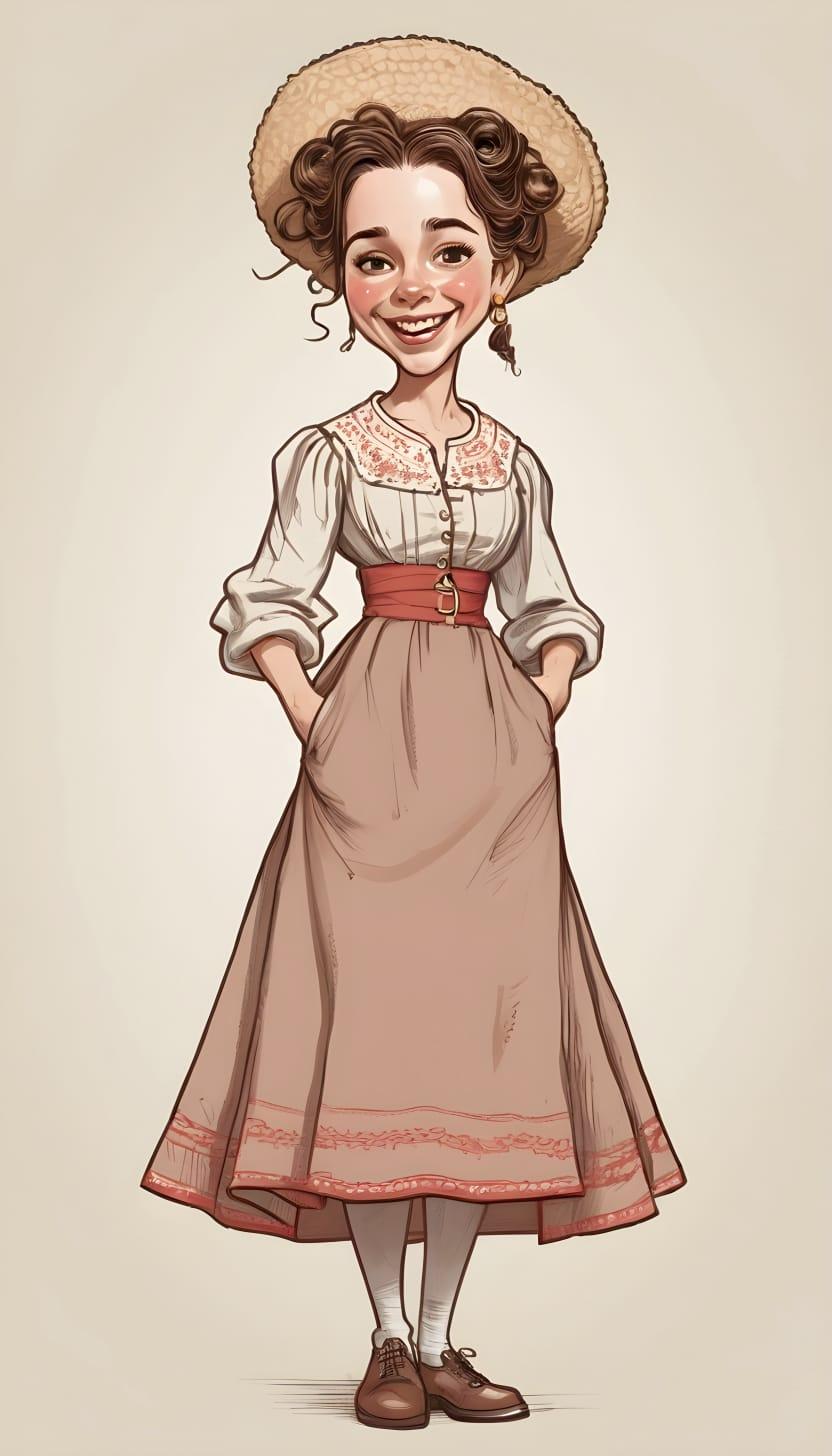
Spain dress culture plays a key role in tourism, with many visitors eager to see and sometimes wear traditional costumes during festivals. The influence of Catholicism is visible in dress culture, with religious symbols embroidered into fabric or worn as jewelry. Children often participate in cultural celebrations wearing miniature versions of traditional Spanish costumes.
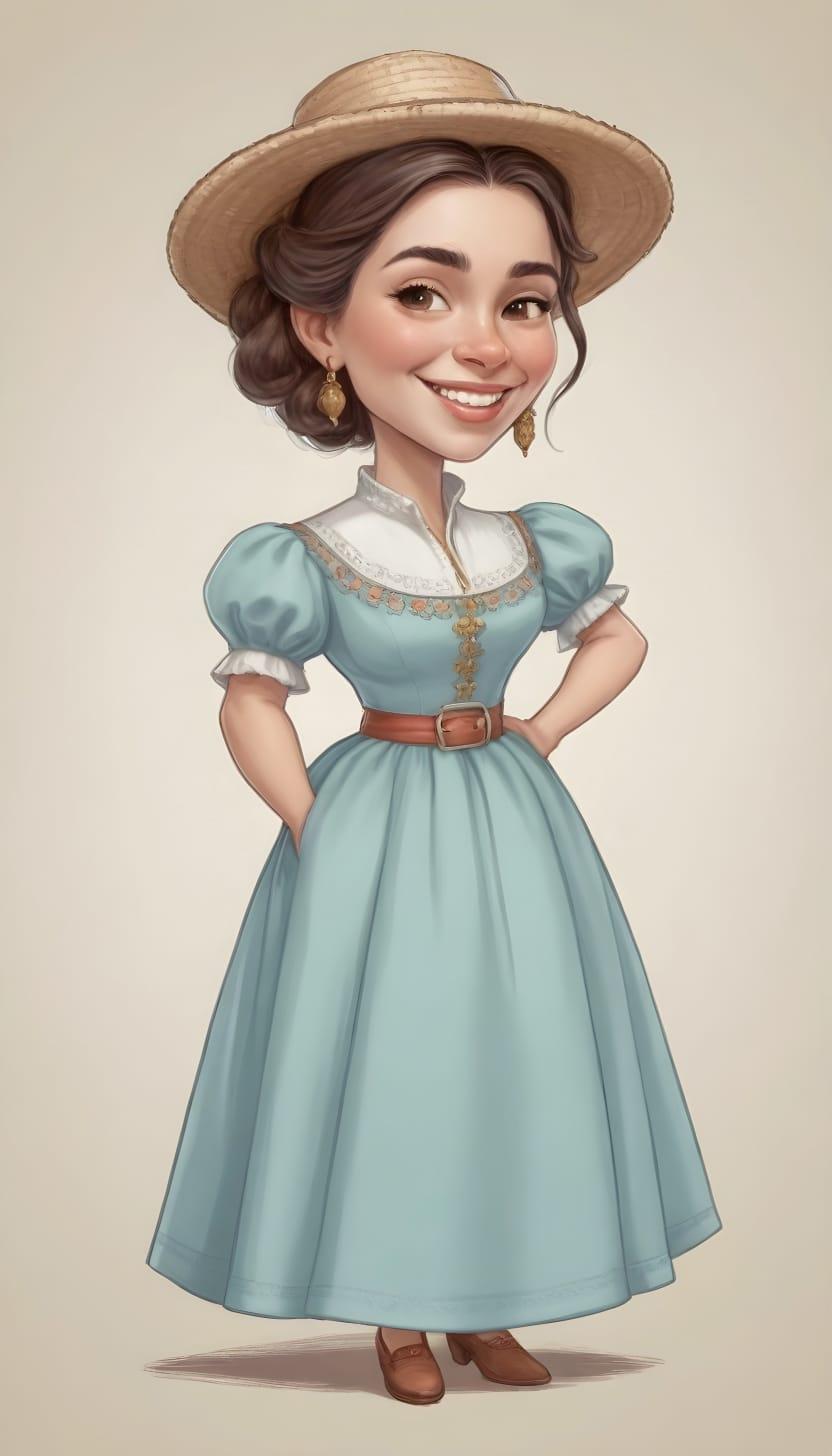
The colorful and lively spirit of Spain dress culture shines brightest during festivals, where clothing becomes a form of joyful expression. Spain’s dress culture bridges past and present, preserving history through textiles and styles while inspiring new fashion ideas. Traditional Spanish garments often tell stories of the people and places they come from, making each piece a living part of culture.