Mexico dress culture
- Fun pictures /
- Culture /
- Mexico dress culture
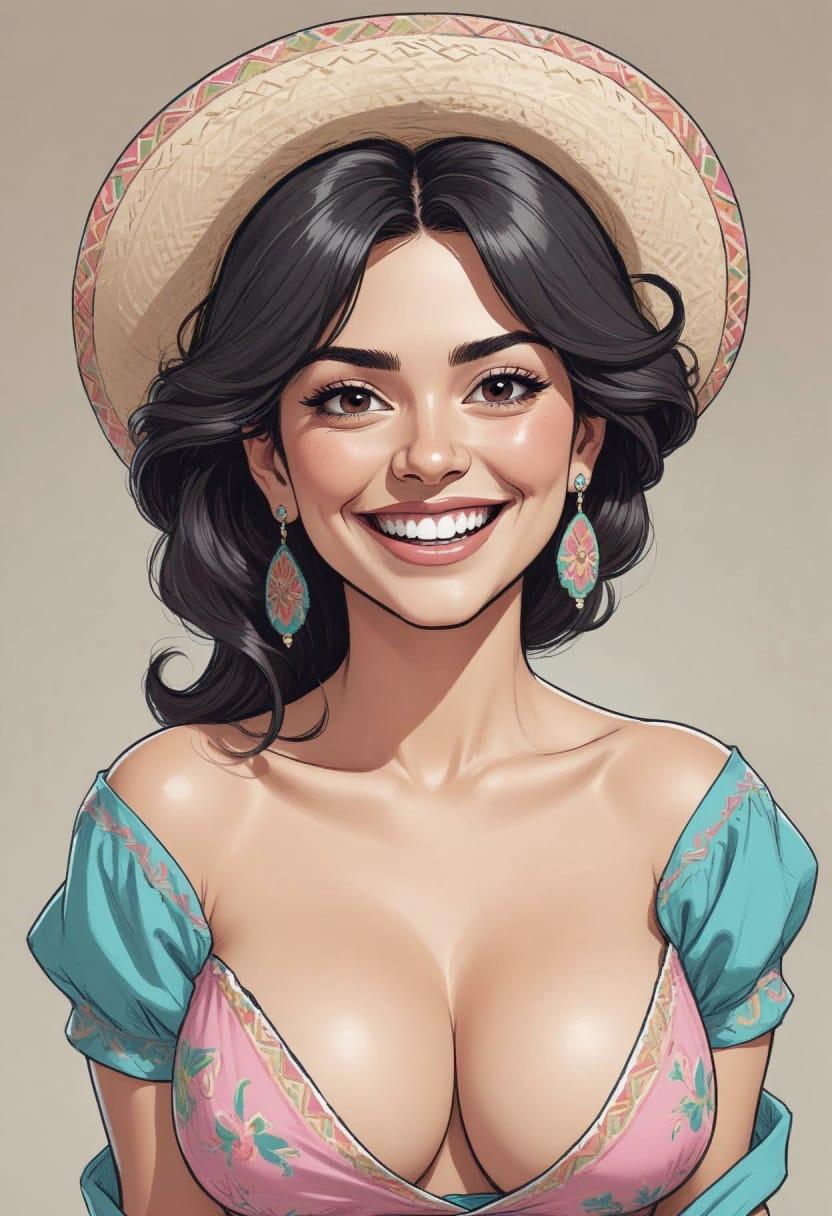
Traditional Mexican dresses often showcase vibrant colors and intricate embroidery, reflecting the country's rich heritage. The iconic Puebla dress, or "Mexican peasant dress," features floral patterns and colorful ribbons, symbolizing rural Mexican life. Charro suits, worn by Mexican horsemen, combine elegance and tradition with detailed silver embroidery.
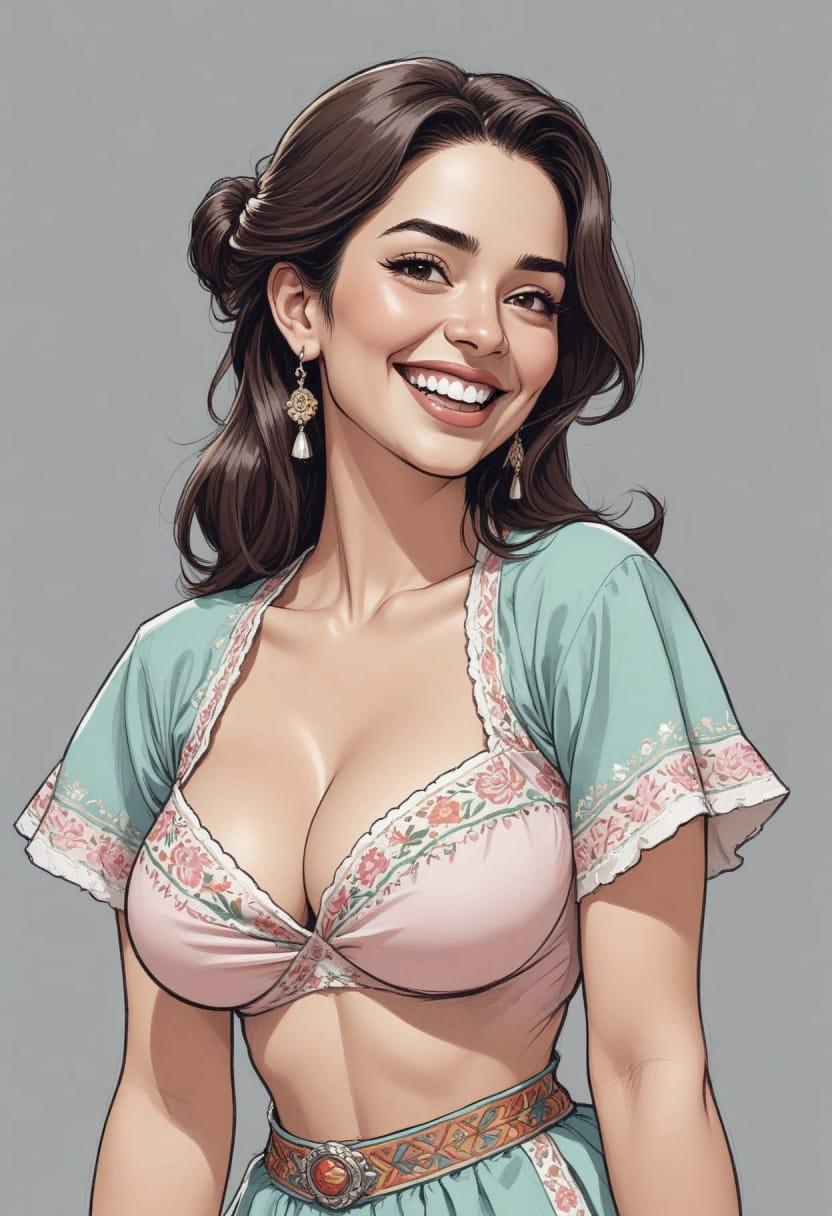
Many Mexican dresses tell stories through their patterns, connecting wearers to indigenous roots and local legends. The rebozo, a versatile shawl, is both a fashion statement and a practical accessory used by women across Mexico. During festivals, women wear "China Poblana" dresses, which blend Spanish and indigenous influences into a striking style.
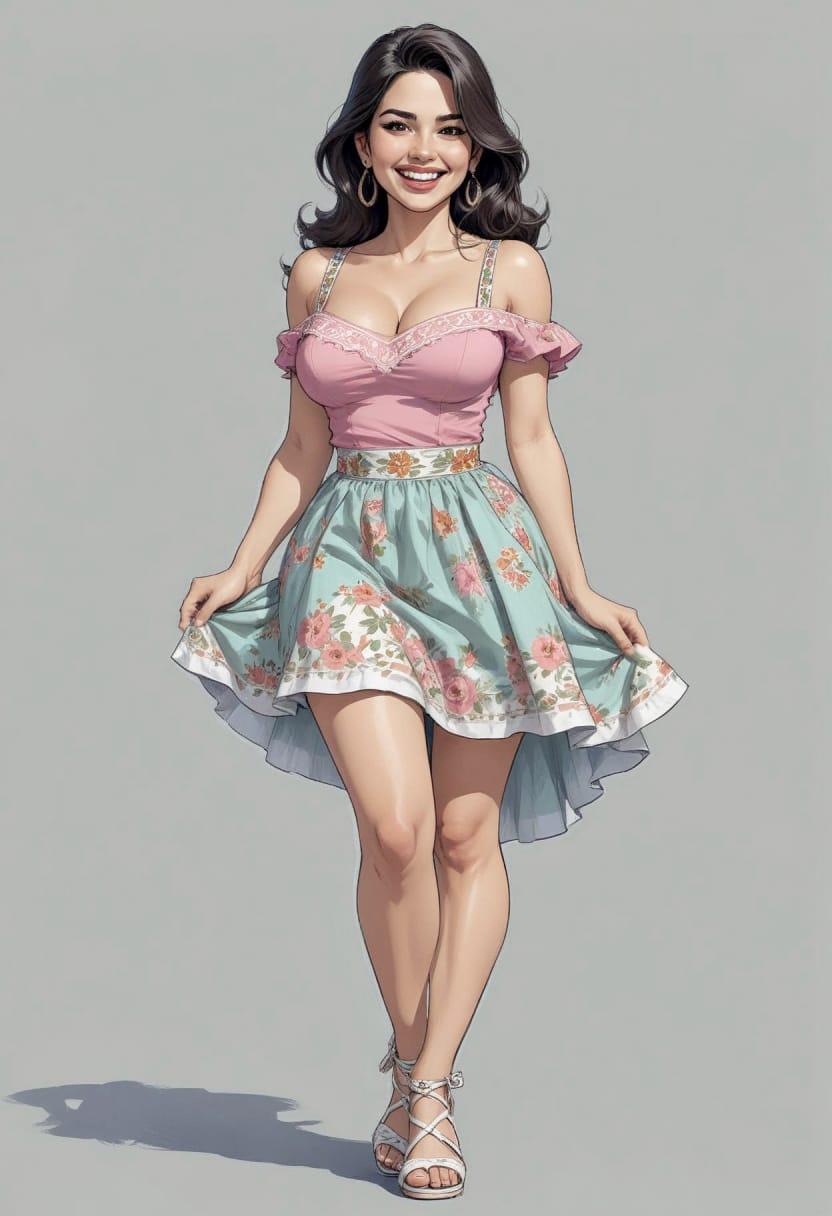
Mexico dress culture thrives in regional differences, with each state having its own unique style and colors. Zapotec weavers from Oaxaca create handwoven garments using natural dyes, preserving ancient textile traditions. Traditional dresses often incorporate symbols of nature, such as flowers and animals, representing harmony with the environment.
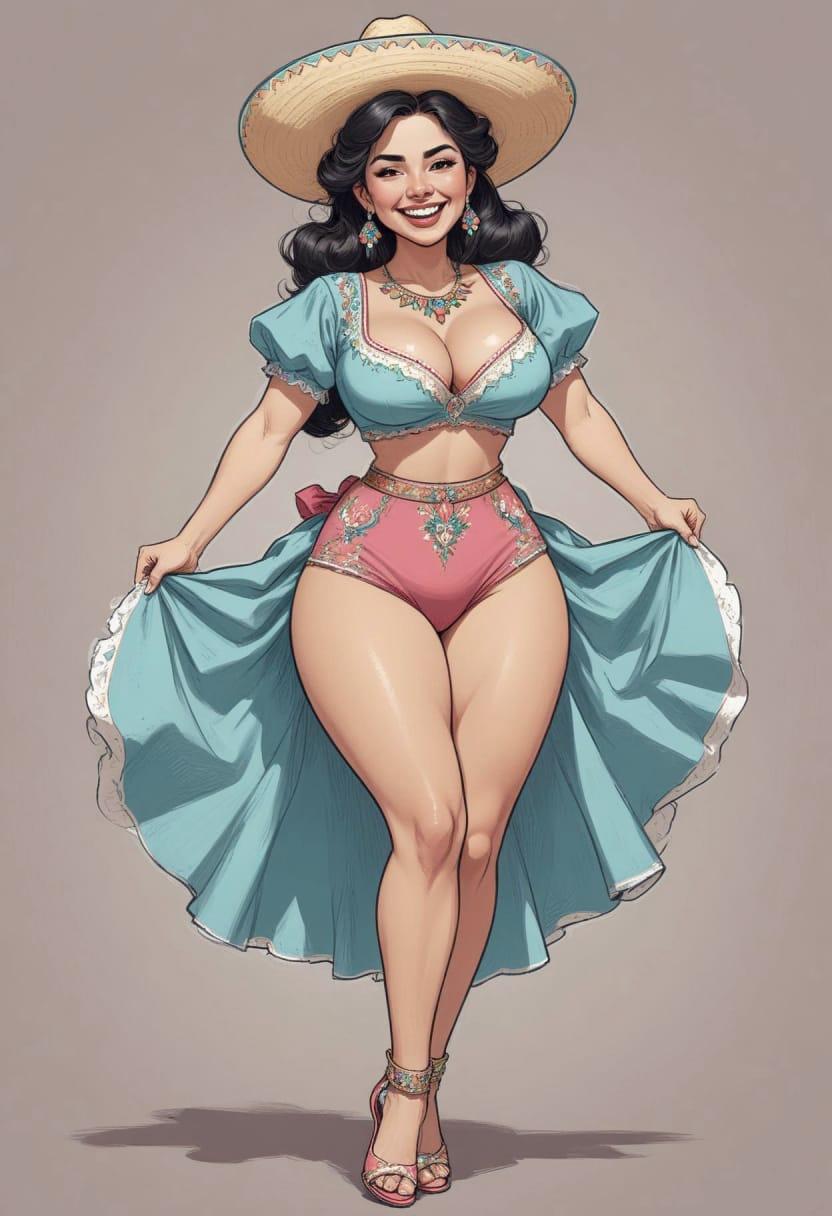
The huipil, a loose-fitting tunic, is one of the oldest garments worn by indigenous women in Mexico, dating back centuries. Bright ribbons and beads often decorate Mexican dresses, adding layers of texture and meaning to the outfit. Mexico dress culture mixes practicality with beauty, designed to be worn comfortably in the country's diverse climates.
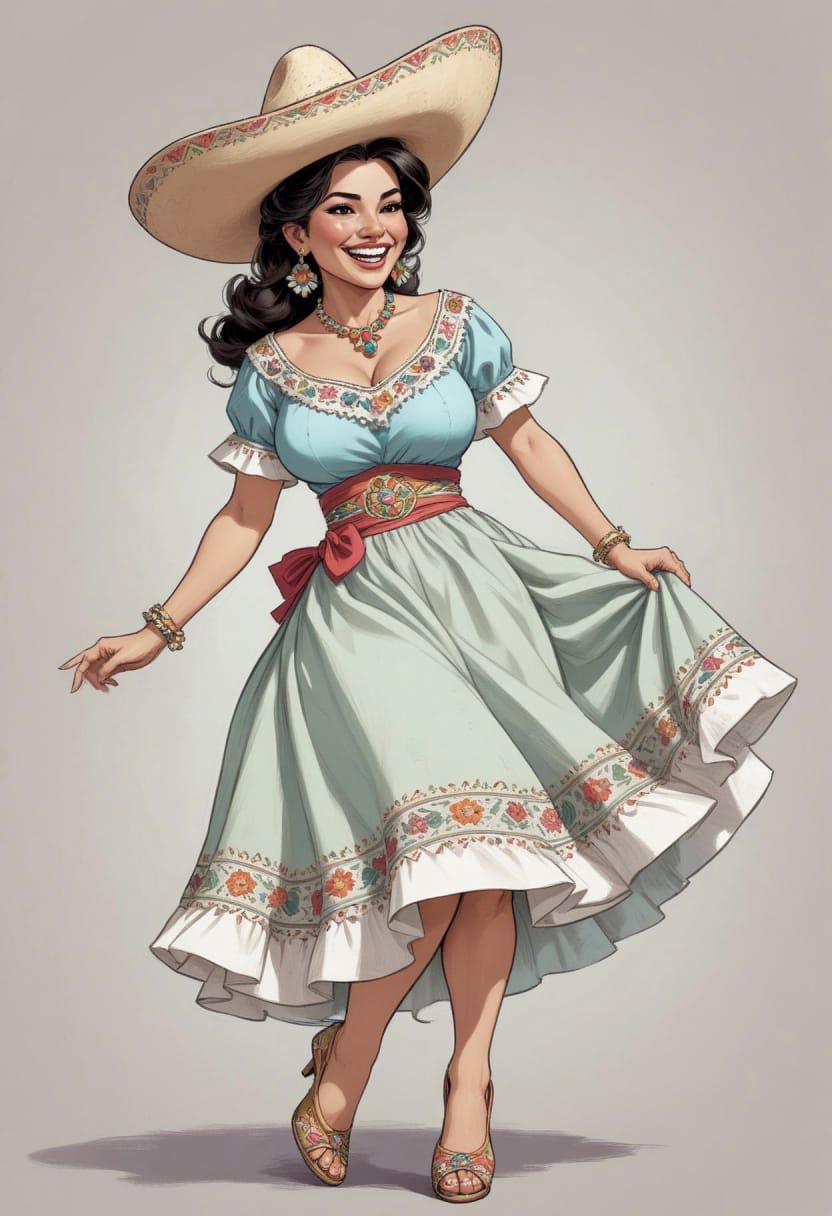
Frida Kahlo helped popularize Mexican dress culture worldwide by embracing indigenous clothing as a symbol of pride. Hand embroidery in Mexican dresses can take weeks to complete, showcasing incredible craftsmanship. Many dresses are made from cotton or wool, natural fibers that suit both warm and cool regions.
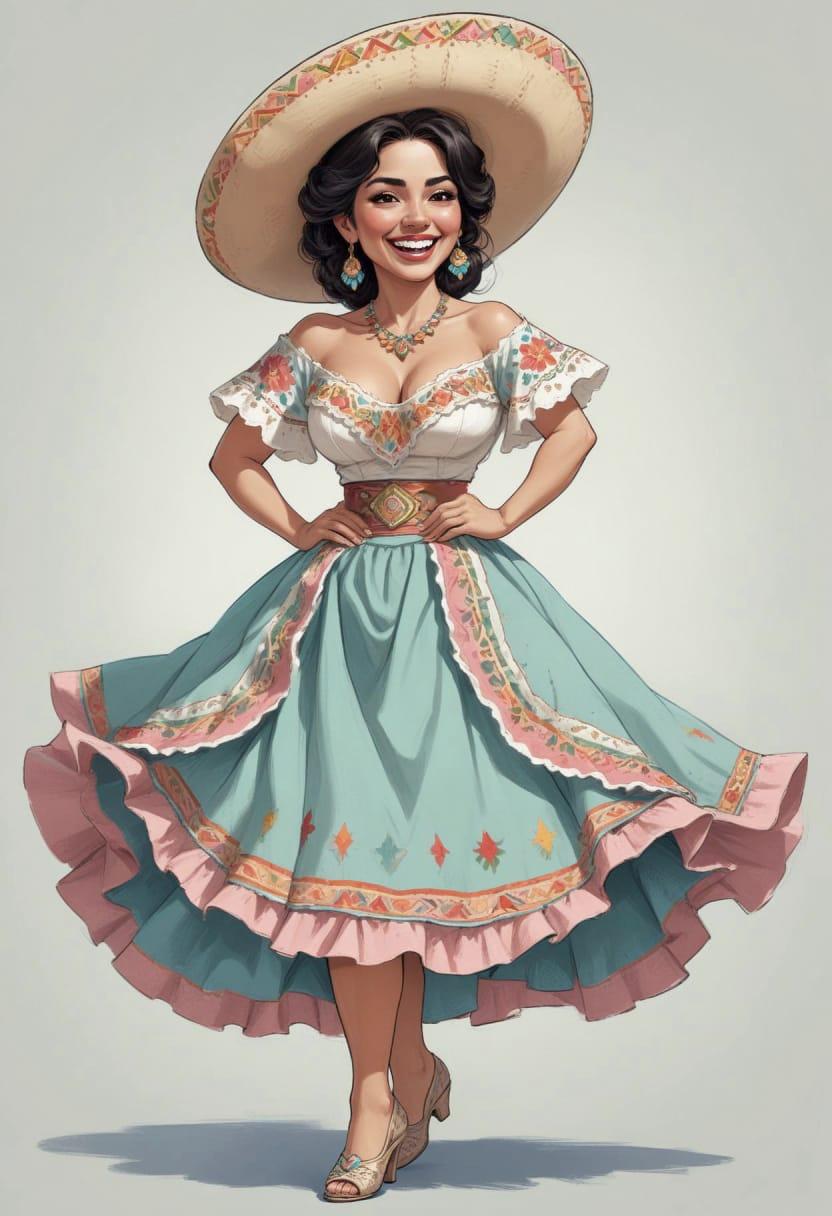
In Veracruz, women wear the "Jarocha" dress, featuring white lace and colorful skirts for traditional dances. Mexico dress culture is often linked to celebrations like Day of the Dead, where special garments honor ancestors. Some Mexican dresses include metallic threads woven in, reflecting sunlight and adding sparkle.
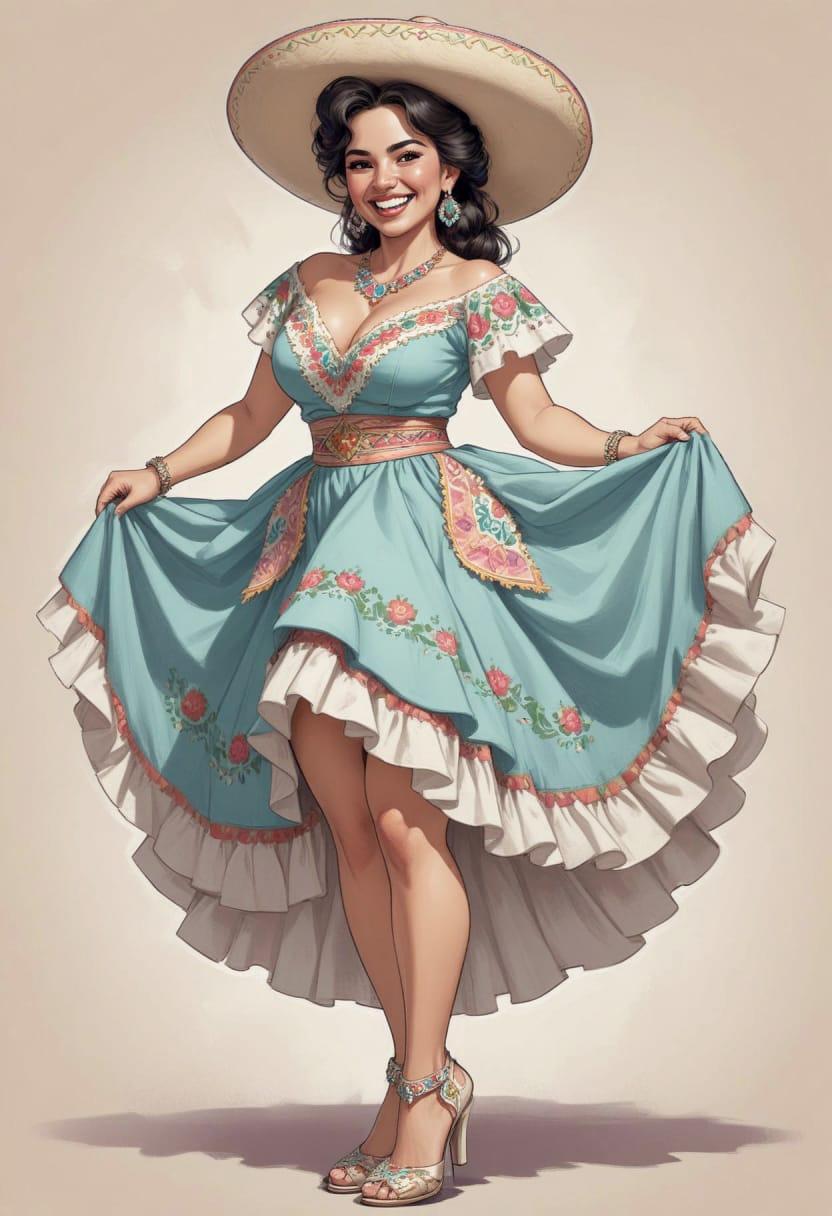
The traditional "Tlahuica" dress has bright geometric patterns unique to the indigenous community in Morelos. Mexico dress culture is a living art, evolving while staying rooted in centuries-old customs. Many dresses are paired with elaborate silver jewelry, which highlights regional metalworking skills.
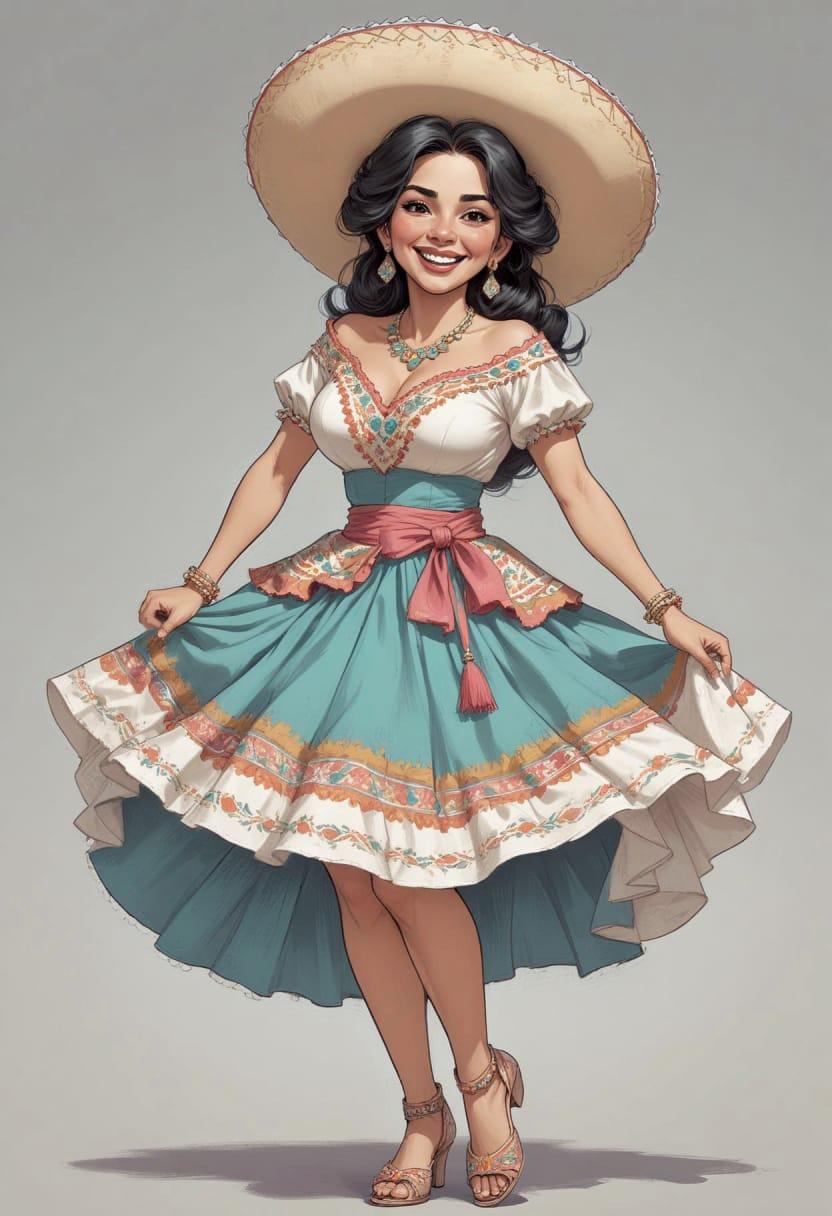
The "Huasteca" region is known for its colorful embroidered dresses that often feature floral and bird motifs. Women’s traditional dresses can signify social status, marital status, or community membership in certain areas. Mexico dress culture thrives in markets where handmade clothing supports local artisans and families.
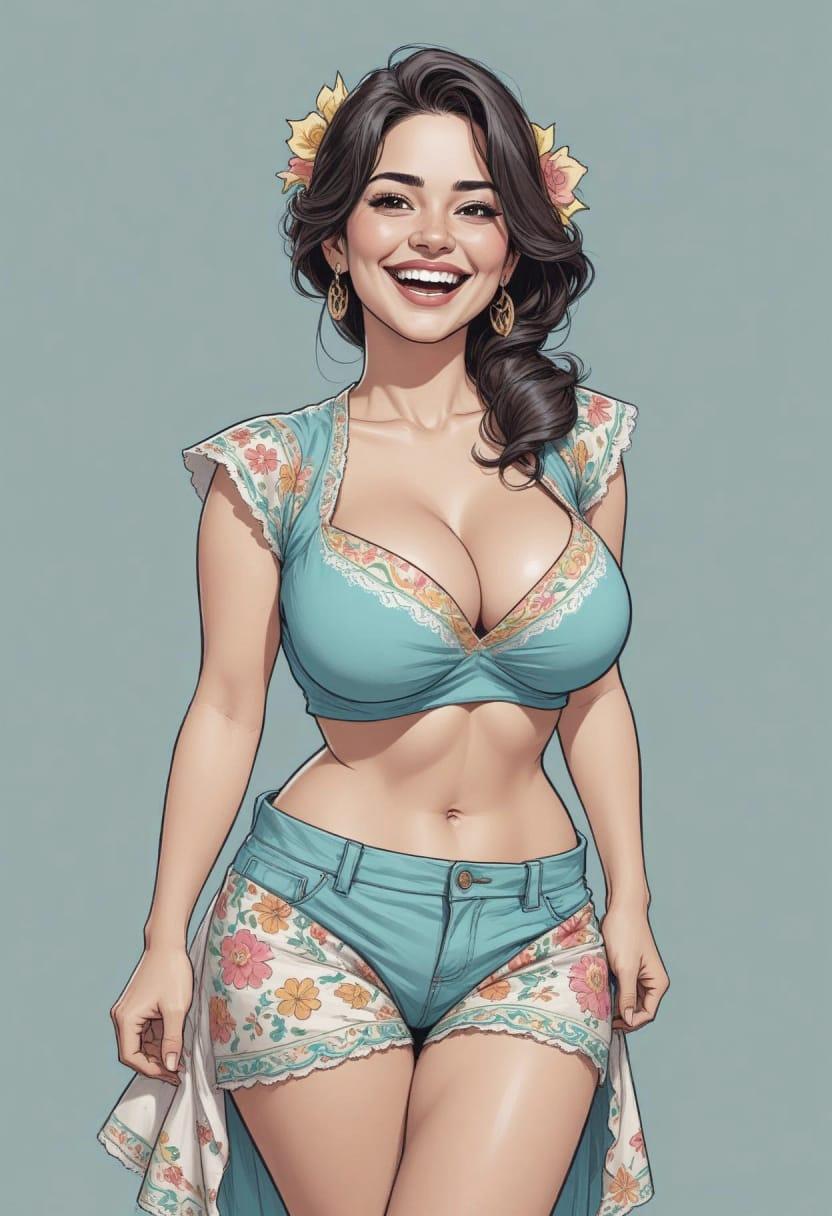
Ribbons tied in braids or woven into hair complement the colors and themes of Mexican dresses. Mexico dress culture reflects a fusion of indigenous, Spanish, and African influences, making it richly diverse. The "Maya" communities produce handwoven dresses with intricate patterns representing cosmology and nature.
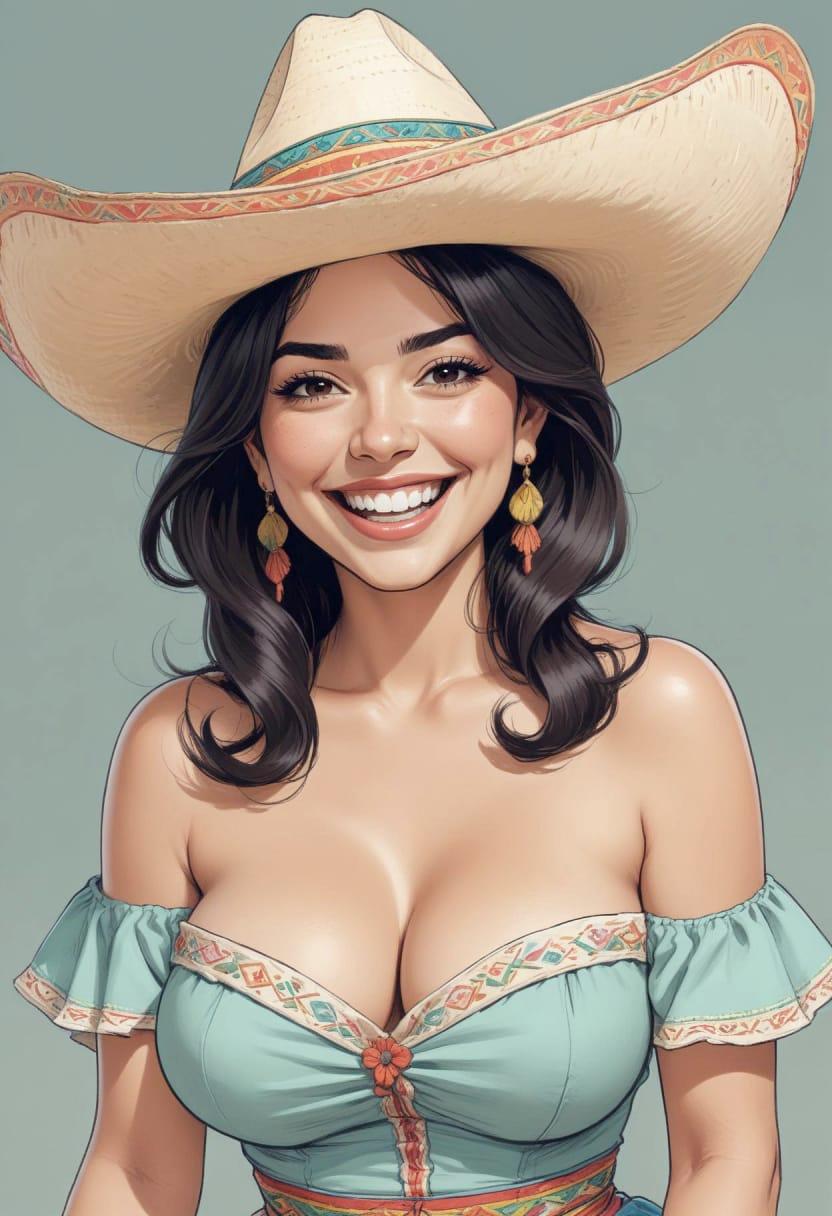
Some Mexican dresses include lace detailing introduced during the colonial era, blending old and new styles. The "Otomi" embroidery style uses bright colors and animal shapes, often seen on festive dresses. Mexico dress culture is celebrated during parades and folkloric dances, where costumes tell cultural stories.
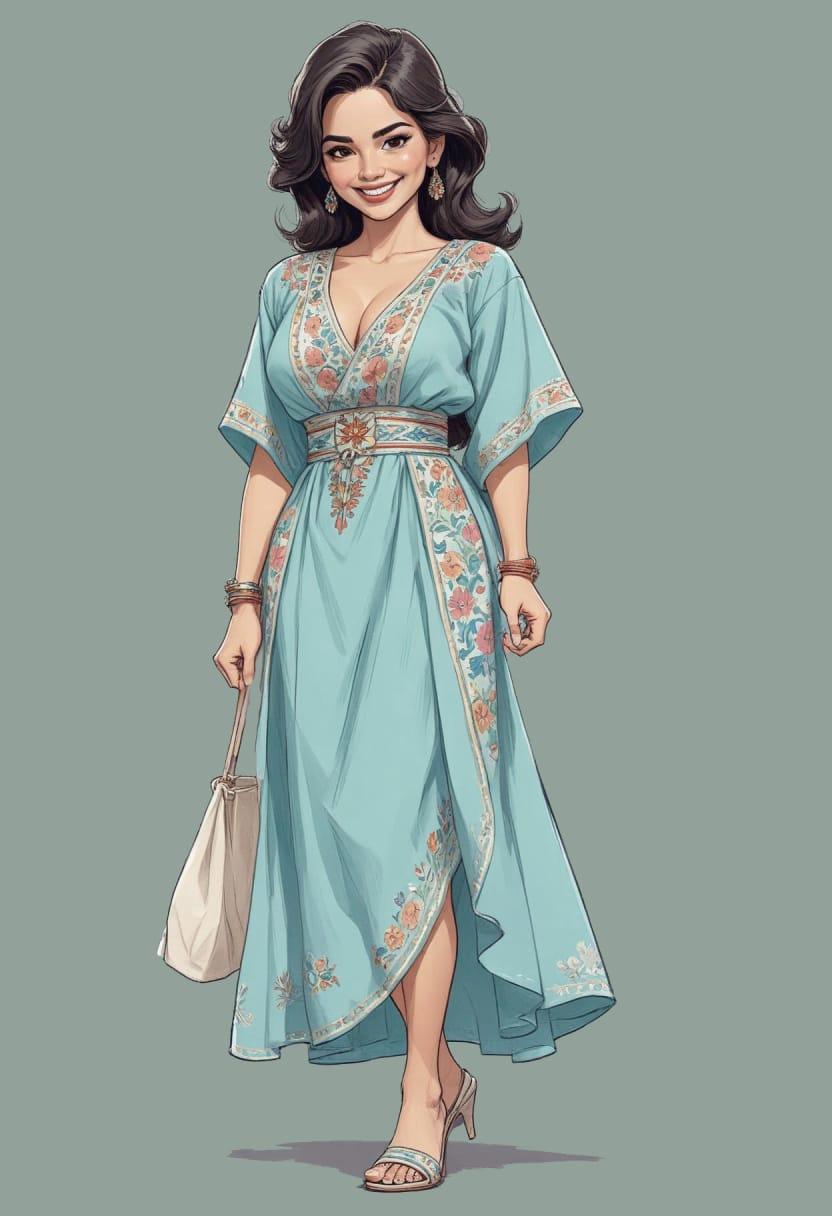
The use of feathers in some traditional costumes adds texture and honors pre-Hispanic customs. Many Mexican dresses are designed to allow freedom of movement for dancers and everyday life. Mexico dress culture encourages young generations to learn embroidery and weaving, preserving the craft.
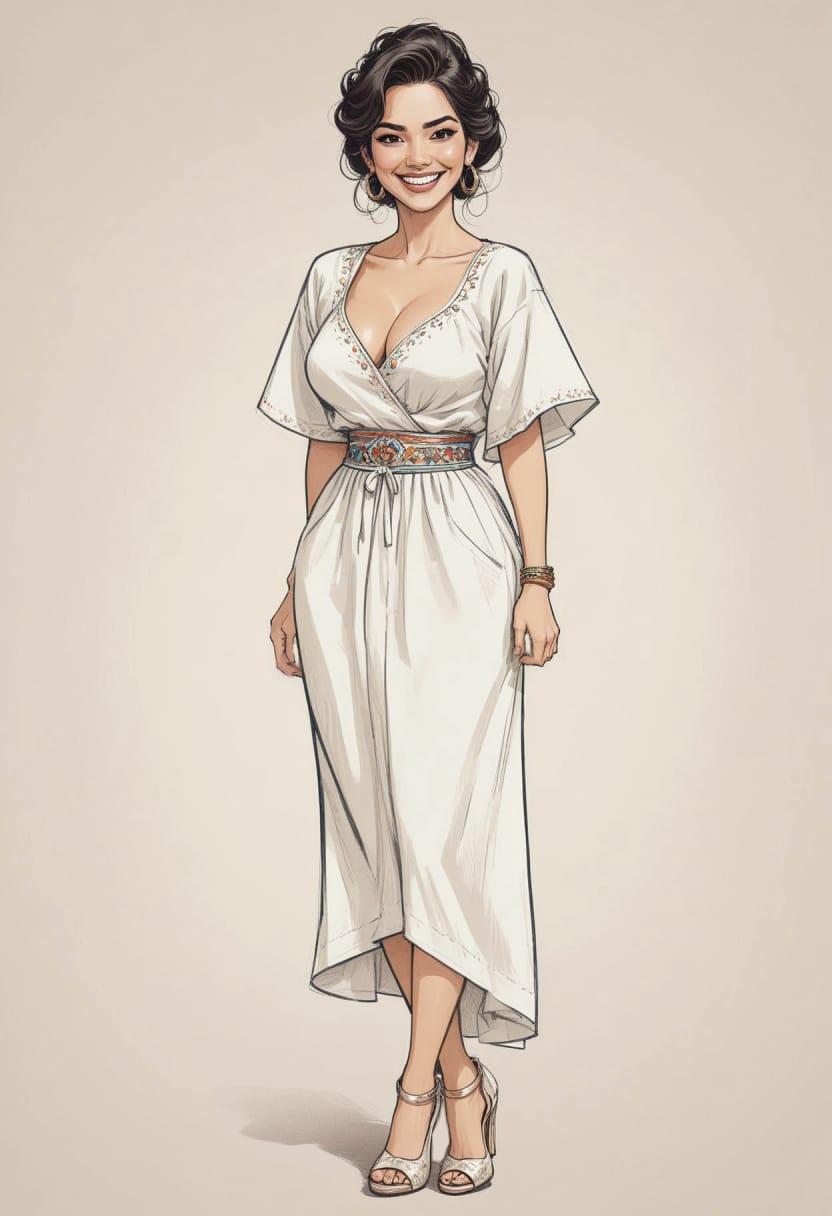
The "Purépecha" women of Michoacán wear dresses with distinctive striped patterns and hand-stitched details. Brightly colored sashes called "fajas" are common accessories, often handwoven with symbolic designs. Mexico dress culture has inspired global fashion designers, bringing indigenous motifs to the runway.
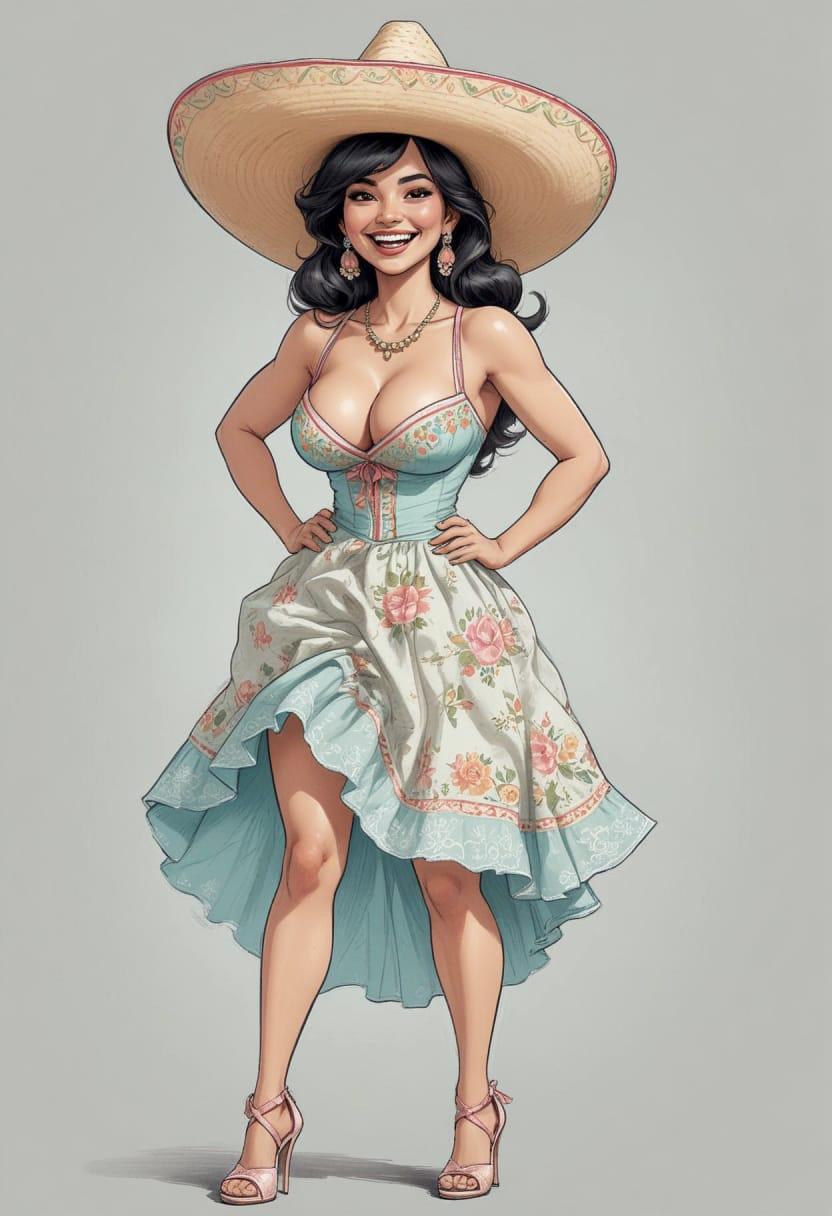
The famous Mexican "sombrero" is often paired with traditional dresses during celebrations for an iconic look. Mexico dress culture is deeply connected to identity and storytelling, preserving history through textiles. Many dresses include floral embroidery done with a needle and thread, representing natural beauty.
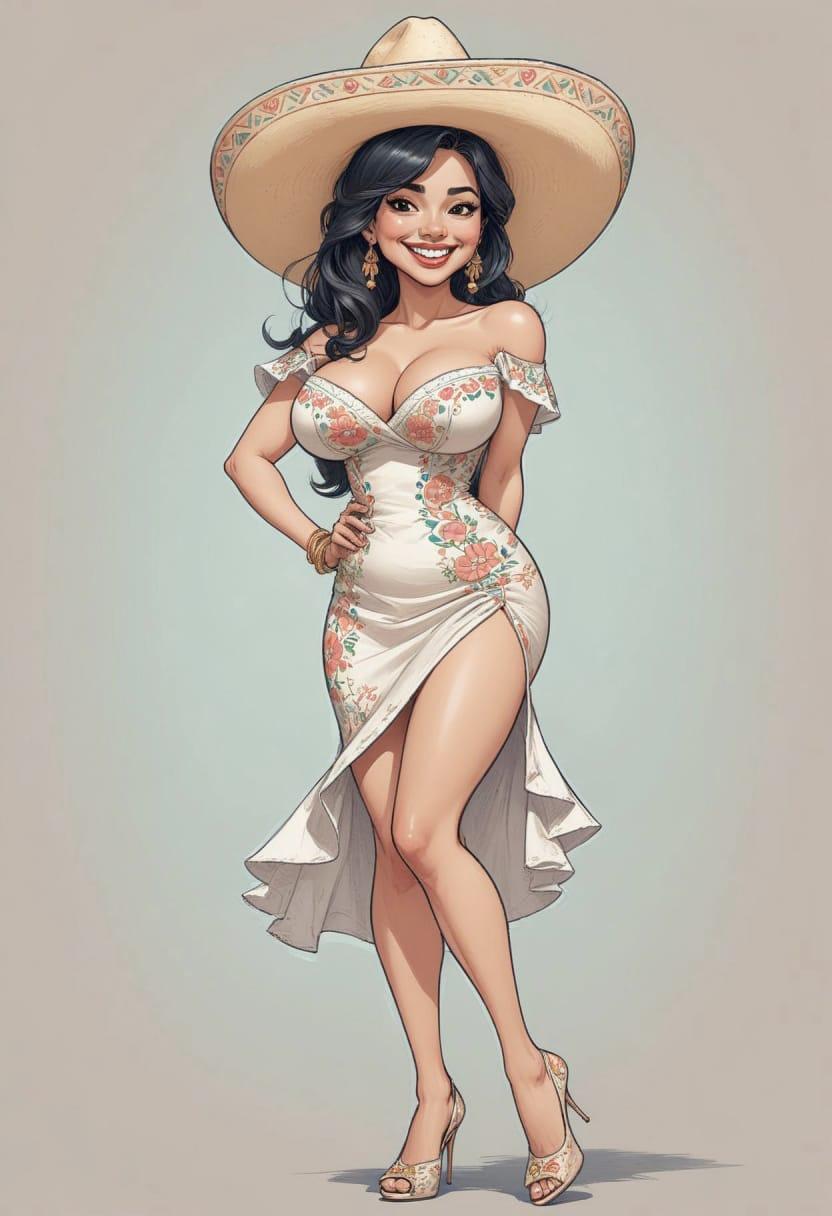
During weddings, traditional Mexican dresses sometimes feature white with colorful accents symbolizing purity and joy. Mexico dress culture also extends to men’s clothing, including embroidered shirts and belts. Each stitch in a Mexican dress can carry meaning, telling tales of love, nature, or community.
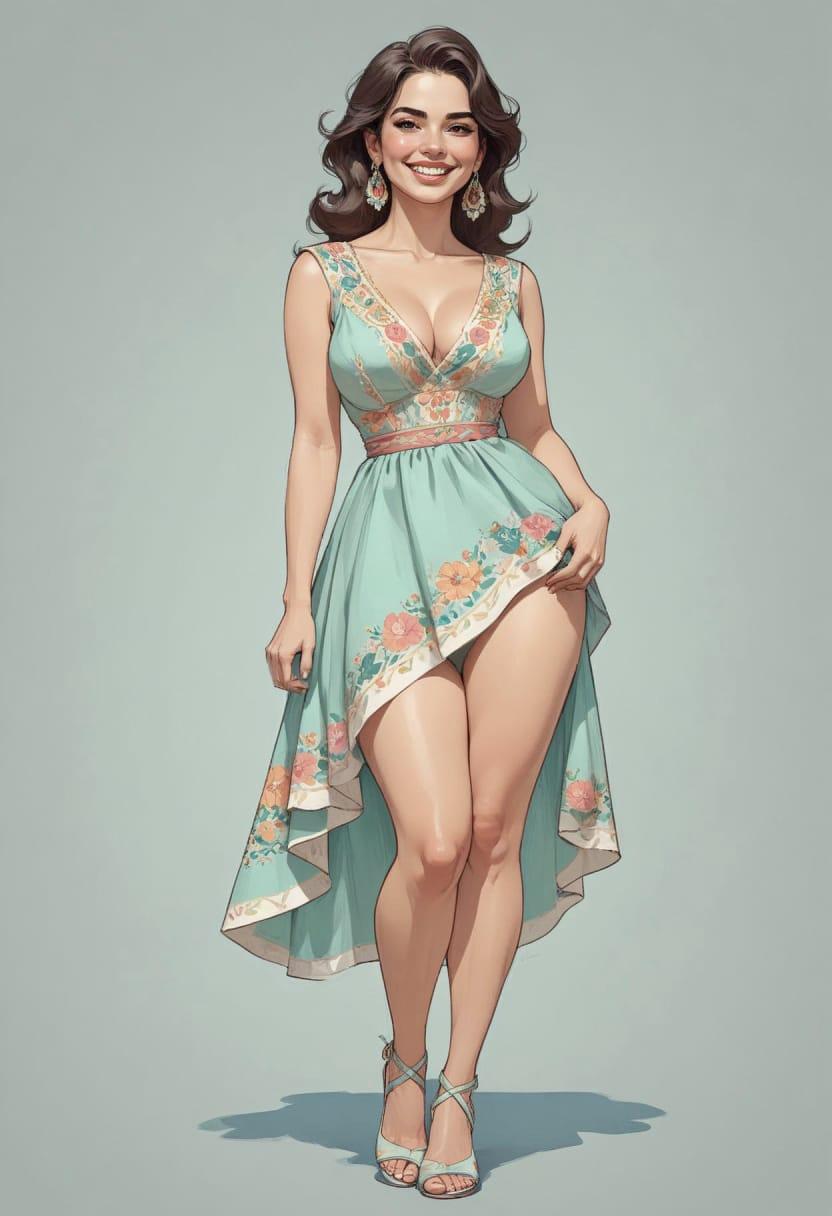
The "Mariachi" costume, worn by musicians, is a formal part of Mexican dress culture with its decorated jackets and pants. Some dresses use traditional handspun threads, reflecting sustainable and local textile practices. Mexico dress culture reflects Mexico’s vast geography, from deserts to jungles, in fabric choice and style.
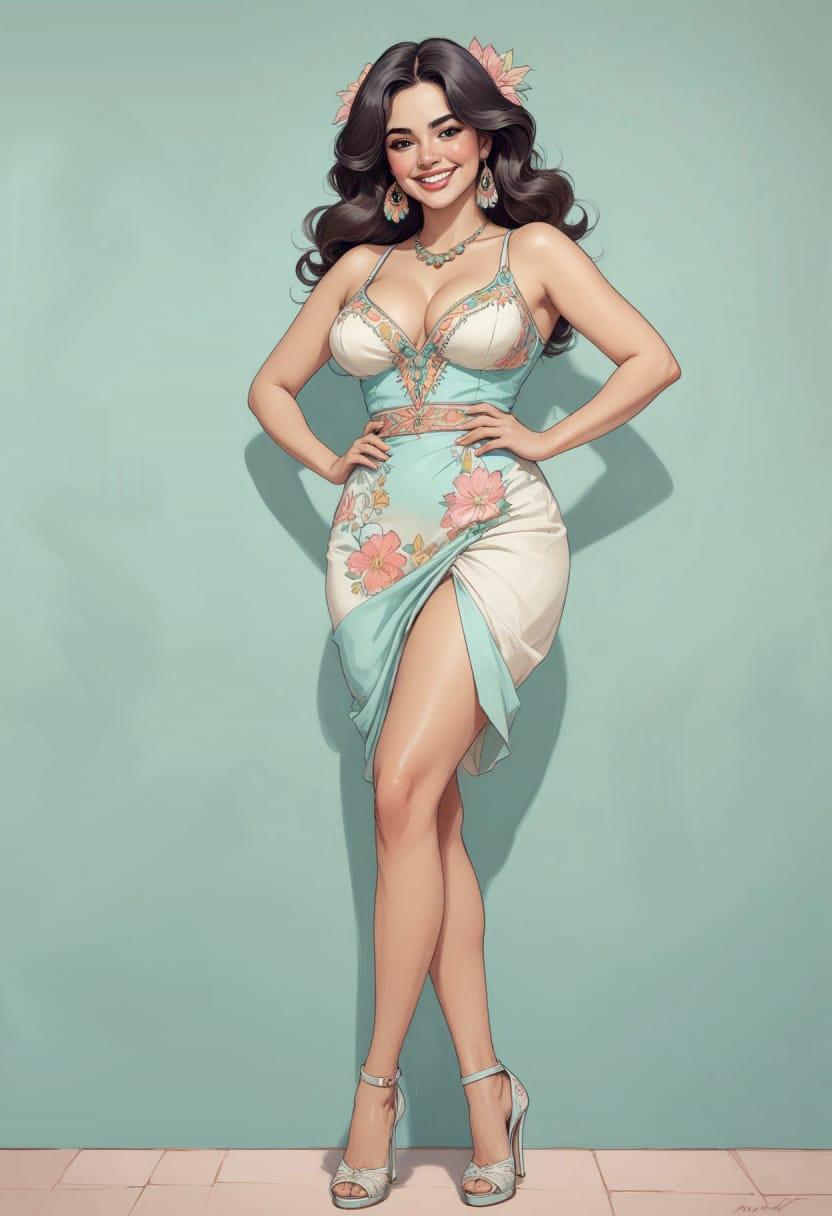
Mexico’s indigenous communities teach dressmaking skills to children, ensuring cultural continuity. The "Chiapas" region is famous for its embroidered dresses, often featuring bright birds and flowers. Mexico dress culture remains vibrant in urban festivals where traditional attire mixes with modern fashion.
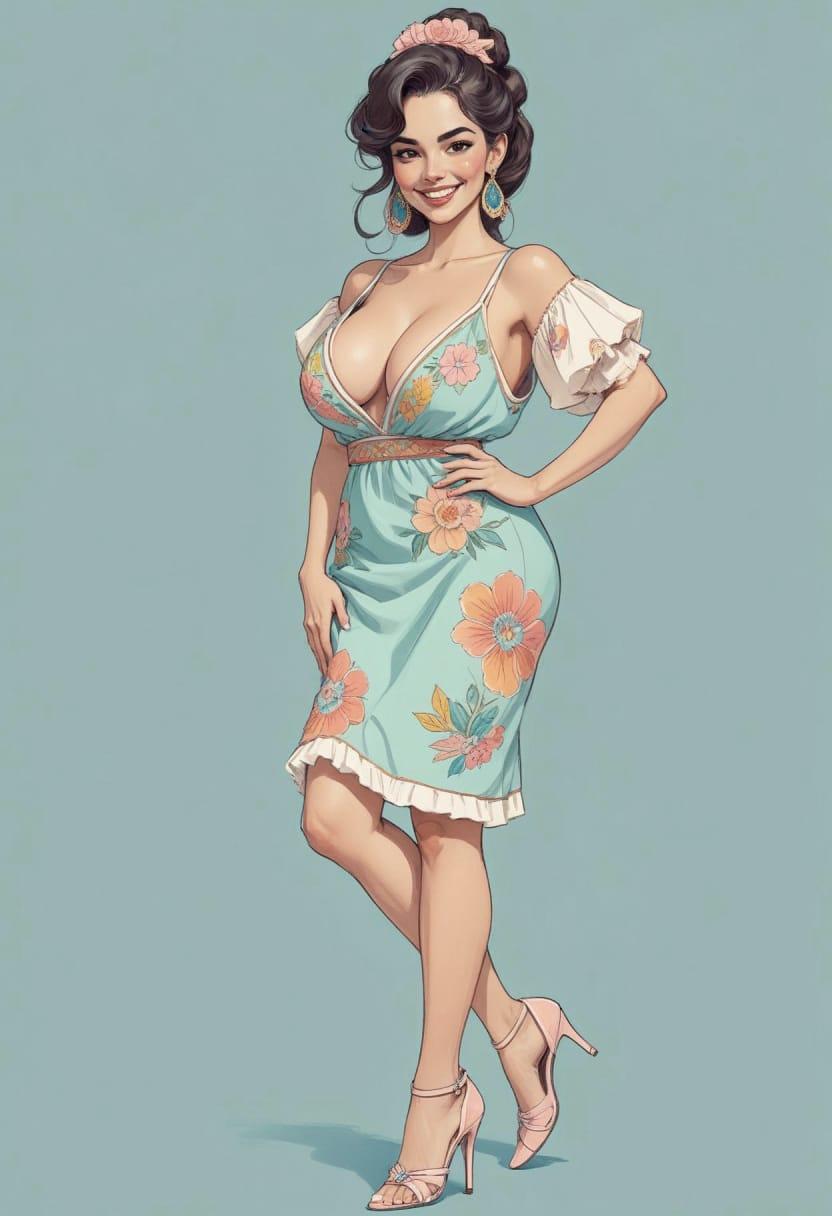
Beaded necklaces and earrings often complement traditional dresses, adding sparkle and color. Mexico dress culture features garments made for special ceremonies, like quinceañeras and religious holidays. The blend of patterns and colors in Mexican dresses often reflects the wearer’s local landscape and traditions.
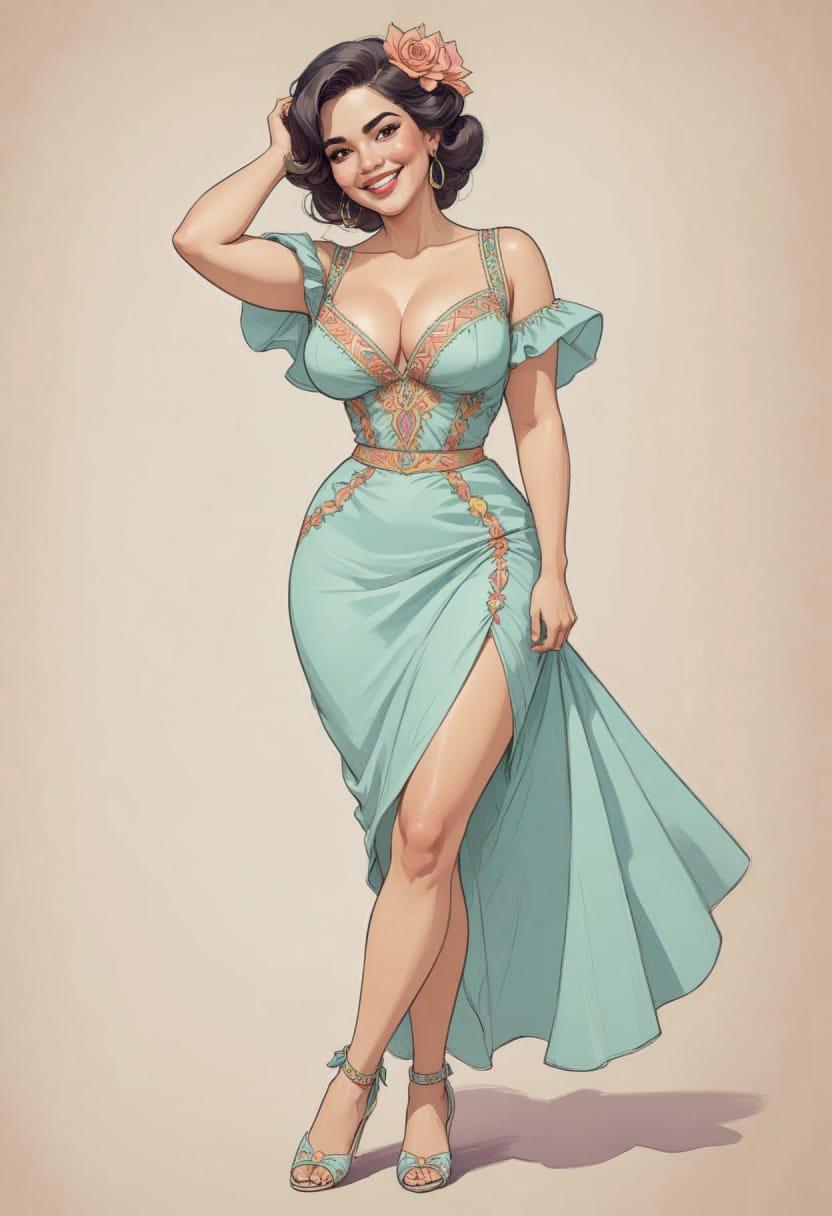
The use of geometric designs in embroidery connects to ancient Mexican symbols and meanings. Mexico dress culture’s popularity has grown internationally, with museums showcasing traditional clothing. Some dresses are made with multiple layers of fabric to create volume for dancing or ceremony.
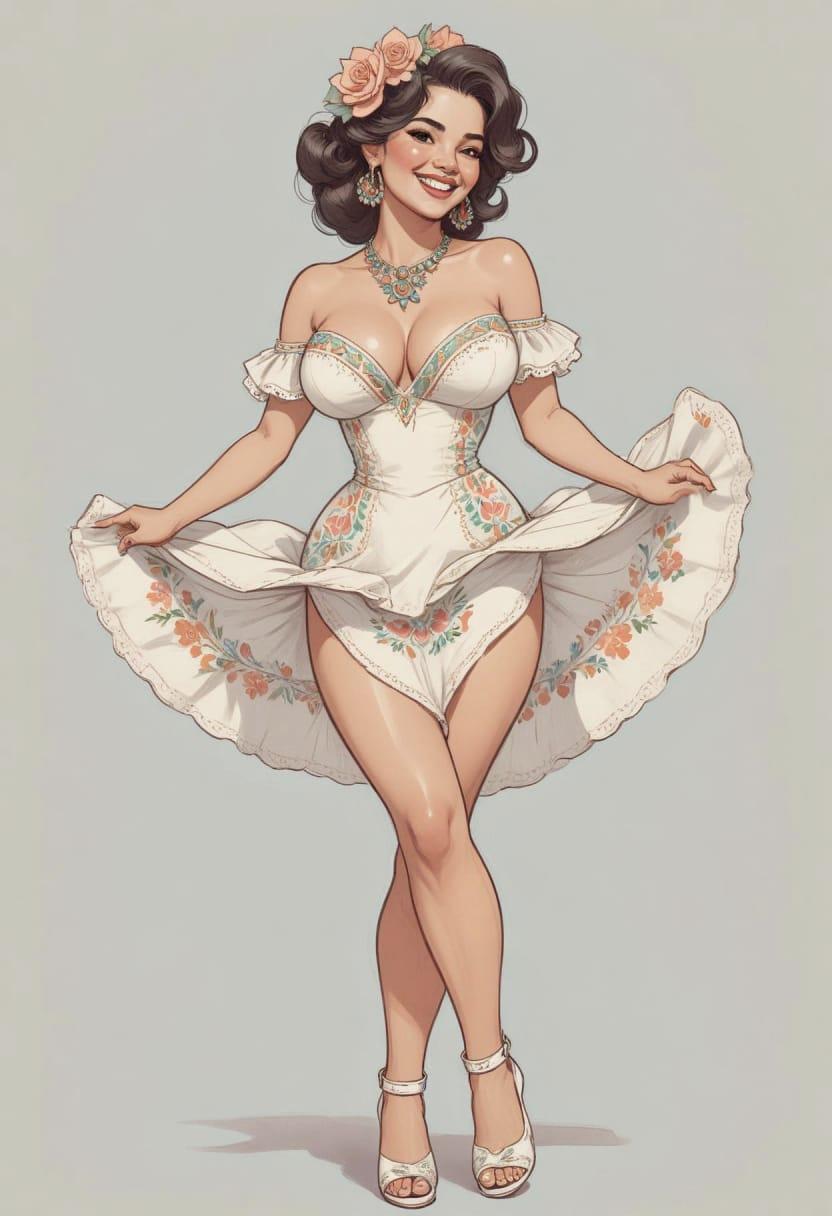
Handwoven Mexican dresses often use backstrap looms, a technique passed down through generations. The festive "Guelaguetza" celebration highlights Mexico dress culture through colorful costumes and dance. Many traditional dresses include fringes or tassels, adding movement and flair during performances.
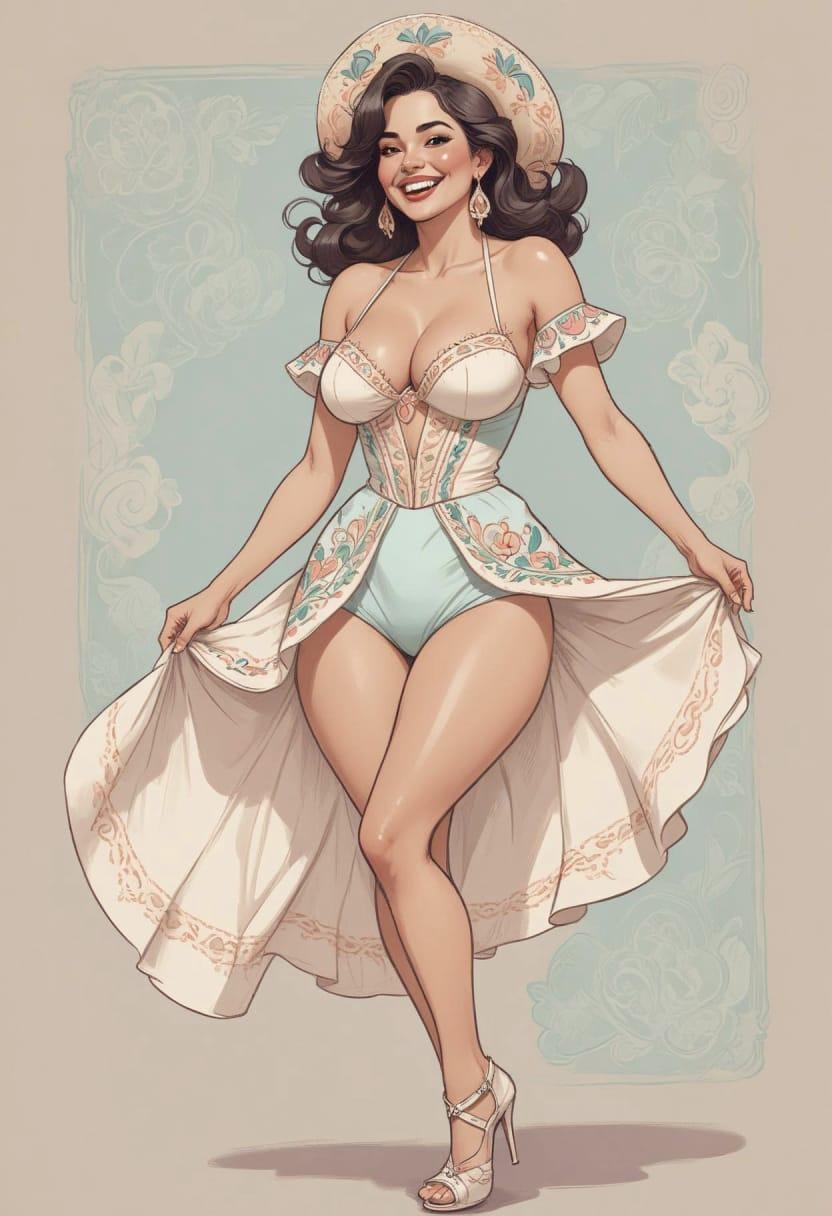
Natural dyes from plants like cochineal produce the vibrant reds seen in many Mexican dresses. Mexico dress culture serves as a living archive of indigenous knowledge, art, and history. Wearing traditional Mexican dresses today connects people to their roots and celebrates cultural pride.