Palestine flag
- Fun pictures /
- Culture /
- Palestine flag

The Palestine flag features four colors: black, white, green, and red. Each color has deep historical and cultural meanings tied to Arab identity. Its design is inspired by the Arab Revolt flag from World War I, symbolizing unity and resistance. The red triangle on the Palestine flag represents the sacrifices made by people fighting for freedom.

The three horizontal stripes on the Palestine flag—black, white, and green—each represent different Arab dynasties from history. The flag became a symbol of Palestinian nationalism in the 20th century, especially after 1948. Interestingly, the colors of the Palestine flag are known as the Pan-Arab colors, shared by many Arab countries.

You might spot the Palestine flag at rallies and events worldwide supporting Palestinian rights. The flag’s design is simple yet powerful, making it a recognizable symbol of hope and resistance. During the 1964 creation of the Palestine Liberation Organization (PLO), this flag was officially adopted as a national emblem.
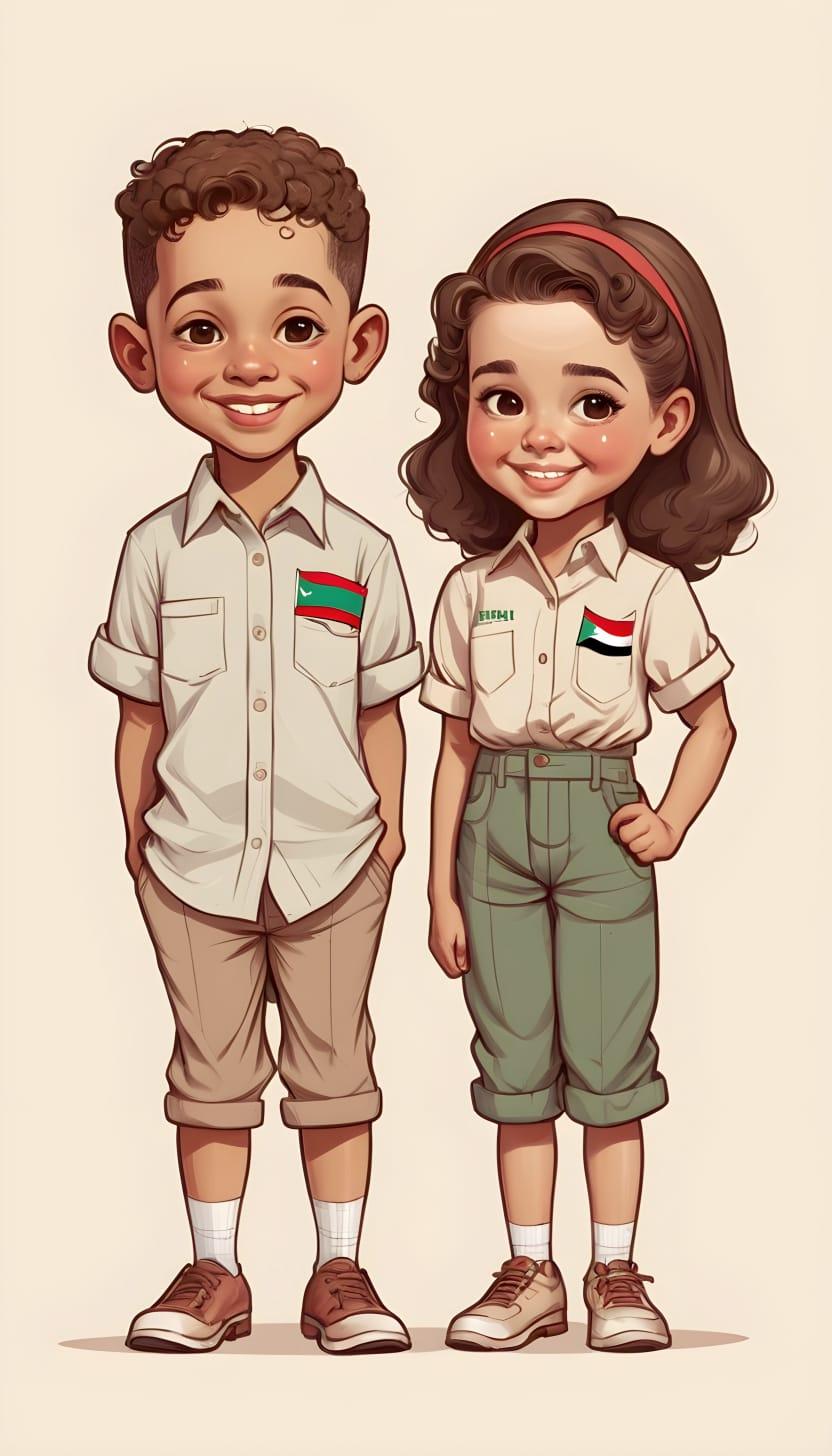
The Palestine flag is often flown alongside other international flags to highlight solidarity. It’s a common sight in art, murals, and graffiti in areas supporting Palestinian culture. Some people wear the Palestine flag colors as scarves or accessories to show their support.
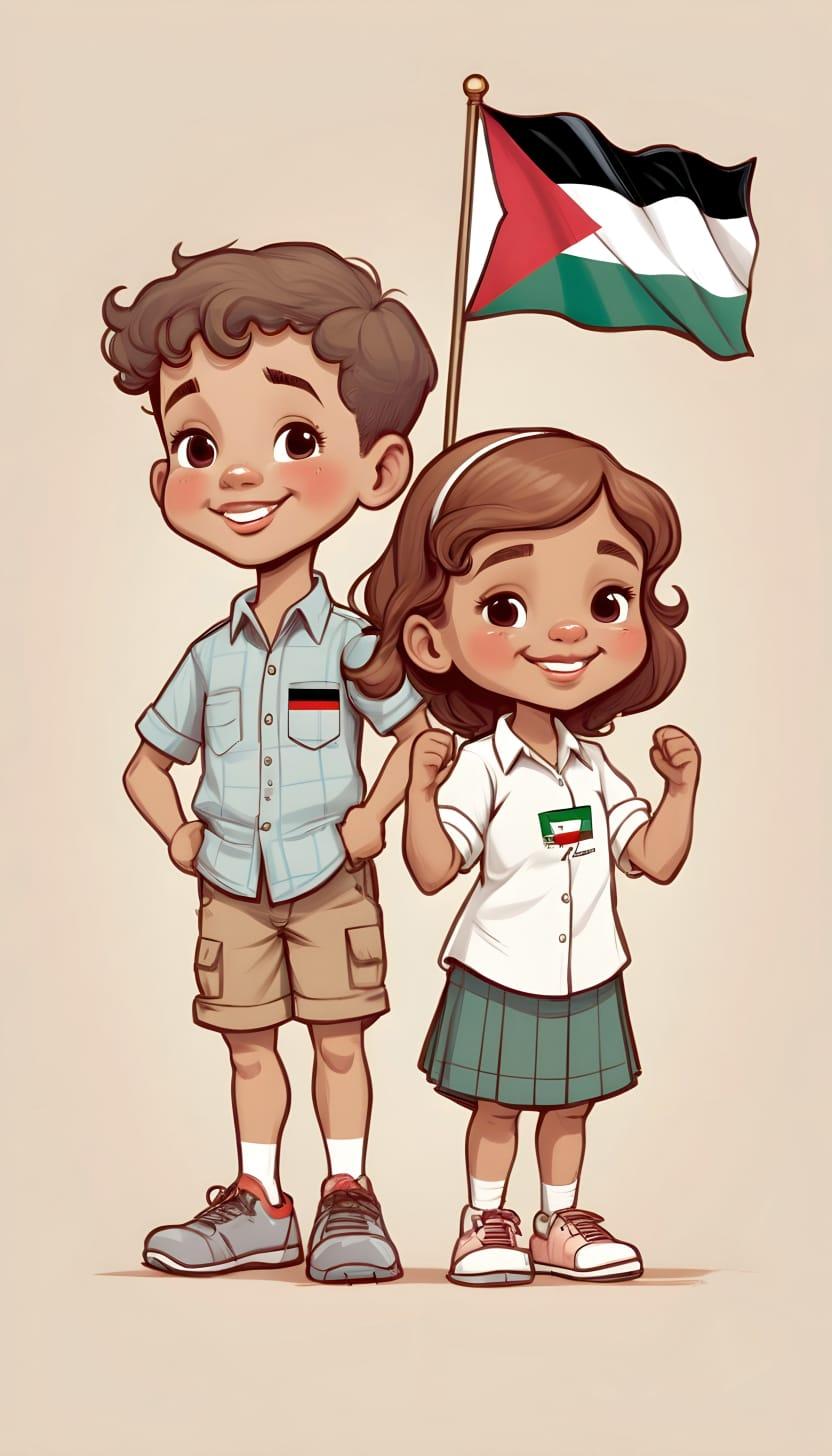
The black stripe on the Palestine flag symbolizes the Abbasid Caliphate, which ruled much of the Arab world during the Middle Ages. The white stripe represents the Umayyad Caliphate, known for expanding the Arab empire. The green stripe stands for the Fatimid Caliphate, another important Arab dynasty.

In 1916, the Arab Revolt flag inspired many national flags, including the Palestine flag. The triangle shape in red is a distinctive feature that sets the Palestine flag apart from other flags using similar colors. The Palestine flag is a symbol of both cultural pride and political struggle.
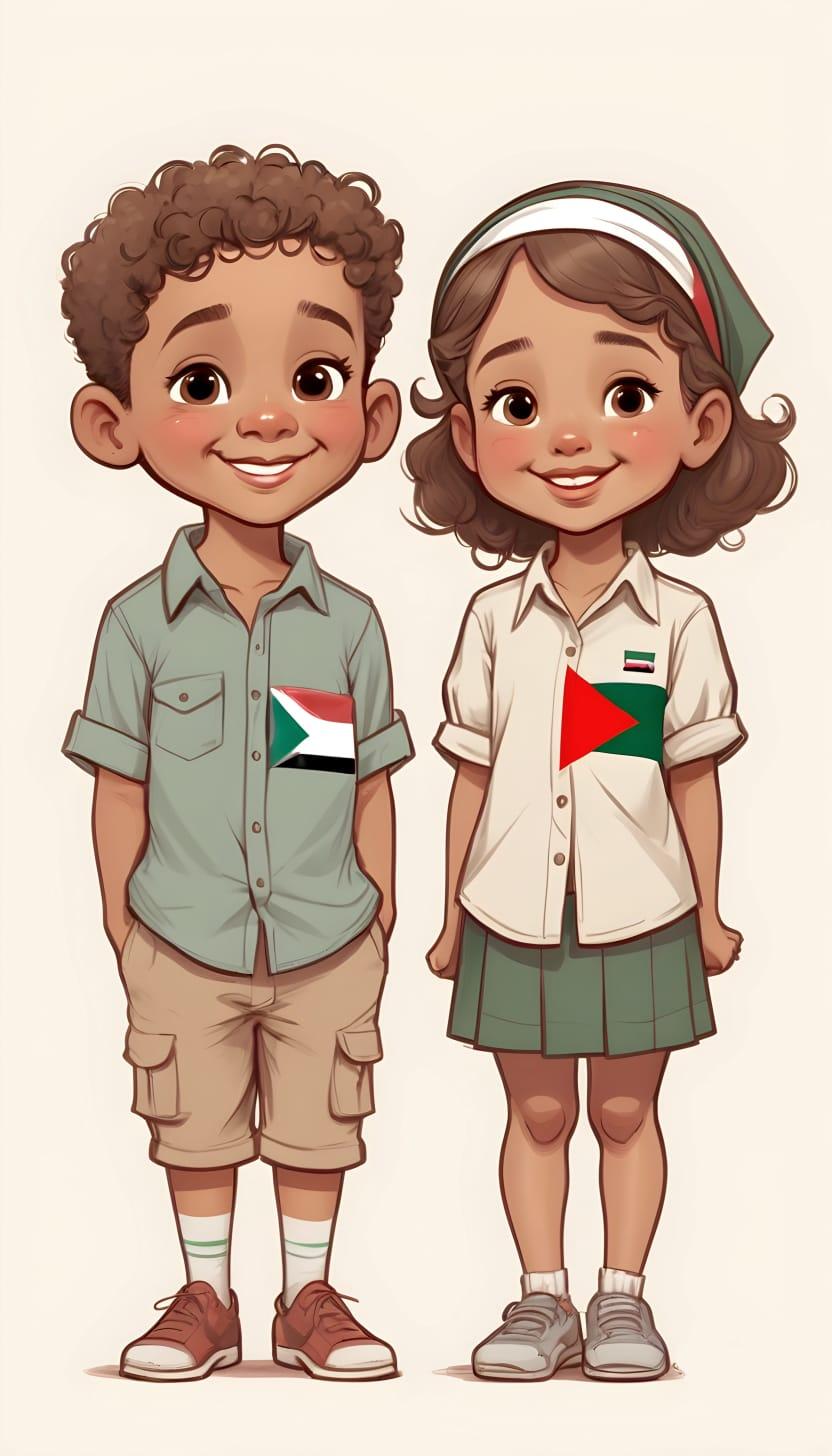
Some people confuse the Palestine flag with Jordan’s flag because they share similar colors and design elements. The difference is that Jordan’s flag has a white star inside the red triangle, while the Palestine flag does not. The simplicity of the Palestine flag’s design helps it stand out as a symbol of resilience.

The Palestine flag colors also appear in traditional Palestinian embroidery and clothing. The flag’s colors can be seen in many Palestinian products, like pottery and jewelry. It’s common for the flag to be displayed during cultural festivals celebrating Palestinian heritage.
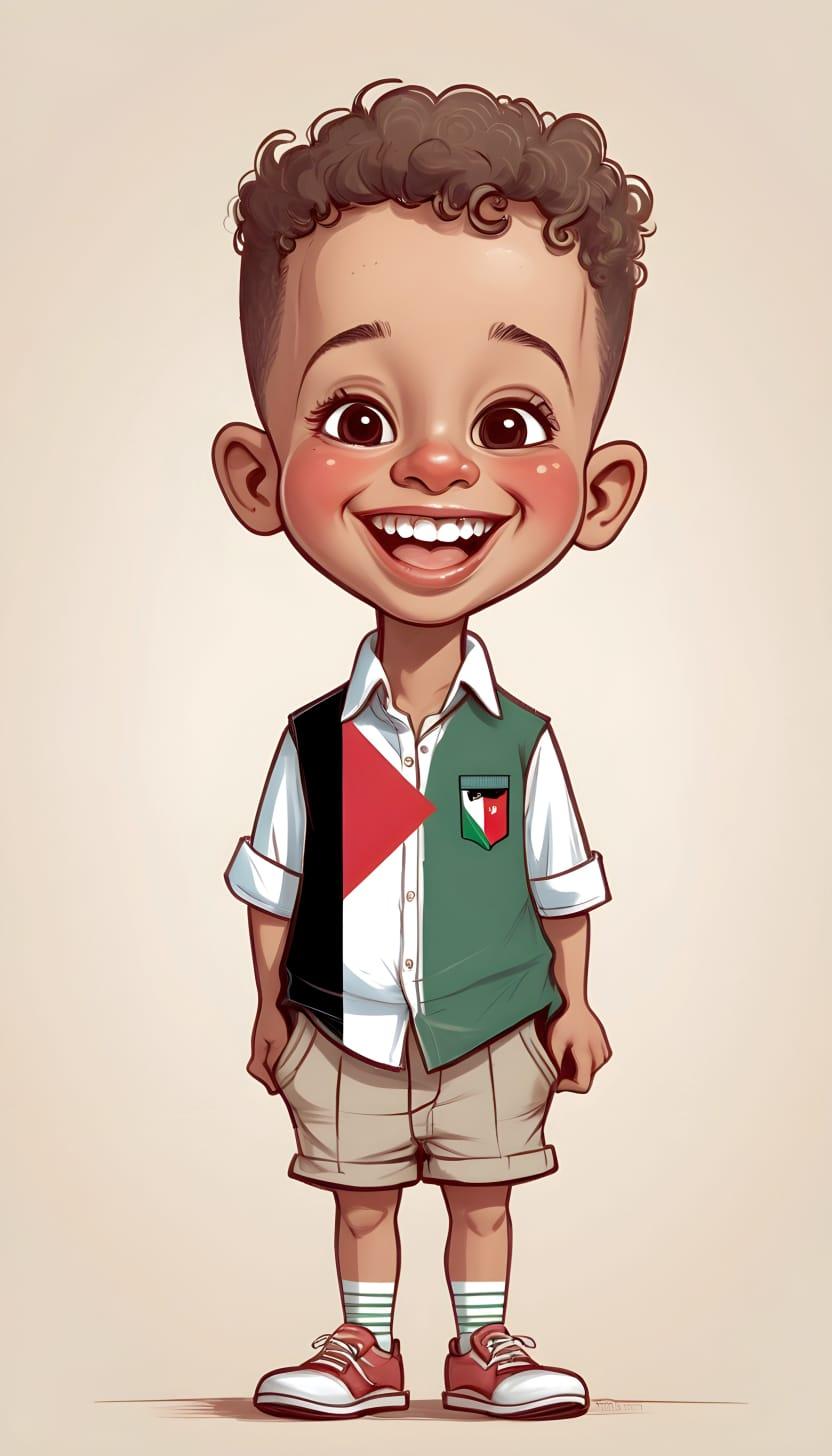
The flag is more than just colors; it represents generations’ hopes for peace and independence. Palestinian communities worldwide often use the flag to connect with their roots and identity. The Palestine flag is a symbol many associate with perseverance in the face of adversity.
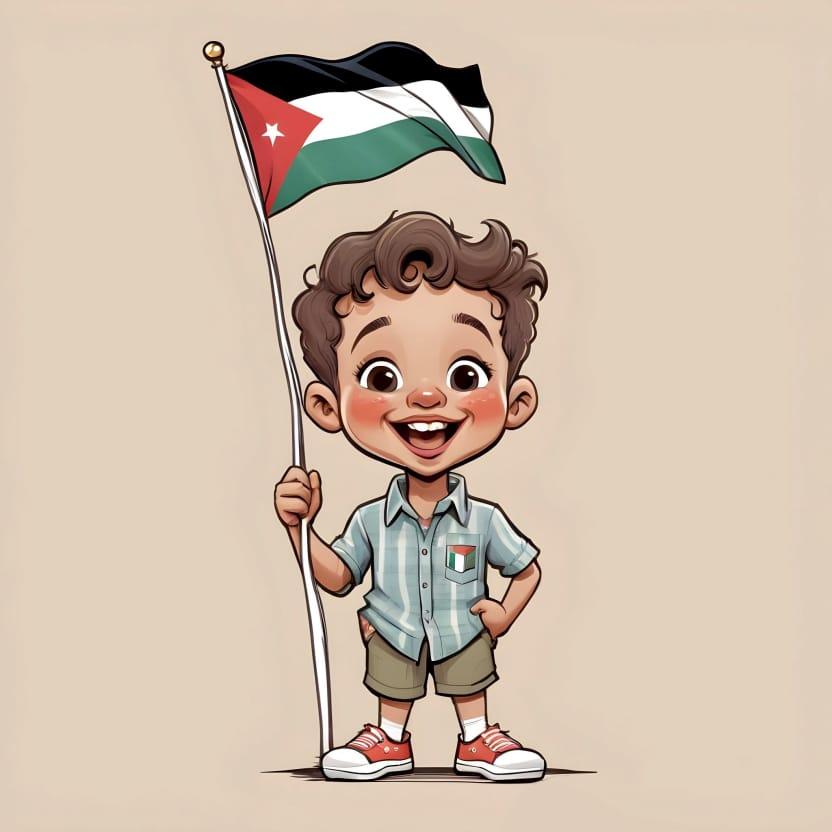
There are many artistic interpretations of the Palestine flag, including in paintings and music videos. Despite political challenges, the flag continues to inspire pride among Palestinians everywhere. The design remains unchanged since its adoption, showing strong respect for its symbolism.
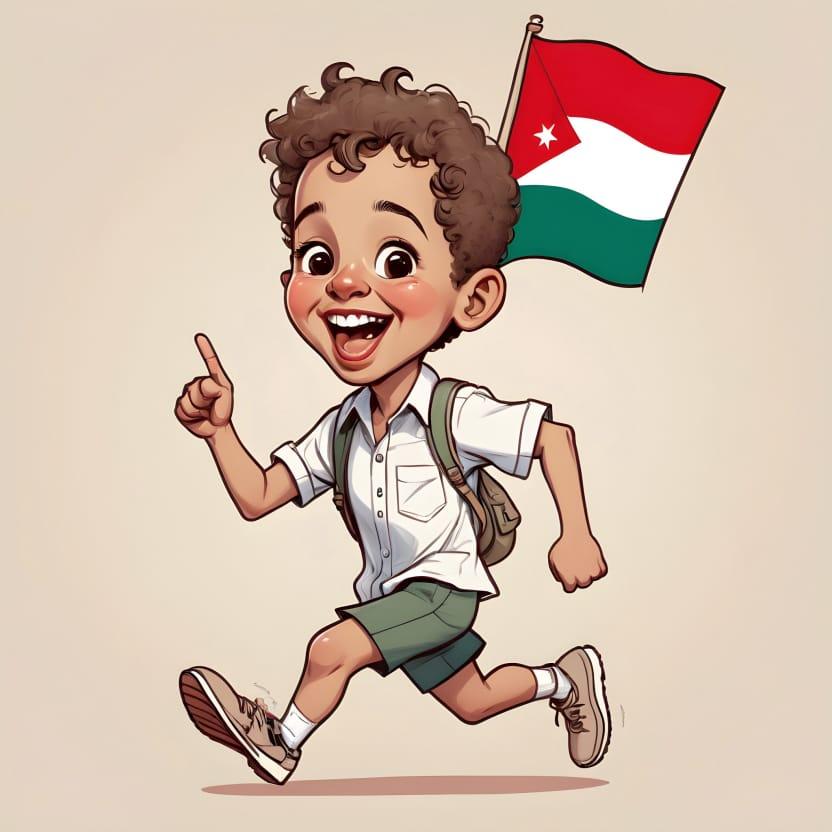
The Palestine flag is frequently seen in sports events where Palestinian teams participate. Fans wave the flag passionately to cheer on their teams and express national pride. In some cases, the flag becomes a visual representation of unity beyond borders.
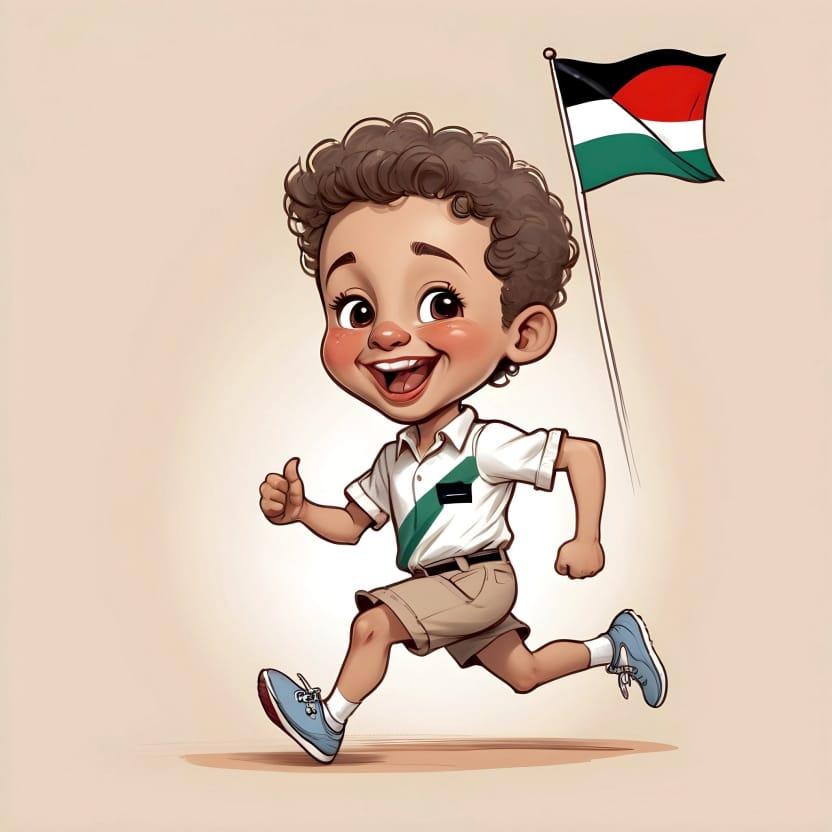
In schools, Palestinian children learn the meanings behind the flag colors as part of their heritage education. The flag often serves as a classroom symbol for cultural identity and history. Teachers use the flag to discuss important historical events and struggles of the Palestinian people.
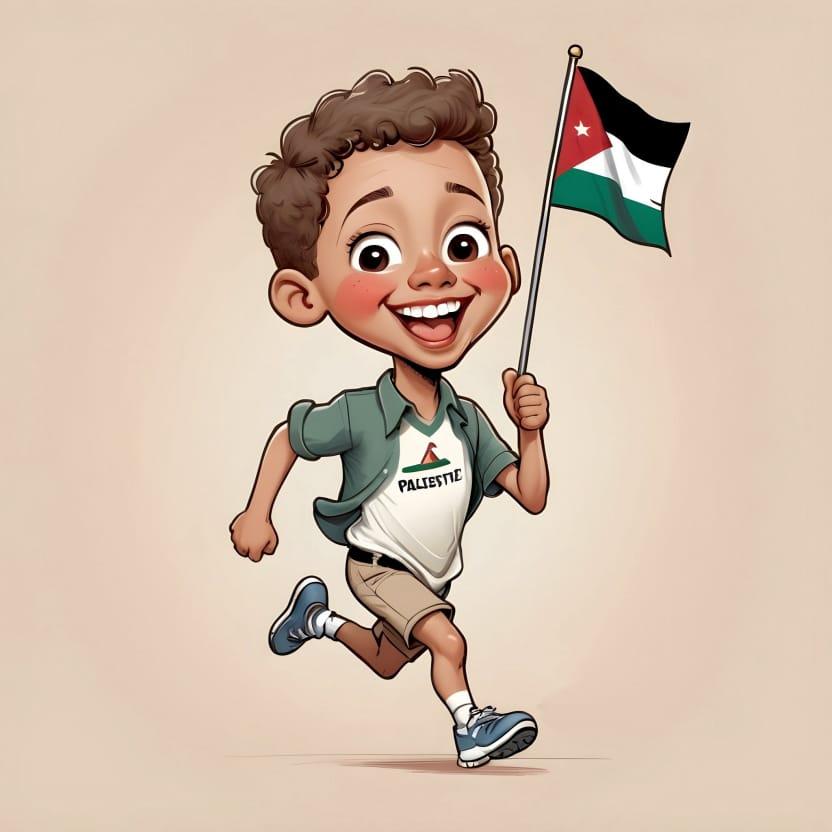
Some peace movements worldwide use the Palestine flag to call for justice and human rights. It has become a global emblem for anti-occupation and solidarity efforts. The flag’s message is one of resilience, inspiring many to advocate for peace.

Many musicians and poets incorporate the flag’s imagery into their work to celebrate Palestinian culture. The Palestine flag serves as a muse for creative expression tied to identity. Songs featuring the flag often emphasize themes of freedom and homeland.
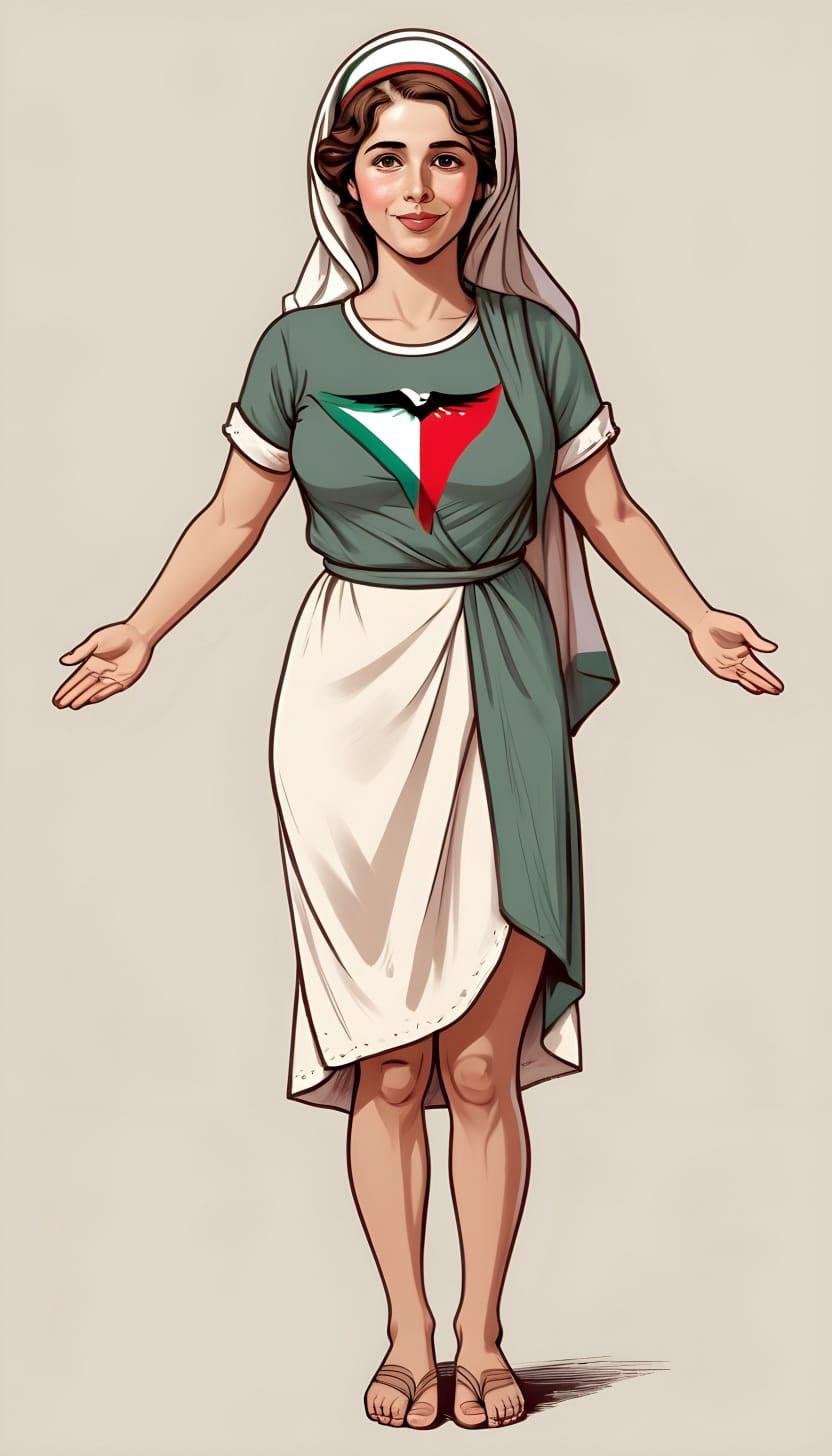
The Palestine flag has been raised at the United Nations and other international forums to seek recognition and support. Its presence in diplomatic spaces highlights the ongoing quest for Palestinian statehood. The flag remains a powerful symbol in global political discussions.

During protests, the Palestine flag is often used as a peaceful symbol of resistance. It visually communicates a message without words, uniting people under a shared cause. Many activists consider the flag a sign of hope amidst conflict.

In digital culture, the Palestine flag emoji is widely used on social media to show solidarity. Hashtags featuring the flag help spread awareness and connect supporters worldwide. The digital presence of the flag amplifies its meaning beyond physical borders.
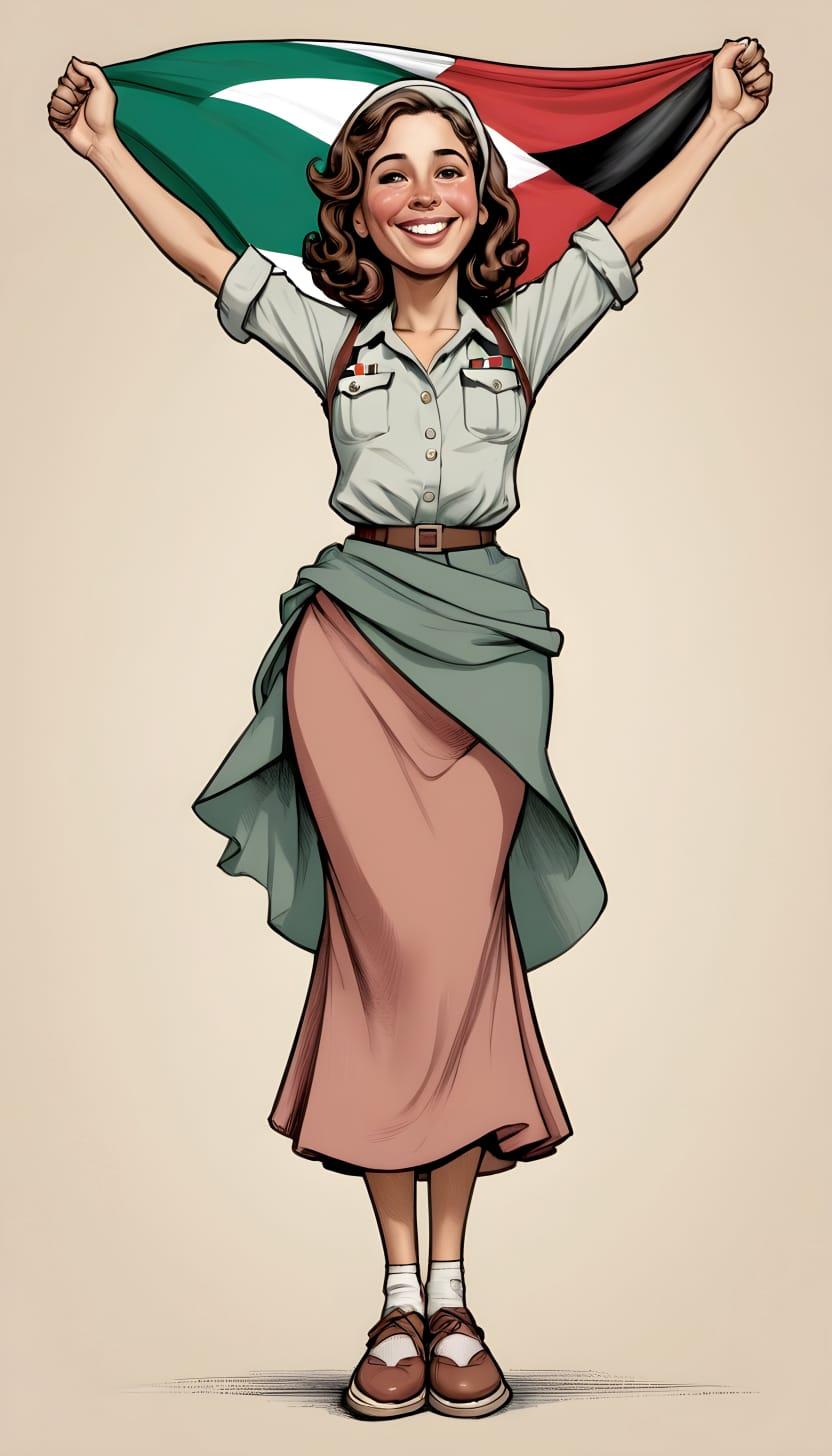
Some sports teams in the Middle East incorporate the flag colors into their logos or jerseys. This inclusion reflects pride and recognition of Palestinian heritage. The flag’s colors have become synonymous with identity in many public spheres.

The Palestine flag has inspired many educational projects that teach young people about history and culture. Its symbolism helps foster a sense of belonging and national pride among youth. Programs often use the flag to encourage cultural preservation.
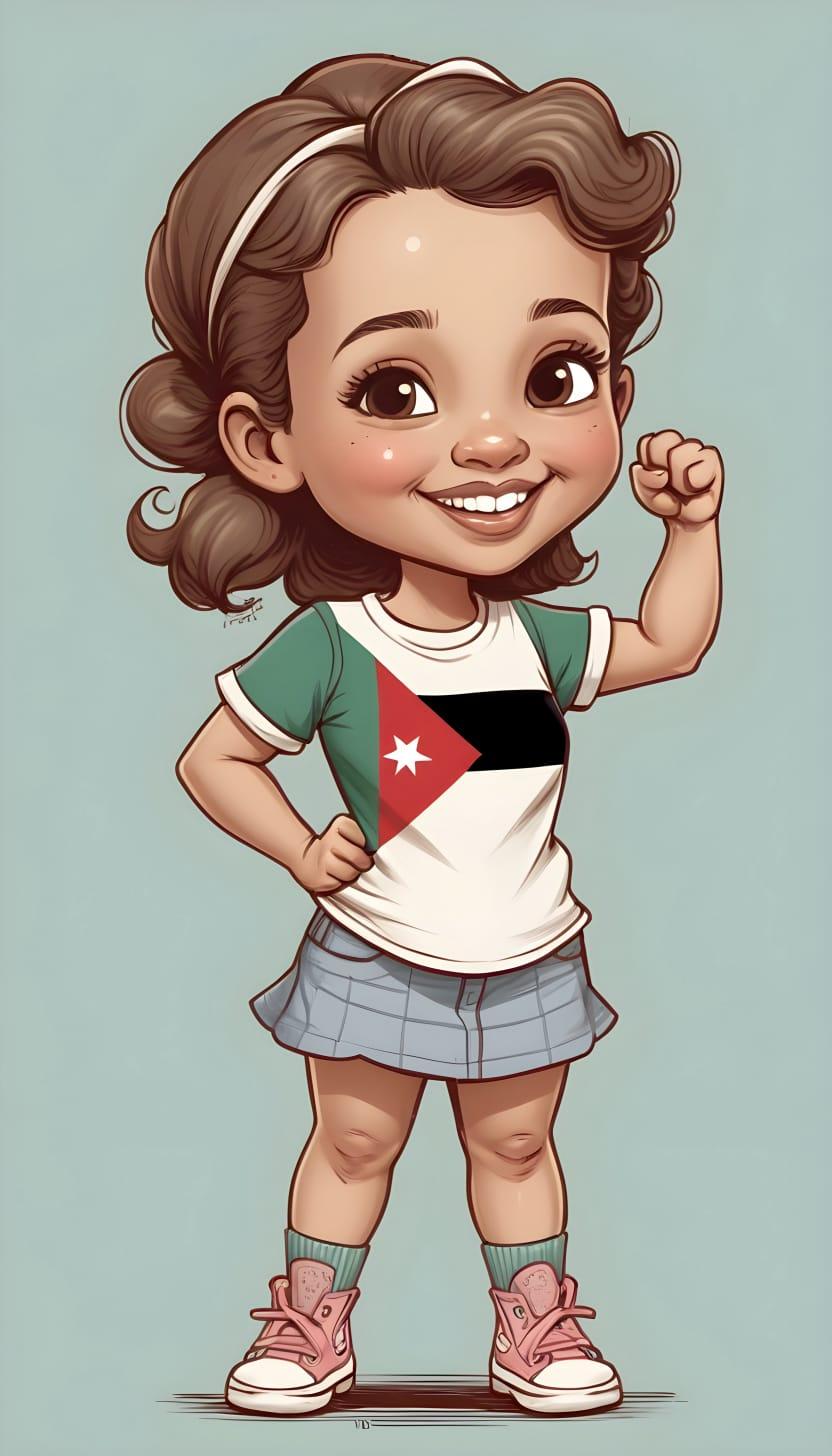
Many international artists have created works featuring the Palestine flag to promote peace and awareness. Its simple yet meaningful design makes it a popular subject in global exhibitions. The flag’s enduring image reminds us of the power of symbols in uniting people across the world.