Germany culture trivia facts
- Fun pictures /
- Culture /
- Germany culture trivia facts
In Germany, it's common to wish someone good luck by telling them to "break a leg"—but in German, they say "Hals- und Beinbruch," which literally means "neck and leg break." Many Germans still recycle their bottles using a deposit system called "Pfand," where you get a few cents back for each bottle returned. In southern Germany, people celebrate "Maibaum" (Maypole) by decorating trees and dancing around them every spring.
On Sundays, most stores in Germany are closed by law, giving families a reason to relax or go hiking. Beer isn't just a drink—it's a cultural icon. Germany has over 1,500 breweries, more than any other country in the world. German kids start school with a "Schultüte"—a giant cone filled with sweets and school supplies on their first day.
Punctuality is a big deal in German culture. Showing up late, even by five minutes, can be considered rude. In Germany, you can legally rent a forest for private parties, weddings, or even foraging mushrooms. Christmas markets (Weihnachtsmärkte) are a cozy winter tradition, packed with lights, crafts, and spiced wine.
The German Autobahn has stretches with no speed limits—but it’s still one of the safest road systems worldwide. During "Karneval" season, people dress up in costumes and throw candy during parades, especially in Cologne. Germany has specific rules about when and how to take out your trash—some cities even have color-coded bins for different kinds of waste.
Germans love their bread. There are over 300 types, and bakeries are a daily stop for many people. In Bavaria, it's totally normal to see people wearing lederhosen and dirndls, especially during Oktoberfest. Germans love to hike—there are more than 200,000 kilometers of marked hiking trails across the country.
Germany has a tradition called "Stammtisch," where friends meet regularly at the same table in a pub. Sundays are quiet by law—no lawn mowing, loud music, or drilling allowed, thanks to the “Ruhezeit” rule. To toast in Germany, look everyone in the eye and say “Prost!”—not doing so is said to bring seven years of bad luck.
German castles are everywhere—there are more than 20,000, from fairy-tale to fortress. Recycling is a fine art in Germany. Get it wrong, and your neighbors might let you know. Saying “Happy Birthday” early is considered bad luck. You have to wait until the actual day.
Germany has more than 400 zoos, the most of any country in the world. Traditional German houses often have beautiful timber frames, called “Fachwerkhäuser.” The Berlin Wall fell in 1989, and now pieces of it are displayed around the world.
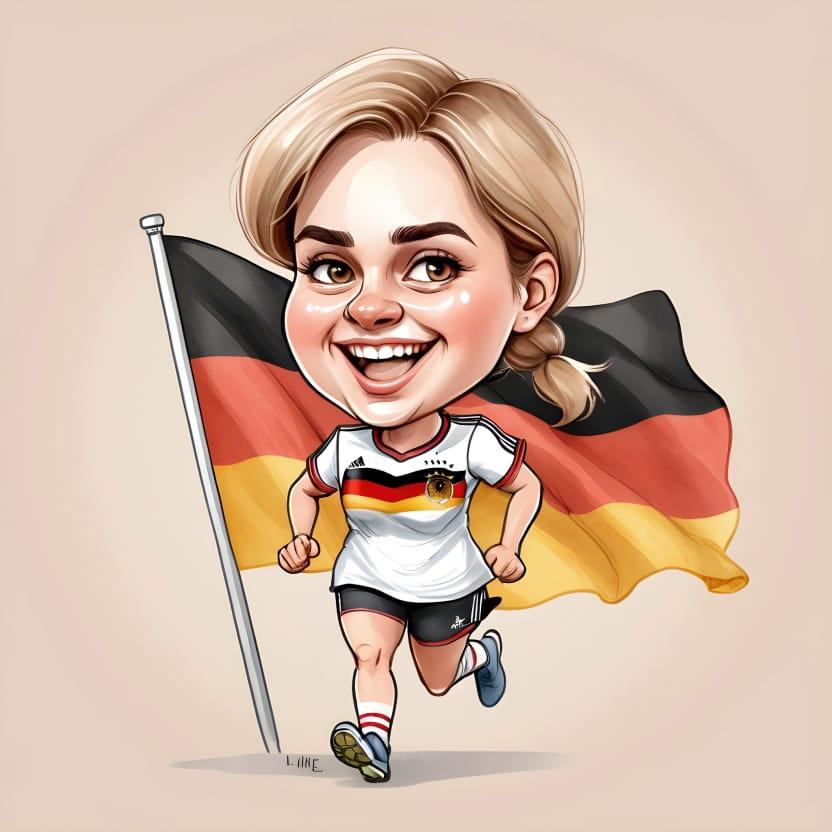
In German culture, shaking hands is a formal and common greeting—even among kids. Germans love rules and following them—it’s part of what keeps things so organized. “Tatort” is a popular crime TV show that’s been running since 1970 and is still watched by millions.
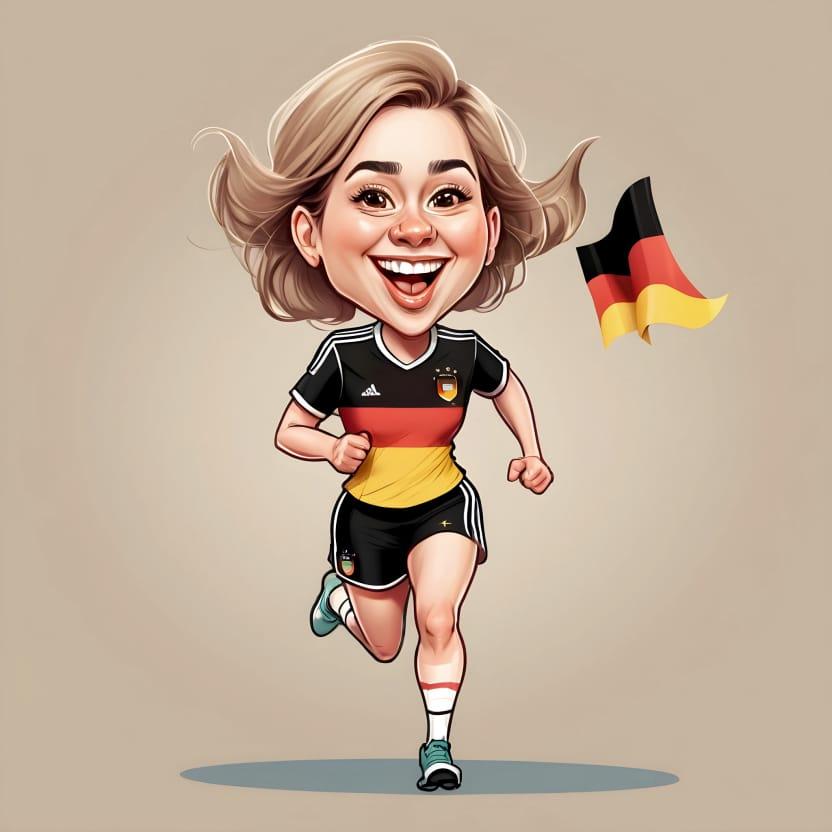
In Freiburg, there's a local legend that says if you step into a Bächle (little stream), you'll marry a local. Germany is home to some of the world's oldest universities, like Heidelberg, founded in 1386. During Christmas, Germans hide a pickle ornament in the tree, and the first child to find it gets a gift.
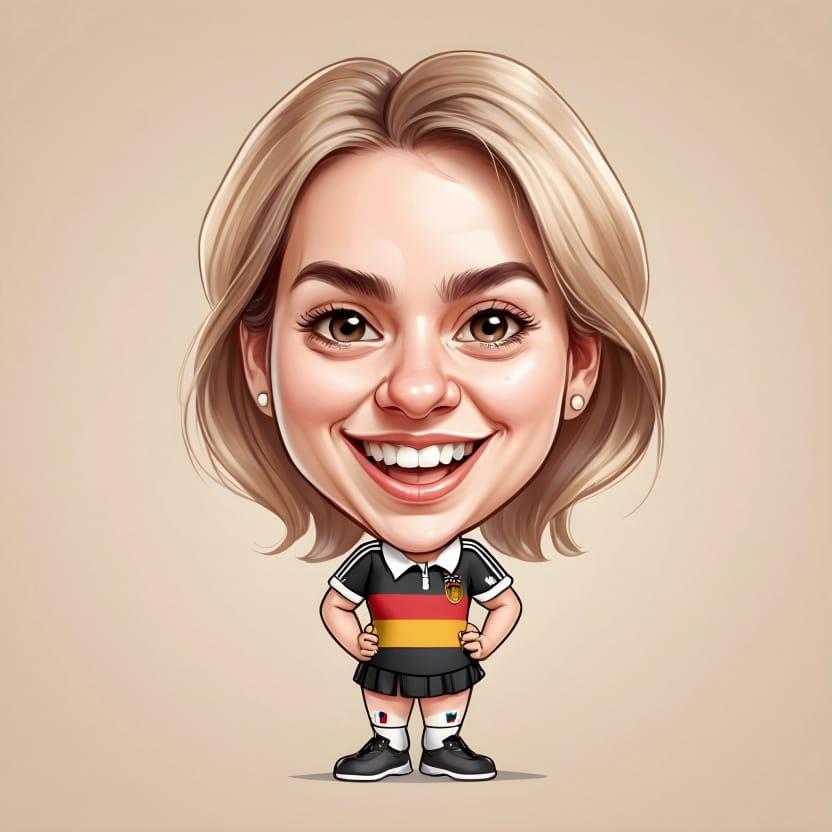
In some German cities, public nudity is totally normal at parks or saunas—it’s called “Freikörperkultur.” Germans are serious about bread-making. There's even a museum dedicated to it in Ulm. "Kehrwoche" is a shared cleaning duty in apartment buildings—it literally means “sweeping week.”
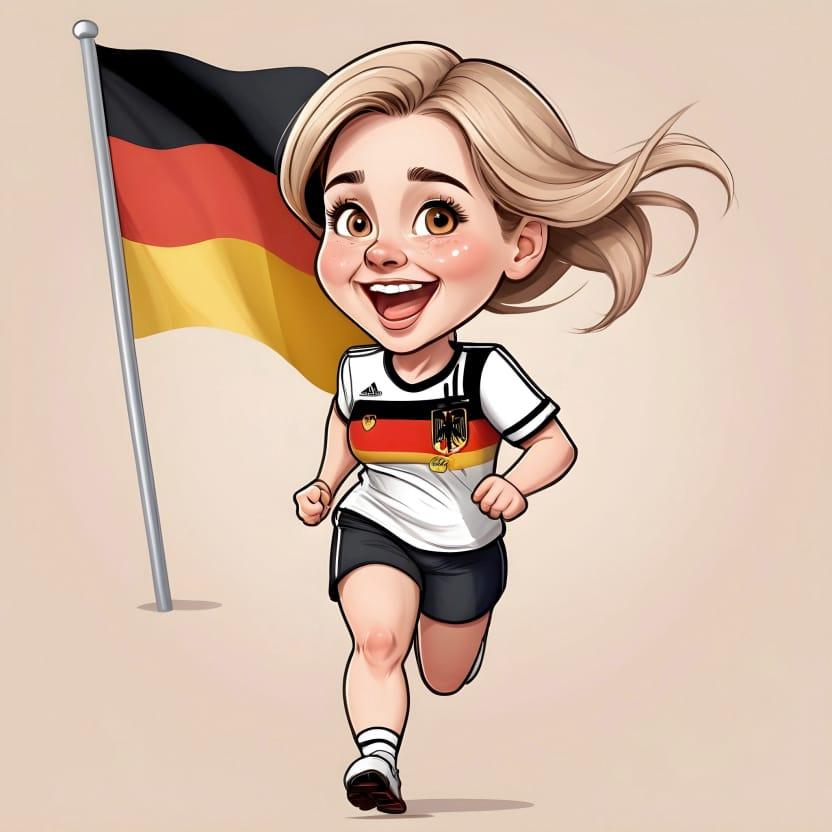
Many Germans still write with fountain pens in school—it’s part of their handwriting training. Currywurst is a beloved German fast food: sliced sausage with ketchup and curry powder. There are over 200 dialects spoken in Germany, and some are hard to understand even for Germans.
The Black Forest is not just a cake—it’s a real forest filled with legends and cuckoo clocks. During Easter, it’s traditional to hang colorful eggs from trees or bushes. Germany is the birthplace of famous composers like Beethoven, Bach, and Brahms.
“Kindergarten” is a German word that literally means “children’s garden”—and it started in Germany. In Munich, you’ll find surfers riding a wave in the middle of the city on the Eisbach river. Many German towns have their own local sausages, each with unique spices and flavors.
In Germany, if you clink glasses and forget eye contact, it’s seen as disrespectful. Many Germans take their shoes off before entering someone’s home—it’s just polite. Germany hosts the world’s largest pumpkin festival every fall in Ludwigsburg.
Germans love efficiency—even their windows tilt open two ways for ventilation control. The tradition of advent calendars started in Germany in the 19th century. You can legally drink beer and wine in public places in most parts of Germany.
Germany was the first country to adopt daylight saving time, back in 1916. Board games are big in German culture—many popular ones today were invented there. Germans invented the gummy bear (Gummibärchen), thanks to a candy maker named Hans Riegel.
The tradition of Christmas trees started in Germany as early as the 16th century. In some areas, people still do “Polterabend,” where guests break dishes before a wedding for good luck. Germany has “forest kindergartens” where kids spend most of their day outdoors, rain or shine.
In Germany, the legal drinking age for beer and wine is 16. Germany has more than 300 kinds of cheese, many of them region-specific. Germans are known for their love of sausages—there are over 1,500 varieties across the country.
In German culture, giving even numbers of flowers is for funerals—odd numbers are for gifts. There are vending machines in Germany that sell sausages, cheese, and even fresh milk. If you love germany culture trivia facts, you'll find traditions here that are full of charm, history, and quirky fun.