India interesting cultural facts
- Fun pictures /
- Culture /
- India interesting cultural facts
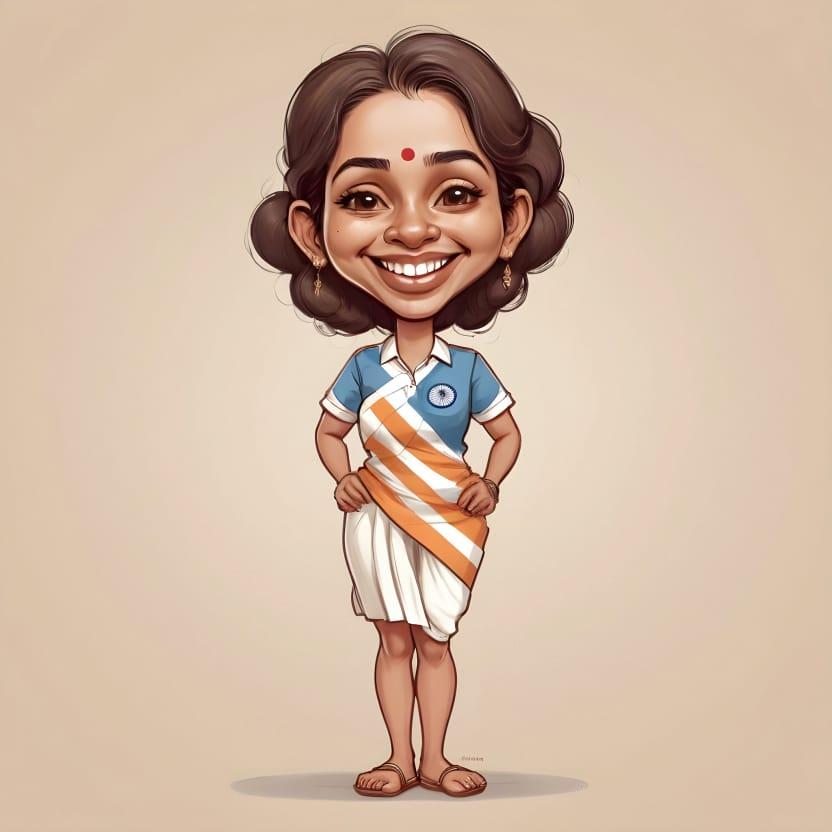
In India, cows can wander freely through city streets—even major highways—because they’re considered sacred. Many Indian households still use stainless steel plates and cups daily, a practice tied to hygiene and tradition. In Kerala, people celebrate a festival called Onam with flower carpets, boat races, and a feast served on banana leaves.
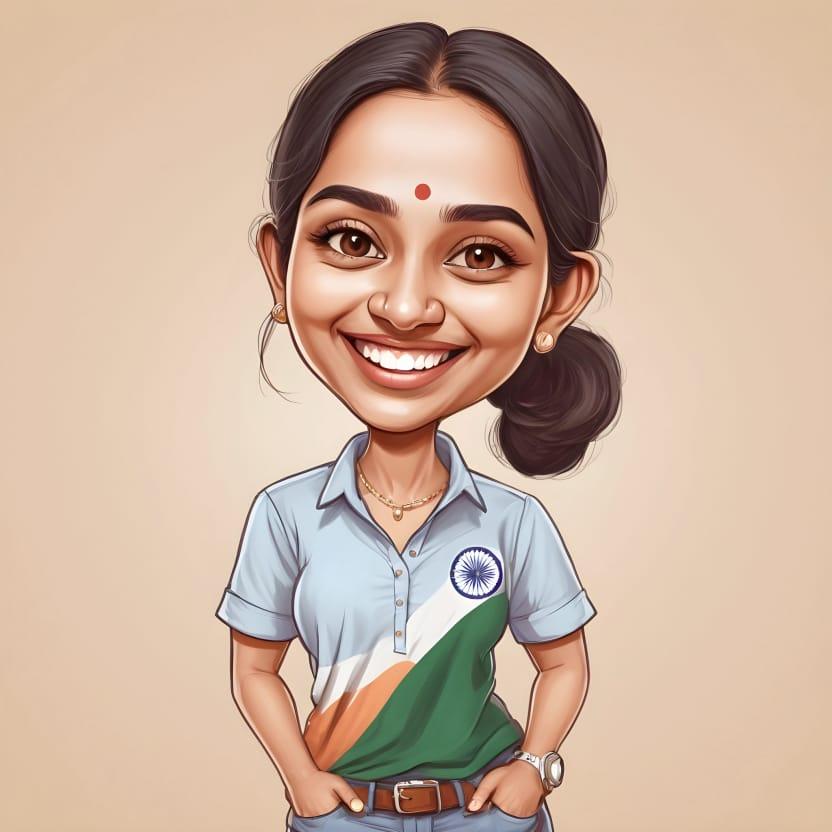
It’s common in Indian culture to eat with your right hand—left hands are traditionally considered unclean. Diwali, the festival of lights, is celebrated by lighting oil lamps to symbolize the victory of light over darkness. Indian weddings can last several days, packed with colorful clothes, henna designs, and plenty of dancing.
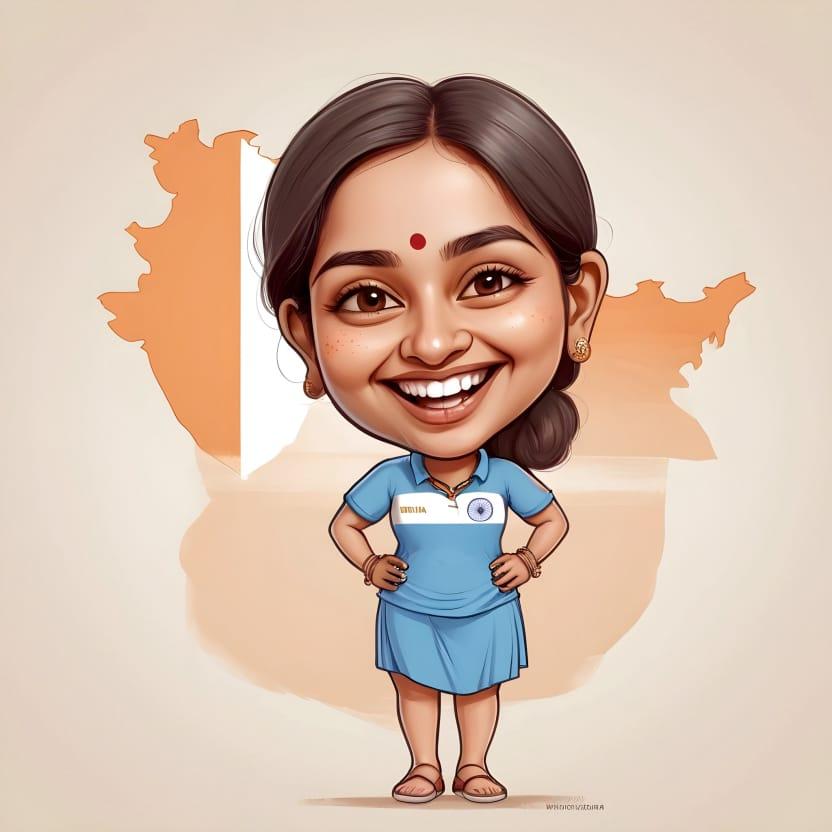
India’s trains carry over 23 million passengers a day—nearly the population of Australia! In Rajasthan, people still build homes using mud and dung for insulation and cooling. Chai, a spiced tea, is a daily ritual and social glue across nearly every region of India.
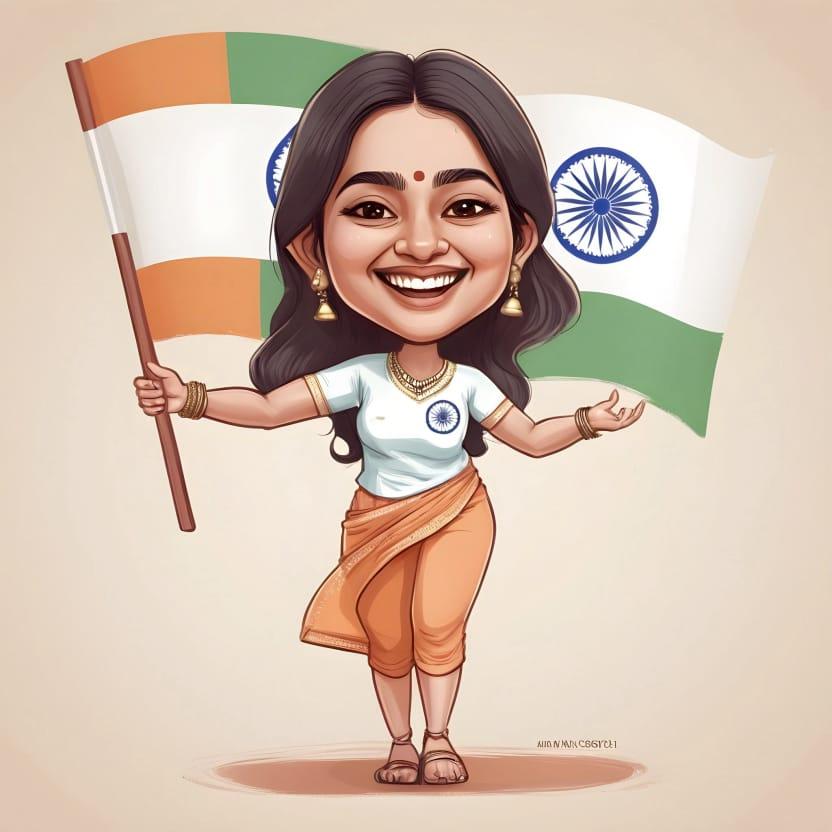
Many Indian classical dances like Bharatanatyam and Kathak tell stories through hand gestures and facial expressions. Street food is a huge part of Indian culture—each region has its own spicy, sweet, or tangy specialties. Indian temples often have intricate carvings that depict mythological tales and historical events.
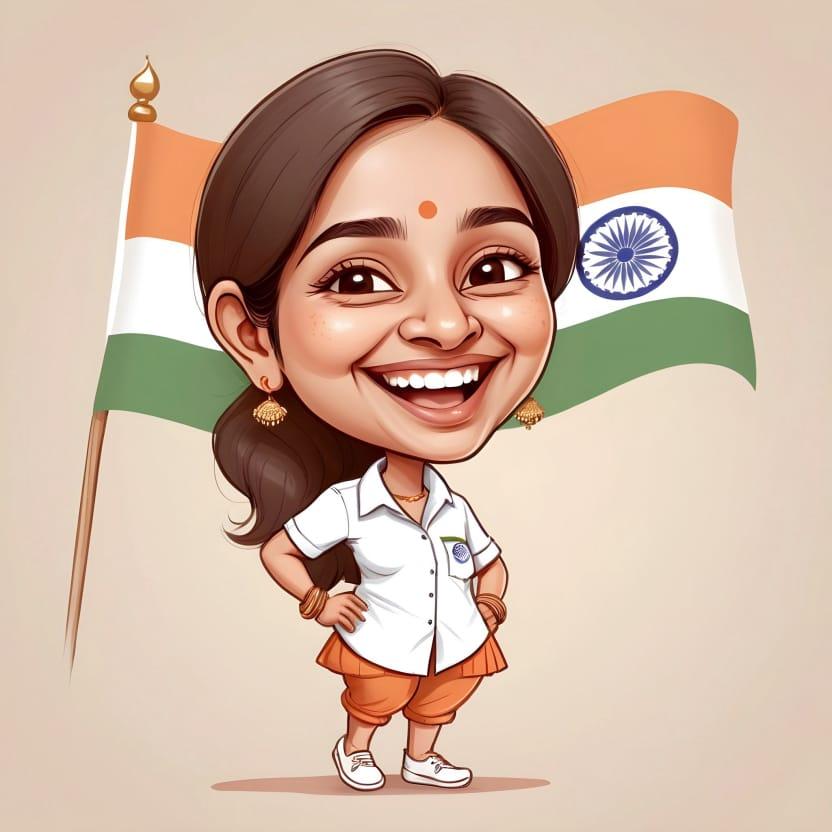
In India, it’s polite to remove your shoes before entering someone’s home, a temple, or even some shops. Cricket isn’t just a sport—it’s practically a religion, followed with national passion. Mumbai is home to the world’s most expensive private residence, owned by billionaire Mukesh Ambani.
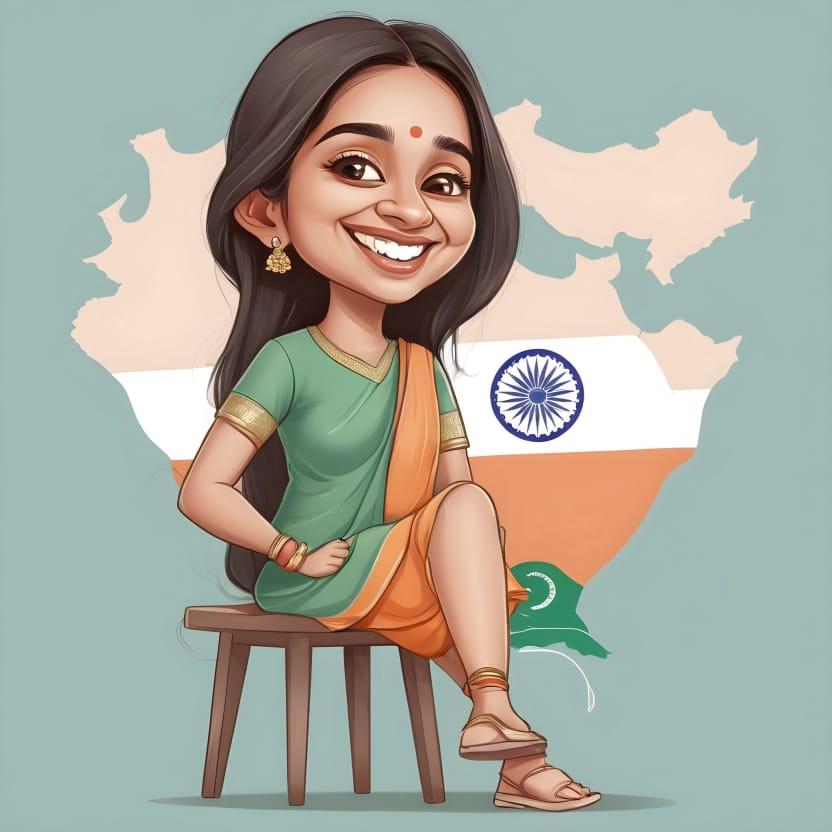
The Kumbh Mela gathering in India is so massive it’s visible from space—millions of people bathe in sacred rivers. Bollywood produces more films per year than Hollywood and has a massive influence on fashion and music. India has a strong tradition of oral storytelling, from ancient epics to village tales passed down through generations.
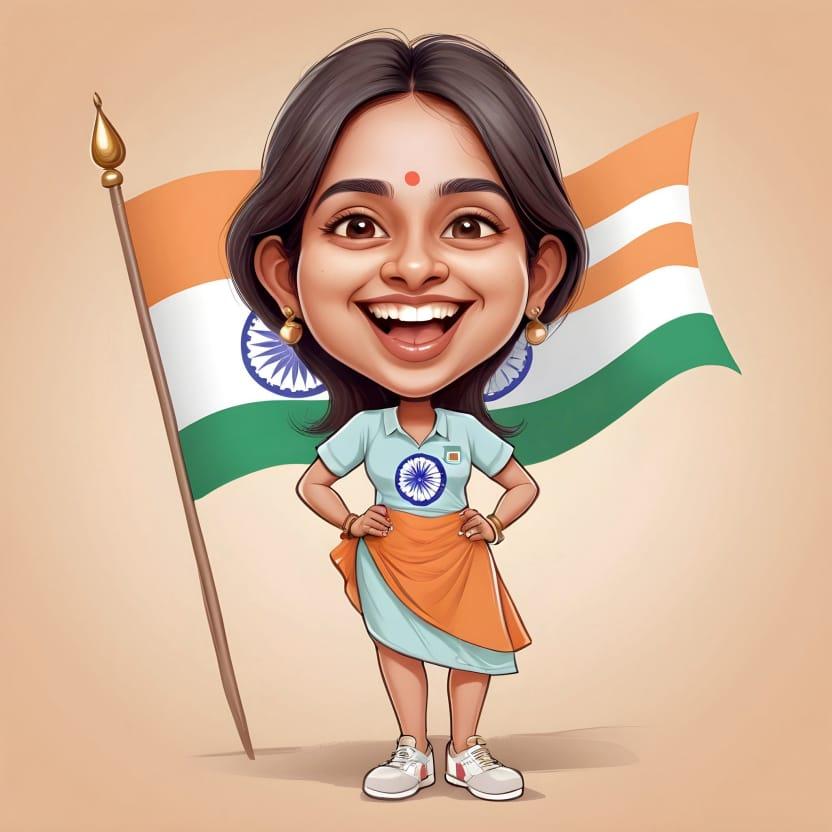
Indians use a head wobble (side-to-side nod) that can mean yes, maybe, or “I hear you”—context matters! Snake charmers are less common today but are still symbolic of rural Indian mystique. In Ladakh, locals build “ice stupas”—manmade glaciers that slowly melt to irrigate crops.
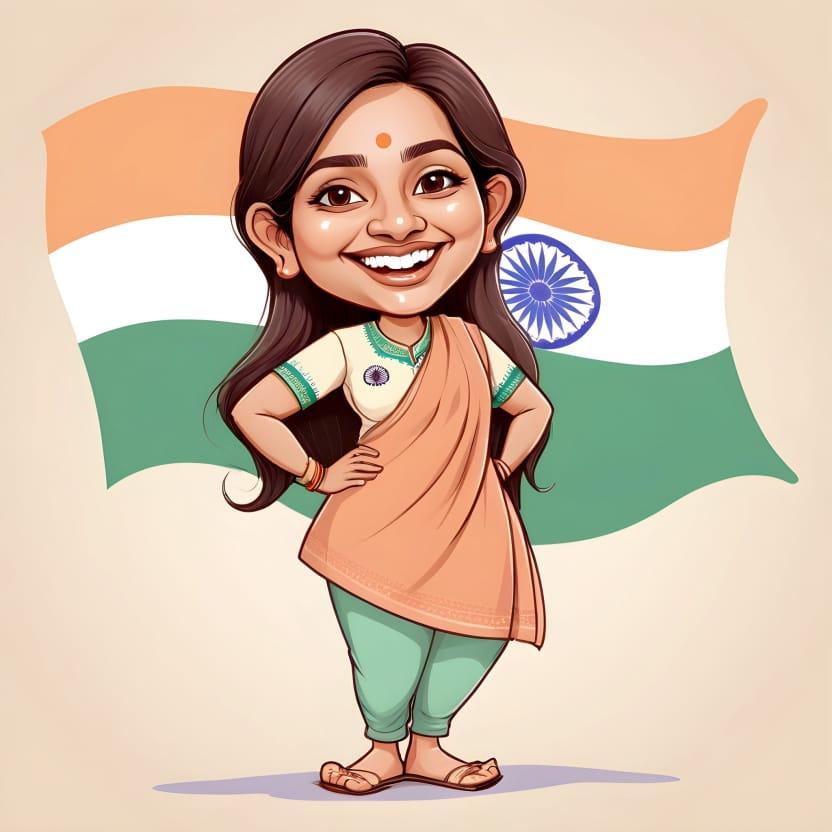
Many Indian homes have a small shrine or prayer corner used daily for rituals and offerings. During Holi, people throw colored powder in the air and on each other to celebrate the arrival of spring. Ayurveda, India’s traditional medicine system, is thousands of years old and still widely practiced.
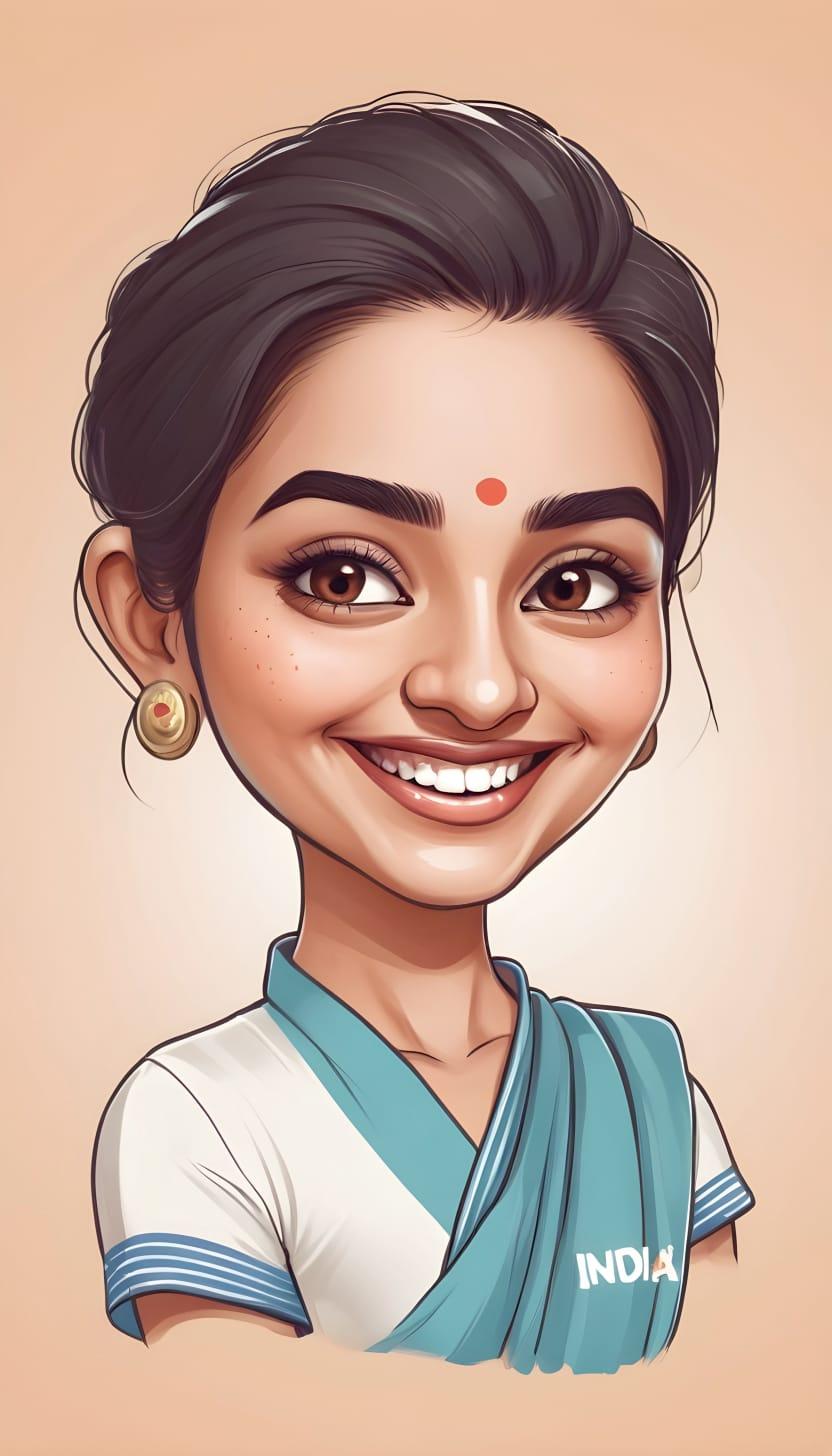
It’s common to see sacred fig trees (peepal trees) being worshipped with red thread and offerings. Most Indian villages still revolve around a central well, a traditional hub for community life. Saris, worn by millions of women, can be tied in over 100 different styles across regions.
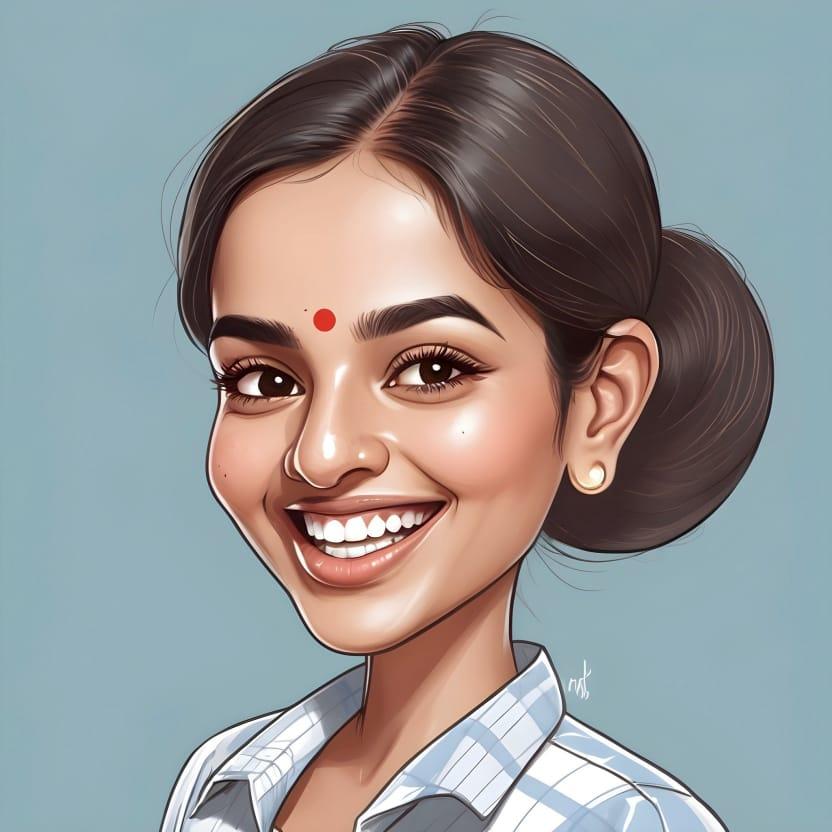
In many parts of India, people greet each other with “Namaste,” a respectful gesture meaning “I bow to you.” India is home to more than 2,000 ethnic groups and over 1,600 languages—true cultural diversity. Many rural areas celebrate their own local deities with festivals not found anywhere else in the country.
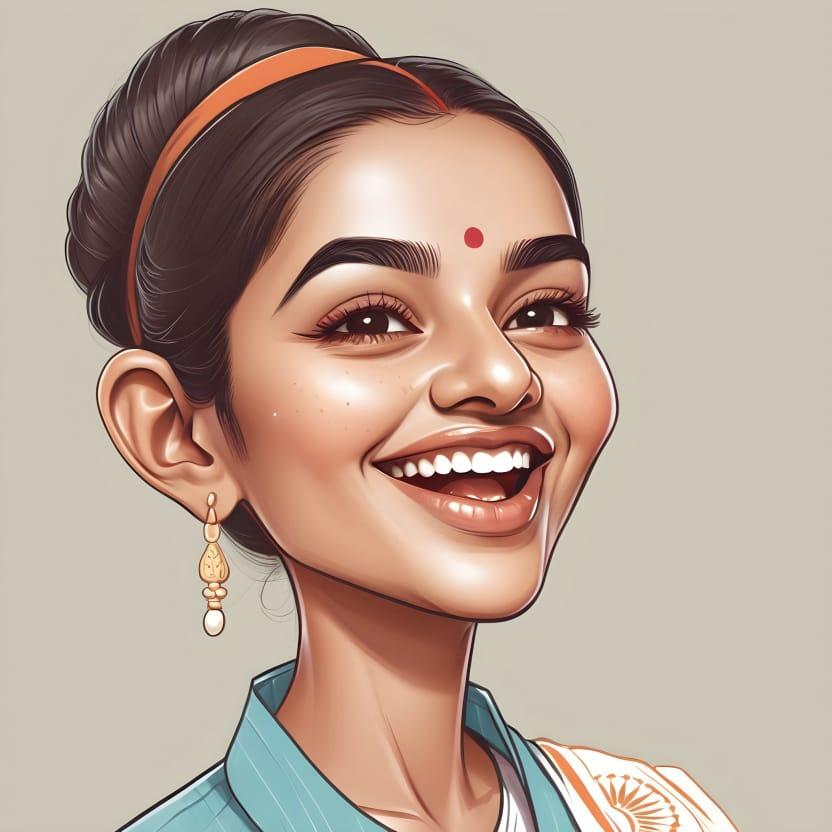
In India, elephants are seen as symbols of wisdom and good fortune—especially the god Ganesha. Rangoli, colorful art made from powders or flowers, decorates homes during festivals. In some states like Nagaland, traditional warrior festivals are held with dancing, costumes, and storytelling.
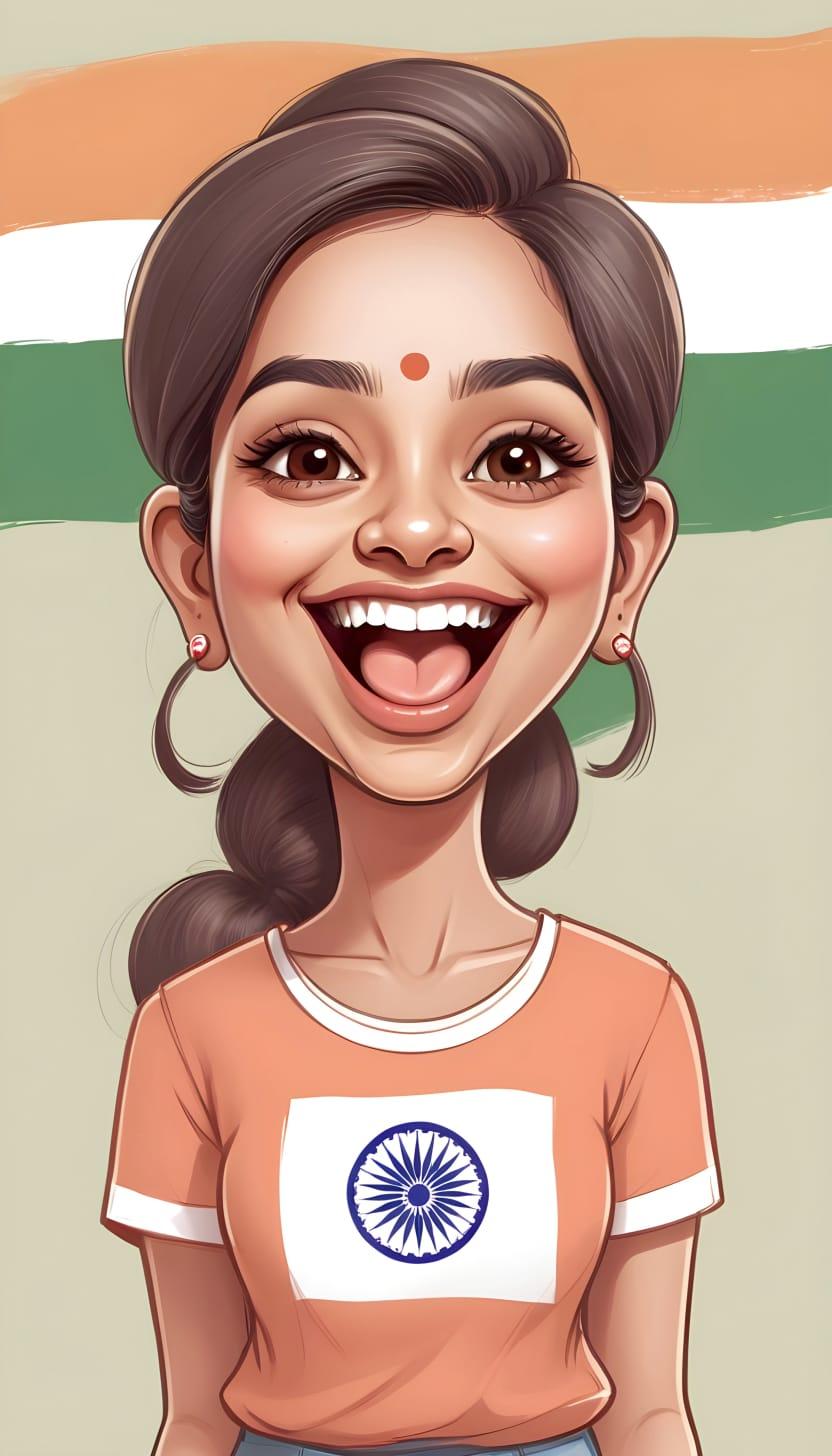
The Ganges River is not only a water source but also holds deep spiritual meaning for millions of Hindus. It’s common for Indian parents to arrange marriages, often with the help of extended families and astrology. India interesting cultural facts include how even daily greetings and eating styles differ dramatically by region.
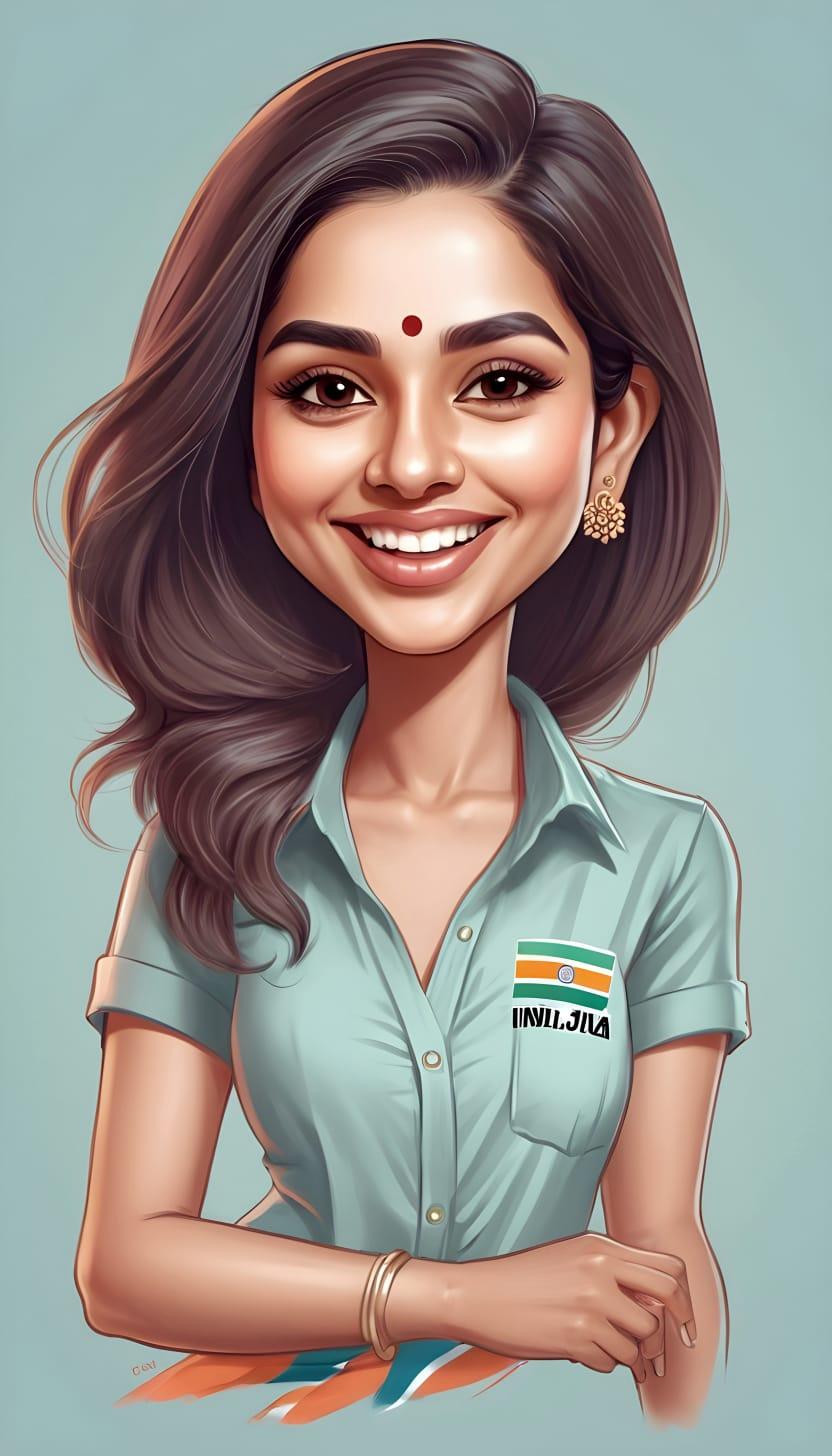
In Indian kitchens, spices like turmeric, cumin, and cardamom aren’t just flavor—they’re medicine too. India has one of the largest vegetarian populations in the world, influenced by religion and tradition. Kites fill the skies during festivals like Makar Sankranti—an ancient way to welcome the harvest season.
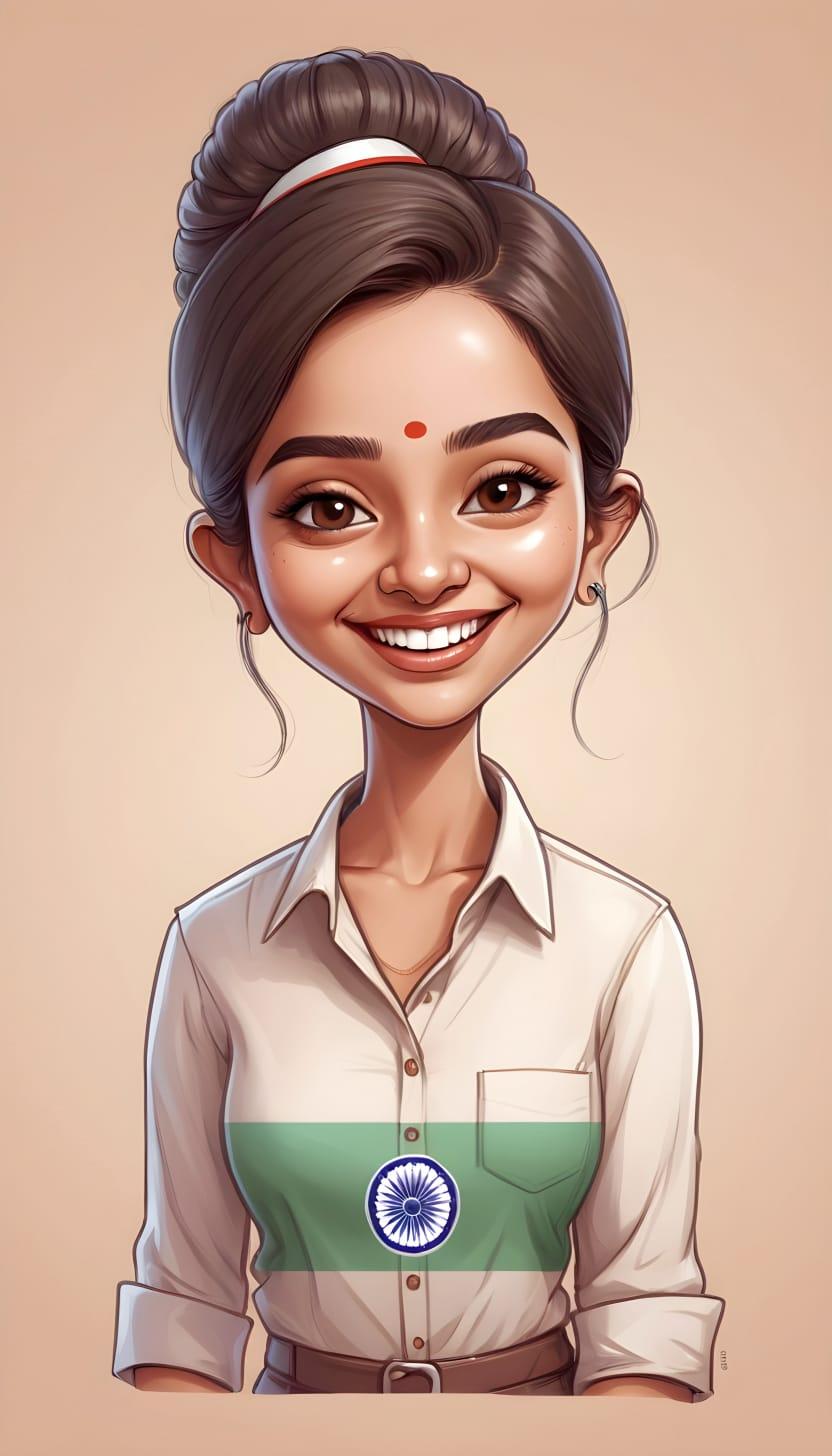
In some villages, people still use bullock carts for transportation, keeping old ways alive alongside smartphones. India’s mehndi (henna) tradition dates back centuries, with elaborate designs used for weddings and celebrations. School kids in India often wear uniforms and start their day with a morning prayer.
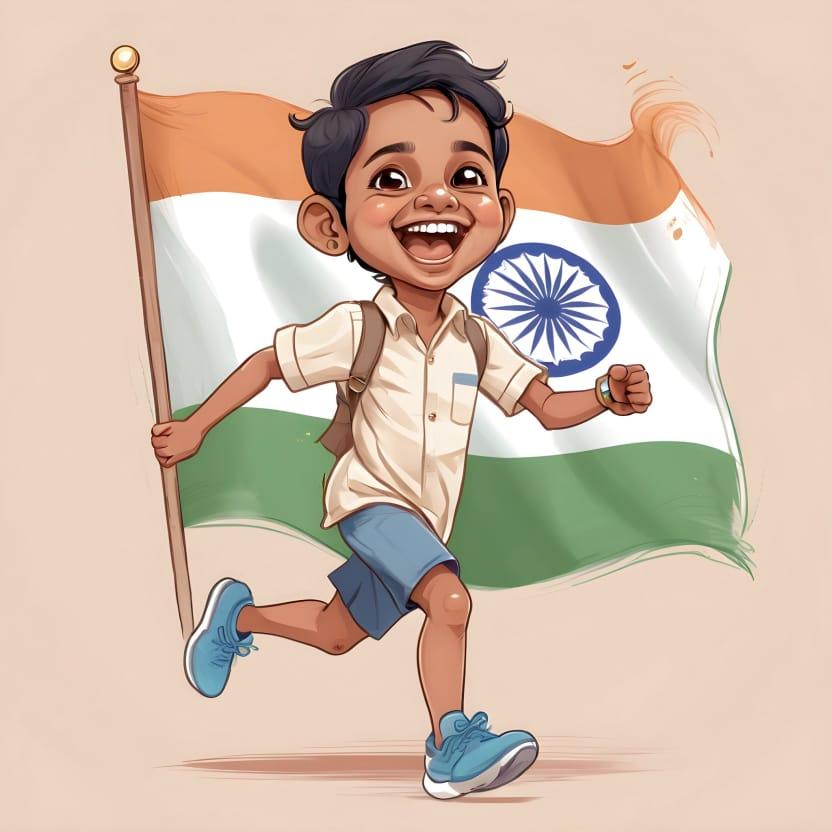
The Lotus flower is a sacred symbol in India, representing purity, rebirth, and the universe. Indians often apply a red dot, or bindi, on the forehead, which originally signified spiritual energy. During Navratri, some communities dance all night for nine days in colorful outfits and rhythmic circles.
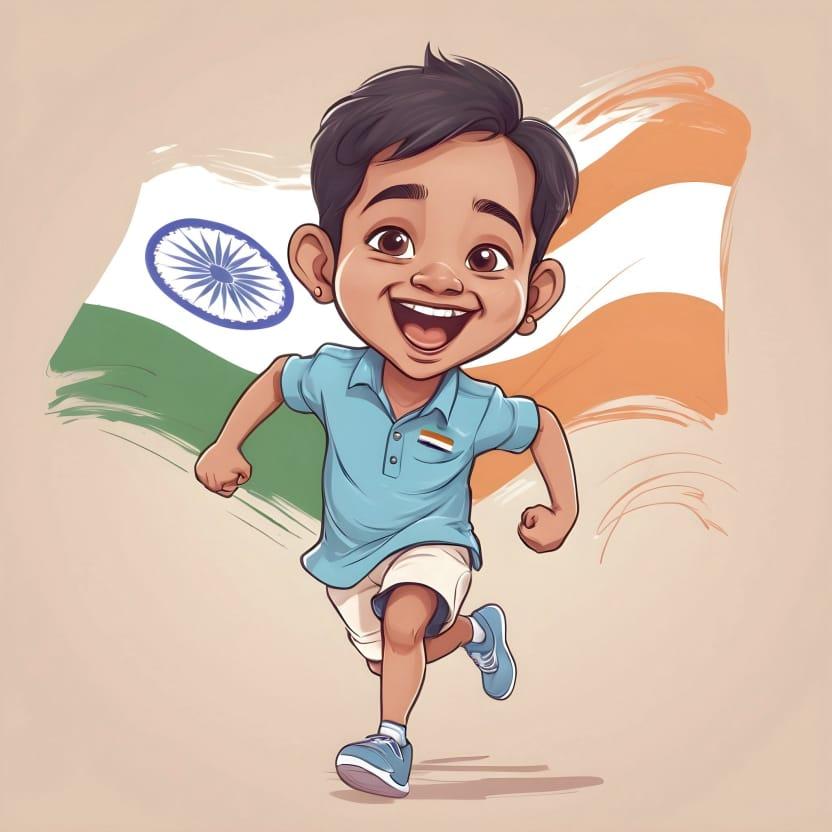
In India, you might see monkeys, cows, and even camels sharing space with people in bustling cities. Some Indian musical instruments, like the sitar or tabla, have been played the same way for centuries. Public festivals often involve free meals for thousands, especially in Sikh Gurdwaras.
The concept of “jugaad” in India means finding clever solutions using limited resources—innovation with what you’ve got. Sacred animals like cows and peacocks are woven into Indian art, clothing, and stories. India interesting cultural facts wouldn’t be complete without mentioning the daily yoga practices rooted in ancient philosophy.
People often travel barefoot inside temples as a sign of respect and humility. Indian spice markets are sensory adventures—vivid colors, strong smells, and lively haggling. Despite modernization, many Indian weddings still follow centuries-old rituals and symbols.
In Indian classical music, each note has an emotional color and is often performed live, not read from sheet music. Many villages host their own theater troupes, performing epics like the Ramayana with song and dance. India’s cultural facts are often experienced best not in textbooks but in festivals, flavors, and daily routines.
You’ll often find entire families riding a single scooter—a practical and humorous glimpse into Indian life. In India, festivals can involve entire neighborhoods decorating streets with lights and art. India interesting cultural facts reveal how tradition, spirituality, and daily life blend in endlessly fascinating ways.