Italian culture
- Fun pictures /
- Culture /
- Italian culture

Italy is home to the world’s oldest university still in operation, the University of Bologna, founded in 1088. It’s a key part of Italian culture, showing how education and tradition go hand in hand here. Coffee culture in Italy is serious business — Italians typically drink espresso standing up at the bar, quick and social, rather than lingering over big cups. Venice, famous for its canals, is built on more than 100 small islands connected by bridges. This unique cityscape shapes much of Italian culture in that region.

The Italian language has many regional dialects, some so different that locals from different areas might not understand each other easily. This diversity reflects Italy’s rich cultural history. Italian culture places a huge emphasis on family, and many social events revolve around big family gatherings and shared meals. The tradition of aperitivo — enjoying a light drink and snacks before dinner — started in northern Italy and is now a popular social ritual across the country.

Italy gave the world the Renaissance, a massive cultural movement that shaped art, science, and philosophy across Europe. Cities like Florence still show off their Renaissance masterpieces. Pizza, as we know it, was born in Naples, Italy. Its simple, fresh ingredients highlight the Italian culture’s love for quality and tradition in food. Italy has more UNESCO World Heritage Sites than any other country, reflecting the incredible depth of its art, architecture, and natural beauty.

In Italian culture, gestures speak volumes. For example, the “finger purse” gesture means “What do you want?” or “What are you saying?” and is used everywhere from casual chats to debates. The tradition of hand-crafted leather goods comes from Tuscany, where skilled artisans still create items using centuries-old methods. Italian opera, born in Italy, remains a powerful cultural symbol, with composers like Verdi and Puccini still performed worldwide.
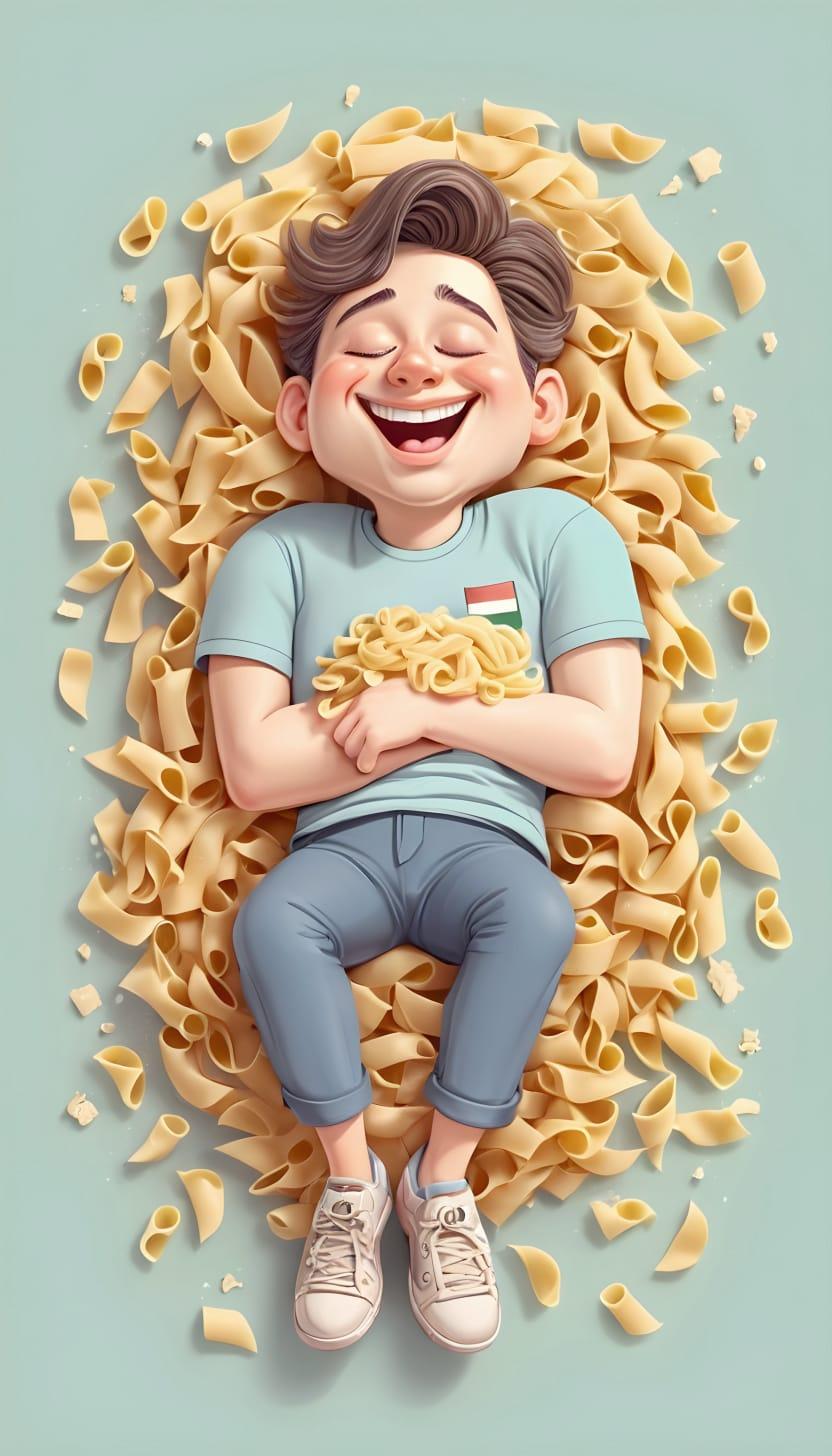
Italians usually eat their biggest meal at lunch, which contrasts with many cultures that prefer dinner as the main meal. The art of making pasta by hand varies regionally, with hundreds of shapes and styles, each tied to local culture and history. Italian culture has deeply influenced fashion, especially through cities like Milan, known as one of the fashion capitals of the world.

The Colosseum in Rome could hold up to 50,000 spectators and was a center for social life in ancient Rome, reflecting Italy’s long-standing culture of public gatherings. In Italy, it’s common to greet people with a kiss on both cheeks, especially among friends and family, showing warmth and closeness in social culture. Gelato, Italy’s famous ice cream, has less fat than regular ice cream and is made fresh daily, making it a delicious part of Italian culture.

The Italian coffee ritual often involves a macchiato (espresso with a little milk) or cappuccino, but drinking cappuccino after 11 am is considered unusual in Italian culture. Italy’s tradition of festivals includes Carnevale, especially in Venice, where people wear elaborate masks and costumes. Italian football (soccer) is more than a sport; it’s a cultural passion that brings people together from north to south.

Italy’s Christmas traditions include the Feast of the Seven Fishes, a meal with multiple seafood dishes, highlighting Italy’s coastal culinary culture. The Mediterranean diet, popularized worldwide, has roots in Italian culture, emphasizing olive oil, fresh vegetables, and moderate wine consumption. Italian cinema has produced legendary directors like Federico Fellini, who shaped global film culture with unique storytelling.

Espresso bars in Italy are often packed with people chatting and socializing, showing how coffee culture is tied to daily life. The Vatican City, located within Rome, is the spiritual center of the Roman Catholic Church and influences many aspects of Italian culture. In Italian culture, art is everywhere—from churches to street corners—showing a deep appreciation for beauty in daily life.

Italy’s countryside is dotted with vineyards producing some of the world’s finest wines, reflecting the importance of wine in Italian meals and celebrations. The tradition of making handmade masks in Venice dates back to the Middle Ages, blending mystery and festivity in Italian culture. Italian culture includes many regional folk dances, each with unique costumes and music, celebrating local heritage.

Espresso machines were invented in Italy in the early 20th century, forever changing coffee culture worldwide. In southern Italy, it’s common to find family-owned trattorias serving recipes passed down for generations. The art of pizza tossing is both a skill and a performance, part of Italy’s rich food culture.

Italy’s highways are dotted with roadside stands selling fresh produce, cheese, and cured meats, highlighting the country’s strong food culture. The tradition of la dolce vita, or “the sweet life,” captures the Italian cultural approach to enjoying life’s pleasures. Italian culture embraces slow food movements that celebrate local, seasonal ingredients and traditional cooking methods.

The Italian hand gesture for “delicious” involves touching fingertips to the lips and then opening the hand, a small but iconic part of Italian culture. Italian opera houses are architectural masterpieces, often doubling as social hubs in their cities. The Venetian gondola, a traditional rowing boat, is a symbol of Italy’s maritime culture and romance.

In Italy, Sundays are often reserved for family meals, showing how Italian culture prioritizes rest and togetherness. Italian coffee cups are small because Italians prefer strong, concentrated shots rather than large, milky drinks. Italy’s olive oil production is one of the largest in the world, making it a staple in Italian culture and cooking.

In Rome, you’ll find thousands of fountains, many with historical or religious significance, reflecting Italian culture’s love for art and public spaces. Italian culture values craftsmanship, seen in handmade ceramics, glass from Murano, and intricate lacework. The Italian gesture for disbelief involves flicking fingers upward from under the chin—often used in everyday conversation.

The Palio di Siena is a famous horse race held twice a year in Tuscany, blending competition with centuries-old Italian culture and tradition. Italy’s espresso is often served without sugar, but sweeteners are always available to suit personal tastes. In many Italian towns, piazzas serve as lively community centers, hosting markets, concerts, and social life.

Italian culture has a rich tradition of storytelling, seen in its literature, theater, and oral history passed through generations. The pizza Margherita was named after Queen Margherita and represents the colors of the Italian flag: red (tomato), white (mozzarella), and green (basil). Traditional Italian festivals often include parades, food fairs, and religious ceremonies that celebrate local saints or historical events.

In Italian culture, the handshake is often replaced with a warm hug or kiss among close friends and family. The use of fresh herbs like basil, rosemary, and oregano is fundamental in Italian cooking, highlighting a close connection to nature. Many Italian cities hold weekly markets where locals buy fresh food, supporting local farmers and artisans.

Italy’s coastal towns have unique fishing traditions, with fresh seafood featuring heavily in local cuisine and culture. Italian culture celebrates beauty not only in art but also in fashion, architecture, and everyday life aesthetics. Pasta shapes are often linked to their region of origin, reflecting Italy’s diverse culinary culture.

Italy’s tradition of espresso bars encourages socializing and quick breaks, blending work and pleasure smoothly. In Italian culture, meals are experiences to savor, often lasting hours, especially during holidays and family gatherings. Italy’s rich mix of ancient ruins and modern life shows a culture that honors its past while living vibrantly in the present.