Mexican child customs
- Fun pictures /
- Culture /
- Mexican child customs

In Mexico, children celebrate their birthday with a big party called a “fiesta,” where piñatas are a must. Kids take turns hitting the colorful piñata until it breaks, spilling candy and treats everywhere. Many Mexican kids believe in “El Día de los Reyes Magos” (Three Kings Day) on January 6, when they receive gifts from the Three Wise Men, similar to Christmas. Mexican children often grow up learning traditional dances like “Baile Folklórico,” which teaches them about their rich cultural heritage from a young age.
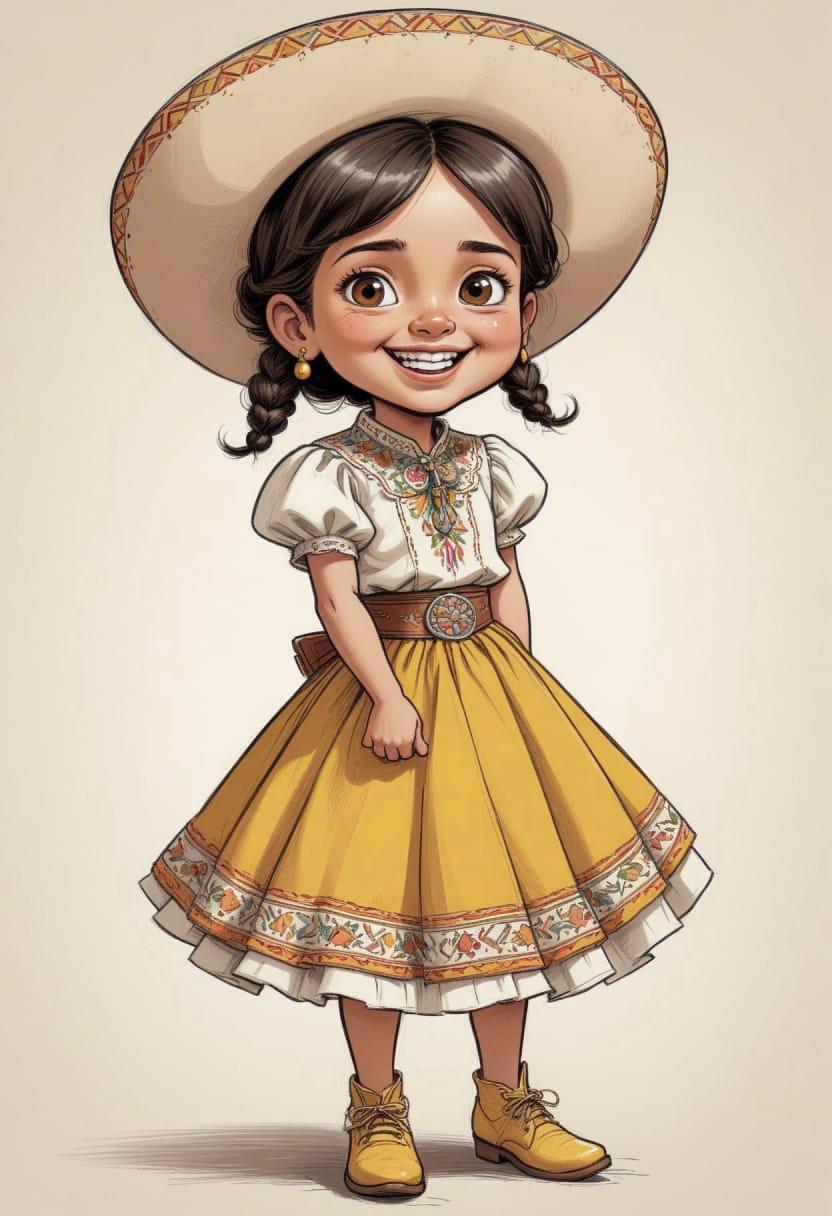
It’s common for Mexican kids to celebrate “Quinceañera” parties, but for girls turning 15, boys have their own similar coming-of-age celebrations too. Families often teach children to greet elders with respect, including a kiss on the cheek or a polite “Buenos días.” Many children attend Catholic mass regularly, as religion plays a big role in Mexican child customs and family life.
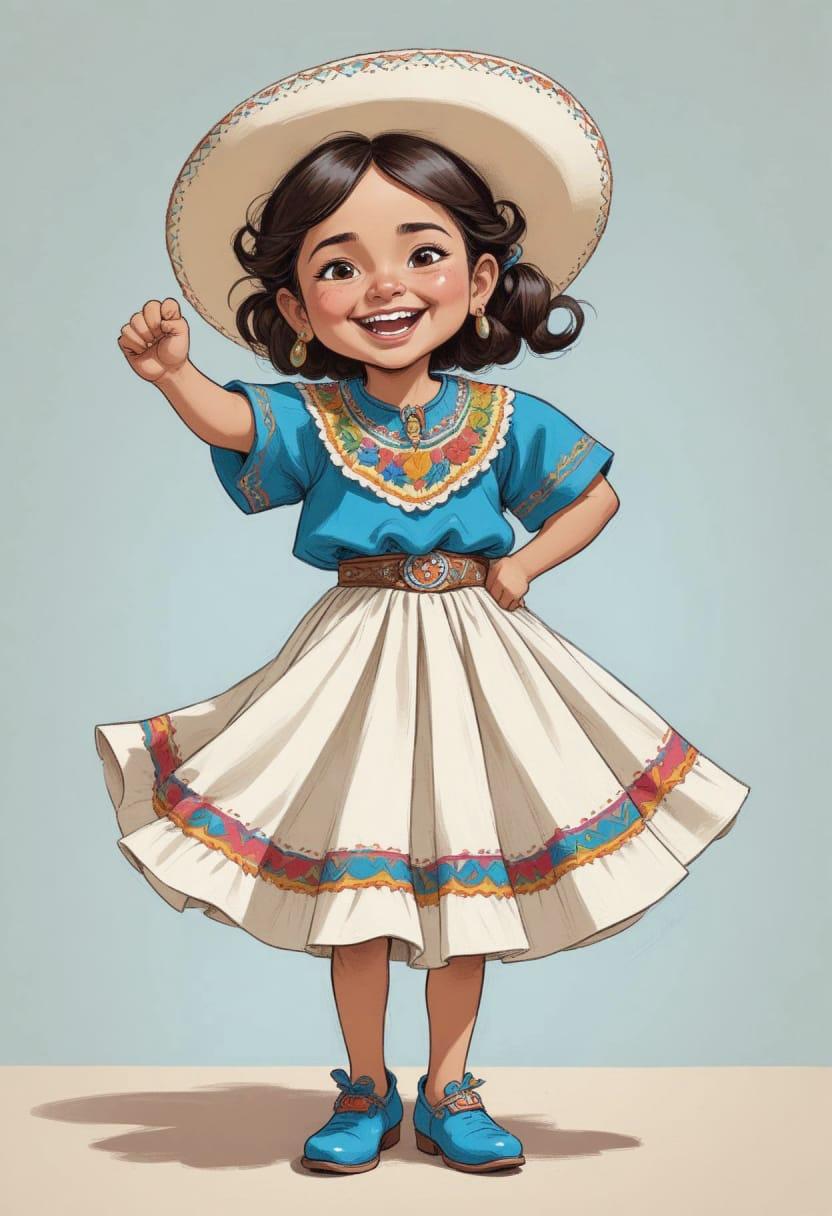
In Mexican child customs, sharing food during festivals is important, so kids often help prepare traditional treats like tamales and atole. Children commonly learn Spanish and indigenous languages depending on their region, preserving Mexico’s linguistic diversity. Kids play traditional games like “Lotería,” a bingo-style game that’s both fun and educational.
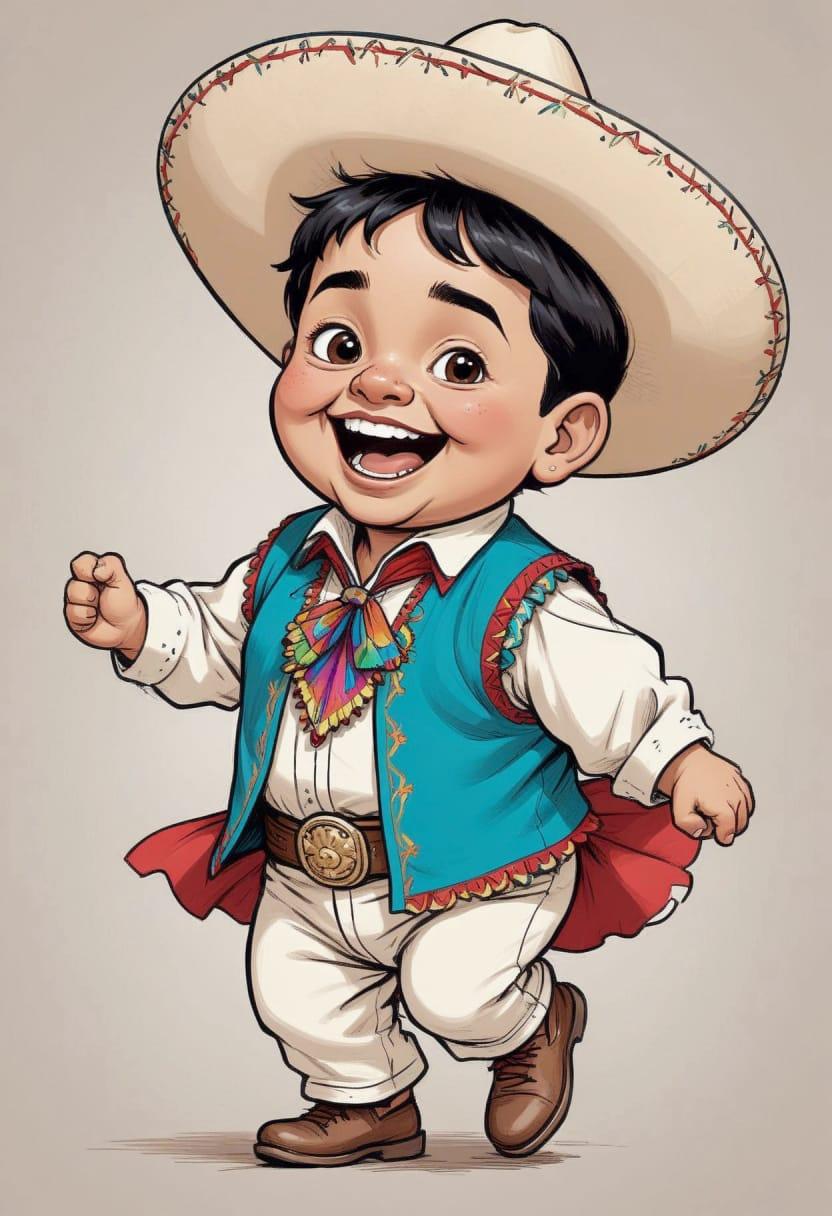
Storytelling is popular; Mexican children grow up hearing folk tales about characters like “La Llorona” or “El Cucuy,” which teach morals and history. Children often participate in “posadas” during Christmas, reenacting Mary and Joseph’s search for shelter. School plays and cultural shows let kids showcase Mexican traditions and help keep their customs alive.
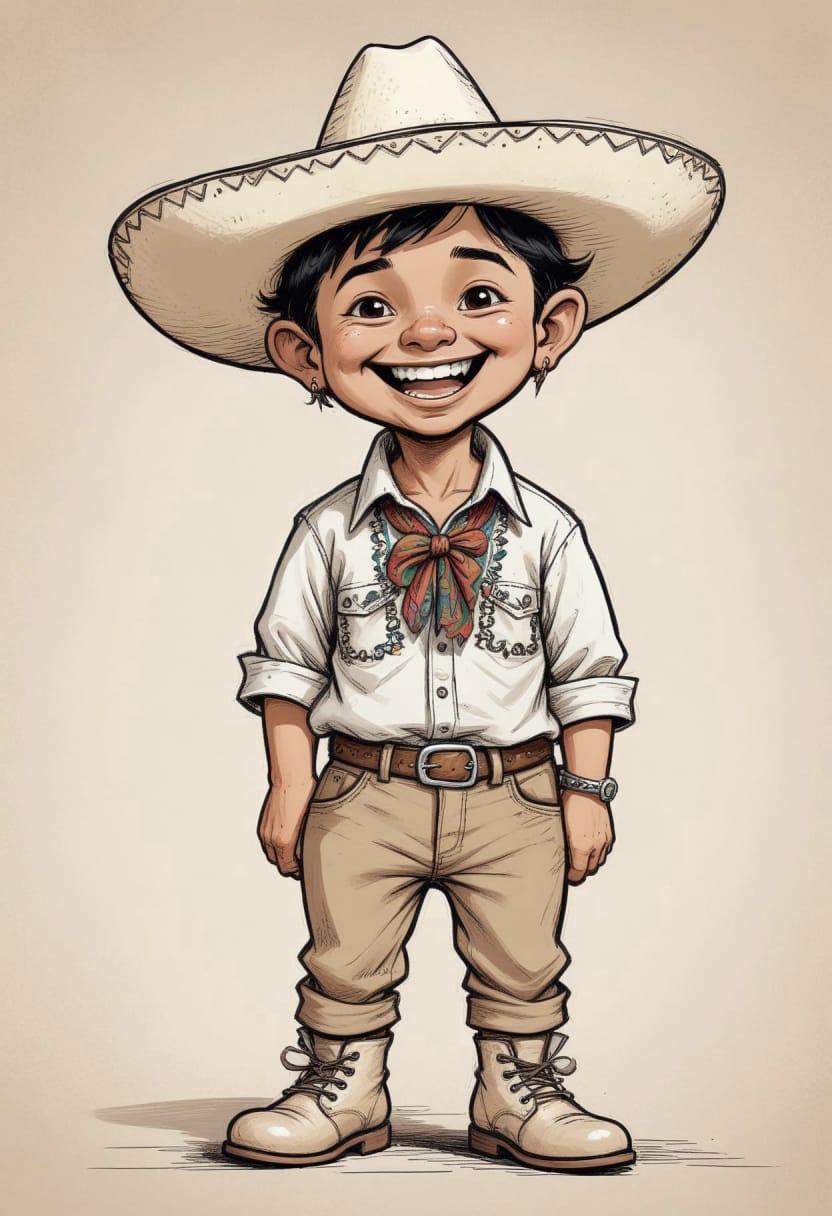
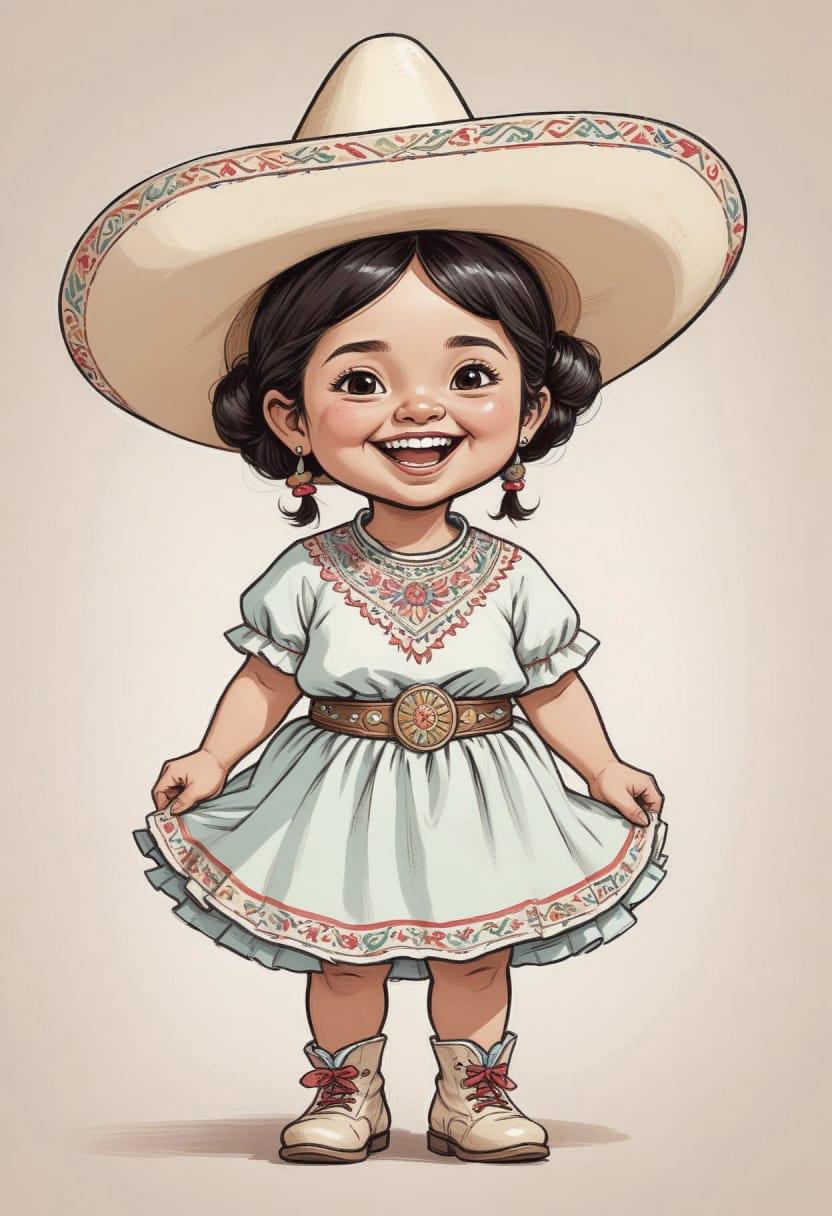
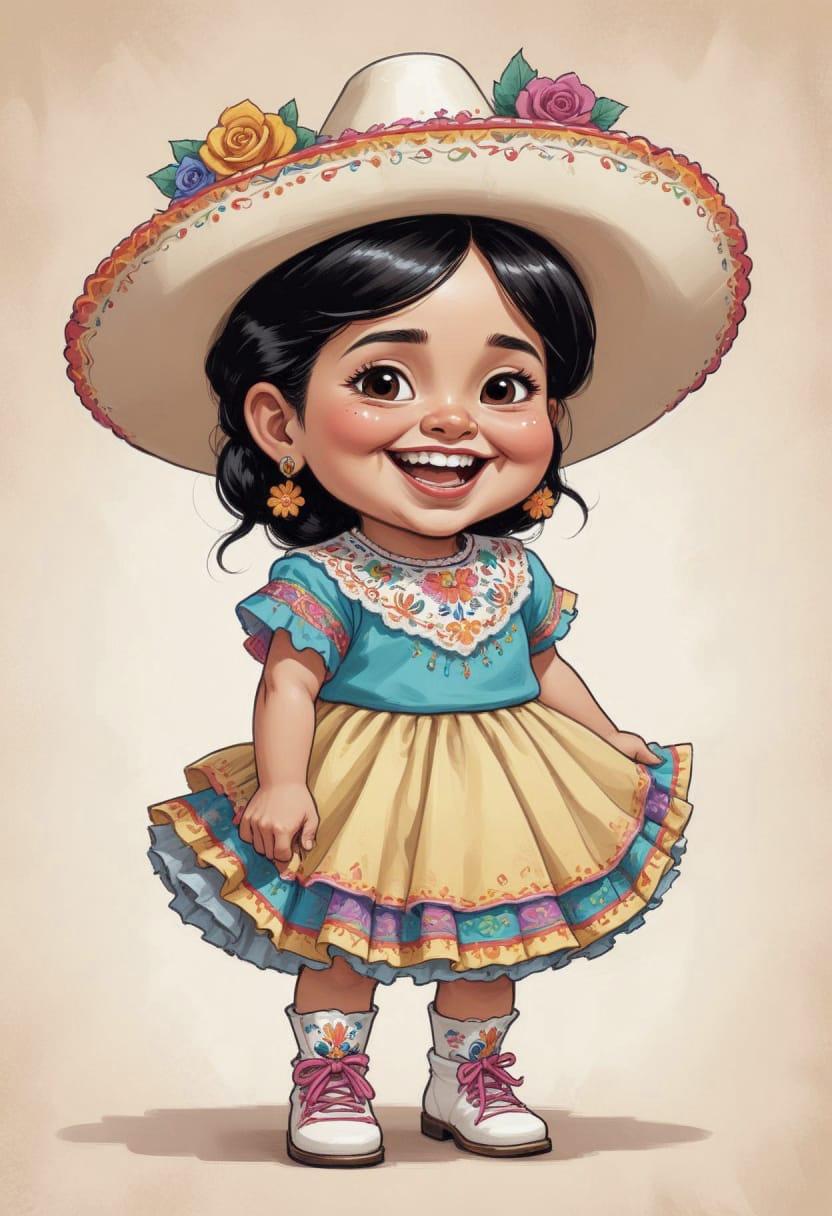
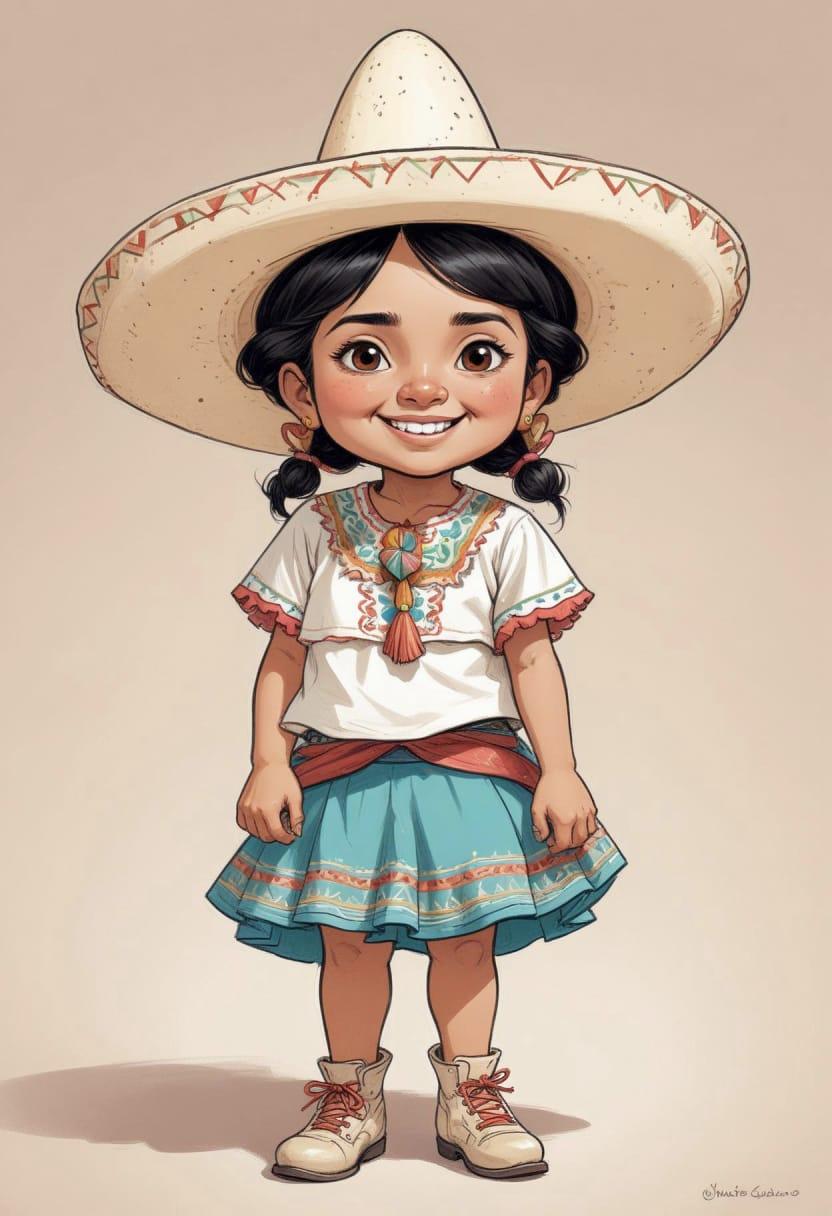
Family is central; Mexican child customs encourage kids to spend time with extended family, including cousins, aunts, and grandparents. Children often wear traditional clothes during festivals, such as embroidered dresses or charro suits, connecting them with their heritage. Respect for nature and animals is taught early, with children helping care for plants and pets.
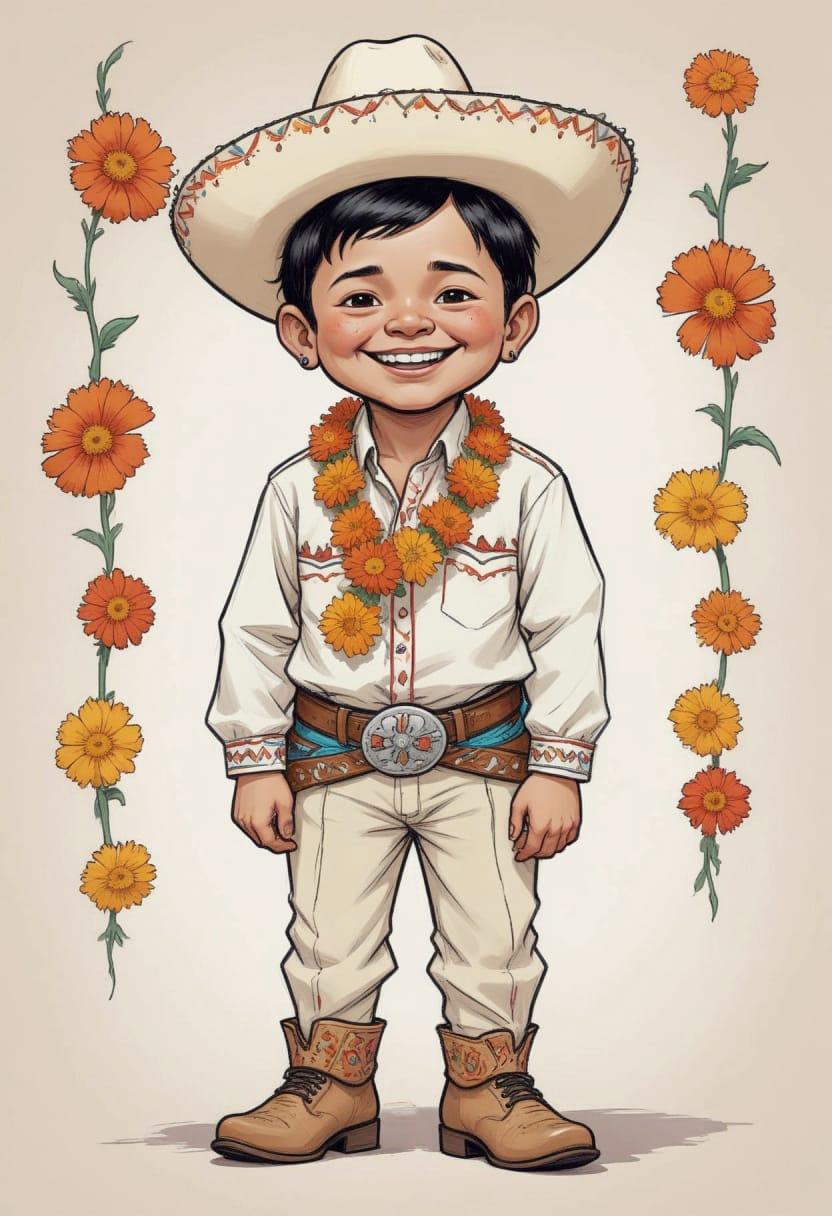
Mexican kids usually start learning to cook traditional dishes from a young age, passing recipes down through generations. In some areas, children join community celebrations like the “Día de los Muertos” (Day of the Dead), honoring ancestors in colorful and joyful ways. School is highly valued, and parents encourage children to excel, linking education to future success.
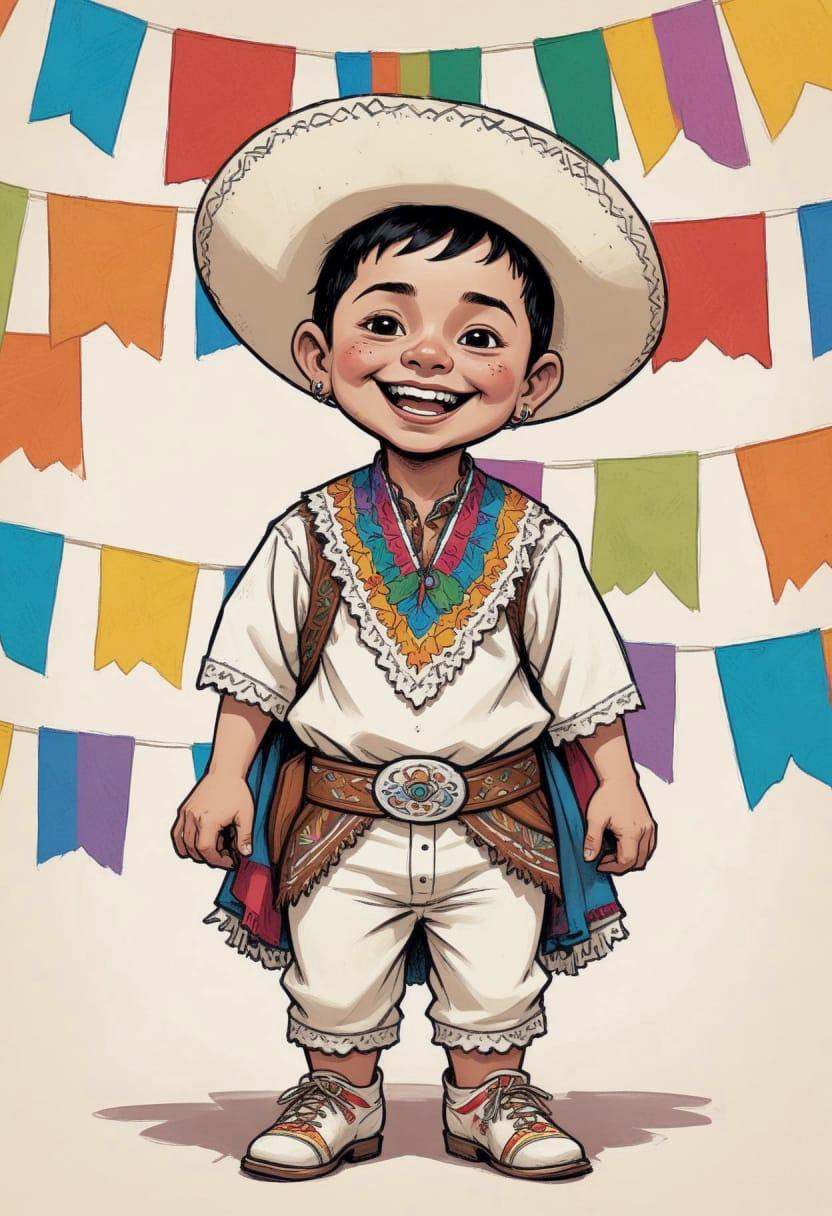
Mexican child customs include learning music early; many kids start playing instruments like the guitar or violin as part of family tradition. Birthday cakes often feature bright colors and themes, making celebrations extra special for kids. Children are encouraged to say “gracias” (thank you) and “por favor” (please) to promote politeness.
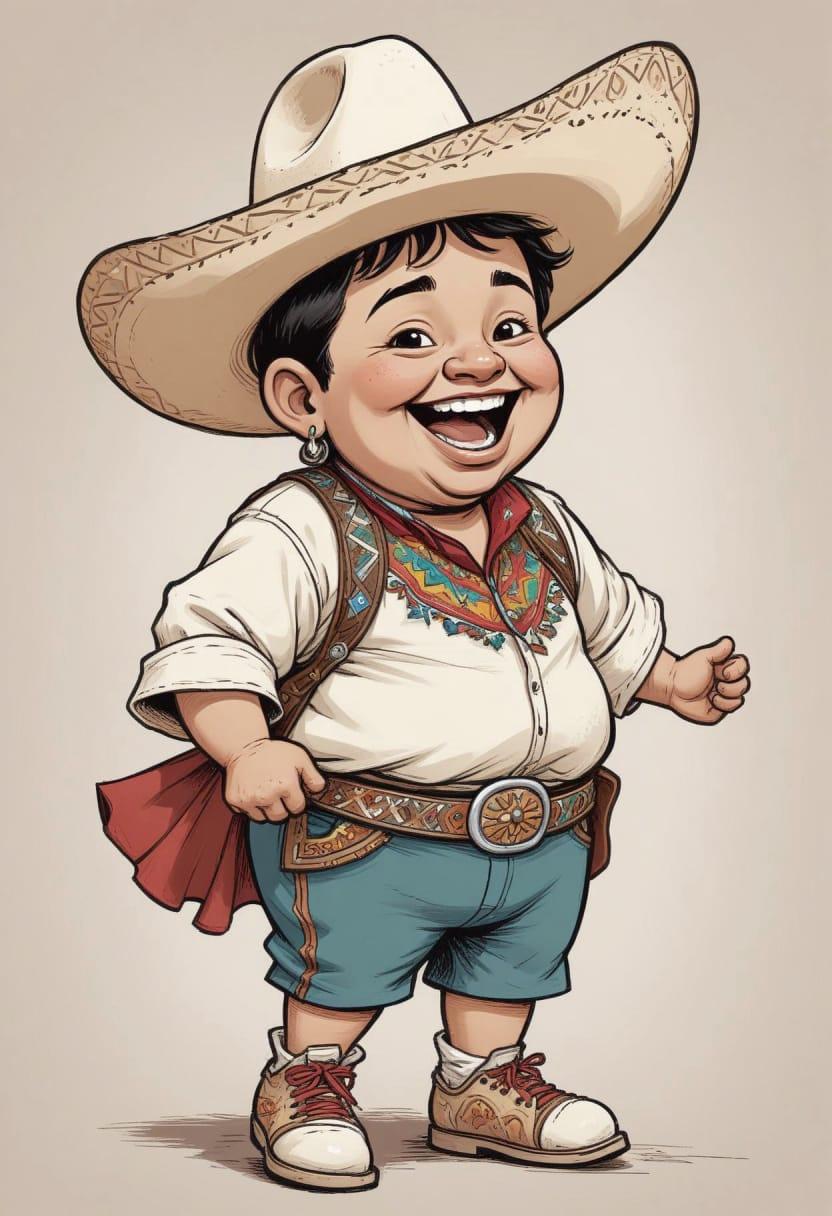
Children in Mexico often receive “aguinaldos” (small gifts or money) during Christmas, fostering excitement and generosity. Mexican parents usually involve kids in religious sacraments like baptism and first communion, important rites of passage. The use of nicknames is common, with many children having affectionate family nicknames that stick through life.
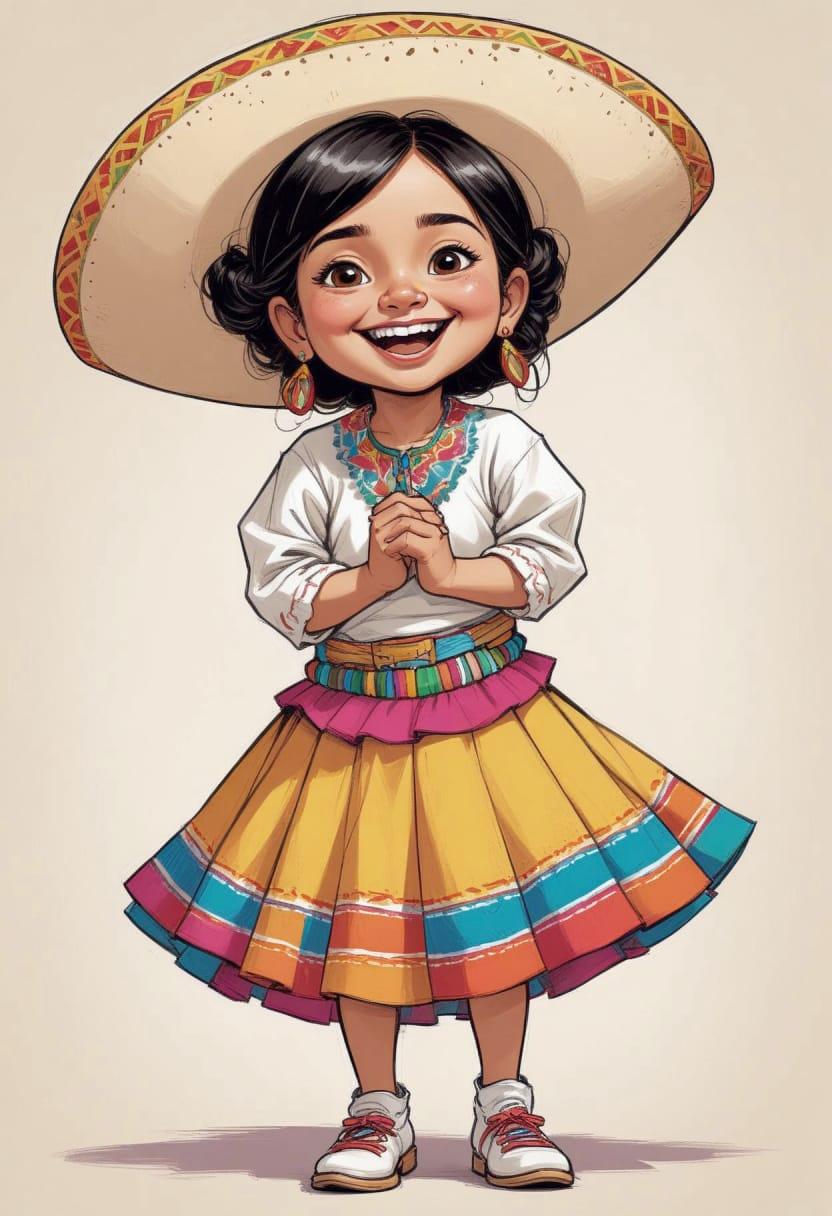
Outdoor play is a big part of childhood; Mexican kids enjoy running, soccer, and traditional games like “rayuela” (hopscotch). Mexican child customs teach patience and cooperation through family chores and shared responsibilities. Many children help with farming or gardening in rural areas, learning valuable skills early on.
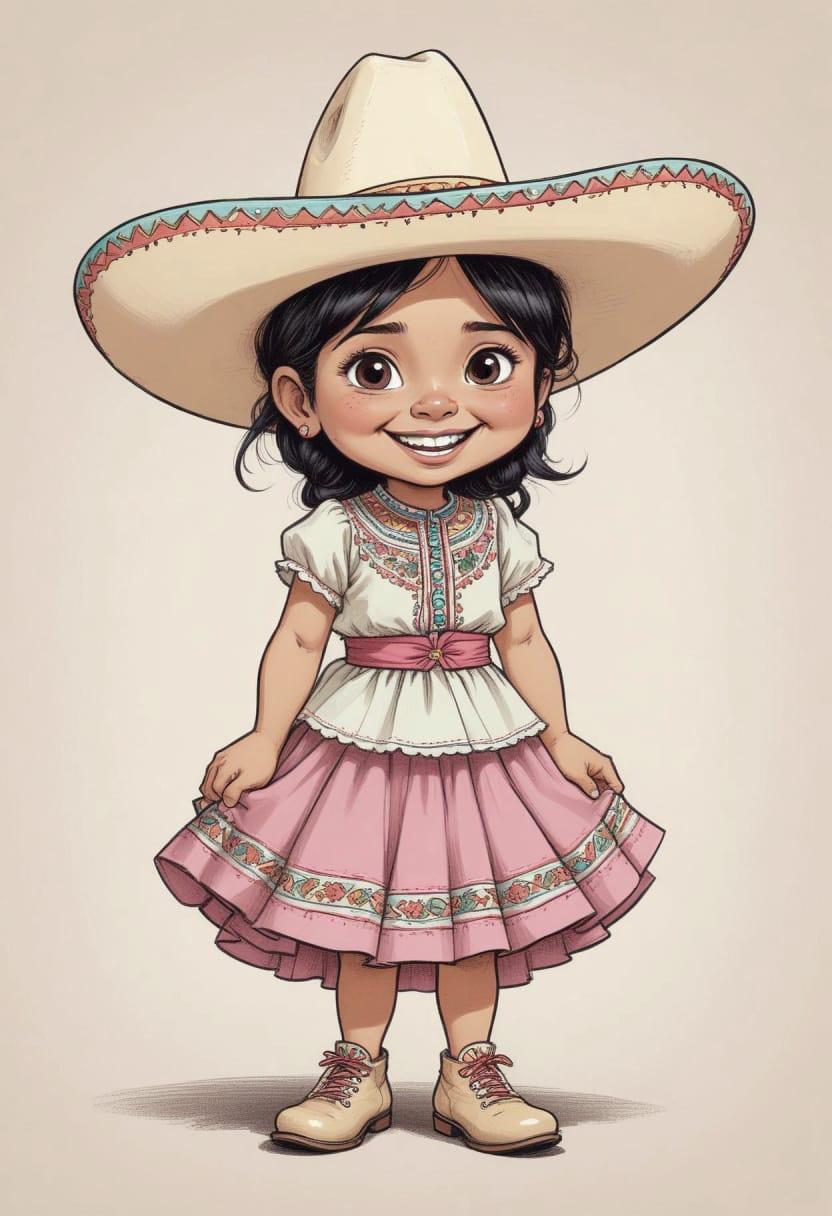
The “mañanitas” song is a traditional birthday serenade sung to children, often performed by family and friends early in the morning. Mexican kids often enjoy “aguas frescas,” refreshing fruit drinks, especially during hot days and parties. Storybooks with colorful illustrations featuring Mexican culture are common gifts, helping kids connect with their roots.
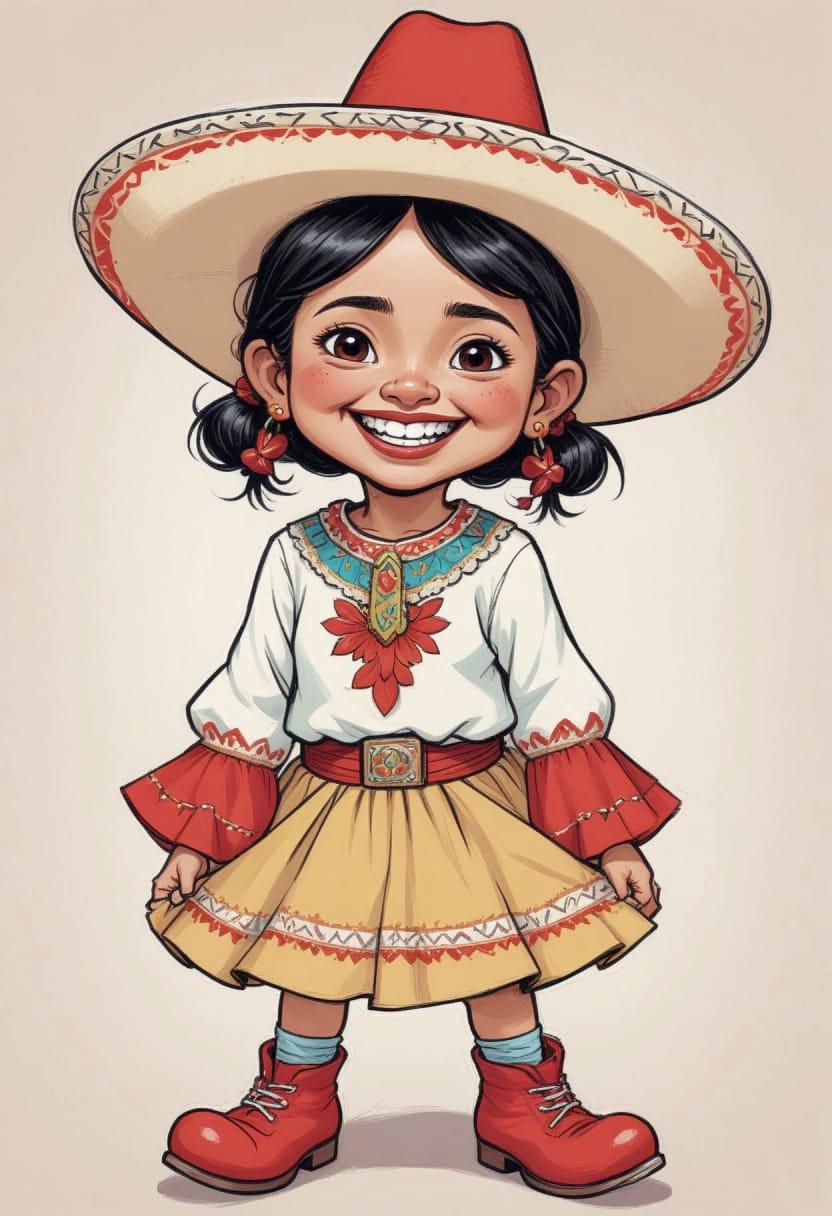
Children often decorate their homes with papel picado (cut paper decorations) during festivals, making celebrations colorful and lively. Mexican child customs emphasize respect for elders, and kids often help care for their grandparents. Many kids learn to dance salsa or cumbia, styles that are fun and part of social gatherings.
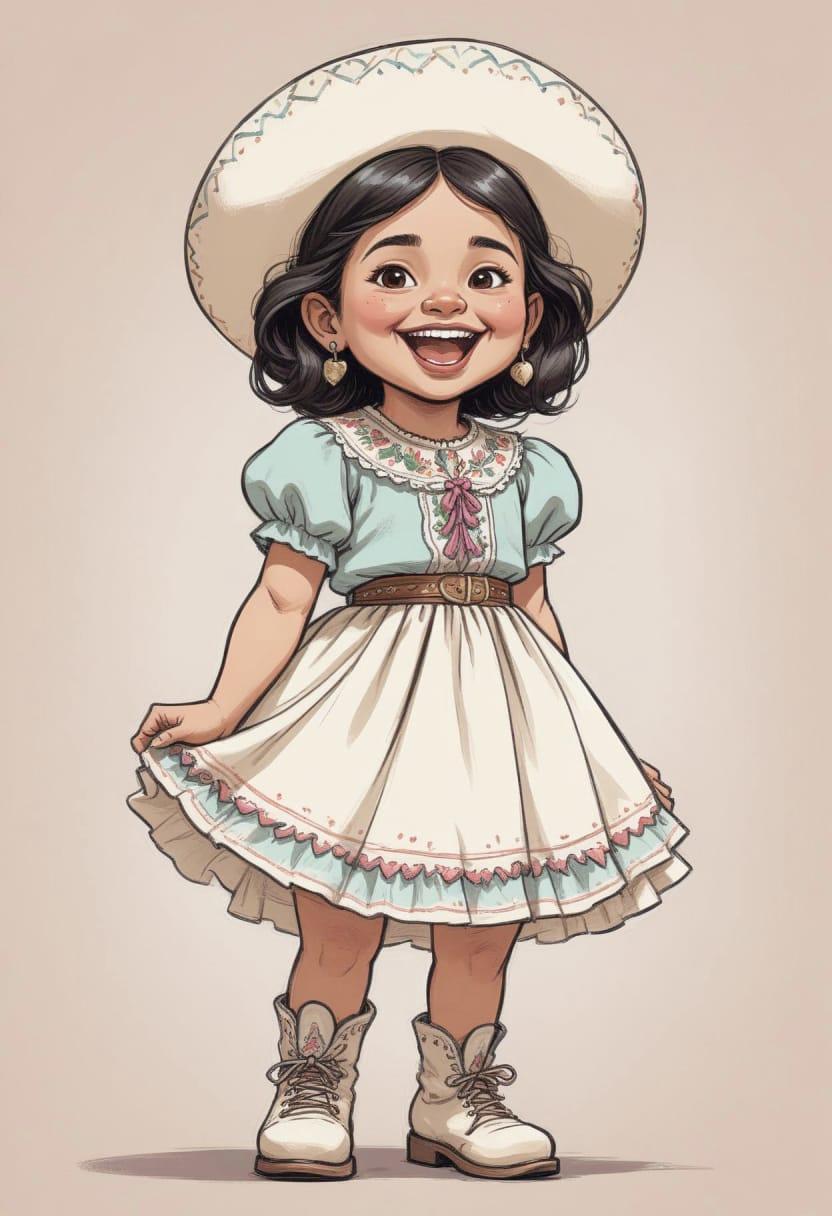
It’s usual for kids to eat “pan dulce” (sweet bread) with hot chocolate for breakfast, a comforting tradition. Parents teach children to value friendship and loyalty, which are key social values in Mexican culture. Children enjoy making crafts during holidays, creating masks or decorations for events like Carnival or Day of the Dead.
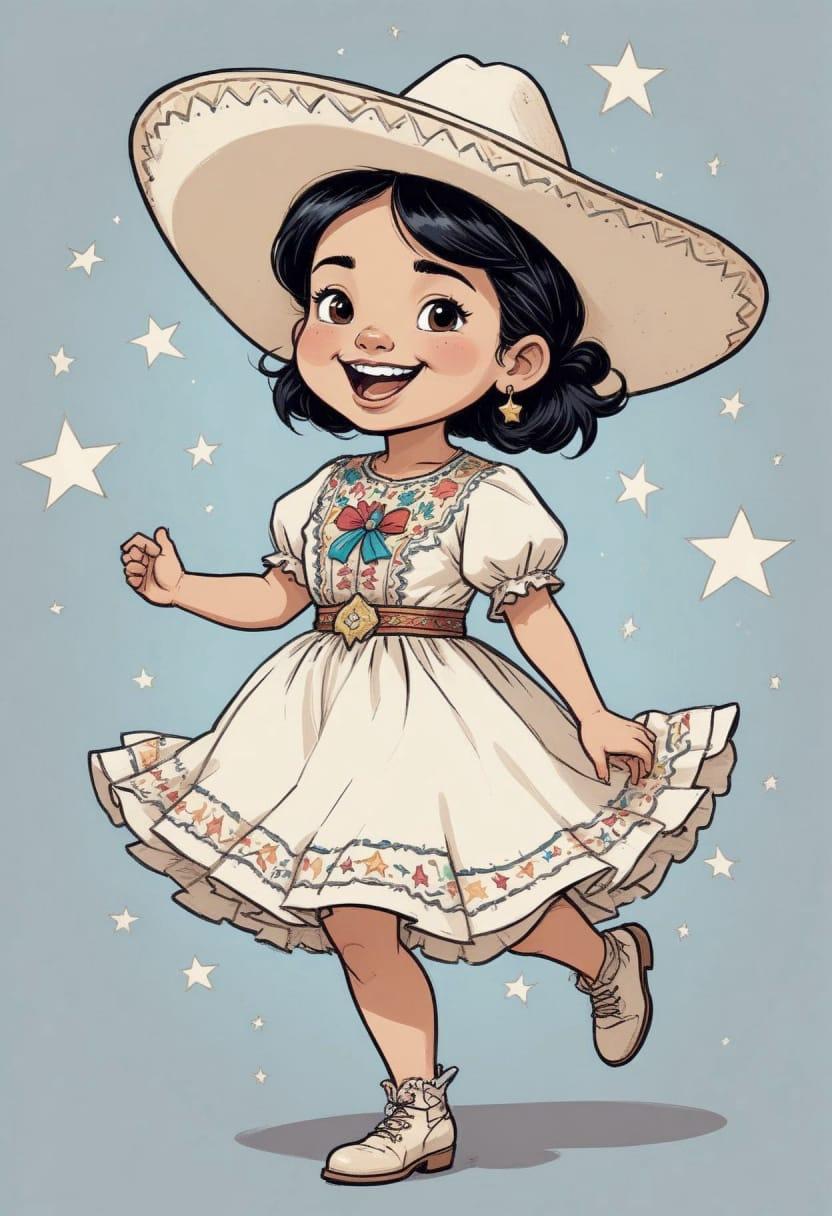
Mexican children are often introduced to the concept of “familismo,” meaning family comes first, a strong cultural pillar. Children commonly experience colorful street fairs with rides, games, and food during town festivals. Parents tell children stories about national heroes like Benito Juárez or Frida Kahlo to inspire pride.
In Mexican child customs, sharing sweets and treats with classmates is common during birthdays or holidays. Kids learn to use polite greetings like “¿Cómo estás?” (How are you?) to build friendly communication skills. Children grow up appreciating Mexican cuisine, often tasting dishes like chiles en nogada or mole from an early age.
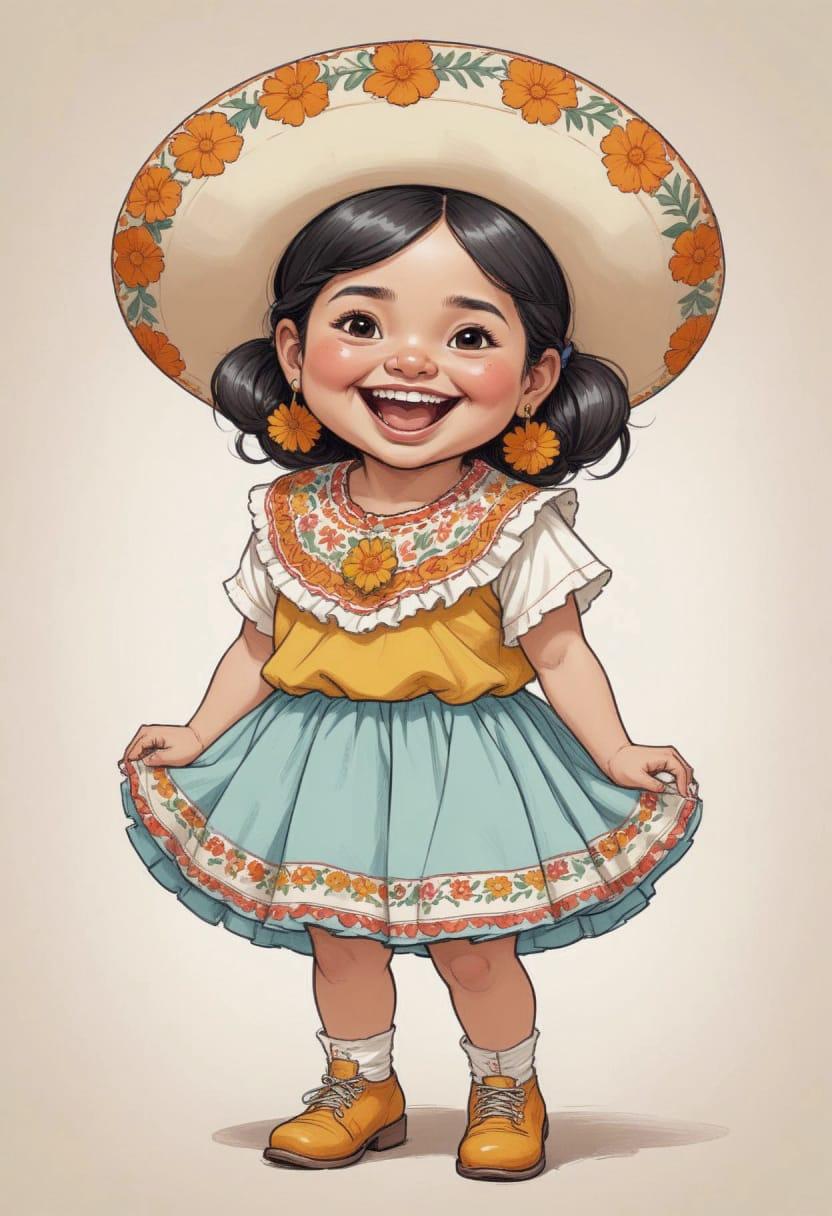
Many children learn folk songs passed down through generations, helping keep Mexican music traditions alive. Mexican kids often participate in parades during Independence Day, wearing traditional outfits and waving flags. Respect for religious holidays like Easter and Christmas is taught through family traditions and celebrations.
Parents often encourage children to express gratitude for food with a simple “bendición” (blessing) before meals. Mexican child customs include playing “el juego de la víbora,” a lively party game similar to musical chairs. Kids enjoy colorful school supplies decorated with Mexican symbols, connecting everyday life with culture.
Children often visit local markets with family, learning about fresh produce and traditional foods firsthand. Mexican kids usually celebrate the end of the school year with parties and special activities. Many children learn to appreciate Mexican art styles, such as colorful murals and pottery, through school projects.
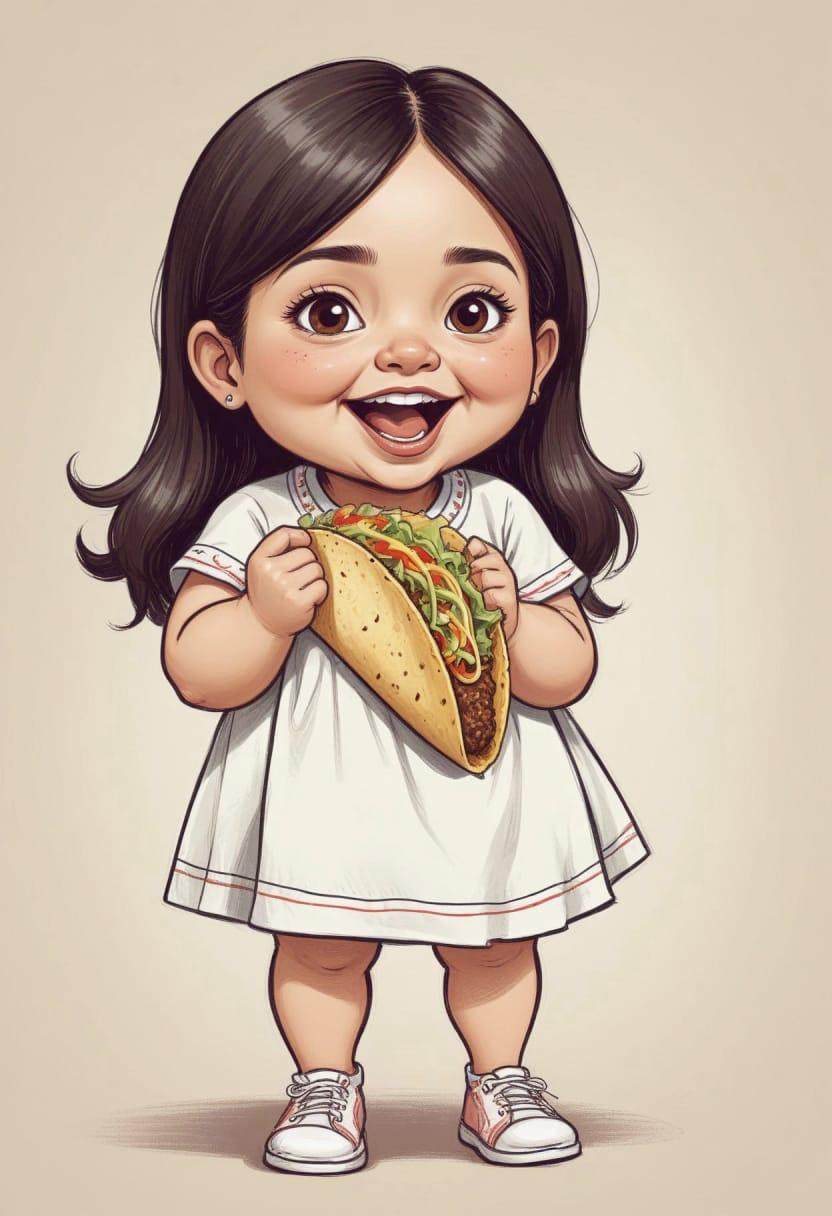
In some regions, children participate in “La Danza de los Viejitos” (Dance of the Old Men), a traditional folk dance. Mexican child customs teach respect for nature with celebrations like “El Día de la Primavera” (Spring Day). Kids enjoy eating “elotes,” grilled corn on the cob, often with cheese, chili, and lime — a popular street snack.
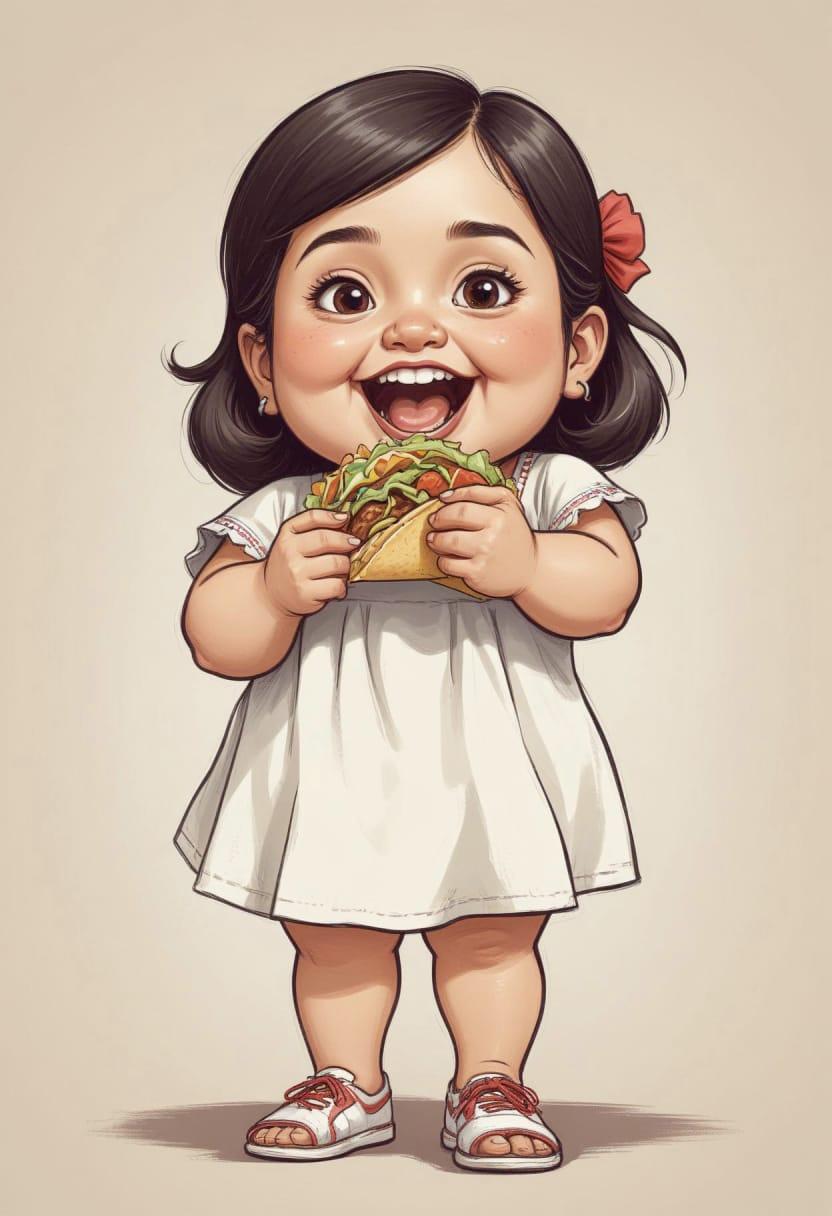
Parents encourage children to practice manners like waiting their turn and sharing toys with siblings and friends. Mexican children often learn about their indigenous roots through stories, crafts, and cultural festivals. Many kids take part in family picnics, enjoying traditional dishes and outdoor fun together.
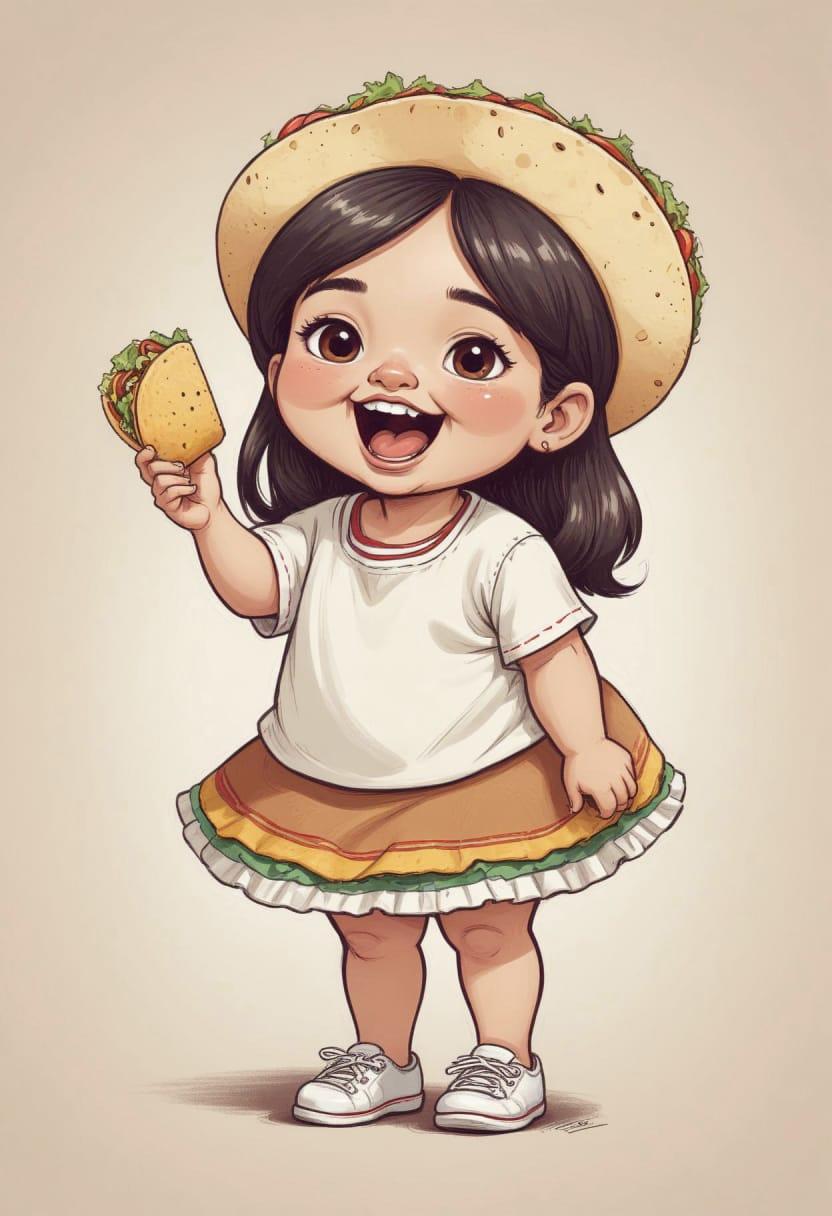
In Mexican child customs, celebrating community and family bonds is key, shaping children’s values and identities. Children grow up with a mix of modern influences and traditional practices, creating a vibrant cultural experience. Music, food, family, and festivals all play a big role in the joyful childhoods of Mexican kids.