Mexican custom and tradition
- Fun pictures /
- Culture /
- Mexican custom and tradition

In many Mexican towns, families decorate graves with marigolds, candles, and sugar skulls during Día de los Muertos to welcome their loved ones back for a visit. Breaking a piñata blindfolded is not just a party game—it started as a symbolic tradition to fight off temptation and evil. In traditional Mexican weddings, a “lazo” or looped rosary is placed around the couple to symbolize their everlasting union.
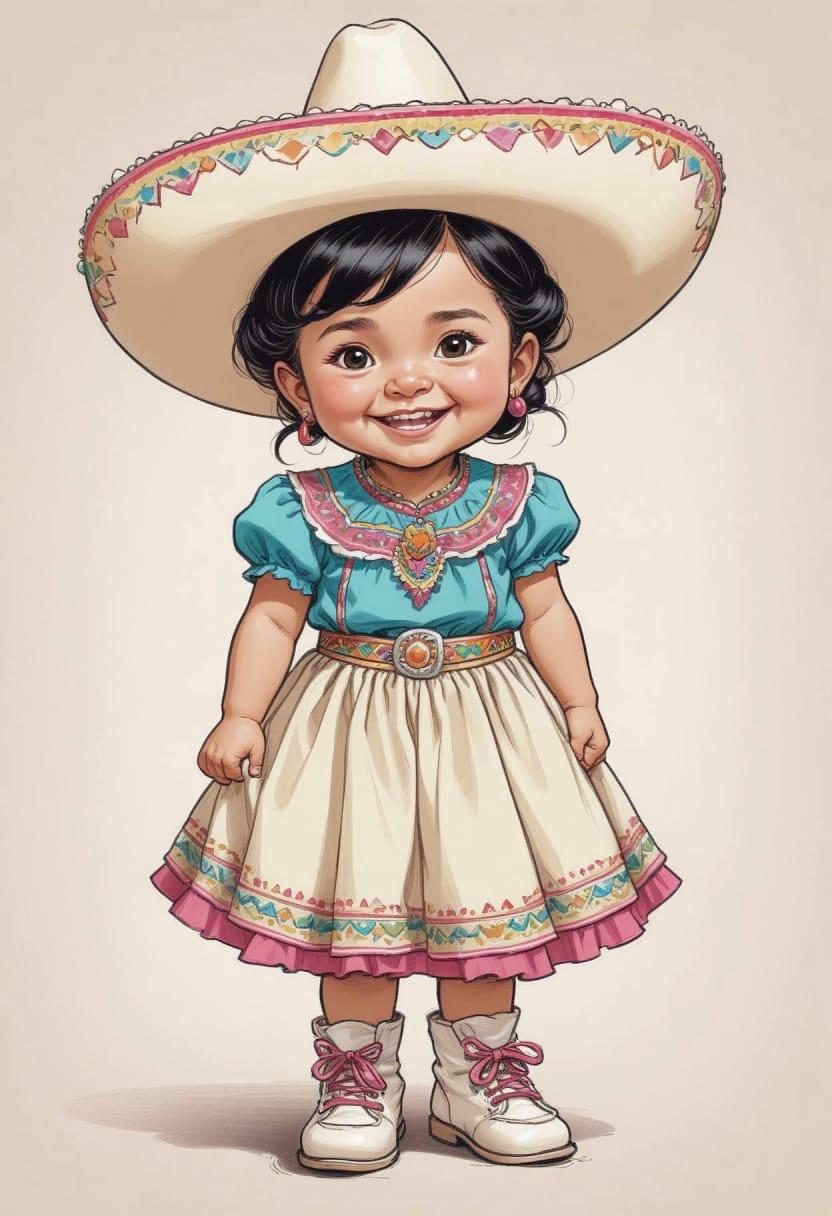
Mexicans often eat 12 grapes at midnight on New Year’s Eve—one for each month—to bring good luck for the coming year. During the holiday Las Posadas, kids go door to door reenacting Mary and Joseph’s search for shelter, followed by songs and treats. Quinceañeras mark a girl's 15th birthday and her transition into womanhood, featuring elegant dresses, a mass, and big celebrations.
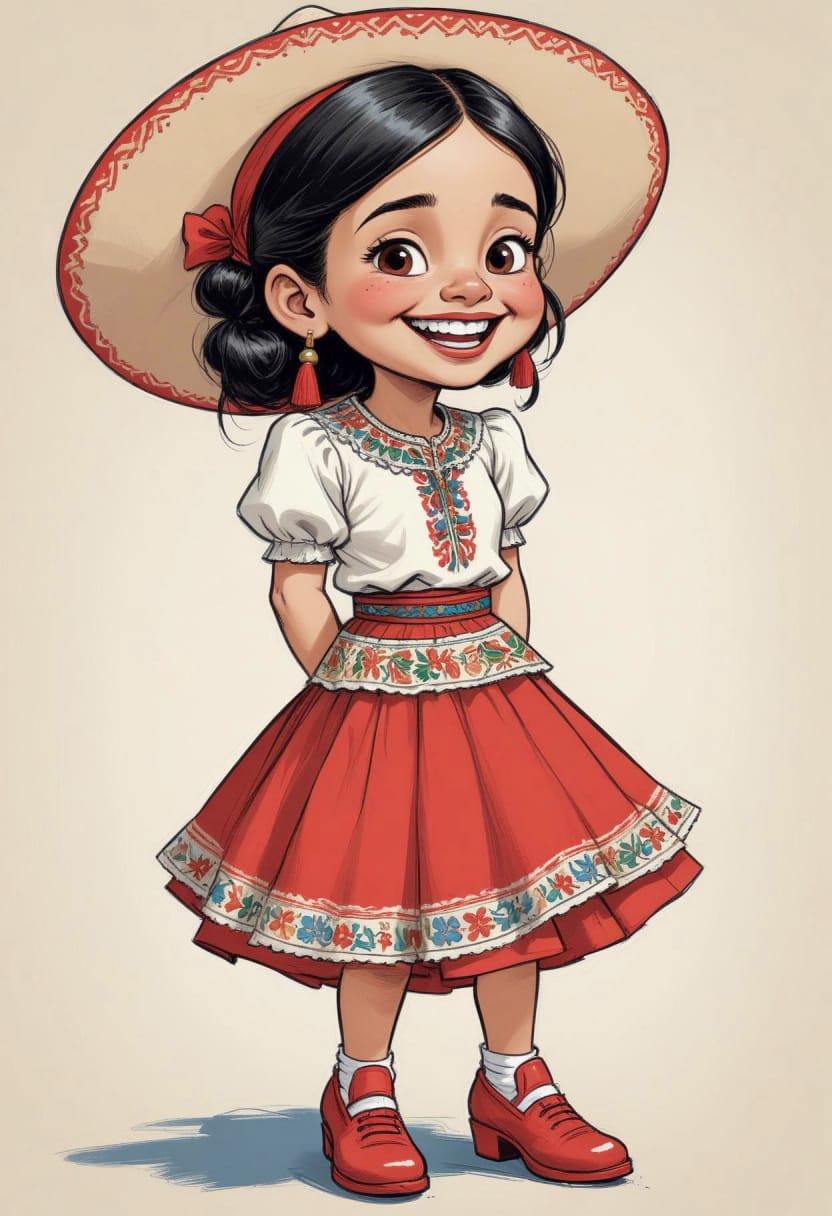
In some regions, people burn figures called “Judas” made of paper and fireworks during Easter to symbolize getting rid of evil. Families celebrate birthdays with a loud chant called “Las Mañanitas,” often sung live at dawn by mariachis or family members. Tamales are more than food—they're holiday essentials, with families gathering for hours to prepare them in massive batches.
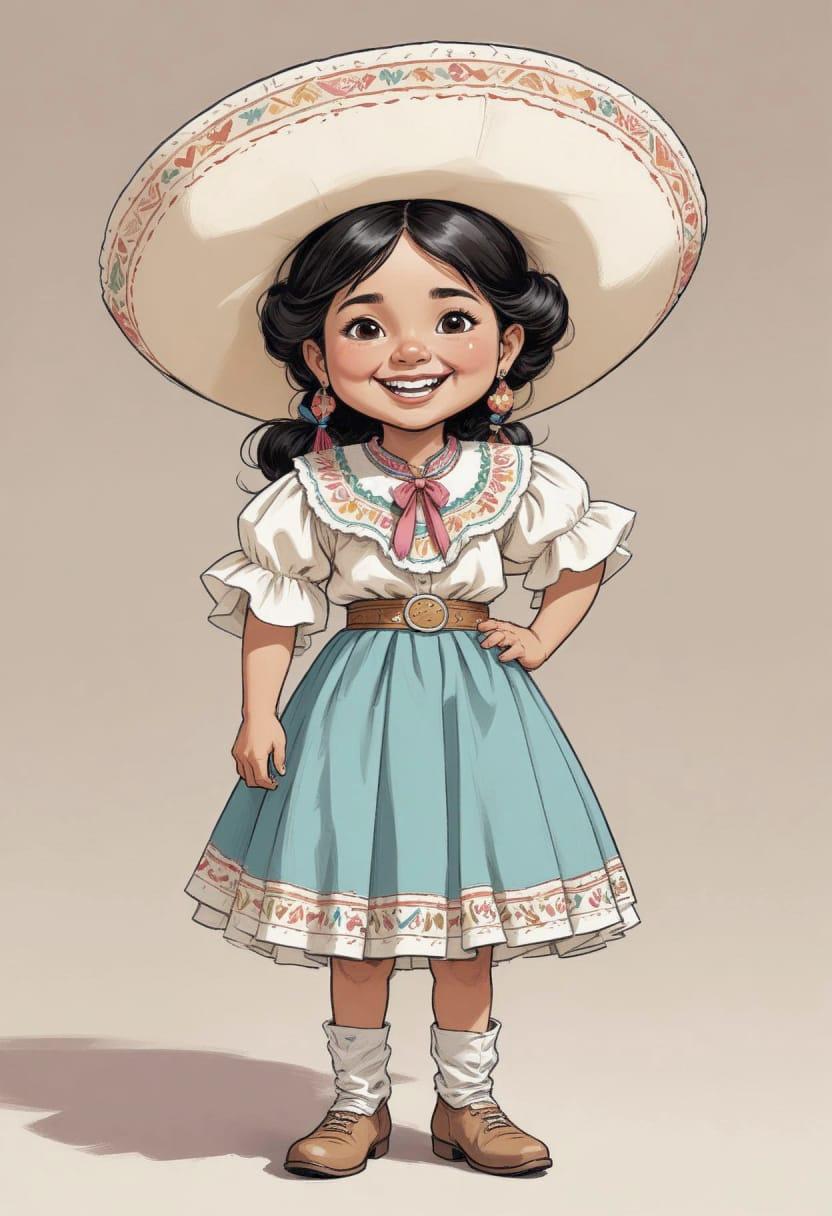
On the Day of the Holy Cross, construction workers decorate building sites with flowers and celebrate with food and drinks. In rural Mexico, it's still common to carry saints through the streets during religious festivals to bless the community. Every November, Mexicans create home altars (ofrendas) filled with favorite foods, drinks, and photos of ancestors.
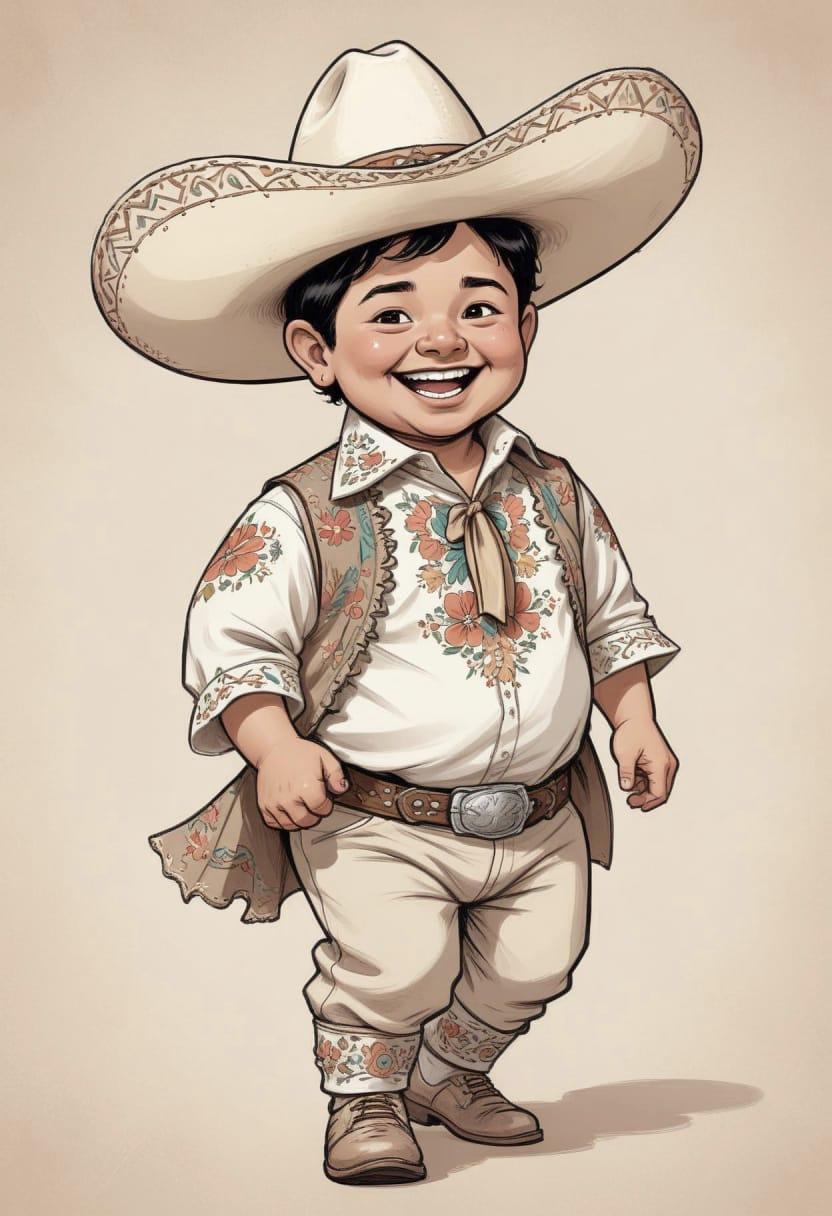
One popular mexican custom and tradition is giving “el beso” — a cheek kiss or greeting hug when meeting friends or even new people. During Christmas, nativity scenes (nacimientos) take center stage, often more elaborate than Christmas trees. In some villages, masked dances during festivals are believed to scare away evil spirits or honor old gods.
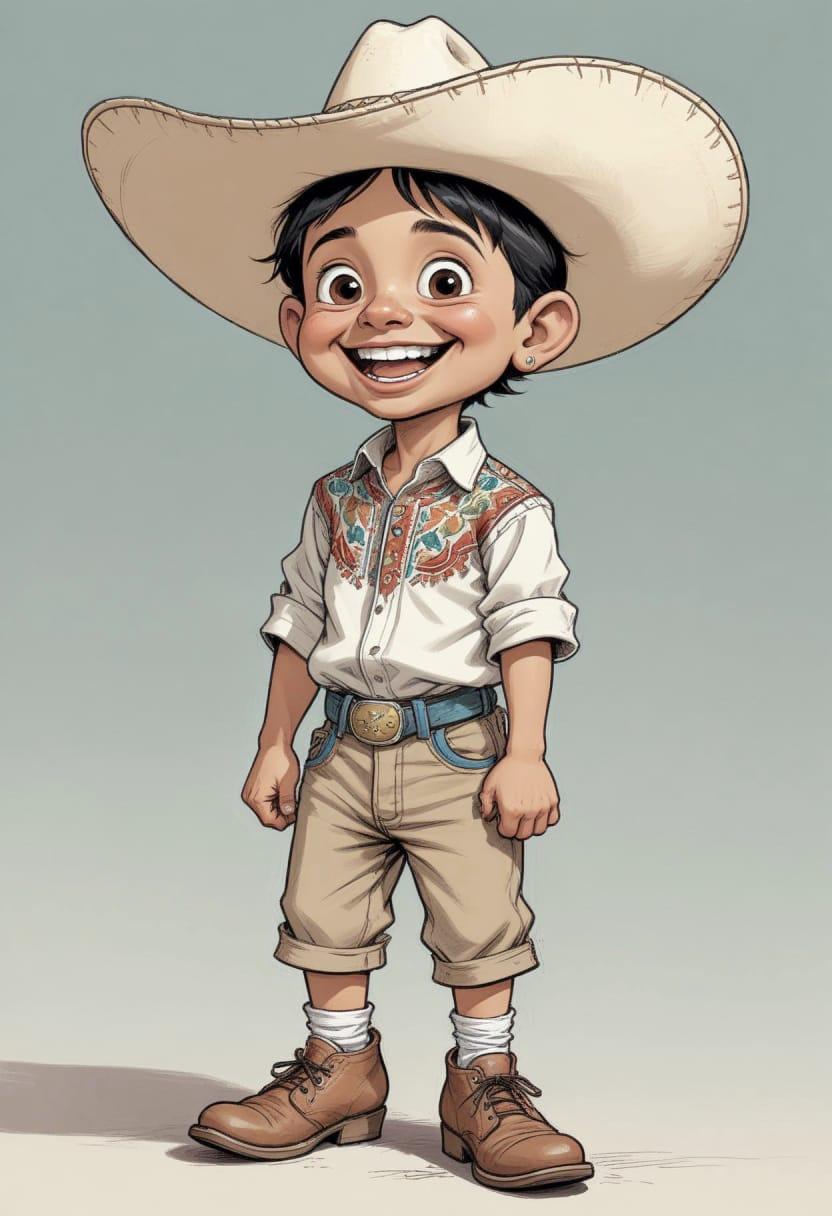
Cactus paddles (nopales) are not just food—they’re also hung on doors in some towns to ward off bad luck. During Independence Day in September, people shout “¡Viva México!” at the exact moment the historic cry of Dolores happened. It's common to see women making handmade tortillas early in the morning, keeping a deep tradition alive in everyday life.
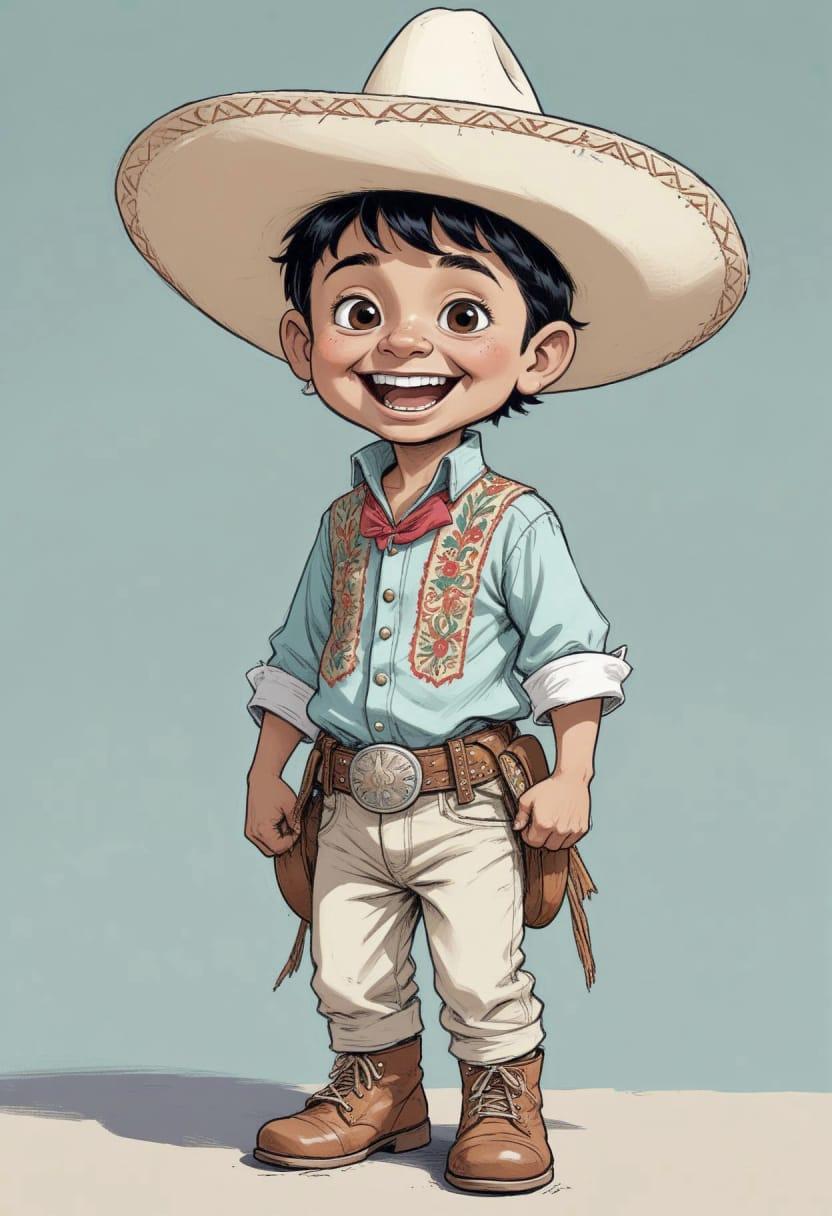
On Candlemas Day (Día de la Candelaria), people dress up baby Jesus figures and bring tamales to share with friends and neighbors. Wrestling, or lucha libre, is a colorful mix of sport and spectacle, and it's a modern part of mexican custom and tradition. Chili peppers are not just ingredients—they represent pride and power in many regional folk stories.
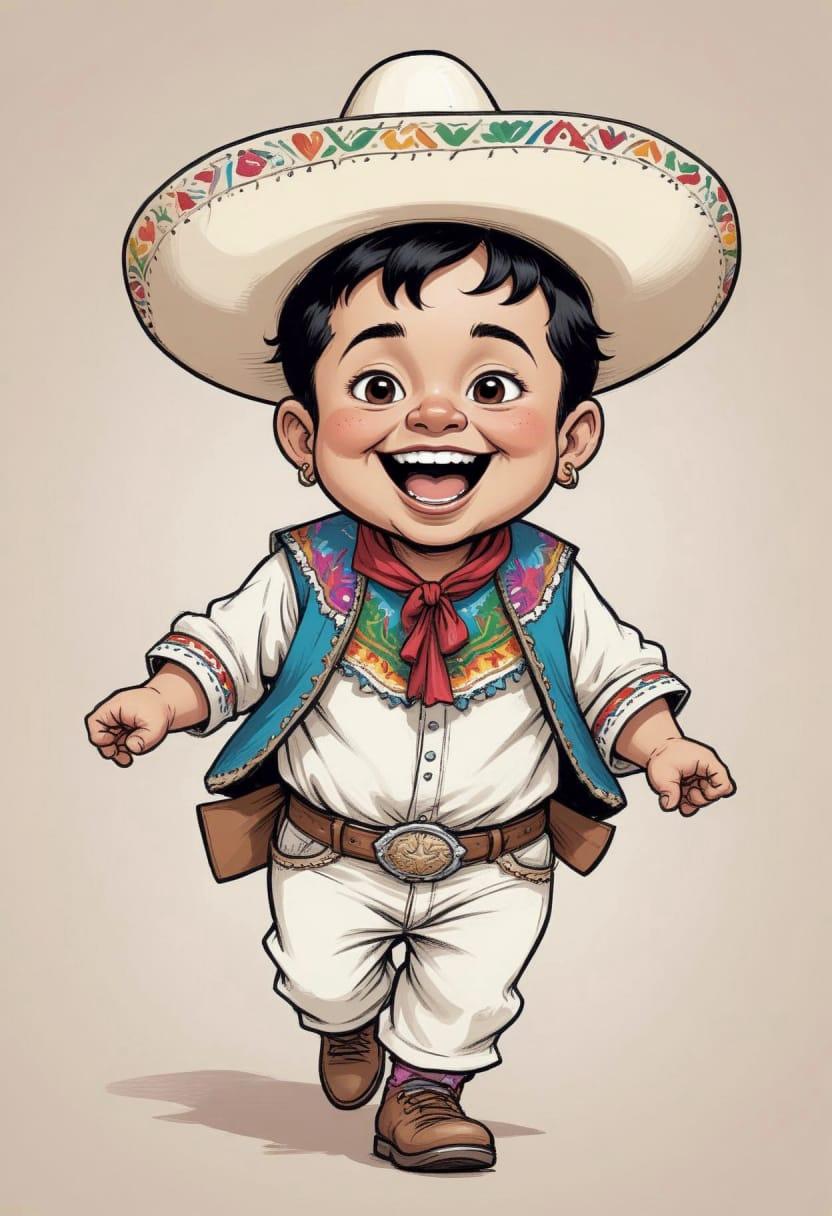
In Oaxaca, the Night of the Radishes features elaborate radish carvings turned into mini parades and dioramas. Elotes (grilled corn) sold on the street are topped with chili, cheese, and lime—a delicious symbol of Mexican street life. Many towns celebrate a local patron saint with weeklong parties, including parades, fireworks, and live music.
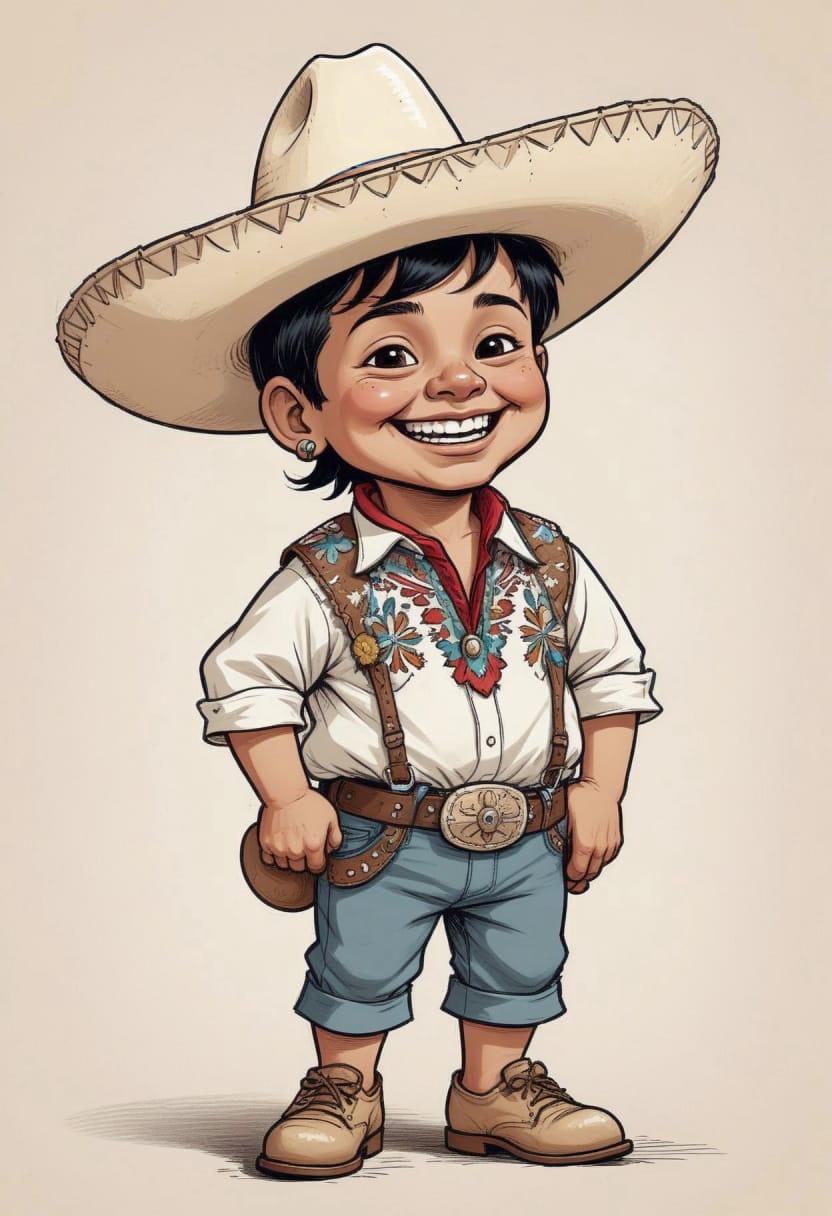
Children often dress as revolutionaries or traditional figures during school events tied to national holidays. In some coastal areas, fishermen bless their boats with holy water before heading out for a new season. During Holy Week, dramatic processions and reenactments of the Passion take place in cities like Taxco and San Luis Potosí.
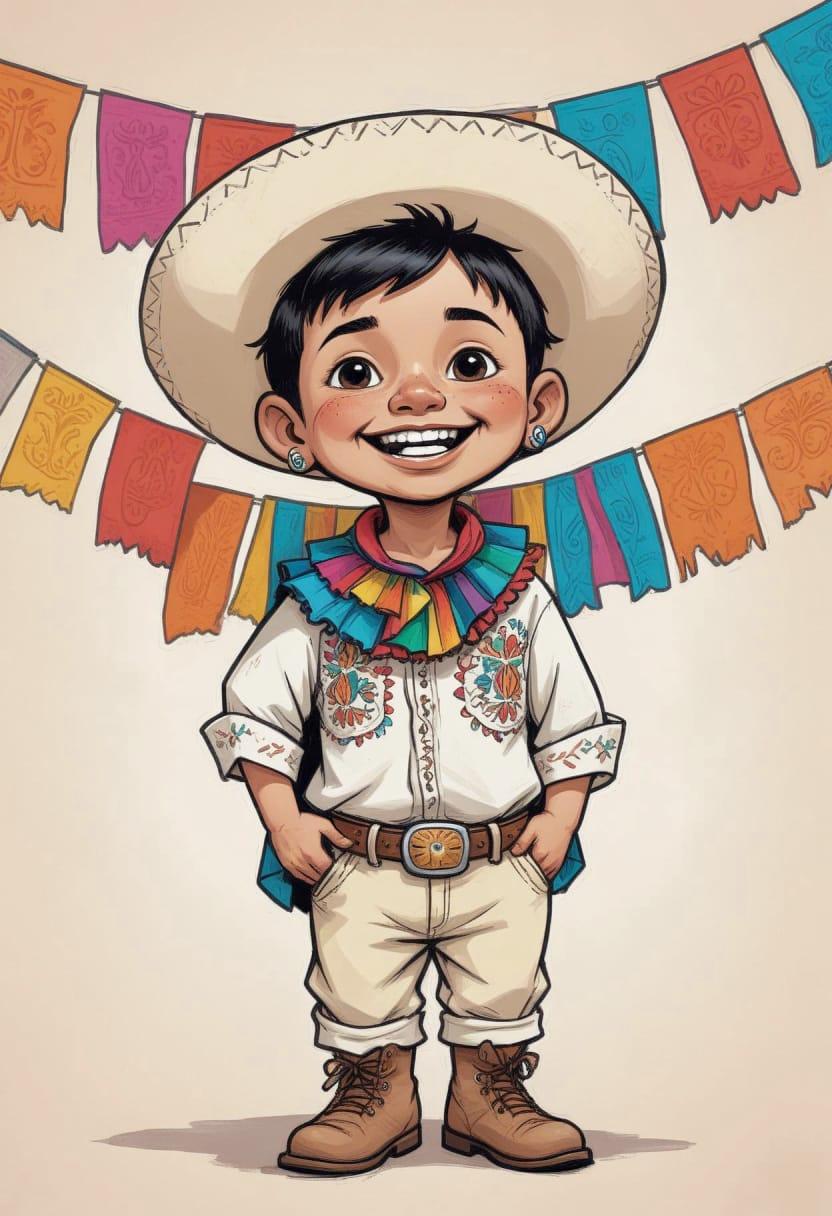
Wearing red underwear on New Year’s Eve is said to bring love, while yellow means wealth—people take it seriously! On Saint Michael's Day, people in certain towns run with large paper-mâché bulls filled with fireworks. Many families place three wise men figurines into nativity scenes on January 6th to mark Epiphany.
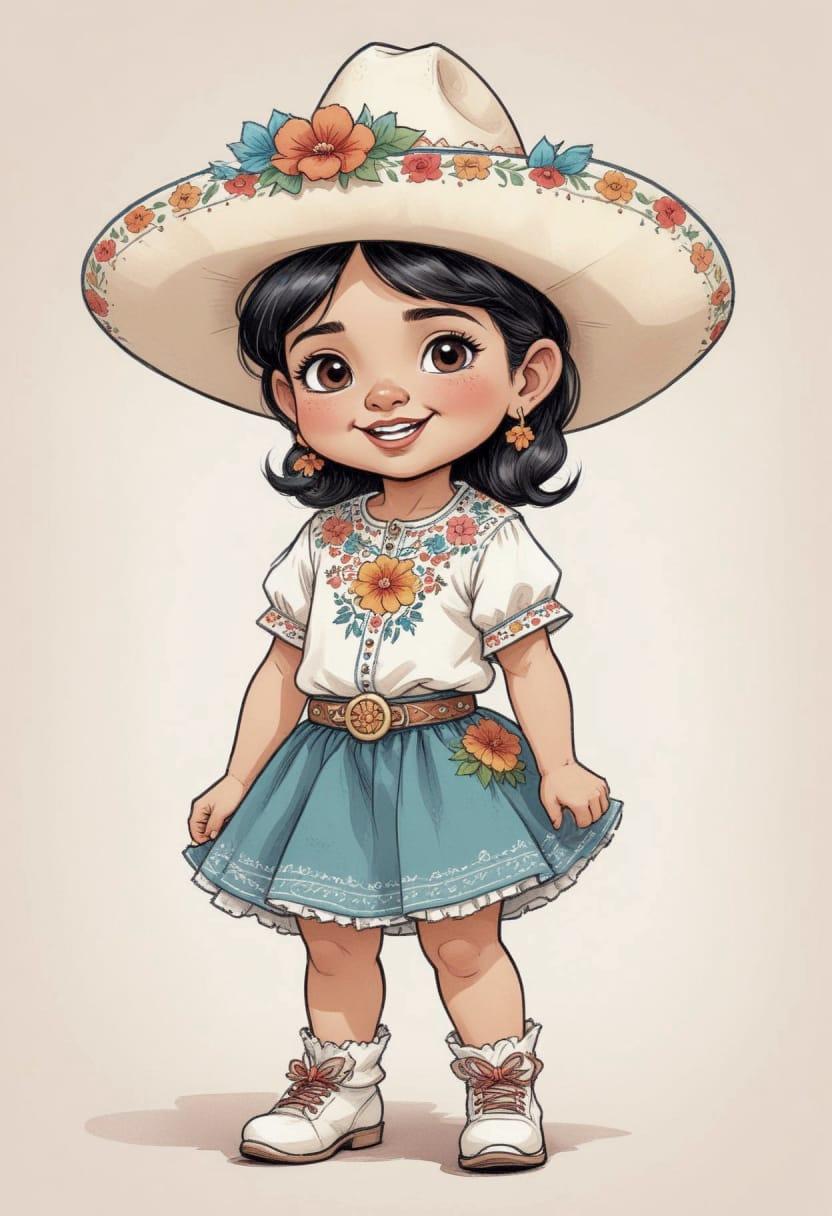
In some villages, it’s traditional to sweep the house toward the door at year’s end to chase out bad energy. Corn is sacred in mexican custom and tradition—many myths say humans were created from corn dough. A special bread called “Rosca de Reyes” hides a small baby figure—whoever finds it must host the next party!
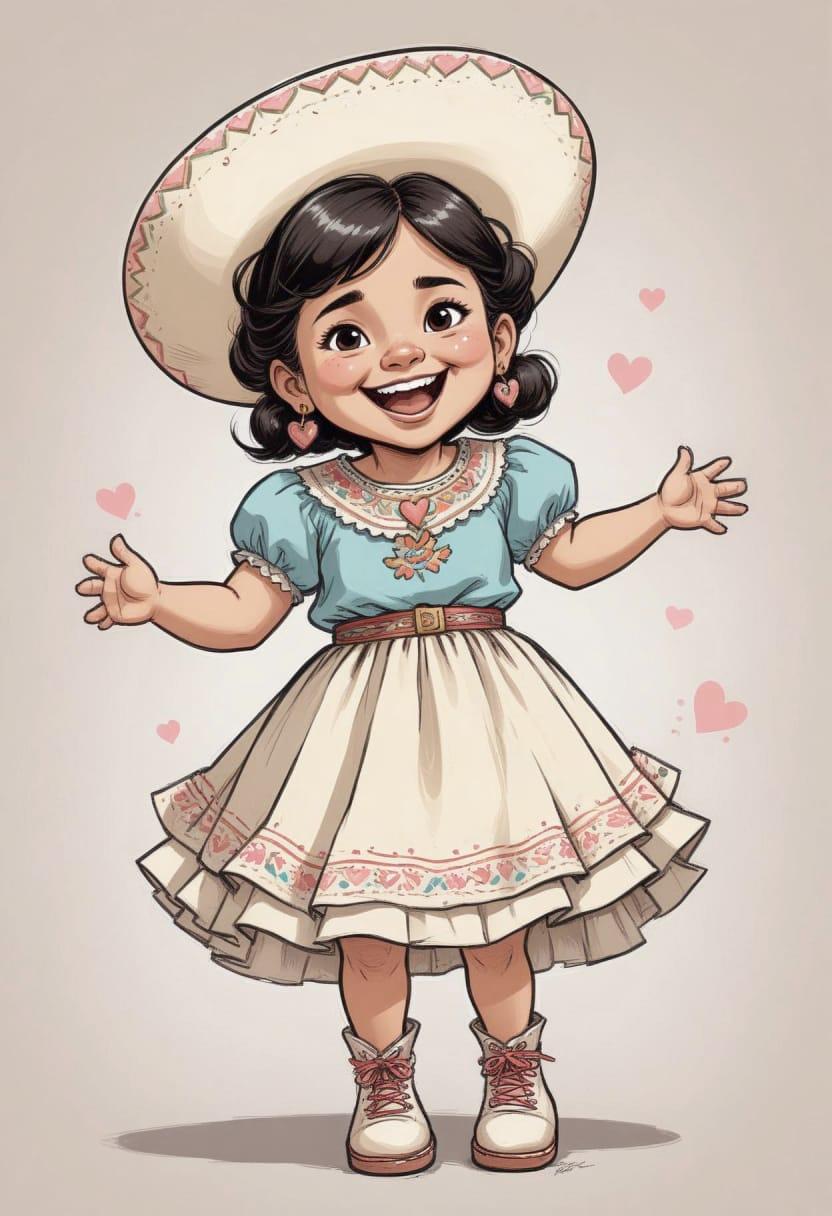
Families gather every week for a big Sunday lunch, often lasting hours with lots of laughter and storytelling. In Chiapas, men in elaborate feathered costumes perform ritual dances that mix Mayan and Catholic symbolism. When a baby is baptized, it’s common for godparents to shower them with tiny gold gifts and clothes.
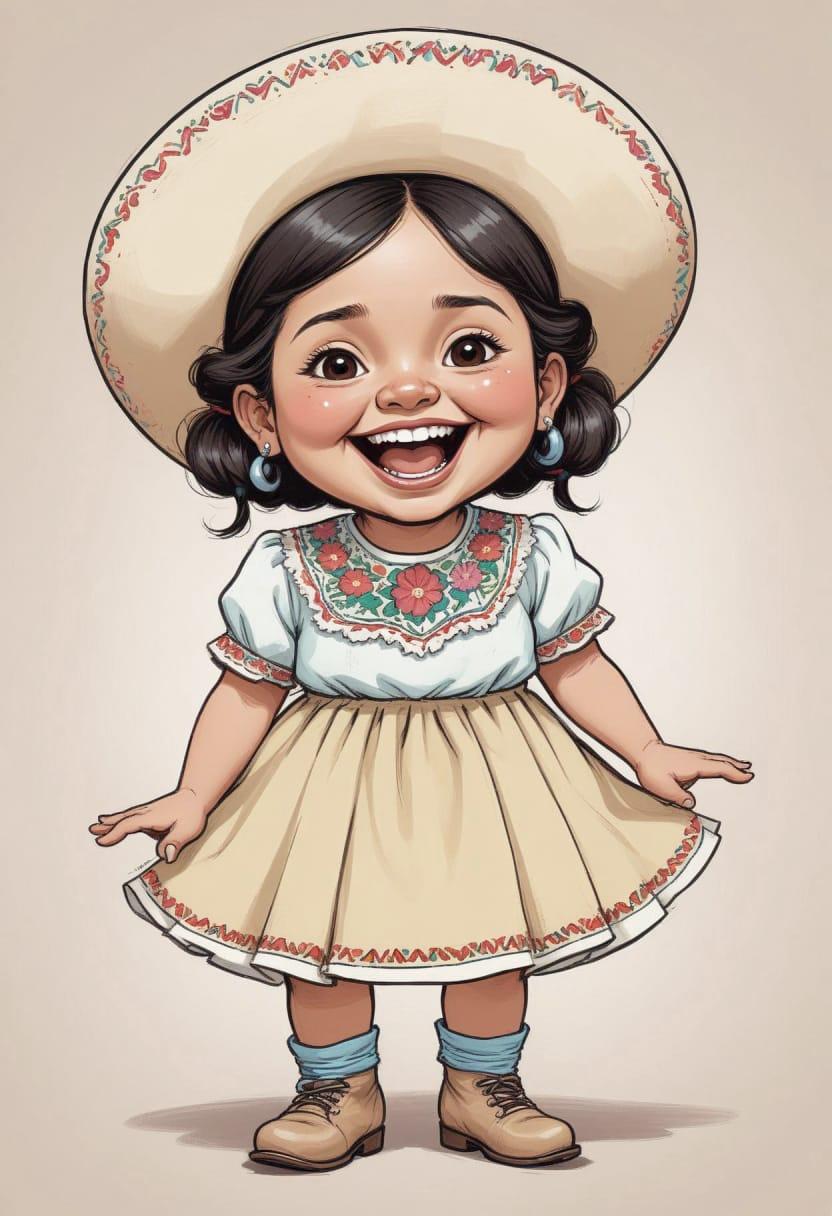
Before big exams, students might place a pencil in front of Saint Joseph’s statue to pray for good results. On birthdays, it’s a must to push the birthday person's face into the cake after the first bite—messy fun! In many communities, folks still walk miles barefoot as a show of faith during religious pilgrimages.
Street altars to the Virgin of Guadalupe can be found almost everywhere, lit with candles and decorated with flowers. Marigolds, or cempasúchil, are believed to guide the spirits back to the world of the living during Day of the Dead. Musicians known as trios often serenade lovers or surprise moms with songs on Mother’s Day.
In many homes, there's a cross above the doorway for blessings and to protect the household. At Christmas, people enjoy a hot drink called ponche, made with fruits, sugarcane, and cinnamon sticks. In some regions, local markets close briefly when a funeral procession passes as a sign of respect.
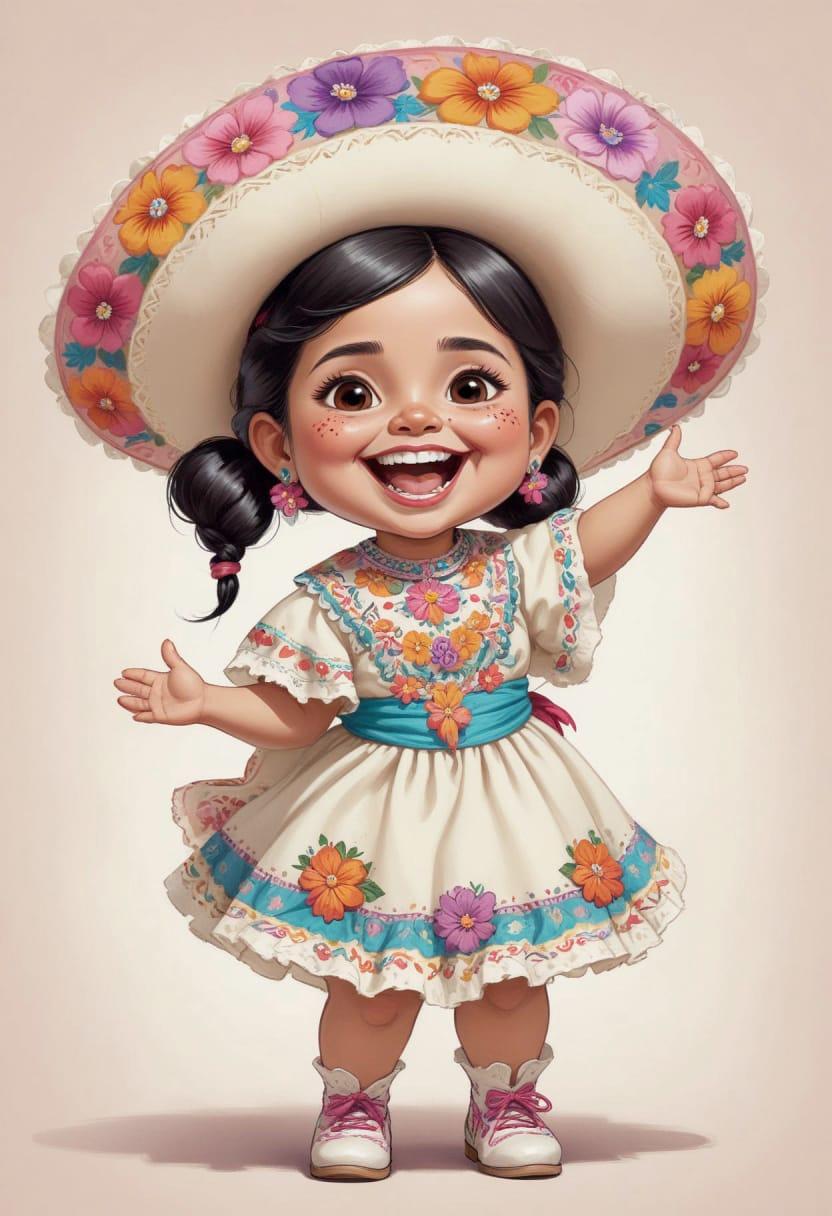
People tie ribbons on saints’ statues in churches, each representing a prayer or wish. Traditional dances like Jarabe Tapatío (the Mexican Hat Dance) tell stories of flirtation, honor, and pride. Kids often carry tiny backpacks with miniature items to school on April Fool’s-like “Día de los Inocentes.”
In the Yucatán, the Mayan language is still spoken at home and used in ceremonies and festivals. Home remedies using herbs, eggs, and even chili are passed down through generations. A healer known as a “curandero” may use rituals and prayers to treat illness or emotional troubles.

During the Flower Festival in Huauchinango, flower-covered floats move through the streets for days. It’s polite to offer guests food and drinks, even if they just stopped by for a short visit. Mexican blankets (sarapes) are not just colorful—they're often tied to local identity and heritage.
“Papel picado,” or decorative paper cutouts, flutter over streets during festivals, each color symbolizing something special. Even in big cities, you’ll find roaming musicians playing ranchera songs at restaurants or plazas. A moment of silence is often held before big events in honor of ancestors or heroes.
From ancient temples to modern fiestas, mexican custom and tradition reflect deep roots, resilience, and joyful spirit. Each family adds its own twist to traditions—no two Día de los Muertos altars look the same. Whether it’s a wedding, birthday, or town fair, there’s always music, food, and dancing at the heart of celebration.