Mexico girl dress culture
- Fun pictures /
- Culture /
- Mexico girl dress culture
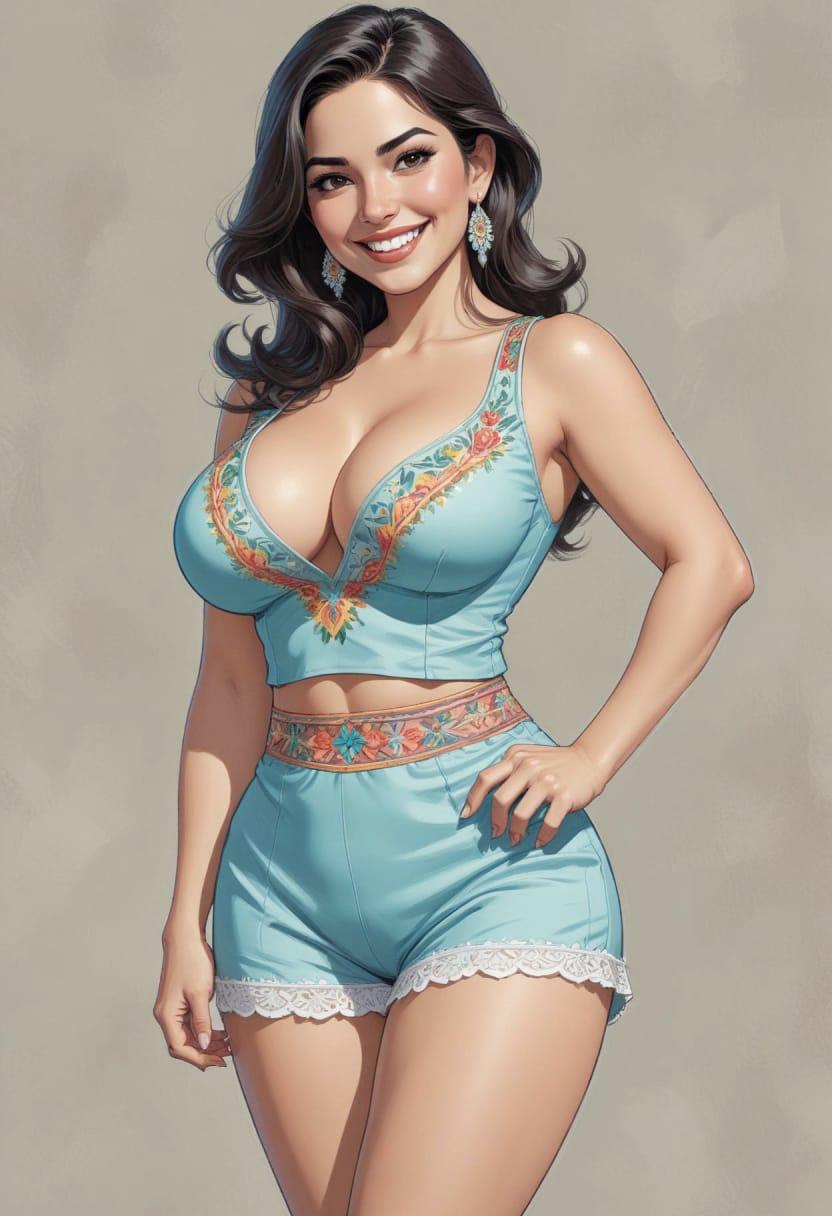
In Mexico, traditional dresses for girls often showcase bright colors and intricate embroidery, reflecting the rich cultural heritage. Many Mexican girl dresses include floral patterns, symbolizing nature’s beauty and fertility. The use of ribbons and lace in these dresses adds a playful and elegant touch, popular among young girls during festivals.
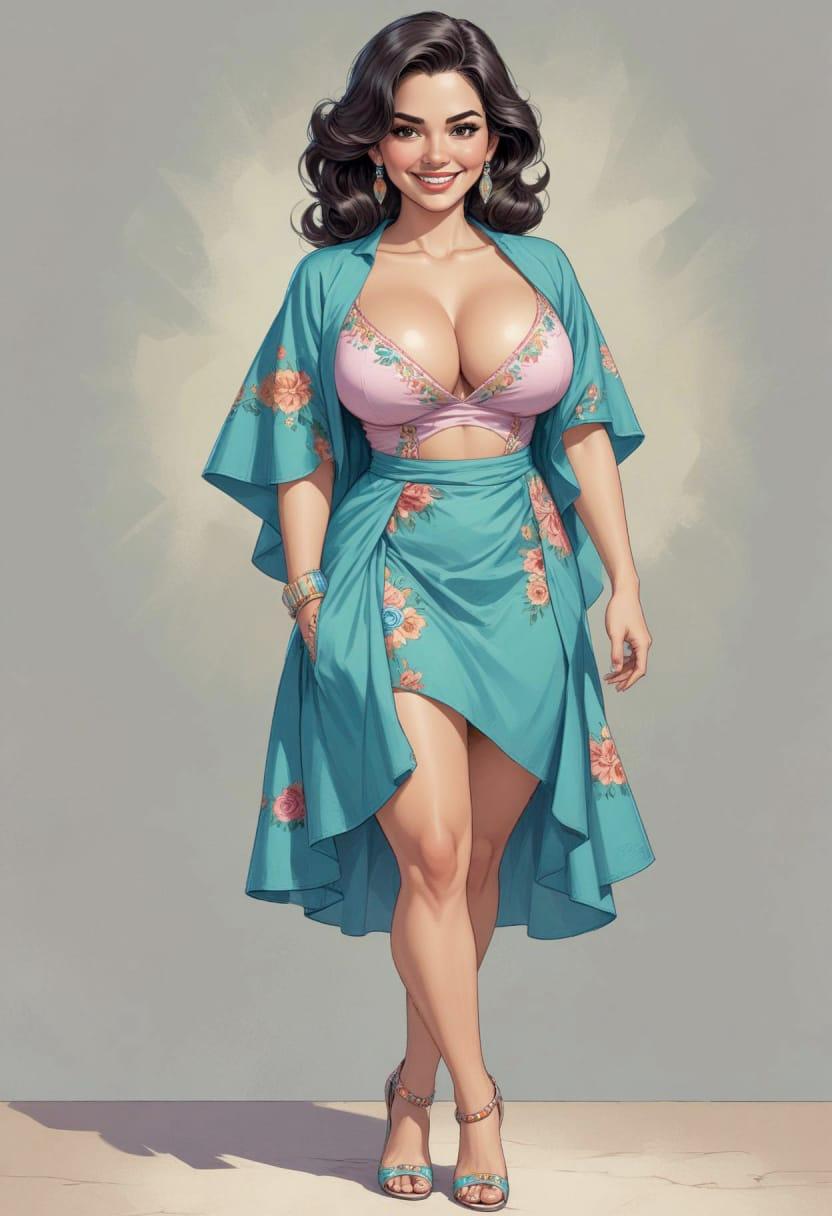
The classic Mexican girl dress culture is deeply connected to regional identities, with each state having unique styles and designs. Handwoven fabrics are prized in many areas, often crafted by local artisans using traditional techniques passed down for generations. Mexican girl dress culture often features wide skirts, perfect for twirling during traditional dances like folklorico.
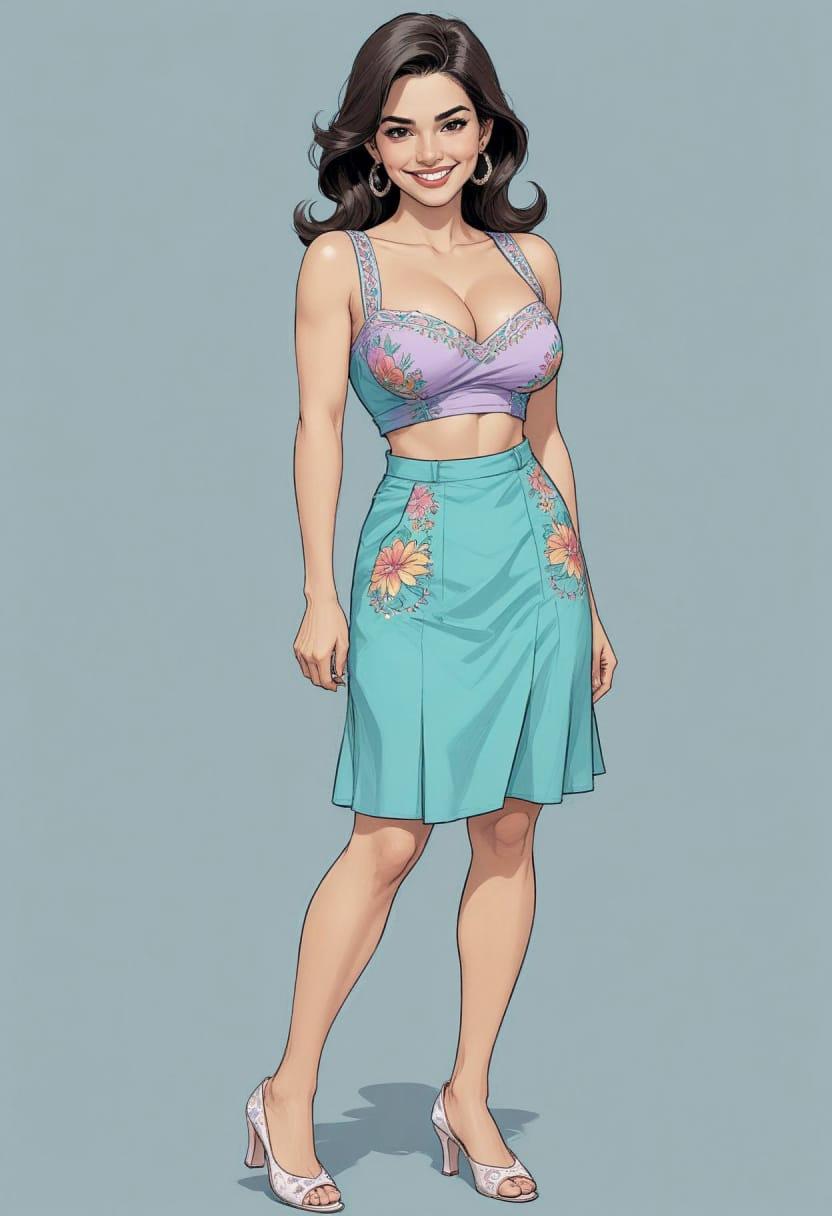
Girls’ dresses in Mexico sometimes include colorful sashes tied at the waist, representing community pride or family heritage. Bright reds, yellows, and greens dominate the color palette, inspired by the country's vibrant landscapes and celebrations. During Dia de los Muertos, girls wear dresses that blend traditional patterns with symbolic elements honoring ancestors.
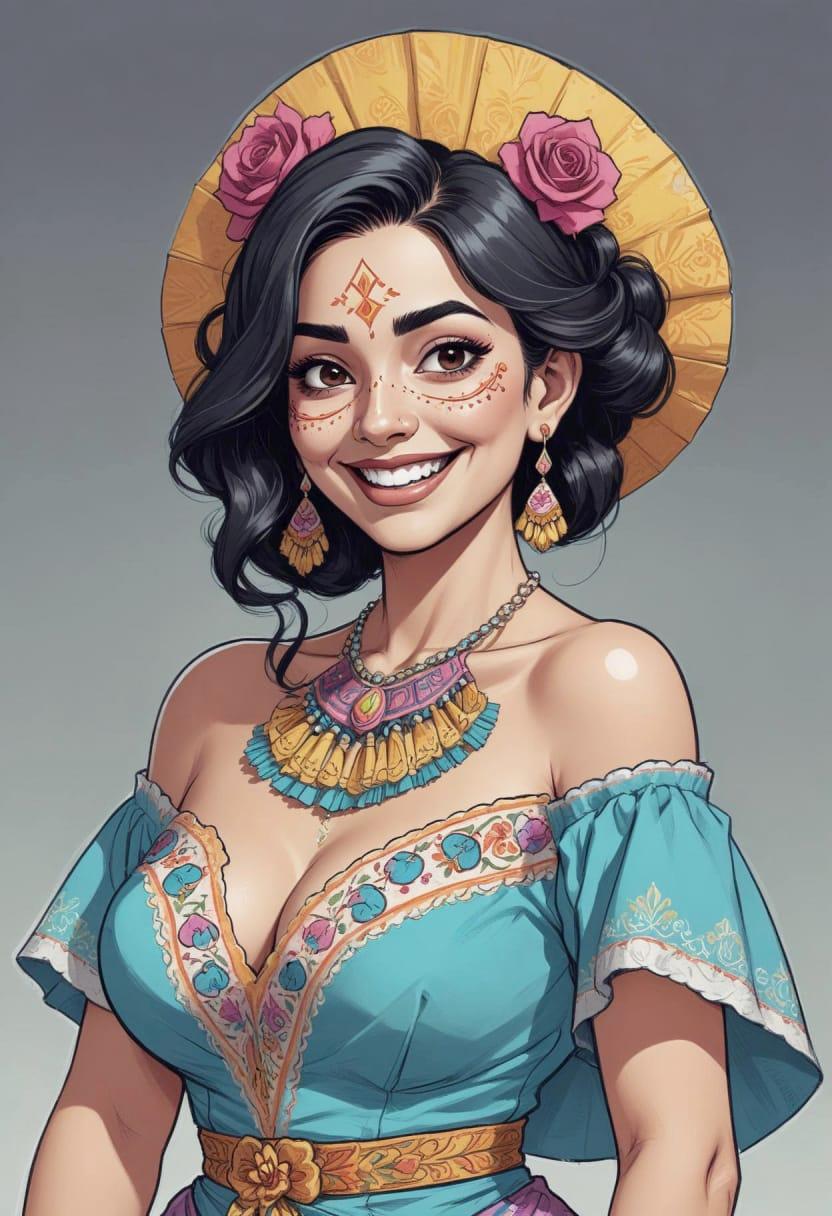
The embroidery on Mexican girl dresses often tells stories—about local legends, nature, or religious symbols important to the community. Many dresses are handmade, making each piece unique and a special keepsake for families. In some rural regions, traditional girl dresses are worn daily, preserving Mexico’s cultural roots even in modern times.
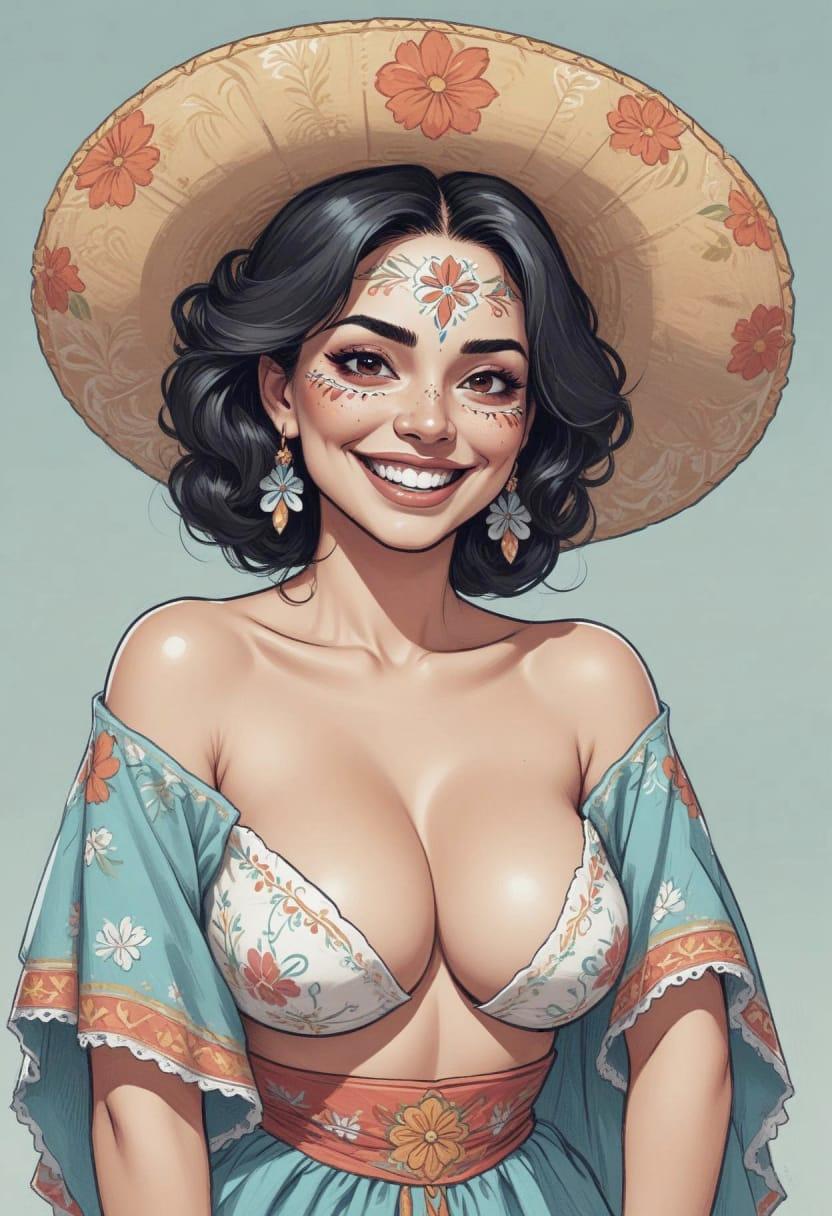
Mexican girl dress culture includes the use of rebozos, a type of shawl that complements the outfit and adds warmth or modesty. Colors in the dresses can also signify social or marital status, though this tradition is more common in adult attire. Festivals like Cinco de Mayo and Independence Day see girls dressed in traditional outfits celebrating Mexican pride and history.
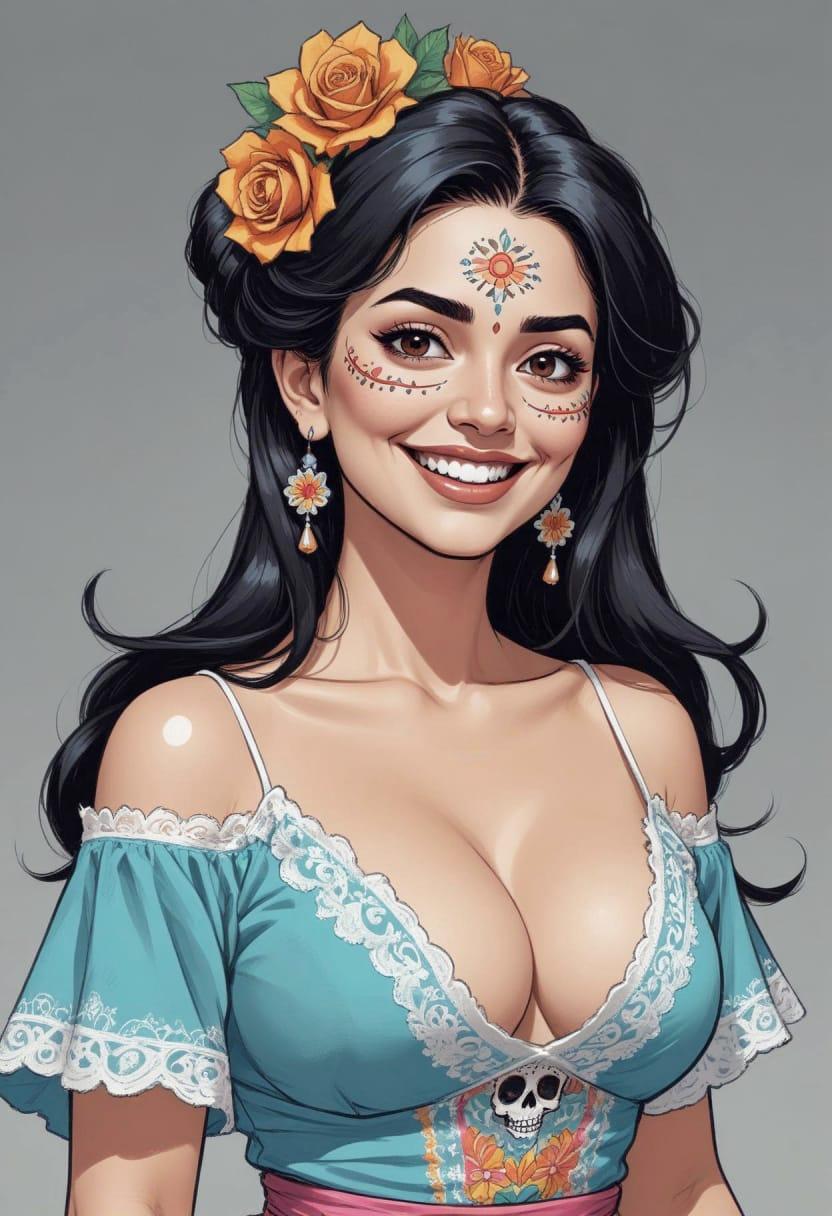
The “china poblana” style dress, with its colorful skirt and embroidered blouse, is one of the most recognized Mexican girl dress culture icons. This dress is said to have origins blending indigenous and Spanish influences, highlighting Mexico's mixed heritage. Girls often pair their dresses with braided hair adorned with ribbons, adding to the festive look.
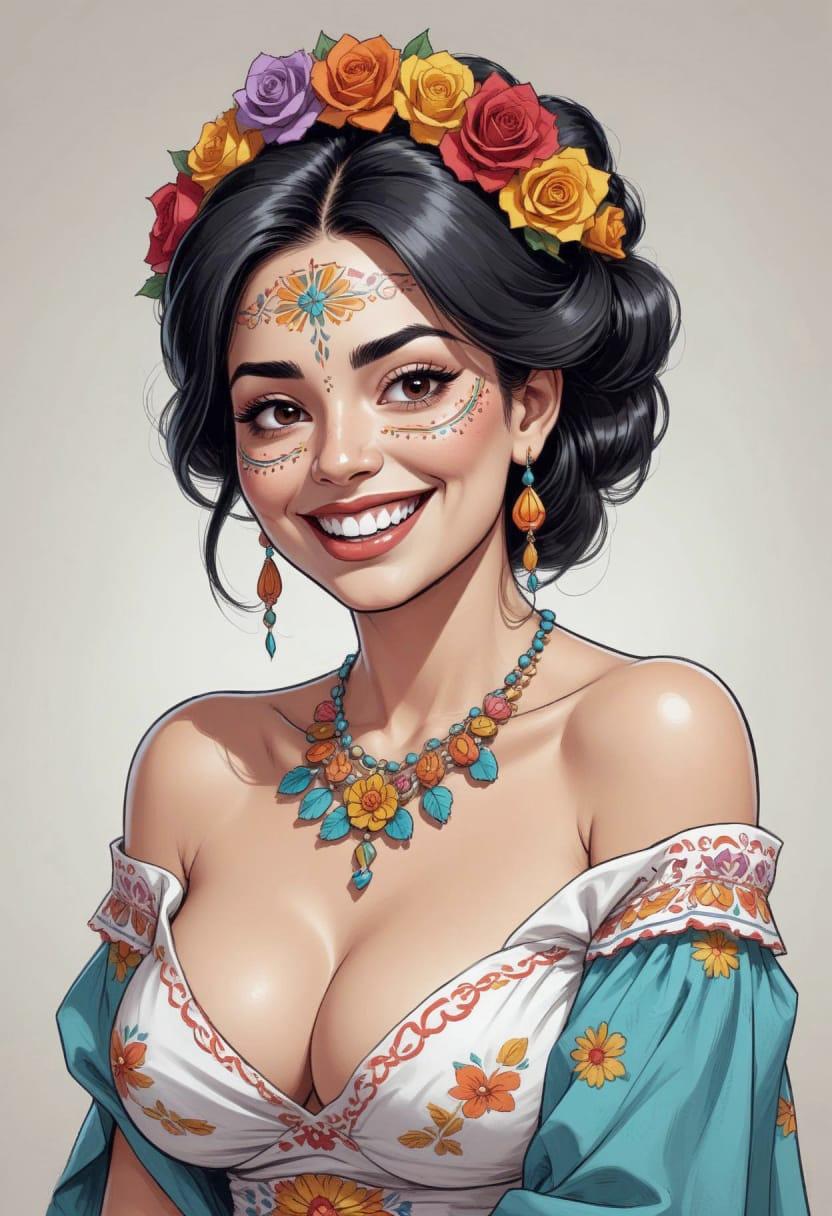
Local markets in Mexico are treasure troves for traditional girl dresses, where families shop for handmade garments. Buying a dress supports small communities of weavers and embroiderers who keep these traditions alive. Mexican girl dress culture is not only about fashion but also about preserving history through clothing.
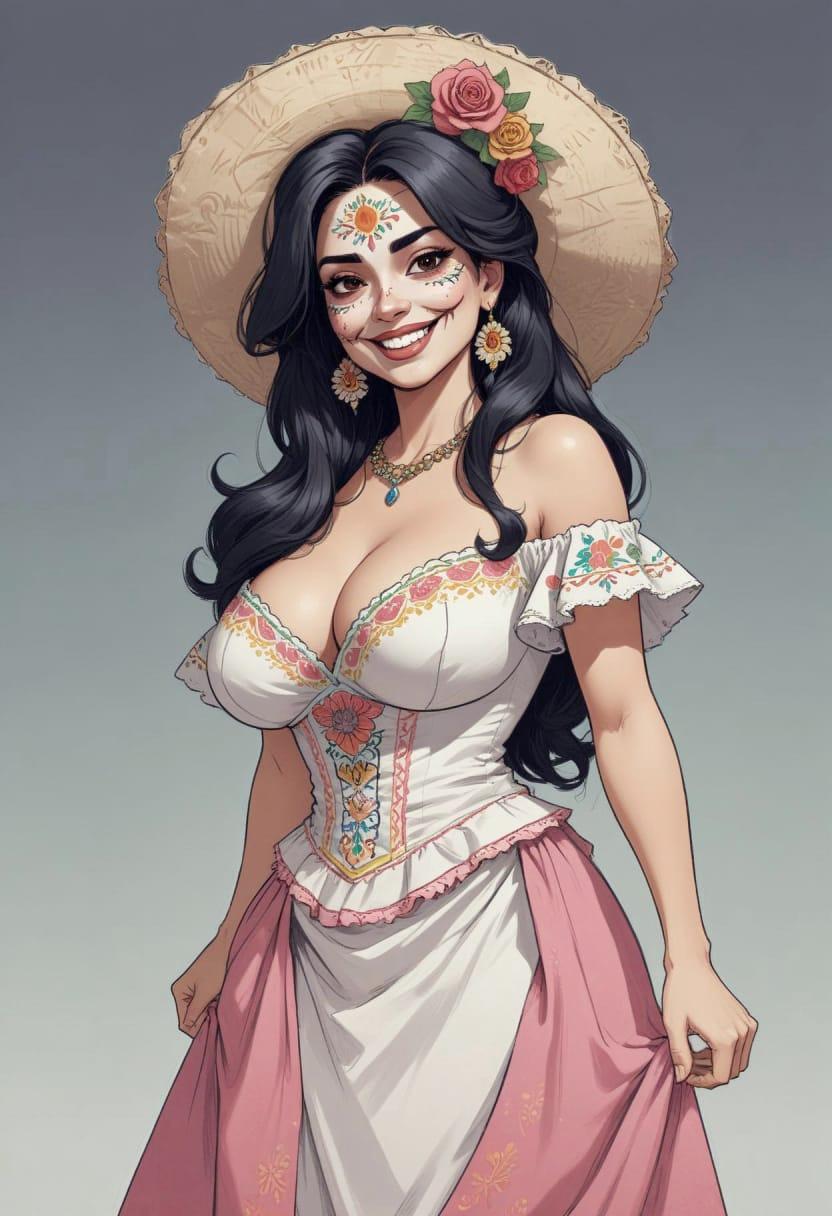
The bright colors in Mexican dresses come from natural dyes historically made from plants, insects, and minerals. These natural dyes produce shades that have stood the test of time, giving dresses a vibrant and lasting look. In modern times, synthetic dyes are more common, but many artisans still prefer traditional methods for authenticity.
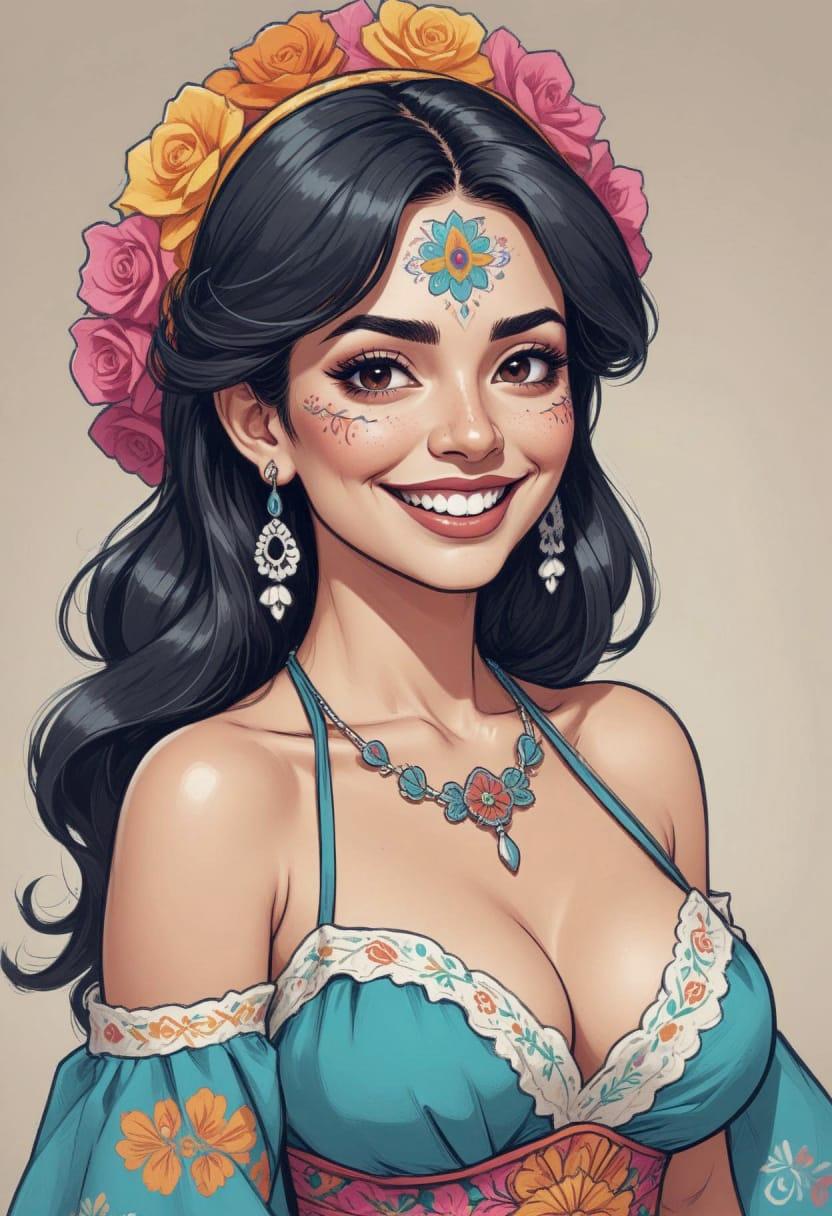
Many Mexican girl dresses feature decorative elements like pom-poms or small mirrors sewn into the fabric. These details catch the light and create a sparkling effect during dances and celebrations. Such embellishments also show the skill and creativity of the dressmakers.
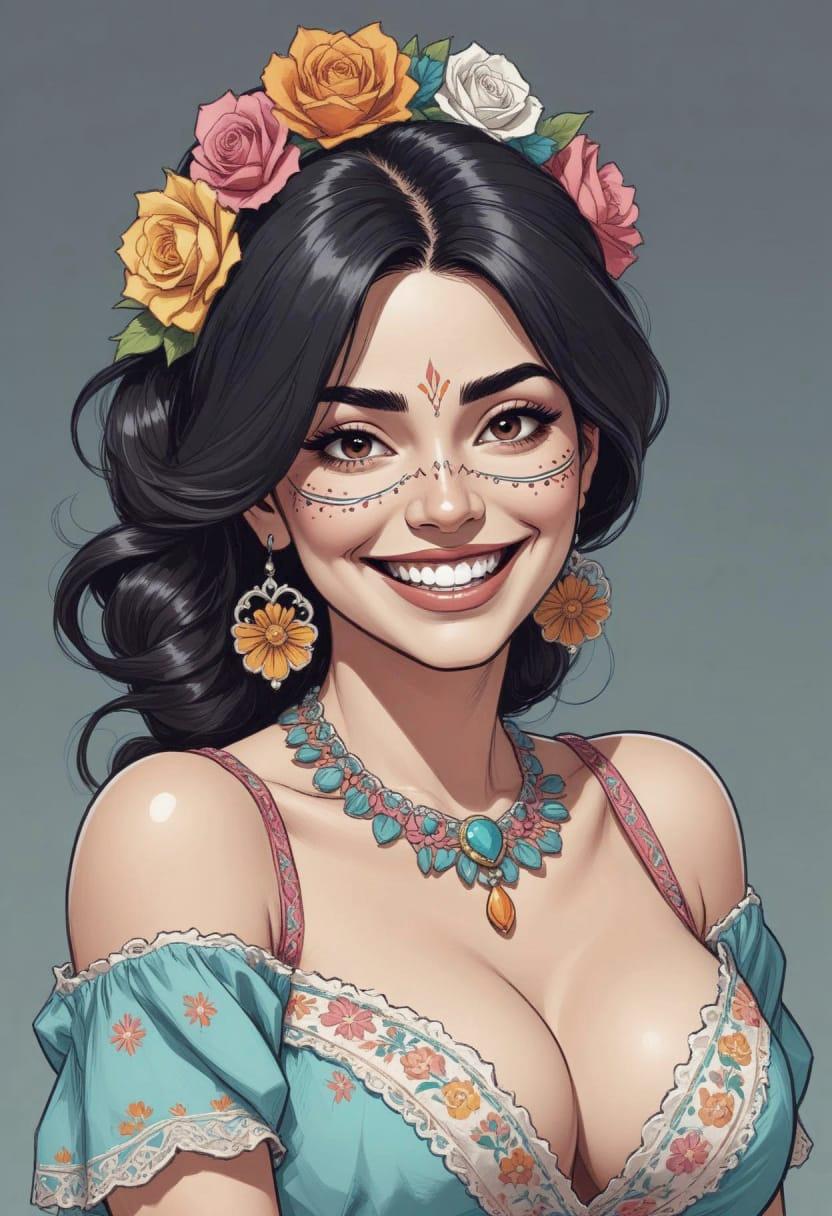
Girls often wear traditional dresses for school events, religious ceremonies, and family celebrations. These occasions help younger generations connect with their culture and community values. Mexican girl dress culture plays a role in teaching respect for tradition through everyday life.
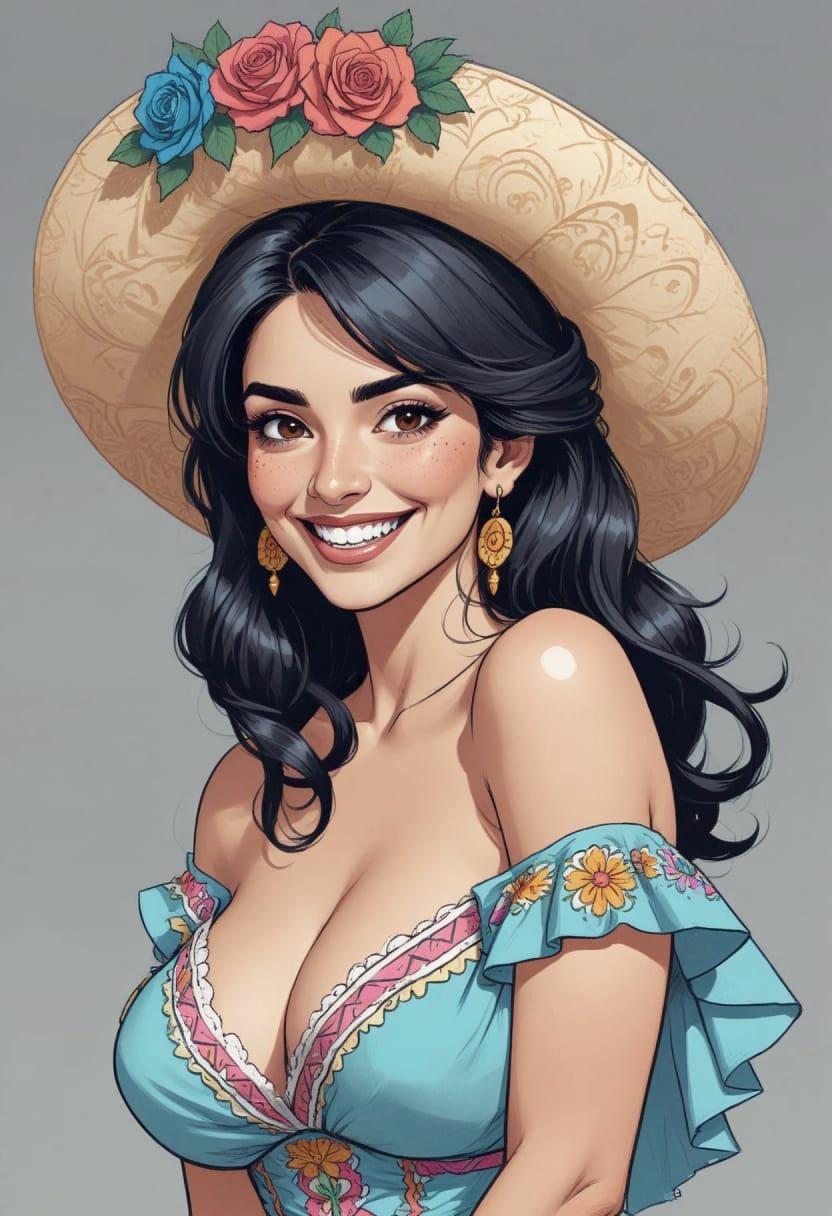
In some parts of Mexico, indigenous groups have distinct dress styles that girls wear to honor their heritage. For example, the Otomi and Zapotec communities have unique patterns and colors reflecting their history. These dresses are more than clothing; they are symbols of identity and pride.
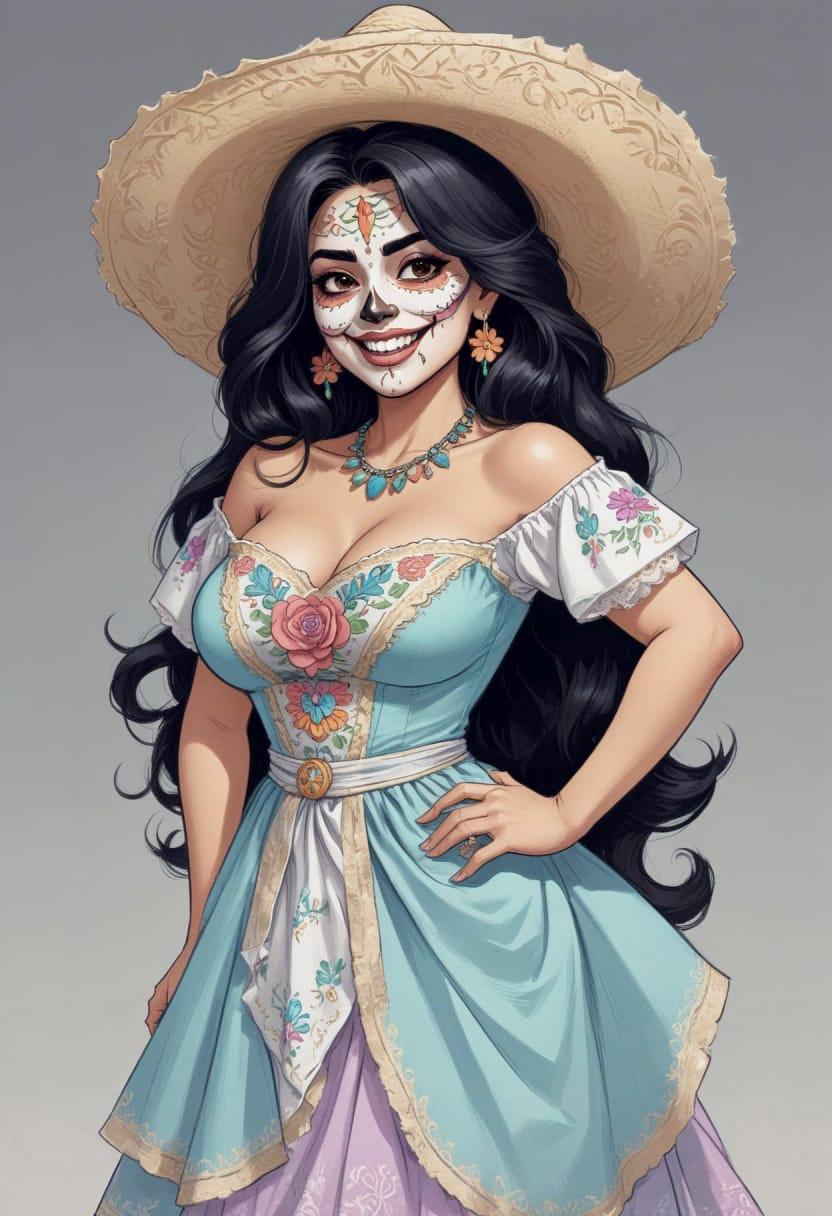
Many dresses use cotton and wool, natural fibers well-suited for Mexico’s climate and easy to decorate. The texture of these fabrics adds to the overall feel of the dress, making them comfortable and durable. This practical aspect helps keep traditional dresses relevant in everyday wear.

Schoolgirls sometimes learn how to embroider and sew their own dresses, passing on skills from generation to generation. This hands-on experience strengthens family bonds and cultural knowledge. It also allows girls to express creativity while honoring Mexican girl dress culture.
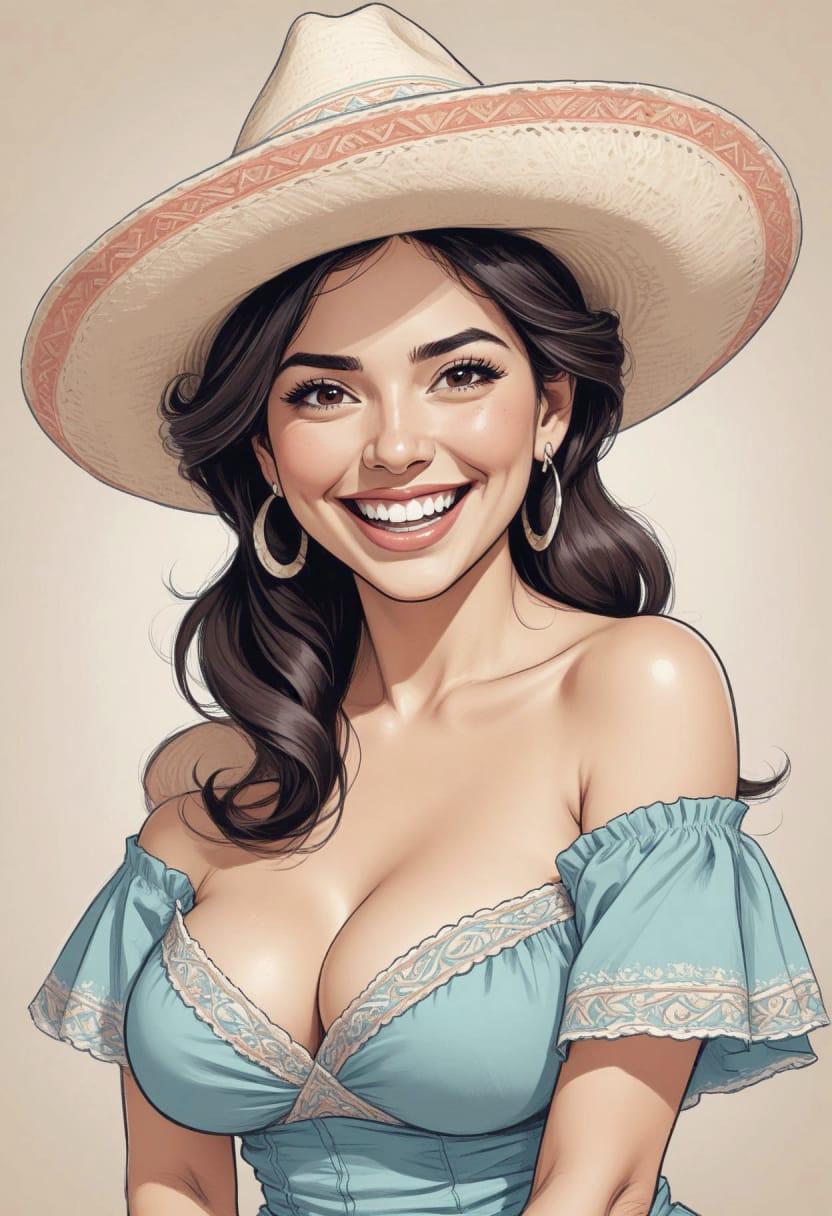
Accessories like small earrings, beaded necklaces, and flower crowns often accompany traditional dresses. These items complete the festive look and have symbolic meanings tied to local customs. Girls wearing these accessories feel connected to their roots and community.
Mexico’s diverse geography influences dress styles—coastal areas may have lighter fabrics, while mountainous regions favor thicker materials. This adaptability shows how the culture blends style with practical needs. The variety in Mexican girl dress culture reflects the country’s rich regional diversity.
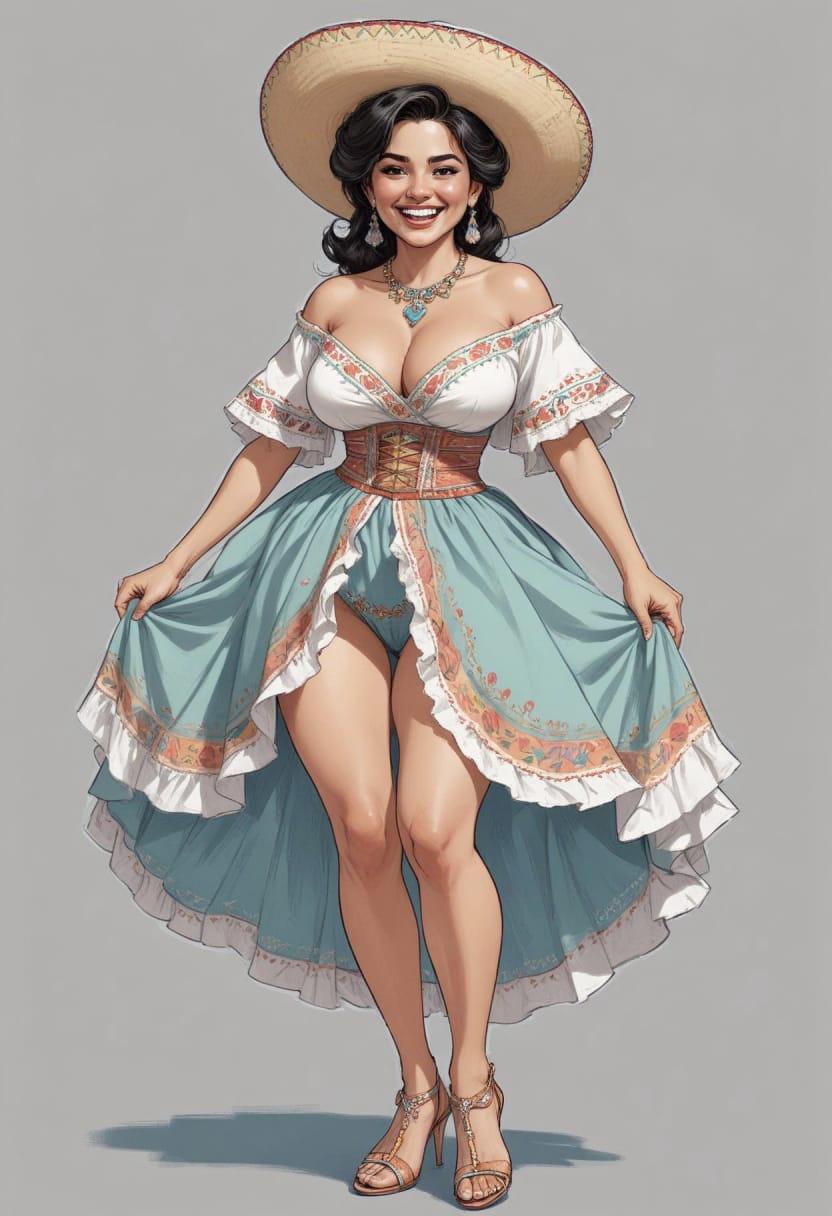
The popularity of Mexican girl dresses has grown internationally, inspiring fashion designers around the world. Elements like embroidery and color choices are appreciated for their artistic value. This global interest helps keep Mexican traditions vibrant and recognized.
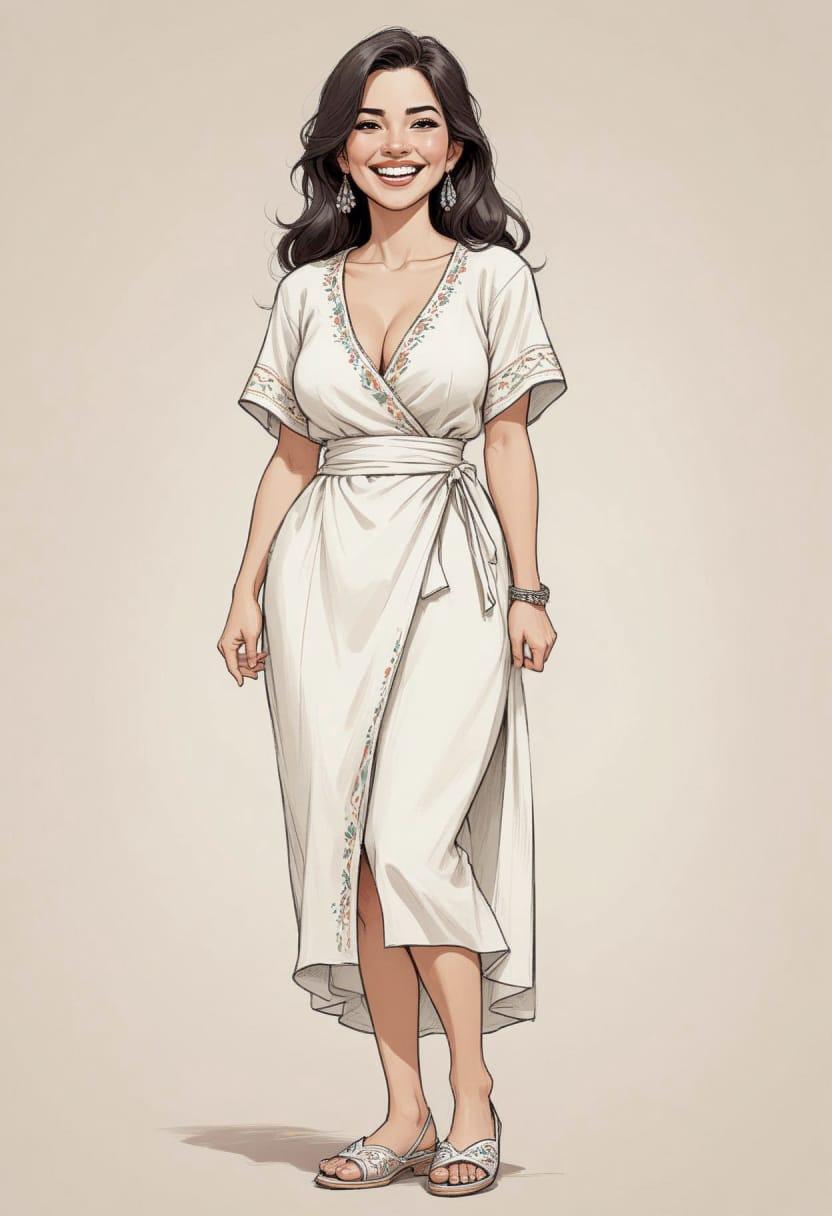
Traditional Mexican girl dresses are often paired with simple leather sandals, called huaraches. These shoes are handmade and complement the outfit's rustic charm. Huaraches add to the authentic feel of the cultural attire.
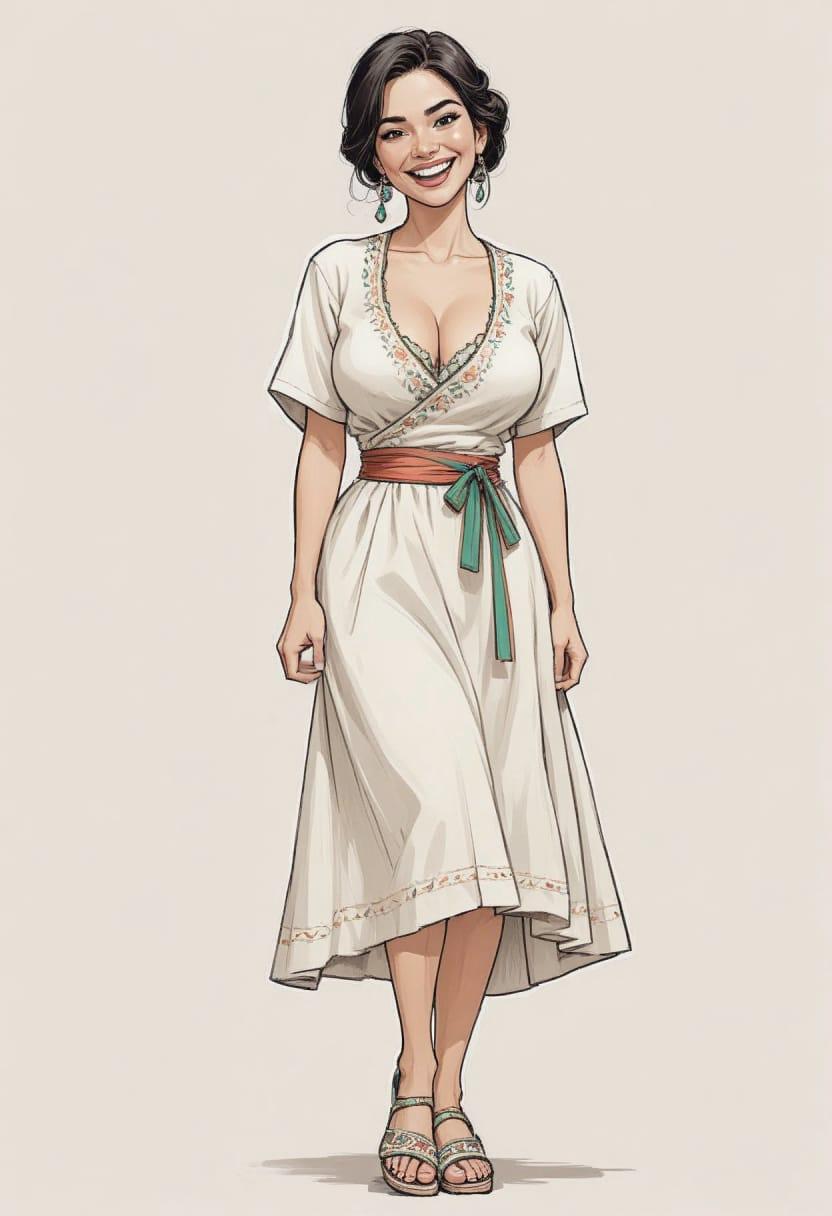
During celebrations, girls may wear dresses matching their siblings or friends, showing family unity and friendship. Coordinated outfits make group dances and performances visually striking. This practice strengthens social bonds within communities.
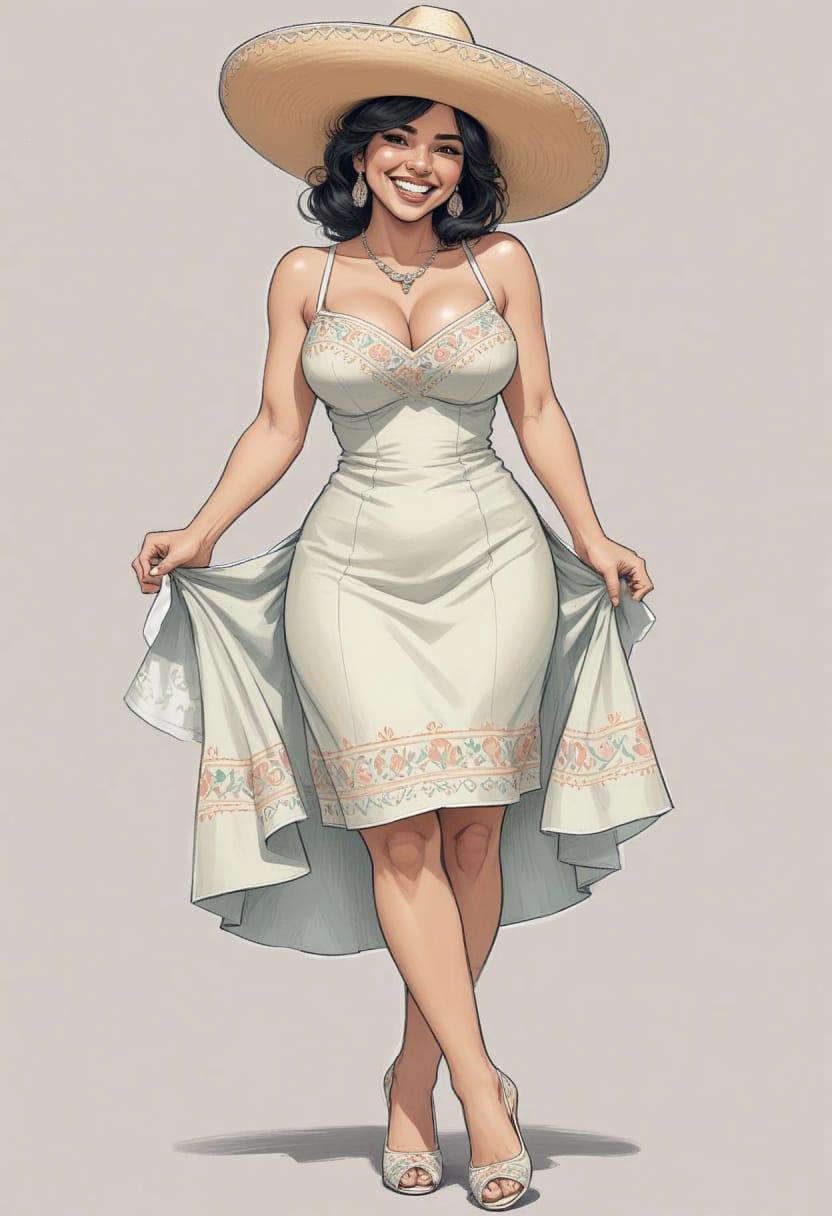
In urban areas, traditional dresses are sometimes blended with modern styles, creating fusion outfits. This trend reflects how Mexican girl dress culture adapts while staying rooted in history. It encourages younger generations to appreciate tradition in new ways.

Many festivals include contests or parades where girls showcase their traditional dresses, celebrating heritage with pride. The joy and energy in these events highlight the importance of clothing in Mexican culture. This ongoing celebration ensures the mexico girl dress culture continues to thrive across generations.