Cowboy customs
- Fun pictures /
- Culture /
- Cowboy customs
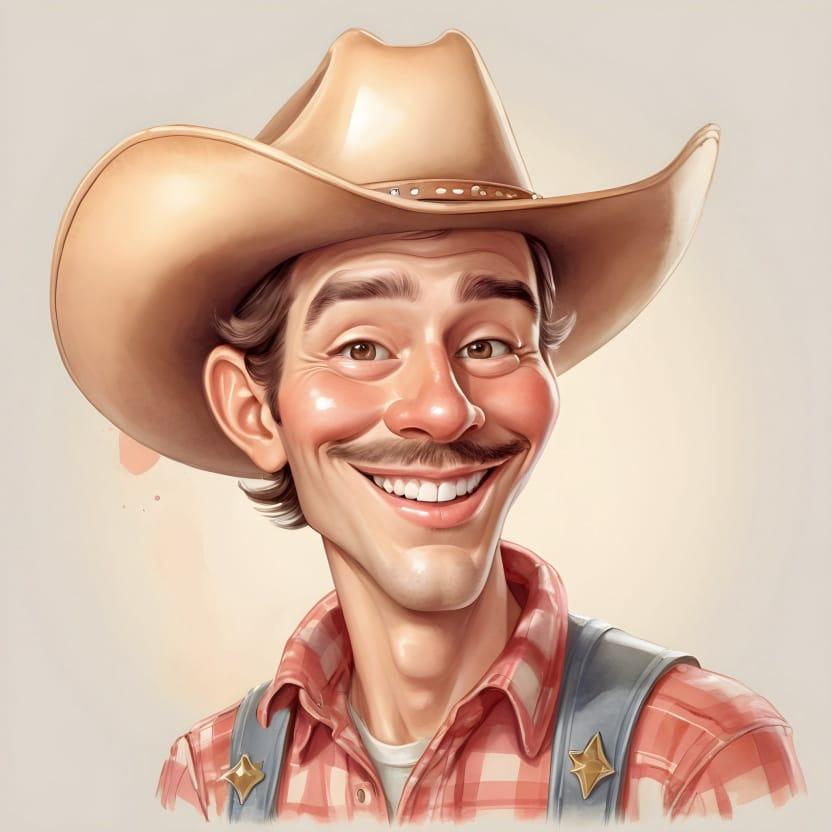
Cowboys often wore bandanas not just for style, but to protect their faces from dust during long cattle drives. These colorful cloths doubled as masks on windy days. Saddles used by cowboys were specially designed to offer comfort for long hours on horseback, with deep seats to keep riders secure. A cowboy's hat, usually a Stetson, wasn’t just for sun protection—it also helped signal weather changes and even carry water in emergencies.
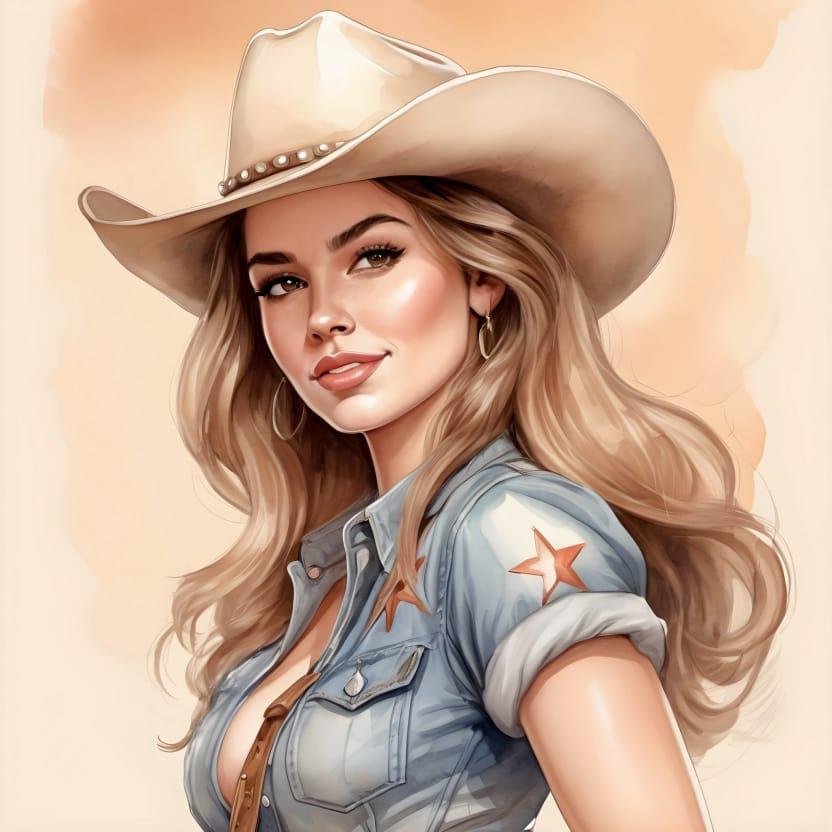
Rope tricks and lasso skills were essential parts of cowboy customs, used for catching cattle or even performing at local shows. Boots had high heels to prevent slipping through stirrups, and pointed toes made it easier to slide into the stirrups quickly. Chaps, worn over pants, protected cowboys' legs from thorny brush, rough cattle, and harsh weather.
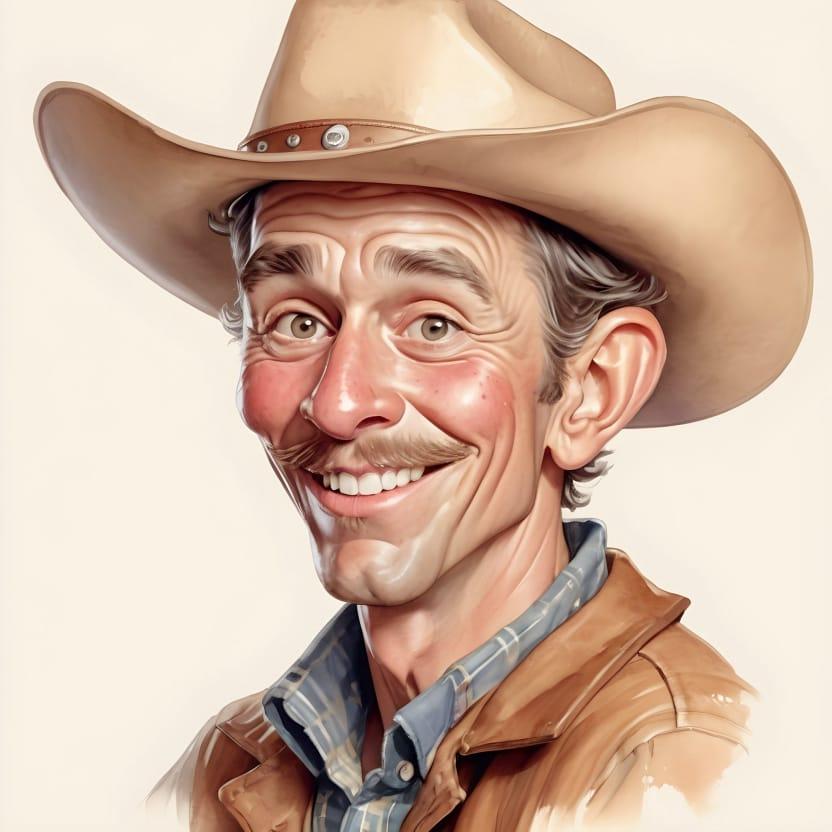
The tradition of cowboy greetings included tipping the hat as a respectful gesture, a simple but important sign of manners on the trail. Many cowboy customs came from Mexican vaqueros, including gear, riding styles, and even some Spanish words still used today. Cowboys often used a “six-shooter” pistol not only for protection but also as a tool for hunting small game during trips.
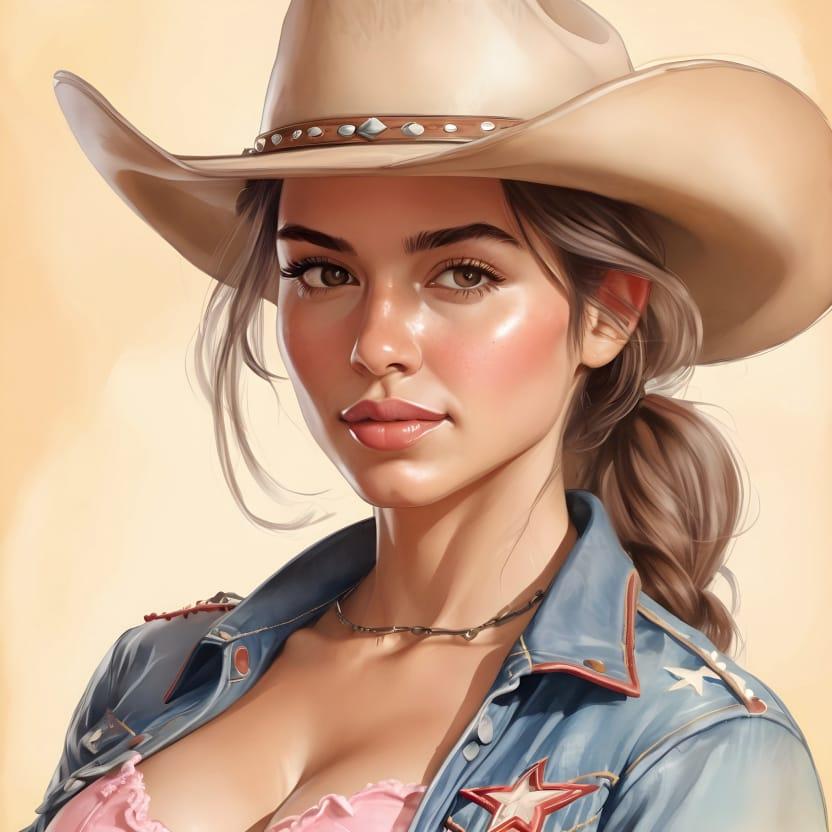
Campfire cooking was a cowboy skill—beans, coffee, and tough cuts of meat made hearty meals after a day on the range. A cowboy's belt often had a buckle that told a story—some were awards from rodeos, while others displayed personal or family symbols. Spurs weren’t just noisy accessories; they were precise tools to signal a horse without hurting it, helping control speed and direction.
Cowboy customs included storytelling by the campfire, passing down legends, news, and jokes to stay entertained during lonely nights. The phrase “riding shotgun” comes from cowboys who guarded stagecoaches, sitting beside the driver with a shotgun for protection. Many cowboys carried a pocketknife, useful for everything from cutting rope to preparing food or fixing gear.

Cowboy hats came in different shapes depending on the region and purpose, like the tall “Cattleman” crown for Texas riders. The famous cowboy whistle wasn’t just for fun—it could signal herd movements or call for help over long distances. Cowboys preferred working in pairs or small groups, both for safety and to manage cattle more efficiently.
Some cowboy customs involved unique greetings like the “tip of the hat” or a quick nod to show respect or recognize a friend. The use of colored bandanas was practical—different colors helped identify different ranches or groups of cowboys. Cowboys often wore leather gloves to protect their hands from rope burns and harsh weather.
Horse grooming was an important cowboy custom; a well-cared-for horse meant better performance and longer working life. Cowboys developed their own slang, with words like “buckaroo” and “pardner” still popular today in Western culture. Boot spurs often jingled softly, becoming a part of the cowboy’s “soundtrack” while riding through the plains.
When rounding up cattle, cowboys used specific whistle patterns to communicate herd direction without shouting. The cowboy way included respect for nature, knowing when to follow water sources and how to read weather signs on the horizon. Leather saddle bags were vital for carrying food, tools, and other essentials during long journeys.
Cowboy customs also meant patience—herding cattle could mean days of slow, steady riding under tough conditions. Many cowboys kept journals or sketches, documenting their life on the range and experiences with the herd. Cowboy hats could be used as signal flags by waving them to catch attention from far away.

The tradition of rodeos grew from everyday cowboy tasks, turning practical skills into competitive sports. Cowboy customs included respect for the horses, often naming them and treating them as partners rather than tools. Rope care was key; coiling and storing lassos properly kept them ready for quick action.
Cowboy bandanas could double as water filters or even a sling in case of injury, showing their practical, multipurpose use. Some cowboys carried harmonicas or small instruments to play tunes during quiet campfire nights. The cowboy’s belt buckle was often personalized, making it a prized possession and a symbol of identity.
The phrase “holding your horses” comes from cowboy times, meaning to stay calm and be patient while waiting. Cowboys often had to mend torn clothes or tack repairs themselves, showing practical sewing skills. “Cowboy customs” included a strong code of honor, like never stealing or betraying your fellow riders.
Many cowboy traditions are rooted in Native American culture, including horseback riding techniques and respect for the land. Cowboy hats served as shade during the day and as makeshift pillows at night when rolled up. Campfire smoke was used to keep insects away, a simple trick passed down through generations.
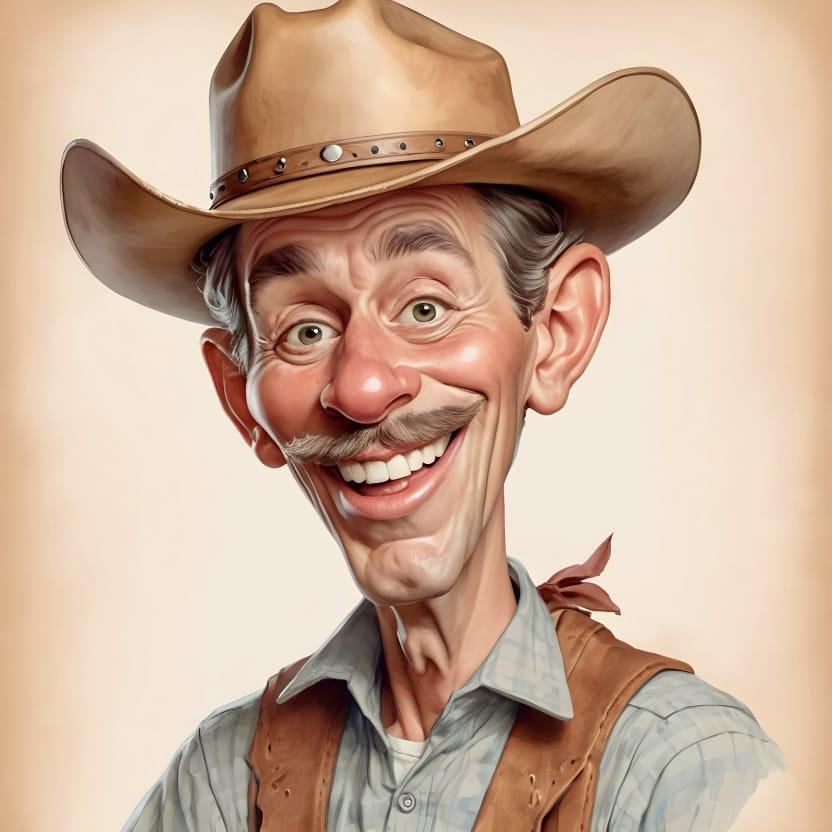
Cowboys used specific knots for different purposes, from tying cattle to securing gear, showing their practical knowledge. A cowboy’s spurs and hat were often decorated with symbols representing their ranch or personal achievements. The custom of the “last roundup” marked the end of cattle driving season, a big event for cowboys and ranchers.
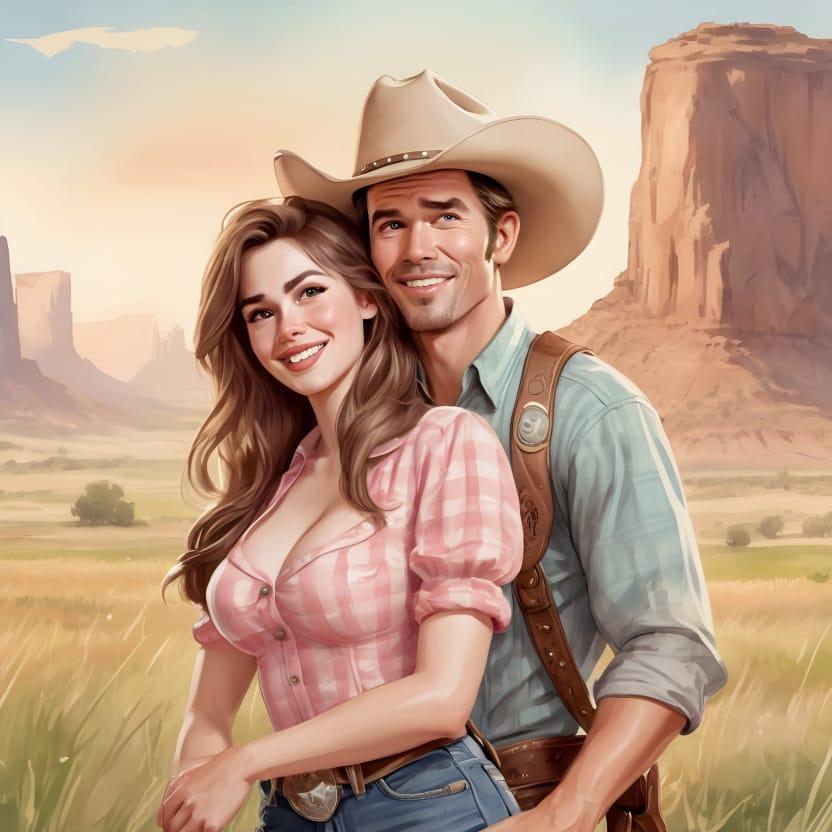
The cowboy handshake was firm and direct, reflecting a no-nonsense attitude common in cowboy culture. Cowboy boots often had decorative stitching, which also helped the leather stay flexible and strong. Many cowboy customs focused on self-reliance—knowing how to survive with limited resources in the wild.

Cowboys sometimes carried a small Bible or lucky charm, blending practicality with personal beliefs. Cattle brands were more than marks—they represented ownership, family pride, and tradition. The cowboy’s skill with a rope could mean the difference between catching a calf or losing it to the wild.
Cowboy customs included strict routines for horse feeding and watering, crucial for keeping the herd moving. Some cowboy hats had creases and dents that told stories about their owner’s life and travels. The sound of spurs clicking was often the first sign of a cowboy’s approach in a quiet town.
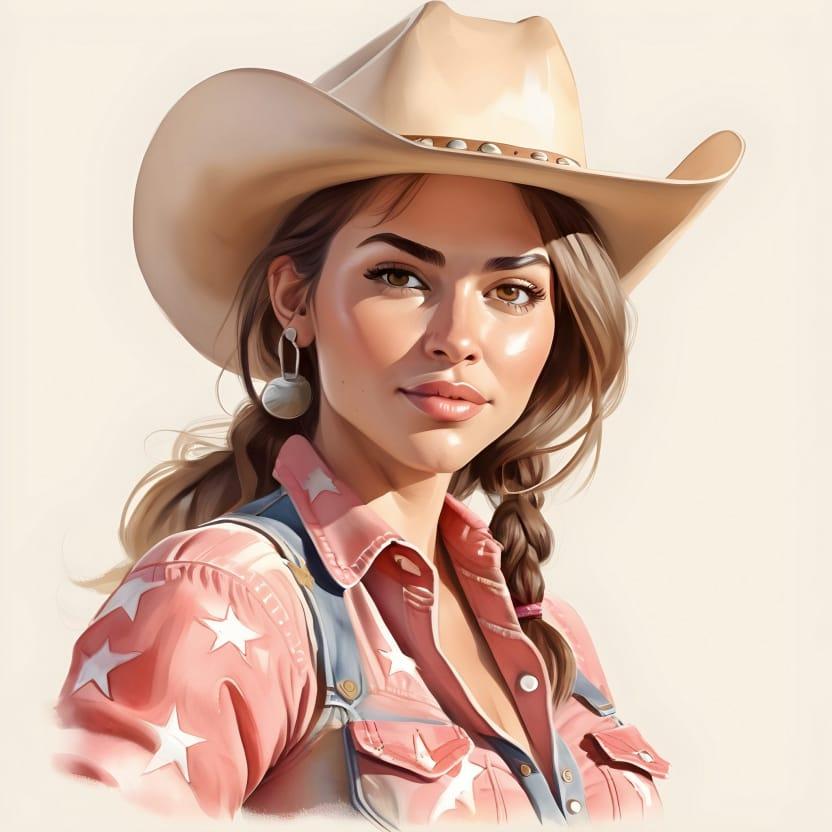
Many cowboy customs have survived in modern rodeos, where traditional skills are celebrated and passed on. Cowboys respected the land, knowing the best trails and watering holes thanks to generations of experience. The cowboy’s lingo and customs influenced Western movies, shaping how the world sees the Wild West today.
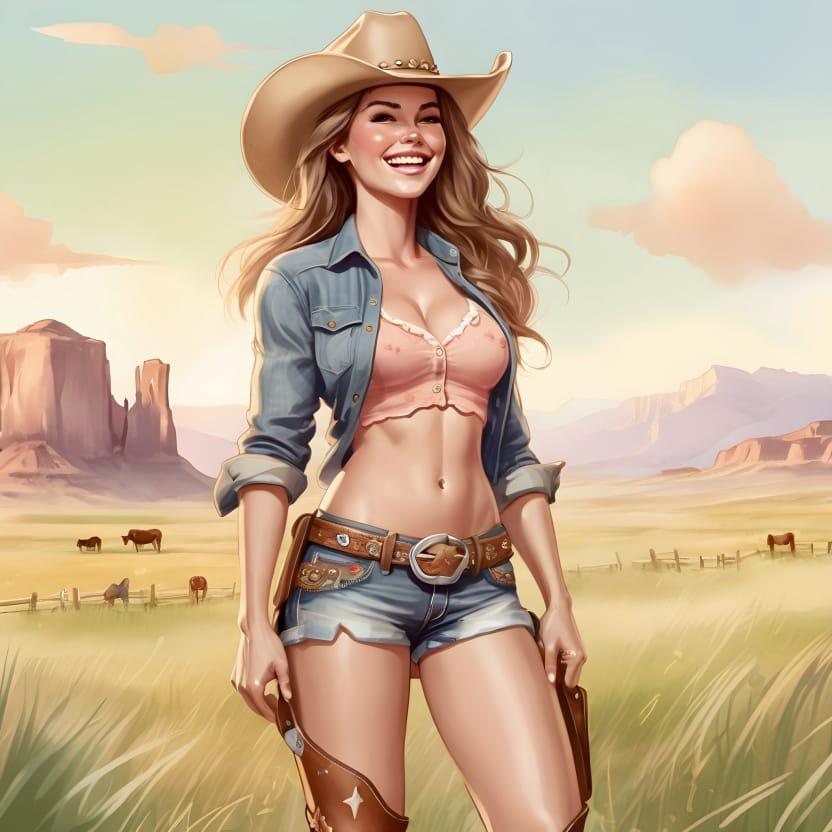
The cowboy’s life balanced hard work with moments of humor, music, and friendship around the campfire. Cowboy customs taught values like courage, loyalty, and respect—qualities that still inspire people today. Many traditions began as practical solutions on the trail but grew into rich cultural symbols over time.