Mexican interesting cultural facts
- Fun pictures /
- Culture /
- Mexican interesting cultural facts

In Mexico, people celebrate the Day of the Dead with colorful altars, sugar skulls, and marigolds—not to mourn, but to joyfully remember loved ones. Lucha Libre, Mexico’s wild version of wrestling, features masked fighters and dramatic storytelling that make it more like theater than sport. Mariachi bands, dressed in sharp charro suits, play everything from love songs to dance tunes at parties, parks, and even restaurants.
In some parts of Mexico, people eat grasshoppers (called chapulines) as snacks—seasoned with chili, lime, and salt. Piñatas aren’t just for birthdays—they’re part of Christmas celebrations too, filled with fruit, candy, and a lot of fun. Mexicans love adding chili to candy, fruit, and even ice cream—sweet and spicy is a beloved combo.
Families often gather on Sundays for big meals, usually including tamales, pozole, or mole, lasting hours of eating and talking. Towns across Mexico celebrate local saints with fireworks, music, parades, and traditional dances that go late into the night. In Oaxaca, the Guelaguetza festival features colorful costumes and dances representing the region’s many Indigenous cultures.
Mexican street food is a world of its own—tacos, elotes, tortas, and aguas frescas are everywhere and always delicious. The colors of the Mexican flag—green, white, and red—symbolize hope, unity, and the blood of national heroes. People often decorate public spaces with papel picado—colorful, cut-paper banners—for holidays and festivals.
In Mexico, family is everything. It’s common to live near or with extended family and celebrate all events together. Many homes build a small altar for Day of the Dead with photos, candles, and the favorite foods of deceased relatives. In some villages, local musicians walk through streets serenading people during festivals and weddings.

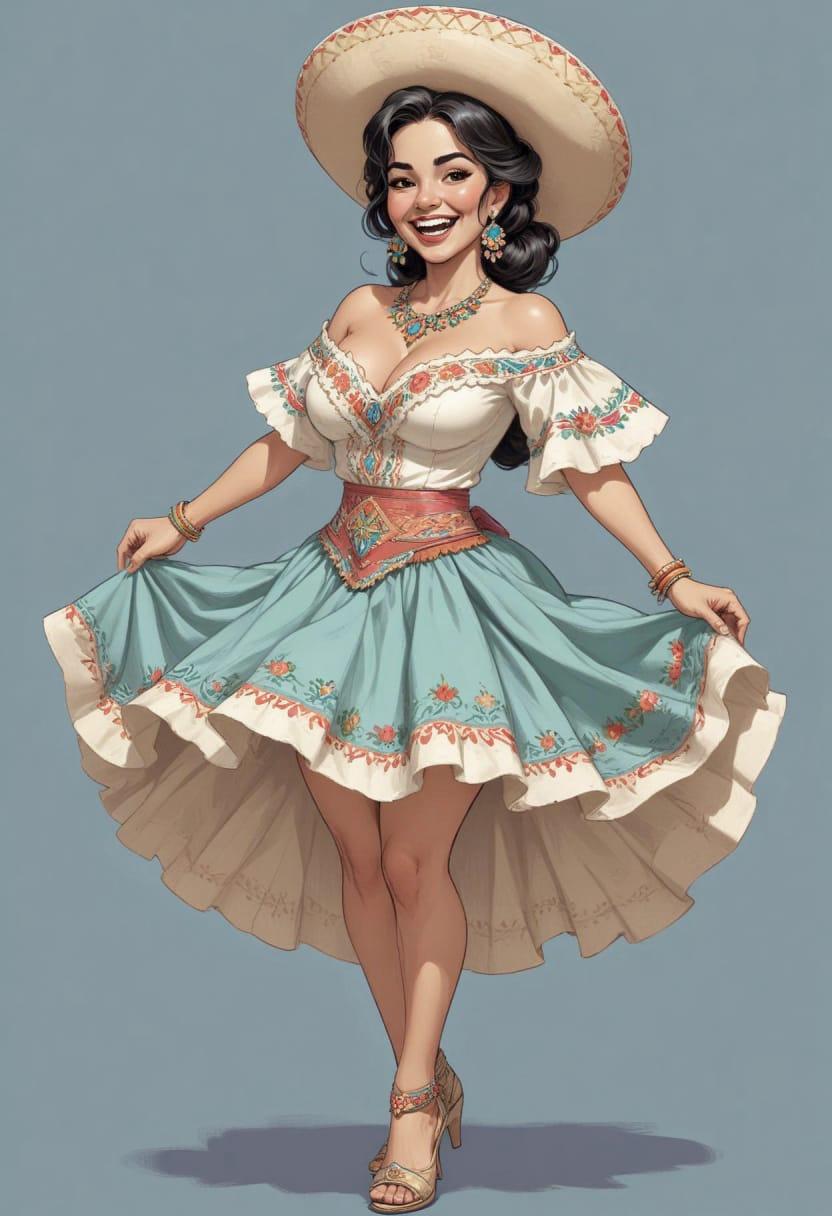
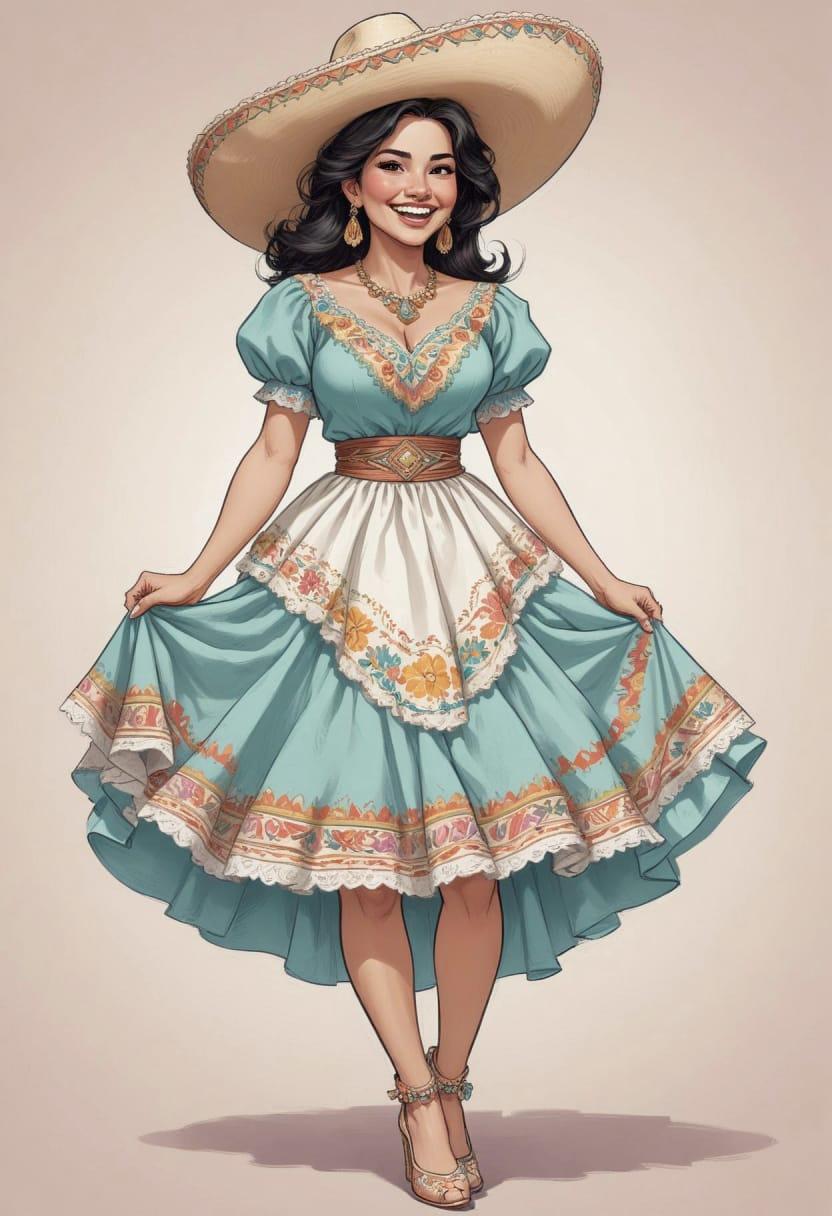
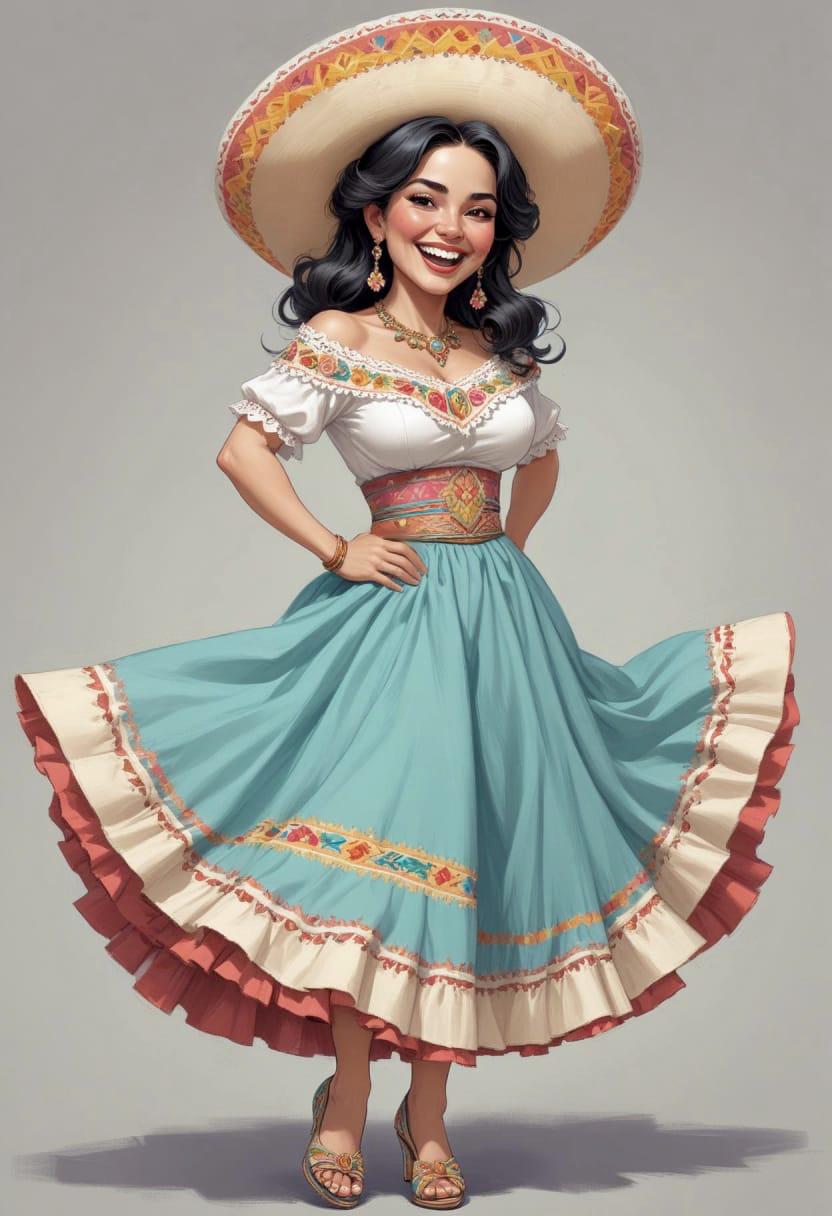
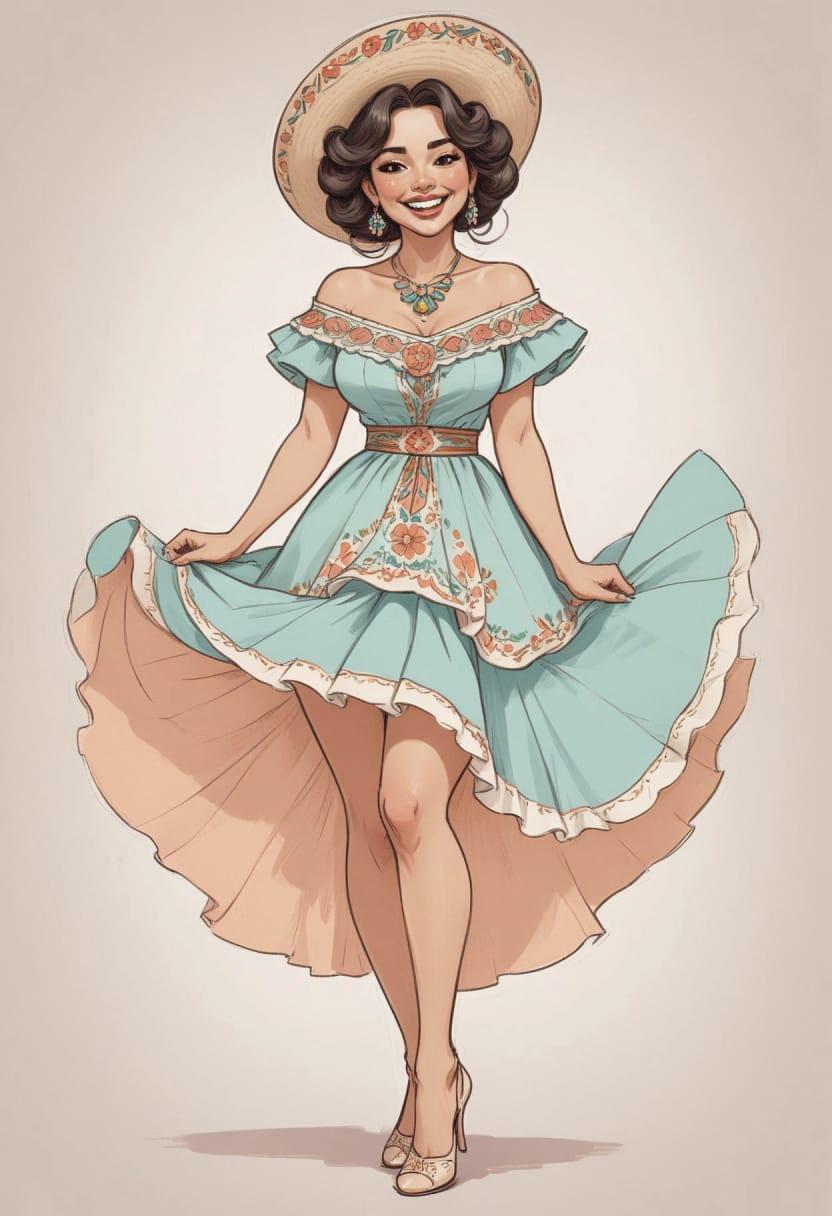
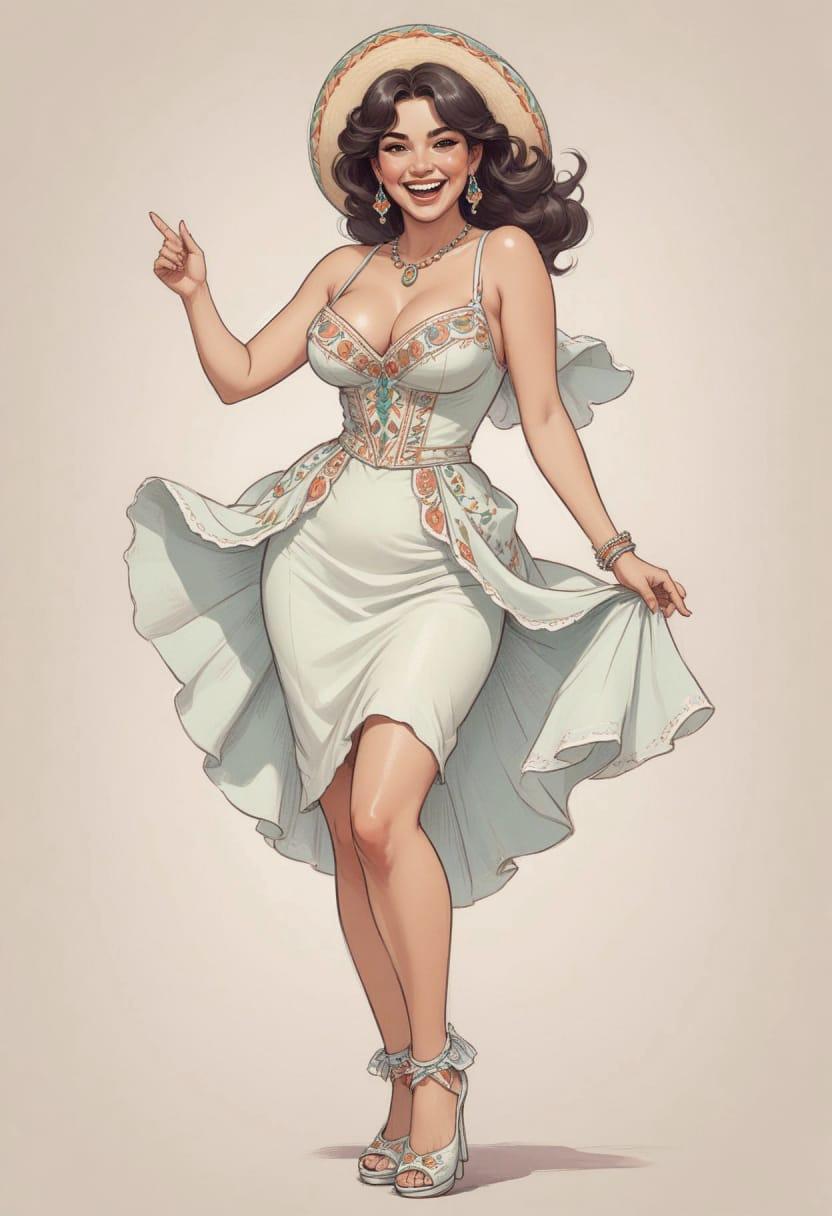
The “quinceañera” marks a girl's 15th birthday and is celebrated with a lavish party, symbolizing her transition into womanhood. Mexican folk dances, like the Jarabe Tapatío (the "Mexican Hat Dance"), are full of stomping feet, bright costumes, and swirling skirts. Some markets still barter instead of using money—tradition overrules technology in these spots.
Mexican interesting cultural facts include the country’s strong connection to Indigenous roots, visible in language, food, and rituals. On New Year’s Eve, many Mexicans eat 12 grapes at midnight—one for each lucky wish of the coming year. Mexican murals often cover entire buildings, telling stories of revolution, daily life, or Indigenous pride.

A popular belief says spilling salt brings bad luck, but throwing a pinch over your left shoulder can cancel it out. Mexican cuisine is officially recognized by UNESCO as an Intangible Cultural Heritage of Humanity. Fireworks aren’t just for big holidays—they’re used in town festivals, weddings, and religious events year-round.
During the Day of the Holy Cross, construction workers decorate their tools and scaffolding with flowers and have a party. In Mexican bakeries, pan dulce (sweet bread) comes in endless shapes and colors, often enjoyed with hot chocolate. The tradition of “Las Posadas” reenacts Mary and Joseph’s search for shelter and is a key part of Christmas celebrations.
In some rural areas, Nahuatl and other Indigenous languages are spoken as fluently as Spanish. On Día de los Muertos, families picnic at gravesites, spending the day eating, singing, and telling stories. You’ll often see people walking the streets carrying statues of saints during local festivals.

Mexican interesting cultural facts include the celebration of names—people often celebrate their saint’s day along with their birthday. Many churches ring their bells every hour, adding a musical rhythm to daily village life. During Easter week, some towns hold elaborate Passion plays where locals act out the story of Jesus.
Mexicans love jokes and wordplay. There are entire traditions around puns, riddles, and playful insults. You’ll find altars to the Virgin of Guadalupe in homes, shops, taxis, and even at soccer fields. Every November, millions of monarch butterflies migrate to Mexican forests—a natural spectacle tied to Indigenous beliefs.
In some communities, people still make pottery, textiles, and baskets by hand using centuries-old techniques. It’s common for people to carry small charms or bracelets for protection and good luck. At Christmas, families enjoy “posole,” a hearty corn stew, along with tamales and hot punch.
You can find entire festivals dedicated to chili peppers, where people compete to see who can eat the hottest ones. Día del Niño (Children’s Day) is a nationwide celebration where kids get gifts, games, and special treats. In Mexican weddings, the bride and groom are symbolically tied together with a “lazo” to represent unity.
Mexican interesting cultural facts show how religion, family, and tradition blend into everyday life. On September 15th at 11 p.m., people across Mexico shout “¡Viva México!” in a massive Independence Day celebration. Even small towns often have a town square, or “zócalo,” where people gather, eat, and catch up with neighbors.
Music is everywhere in Mexico—from mariachi and banda to rancheras and cumbia, each with its own rhythm and feeling. In some cities, street performers act out skits or play music in public plazas to entertain passersby. The Mexican piñata traditionally has seven points to represent the seven deadly sins—breaking it symbolizes overcoming temptation.
The use of “usted” versus “tú” is an important part of showing respect in Mexican conversation. In rural festivals, people sometimes wear animal masks and dance in parades to represent ancient myths. For weddings, it’s common to toss coins, called “arras,” symbolizing financial harmony and shared wealth.
In markets, haggling is a friendly back-and-forth, and vendors expect you to negotiate a little. Mexican telenovelas (soap operas) are wildly popular, often with dramatic plots that get whole families watching together. Street vendors sell everything from tacos to toys—walking through a city is like browsing a moving market.
Traditional healers, known as curanderos, blend herbal remedies and spiritual rituals to treat illness and bad energy. In some towns, the “Danza de los Voladores” involves men swinging from a tall pole while playing flute—an ancient ritual. Many homes keep “alebrijes,” colorful folk art creatures believed to guide spirits and offer protection.
Mexican interesting cultural facts reflect the deep blend of Indigenous, Spanish, and modern traditions that shape daily life. In local festivals, dancers often wear bells on their ankles, so their steps create music as they move. On Three Kings’ Day, families eat a sweet bread called “Rosca de Reyes” with hidden figurines inside—whoever finds one hosts the next party.