Indian culture
- Fun pictures /
- Culture /
- Indian culture
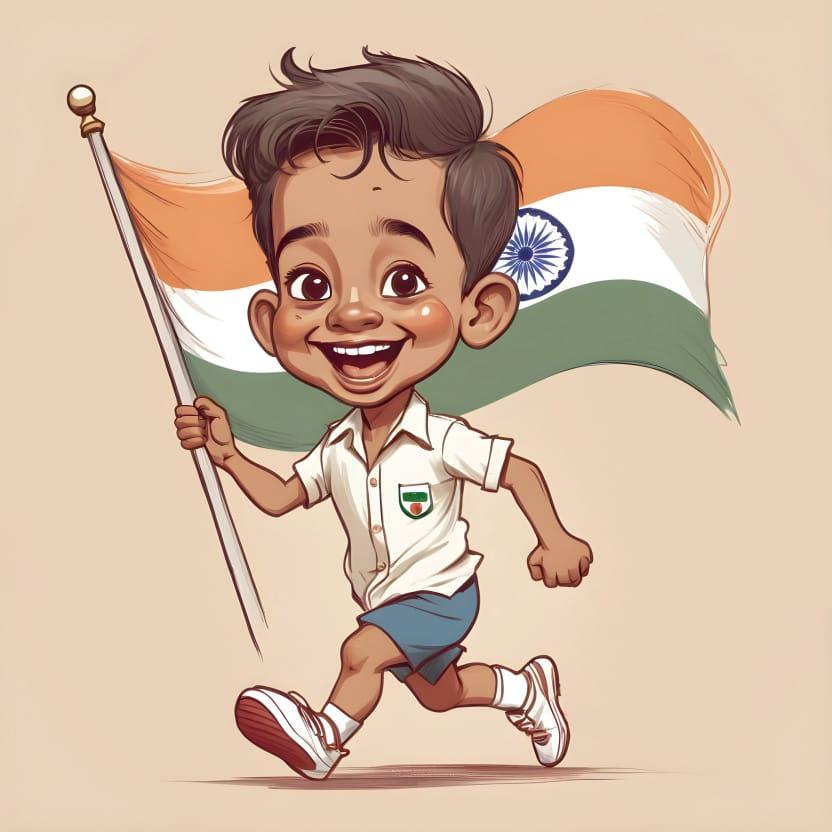
In Indian culture, cows are considered sacred and are often seen wandering freely in the streets, especially in rural areas. Many classical Indian dance forms like Bharatanatyam and Kathak use hand gestures called mudras to tell stories without speaking. Indian weddings can last for several days, with each day packed with rituals, music, colorful outfits, and tons of food.
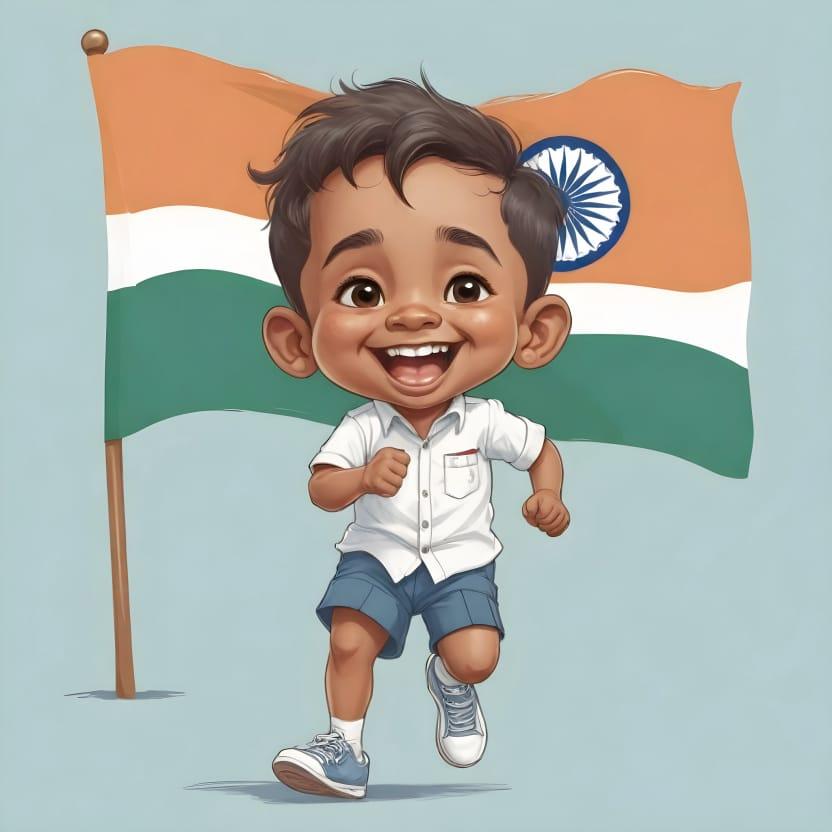
A traditional Indian greeting is done with both hands pressed together and a small bow—it's called "Namaste," which means "I bow to you." In Indian culture, turmeric isn’t just a spice—it’s used in skincare, rituals, and even in wedding ceremonies to bless the couple. India has over 22 officially recognized languages, making it one of the most linguistically diverse countries in the world.
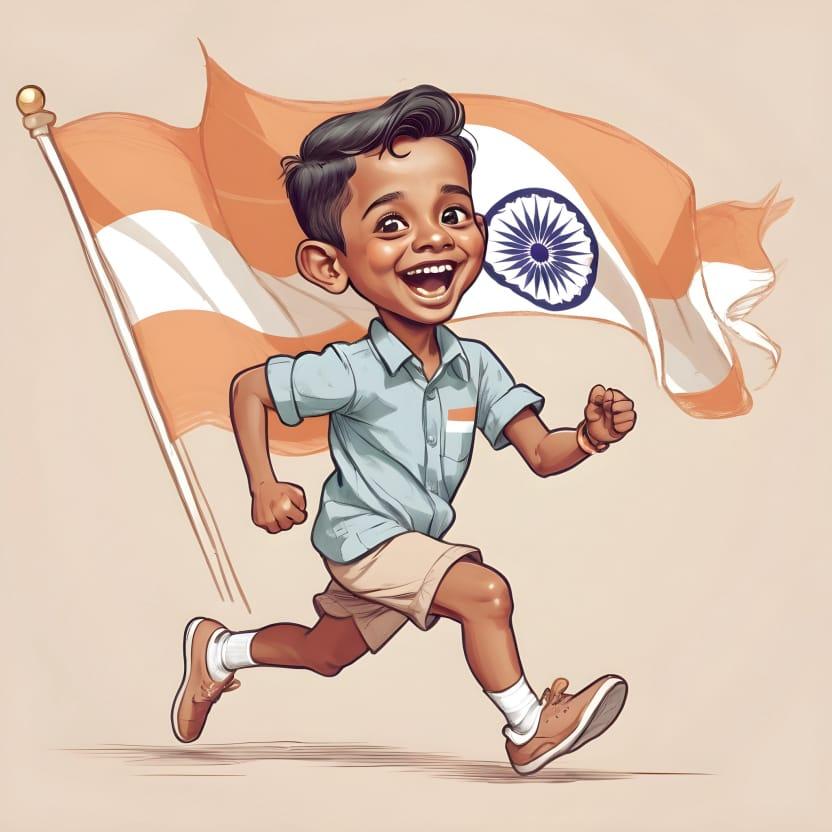
Eating with your hands is common in India—it’s believed to engage all the senses and enhance the flavor of the food. Diwali, the festival of lights, celebrates the victory of good over evil and involves fireworks, sweets, and decorating with oil lamps. Henna tattoos, or mehndi, are a centuries-old art form in Indian culture used during weddings and festivals for good luck.
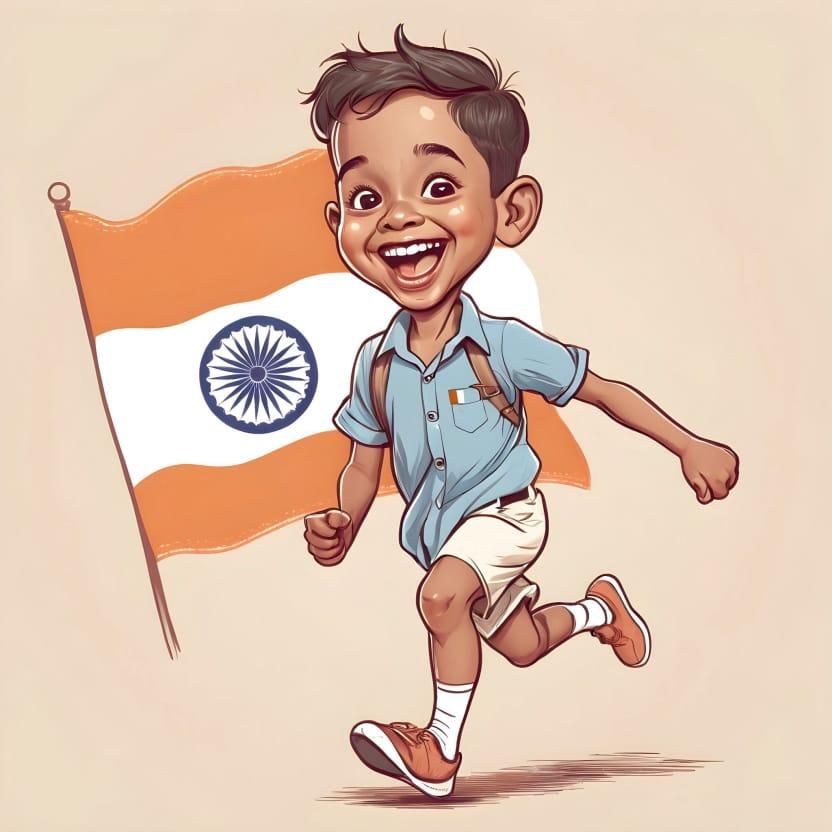
Indian food varies widely by region—from spicy curries in the south to rich tandoori dishes in the north. Bollywood isn’t just a movie industry—it’s a cultural force blending music, drama, and dance into colorful, over-the-top films. The concept of arranged marriage is still widely respected in many parts of Indian culture, often involving extensive family involvement.
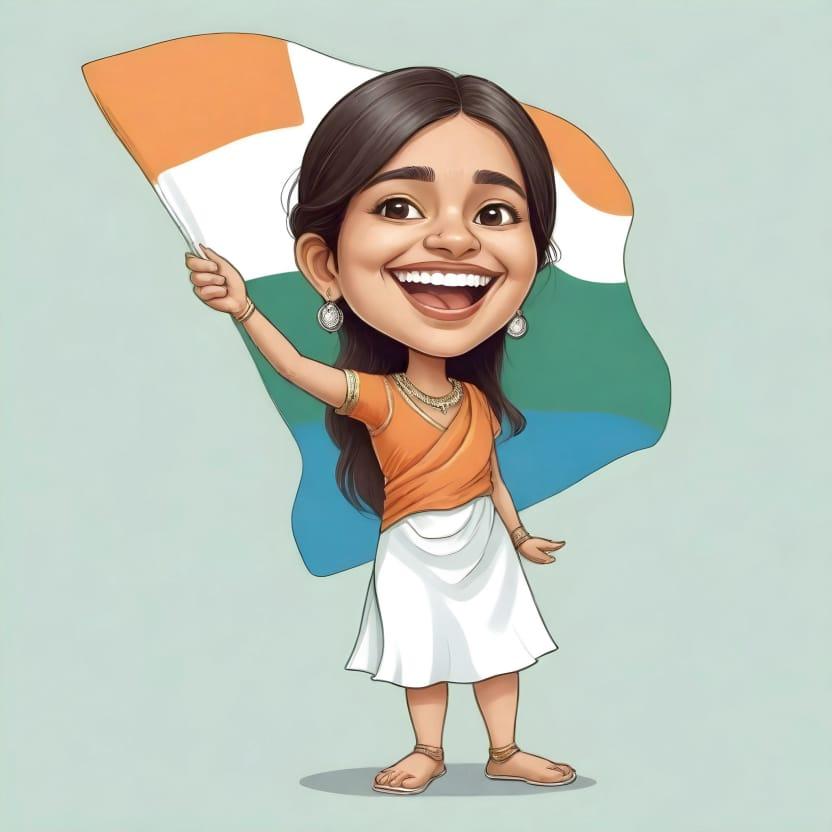
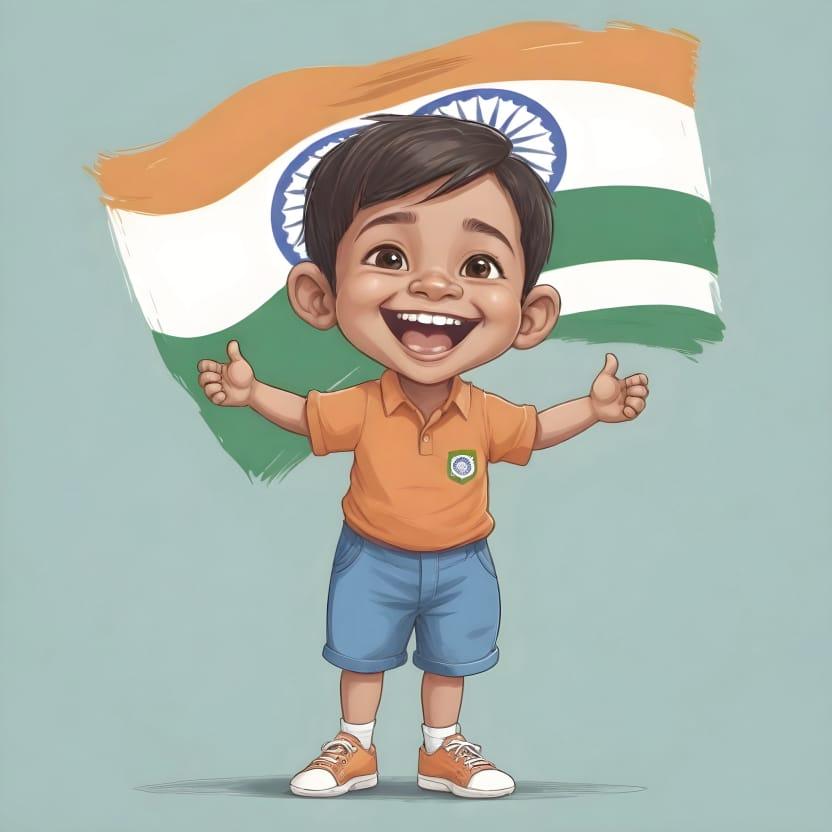
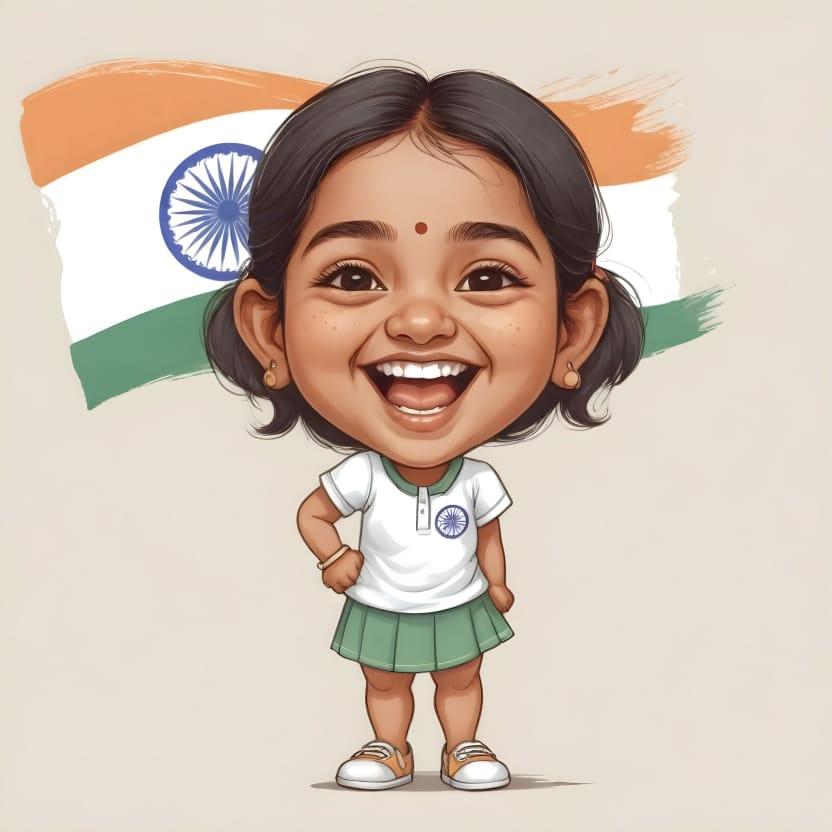
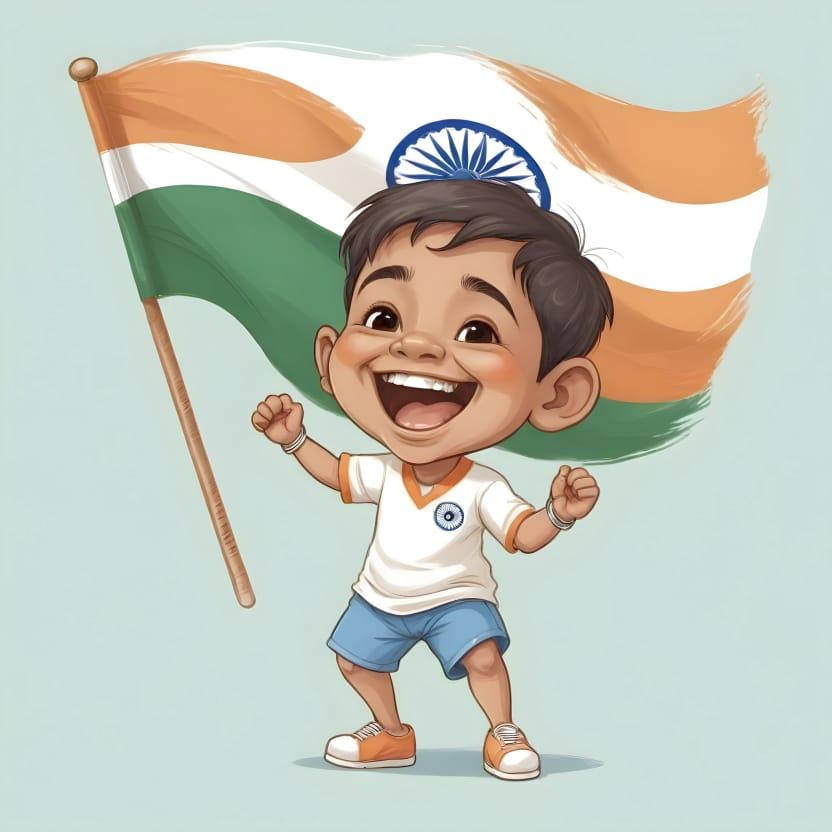
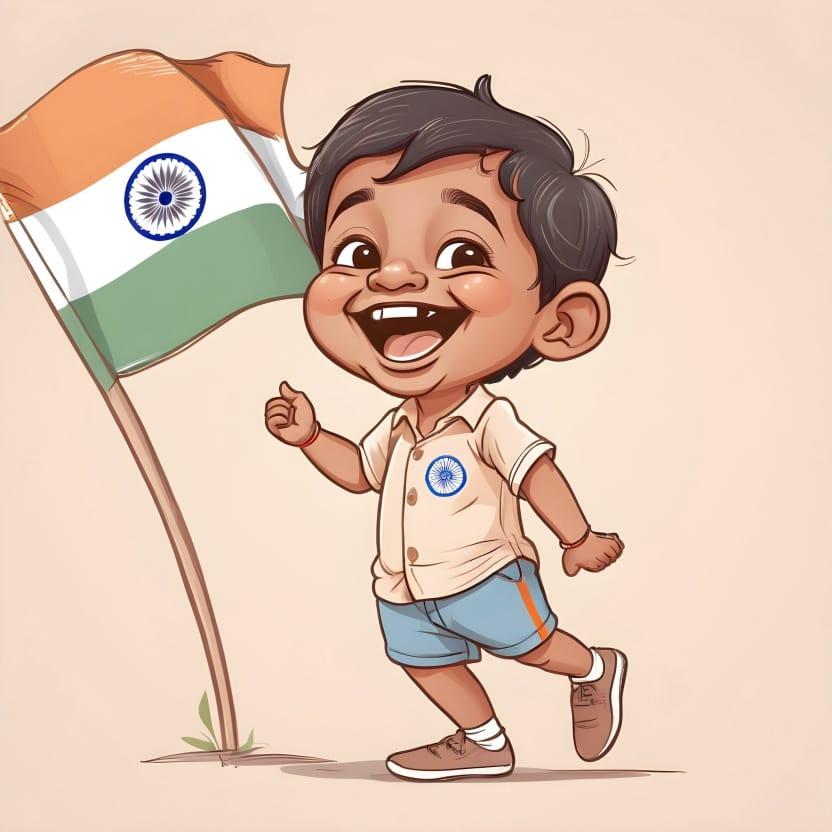
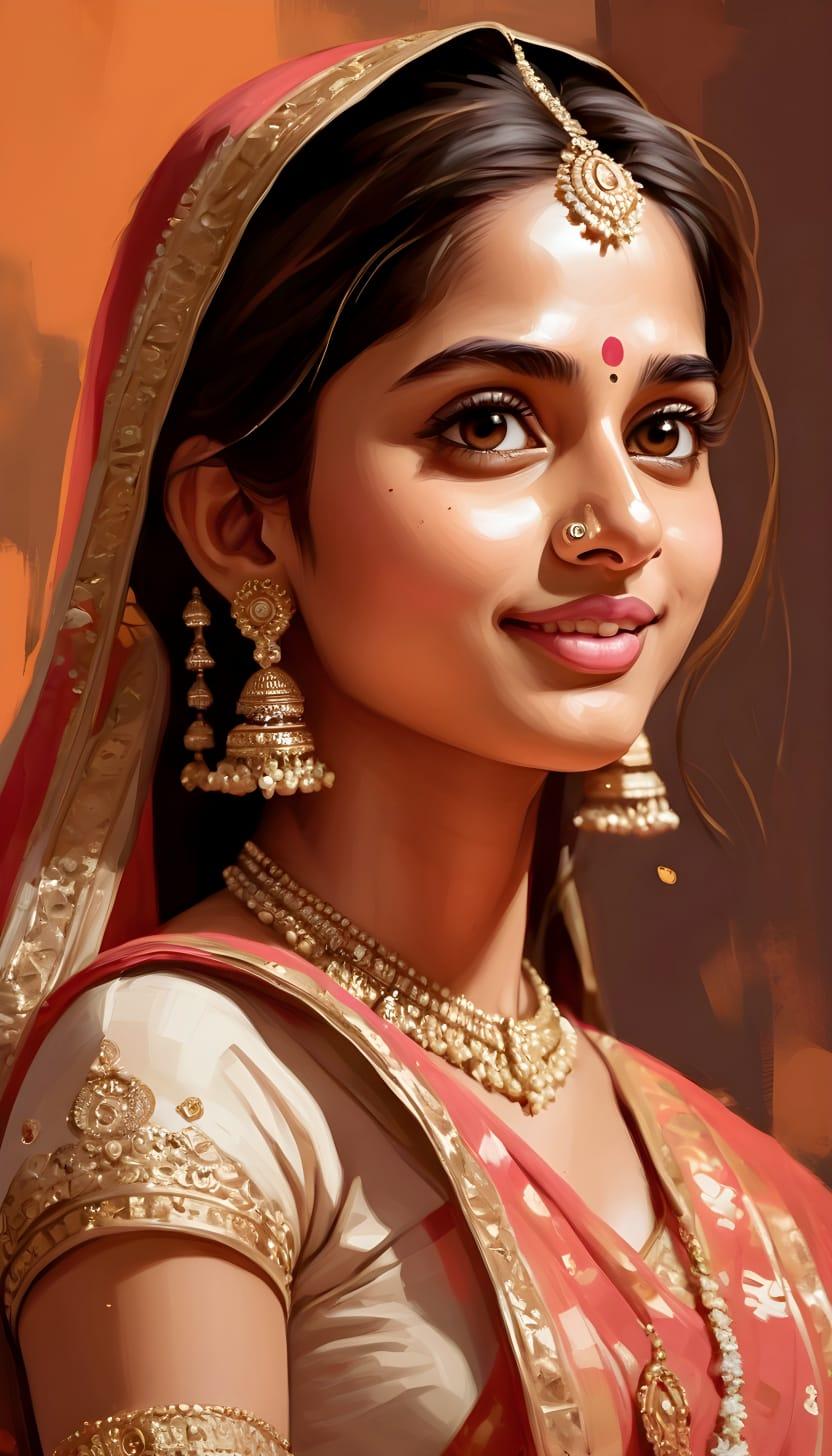
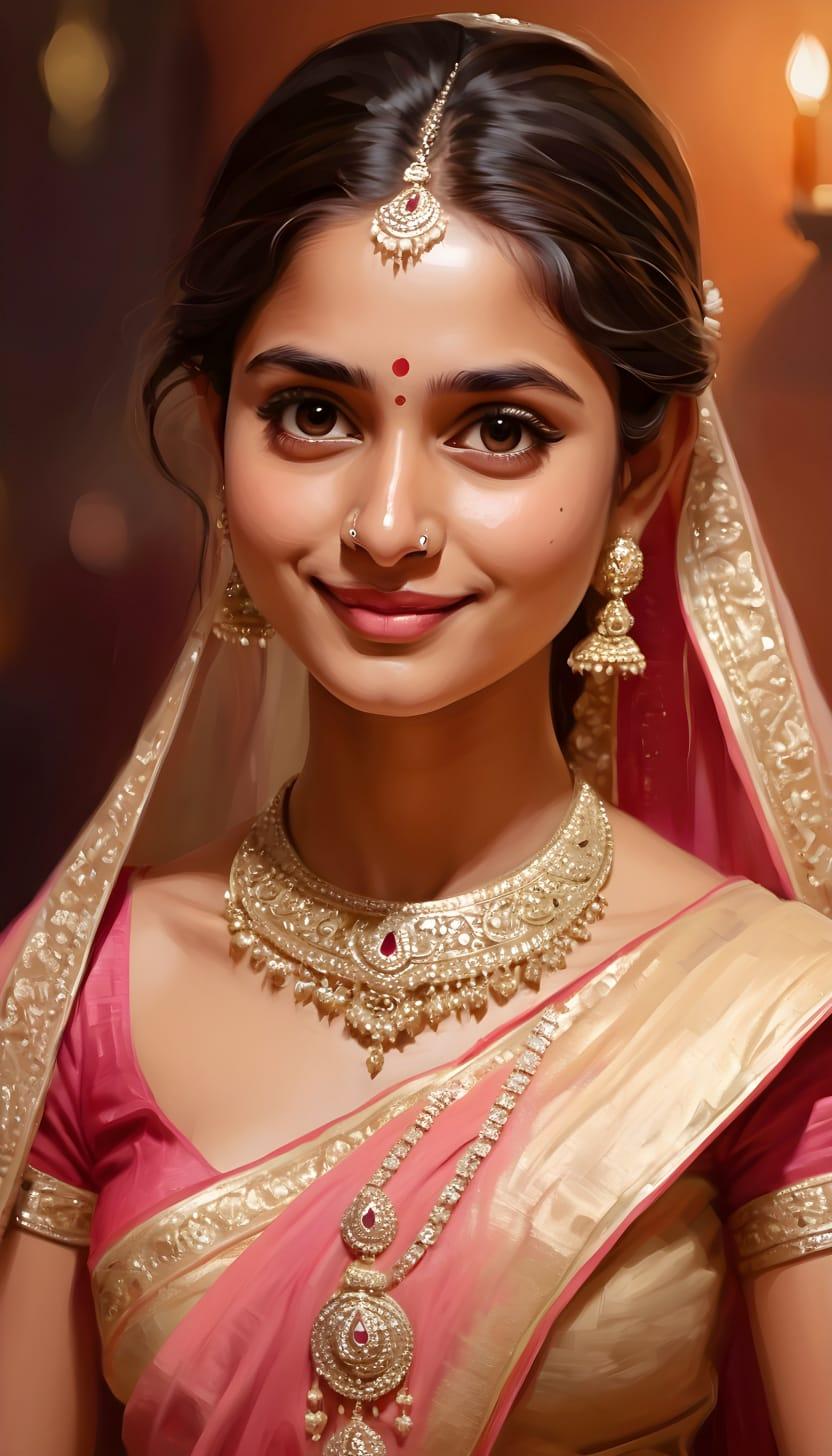
The bindi, a dot worn on the forehead, has spiritual significance and is also a symbol of beauty in Indian culture. India’s traditional clothing includes vibrant saris for women and kurta-pajamas or dhotis for men, often worn during festivals. The Indian national flag is packed with meaning: saffron stands for courage, white for peace, green for growth, and the blue wheel for law and truth.
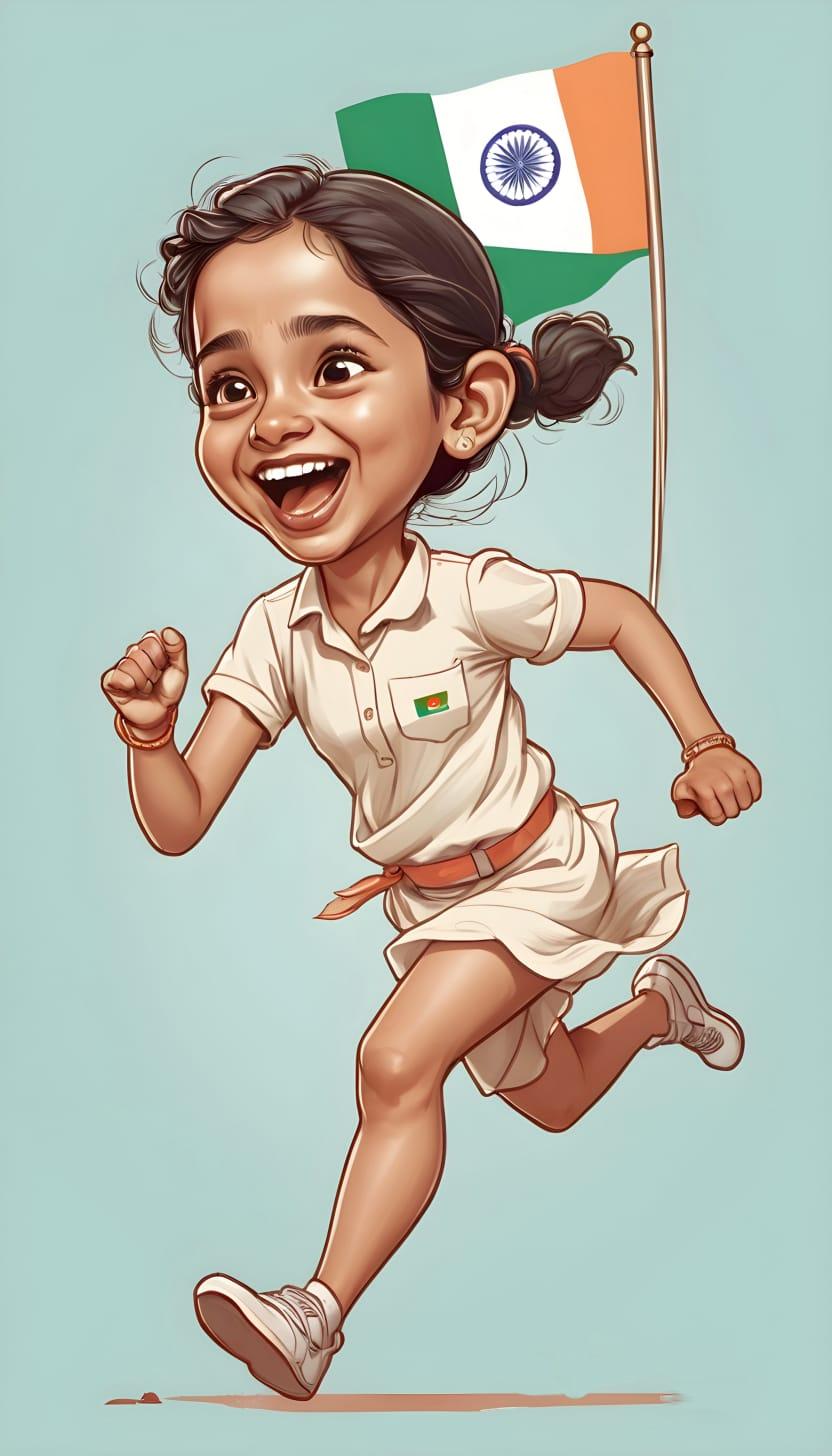
Cricket is more than a sport in India—it’s a national obsession that unites people across regions and languages. Yoga has its roots in ancient India and was developed as a practice to unite the body, mind, and spirit. Rangoli, colorful designs made on the floor using rice powder or flower petals, decorates Indian homes during festivals for good luck.
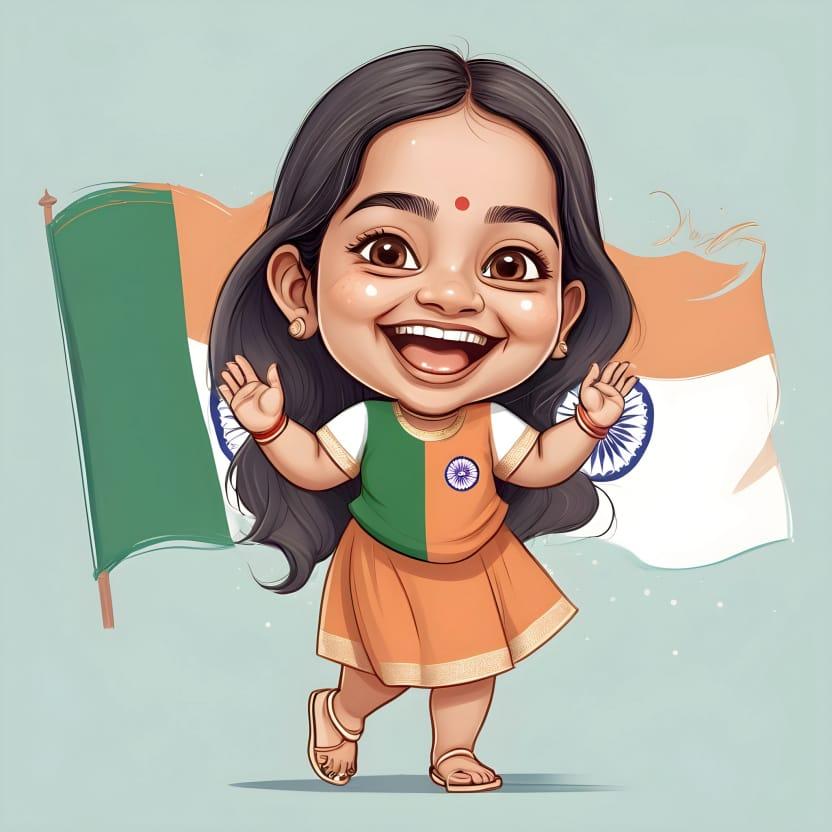
Touching the feet of elders is a traditional Indian gesture to show respect and seek blessings. The Indian spice trade dates back thousands of years and helped connect India to global trade routes. In many Indian households, meals are a family affair, eaten together while sitting on the floor.
Sacred texts like the Vedas and the Bhagavad Gita shape much of Indian philosophy, spirituality, and daily life. Street food is a vital part of Indian culture, with every region offering its own spicy, sweet, or tangy snacks. The Indian head wobble—a side-to-side movement—can mean yes, maybe, or "I understand," depending on the context.
India has six major seasons in its traditional calendar: spring, summer, monsoon, autumn, pre-winter, and winter. Indian classical music is based on ragas—melodic frameworks that evoke different moods, times of day, or emotions. Many Indian temples are architectural marvels, often carved from a single stone or filled with intricate sculptures.
Indian festivals like Holi (festival of colors) and Pongal (harvest festival) are joyful, noisy, and full of tradition. Ayurveda, India’s ancient system of medicine, promotes natural healing and balance between mind and body. In Indian culture, the lotus flower symbolizes purity, beauty, and spiritual awakening.
Indian mythology is filled with epic tales like the Ramayana and Mahabharata, which teach moral lessons through rich storytelling. Gold is more than just jewelry in India—it’s considered a sign of prosperity and is often gifted during major life events. India’s joint family system, where extended families live together, is still prevalent and fosters strong family ties.
Holy rivers like the Ganges are deeply sacred and believed to cleanse one’s sins during ritual bathing. Indian snacks like samosas and pakoras are not just tasty—they’re symbols of hospitality and celebration. In some Indian villages, local storytelling traditions like puppetry and folk theatre are still used to pass down history.
Charity and hospitality are pillars of Indian culture—guests are treated as gods, following the idea of “Atithi Devo Bhava.” Bright marigold flowers are widely used in Indian decor, symbolizing purity and auspicious beginnings. Many Indian festivals are tied to the moon calendar, making the dates shift every year based on lunar cycles.
India is home to the world’s largest vegetarian population, thanks to religious and cultural beliefs about non-violence. The sacred syllable “Om” is believed to be the sound of the universe and is used in meditation and prayer. During Indian festivals, it’s common to see people exchange sweets as a symbol of goodwill and friendship.

Traditional Indian games like kabaddi and kho-kho are still played in many schools and local competitions. Indian art often includes intricate mandalas, patterns symbolizing unity and harmony. The mango is India’s national fruit and plays a big role in both cuisine and symbolism, representing love and fertility.
Many Indian homes have a small shrine for daily worship, often featuring idols, incense, and offerings. Temple bells are rung to wake up the deity and to focus the mind before prayer. Some traditional Indian villages still follow ancient methods of astrology for naming babies or planning events.

India’s sari can be draped in over 100 different ways depending on the region, occasion, or personal style. The peacock, India’s national bird, appears in many art forms and is a symbol of beauty and pride. Storytelling through shadow puppetry, especially in southern India, has been practiced for over a thousand years.
The Indian calendar includes both solar and lunar elements, and some regions celebrate New Year in spring. Tandoori cooking, now popular worldwide, originated in clay ovens in northern India. In Indian culture, certain colors like red and yellow are believed to bring good luck, especially at weddings.
The concept of karma—what goes around, comes around—is a key belief in many Indian philosophies. Indian tribal communities have their own distinct languages, music, and rituals that contribute to the country’s diversity. Festivals in India often involve processions with music, dancing, and even elephants in full decoration.
India’s street markets are full of handmade crafts, from silk scarves to carved wooden toys, reflecting generations of artistry. Indian lullabies and folk songs vary by region but share a deep connection to nature and family. In Indian culture, it’s common to celebrate even small milestones—like naming a baby or moving into a new home—with music, food, and rituals.