German culture
- Fun pictures /
- Culture /
- German culture

In Germany, it's common to wish someone a good meal by saying “Guten Appetit” before eating. Germany has over 1,500 different types of sausages—each region has its own specialty. Most Germans take recycling very seriously. It’s a big part of daily life and taught in schools early on.

In german culture, punctuality is a sign of respect—being late is often seen as rude. Oktoberfest, the world’s largest beer festival, actually starts in September, not October. German bread culture is world-famous, with over 3,000 kinds of breads and rolls.
Many Germans enjoy a relaxed Sunday—most stores are closed, and it’s time for rest or family. “Tatort,” a crime drama that started in 1970, is still one of Germany’s most-watched TV shows. Germans invented the Christmas tree tradition that spread around the world.
You won’t find many speed limits on sections of the Autobahn—Germans love efficient driving. German culture includes celebrating “Name Days” for people named after saints. A popular kids’ snack is “Milchschnitte,” a sweet milk-cream sandwich cake.
Dogs are welcome in many public places, including restaurants and stores. Germans often separate work and personal life; they even have a word for after-work chill time: “Feierabend.” In some areas, people celebrate Carnival by dressing in elaborate costumes and throwing candy during parades.
In german culture, apprenticeships are highly respected and often lead to solid careers. The German language has super-specific words like “Fernweh” (longing for faraway places). Germany is home to over 6,000 museums, many of them free on certain days.

Sunday evening “Tatort” viewings are almost a ritual for many families. Germans love their “Kaffee und Kuchen” afternoons—coffee and cake is a daily tradition. Beer purity laws (Reinheitsgebot) from 1516 still influence how beer is brewed today.
In some towns, kids get a giant candy-filled cone called “Schultüte” on their first day of school. Germans love board games—companies like Ravensburger have been around for decades. “Waldeinsamkeit” is a unique German word for the feeling of being alone in the woods.

In german culture, silence is golden—public places tend to be quieter than in many countries. Christmas markets fill German towns with lights, crafts, and mulled wine in December. The German passion for engineering shows in cars, trains, and even kitchen appliances.
During New Year’s Eve, Germans watch a quirky British sketch called “Dinner for One.” Germans are known for their directness—it’s not rude, just honest and efficient. Sundays are for rest by law—no lawn mowing, hammering, or drilling allowed.

Bread is often eaten with cold cuts or cheese instead of toast and jam. A German tradition called “Stammtisch” is a reserved table for regulars at pubs. In Bavaria, locals still wear Lederhosen and Dirndls during festivals.

In german culture, education is free—even at public universities for international students. Germans celebrate Christmas on the evening of December 24, not the 25th. Popular German fairy tales collected by the Brothers Grimm shaped stories worldwide.
Many German towns still ring their church bells every hour, day and night. German schools often end early in the afternoon, with homework filling the rest of the day. Many homes air out rooms daily, even in winter—it’s called “lüften.”
On May Day, Germans decorate trees and dance to celebrate spring. In Cologne, “Karneval” season is bigger than Christmas—it starts in November! Germany has one of the highest rates of book publishing per capita in the world.
Pretzels are a symbol of hospitality and often eaten for breakfast or snacks. Public transportation in cities is clean, punctual, and widely used. In some German states, you pay a deposit for bottles, which you get back when returned.
There’s a strong culture of walking—many towns have walking paths and forest trails. Beer is cheaper than water in many German restaurants. In german culture, work-life balance is taken seriously, with generous vacation time.
Germans take their vacations seriously—many offices shut down entirely for summer holidays. The concept of “Gemütlichkeit” captures coziness, friendliness, and good cheer. Germany’s youth hostels are clean, safe, and popular among travelers of all ages.
Most Germans greet with a handshake, even among close friends. Germany has over 20,000 castles, many open to the public for tours. Bakeries are everywhere, offering fresh bread, pastries, and pretzels all day long.
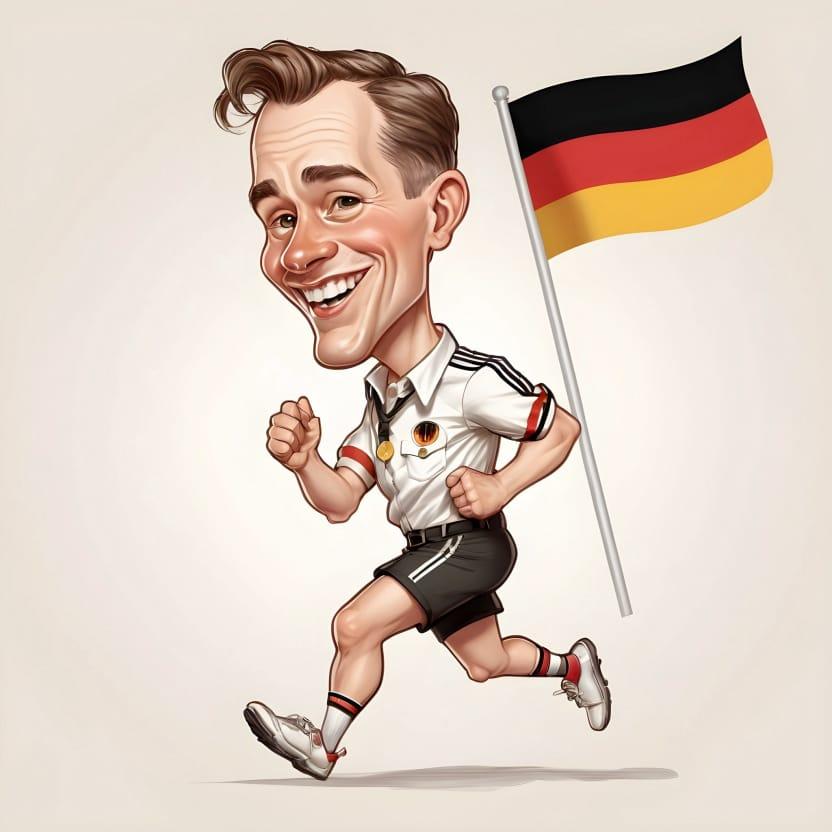
Traditional folk music is still popular in rural areas, especially during local festivals. People take pride in keeping their neighborhoods tidy—it’s a community effort. Many Germans still prefer cash over cards, especially in smaller towns.
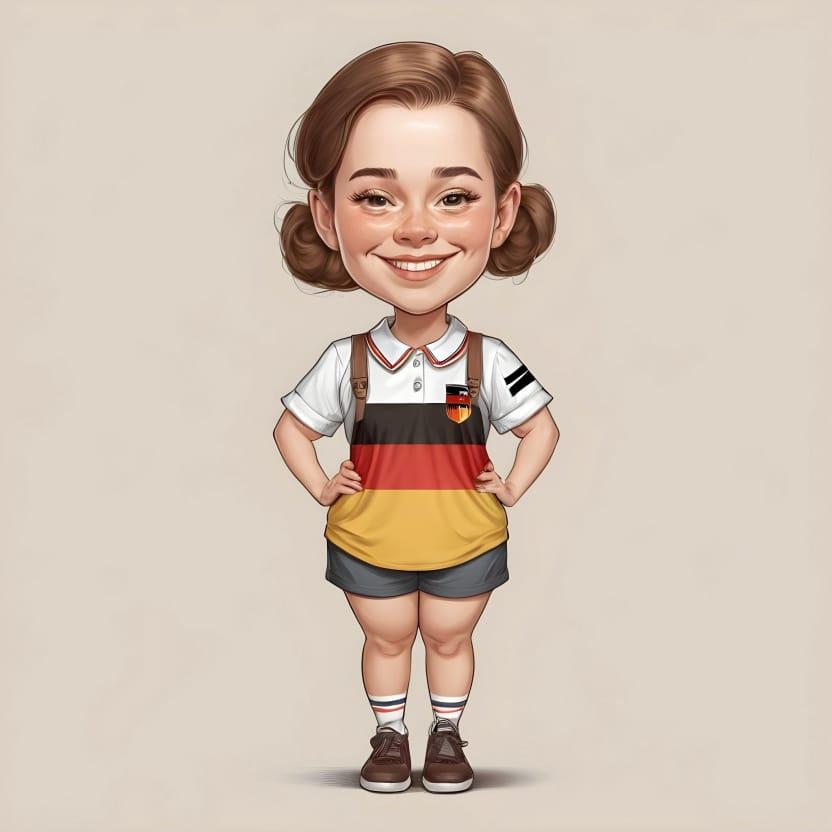
School kids often take public transport on their own from a young age. Germany hosts more than 300 Christmas markets every year. Germans love their forests—not just for walks, but for folklore, mystery, and peace.