Mexican culture fun fact
- Fun pictures /
- Culture /
- Mexican culture fun fact
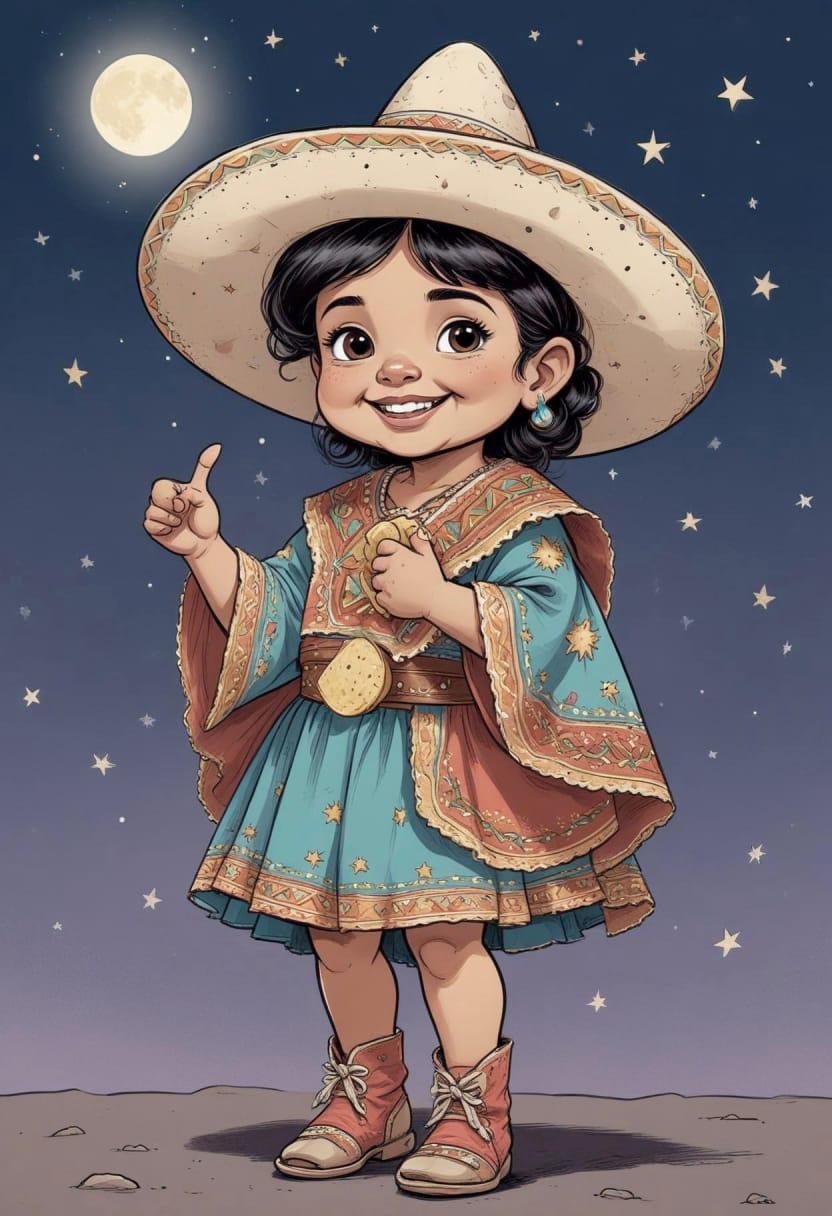
Mexican cuisine is so diverse that UNESCO named it an Intangible Cultural Heritage of Humanity. Tacos, tamales, and mole sauce are just the tip of the flavorful iceberg. The Day of the Dead, or Día de los Muertos, is a colorful celebration where families honor their ancestors with altars, marigolds, and sugar skulls. It's a joyful way to remember loved ones. Mariachi music, with its lively trumpets and violins, originated in the western state of Jalisco and is now a symbol of Mexican pride worldwide.
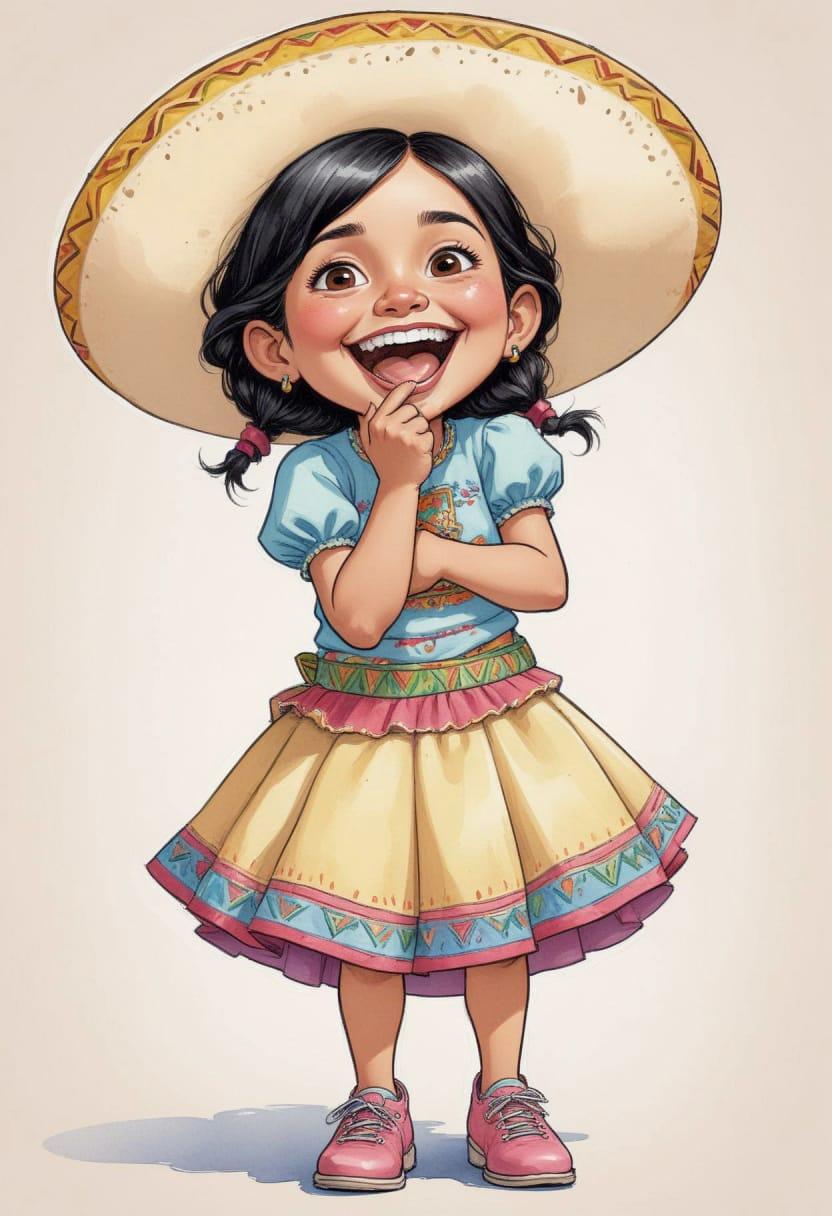
Chili peppers are a staple in Mexican cooking, with dozens of varieties adding heat and flavor to dishes. They’ve been used since ancient times for their taste and medicinal properties. Mexico is home to the oldest known ballgame court, where players used a rubber ball in a game with religious significance dating back thousands of years. The vibrant tradition of Mexican folk art includes colorful textiles, pottery, and paper crafts called papel picado, often used in festivals and celebrations.
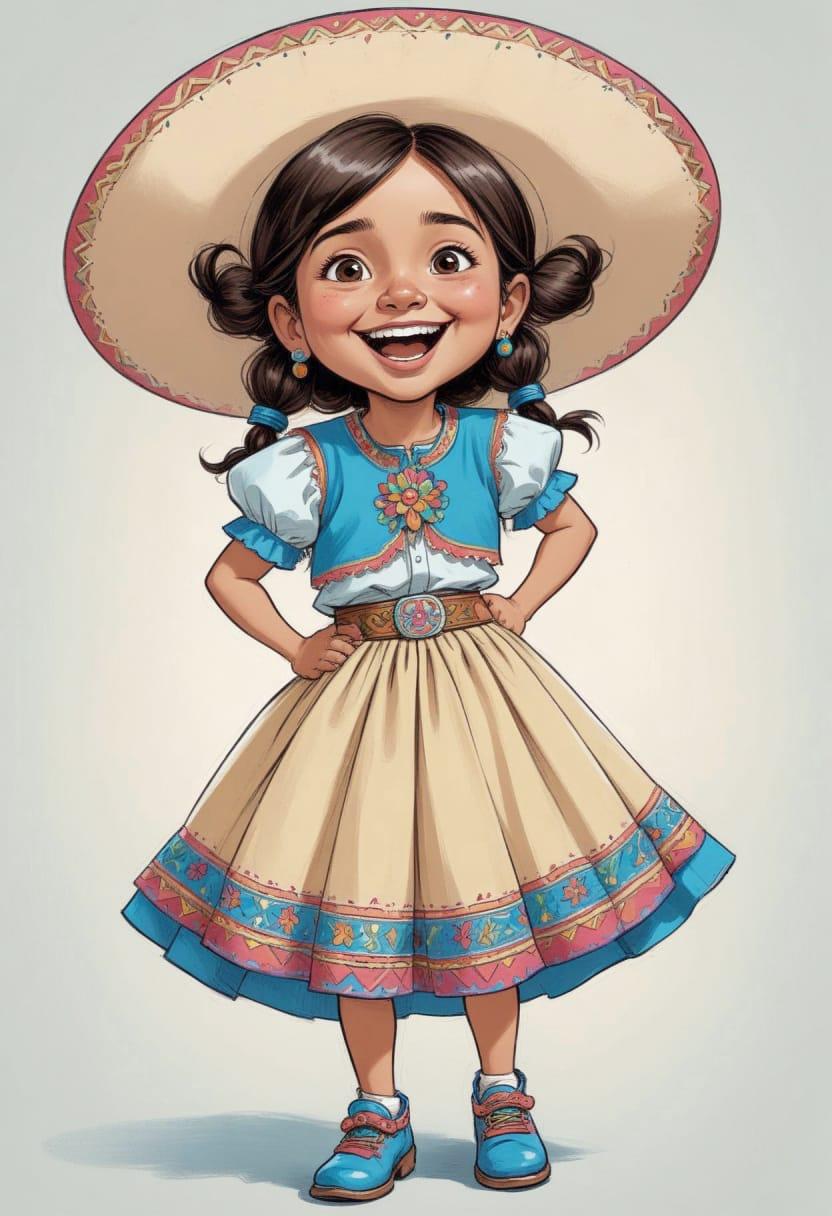
Mexican culture fun fact: The piñata, popular at birthday parties, has roots in Mexico but was influenced by Asian and European traditions. It’s filled with candies and treats for kids to enjoy. Chocolate was first cultivated by the ancient Aztecs in Mexico, who used cacao beans as currency and in a bitter ceremonial drink. Lucha libre wrestling features masked wrestlers who are treated like superheroes, combining sport with theatrical performance.
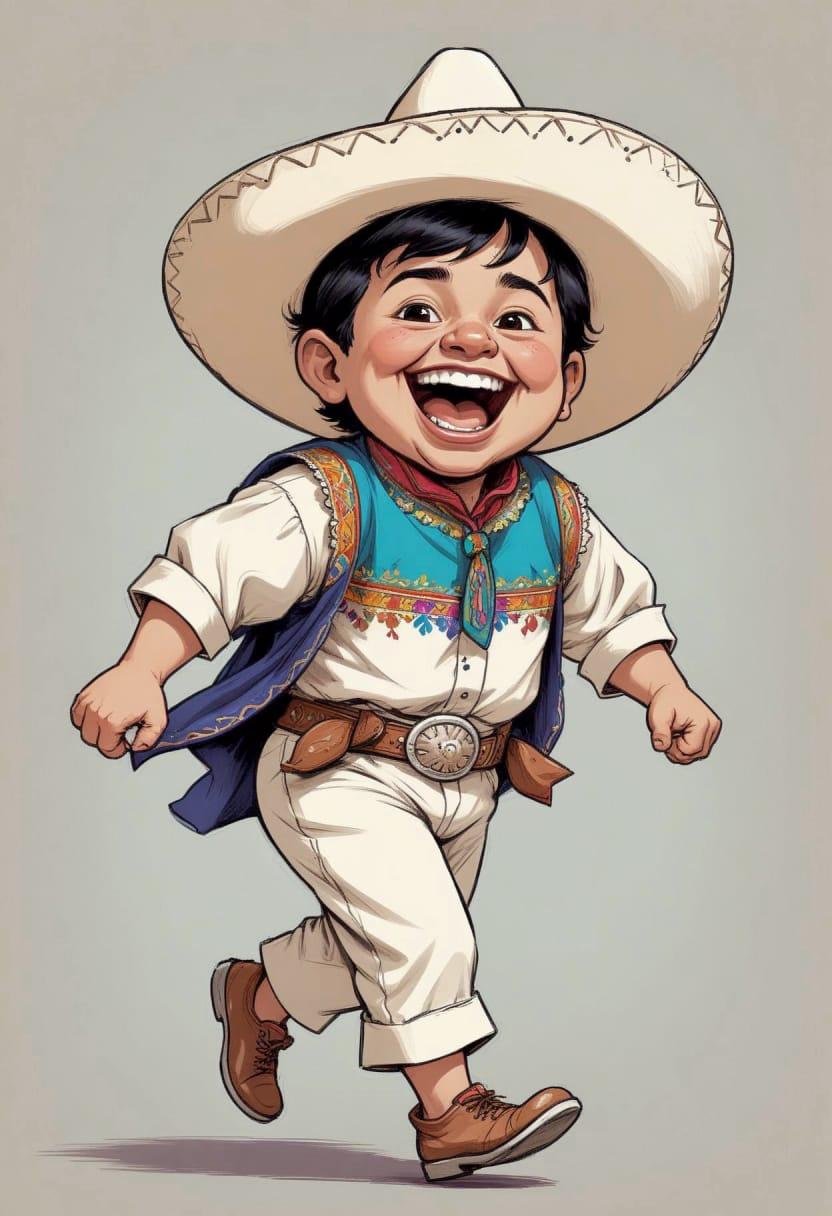
Mexican murals by artists like Diego Rivera tell stories of the country's history and struggles, turning public walls into powerful art galleries. The traditional Mexican sombrero was designed for sun protection during long days in the fields, but now it's a symbol recognized worldwide. Mexico introduced corn (maize) to the world, a crop that became central to many civilizations and is still vital today.
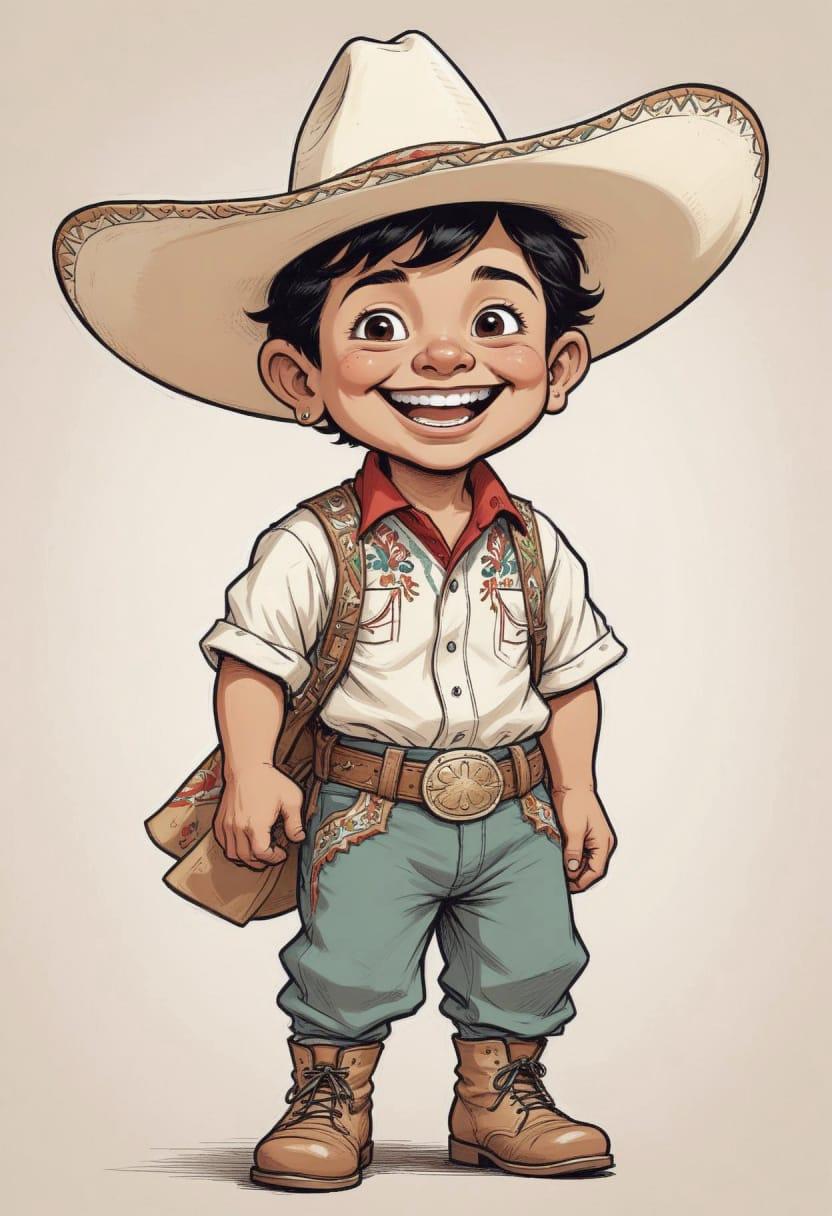
Chichen Itza, a famous Mayan archaeological site in Mexico, features a pyramid that aligns with the sun to create a serpent shadow during equinoxes—an ancient engineering marvel. The Mexican hat dance, or Jarabe Tapatío, is considered the national dance and celebrates courtship with lively, rhythmic steps. Mexican culture fun fact: Papel picado, the intricate paper banners, are handmade and often depict skulls, flowers, or birds to decorate during festivals.
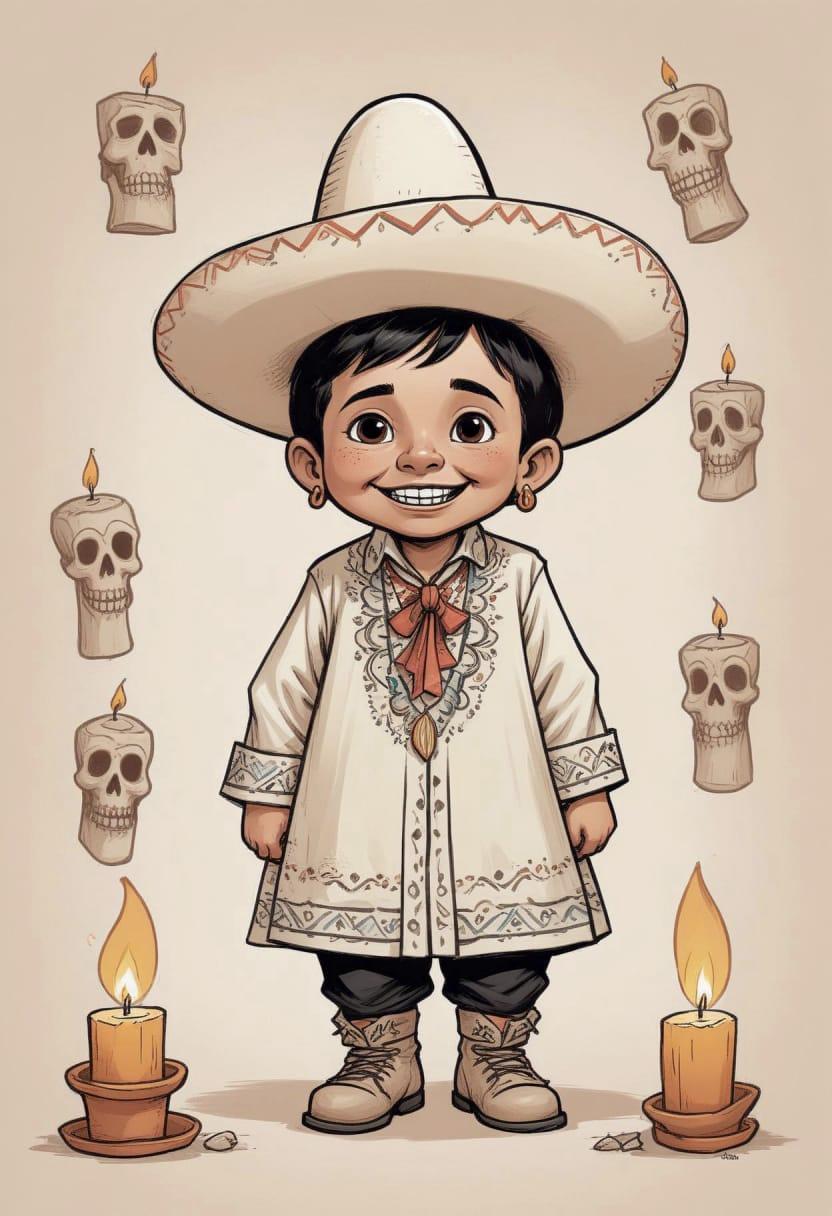
Frida Kahlo, a world-famous Mexican artist, used her paintings to explore identity, pain, and Mexican culture with vibrant colors and symbolism. Mexico City sits on the ruins of Tenochtitlan, the Aztec capital, showcasing layers of history beneath a modern metropolis. Mariachi bands traditionally dress in charro outfits, which are ornate suits with silver accents reflecting Mexican cowboy heritage.
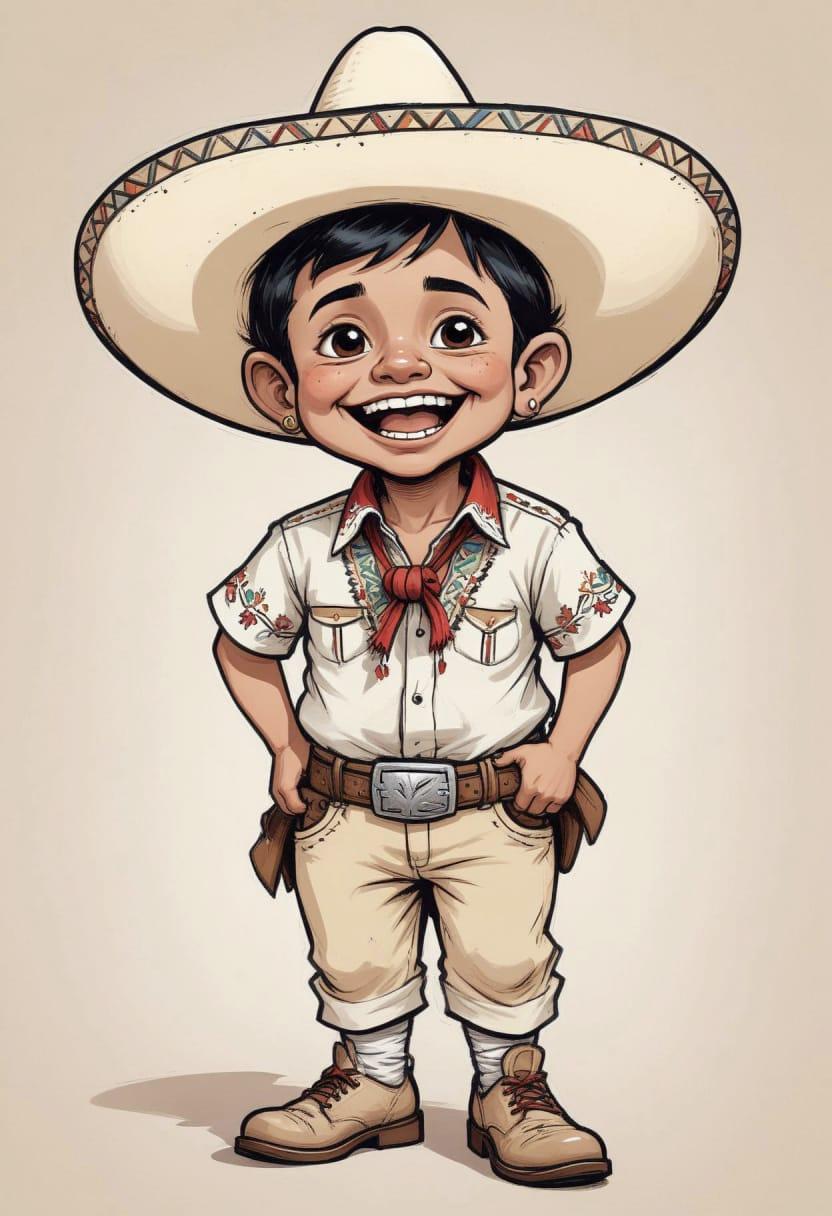
Mexican folk medicine still uses herbs and natural remedies passed down through generations, blending indigenous and Spanish influences. The traditional Mexican game “Lotería” is like bingo but uses illustrated cards with symbols like “El Gallo” (The Rooster) and “La Sirena” (The Mermaid). Mexican culture fun fact: The cactus fruit called prickly pear is eaten fresh or used in jams and drinks and has been part of the diet since pre-Hispanic times.
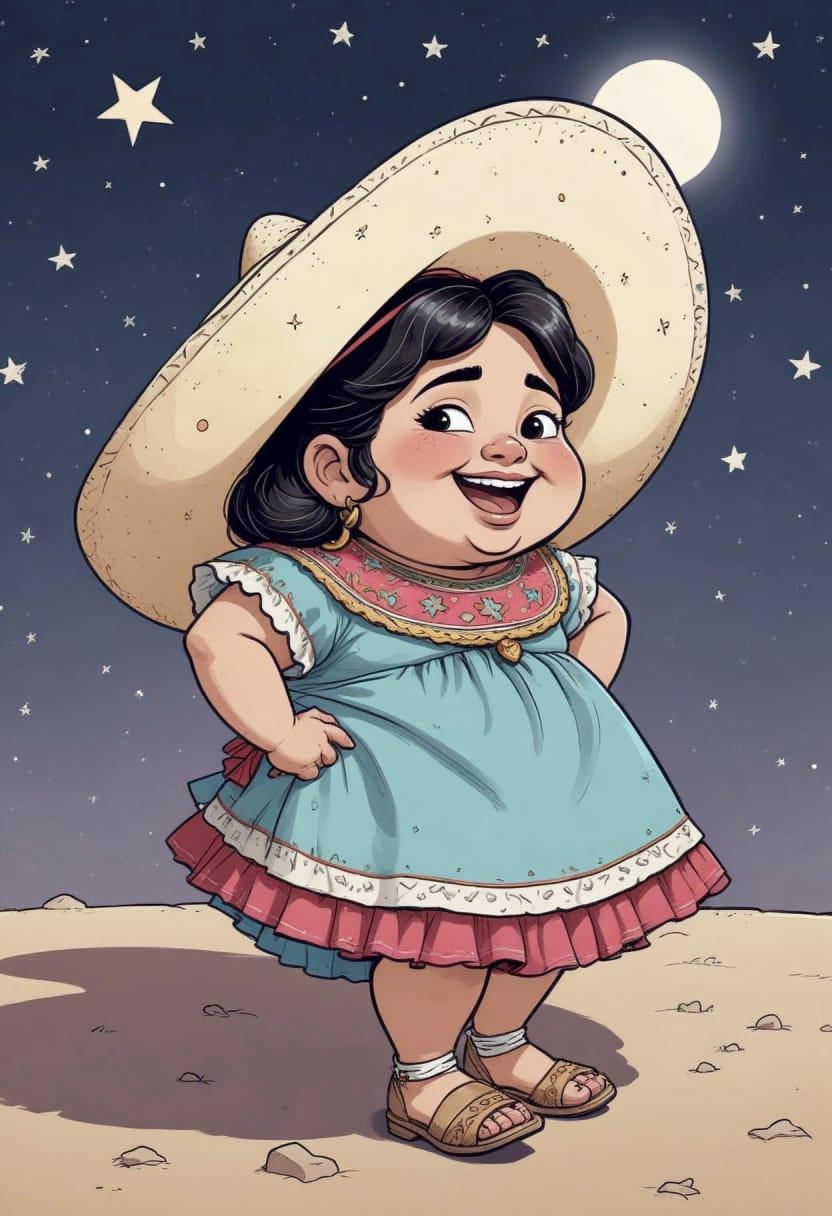
In Mexico, the celebration of “Las Posadas” reenacts Mary and Joseph’s search for shelter, blending religious devotion with festive gatherings. The color red in Mexican culture often symbolizes life, passion, and energy, frequently seen in decorations, clothing, and food. Mexico has over 60 indigenous languages spoken today, preserving diverse cultures alongside Spanish.
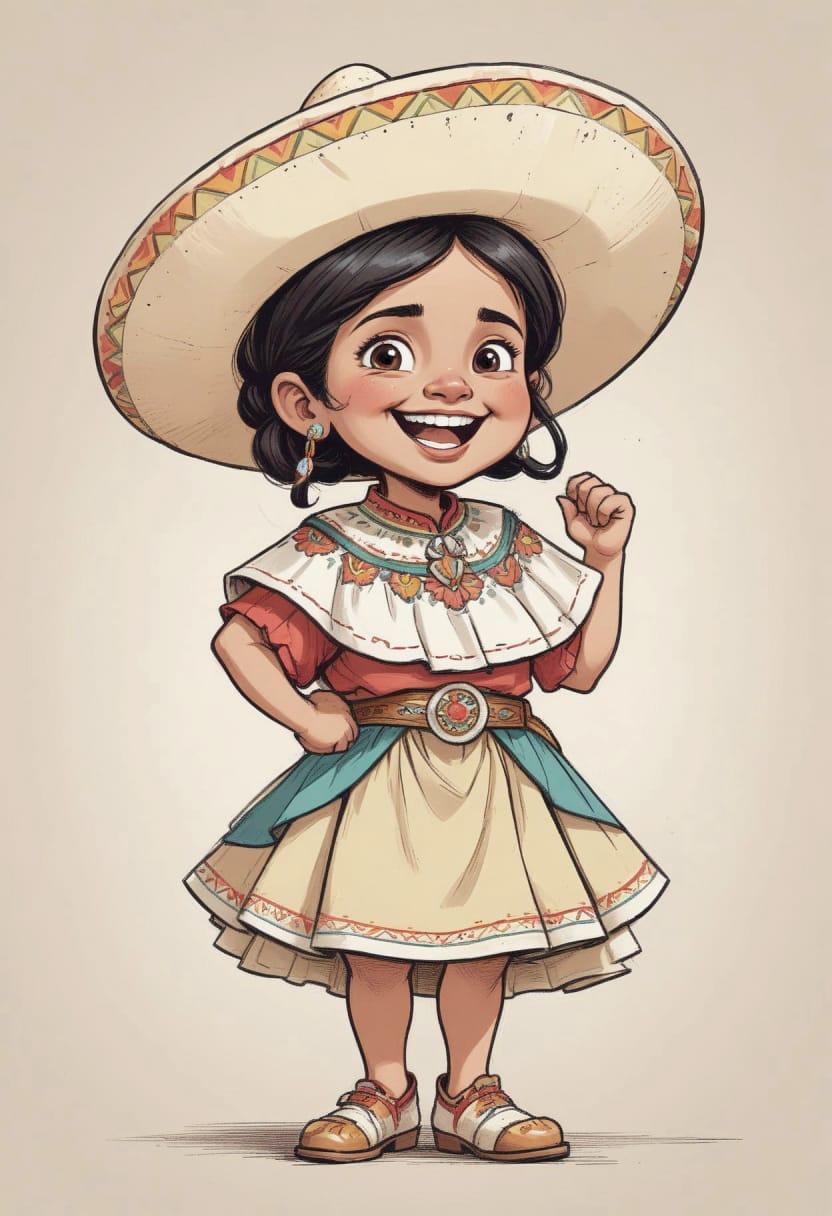
The traditional bread called “Pan de Muerto” is baked for the Day of the Dead and shaped to represent bones, honoring deceased loved ones. Mexican wrestling masks often tell a story, with designs that reflect animals, gods, or heroes, making each wrestler unique. Mexican culture fun fact: Tequila, made from the blue agave plant, is produced mainly in Jalisco and is a globally popular spirit.
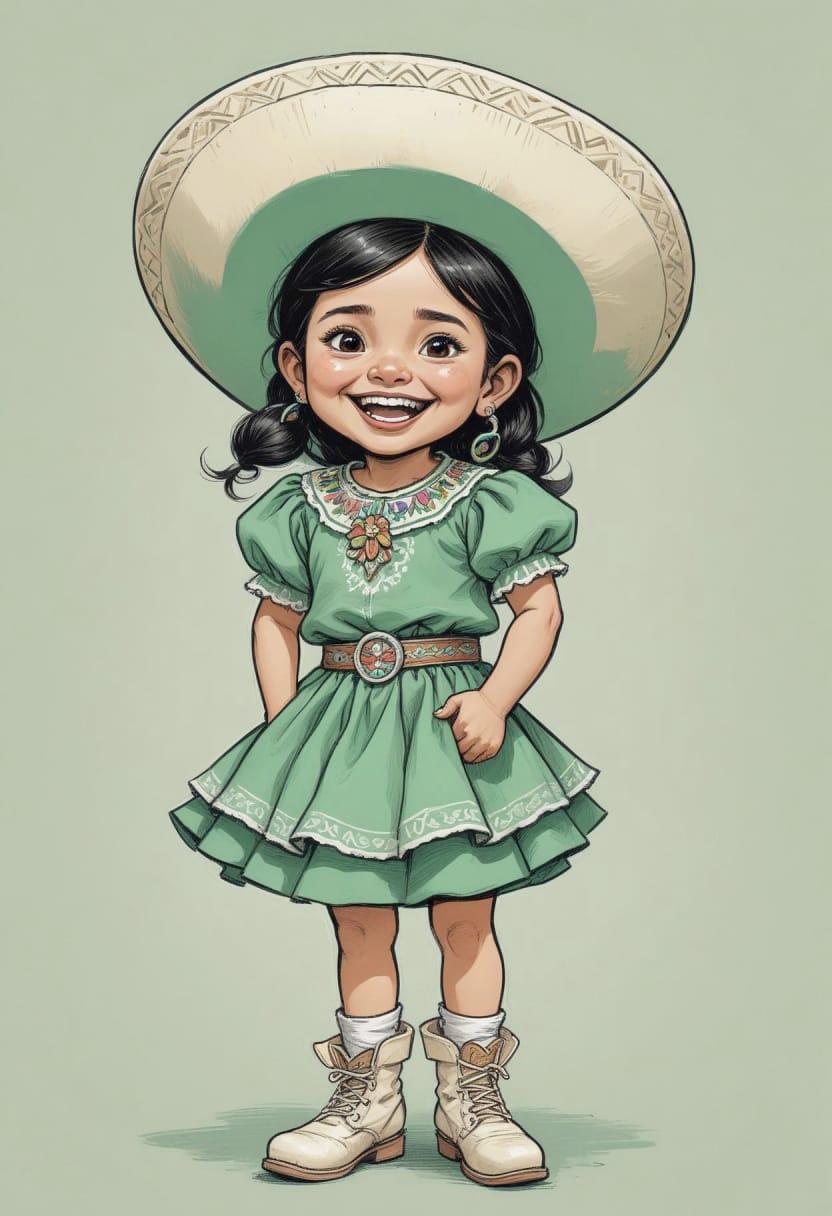
Mexican markets, or “mercados,” are lively hubs where fresh produce, crafts, and street food create a sensory feast. The Aztec calendar stone, often mistaken as a calendar, is actually a symbolic representation of the cosmos and cycles of time. The tradition of “quinceañera” celebrates a girl’s 15th birthday, marking her passage from childhood to womanhood with parties and rituals.
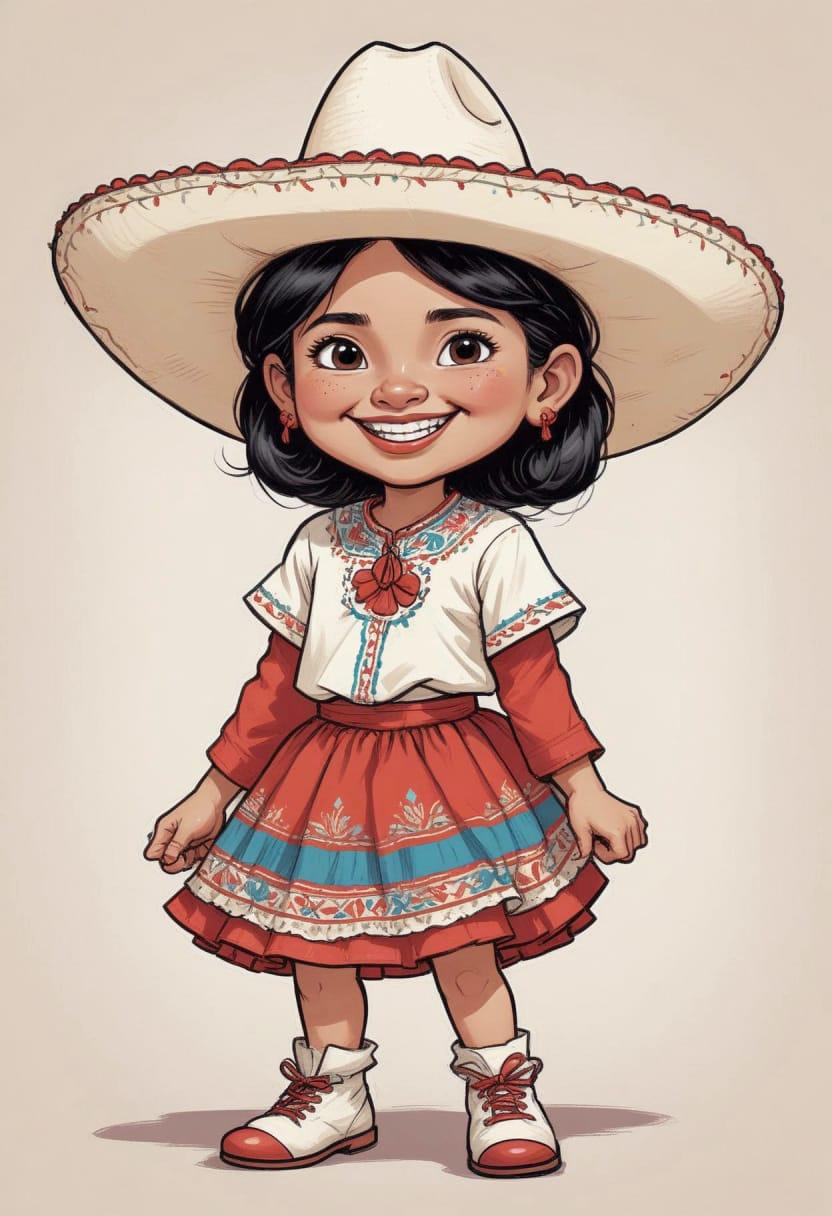
Mexican candy, like tamarind-flavored sweets and chili-covered lollipops, offers a unique mix of spicy and sweet flavors loved by many. The “Guelaguetza” festival in Oaxaca celebrates indigenous culture with traditional dances, costumes, and music from different regions. Mexican culture fun fact: The monarch butterfly migrates thousands of miles to Mexican forests every year, symbolizing transformation and renewal.
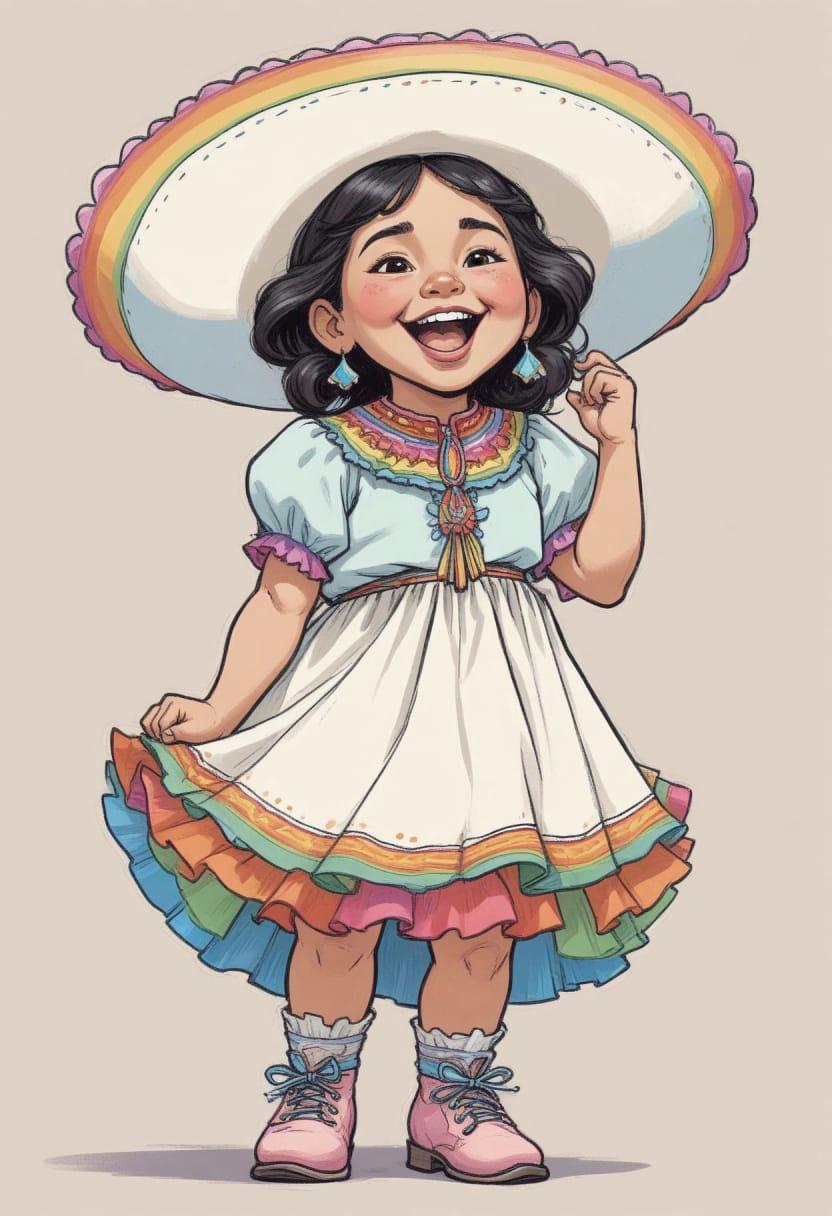
The Aztec god Quetzalcoatl, the feathered serpent, is a major figure in Mexican mythology representing wisdom and wind. The bright colors of Mexican crafts are inspired by nature—flowers, birds, and landscapes influencing artists for centuries. Mexican street food, like elote (corn on the cob with toppings) and churros, is famous for bold flavors and quick bites.
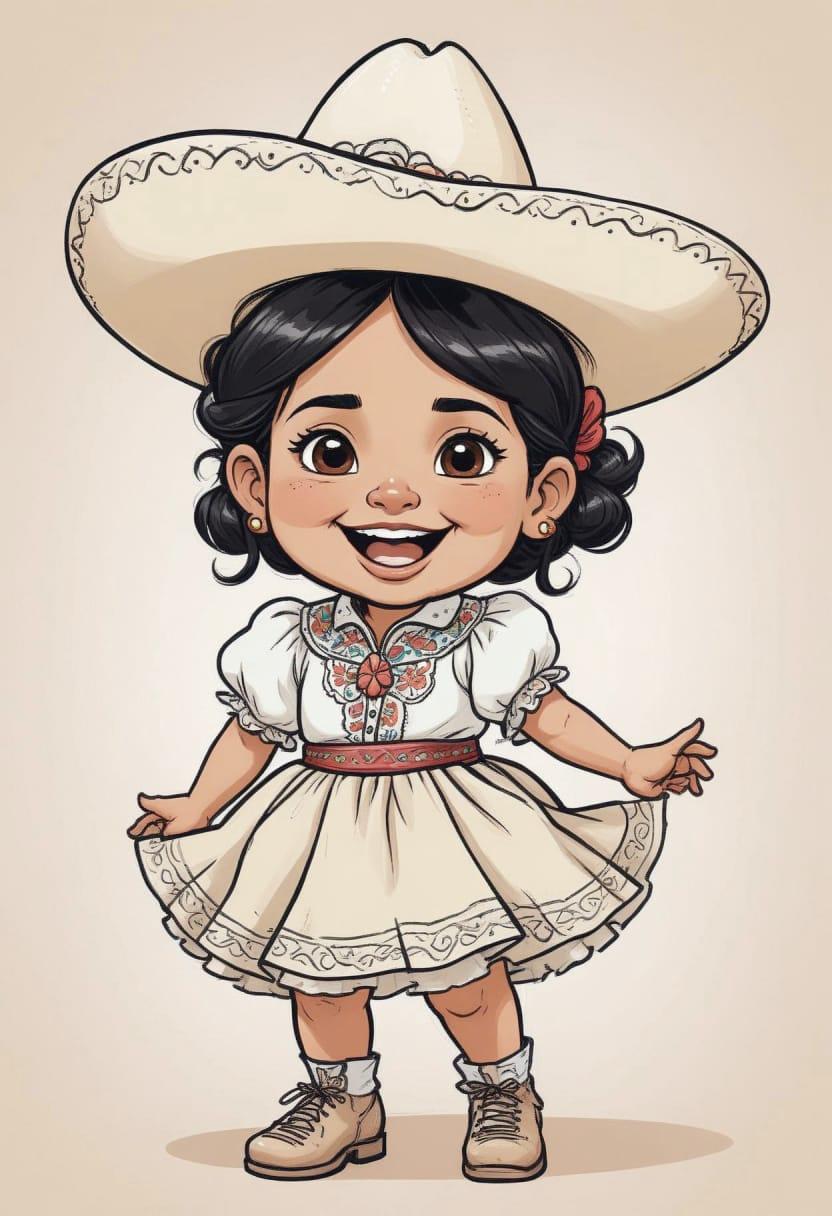
The Zócalo in Mexico City is one of the largest public squares in the world and a site for major celebrations and protests. Traditional Mexican pottery styles vary by region, from the black clay of Oaxaca to the colorful Talavera ceramics of Puebla. Mariachi music often includes improvisation, making each performance lively and unique.
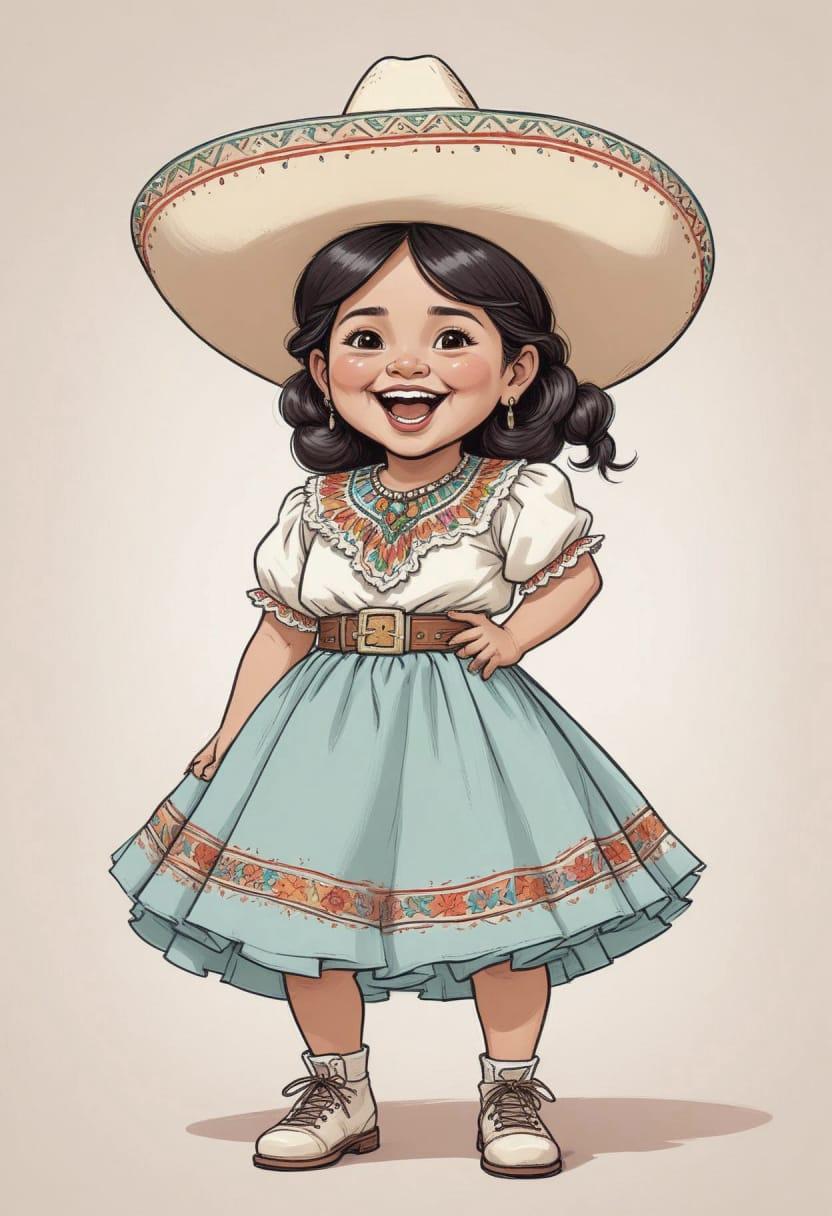
The “calavera” skull is a popular symbol in Mexican art, often decorated with flowers and bright colors during Day of the Dead. Mexican culture fun fact: The word “chocolate” comes from the Nahuatl language, spoken by the Aztecs. In Mexico, piñatas are broken not just at parties but also during Christmas celebrations called “posadas.”
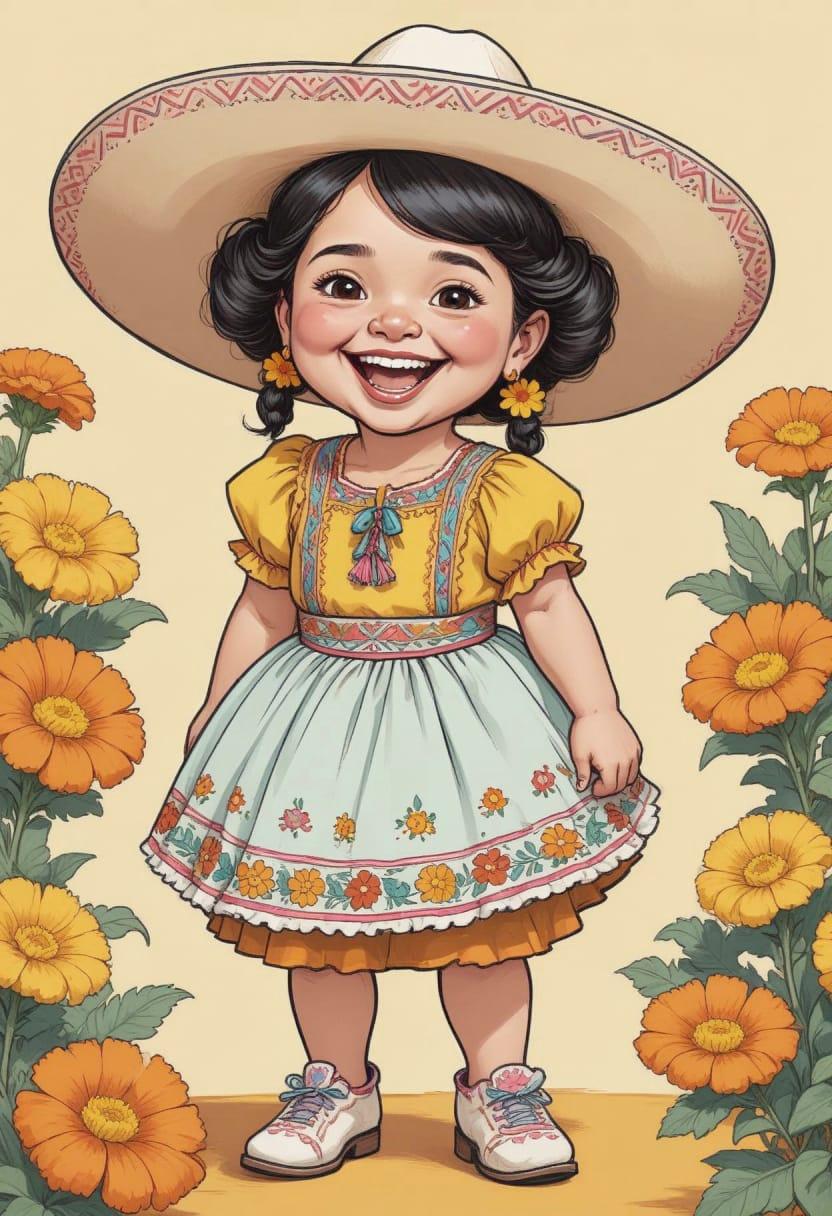
The traditional Mexican hat dance involves a colorful skirt swirl that visually tells a story of romance and courtship. Mexico has one of the world’s richest biodiversity areas, including deserts, jungles, and mountains that influence local culture and food. The “Charro” horsemen tradition combines horsemanship, music, and elaborate outfits, celebrated with rodeo-style events called charreadas.
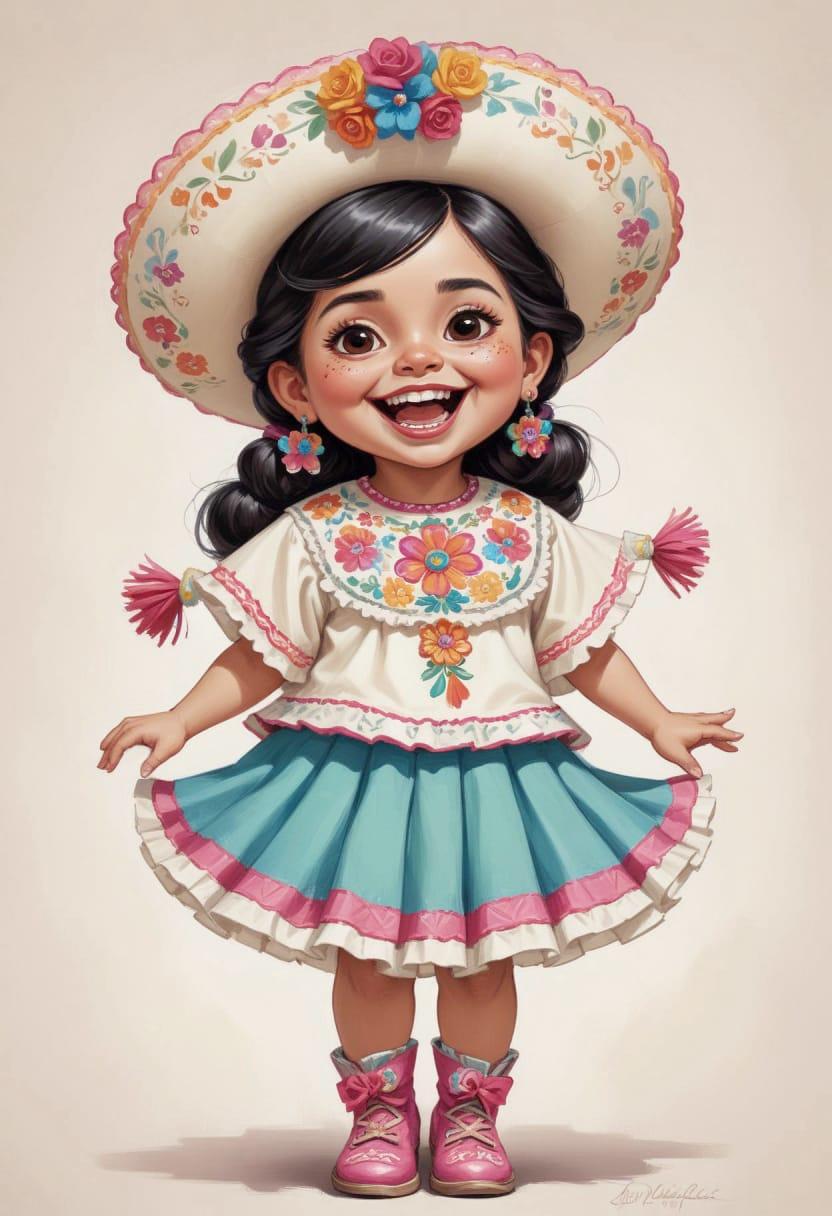
Mexico’s national emblem shows an eagle eating a snake while perched on a cactus—a legend linked to the founding of Tenochtitlan. Many Mexican festivals blend indigenous rituals with Catholic traditions introduced during Spanish colonization. Mexican culture fun fact: “Mole” sauce can have over 20 ingredients, including chocolate, chili peppers, and spices, making it rich and complex.
The famous “Cinco de Mayo” celebration actually marks a military victory in 1862 and is more widely celebrated in the U.S. than Mexico. Traditional Mexican jewelry often features silver, a metal abundant in Mexico since colonial times. Street murals in cities like Mexico City and Guadalajara continue the tradition of public art as social commentary.
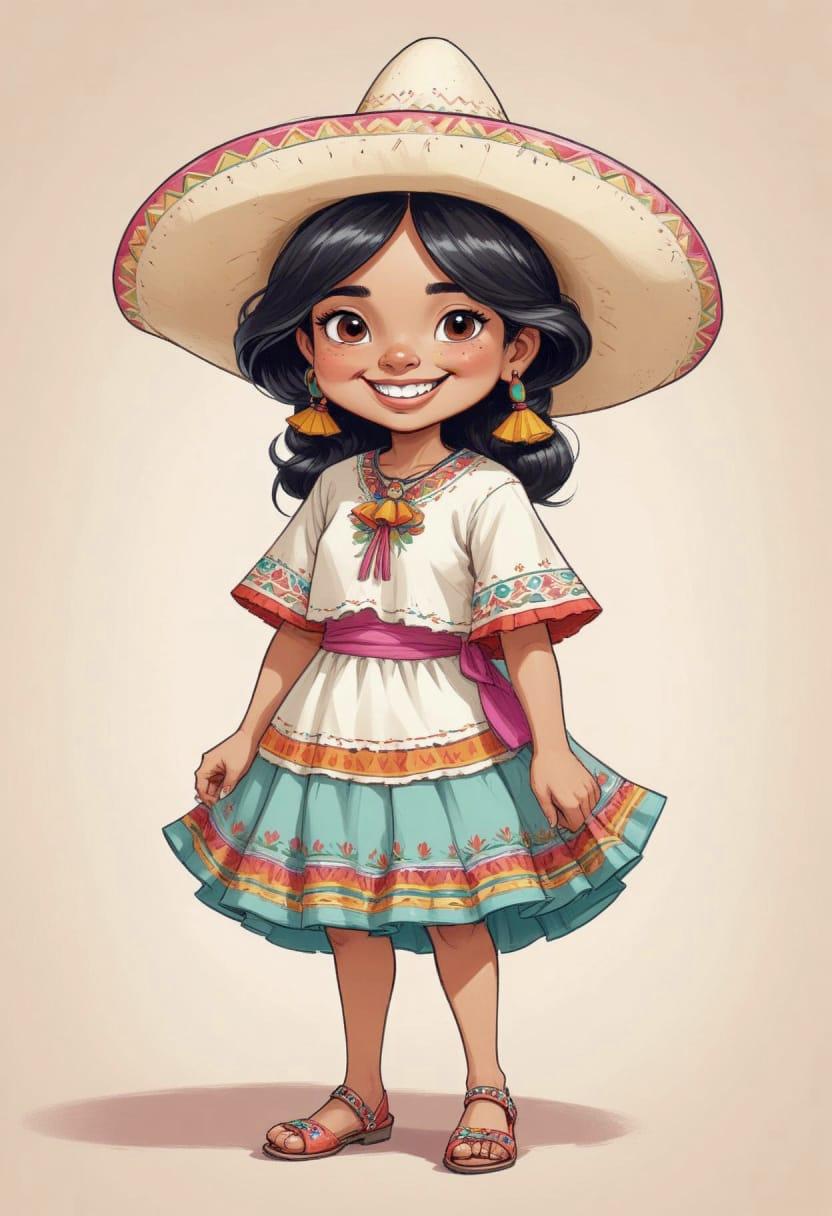
The Mexican hat, or “sombrero,” has a wide brim designed to shade workers in the hot sun, showing practical origins behind iconic styles. Mexican culture fun fact: Corn tortillas have been a daily staple in Mexico for thousands of years and are made fresh in most households. The ancient Maya developed a complex writing system that included glyphs representing sounds and ideas.
The “Lucha Libre” wrestling culture encourages fans to cheer for heroes called “tecnicos” and boo villains called “rudos,” adding drama to matches. Traditional Mexican embroidery varies by region and often tells stories through intricate floral and animal patterns. The famous Mexican muralist José Clemente Orozco used his art to critique social issues and promote justice.
Mexican culture is known for its strong family bonds, where gatherings often include music, food, and shared traditions that strengthen community. Chili peppers not only add spice but also provide vitamins and antioxidants, making them both tasty and healthy. The celebration of “Día de la Independencia” on September 16th features fireworks, parades, and the historic “Grito de Dolores” call for freedom.