Brazil culture
- Fun pictures /
- Culture /
- Brazil culture

Brazil’s carnival is the biggest party on Earth, with millions dancing in colorful costumes and samba rhythms flooding the streets. Brazilian football (soccer) isn’t just a sport; it’s a passion that unites the country like nothing else. Feijoada, a rich black bean stew with pork, is Brazil’s national dish, loved by locals for centuries.

Capoeira is a unique Brazilian martial art that combines dance, music, and acrobatics in one fluid movement. In Brazil, coffee is more than a drink; it’s part of everyday life and social culture, with some of the best beans grown there. The Amazon rainforest, mostly in Brazil, is home to countless indigenous tribes preserving ancient traditions.

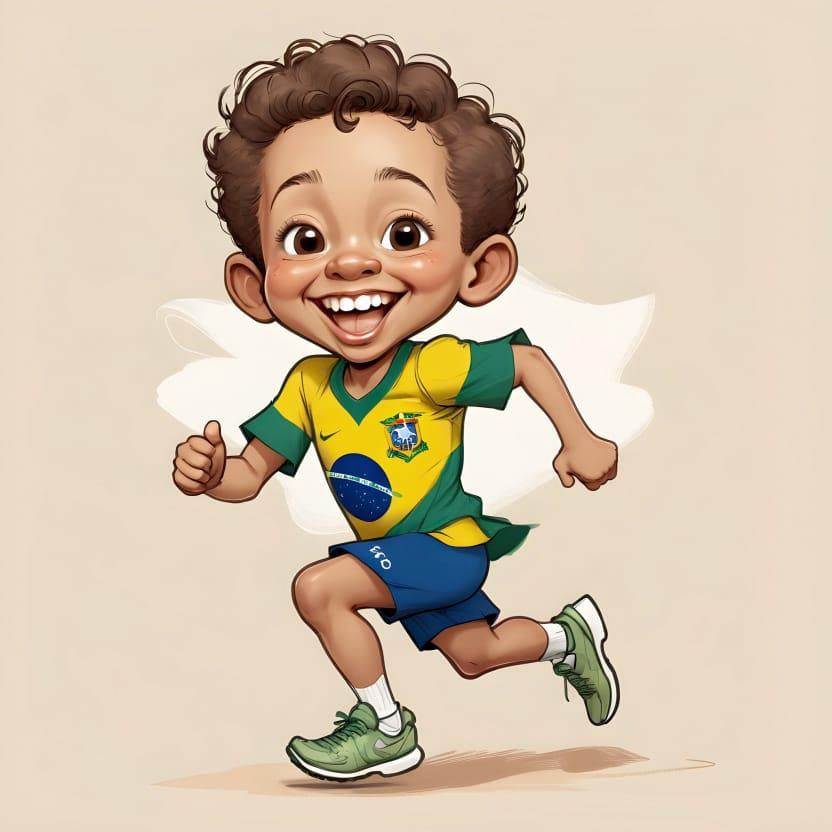
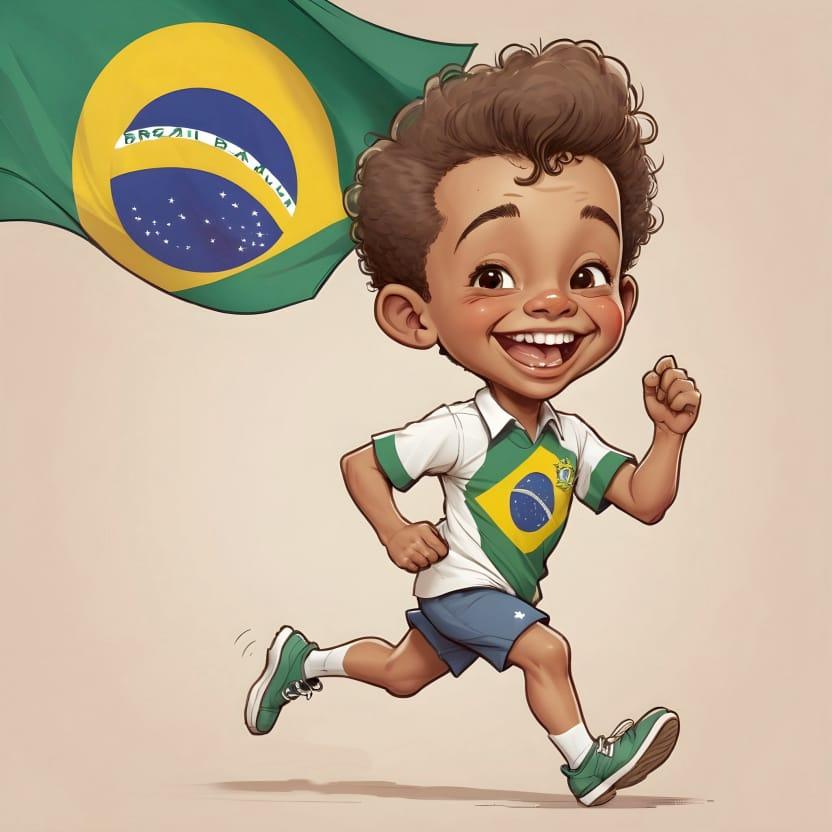
Brazilian music blends African, Portuguese, and indigenous sounds, creating genres like samba, bossa nova, and forró. In many Brazilian cities, street art is a vibrant part of culture, turning walls into colorful stories. The Brazilian flag’s green represents forests, yellow symbolizes gold, and the blue globe shows the sky over Rio during independence.

Brazil’s diverse population includes Indigenous peoples, Africans, Europeans, and Asians, enriching brazil culture with a mix of traditions. In Brazil, the Festa Junina is a big deal—a June festival full of folk dances, bonfires, and traditional foods celebrating rural life. The samba dance originated in Bahia and is a symbol of joy and resilience throughout Brazil.

Soccer legends like Pelé and Neymar are cultural icons, inspiring young Brazilians to dream big on the field. Brazilian Portuguese has unique words and expressions different from European Portuguese, reflecting local culture. In the northeast, forró music and dance are essential to social gatherings and community bonding.
Brazil is the world’s largest producer of oranges, and its juicy fruits play a role in local cuisine and drinks. The city of Salvador is famous for its Afro-Brazilian culture, including Candomblé religious practices and music. Brazilian festivals often include traditional foods like pão de queijo (cheese bread) and brigadeiros (chocolate truffles).
Football stadiums like Maracanã in Rio have hosted historic games and remain central to brazil culture’s sports passion. Brazil’s diverse wildlife, from jaguars to toucans, is celebrated in folklore and art across the country. The Amazon River, the world’s largest by volume, is a lifeline for many communities and a symbol of Brazil’s natural wealth.

In Rio de Janeiro, the Christ the Redeemer statue overlooks the city, a cultural and religious symbol recognized worldwide. Brazilian churrasco is a style of barbecue famous for its variety of grilled meats enjoyed during social gatherings. The traditional Brazilian dance forró often features the accordion, zabumba drum, and triangle, creating lively music.

Brazil’s indigenous languages, though endangered, contribute to the rich tapestry of brazil culture and history. The Pantanal wetlands in Brazil are one of the largest tropical wetland areas, attracting wildlife lovers and researchers alike. Brazilian cinema has grown with unique stories reflecting the country’s social realities and vibrant culture.

In Brazil, family gatherings are lively and often last hours, with food and music playing key roles. The city of São Paulo is Brazil’s cultural and economic hub, known for its art galleries, theaters, and diverse population. Brazilian folklore includes mythical creatures like the Saci, a one-legged trickster from Indigenous and African tales.
The Brazilian samba school competitions during carnival are intense, involving months of preparation and thousands of participants. Cachaça, a sugarcane spirit, is the key ingredient in Brazil’s national cocktail, the caipirinha. Brazilian literature features authors like Jorge Amado and Clarice Lispector, who capture the country’s soul in their works.

In Brazil, soccer clubs often have huge, passionate fan bases that shape local identities and rivalries. The Amazonian city of Manaus hosts the famous opera house Teatro Amazonas, showcasing cultural richness in the rainforest. Brazilian street markets are lively hubs where traditional crafts, food, and music come together.

Capoeira songs tell stories of history and struggle, keeping Afro-Brazilian culture alive through music and movement. The Brazilian dessert brigadeiro is a simple chocolate treat enjoyed by people of all ages at celebrations. In many parts of Brazil, beach culture is strong, with surfing and volleyball common pastimes.
Brazilian folklore hero Curupira is known for protecting the forest and confusing hunters with backward feet. Brazil’s vibrant graffiti scene often reflects social issues, blending art with powerful messages. The Amazon’s diverse plants include medicinal species used for centuries by Indigenous communities.
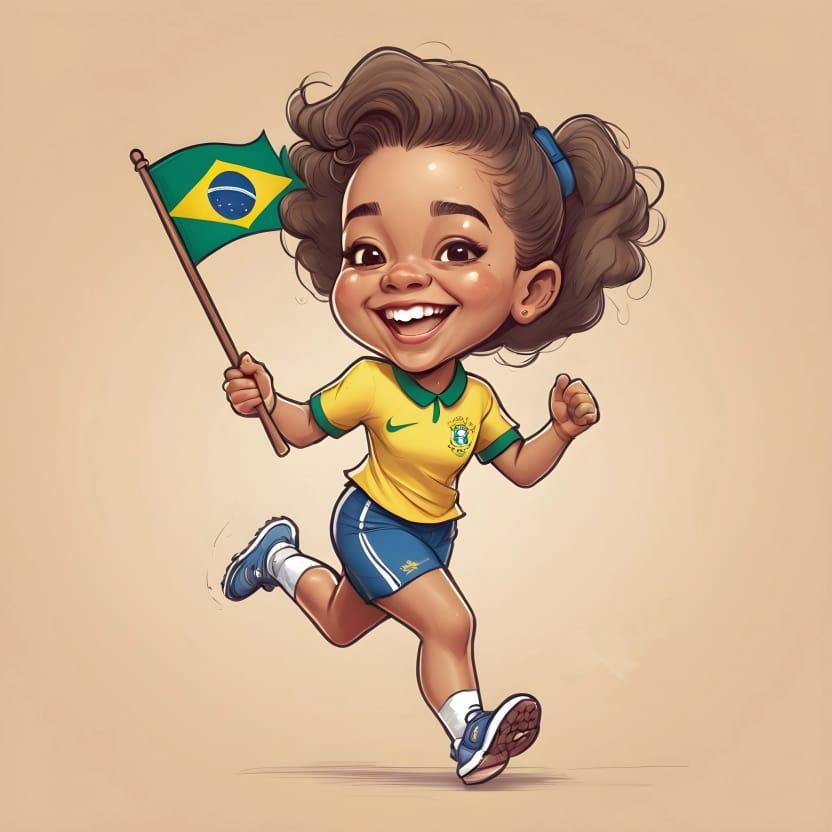
Brazilian music festivals showcase genres from electronic dance to traditional rhythms, attracting international audiences. The Northeast region’s cuisine features seafood dishes influenced by coastal living and cultural fusion. Soccer is played everywhere in Brazil—from sandy beaches to city streets—showing how deeply it’s rooted in daily life.
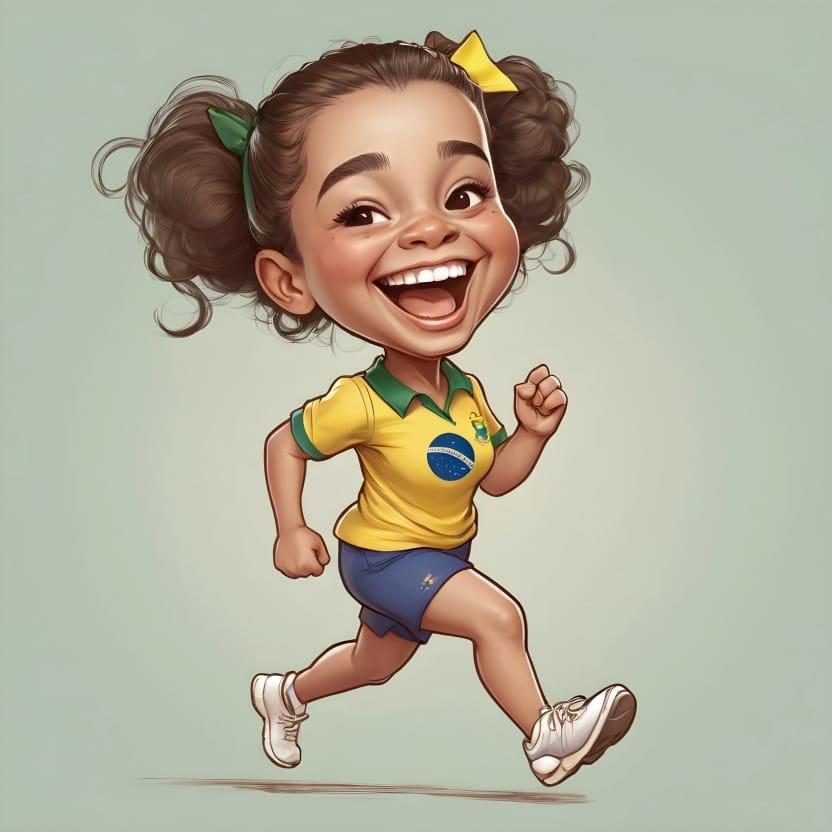
Brazil’s national anthem reflects pride in the country’s natural beauty and cultural diversity. The samba rhythm influences not only music but also fashion and visual arts throughout Brazil. Many Brazilians celebrate their roots through regional dances and costumes, especially during festivals.

Brazilian storytelling traditions mix Indigenous myths, African legends, and colonial history into vibrant tales. Football players often start young in local street games called “peladas,” where skills and friendships grow. Brazilian indigenous crafts, like weaving and pottery, continue to be important cultural expressions.
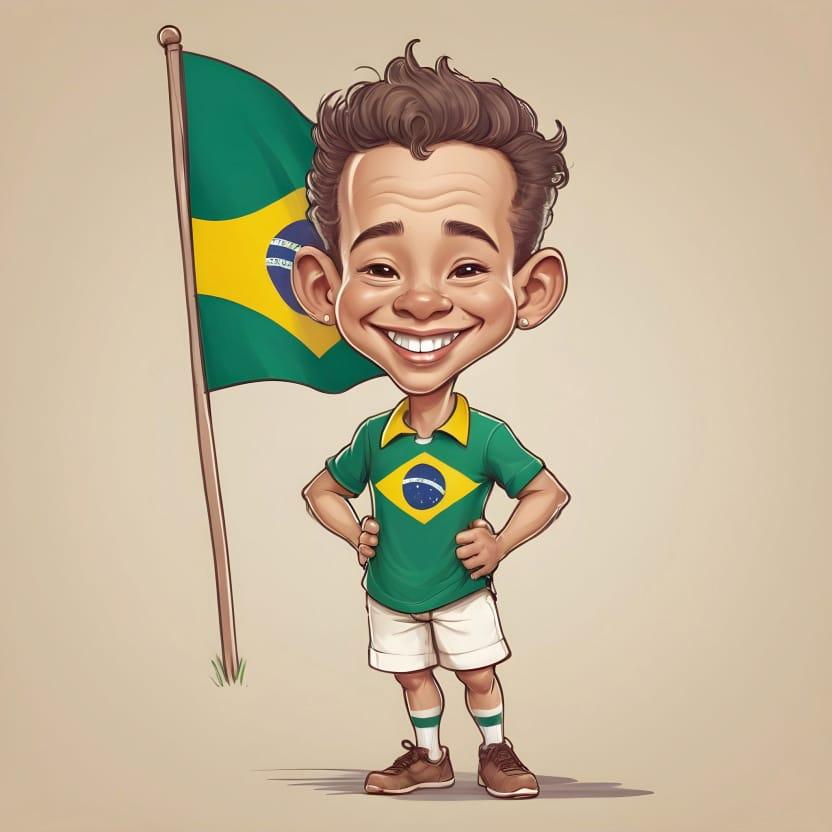
The state of Minas Gerais is famous for its colonial architecture and culinary specialties like pão de queijo. Brazil’s coffee plantations, mostly in the southeast, have shaped both economy and culture for centuries. Traditional Brazilian dances often involve circle formations, symbolizing community and unity.
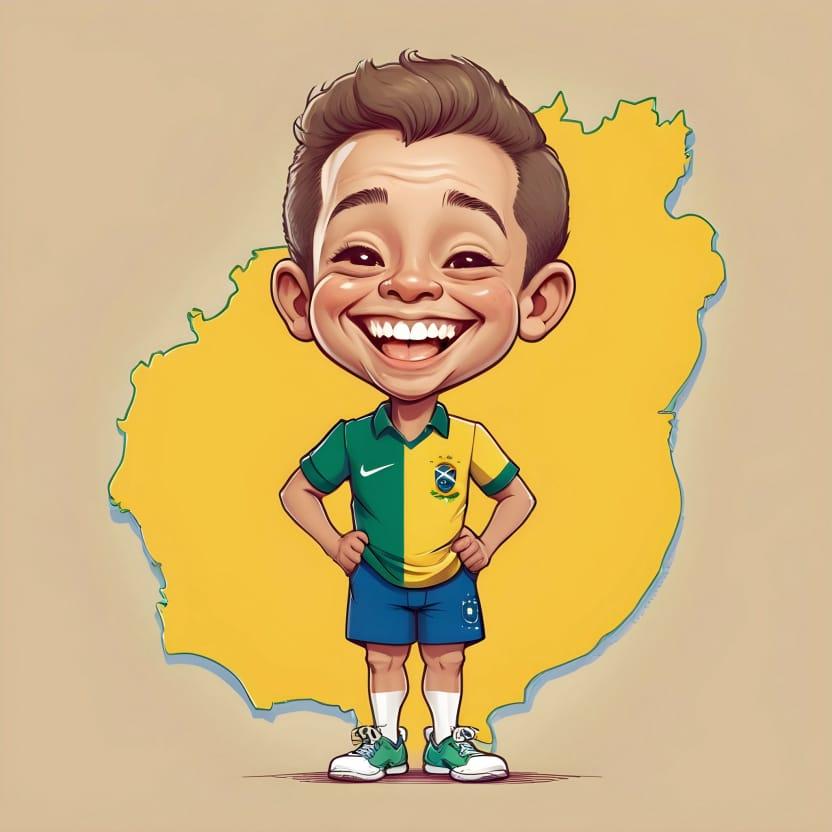
Brazilian art includes famous painters like Tarsila do Amaral, whose works helped define modern art in Latin America. The Amazon rainforest’s role in global ecology connects Brazil culture to worldwide environmental concerns. In Brazilian cities, outdoor markets called feiras are places to find fresh food, crafts, and local gossip.
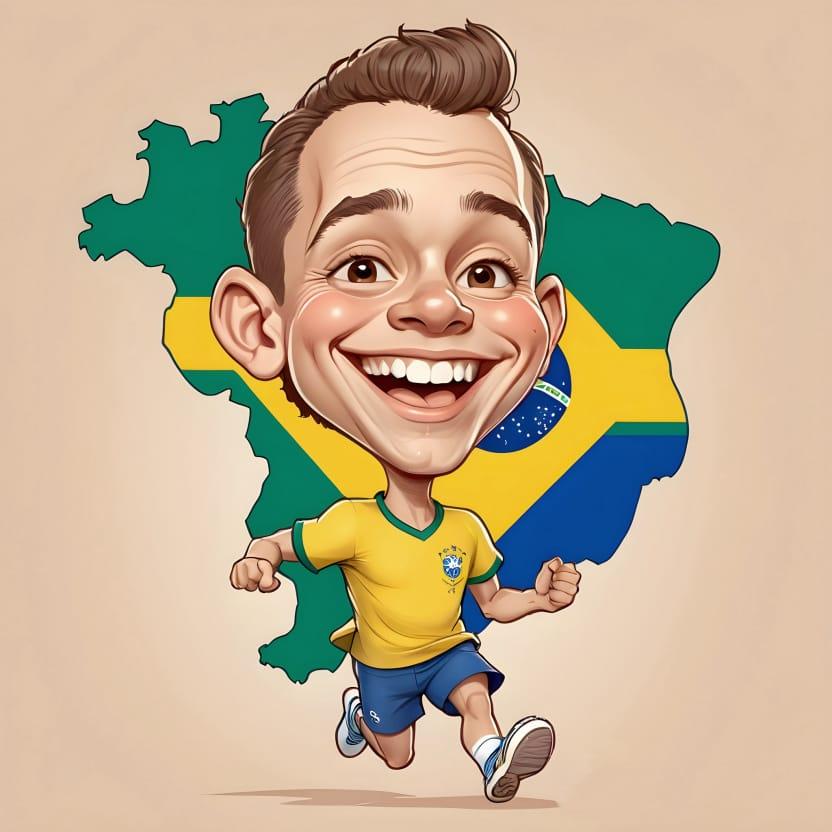
Brazilian cuisine varies greatly, from the Amazon’s exotic fruits to southern barbecue traditions, reflecting the country's cultural richness. Brazil culture embraces both ancient traditions and modern innovations, making it a vibrant, evolving tapestry. Music, dance, food, and sports remain the heartbeat of everyday life for millions across Brazil.