Mexico culture fun facts
- Fun pictures /
- Culture /
- Mexico culture fun facts
In Mexico, children don’t lose their teeth—they “give” them to a mouse called El Ratón. It’s like the Tooth Fairy, but furrier. Every September 15th at 11 p.m., the president of Mexico reenacts the historic “Grito de Dolores” from a balcony. The crowd echoes it back like a giant national karaoke. Mexican street food is so good that UNESCO recognized its traditional cuisine as a piece of “intangible cultural heritage.”
In Mexico, people often celebrate birthdays by smashing piñatas. But did you know piñatas may have started in China and came to Mexico via Spain? The Aztecs played a ball game called “tlachtli” that was like a mix of soccer, volleyball, and basketball—with a dash of danger. In Mexican markets, you can find colorful paper decorations called "papel picado" fluttering above the stalls. They're basically tissue paper masterpieces.

Wrestling in Mexico isn’t just a sport—it’s a cultural spectacle. Lucha Libre wrestlers wear flashy masks and adopt superhero-like personas. Day of the Dead isn't scary—it's a loving tribute to ancestors, filled with marigolds, sugar skulls, and sweet bread called pan de muerto. In some rural areas, locals make music with handmade instruments from armadillo shells. It’s called a charango, and yes, it sounds as cool as it looks.
In Mexico, it’s common to greet people with a warm cheek kiss—even for new acquaintances. Mariachi music originated in the Mexican state of Jalisco and often features violins, guitars, and trumpets, all played with serious flair. Tacos aren’t just food—they’re life. Some say there are more taco styles in Mexico than there are states in the U.S.
One fun fact about Mexico culture is the tradition of 'quinceañera'—a massive 15th birthday celebration for girls, often complete with a ball gown and limo. Ancient Mayans in Mexico used chocolate as currency. Imagine paying rent with cocoa beans! You’ll often see tiny shrines by the roadside—these are memorials to people who passed away in accidents, and they're deeply respected.
The Mexican flag’s eagle-and-snake design comes from an Aztec legend. They built Tenochtitlán (now Mexico City) where they saw an eagle eating a snake on a cactus. In many Mexican homes, you’ll find “alebrijes”—bright, fantastical creatures made of paper or wood. They’re said to protect your dreams. There’s a town called Paracho that’s famous for making guitars by hand. Even famous musicians around the world buy from here.
In Mexico, people celebrate Christmas with a nine-day event called Las Posadas, reenacting Mary and Joseph’s journey—with songs and snacks. One of the coolest mexico culture fun facts: there’s a Mexican town where everyone dresses up as the Devil once a year—for fun! In Oaxaca, there’s a festival called "Noche de Rábanos" (Night of the Radishes), where people carve radishes into elaborate figures.
Mexican families often name their homes with painted tiles—"Casa Lupita" or "Casa de Sol"—giving each house its own identity. Mexican blankets, called sarapes, are not just warm—they’re wearable art with bright, rainbow patterns. In Yucatán, hammocks are the go-to for sleeping. Beds? Who needs beds when you’ve got perfectly breezy swings?
Mexican cinema has a golden era, with stars like Pedro Infante and María Félix who were like the Brad Pitt and Angelina Jolie of their time. Tamales date back thousands of years and were even used as portable meals for warriors on the go. Mexico is home to one of the world’s smallest volcanoes—Cuexcomate—which you can actually walk inside.
In some Mexican communities, people celebrate birthdays by smashing eggs filled with confetti—called cascarones—on each other’s heads. In Guanajuato, a museum displays naturally mummified bodies—one of the more unusual mexico culture fun facts. Mexicans love wordplay. "Albures" are witty, cheeky puns used in everyday conversations—and they’re a national art form.
You’ll find more pyramids in Mexico than in Egypt—including the massive Pyramid of the Sun in Teotihuacán. Many families still make tortillas by hand every day. The rhythm of pat-pat-pat echoes through villages like culinary music. In Mexican beach towns, it’s not unusual to see a mariachi band serenading sunbathers right on the sand.

Frida Kahlo’s home in Coyoacán is a national museum. You can still see her paintbrushes and colorful clothes just as she left them. Mexico has a bunny the size of a kitten called the volcano rabbit—it lives only on a few mountaintops. Mexican murals aren’t just pretty—they were part of a political movement after the Revolution, led by Diego Rivera and others.

Even in city neighborhoods, you'll often find people selling tamales or sweet breads from bicycles equipped with loudspeakers. Kids in Mexico celebrate Children's Day on April 30th—with games, presents, and school-free fun. In Chiapas, a local dance called "Parachicos" involves masks and maracas, and honors saints with flair.
Mexico is home to the largest Spanish-speaking population in the world—so if you're learning Spanish, this is the place to be. There’s a festival in Veracruz where people dress as old men and dance with canes—it's called "Viejos del Carnaval." In Mexico, you’ll often hear people call each other “güey” (dude)—even strangers. It’s casual, friendly, and very common.
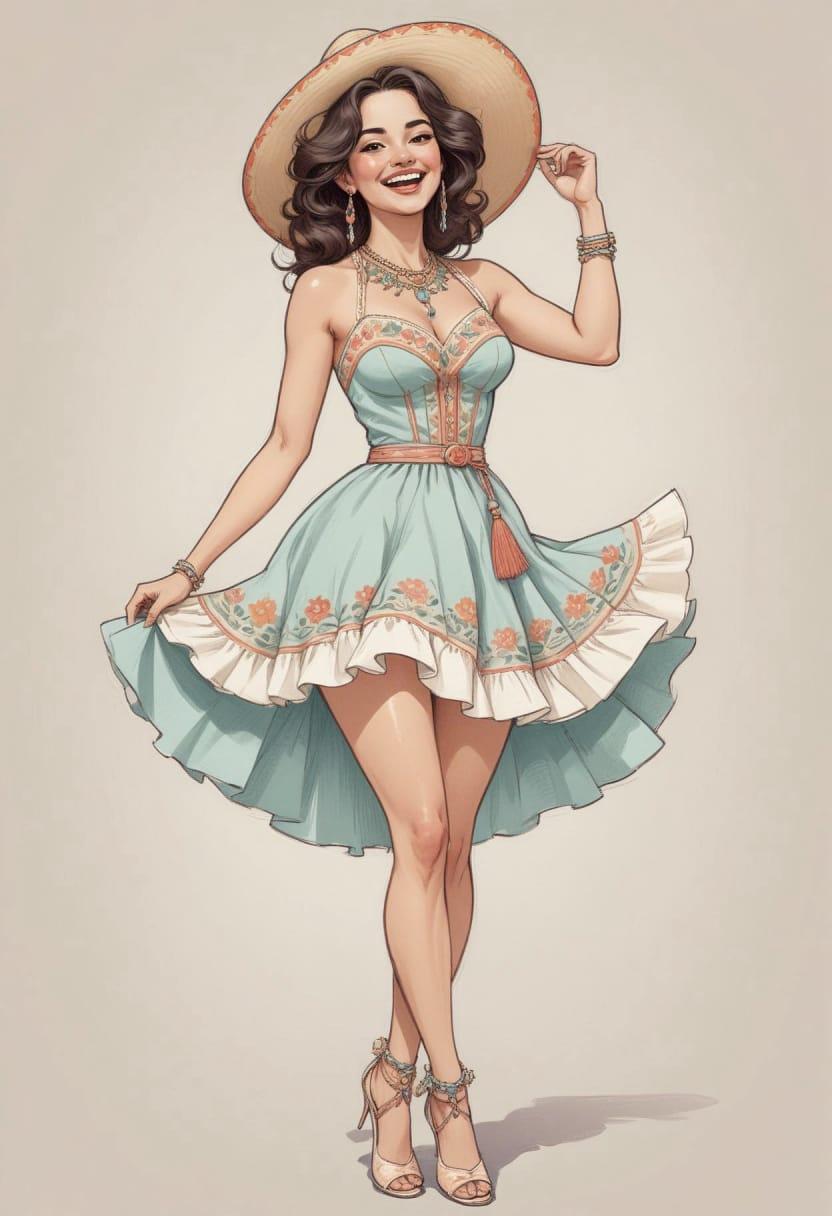
Cenotes are natural sinkholes found mostly in the Yucatán Peninsula. The ancient Maya believed they were sacred entrances to the underworld. One delightful mexico culture fun facts detail: chili peppers are in 'everything', even candy and ice cream. The Mexican hat dance, or “Jarabe Tapatío,” is a national symbol of courtship. The foot stomping is no joke!
Mexican schools start early—some at 7 a.m.—but they finish early too, freeing kids for long afternoons of play. You can find pre-Hispanic ball courts across the country—some thousands of years old, still standing strong. In Mexico, Christmas isn’t over until January 6th, when kids receive gifts from the Three Wise Men instead of Santa.
In San Miguel de Allende, color bursts from every wall. Even the cobblestones look like they’re smiling. In some regions, kids carry giant star-shaped lanterns called “faroles” during holiday parades. Mexico culture fun facts include the tradition of naming kids after saints based on the calendar day they’re born.
In the countryside, many still use traditional steam baths called “temazcales,” which are like ancient saunas. Mexican Spanish has borrowed a ton of words from native languages like Nahuatl. For example, "chocolate," "tomato," and "avocado." Every November, butterfly clouds migrate from Canada to Mexico. Locals believe they carry the souls of the dead returning for Day of the Dead.
Mexican soap operas, or “telenovelas,” are dramatic, addictive, and a beloved national pastime. Fireworks are a regular feature of festivals—sometimes lasting for hours, lighting up entire towns. The tradition of offering food to the dead during Día de los Muertos shows how joyfully Mexicans embrace both life and death.
A fun twist in some towns: locals reenact famous battles with confetti bombs instead of real weapons. Mexican hot chocolate is thick, spiced with cinnamon, and whisked by hand using a wooden tool called a molinillo. Some villages host festivals where people dress as jaguars and “battle” to bring good rains.