Spain culture
- Fun pictures /
- Culture /
- Spain culture
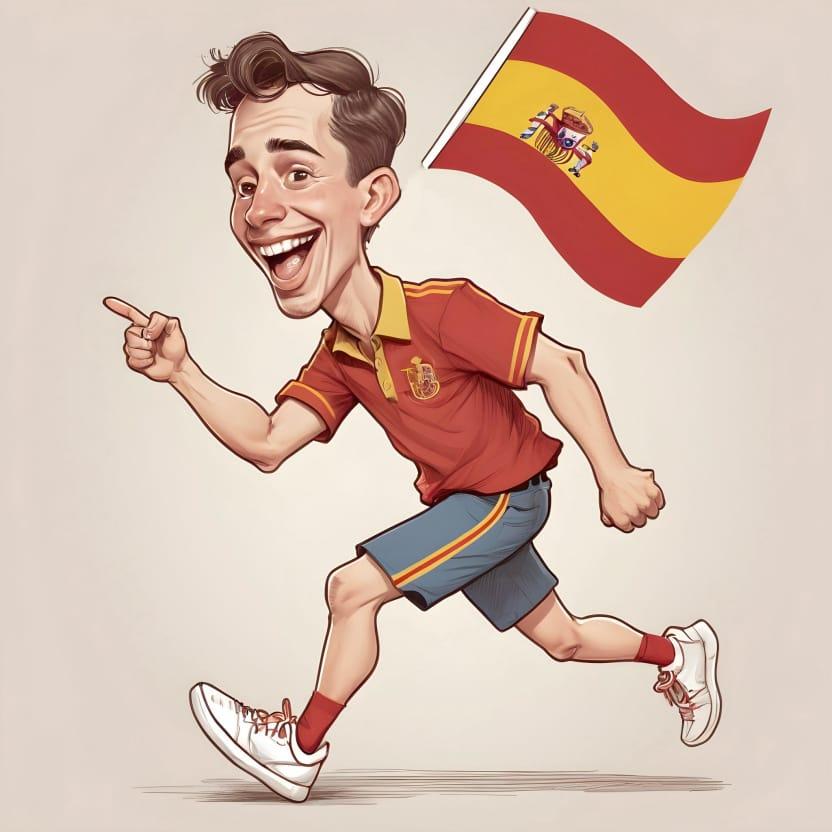
Spain is home to the famous flamenco dance, a passionate art form combining singing, guitar playing, and dance that originated in Andalusia. The tomato fight festival called La Tomatina happens every year in Buñol, where thousands throw tomatoes at each other just for fun. Spain culture includes a deep love for food, with tapas—small dishes meant for sharing—being a staple in social gatherings.
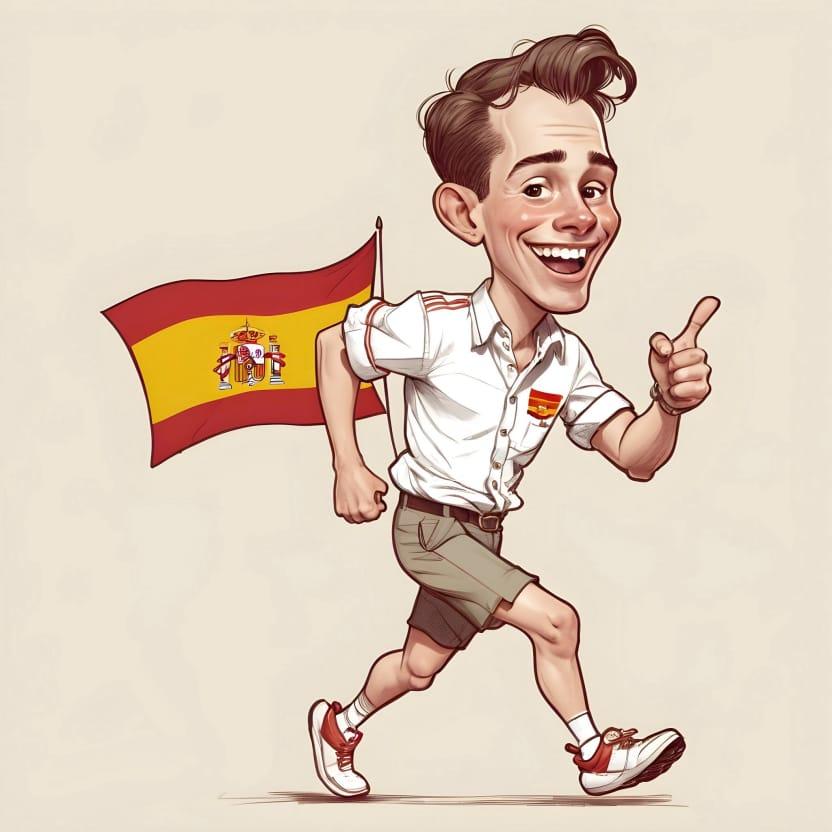
The tradition of bullfighting, though controversial, has been part of Spain culture for centuries and reflects a complex mix of sport, art, and history. Spanish festivals often blend religious roots with lively celebrations, like Semana Santa, where cities come alive with colorful parades. Spain has four official languages, including Spanish (Castilian), Catalan, Galician, and Basque, showing its rich cultural diversity.

Spain culture values family highly, often enjoying late-night dinners that stretch well past 9 pm, a time when many European countries are already quiet. The siesta, a short afternoon nap, is a well-known tradition in Spain, reflecting the country's laid-back lifestyle. Spain's architecture ranges from the Roman aqueducts to Gaudí's modernist masterpieces, making the country a living museum of styles.
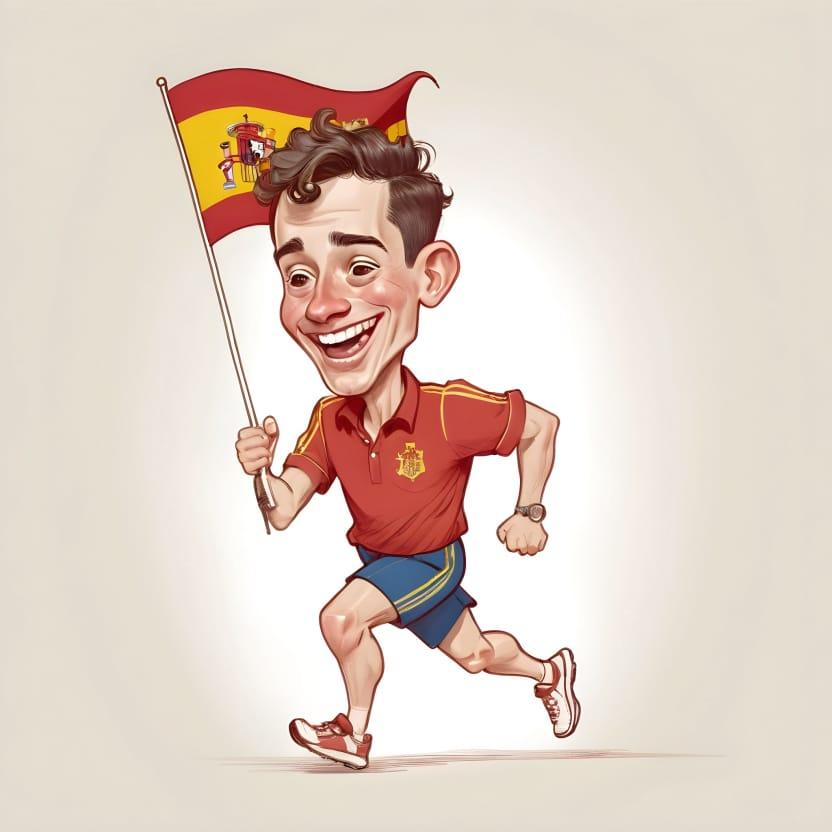
Paella, a world-famous Spanish dish, originated in Valencia and combines rice with seafood, chicken, and vegetables cooked in a single pan. Spain culture is famous for its football (soccer) passion, with clubs like Real Madrid and FC Barcelona inspiring intense loyalty worldwide. The running of the bulls in Pamplona, part of the San Fermín festival, attracts thrill-seekers but also highlights traditional Spanish customs.
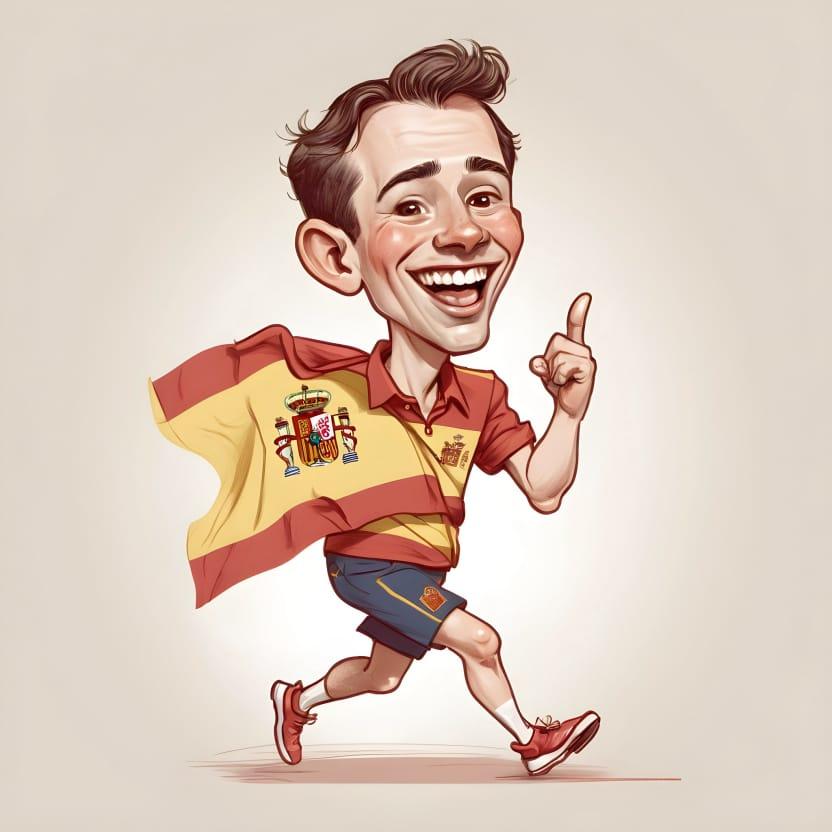
Spain has a strong tradition of producing fine wines, with regions like Rioja and Ribera del Duero known for their exceptional reds. Spanish artists like Picasso and Dalí have had a huge influence on modern art, contributing to Spain culture’s global reputation. Spain's national holiday, Día de la Hispanidad, celebrates the country's historic role in connecting the Americas and Europe.
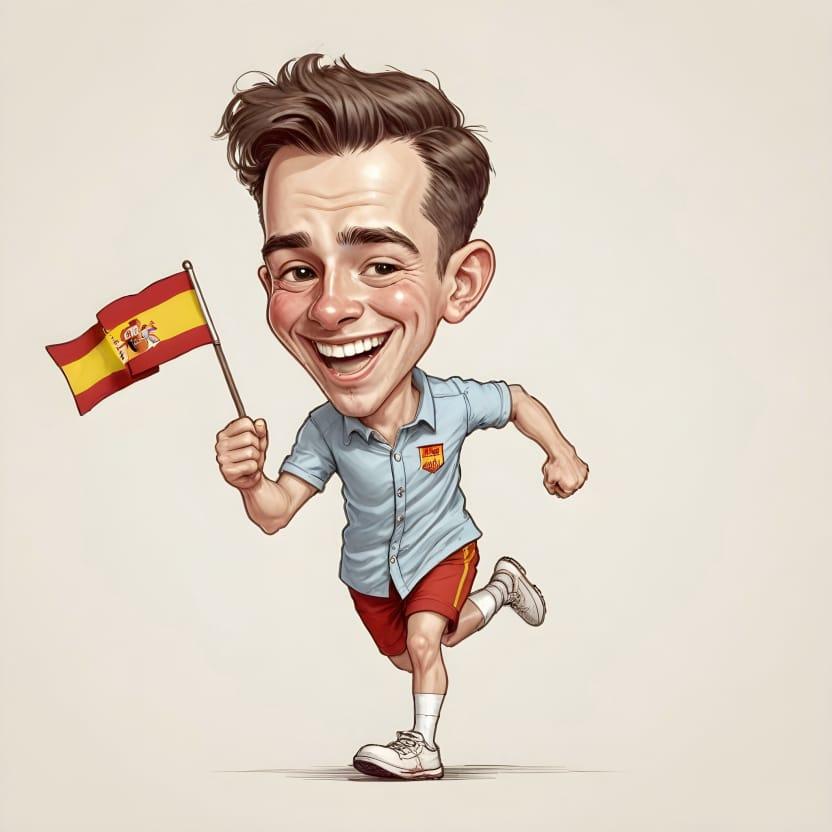
The Spanish guitar is central to many musical styles in Spain culture, especially flamenco and classical music. In many parts of Spain, especially Catalonia, festivals include "castells" – human towers built by teams climbing on each other, showcasing teamwork and bravery. Spain culture embraces street markets where fresh produce, handmade crafts, and local delicacies create vibrant community spaces.
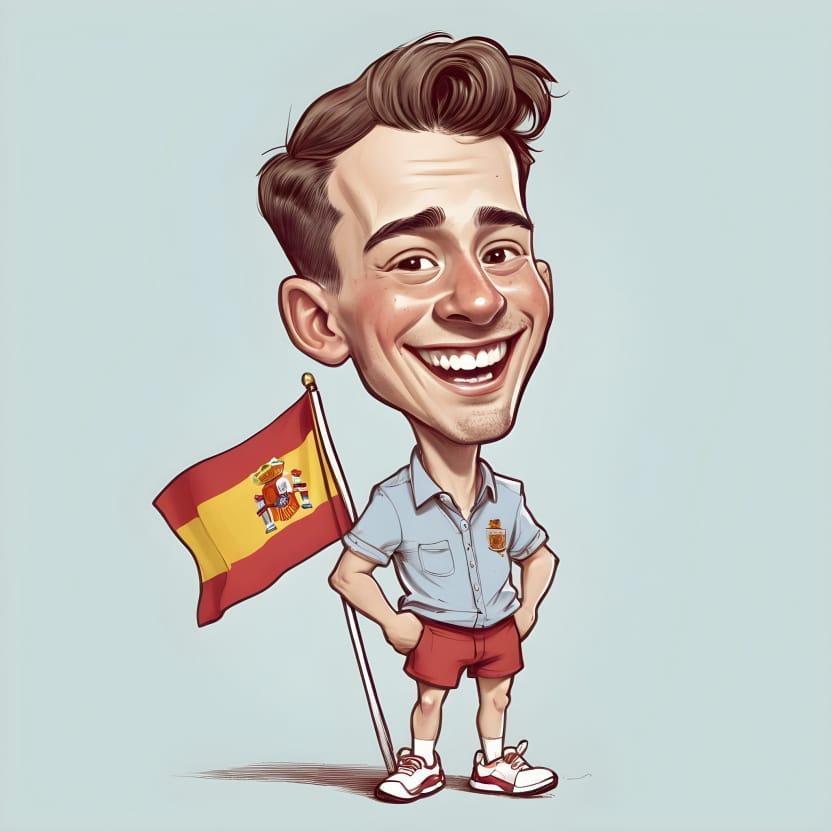
The tradition of "tapas" began as a way to cover drinks with small plates to keep flies out, later evolving into a beloved social dining experience. Spain is known for its diverse landscapes—from the beaches of Costa del Sol to the snowy peaks of the Pyrenees—shaping different regional cultures. The Camino de Santiago, an ancient pilgrimage route, attracts thousands each year, blending spiritual and cultural exploration.
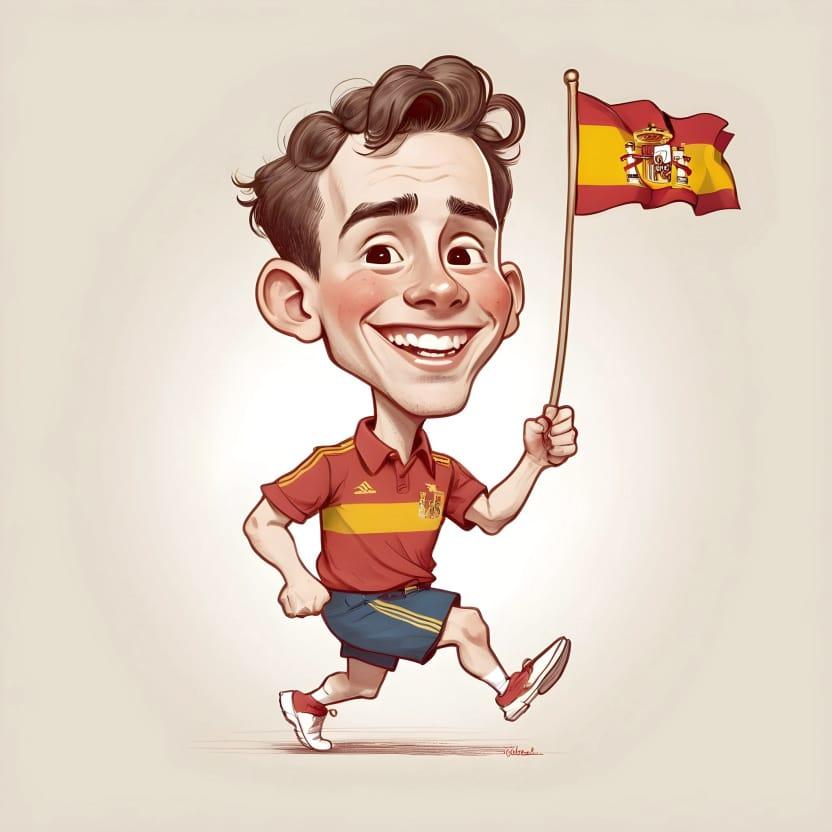
Spain culture includes many regional festivals like Feria de Abril in Seville, a week of flamenco, horses, and vibrant dresses. Spanish cuisine varies widely by region, with northern areas favoring seafood and southern regions focusing more on olive oil and fresh vegetables. Spain's passion for football is rivaled only by its enthusiasm for basketball and tennis, sports that also enjoy wide popularity.
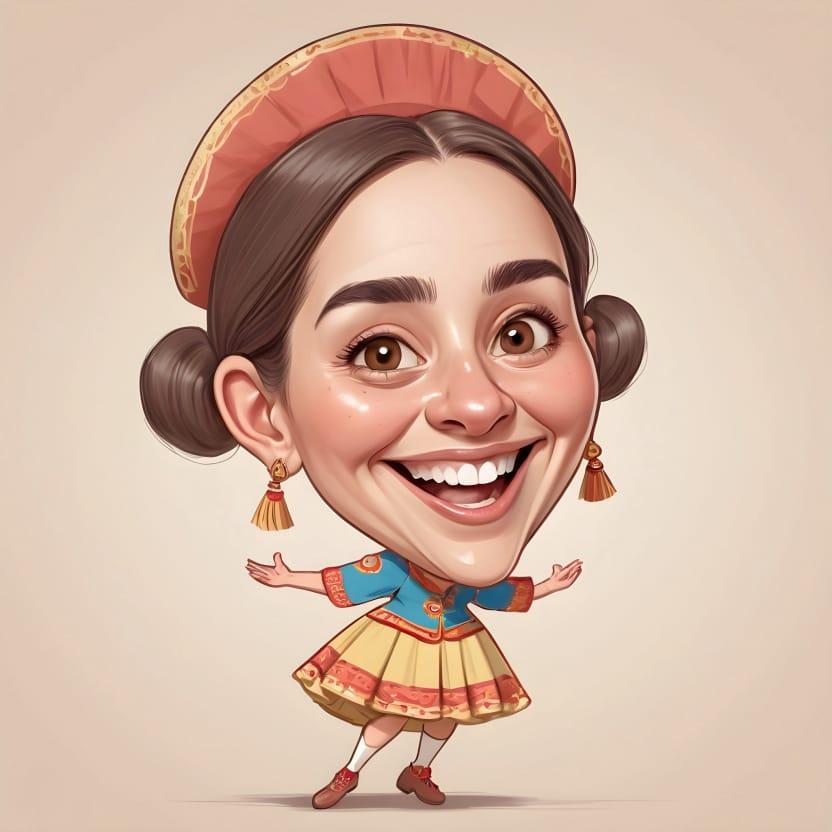
Bullfighting costumes, known as "traje de luces," are intricately decorated with gold and silver thread, reflecting the art and pageantry of the tradition. Spain culture treasures its literary giants, from Cervantes, author of Don Quixote, to contemporary writers shaping modern Spanish storytelling. The festival of Las Fallas in Valencia involves creating giant sculptures that are burned in a fiery celebration symbolizing renewal.
Spain’s Mediterranean climate influences its agriculture and lifestyle, promoting outdoor living and fresh, seasonal ingredients in its cuisine. Many Spanish cities have lively plazas where people gather for coffee, conversation, and people-watching, central to social life. Spain culture has inspired countless movies, from classic European cinema to Hollywood films capturing its unique vibe.
Spanish wines often accompany meals as an essential part of dining, reflecting centuries of winemaking tradition. The tradition of bullfighting is fading but remains a powerful cultural symbol debated within Spain and internationally. Spain’s festivals mix the sacred and the festive, with processions and fireworks lighting up the night sky.
Spanish architecture shows layers of history, from Moorish palaces like the Alhambra to Gothic cathedrals dotting the landscape. Spain culture’s love of music extends beyond flamenco to popular genres like pop and rock, with many famous Spanish-speaking artists. Tapas bars are not just about food; they are social hubs where friends meet to talk, eat, and relax.
Spain has a rich tradition of storytelling and oral history, with legends like El Cid forming part of its cultural fabric. Spanish holidays often involve family gatherings with traditional meals, reinforcing close-knit relationships. Spain culture places importance on art and craftsmanship, with local artisans producing ceramics, textiles, and jewelry.
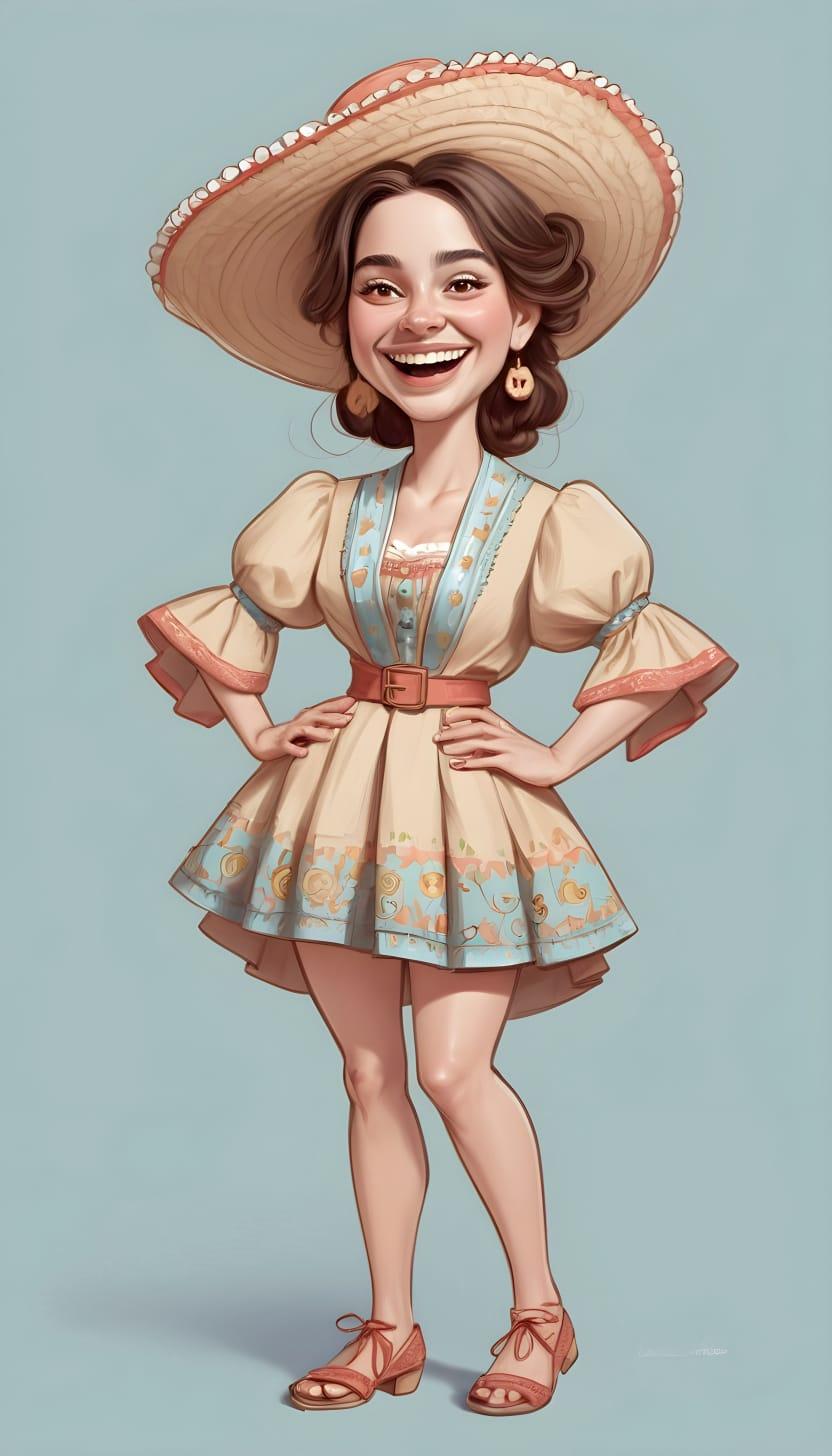
The Spanish language itself varies widely in accent and vocabulary across regions, reflecting Spain’s diverse history. Spain culture's passion for football often turns matches into social events that unite entire communities. Spain’s culinary scene is dynamic, mixing tradition with modern innovation led by renowned chefs.
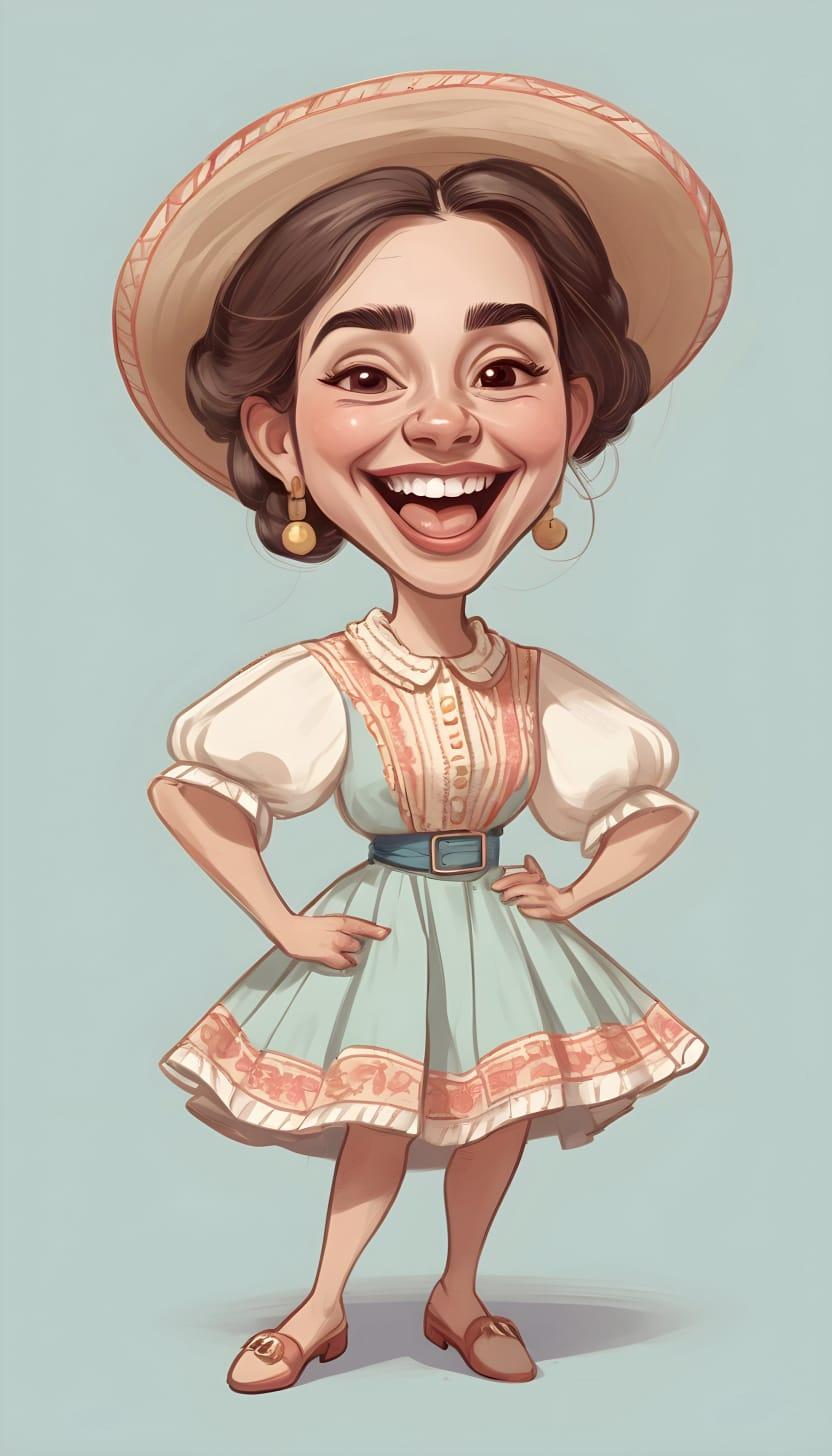
Flamenco music’s rhythm is complex, featuring hand claps, guitar strums, and soulful vocals that convey deep emotion. Spain culture features many unique customs, such as the "sobremesa," the relaxed conversation after a meal. The Spanish coastline offers beautiful beaches as well as historic fishing villages, blending nature and tradition.
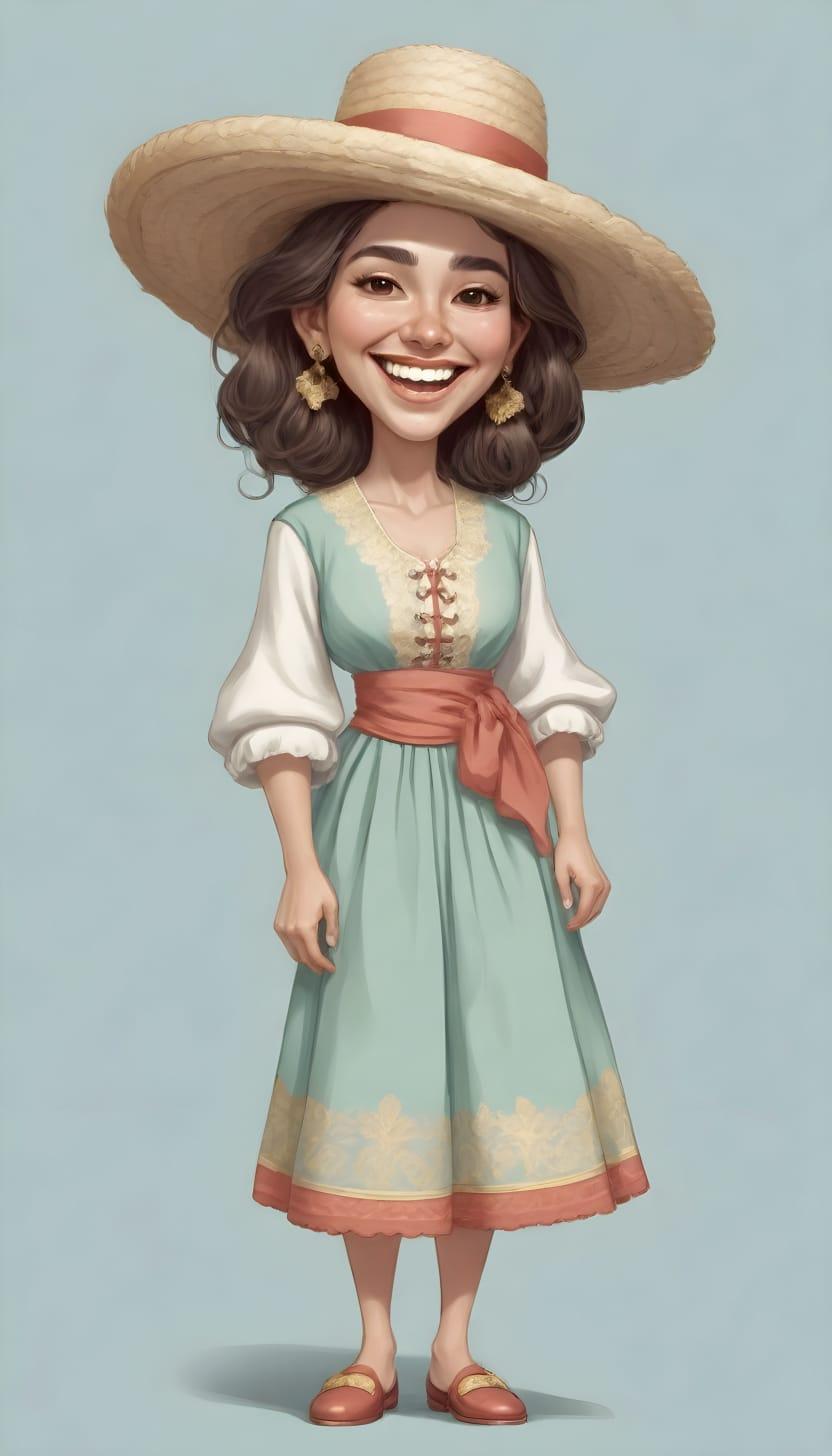
Spain’s festivals can last several days, with some, like Carnival, featuring costumes, dancing, and parades. Spanish cinema often explores themes rooted in Spain culture, such as family, history, and identity. Spain’s diverse geography creates microclimates, influencing local traditions and foods.
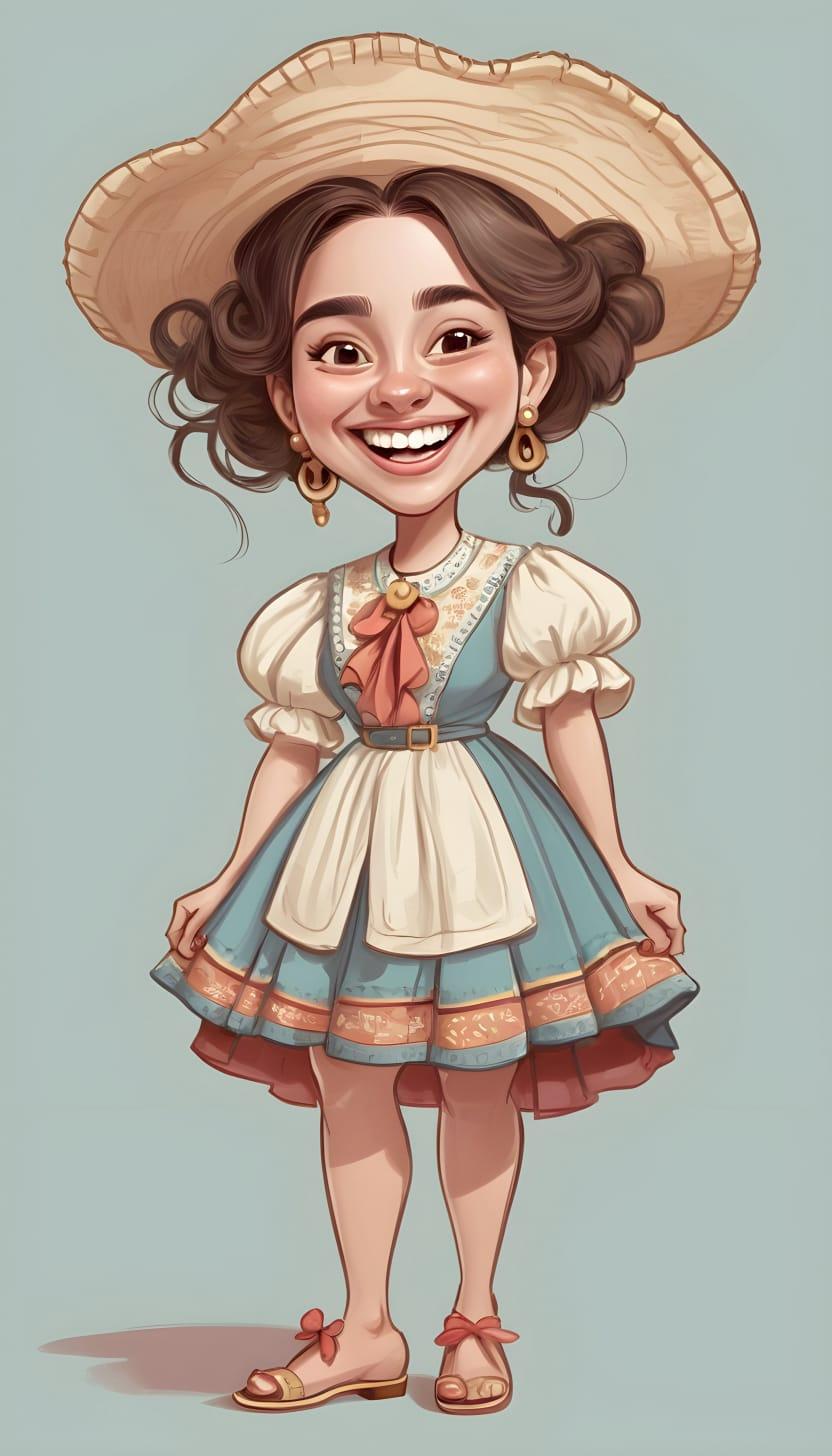
The use of olive oil in cooking is a hallmark of Spain culture, with the country being the largest olive oil producer worldwide. Spanish street art has become an important contemporary expression, especially in cities like Madrid and Barcelona. Spain culture embraces siestas, though this tradition is less common in big cities due to modern work schedules.
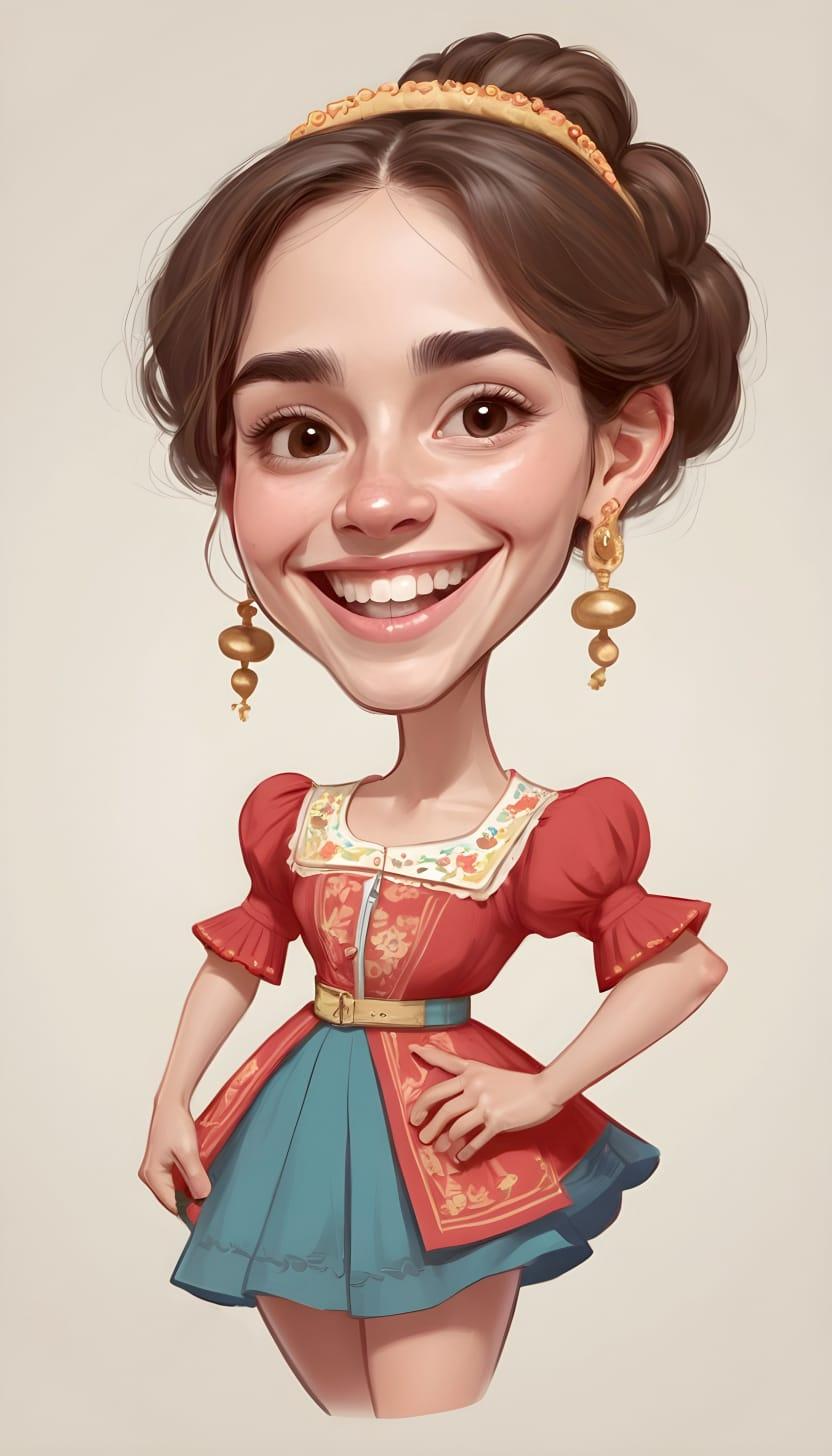
The bullfight has inspired many Spanish writers and artists, reflecting its complex place in Spain culture. Spain’s folk dances vary widely, with each region having its own unique style and costumes. Spanish people celebrate Christmas with special dishes and lively family traditions lasting several days.
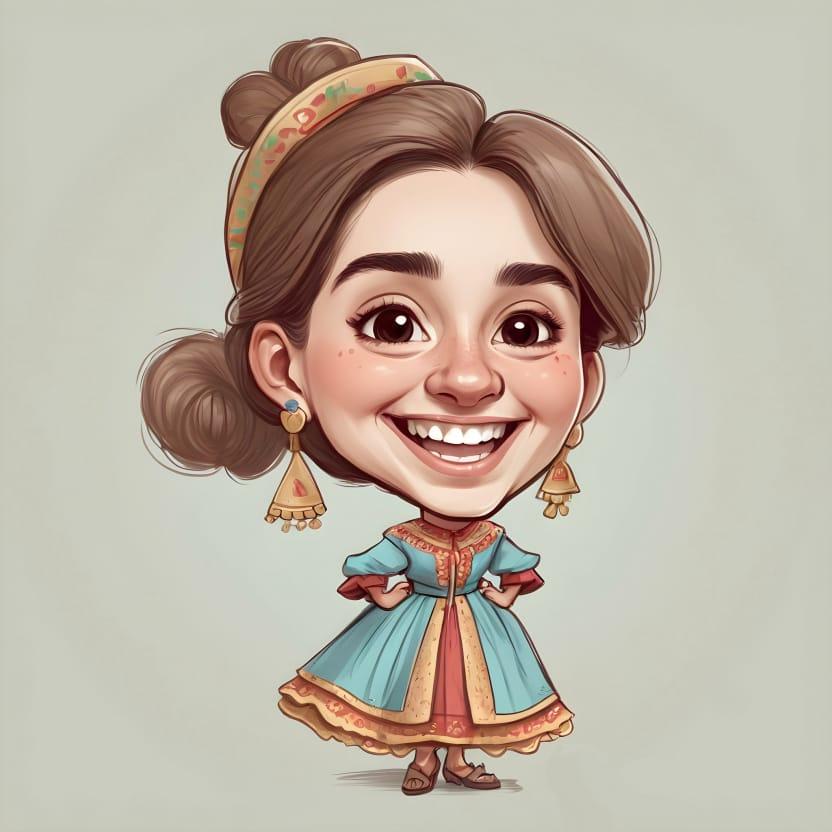
Spain culture’s influence spreads globally through its language, cuisine, and arts, shaping cultures in Latin America and beyond. Many Spanish cities balance ancient heritage with modern life, where old castles stand near bustling urban centers. Spain culture values hospitality; visitors often find locals eager to share stories, food, and traditions.
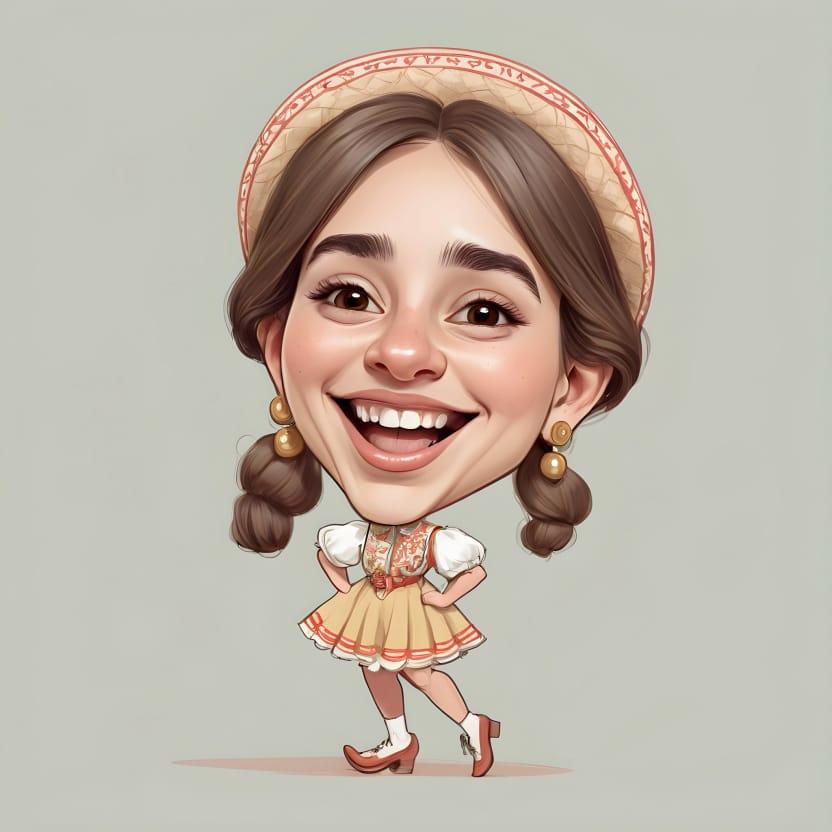
Spain’s culinary festivals highlight the diversity of its regional dishes, from cured ham in the north to fresh seafood in the south. The passion for football in Spain culture is more than a sport; it’s a shared experience that builds community and pride. Spain’s historical connections to Europe, Africa, and the Americas have created a rich tapestry of cultural influences seen today.