Brazilian culture
- Fun pictures /
- Culture /
- Brazilian culture

Brazilian culture is famous for its vibrant Carnival, a huge festival filled with colorful parades, samba music, and dancing that attracts millions every year. Football (soccer) is more than a sport in Brazil—it's a passion that brings people together across the country regardless of age or background. In Brazilian culture, the ritual of drinking coffee is a big deal, with people often enjoying small, strong cups called “cafezinho” throughout the day.
Capoeira is a unique Brazilian art form that mixes dance, martial arts, and music, originally developed by African slaves as a way to practice fighting secretly. Brazilian culture embraces diverse music styles beyond samba, including bossa nova, forró, and funk carioca, each reflecting different regions and social backgrounds. The Amazon rainforest plays a crucial role in Brazilian identity, inspiring myths, stories, and respect for nature that are deeply rooted in local culture.
In Brazil, family gatherings often revolve around food, and barbecue, or “churrasco,” is a beloved tradition where various meats are grilled and shared with friends. Brazilian culture includes indigenous influences seen in crafts, language, and festivals, reminding people of the country’s rich and varied heritage. Feijoada, a hearty black bean stew with pork, is considered Brazil’s national dish and is often enjoyed on weekends with family and friends.
The street art scene in Brazil is vibrant, with cities like São Paulo known worldwide for colorful murals that reflect social and political themes. Brazilian culture has a strong connection to dance, with styles like samba and lambada reflecting the country’s energy and diversity. In many parts of Brazil, people celebrate “Festa Junina” in June, a traditional festival with folk music, dances, and typical foods honoring rural life.
Brazilian Portuguese has unique expressions and slang that show the country’s playful and friendly spirit, making communication lively and fun. Religious festivals, especially Catholic ones like the Feast of Our Lady of Aparecida, are important parts of Brazilian culture, blending faith and community. Brazilian cinema has grown impressively, with films like “City of God” gaining international fame for their raw, honest storytelling about life in urban Brazil.
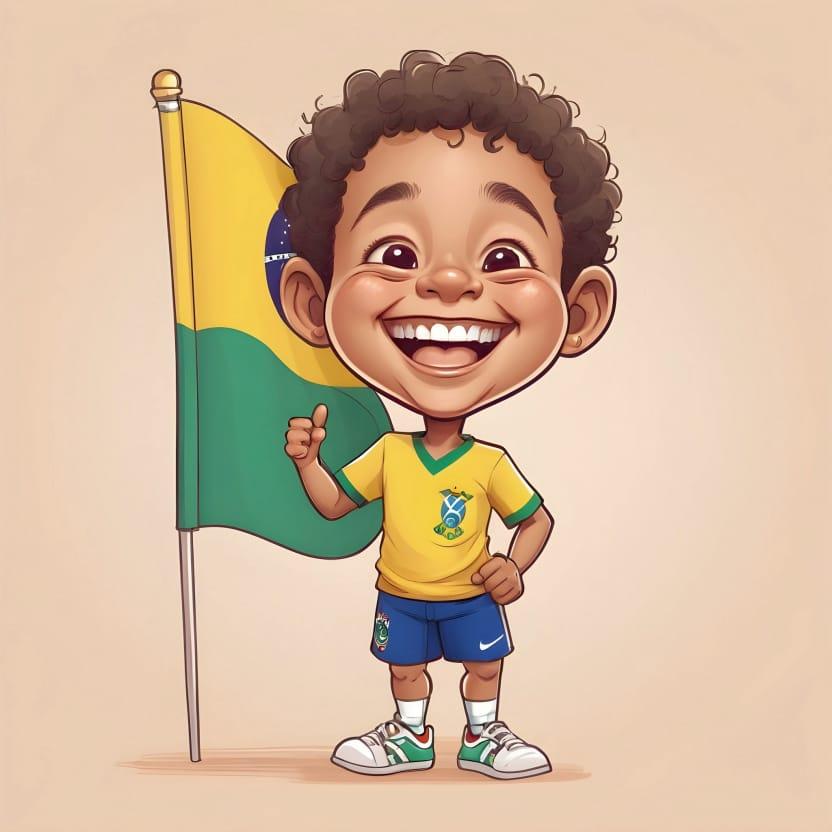
The Amazon River is not only a natural wonder but also a source of folklore, inspiring countless legends that are part of Brazilian culture’s storytelling tradition. Soccer legends like Pelé and Marta are national heroes in Brazil, embodying the country’s deep love for the game and its cultural significance. Brazilian culture celebrates “Samba schools,” community organizations that prepare all year for Carnival with music, dance, and costumes.
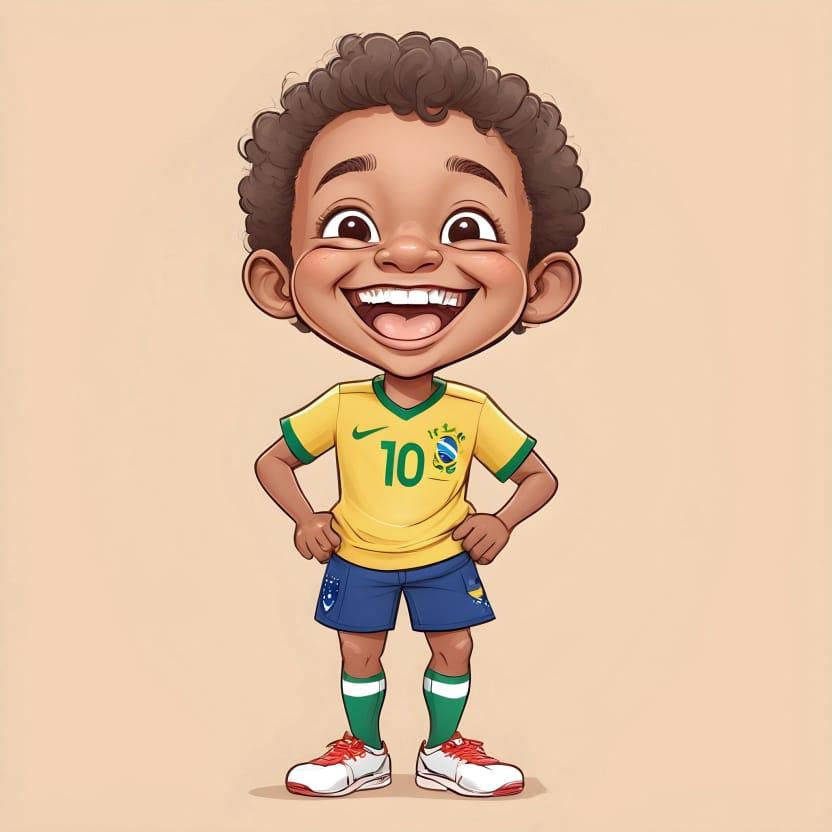
In Brazil, the beach is a social hub where people of all ages gather for sports, music, and relaxation, especially in famous spots like Copacabana and Ipanema. The Amazonian indigenous people contribute significantly to Brazil’s cultural mosaic through their languages, art, and rituals still practiced today. Brazilian culture is known for its hospitality—guests are warmly welcomed with open arms and often invited to share meals and stories.
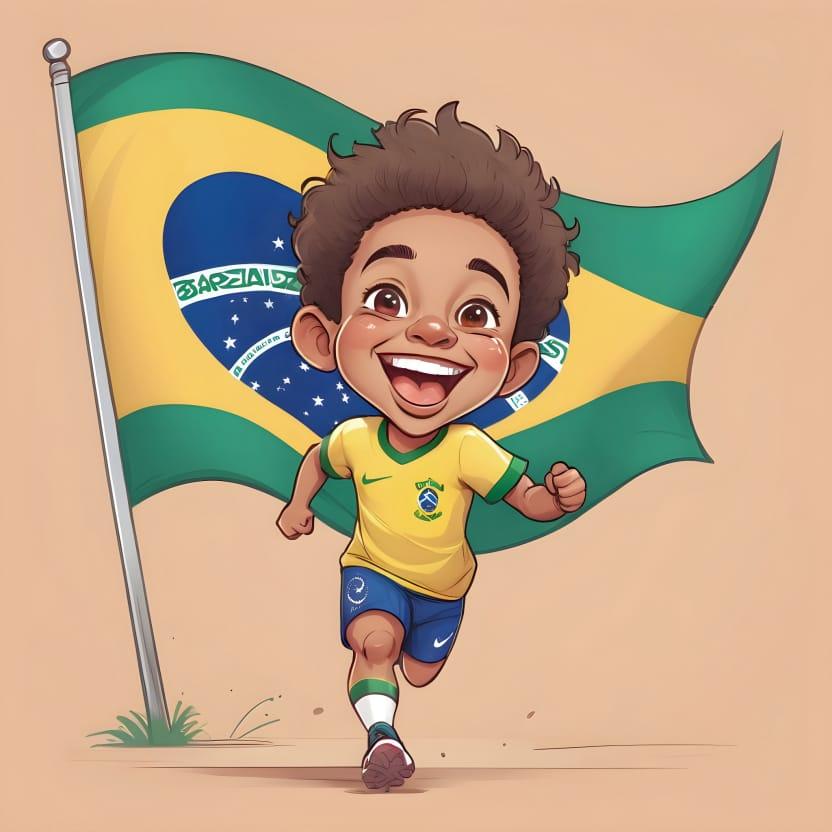
Candomblé is an Afro-Brazilian religion that mixes African traditions with Catholic elements, influencing music, dance, and rituals in parts of Brazil. The Brazilian flag’s design includes the phrase “Ordem e Progresso” (Order and Progress), reflecting the country’s hopes and values since the 19th century. Brazilian culture also shines in literature, with authors like Jorge Amado portraying the colorful life of Brazil’s northeastern region.
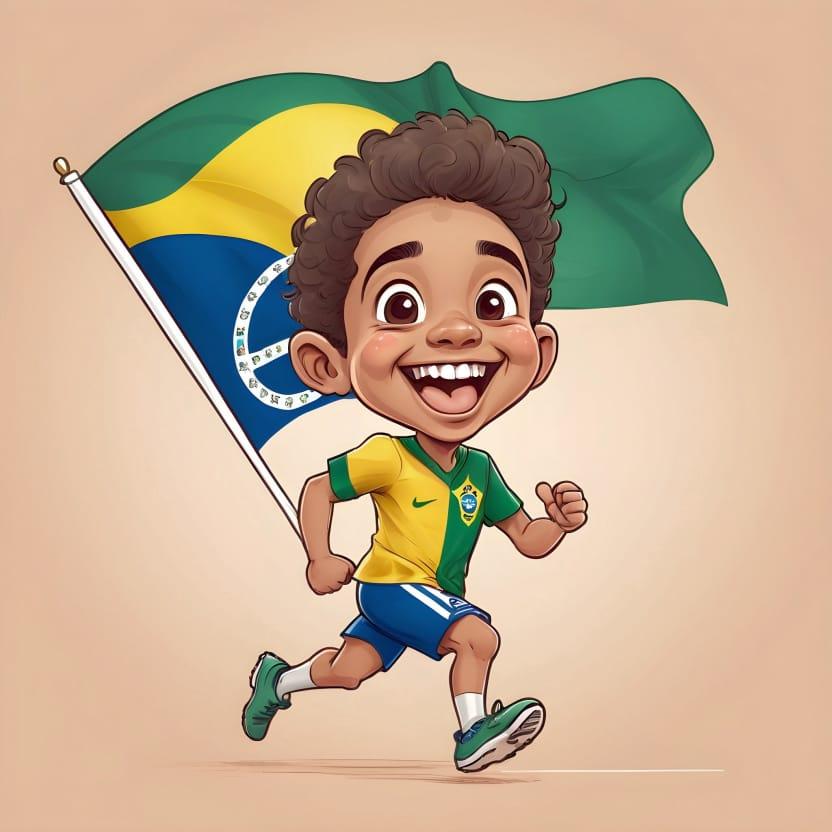
The Amazon rainforest’s biodiversity is celebrated in Brazilian culture through festivals and educational programs promoting conservation. Brazilian street food, like pastel (fried pastries) and açaí bowls, shows the country’s mix of indigenous, African, and European culinary influences. The traditional “forró” music and dance from Brazil’s northeast have become popular all over the country, symbolizing rural culture and joy.
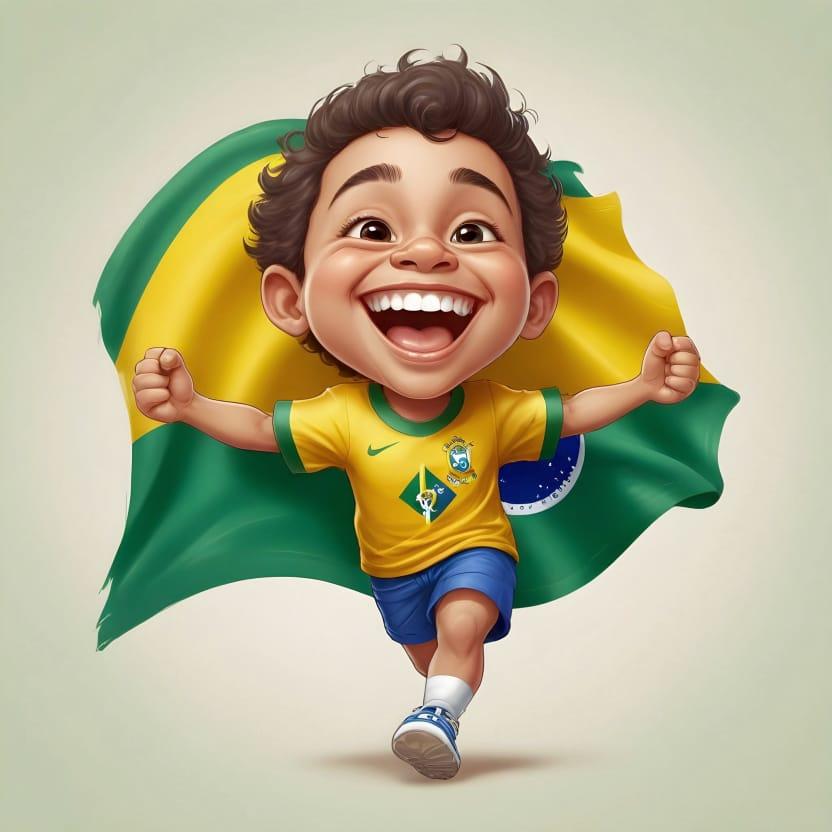
Brazilian culture values humor, and comedy shows and memes play a big role in everyday conversations and media. The iconic Rio de Janeiro skyline, with Sugarloaf Mountain and Christ the Redeemer statue, is a symbol of Brazil’s beauty and cultural pride. In some regions, festivals honor African heritage with drumming, dance, and colorful costumes, celebrating the roots of Brazilian culture.
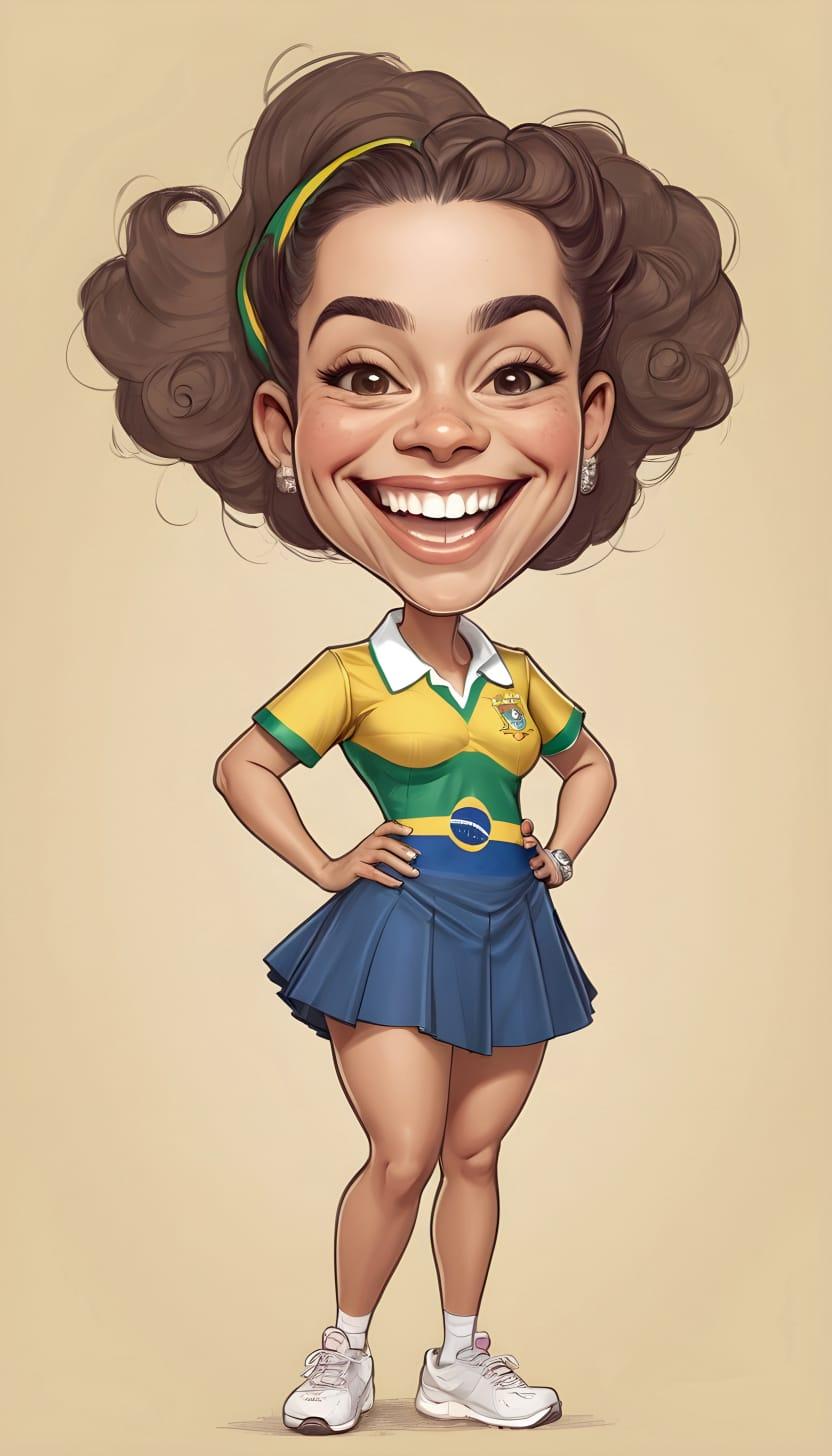
Brazilian culture includes many regional differences, from the gaucho traditions of the south with their cowboy lifestyle to the Amazonian tribes in the north. Samba music originated in Bahia, and its rhythms and dances spread across Brazil, becoming a symbol of national identity. The “baianas,” women dressed in traditional white dresses and beads, play a vital role in Carnival and religious ceremonies, representing Afro-Brazilian culture.

Brazilian culture often revolves around outdoor life, with soccer fields, parks, and plazas serving as social spaces. The art of Brazilian graffiti often tells stories about social justice and community pride, making walls into colorful history books. Brazilian cuisine uses a variety of tropical fruits like mango, guava, and cupuaçu, reflecting the country's diverse ecosystems.
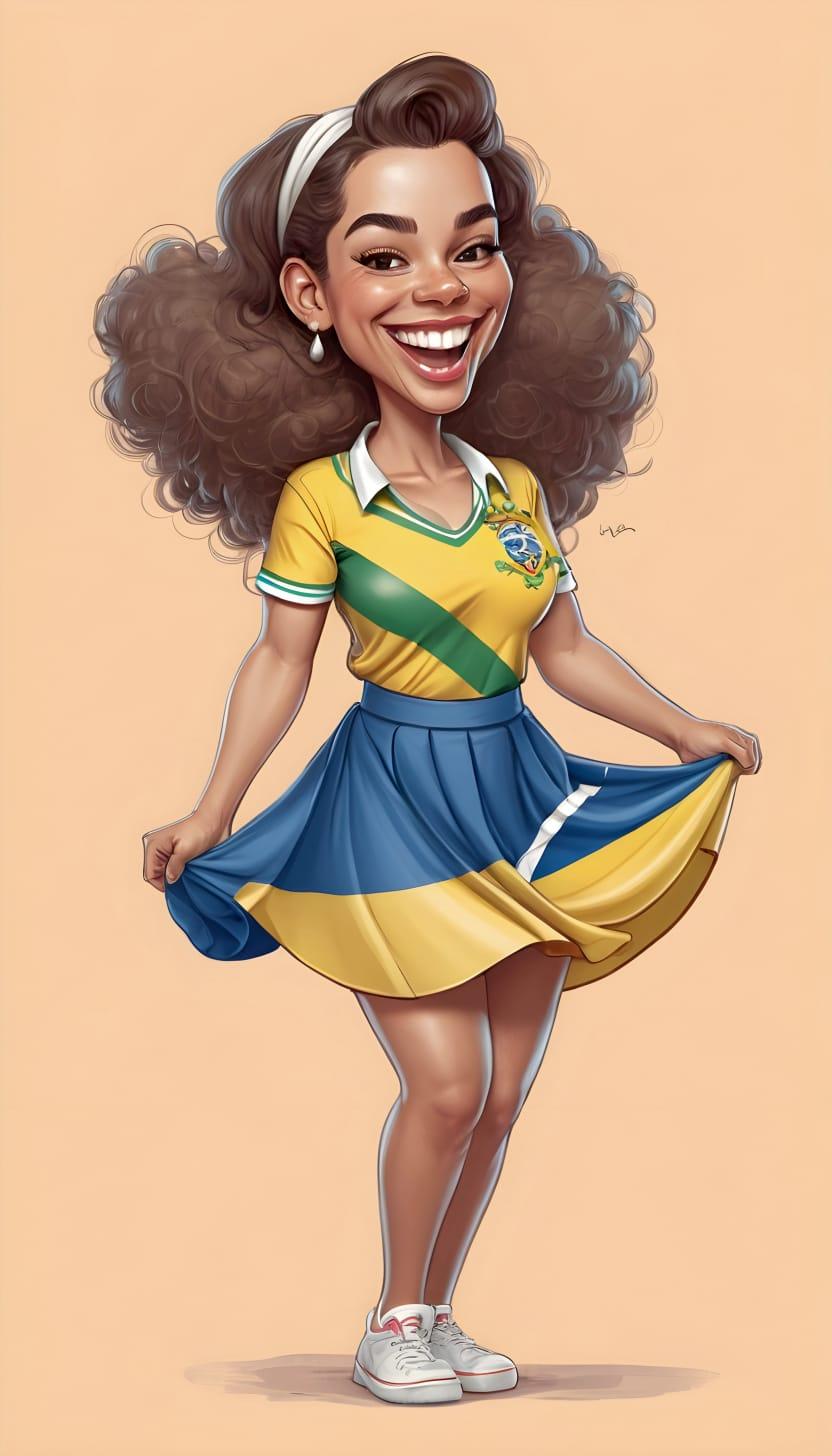
In some parts of Brazil, traditional indigenous languages are taught in schools to preserve cultural heritage. Brazilian culture includes a rich oral tradition, with stories and legends passed down through generations around campfires and family gatherings. Music festivals in Brazil bring people from all walks of life together to celebrate their shared love for rhythm and dance.
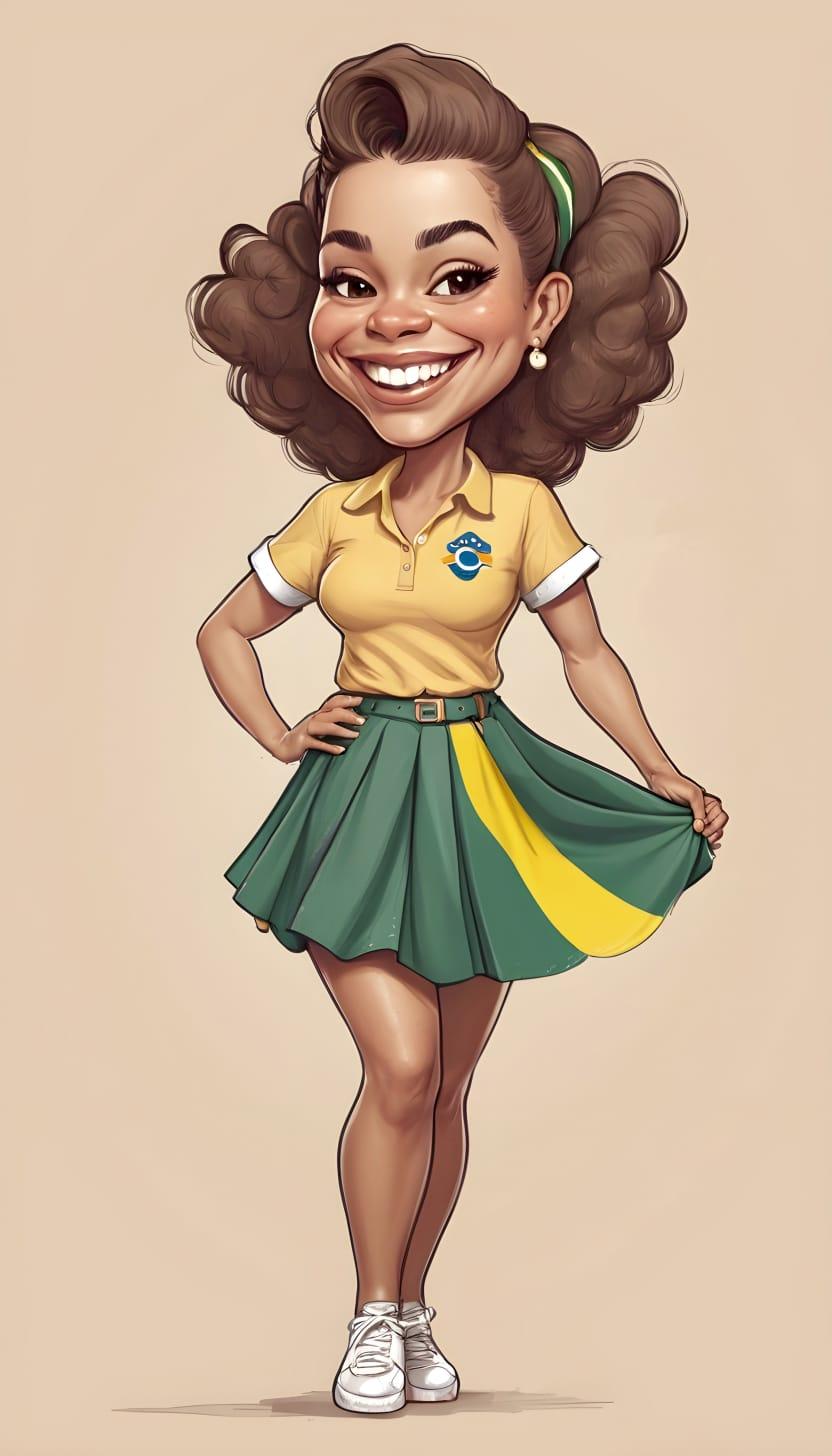
The “Maracatu” is a traditional performance from northeastern Brazil combining music, dance, and royal costumes, showcasing African heritage. Brazilian culture encourages social dancing at family celebrations, where everyone, young or old, joins in. Football matches in Brazil are events full of energy and community spirit, with fans singing and cheering loudly for their teams.

Brazilian culture is shaped by waves of immigration, including Italian, Japanese, and German communities, each adding their flavors. The Amazon basin influences many crafts, such as jewelry made from seeds and feathers, reflecting indigenous artistry. Brazilian soap operas, or “novelas,” are wildly popular and often address social issues, shaping public opinion.
In Brazil, it’s common to greet friends with a kiss on the cheek, reflecting the warm and friendly nature of Brazilian culture. The traditional “bumba-meu-boi” festival mixes drama, music, and dance to tell a story about a mythical ox, blending indigenous and African traditions. Brazilian culture celebrates “Futebol de Salão,” or indoor soccer, which helped develop skills for many famous players.
The Pantanal wetlands are a key natural feature in Brazil, influencing local customs, food, and folklore. Brazilian culture appreciates colorful clothing, especially during festivals, where bright costumes symbolize joy and energy. Street markets in Brazil are lively places offering local crafts, fresh produce, and delicious street food, showing the country’s vibrant everyday life.

Brazilian culture places great value on music education, with many kids learning instruments through community programs. The “Choro” music style, born in Rio, is one of Brazil’s oldest, featuring fast-paced melodies and improvisation. Brazilian dancers use body movements that reflect the country’s diverse cultural roots, from African beats to European influences.
The famous Brazilian drink “caipirinha,” made with cachaça, lime, and sugar, is enjoyed worldwide and reflects Brazil’s tropical flavors. Brazilian culture includes many traditional crafts like pottery, weaving, and wood carving, passed down in families and communities. Many Brazilians celebrate “Dia de São João” with bonfires, fireworks, and folk dances, connecting modern life to old customs.
Brazilian culture embraces a love for storytelling, with many folktales featuring animals, spirits, and heroes from the jungle and countryside. Music and dance are keys to social life in Brazil, bringing people together in celebrations large and small. The blend of indigenous, African, and European traditions makes Brazilian culture one of the richest and most colorful in the world.