People
- Fun pictures /
- People

Did you know that the average person has about 60,000 thoughts per day? That's a busy brain! Humans are one of the few species that can blush, a unique sign of self-awareness and social emotions. Around 108 billion neurons make up the human brain, helping people think, feel, and create every day.

Laughter is contagious because when people hear others laugh, their brains automatically prepare to join in. Your taste buds have a lifespan of about 10 to 14 days, so people's sense of taste is constantly renewing itself. People blink roughly 15-20 times every minute, which helps keep the eyes moist and clear of dust.

The smallest bones in the human body are found in the ear — the stirrup, hammer, and anvil bones help people hear sounds. People's fingerprints are unique and even identical twins have different patterns. Yawning is still a mystery, but it might help cool the brain and increase alertness in people.

The human heart beats about 100,000 times per day, pumping blood to every part of the body. On average, people walk about 70,000 miles in their lifetime, roughly equivalent to walking around the Earth three times. People can distinguish more than one trillion different smells, showing how powerful the nose really is.

Babies have about 300 bones at birth, but some fuse together as they grow, leaving adults with 206 bones. People's bodies produce about 1 to 1.5 quarts of saliva every day, which helps with digestion and keeping the mouth clean. The human skin is the largest organ, making up about 15% of body weight and acting as a protective barrier.

Around 80% of people are right-handed, but the reasons for this preference are still not fully understood. When people dream, their brains can create vivid stories that sometimes feel as real as waking life. The strongest muscle in the body relative to its size is the masseter, or jaw muscle, used for chewing.

People's eyes can distinguish about 10 million different colors, showing the amazing sensitivity of vision. The average person spends about six years of their life dreaming, a time when the brain sorts memories and emotions. People's bones are constantly being broken down and rebuilt, a process called remodeling that keeps them strong.

Some people are born with a condition called synesthesia, where senses like sight and sound mix, making them "see" sounds or "taste" words. Humans are social animals who thrive on connection, with loneliness shown to impact physical and mental health. People's brains use about 20% of the body's total energy, even though the brain only weighs about 2% of total body weight.

The human nose can remember 50,000 different scents, which can trigger strong memories and emotions. People blink more when reading than when watching TV, as blinking helps reduce eye strain. The average person has about 5 million hairs on their body, though most are so fine they're barely visible.

When people smile, they use 17 muscles, but frowning requires 43 muscles, making smiling easier and more energy-efficient. The brain's left hemisphere controls language and logic for most people, while the right handles creativity and spatial skills. People shed about 600,000 particles of skin every hour, which makes up a large part of household dust.

Human lungs contain about 300 million tiny air sacs called alveoli, which help transfer oxygen into the blood. People's voices can be as unique as fingerprints, making voice recognition a growing technology. The average adult brain weighs about three pounds, yet it's capable of storing vast amounts of information.

People can survive for weeks without food but only a few days without water, highlighting water's vital role. The human stomach produces a new lining every three to four days to protect itself from strong digestive acids. People have about 2 to 5 million sweat glands, which help regulate body temperature through sweating.

Tears have different types: basal tears keep eyes moist, reflex tears protect from irritants, and emotional tears are linked to feelings. Humans share about 60% of their DNA with bananas, showing how life is connected at a genetic level. People's brains stop growing in size during childhood but keep forming new connections throughout life.

The oldest known human footprints date back over 3.6 million years, giving clues about our ancient ancestors' lives. People use facial expressions to communicate emotions, and some expressions are recognized universally across cultures. Hearing loss affects about 5% of the world's population, but people often don't realize how important hearing is until it fades.

The human body has a natural clock called the circadian rhythm, which controls sleep, hunger, and other daily cycles. People's memories are not perfect recordings; they can change over time or be influenced by suggestions. About 30,000 genes make up the human genome, giving the instructions needed for growth, repair, and function.

Human blood is about 55% plasma, which carries nutrients, hormones, and waste products around the body. The sense of touch is highly sensitive; fingertips have thousands of nerve endings to detect texture and pressure. People's hearts can synchronize their beats when they listen to music or interact closely with others.
Smiling releases endorphins, the body's natural feel-good chemicals, boosting mood and reducing stress. People's brains are wired to recognize faces quickly, an ability crucial for social interaction and safety. Hiccups happen when the diaphragm spasms involuntarily, and they usually stop without treatment after a short time.

The human tongue is covered with tiny bumps called papillae, some of which contain taste buds for sensing flavors. People can experience a "phantom limb" sensation, feeling pain or movement in a limb that's no longer there. Blood vessels in the body stretch over 60,000 miles, enough to circle the Earth more than twice.

Some people have a rare ability called eidetic memory, allowing them to recall images and sounds in great detail. The brain can rewire itself after injury, a process known as neuroplasticity that helps people recover functions. On average, people spend about 2 weeks of their life sneezing, which helps clear irritants from the nose.
Human bones are stronger than concrete but light enough to allow movement and flexibility. People's eyes adjust to darkness by expanding pupils and increasing sensitivity to capture more light. Hair grows about half an inch per month on average, but the rate can vary based on genetics and health.
The human brain can process images faster than words, explaining why pictures often communicate better than text. People's skin color evolved based on sun exposure to balance vitamin D production and protection from UV rays. Sweat itself is odorless; body odor comes from bacteria breaking down sweat on the skin.

Babies recognize their mother's voice shortly after birth, highlighting early bonding through sound. People's bodies are about 60% water, which supports all major bodily functions from digestion to temperature regulation. The human skeleton repairs itself constantly, healing fractures and maintaining strength over time.

People's eyes can get sunburned just like skin, so sunglasses with UV protection are important on bright days. The brain uses about 1.5 liters of blood each minute to get oxygen and nutrients it needs to function. Some people are naturally ambidextrous, able to use both hands equally well, though it's quite rare.

Your body has a built-in pain control system that releases chemicals called endorphins during exercise or stress. People's taste preferences can change over time due to exposure, health, and age. Human ears keep growing slowly throughout life, especially the earlobes.

The human body produces new red blood cells every second to replace old ones and keep oxygen flowing. People's noses continue to grow slowly throughout life, which can change the shape subtly as they age. The brain's reward system releases dopamine, motivating people to seek out pleasure and avoid pain.

Sneezing can travel at speeds up to 100 miles per hour, helping clear the nasal passages quickly. People's skin has five layers, each playing a role in protection, sensation, and temperature control. The liver is the body's largest internal organ, performing over 500 vital functions including detoxification.

Humans are the only animals with chins, a feature that might help with chewing or speech. People tend to have more mitochondria in muscles that are used often, which helps provide energy. The brain can generate new brain cells, especially in the hippocampus, the area linked to memory.

Human blood contains about 4.7 to 5.5 liters on average, circulating through the body every minute. People with different eye colors have slightly different light sensitivities, with lighter eyes sometimes more sensitive. Laughing can improve heart health by increasing blood flow and reducing stress hormones.

The brain's neurons communicate through electrical signals at speeds up to 250 miles per hour. People's hair follicles go through cycles of growth, rest, and shedding to keep hair healthy. The human body can survive extreme temperatures by sweating or shivering to regulate heat.

People's brains have a special area called the fusiform face area that recognizes faces instantly. The human digestive system is about 30 feet long, breaking down food and absorbing nutrients. Some people have perfect pitch, the rare ability to identify musical notes without reference tones.

People's skin produces vitamin D when exposed to sunlight, which helps with bone health. The brain can store an estimated 2.5 petabytes of data, roughly equivalent to three million hours of TV shows. Humans are born with about 100 billion neurons, though many are lost as the brain matures.

The human eye's retina has about 120 million rod cells for low-light vision and 6 million cone cells for color. People's voices change during puberty due to growth of the larynx and vocal cords. Sleep helps the brain clear out waste and consolidate memories for better learning.

The sense of smell is linked closely to memory, which is why certain scents can bring back vivid memories. People's bones are home to bone marrow, which produces blood cells critical for immune function. The body can adjust its metabolism based on activity level and food availability to maintain balance.

Human tears contain enzymes that fight bacteria to keep eyes healthy and infection-free. People can get goosebumps when cold or scared, a leftover trait from ancestors that made hair stand on end. The brain's left side controls right body movements and the right side controls the left.

People's tongues are unique like fingerprints, and some scientists use tongue prints for identification. The human body replaces skin cells every 27 days on average, constantly renewing itself. The nose can detect smells in parts per trillion, an incredible sensitivity compared to many machines.

Human teeth are the only part of the body that can't heal themselves once damaged, so dental care is essential. People's brains respond to music by releasing dopamine, which can improve mood and motivation. The liver can regenerate itself even after losing up to 75% of its tissue.

The body produces melatonin to regulate sleep, triggered by darkness and reduced light exposure. People tend to have a dominant eye, just like having a dominant hand, which helps with aiming and focus. The brain can't feel pain itself, which is why brain surgery can be done while a patient is awake.

People's nails grow faster on the dominant hand and during warmer months due to increased circulation. The human body has over 600 muscles that help with movement, posture, and stability. Humans can distinguish between thousands of different textures by touch alone.

People's blood types vary, which is important for safe blood transfusions. The brain uses about 20 watts of power, enough to light a small bulb. Human sweat is mostly water but contains salts and small amounts of waste products.

Humans have about 5 million sensory receptors in their skin, making touch very sensitive. People can learn new skills at any age thanks to the brain's neuroplasticity. The heart can adjust its rate quickly based on activity, stress, and emotions.

Some people have an extra rib, known as a cervical rib, which is rare but usually harmless. The brain can recognize emotional expressions in others within milliseconds. People's bodies produce antibodies to fight off infections and keep them healthy.

The gut contains trillions of bacteria that help digest food and support the immune system. People's memories can be improved with practice, sleep, and certain brain exercises. The human body can sense changes in temperature through thermoreceptors in the skin.

Human teeth are made of enamel, the hardest substance in the body. People can experience a placebo effect, where belief in treatment causes real improvement. The brain processes language in areas known as Broca's and Wernicke's areas.

People's eyes move constantly in tiny motions called microsaccades to keep vision sharp. The human body has a natural pain threshold that varies between individuals. Some people have rare abilities like perfect pitch or photographic memory.

The brain's hippocampus plays a key role in forming and retrieving memories. People shed about 40 pounds of skin over a lifetime through natural renewal. Human bones store minerals like calcium and phosphorus important for health.

The sense of taste depends on smell for full flavor experience. People's brains can create false memories that feel real. The body releases adrenaline during stress, preparing people to fight or flee.

The liver filters about 1.4 liters of blood every minute. Human brains use patterns to predict future events. People's pupils dilate when they see something interesting or exciting.

The brain uses different sleep stages to restore body and mind. People can recognize thousands of faces in their lifetime. The skin helps regulate body temperature through sweating and blood flow.

People's muscles produce heat during exercise to keep the body warm. The brain interprets sensory signals to create perceptions. Humans can detect emotions through tone of voice and body language.

The human body stores fat as energy reserves. People's bones grow faster during childhood and adolescence. The brain can adapt to new environments by changing neural connections.
Human blood carries oxygen from lungs to tissues. People's hair color is determined by melanin pigment. The brain's cortex is involved in higher thinking and reasoning.
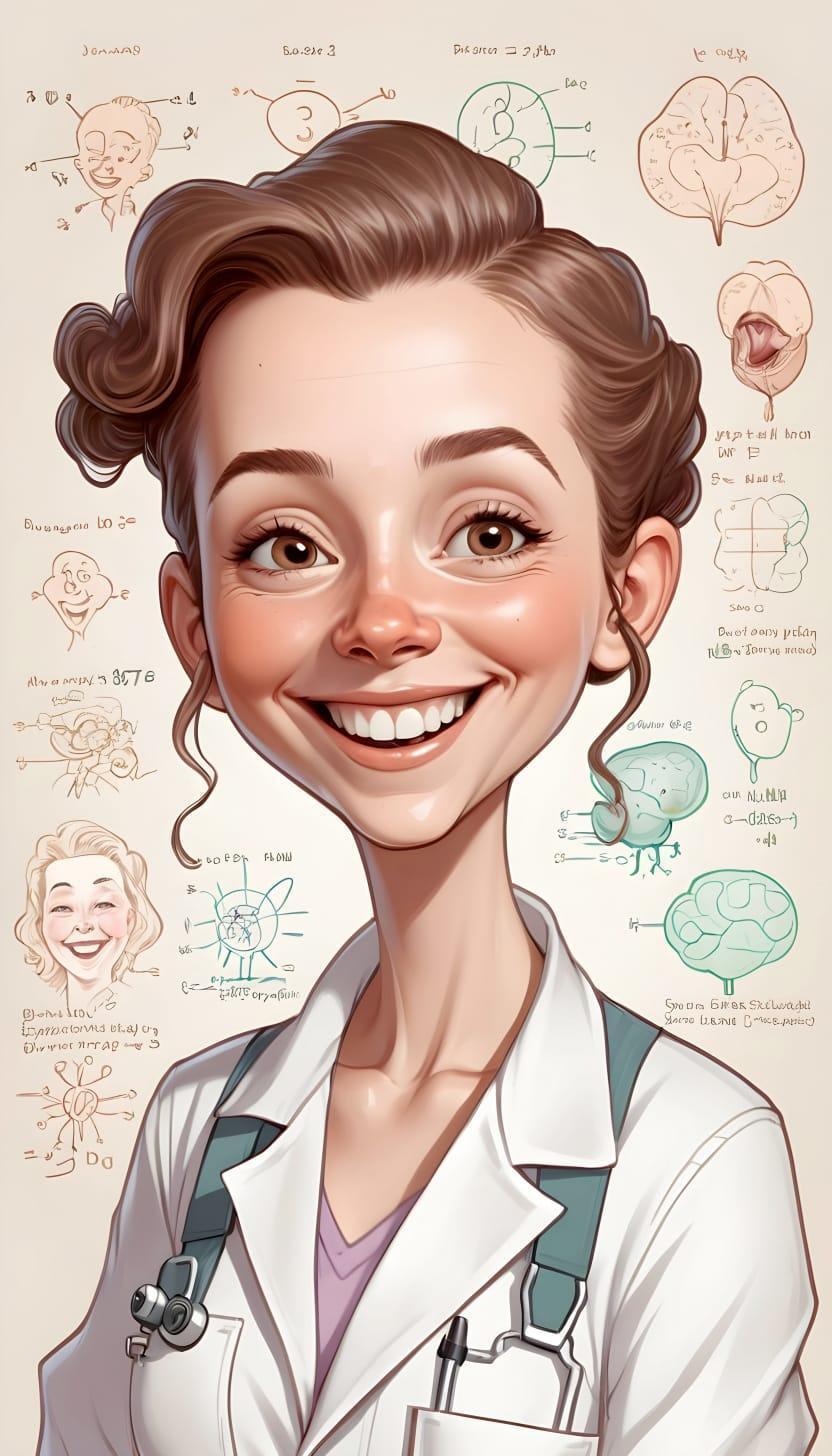
People's senses decline with age but can be trained to stay sharp. The body repairs wounds through complex cellular processes. Humans use language as a unique tool for communication.
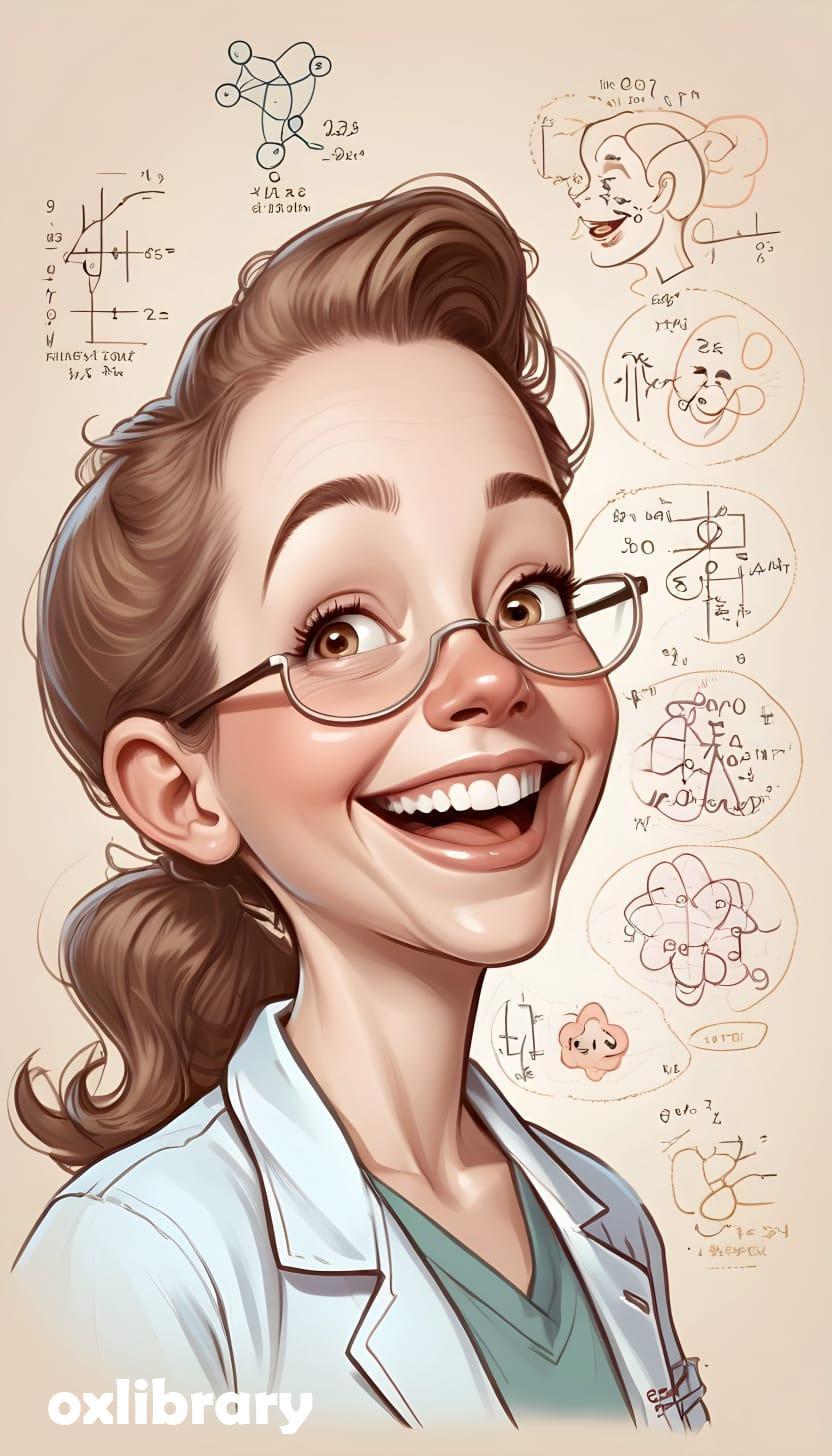
The heart pumps about 5 liters of blood every minute at rest. People's brains can multitask but often lose efficiency when switching tasks. The skin senses pain, temperature, and pressure.
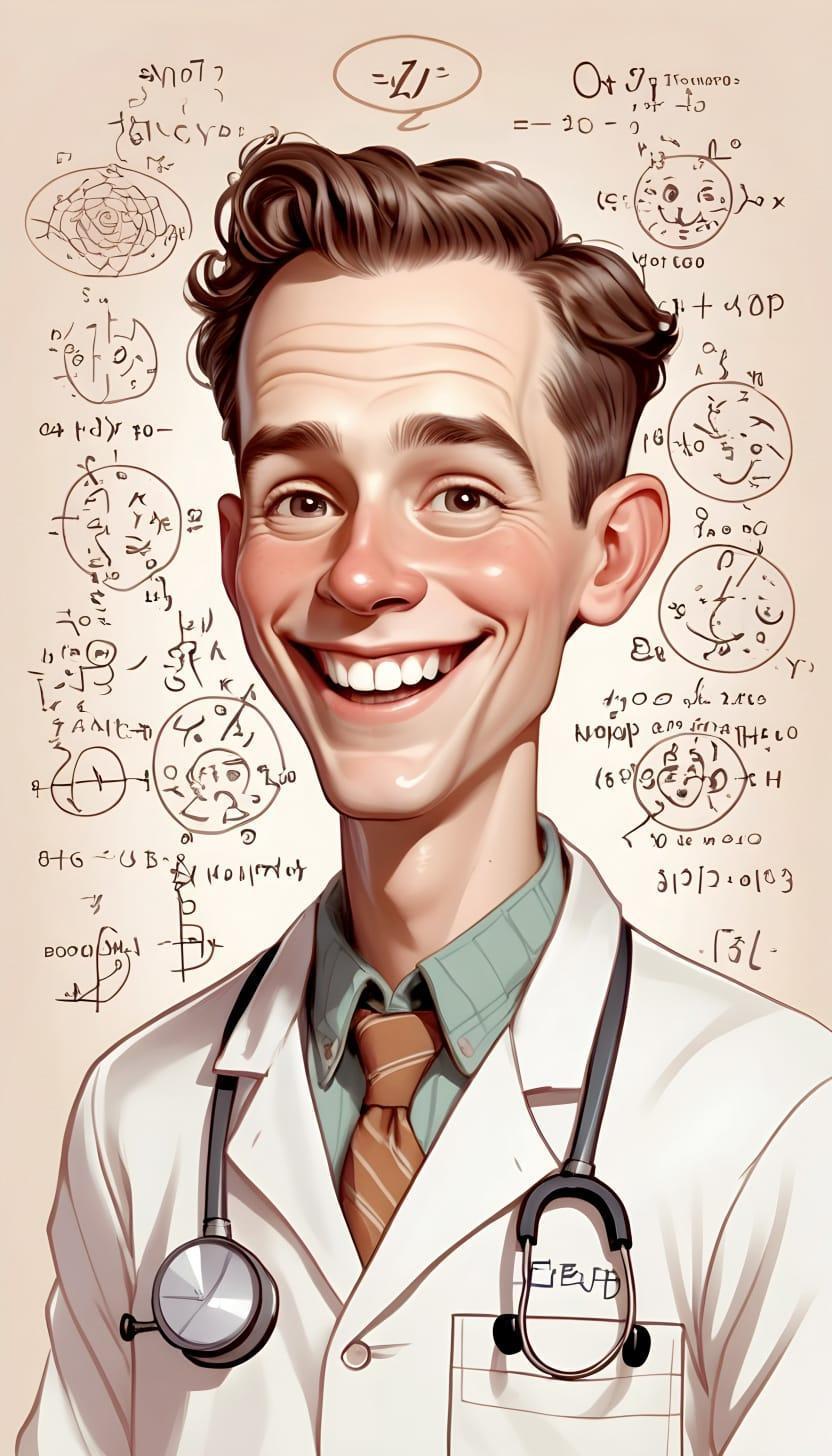
Humans have a dominant hand used for tasks requiring precision. People's eyes adjust quickly from light to dark environments. The brain processes emotions in the amygdala.

The body regulates water balance through kidneys and hormones. People's muscles contract and relax to produce movement. The brain's neurons communicate via synapses.

Human blood contains cells that fight infections. People's reflexes help protect from injury. The brain interprets visual and auditory information rapidly.

People's sense of smell can trigger strong emotional responses. The body controls temperature through sweating and shivering. The brain stores memories in multiple regions.

The skin acts as a barrier against pathogens. People can learn and adapt throughout life. The brain controls balance through the cerebellum.

Human muscles work in pairs to create movement. People's bones protect vital organs. The brain processes language and social cues.

The body's immune system defends against illness. People's senses work together to interpret the environment. The brain produces hormones that regulate mood.

Human blood types affect transfusion compatibility. People's brains create dreams during REM sleep. The skin produces oils to keep it moisturized.

The body uses nutrients from food for energy. People's muscles require oxygen for sustained activity. The brain learns through experience and repetition.

The heart adjusts rate based on physical activity. People's hair grows faster in warm weather. The brain adapts to injury through neuroplasticity.

The body stores fat as an energy reserve. People's eyes can perceive depth and motion. The brain processes taste and smell signals.

The skin protects against environmental damage. People's muscles maintain posture and balance. The brain coordinates voluntary and involuntary actions.

The body produces antibodies to fight infections. People's hearing can detect a wide range of sounds. The brain regulates sleep and wake cycles.

The heart circulates blood through arteries and veins. People's brains are capable of creativity and problem-solving. The skin senses touch, pain, and temperature changes.

The body repairs damaged tissues through cell division. People's muscles enable movement and strength. The brain integrates sensory information to guide behavior.

The human body can adapt to different climates. People's bones provide structure and support. The brain stores and retrieves long-term memories.

The body balances fluids and electrolytes for health. People's eyes work with the brain to interpret images. The brain manages coordination through the motor cortex.

The immune system detects and destroys harmful agents. People's muscles respond to signals from the nervous system. The brain influences emotions and decision-making.

The heart rhythm is controlled by electrical impulses. People's brains develop new connections throughout life. The skin heals itself after injury.

The body maintains homeostasis through complex systems. People's senses provide vital information about their environment. The brain controls voluntary movements and reflexes.

The body breaks down food for energy and nutrients. People's muscles work together for coordinated movement. The brain processes complex thoughts and language.

The immune system remembers past infections to protect people. The heart works continuously to keep blood flowing. The skin regulates temperature and prevents dehydration.

The brain can process multiple sensory inputs at once. People's bones store minerals essential for the body. The muscles contract using energy from cellular respiration.

The body produces hormones that influence mood and growth. People's brains are highly adaptable to learning new skills. The skin protects against ultraviolet radiation damage.

The heart rate increases during exercise to supply muscles. People's sensory organs provide feedback to the brain. The brain is responsible for consciousness and awareness.

The body eliminates waste through organs like the kidneys. People's muscles fatigue with prolonged use but recover quickly. The brain uses complex networks to process information.

The immune system is vital for protecting people from diseases. Human bodies continuously renew cells to maintain health. The brain enables people to experience emotions, thoughts, and memories.
Related Content
- 50th birthday
- Accountant
- Actor
- Actress
- Anniversary
- Archaeologist
- Architect
- Archivist
- Art teacher
- Astronaut
- Astronomer
- Automotive engineer
- Baker
- Banker
- Barista
- Bartender
- Beach girl
- Beautician
- Best friends
- Biologist
- Birthday
- Boss
- Bride and groom
- Bride groom
- Bride
- Broadcaster
- Brother sister
- Buddha
- Chef
- Couple fun picture
- Couple fun pictures
- Couple wedding
- Couple
- Cowboy
- Cute kids
- Doctor
- Fall girls
- Family
- Female doctor
- Female fun picture