Art teacher
- Fun pictures /
- People /
- Art teacher
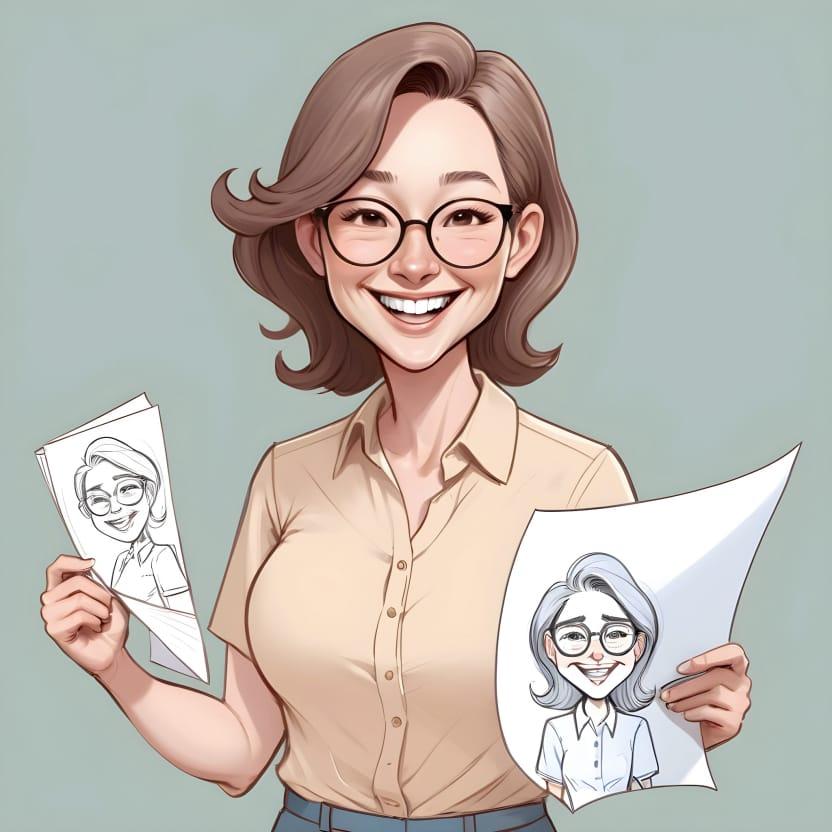
An art teacher once used only coffee and tea stains to teach watercolor shading—and the results looked like vintage sepia photos. Some art teachers use broken crayons intentionally to encourage kids to press lightly and build layering techniques. An art teacher in Vermont runs a mobile art van, bringing supplies and classes to rural communities every summer.
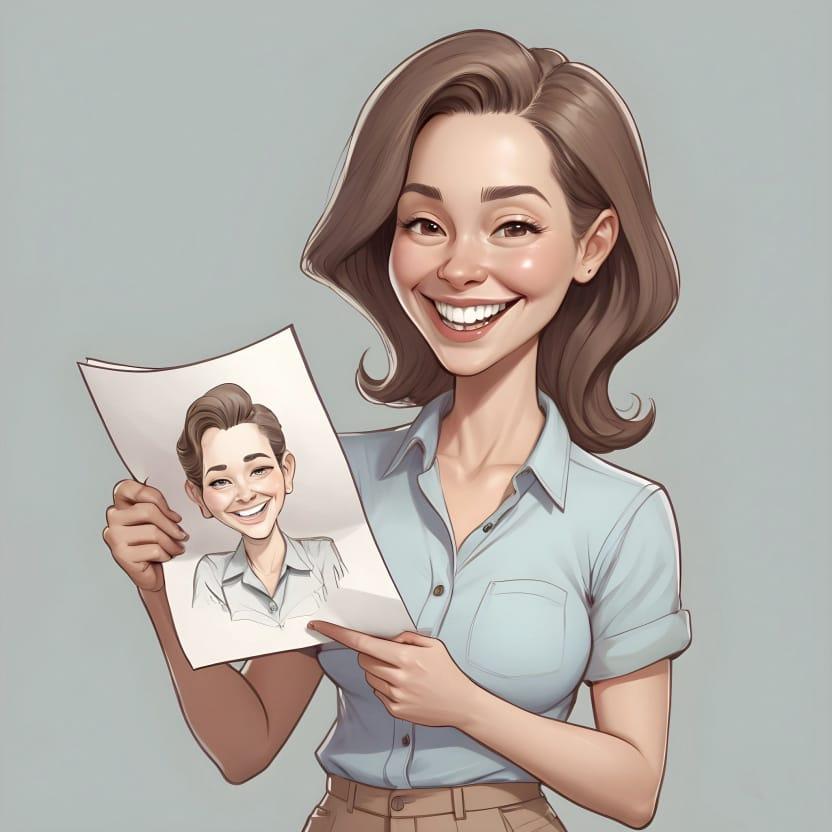
One art teacher replaced paintbrushes with vegetables for a week—students created entire landscapes using celery, carrots, and broccoli. Some art teachers secretly swap student work into gallery frames at school to surprise and encourage young artists. In the 1980s, one art teacher helped pioneer digital art lessons using an early Macintosh computer and a mouse the size of a brick.

An art teacher once helped a shy student find their voice through graffiti-style murals—years later, the student opened a street art studio. Many art teachers keep a “happy accident” box where kids can toss failed attempts—later, those scraps get reused in collage masterpieces. One art teacher wore a different artist-inspired costume every Friday, from Van Gogh's bandaged ear to Frida Kahlo’s floral crown.
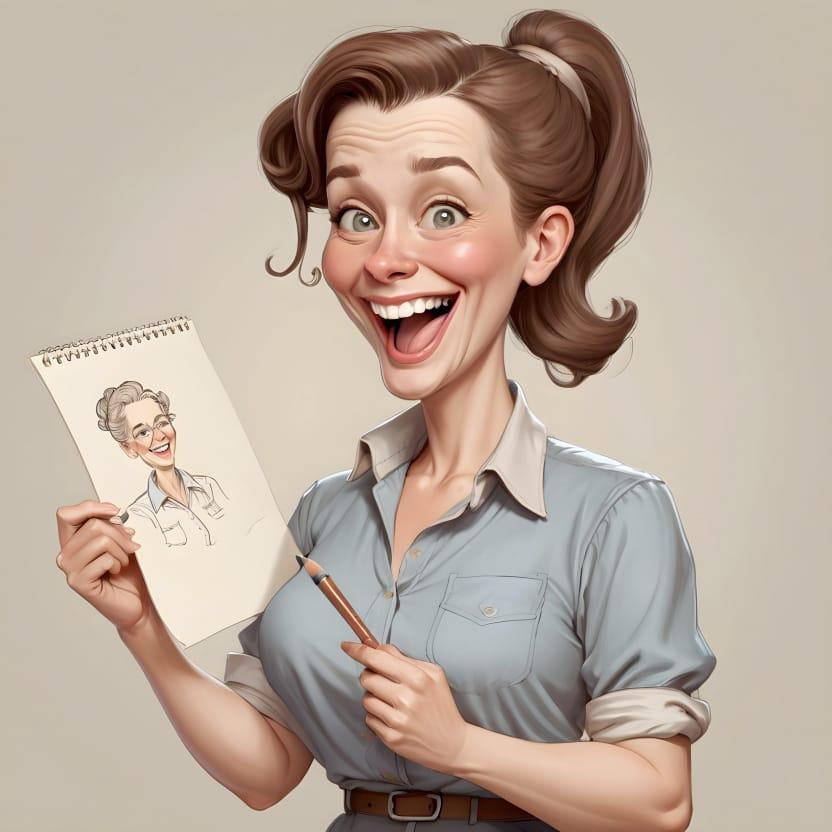
Some art teachers use music to guide brushstrokes—fast beats for bold strokes, slow rhythms for soft blending. An art teacher in New Mexico uses desert sand in mixed media projects to connect students with the local environment. A middle school art teacher transformed a janitor’s closet into a secret “art gallery” where only students exhibiting kindness get to visit.
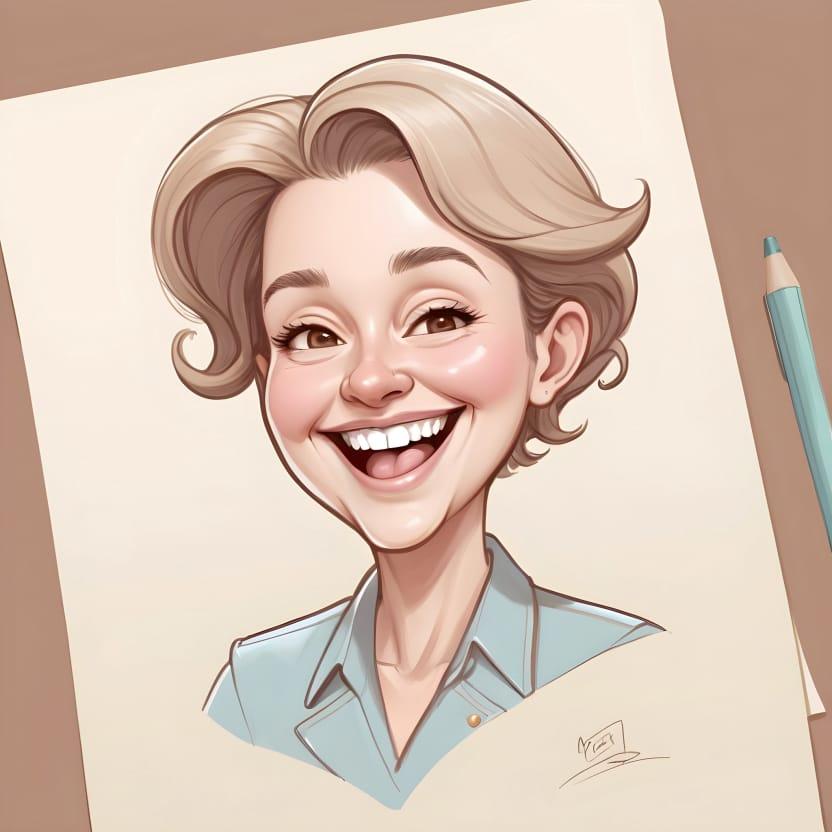
One art teacher built a full papier-mâché rainforest with their class—every bird, snake, and vine hanging from the ceiling. To teach perspective, an art teacher had students draw from the inside of a cardboard box—it gave them a whole new view. An art teacher once challenged students to create portraits without lifting the pencil—a continuous line from start to finish.

Some art teachers use classroom pets—like lizards or snails—as live drawing models, making biology and art intersect. One clever art teacher created a "paint war" day where students used safe colors to throw at canvas sheets, then discussed color theory afterward. An art teacher from Ohio has students mail their final art to children’s hospitals to brighten patients’ rooms.
A high school art teacher once invited elderly residents from a nursing home to sit as portrait models—bridging generations through art. Some art teachers reuse dried-out markers by soaking them in water to make “marker juice” for watercolor painting. An art teacher in Oregon painted a mural with students across 25 feet of hallway, celebrating every culture represented in the school.
To explore abstract art, an art teacher blindfolded students and had them paint to classical music. A young art teacher let students create stamps from potatoes to explore printmaking on old T-shirts. One art teacher taught color mixing using only candy—red licorice, blue gummy bears, and yellow lemon drops.
An art teacher once gave students only black paper and white paint for a week, forcing them to explore light instead of color. Some art teachers build cardboard cities with students, then “light them up” using mini battery-powered LEDs. An art teacher started a tradition where each student adds one brushstroke to a canvas that hangs in the hallway all year.
A creative art teacher taught symmetry using insects—students designed their own colorful beetles and butterflies. One art teacher turned spilled paint accidents into lessons on improvisation and design. Some art teachers keep a “no-eraser” week to help students commit to their ideas without overthinking.
A California art teacher taught sculpture using only recycled items—students built animals from bottle caps and wire hangers. Some art teachers create “mystery boxes” filled with random items students must use in a project. An art teacher once taught cave painting techniques by having students draw with charcoal on brown paper in the dark.
An art teacher who traveled the world brings in dirt from different countries to mix with paint and explore earthy tones. To boost creativity, some art teachers use meditation sessions before students begin their artwork. An art teacher in Texas once used makeup palettes and brushes to teach blending and facial structure.
A bold art teacher let students paint the classroom walls with temporary murals—new theme each semester. One art teacher taught animal anatomy by having students sculpt skeletons out of clay, piece by piece. An art teacher had students draw while upside down to train their observation skills.

Some art teachers introduce animation with flipbooks before touching a screen. An art teacher from Florida taught storytelling through comic strips, helping students develop narrative and sequence. To explore texture, one art teacher filled sensory boxes with mystery materials students had to draw without seeing.
A resourceful art teacher used old CDs to create mosaic suns and stars with their class. One art teacher created a class “art market” where students could trade projects for art supplies. Some art teachers run mini film festivals where students animate clay characters they designed.
An art teacher taught a “paint with nature” day—students used sticks, feathers, and leaves instead of brushes. To teach realism, one art teacher brought in fresh fruit and challenged students to paint them before they rotted. An art teacher once used sidewalk chalk murals to create community-wide projects across town.

A middle school art teacher made a “passport to art” book where students collected stamps for trying different styles. Some art teachers teach proportion by having students draw life-size versions of their own hands or feet. One art teacher once buried student clay sculptures in the garden for a month to mimic aging effects.
To teach emotional expression, an art teacher had students paint using only three colors that represented their mood. An art teacher once turned her classroom into an “art escape room” with clues hidden in paintings. Some art teachers introduce origami to help students connect geometry with design.

An art teacher had students write love letters to their favorite color, then paint something inspired by it. One art teacher created “art yoga,” where each pose corresponded to a brushstroke or shape. To teach surrealism, an art teacher had students combine random objects—like a toaster with wings or a fish in a shoe.
An art teacher used cloud-watching as a launchpad for creative sketching—turning sky shapes into characters. Some art teachers swap final critiques with “art parades,” letting kids show off work while classmates cheer them on. An art teacher once hid tiny painted pebbles across campus, and each one held a clue to a bigger class project.