Chef
- Fun pictures /
- People /
- Chef

The role of a chef goes far beyond just cooking; it includes creativity, leadership, and managing a kitchen team. In ancient Rome, cooks were highly regarded and sometimes became wealthy, much like today’s famous chefs. The word “chef” comes from the French term “chef de cuisine,” meaning head of the kitchen.

Many chefs train for years in culinary schools before mastering their skills in real kitchens. A chef’s knife is one of the most important tools, often sharpened daily for precision and safety. Some chefs specialize in pastry, while others focus on savory dishes, showing the diversity in culinary careers.

Famous chefs like Julia Child helped popularize cooking at home with accessible recipes and approachable teaching. The Michelin Guide awards stars to restaurants, and chefs strive hard to earn and keep these prestigious marks. In a busy kitchen, chefs must stay calm and organized to keep dishes coming out perfectly and on time.

The “brigade system” in kitchens was created by Chef Auguste Escoffier to organize tasks and improve efficiency. Chefs often taste dishes multiple times during cooking to balance flavors just right. Sous chefs are the second-in-command, helping the chef run the kitchen smoothly.
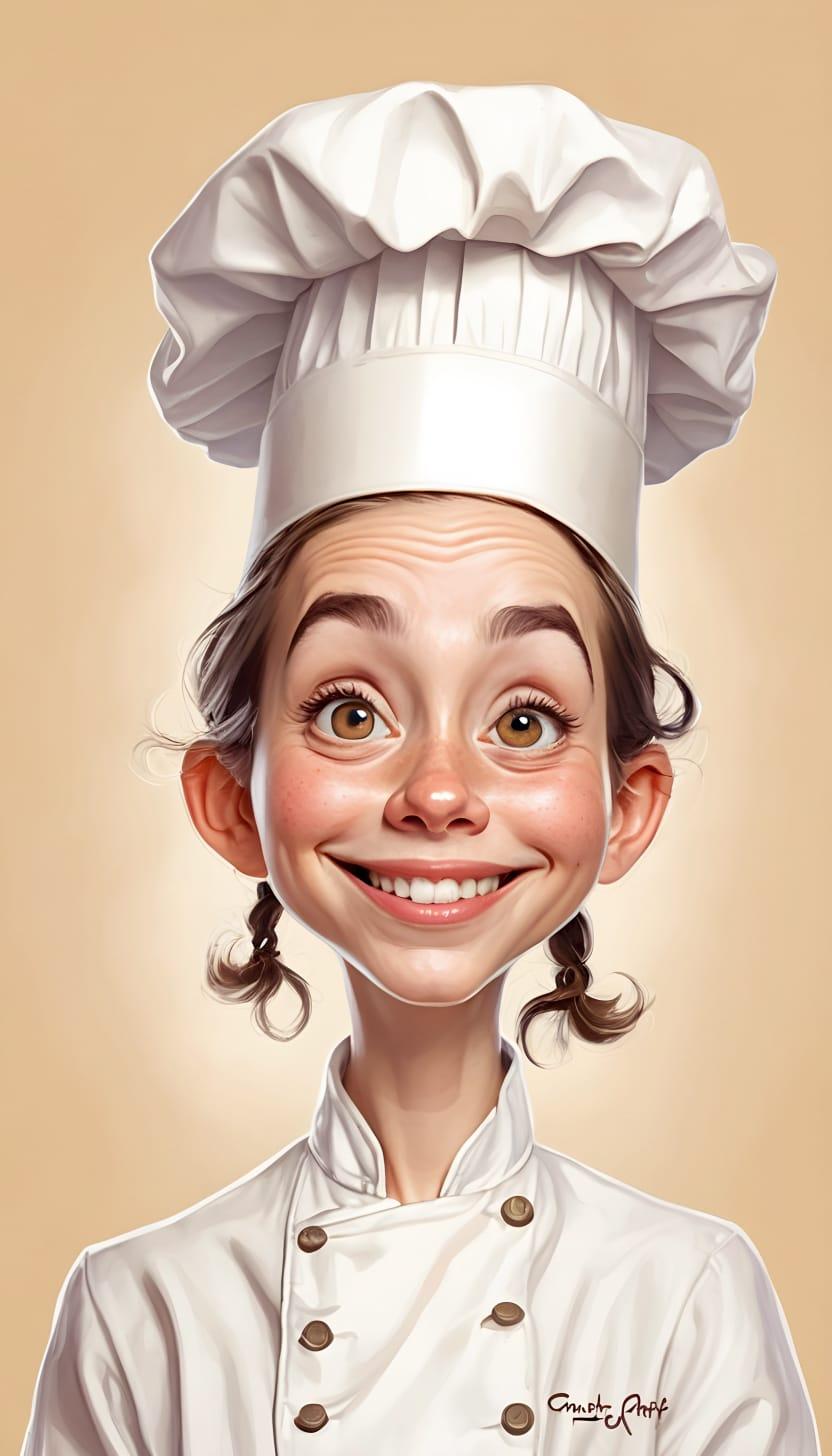
Many chefs develop their own signature dishes that reflect their style and creativity. A chef’s palate is trained to detect subtle differences in taste, aroma, and texture. In some cultures, being a chef is a family tradition passed down through generations.
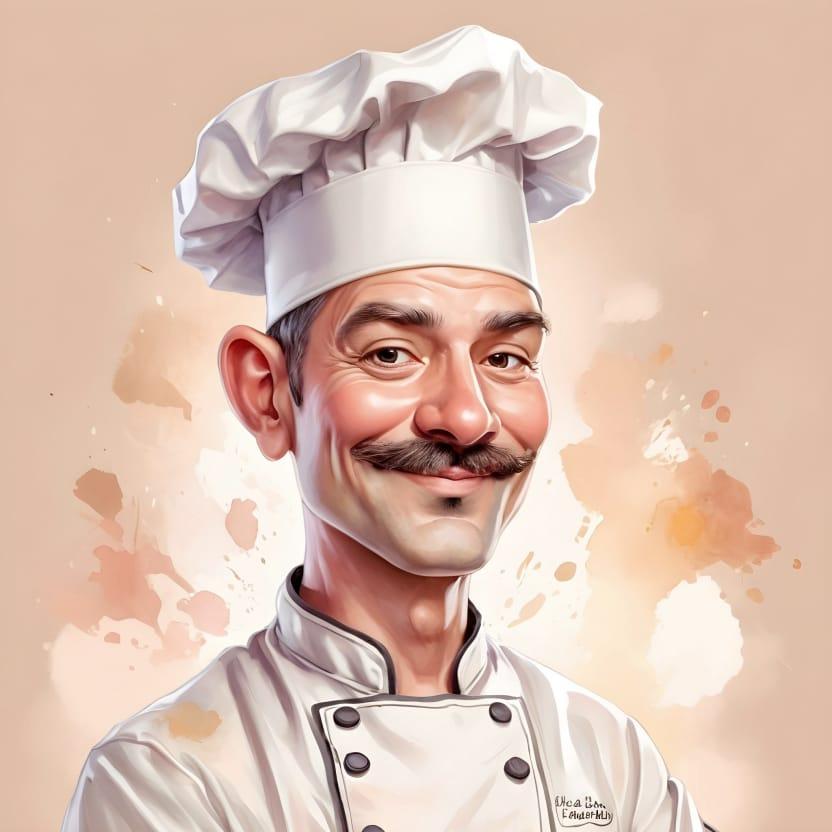
Chefs often work long hours, especially during holidays and weekends, showing dedication to their craft. The kitchen environment can be hot and stressful, so chefs build stamina and focus to perform well. Food presentation matters a lot; chefs carefully plate dishes to please both the eye and the palate.

Chefs experiment with new ingredients and cooking methods to create unique dining experiences. Farm-to-table is a popular trend where chefs use fresh, local ingredients to support sustainability. Many chefs travel to learn international cuisines and bring new ideas back to their kitchens.

The “chef’s hat” or toque has many pleats, traditionally said to represent the number of ways a chef can cook an egg. Cooking shows and competitions have made chefs into celebrities, inspiring millions worldwide. Chefs must balance creativity with the practical demands of running a profitable kitchen.

Some chefs focus on healthy cooking, adapting recipes to fit dietary needs and preferences. A good chef also knows how to manage food costs and reduce waste to keep the business sustainable. Behind every great meal, there’s often a chef who has perfected the recipe through trial and error.
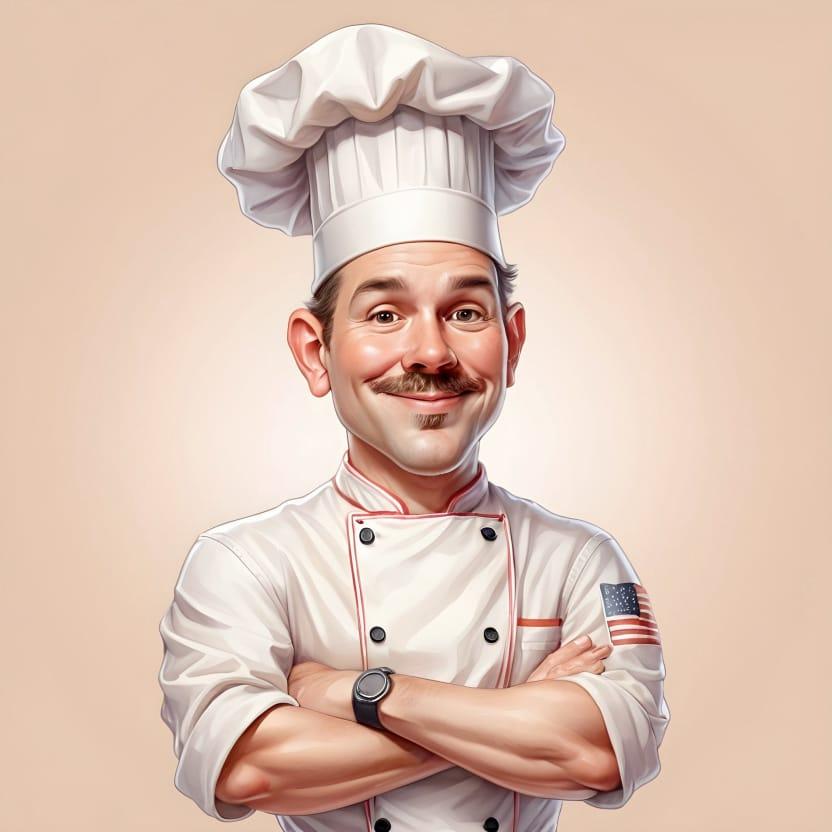
Cooking techniques like searing, braising, and roasting require precise timing and temperature control. Chefs learn to work quickly without sacrificing quality, especially in busy restaurant settings. The chef’s personality often shines through their cooking style and choice of dishes.

Many chefs keep journals or recipe books to document their experiments and improvements. Some chefs are also great teachers, passing on skills to apprentices and young cooks. Food safety is a crucial part of a chef’s job to prevent contamination and illness.

Innovative chefs sometimes use molecular gastronomy, mixing science and cooking to surprise diners. Chefs often build close relationships with farmers, fishermen, and suppliers for the best ingredients. The kitchen hierarchy helps chefs delegate tasks and maintain order during service.

In some cultures, chefs are respected artisans who contribute to national identity through cuisine. Chefs adapt traditional recipes to modern tastes while preserving cultural heritage. Many chefs aim to create dishes that evoke emotions and memories in diners.

Learning from mistakes is common in a chef’s journey toward perfection. Some chefs balance work in the kitchen with writing cookbooks or hosting TV shows. The best chefs keep curious minds, always eager to learn new skills or discover flavors.

The title “chef” is protected in some countries, requiring formal certification to use it professionally. Chefs’ uniforms are designed for safety, comfort, and professionalism during long shifts. Pressure and teamwork are constants in a kitchen, making good communication essential for chefs.

Some chefs use foraging to find wild ingredients, adding unique flavors to their menus. Chefs often participate in charity events and food festivals to share their passion with the community. The balance between tradition and innovation keeps the culinary world exciting for chefs and diners alike.

Chefs have influenced culture beyond food, inspiring fashion, art, and even music. Many chefs develop expertise in wine or beverage pairings to complement their dishes. The sensory skills of smell, taste, sight, and touch are sharpened over years of experience for chefs.

Food plating can tell a story, and chefs use colors, shapes, and textures to create visual appeal. Chefs sometimes compete in contests worldwide, showcasing their skills and gaining recognition. The rise of plant-based diets challenges chefs to innovate with vegetables and alternative proteins.

A chef’s creativity often extends to menu design, balancing classics with seasonal specialties. Chefs use heat in different ways to unlock flavors, from gentle steaming to intense grilling. Many chefs say passion for food and people is what drives them through tough days.
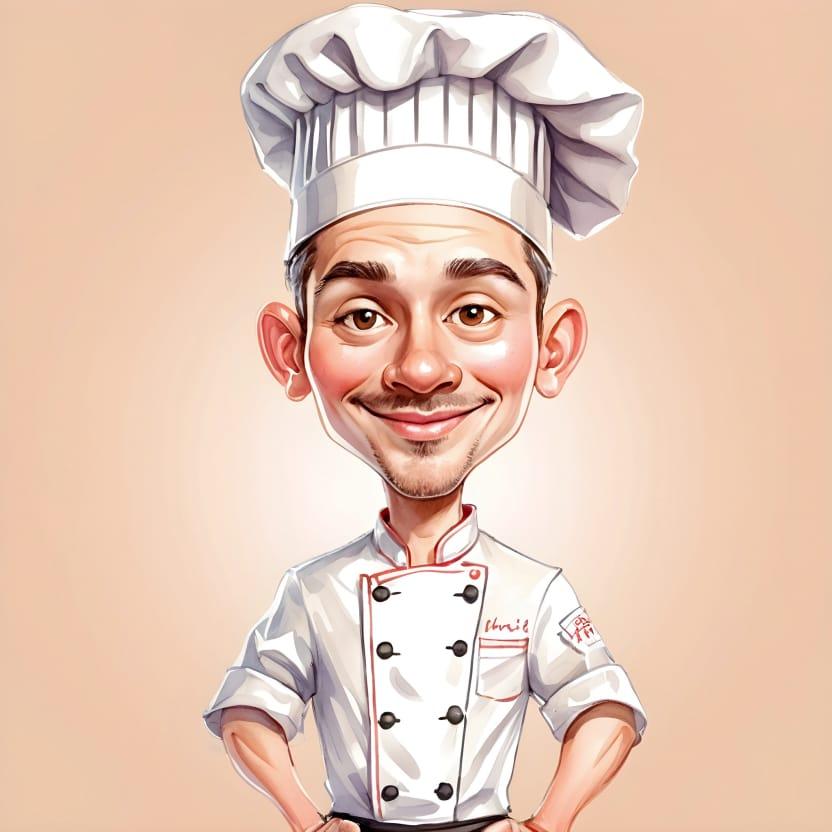
A chef’s influence reaches beyond the kitchen, shaping how we experience food and culture. Collaboration among chefs encourages sharing ideas and pushing culinary boundaries. The path of a chef is one of continuous learning, adapting, and creating delicious moments.