Beautician
- Fun pictures /
- People /
- Beautician

A beautician isn’t just someone who makes you look good—they’re skilled artists who understand skin, hair, and style. The first beauty salons appeared in the early 20th century when women began seeking professional help for skincare and haircare. In ancient Egypt, beauticians used natural ingredients like honey and milk to create luxurious treatments that are still popular today.

Many beauticians learn not only about makeup and hair but also about health and hygiene to keep clients safe and happy. The term “beautician” covers a wide range of professionals, from hairstylists to skincare experts, all focused on enhancing beauty. A beautician often has to stay updated on trends, techniques, and new products to give clients the best care possible.
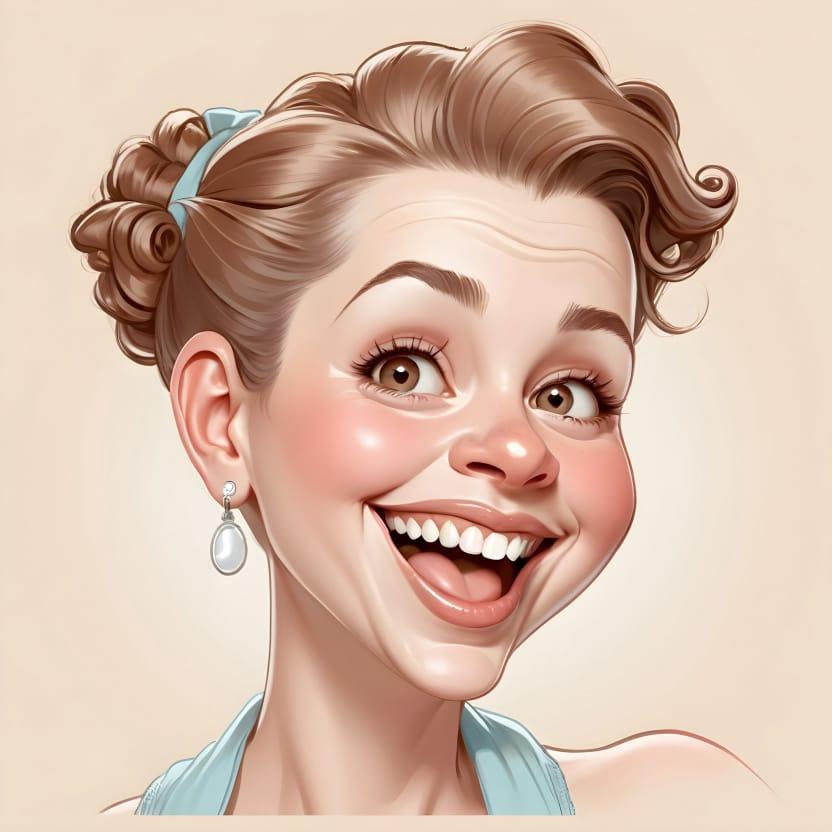
Did you know that some beauticians use LED light therapy to treat acne and improve skin tone? This technology has grown popular in salons worldwide. The average beautician career involves working with many different people, which means strong communication skills are just as important as technical skills. Back in the day, beauticians were often considered trusted advisors because clients shared personal stories during treatments.
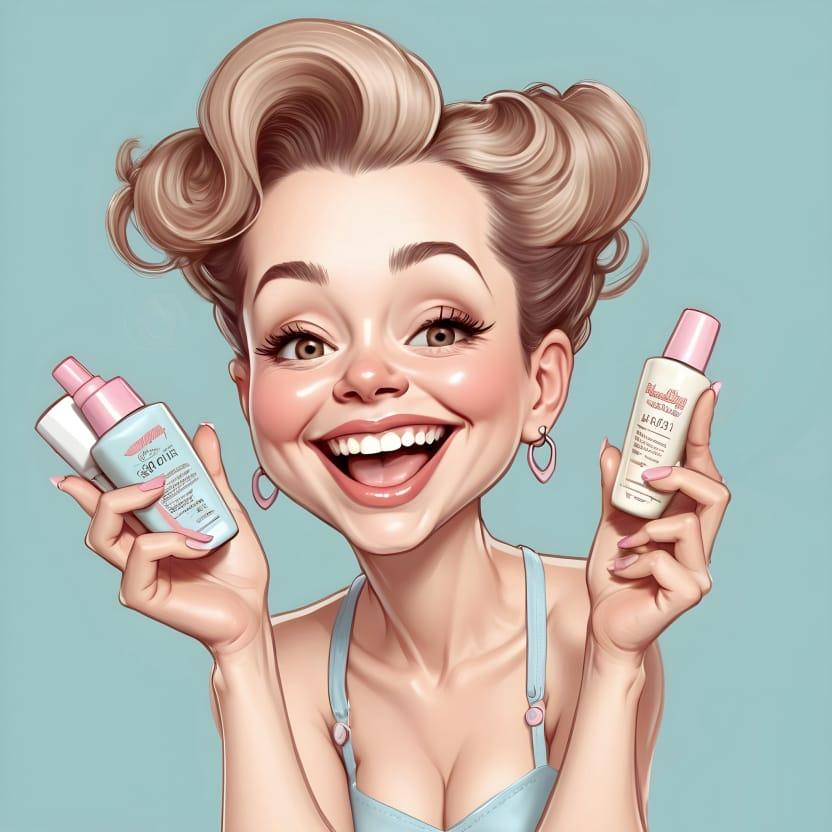
Beauty treatments like facials and massages date back thousands of years, but modern beauticians combine these traditions with science. A beautician’s toolkit can include anything from scissors and brushes to lasers and chemical peels, depending on their specialty. The job of a beautician often requires standing for long hours, which is why comfort and ergonomics are key to a successful career.
In Japan, beauticians have mastered the art of subtle makeup that enhances natural features rather than covering them up. Becoming a licensed beautician usually requires both classroom education and hands-on training to meet safety and quality standards. The beauty industry is huge: beauticians play a vital role in a market expected to reach hundreds of billions of dollars globally.
Some beauticians specialize in bridal makeup, creating looks that last all day and photograph beautifully. Interestingly, the skills of a beautician can also help boost clients’ confidence and self-esteem, making the job rewarding beyond appearances. Nail art, a popular beautician service today, has roots in ancient cultures like China and India, showing how beauty trends evolve over time.
A beautician may use organic and cruelty-free products to cater to clients who prefer eco-friendly beauty routines. Makeup techniques developed by beauticians have influenced Hollywood and fashion, shaping how we see celebrities and models. Many beauticians start their careers in small salons before opening their own businesses, turning passion into entrepreneurship.
The average beautician can handle everything from a simple haircut to complex chemical treatments like perms and relaxers. In some cultures, beauticians are considered part of important rituals, such as weddings or coming-of-age ceremonies. Certain beauticians focus on men's grooming, helping break the stereotype that beauty care is only for women.
Becoming a beautician requires learning about allergies and skin sensitivities to avoid causing harm during treatments. Advanced beauticians may offer services like microblading, a semi-permanent eyebrow technique that’s taken off in popularity. A beautician’s role can also include educating clients on proper skincare routines to maintain results at home.
Social media has boosted beauticians’ visibility, allowing them to showcase their work and attract new clients worldwide. Many beauticians develop close relationships with their clients, becoming a trusted part of their regular self-care. The word “beautician” itself comes from “beauty,” reflecting the core mission of enhancing appearance and confidence.
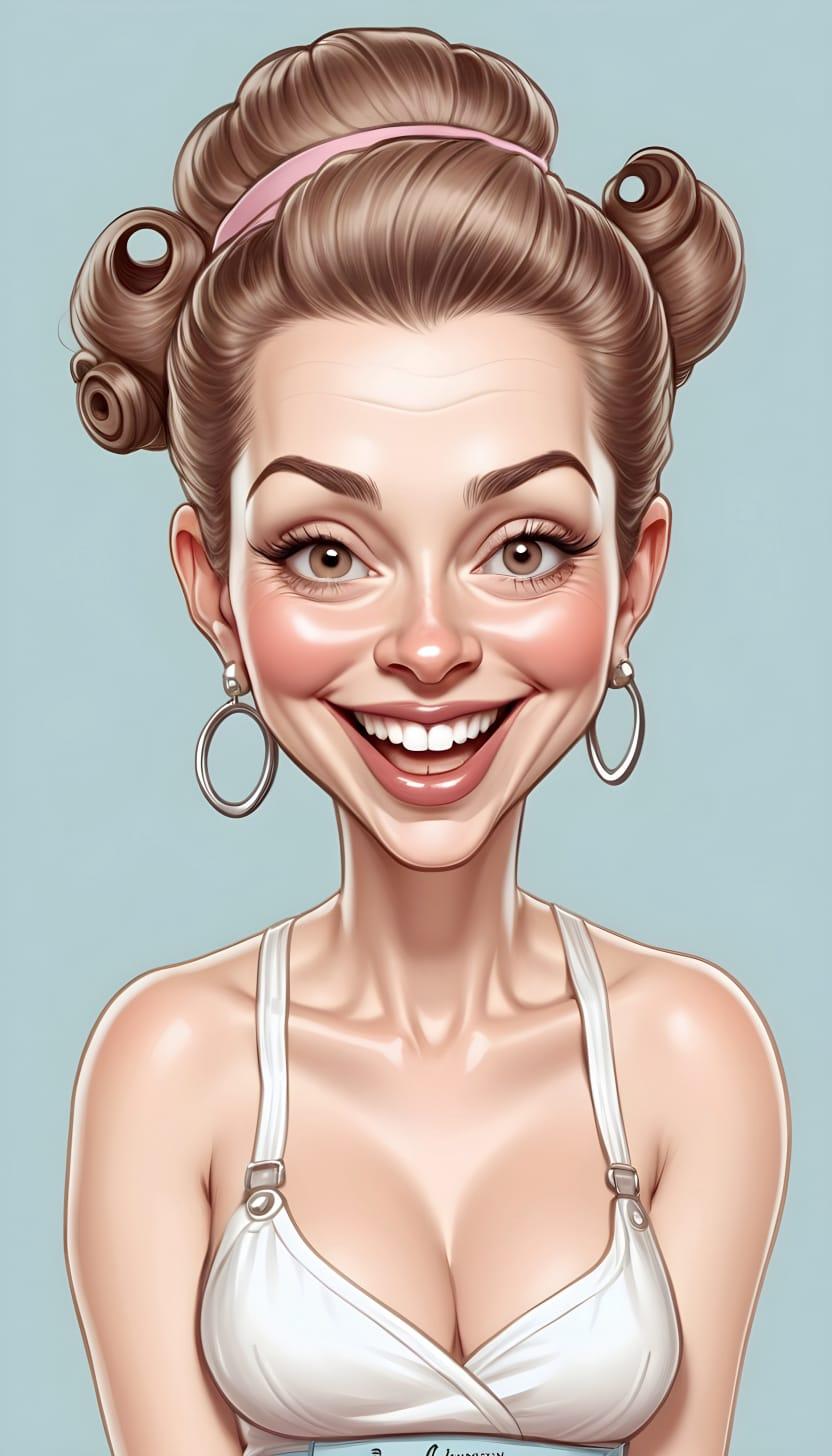
Some beauticians work behind the scenes in theater and film, helping actors transform into their characters. Training programs often include lessons on business management, helping beauticians run successful salons. Technology like 3D printing is starting to influence beauty tools and prosthetics, changing how beauticians work.
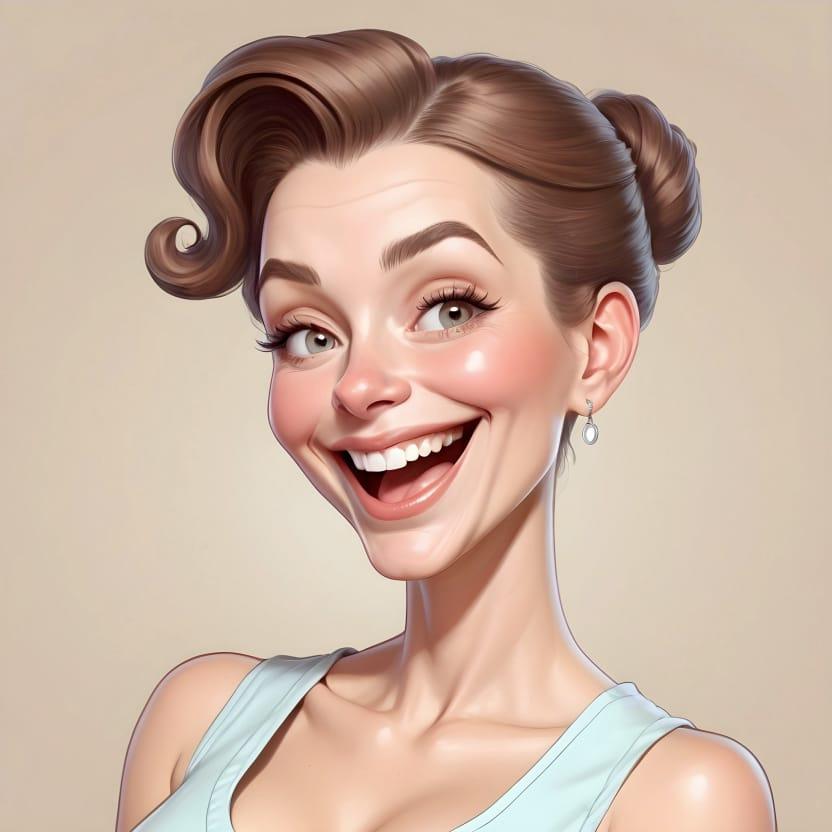
The oldest known beauty manual dates back to 1550 BC Egypt, showing that beauticians have long shared tips for skincare. Professional beauticians must follow strict sanitation rules to prevent infections and ensure client safety. Many beauticians attend trade shows and conferences to learn about cutting-edge products and techniques.
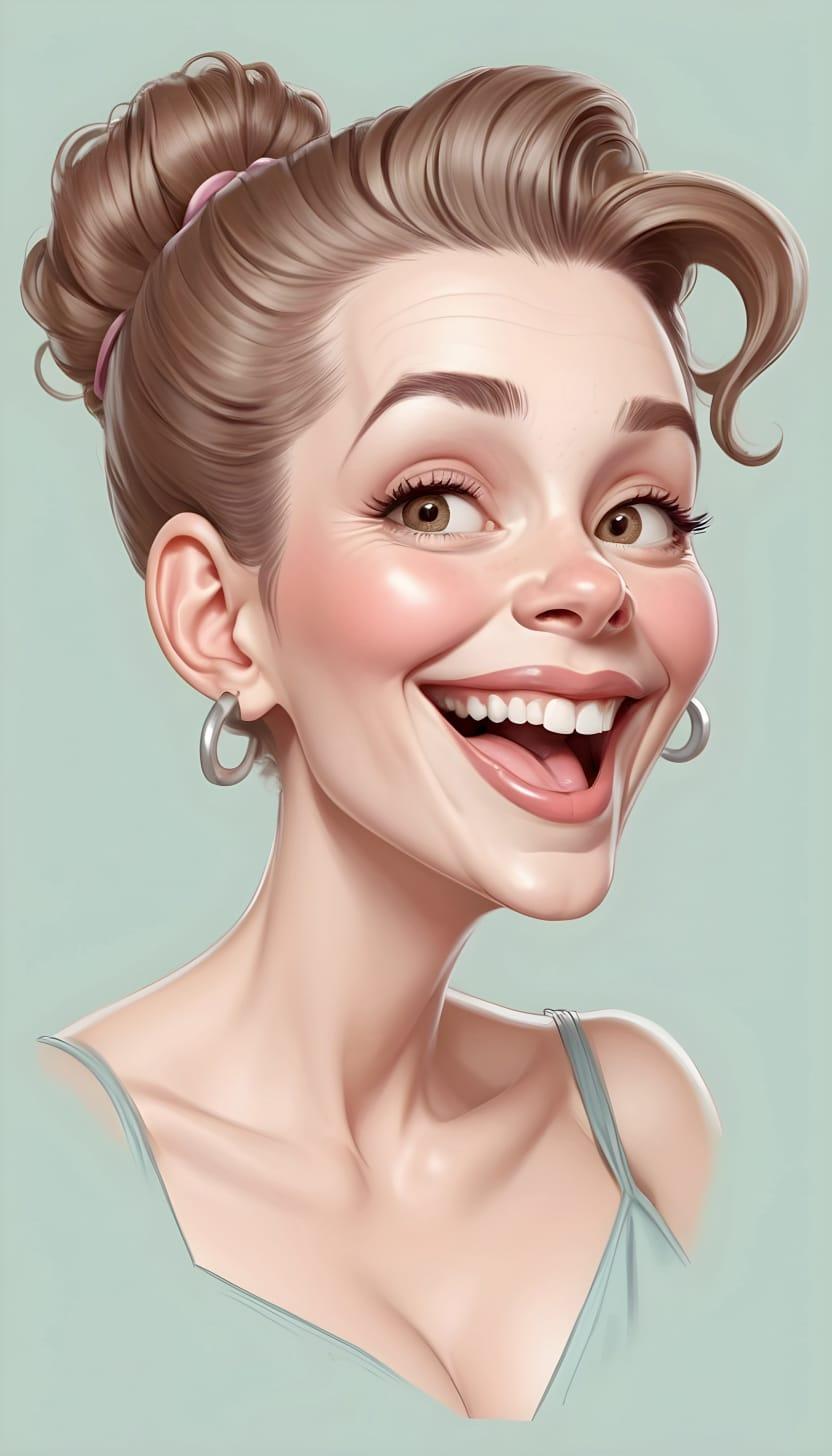
In some countries, beauticians must pass state exams and renew licenses regularly to keep their skills sharp and legal. The beautician profession is mostly female-dominated, but more men are entering the field, bringing fresh perspectives. Massage therapy is often part of a beautician’s services, helping clients relax and improve circulation.
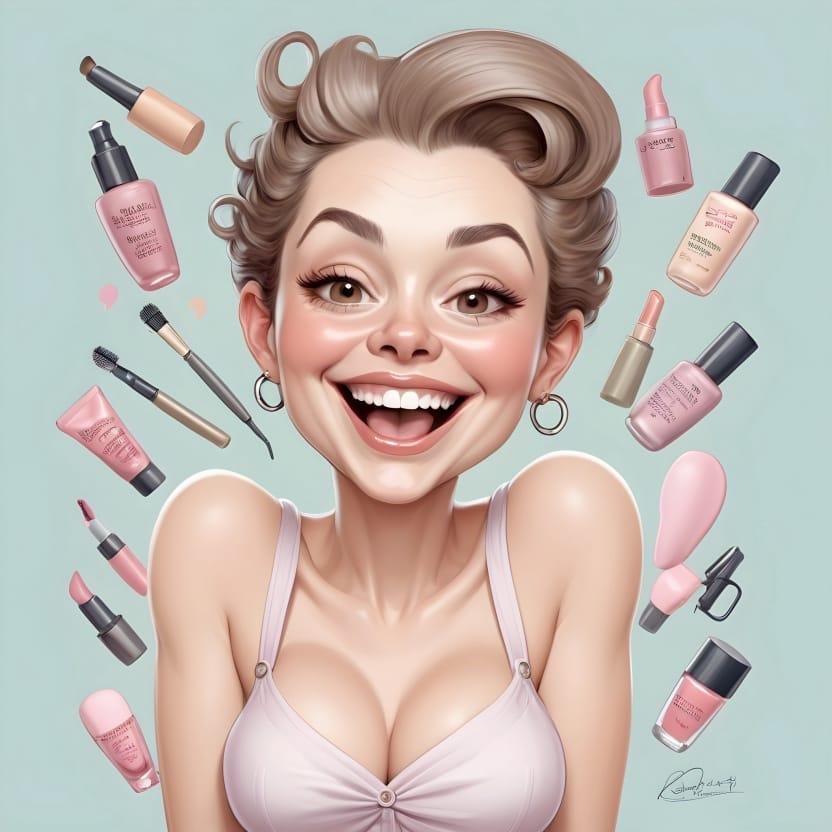
Natural remedies like aloe vera and green tea are common ingredients beauticians use for calming and healing the skin. Some beauticians specialize in corrective makeup, helping cover scars or skin conditions with skill and care. Beauty contests have historically relied on beauticians to prepare contestants for stage and camera.
Eco-conscious beauticians recycle product containers and avoid harmful chemicals to reduce environmental impact. A beautician’s ability to listen and understand clients’ desires is crucial to delivering satisfying results. Many beauticians enjoy a flexible schedule, especially those who freelance or run private studios.
Certain beauty treatments offered by beauticians can stimulate collagen production, helping skin stay youthful. Celebrity beauticians sometimes become famous themselves, influencing global beauty trends. Online tutorials by beauticians help everyday people learn new makeup and hair skills from home.
A beautician’s work often blends art and science, requiring creativity alongside knowledge of anatomy and chemistry. Some beauticians travel internationally to learn new techniques or teach workshops to other professionals. The rise of men’s grooming products has created new opportunities for beauticians to expand their client base.
The term “beautician” is sometimes used interchangeably with “cosmetologist,” but in some places, they have different legal meanings. Many beauticians recommend sunscreen as a daily essential, highlighting their role in skin health, not just aesthetics. The rise of cruelty-free beauty has led many beauticians to seek products that do not test on animals.
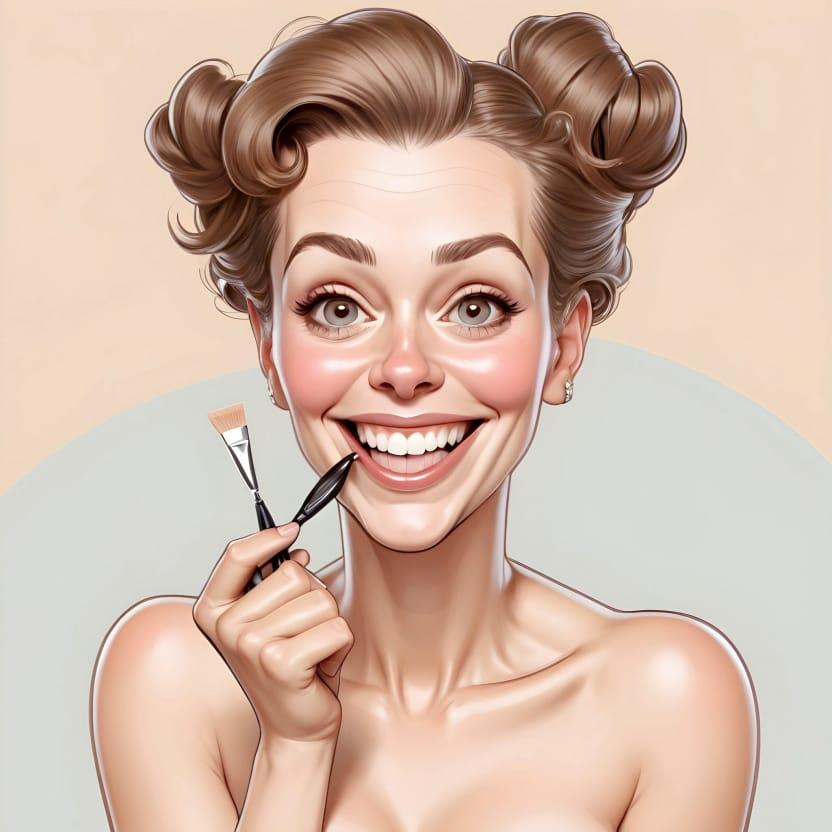
A beautician’s role includes knowing how to handle emergencies like allergic reactions or minor burns safely and calmly. Seasonal changes affect skincare routines, so beauticians often adjust treatments according to weather and client needs. Many beauticians are skilled in color theory to choose makeup and hair shades that complement skin tones perfectly.
Working as a beautician means constant learning, as beauty trends and technologies evolve quickly. Their work goes beyond looks, often helping people feel more confident and ready to face the world. The profession combines skill, creativity, and empathy, making beauticians key players in the wellness and self-care industries.