Doctor
- Fun pictures /
- People /
- Doctor

Doctors have been around for thousands of years, with the earliest known medical texts dating back to ancient Egypt. They combined practical treatments with spiritual beliefs. The word "doctor" comes from the Latin word "docere," meaning "to teach," showing doctors were once seen as teachers of knowledge. In medieval times, doctors often used astrology to diagnose patients, believing the stars influenced health.
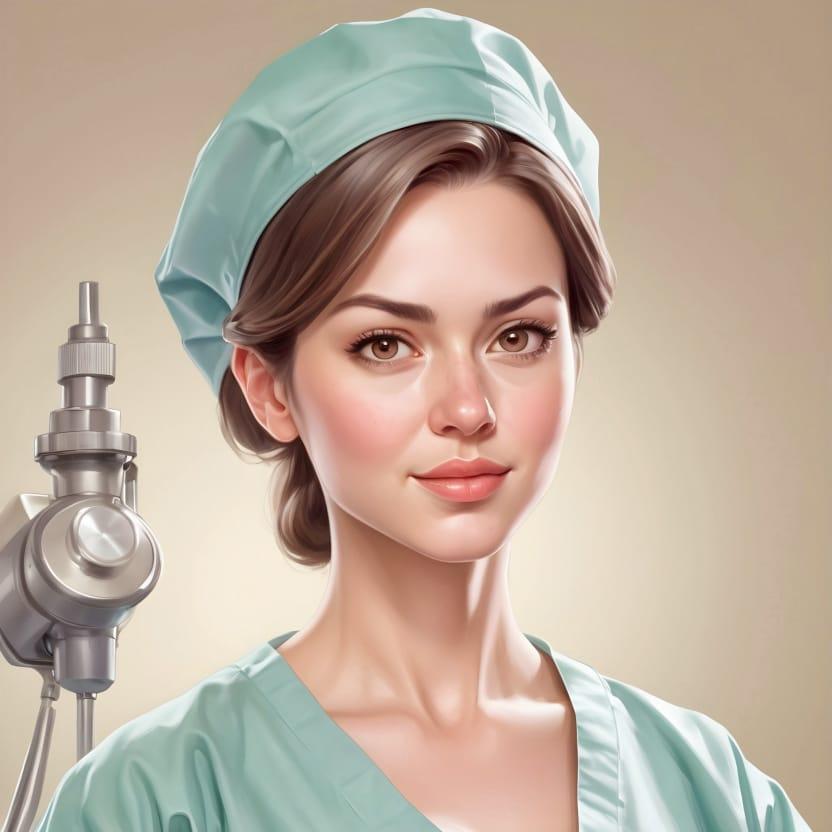
Some doctors in history performed surgeries without anesthesia, making it a painful and risky experience for patients. Modern doctors use stethoscopes, invented in 1816 by René Laennec, which revolutionized how they listen to the heart and lungs. Doctors often specialize in different areas, like pediatrics for kids or cardiology for heart issues, to provide focused care.
In the 19th century, doctors began using antiseptics, which drastically reduced infections after surgery. Doctors rely on the placebo effect, where a patient’s belief in treatment can actually help them heal. Some of the most famous doctors, like Hippocrates, are considered the "father of medicine" because they laid the groundwork for modern medical ethics.

Doctors today use advanced technology like MRI machines to see inside the body without surgery. In history, doctors used leeches for bloodletting, believing it could cure many illnesses. Doctors must pass rigorous training and exams before they can treat patients, ensuring safety and skill.
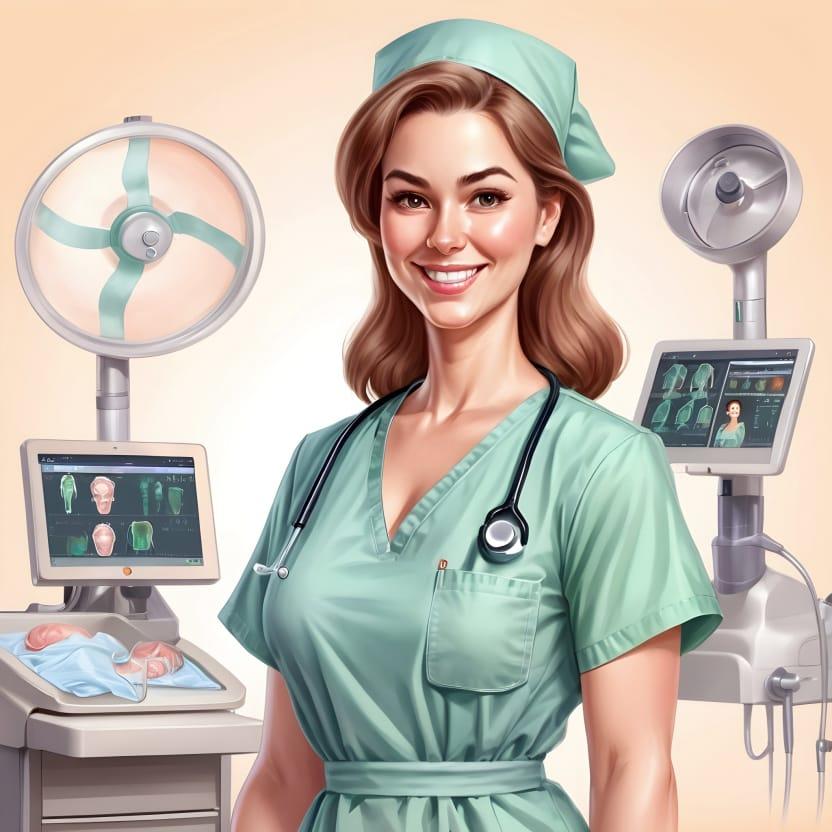
The first female doctor in the U.S., Elizabeth Blackwell, graduated in 1849 and paved the way for women in medicine. Doctors often work long hours, especially during emergencies, to care for their patients around the clock. Telemedicine lets doctors consult with patients remotely, making healthcare more accessible.

Doctors sometimes use humor as a way to connect with patients and ease their worries. The Hippocratic Oath is an ethical guide doctors take, promising to do no harm and keep patient secrets. Doctors have been key players in eradicating diseases like smallpox through vaccination programs.

Doctors use medical journals to share discoveries and improve patient care worldwide. Some doctors are also researchers, working to find cures for diseases like cancer. Doctors can prescribe medications that help the body heal or manage symptoms.

Doctors learn anatomy by studying cadavers, which helps them understand how the body works. Medical errors can happen, so doctors use checklists to improve safety during treatments. Doctors often rely on teams of nurses and specialists to provide the best care possible.
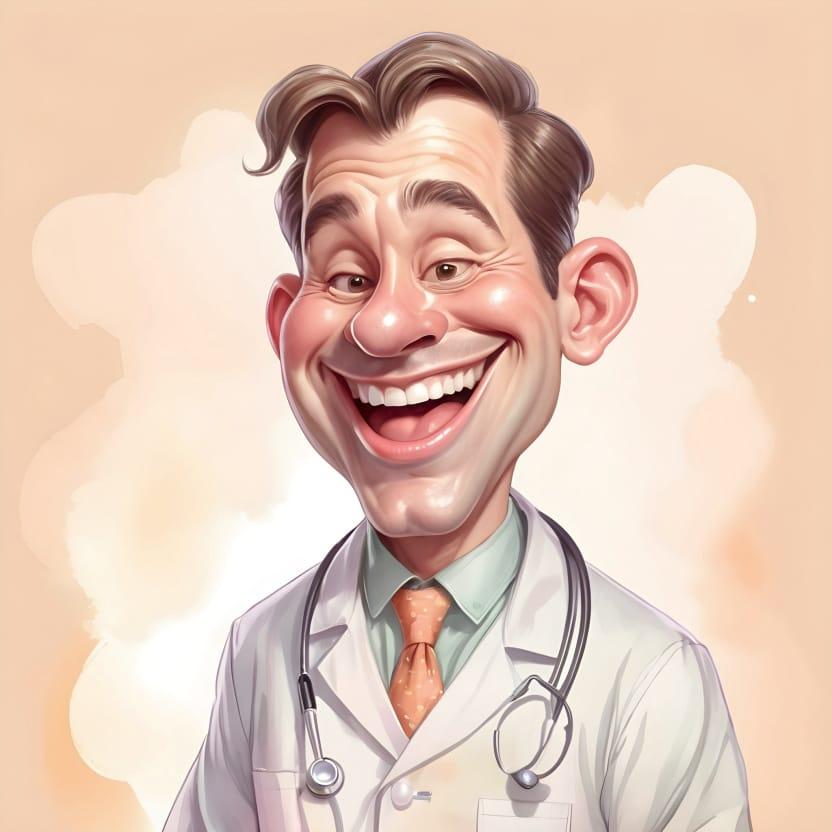
In ancient Rome, doctors were often slaves trained in medicine, unlike today’s highly educated professionals. Doctors sometimes specialize in rare fields like forensic medicine, helping solve crimes. Doctors use diagnostic tools like blood tests and X-rays to figure out what’s wrong.

Doctors can work in many places — hospitals, clinics, research labs, or even space missions. Doctors' white coats help patients identify them quickly and also keep germs away. Doctors sometimes participate in humanitarian missions, providing care in disaster zones.
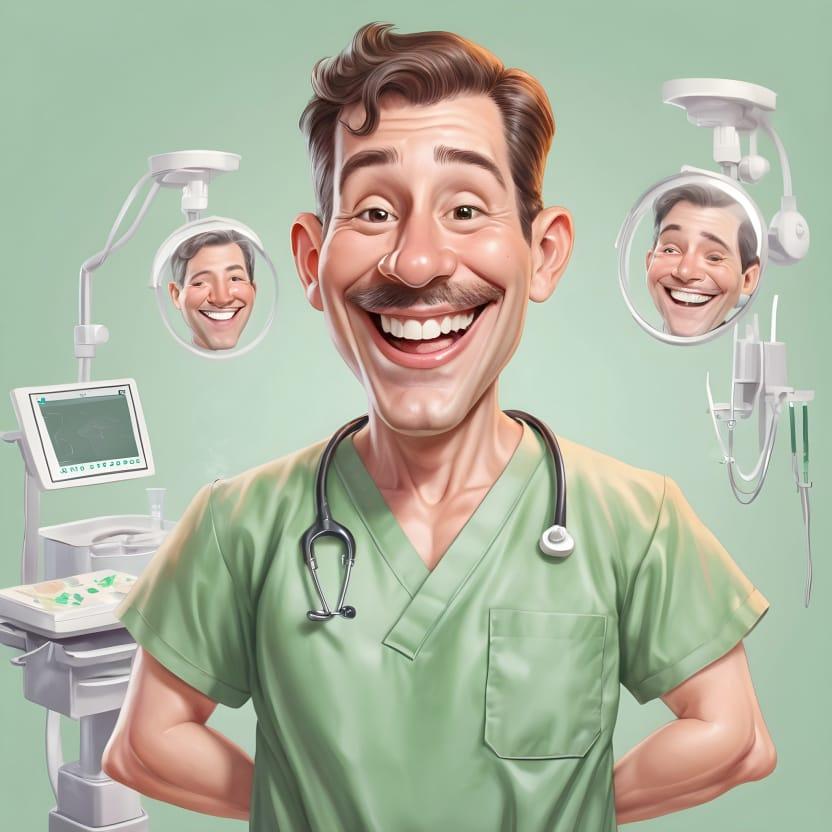
Doctors often face emotional challenges, supporting patients through tough times. The title "doctor" isn’t just for medicine; it’s used in many academic fields, but medical doctors save lives. Doctors use vaccines to train the immune system, preventing dangerous infections.
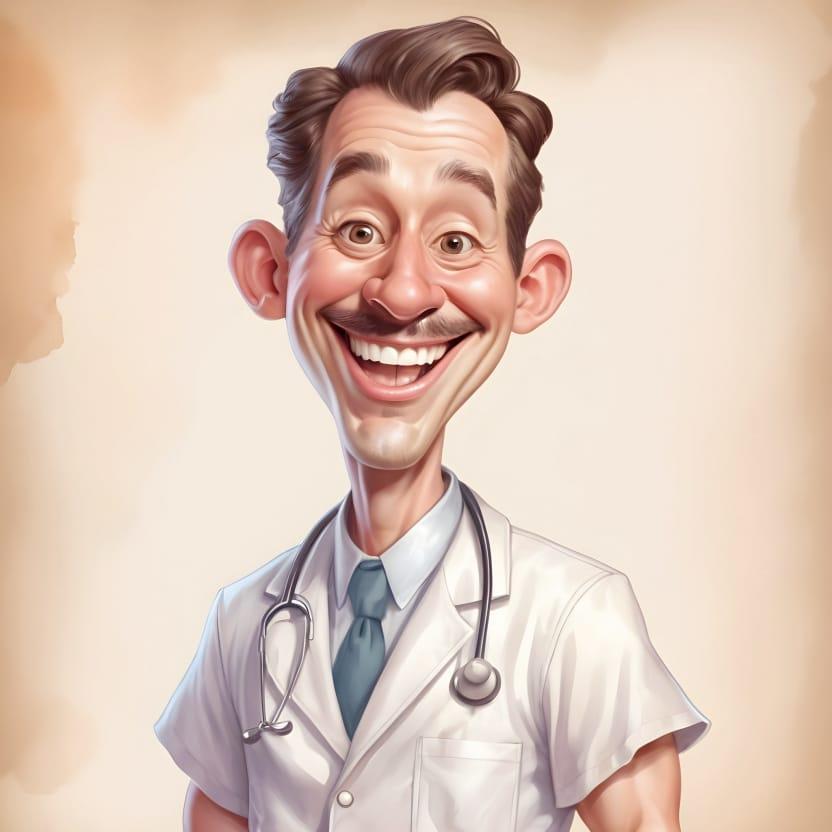
Doctors have to stay updated with new research to give the best treatments possible. Medical schools include practical training, so doctors get hands-on experience before working independently. Doctors' tools have evolved, from simple scalpels to robotic surgical systems.

Doctors sometimes diagnose rare conditions that puzzle even the smartest experts. Doctors must balance science with compassion to treat patients as whole people. Doctors' work has saved millions of lives over centuries by advancing knowledge and care.
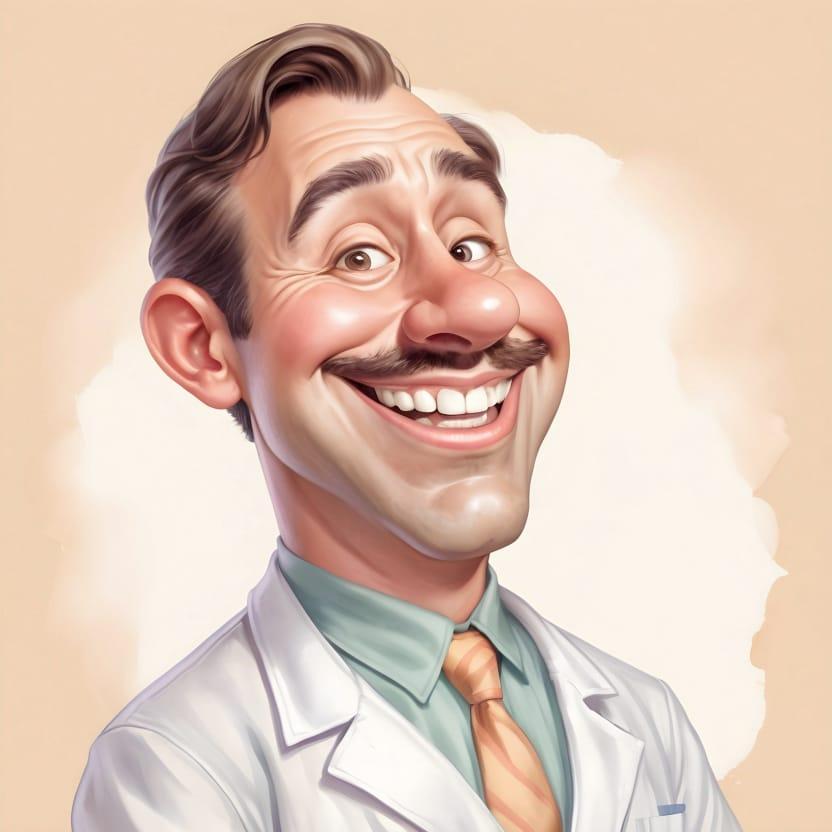
Doctors played crucial roles during pandemics, like the 1918 flu and COVID-19, risking their own health. Doctors use patient histories to understand symptoms and tailor treatments. Doctors' advice on nutrition and exercise helps prevent many chronic diseases.
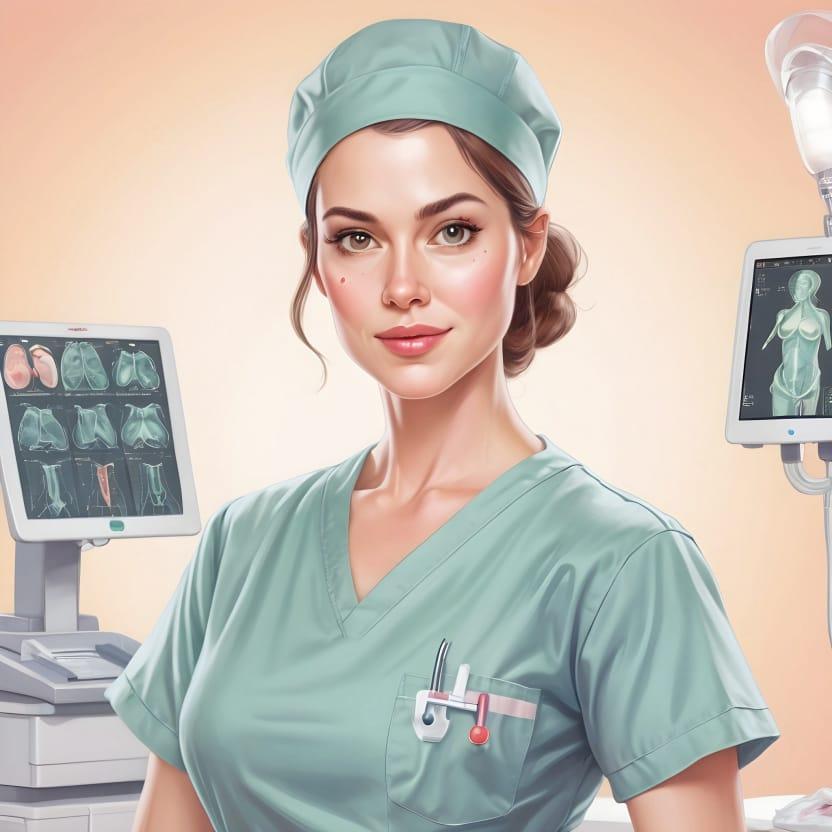
Doctors sometimes use cutting-edge gene therapies to treat previously untreatable illnesses. Doctors rely on teamwork, including pharmacists and therapists, to create effective treatment plans. Doctors often face tough ethical decisions, such as end-of-life care choices.
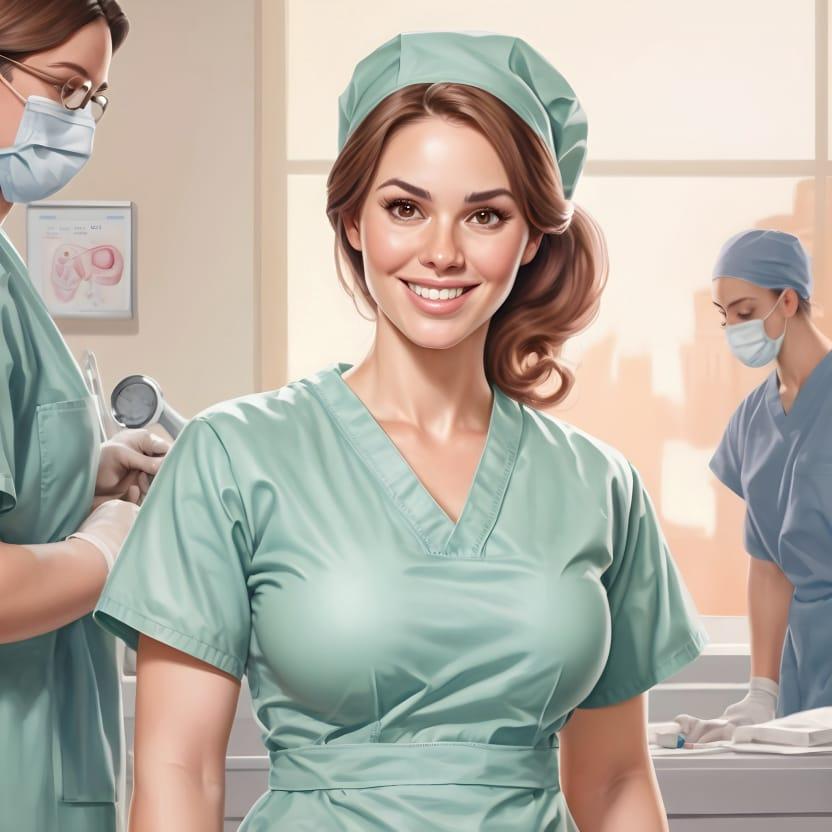
Some doctors become authors or TV hosts, educating the public about health topics. Doctors have special training to deliver babies safely, helping bring new life into the world. Doctors are trained to recognize mental health issues, which are just as important as physical health.
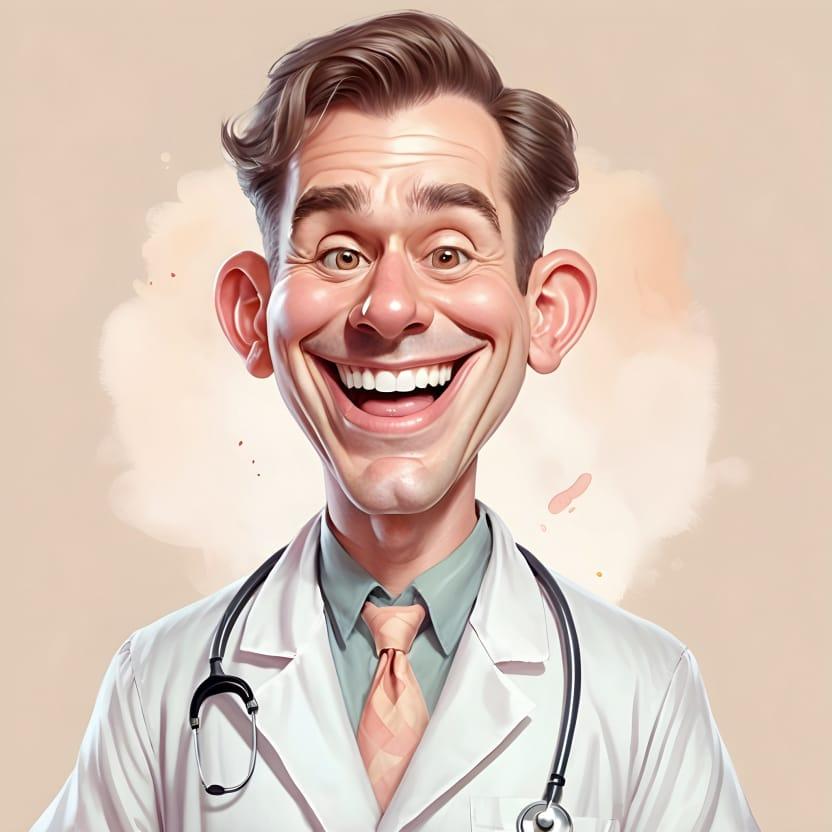
Doctors use microscopes to study cells and diagnose diseases like cancer. Doctors must communicate clearly with patients, helping them understand complicated information. Doctors helped develop antibiotics, which revolutionized the treatment of bacterial infections.
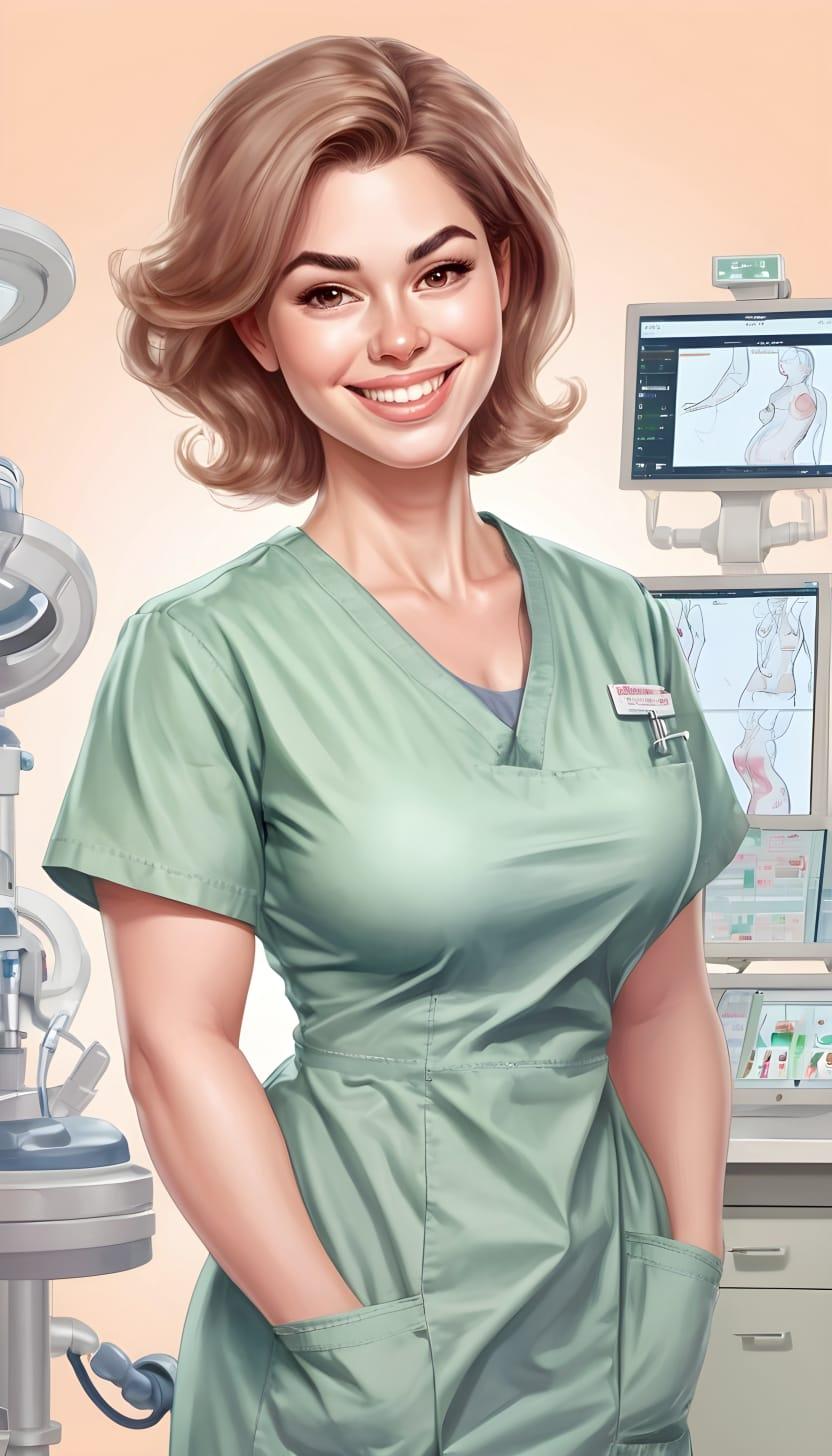
Doctors sometimes travel to remote areas to provide medical care where hospitals don’t exist. Doctors contribute to public health by tracking outbreaks and recommending safety measures. Doctors often work with cutting-edge technology, like AI, to improve diagnostics and treatment.

Doctors study human biology for many years to master the complexity of the body. Doctors sometimes deal with rare emergencies, like snake bites or allergic reactions, requiring quick decisions. Doctors use imaging technologies like ultrasound to monitor pregnancies safely.

Doctors have a tradition of lifelong learning, continually improving their skills and knowledge. Doctors' advice can help people live longer, healthier lives by managing risks early. Doctors' dedication and expertise make them essential in every community worldwide.