Family
- Fun pictures /
- People /
- Family

Did you know the word “family” comes from the Latin word 'familia', which originally meant a household of servants and slaves? Over time, it evolved to mean a group of people related by blood or marriage. In some cultures, your extended family—like cousins, aunts, and uncles—plays a huge role in daily life, not just your immediate family. Families can come in many forms: single parents, blended families, and chosen families, which show how flexible the idea of family really is.

The average family size worldwide has been shrinking over the past century, but in many places, big family gatherings are still a big deal and a chance to share stories and meals. Some of the longest family trees ever recorded trace back thousands of years, showing how important ancestry is to many people. The “family dinner” is a great way to bond, and research shows that kids who eat with their families regularly tend to do better in school.

The concept of family isn’t just human—some animals, like elephants and wolves, live in tight family groups where each member plays a vital role. Family traditions, like holiday rituals or recipes passed down, help connect generations and keep memories alive. In modern times, technology helps families stay connected even when they’re miles apart, making family ties stronger than ever.

Families can influence our health: studies show that having close family support can improve mental and physical well-being. The term “family values” often pops up in politics, but its meaning can vary widely depending on cultural background and personal beliefs. In many societies, the family is the first school where children learn social skills, manners, and cultural norms.

Adoption creates families in a unique way, showing that love and commitment matter more than biology. Famous family businesses, like Walmart or Samsung, prove that family ties can also drive huge economic success. Family stories are a rich source of history and identity, often passed down orally from generation to generation.
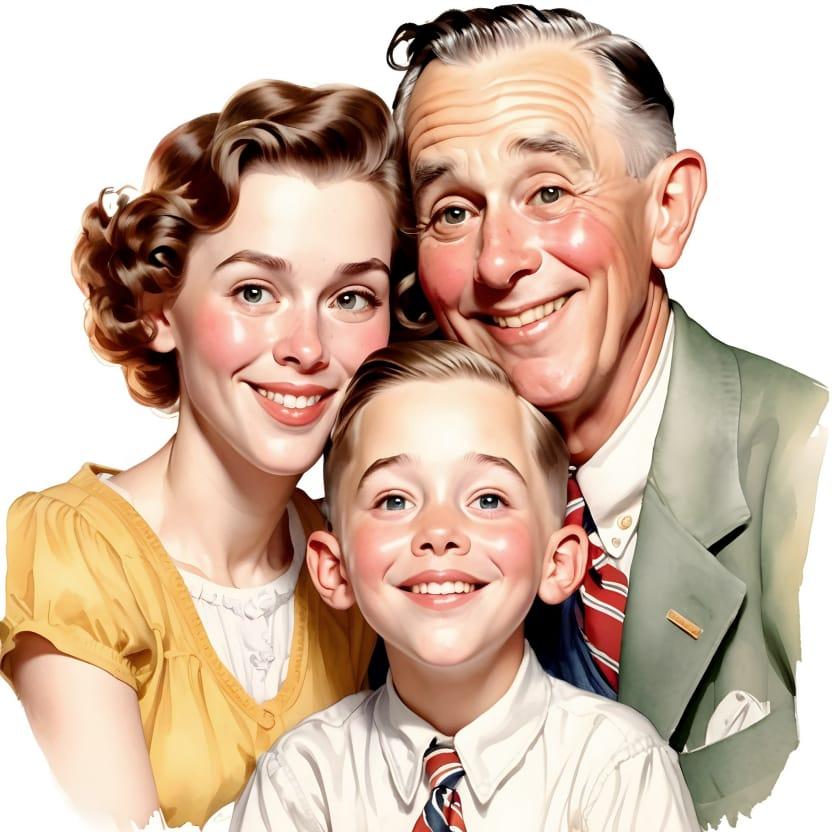
Sibling relationships can be complicated, but they’re often some of the longest-lasting bonds people have. Stepfamilies show how families can blend and grow, creating new connections and traditions. In some cultures, family honor is highly valued, sometimes affecting decisions around marriage and careers.
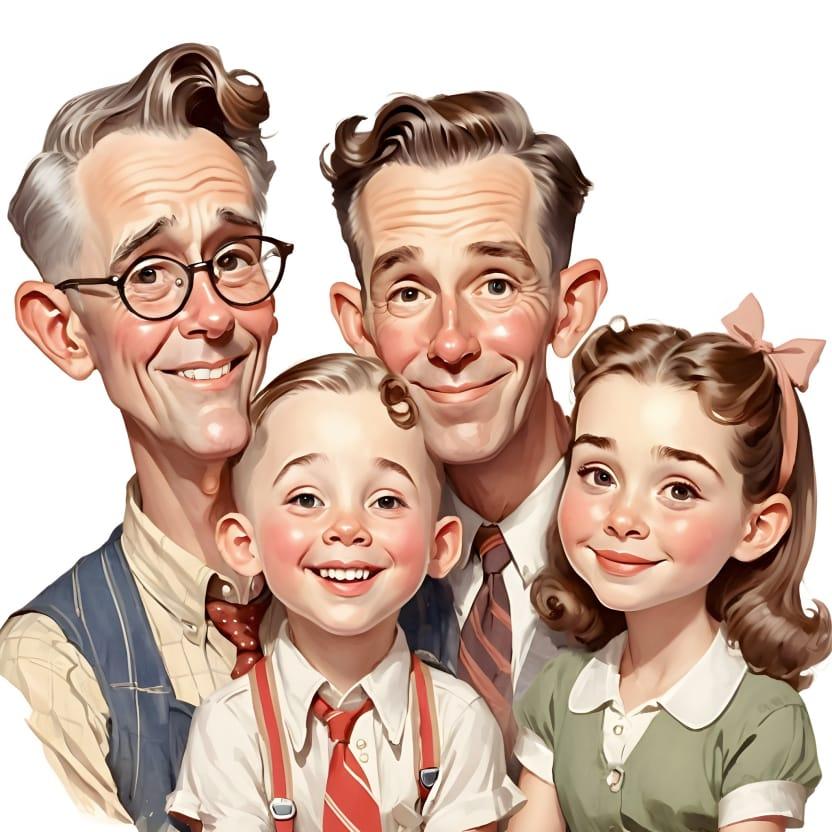
Family pets often become unofficial family members, offering companionship and joy to the household. Large families used to be common in farming communities, where every family member helped with chores and work. The family unit is a key focus in many religions, with specific roles and responsibilities assigned to parents and children.
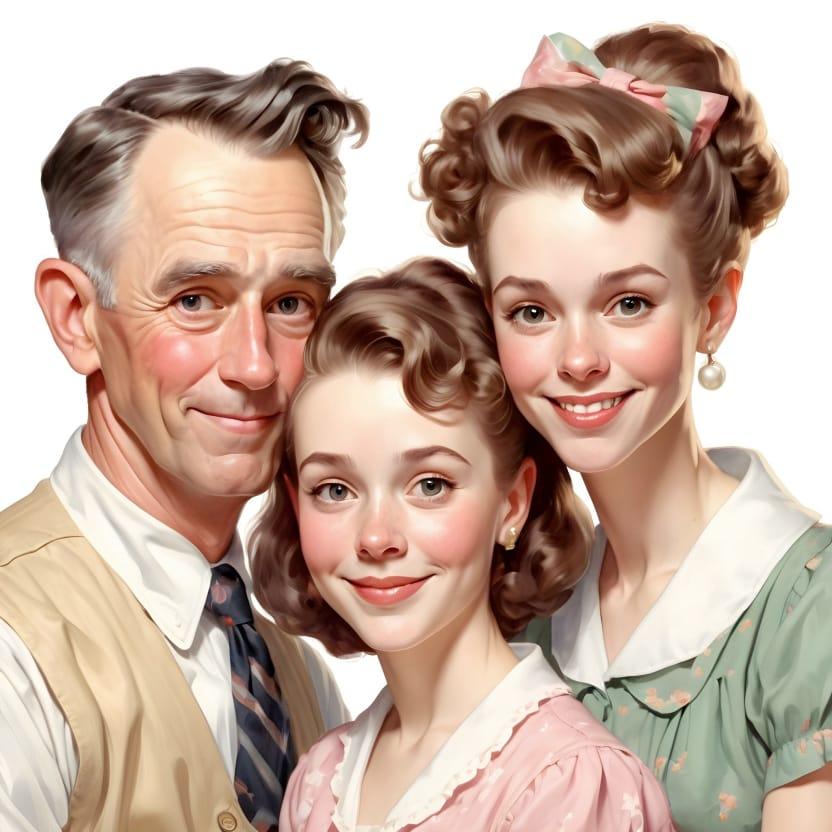
In history, royal families shaped nations and politics for centuries, sometimes through strategic marriages and alliances. The rise of “family therapy” shows how understanding family dynamics can solve personal and relationship problems. Family reunions are a popular way to celebrate heritage and catch up on each other’s lives.
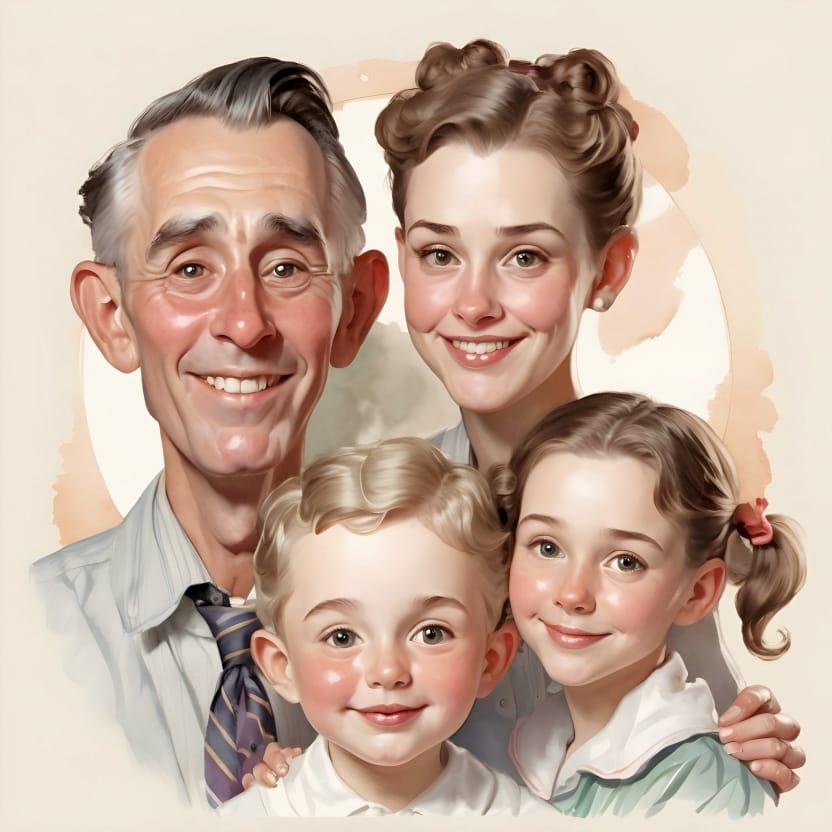
Foster families provide temporary care and support for children, playing a critical role in communities. “Family resilience” is a term for how families bounce back after tough times, showing strength and adaptability. The idea of a “nuclear family” (two parents and kids) is actually quite recent and mostly Western—many cultures have different family structures.

Many languages have different words for family members depending on gender, age, and relationship closeness. Family names or surnames often originated from ancestors’ jobs, places, or nicknames centuries ago. Family vacations help build shared memories and strengthen bonds between relatives.
Some animals, like penguins, form lifelong pair bonds and share parenting duties, showing a type of family teamwork. Family stories can inspire movies, books, and plays, reflecting universal themes of love, conflict, and growth. Genealogy websites let people discover unknown family connections and heritage from the comfort of home.
Family caregivers play an important role in supporting elderly or disabled relatives, often without pay or formal training. The tradition of family heirlooms—objects passed down through generations—helps keep family history tangible. Family roles can change over time, like when children become caregivers for aging parents.

Holiday cards and family photo albums capture moments that keep family memories alive for decades. Family dinners can vary widely—from quick meals to long, festive feasts—but they all bring people together. In some cultures, arranged marriages are still part of family tradition and social structure.
The “family tree” diagram is a common way to visualize relationships across generations. Modern families may use DNA testing to learn about their ancestry and uncover surprises. Parenting styles often reflect family values and cultural backgrounds, shaping how kids grow up.

Family influences our personalities and behaviors, especially in early childhood when bonds are strongest. Pet owners often talk about their animals as part of the family, highlighting emotional bonds beyond blood ties. In emergency situations, families are often the first line of support and care.
Blended families, with stepparents and stepsiblings, are increasingly common and show how families evolve. Family members sometimes share unique traditions, like special greetings, nicknames, or celebrations. The word “family” appears frequently in songs and poems, reflecting its deep emotional importance.

Some cultures celebrate large extended family holidays, where dozens or even hundreds gather to celebrate. Family advice, whether good or bad, can shape life decisions for many people. Social media now offers families new ways to share moments instantly across the globe.

In many societies, caring for elderly family members at home is a cultural expectation. Family pets can even influence family routines, like daily walks or playtime. The stress of family conflicts can affect health, but open communication helps resolve issues.

Family genealogy can reveal surprising ethnic or geographic roots, connecting people in unexpected ways. In some families, storytelling is a cherished art that preserves history and entertains younger generations. Family support systems are crucial during tough times like illness or job loss.
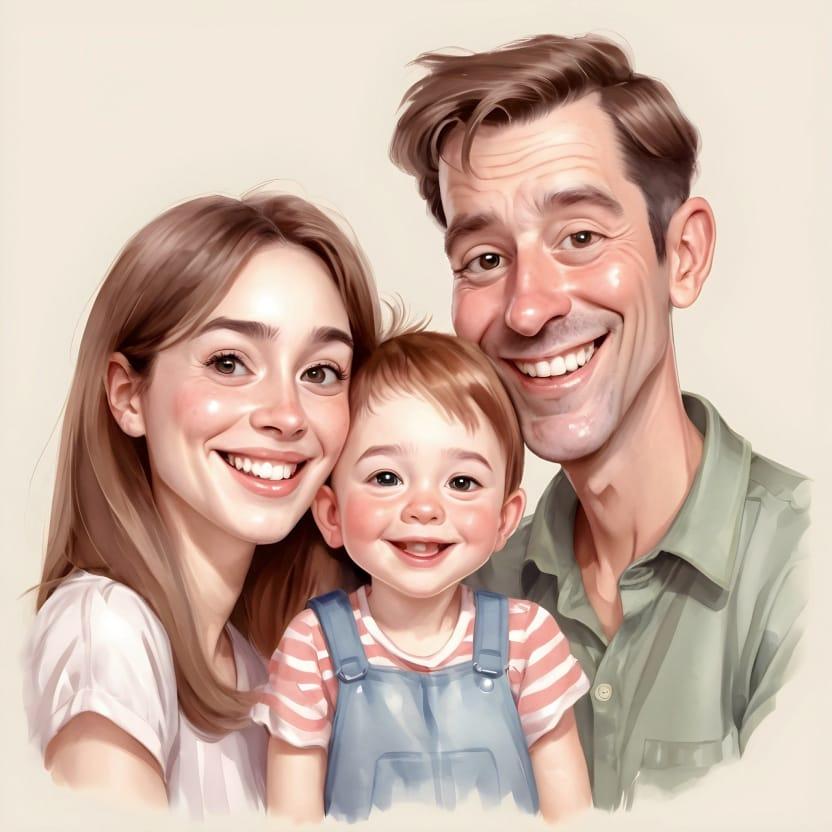
Family bonding activities, like game nights or cooking together, build stronger relationships over time. The idea of “family first” encourages people to prioritize loved ones above work or other commitments. Many cultures teach that family loyalty is one of the most important virtues in life.