Baker
- Fun pictures /
- People /
- Baker
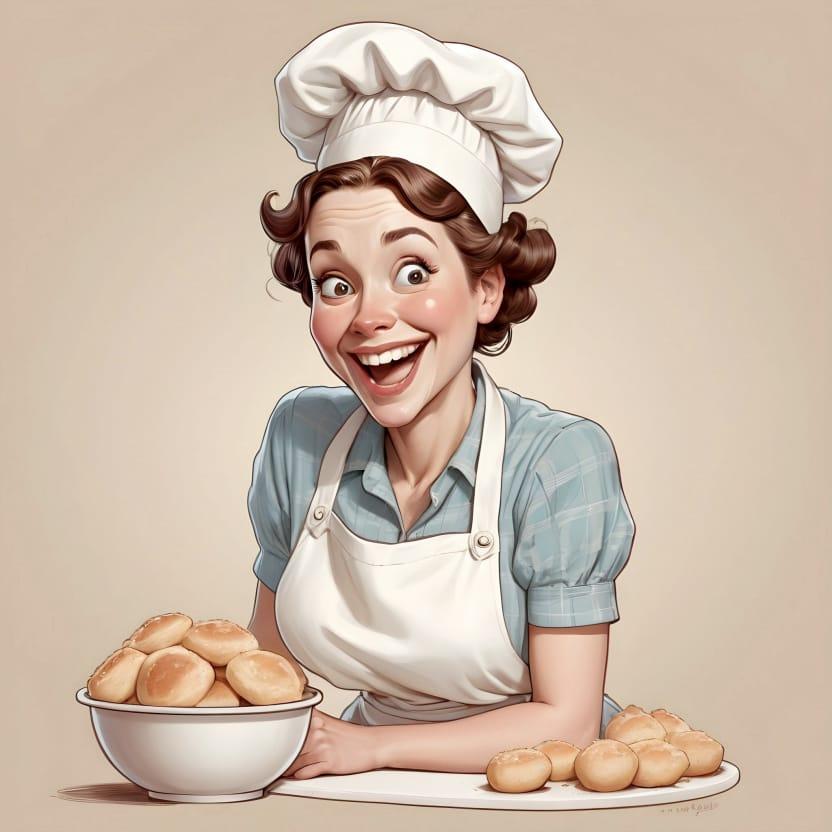
The job of a baker dates back thousands of years, with ancient Egyptians among the first to bake bread using wild yeast. Bakers often rely on their sense of smell and touch to judge dough readiness, skills honed through years of practice. In medieval times, bakers were important community members, sometimes even doubling as money lenders due to their stable income.
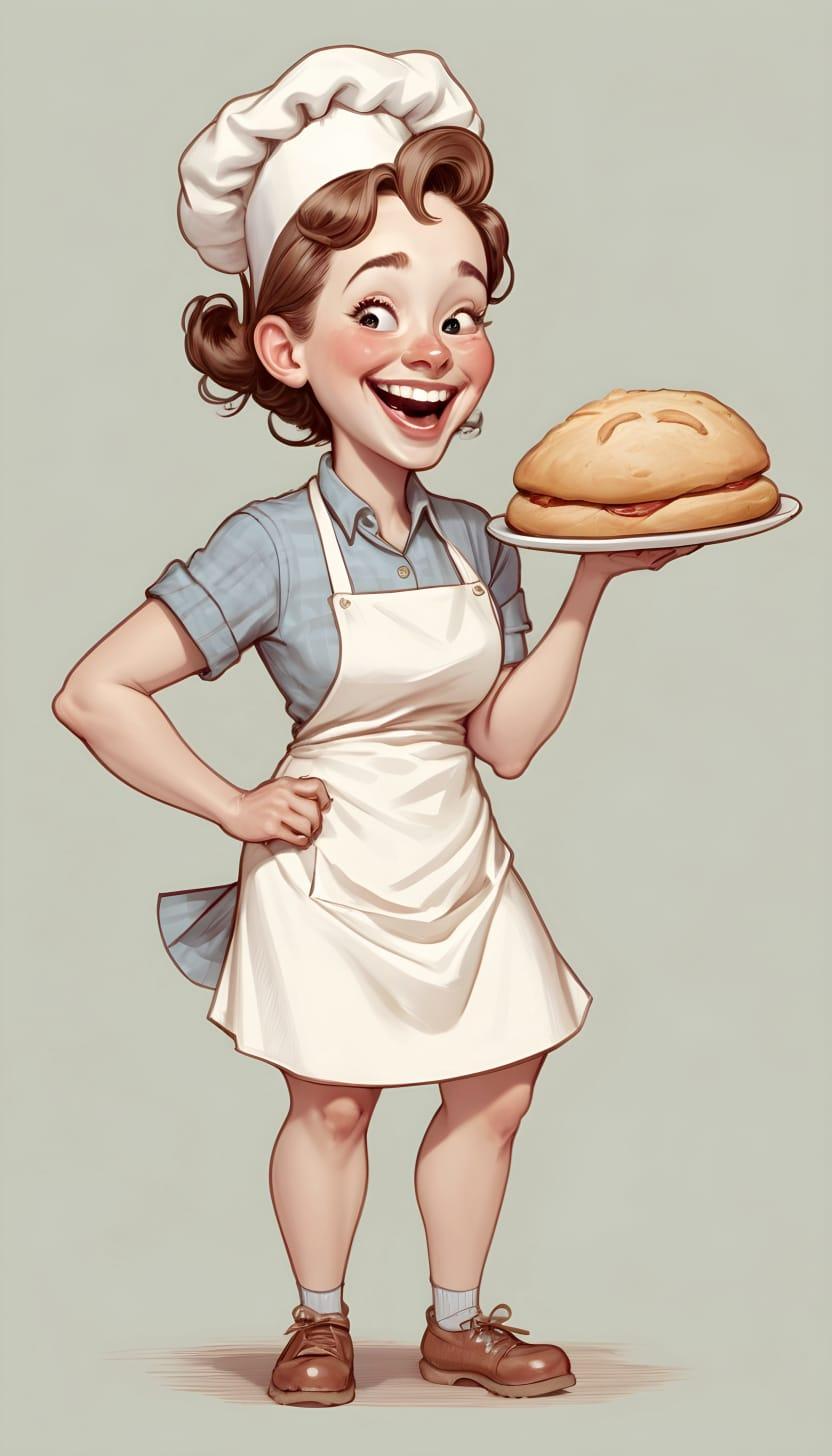
Sourdough, one of the oldest types of bread, is made by naturally capturing wild yeast from the environment, a technique bakers still use today. Some bakers specialize in pastries rather than bread, mastering delicate skills to create treats like croissants and Danish pastries. The iconic baker’s hat, or toque, originally signaled the baker’s level of expertise and rank in the kitchen hierarchy.
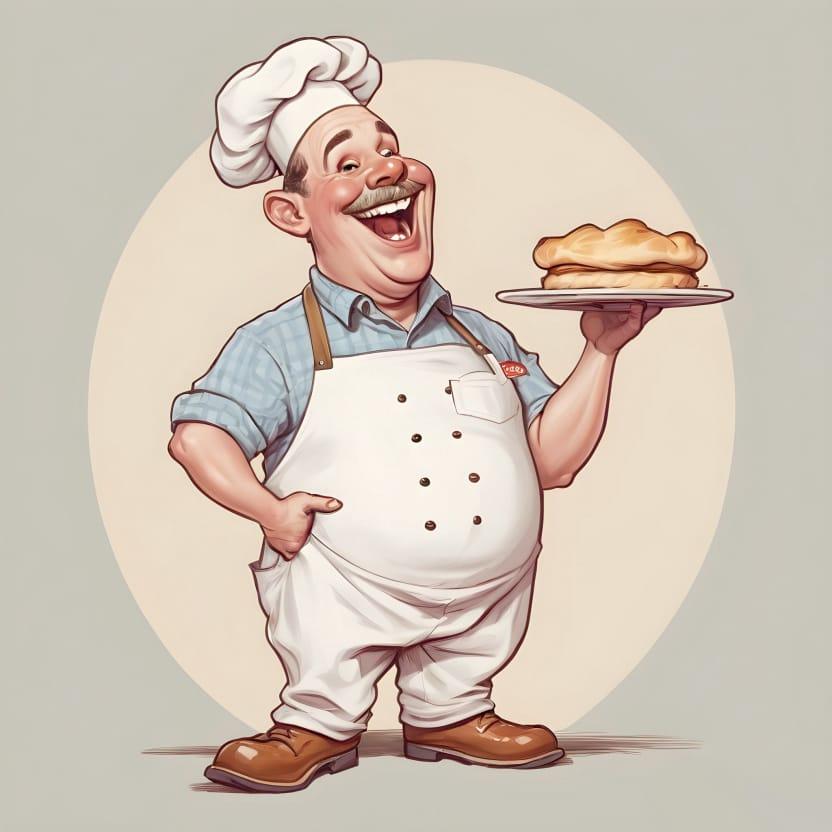
Many bakers start their day in the early hours, often before dawn, to prepare fresh bread for customers. In France, a traditional baker is called a “boulanger,” and being a skilled boulanger is a respected craft. Bakers sometimes use a technique called “scoring” where they cut dough before baking to control how the bread expands.
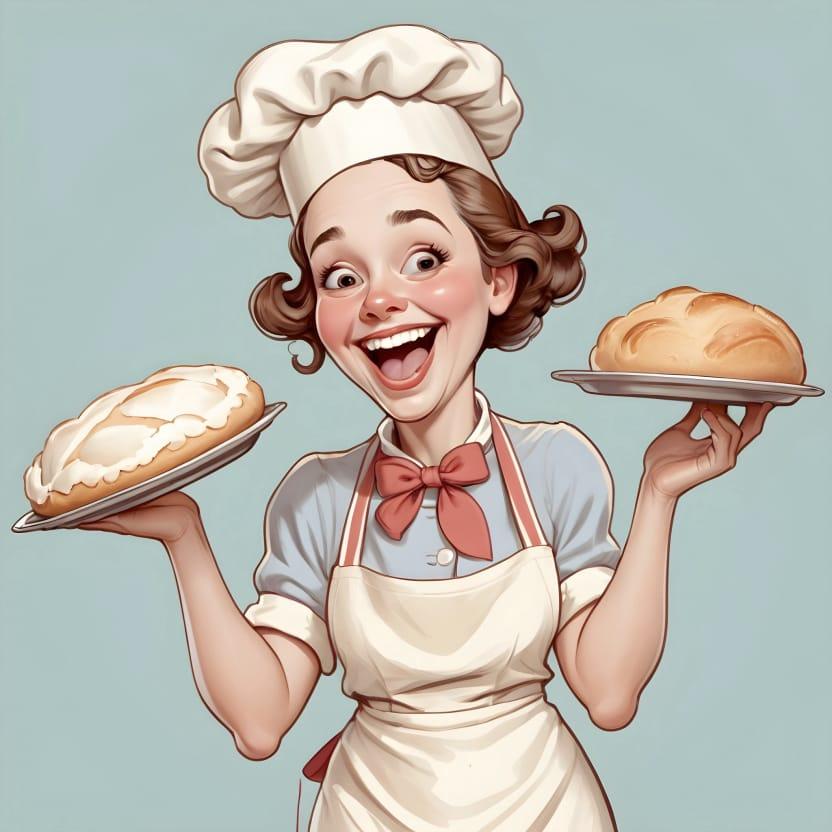
Bakers’ ovens used to be wood-fired, requiring constant attention to maintain the right temperature for baking. The smell of fresh bread from a bakery can trigger a strong sense of comfort and nostalgia in many people. Bakers today blend tradition with innovation, often experimenting with new grains and flavors to create unique breads.
A baker’s work requires precision, as even small changes in temperature or ingredient ratios can affect the final product. Gluten development is key for bakers to create the perfect dough texture, balancing elasticity and softness. Historically, bakers sometimes had to pay special taxes because bread was a staple food, making their craft economically important.
Bakers often use fermentation time as a natural flavor enhancer, allowing dough to develop richer tastes. In some cultures, bakers are also ritual figures, baking bread for festivals and religious ceremonies. The term “baker’s dozen” (13) originated when bakers added an extra loaf to avoid penalties for selling underweight bread.

A baker’s tools include not only mixers and ovens but also simple items like wooden paddles called peels to move bread. The science of baking involves chemistry, where yeast converts sugars into carbon dioxide, making bread rise. Bakers sometimes create decorative patterns on bread crusts that are both artistic and functional.
Many famous recipes started with humble bakers experimenting in their shops, like the bagel, believed to have originated in Eastern Europe. Bakers can earn certifications to prove their skill, such as becoming a Certified Master Baker. The rise of artisan bakeries has brought renewed appreciation for handmade breads over mass-produced ones.

Bakers balance time and temperature carefully—too hot, and bread burns; too cold, and it won’t rise properly. Some bakers incorporate ancient grains like spelt or einkorn for health benefits and unique flavors. In Japan, bakers have popularized soft, fluffy breads that differ greatly from Western crusty loaves.
Bakers often work in teams, especially in large bakeries, coordinating tasks from mixing to baking to packaging. During World War II, bakers played a vital role by producing rationed bread to support communities under shortages. The smell of freshly baked bread can increase sales—bakers know this and often bake early to attract customers.
Bakers sometimes ferment dough overnight in cool environments, a method called cold fermentation, to deepen flavor. The crust color on bread is an indicator bakers use to judge baking progress and final texture. Bakers have inspired many cultural stories and proverbs, highlighting bread’s importance in daily life.
Bakers have traditionally guarded their recipes closely, often passing them down through families for generations. Gluten-free baking has become a new challenge for bakers, requiring different techniques and ingredients. Bakers know that humidity affects dough, so they adjust water amounts based on weather conditions.
In the UK, the Guild of Bakers has existed for centuries, representing and supporting bakers professionally. Bakers sometimes use natural starters maintained for decades, like famous sourdough cultures passed from baker to baker. The art of shaping dough into various forms, such as braids or rolls, is a skill many bakers master to add visual appeal.
Bakers in ancient Rome used portable ovens, showing how important bread was even for soldiers on the move. Many bakers today incorporate whole grains and seeds to meet modern nutrition trends while respecting tradition. Bakers can influence the community’s health by choosing ingredients and baking methods that promote better nutrition.
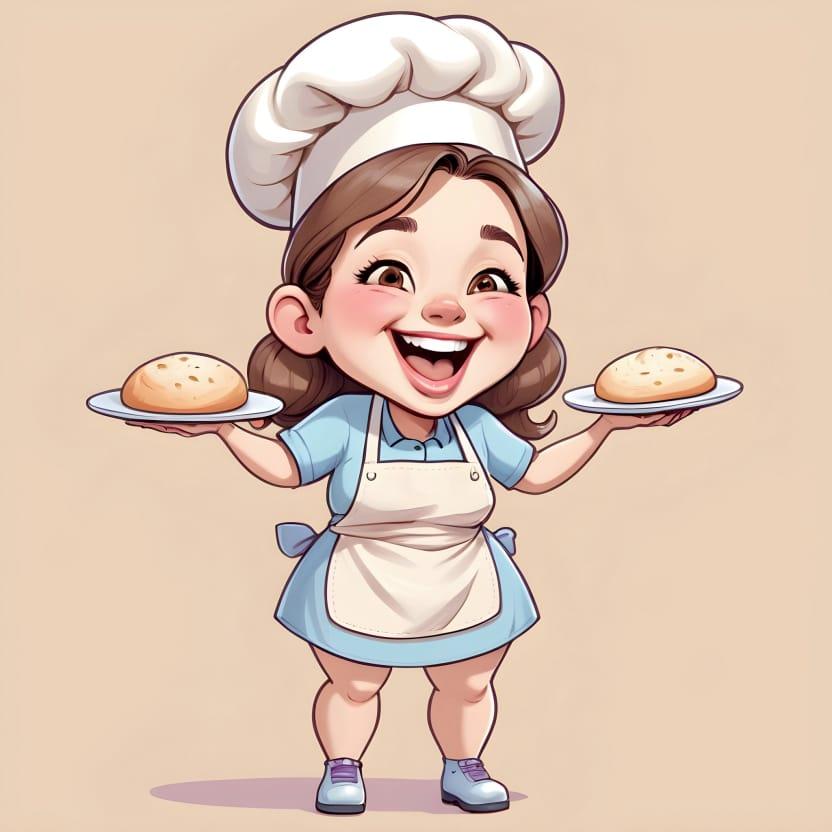
Bakers sometimes use steam in the oven to create a crispy crust, a trick that improves the bread’s texture. The bakery environment, from flour dust to warm ovens, is unique and can become a baker’s second home. Bakers often compete in contests to showcase their best breads and pastries, gaining recognition and new ideas.
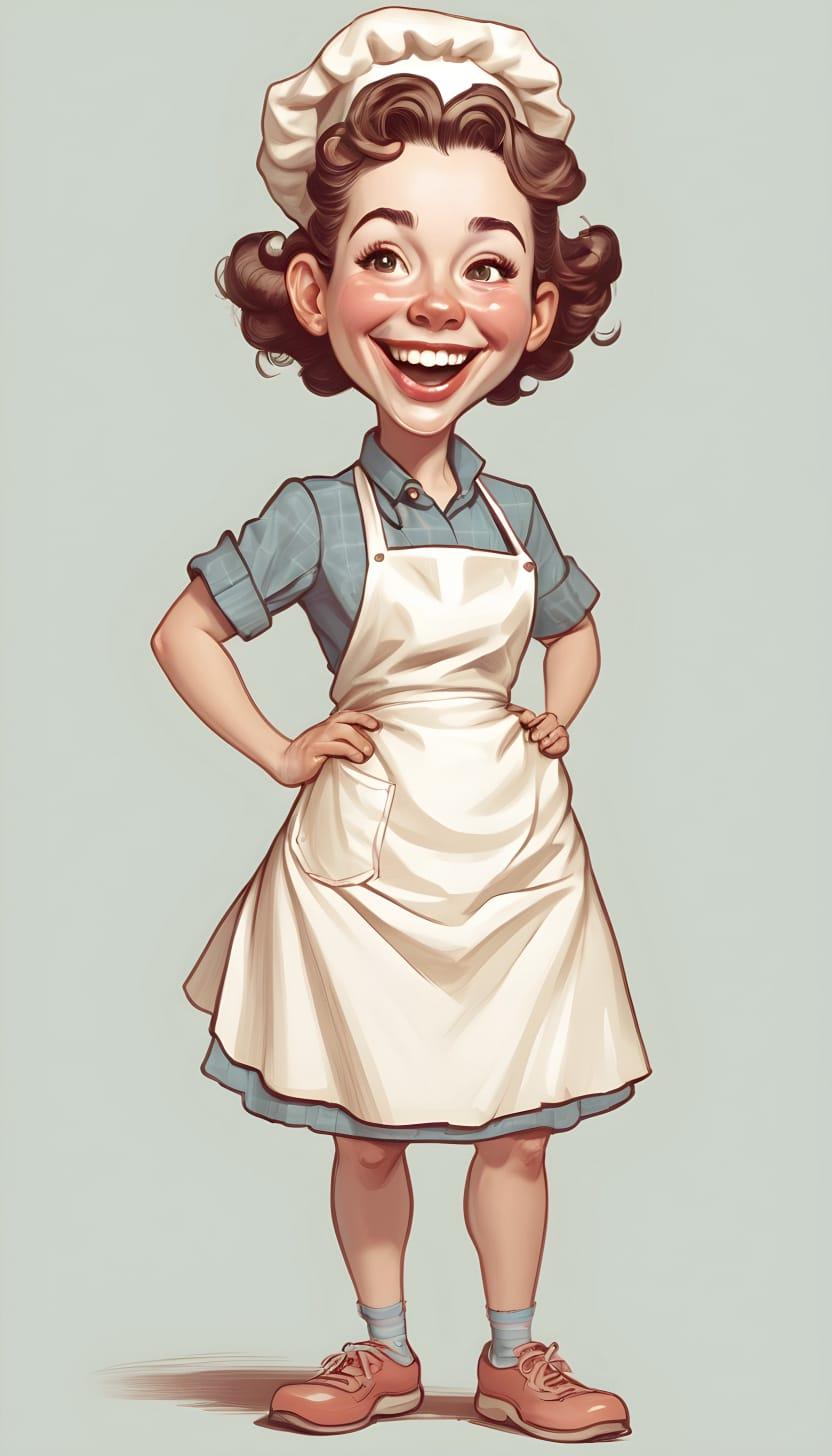
Bakers must carefully time their work since dough can overproof, leading to flat or dense bread. The rise of gluten-free diets has led bakers to innovate with alternative flours like rice or almond flour. Bakers sometimes experiment with fermentation times to create breads with different textures and flavors.
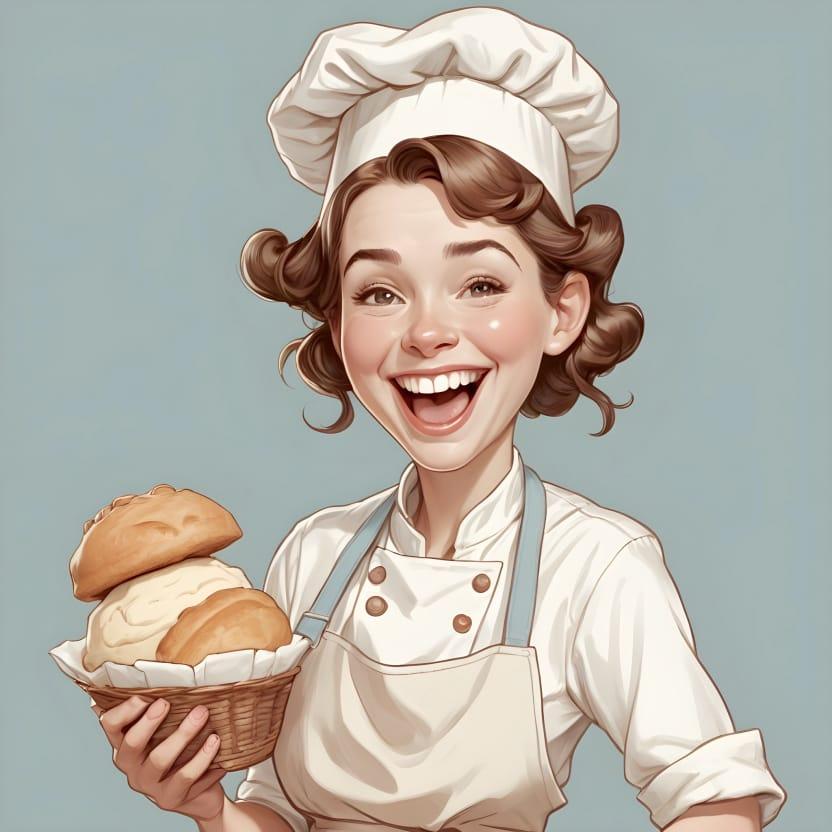
Bakers historically were part of guilds that controlled baking standards and ensured quality in their towns. The baker’s craft combines art and science, balancing creativity with precise measurements and timing. Bakers sometimes use “preferments,” which are dough mixtures prepared ahead of time, to improve bread quality.
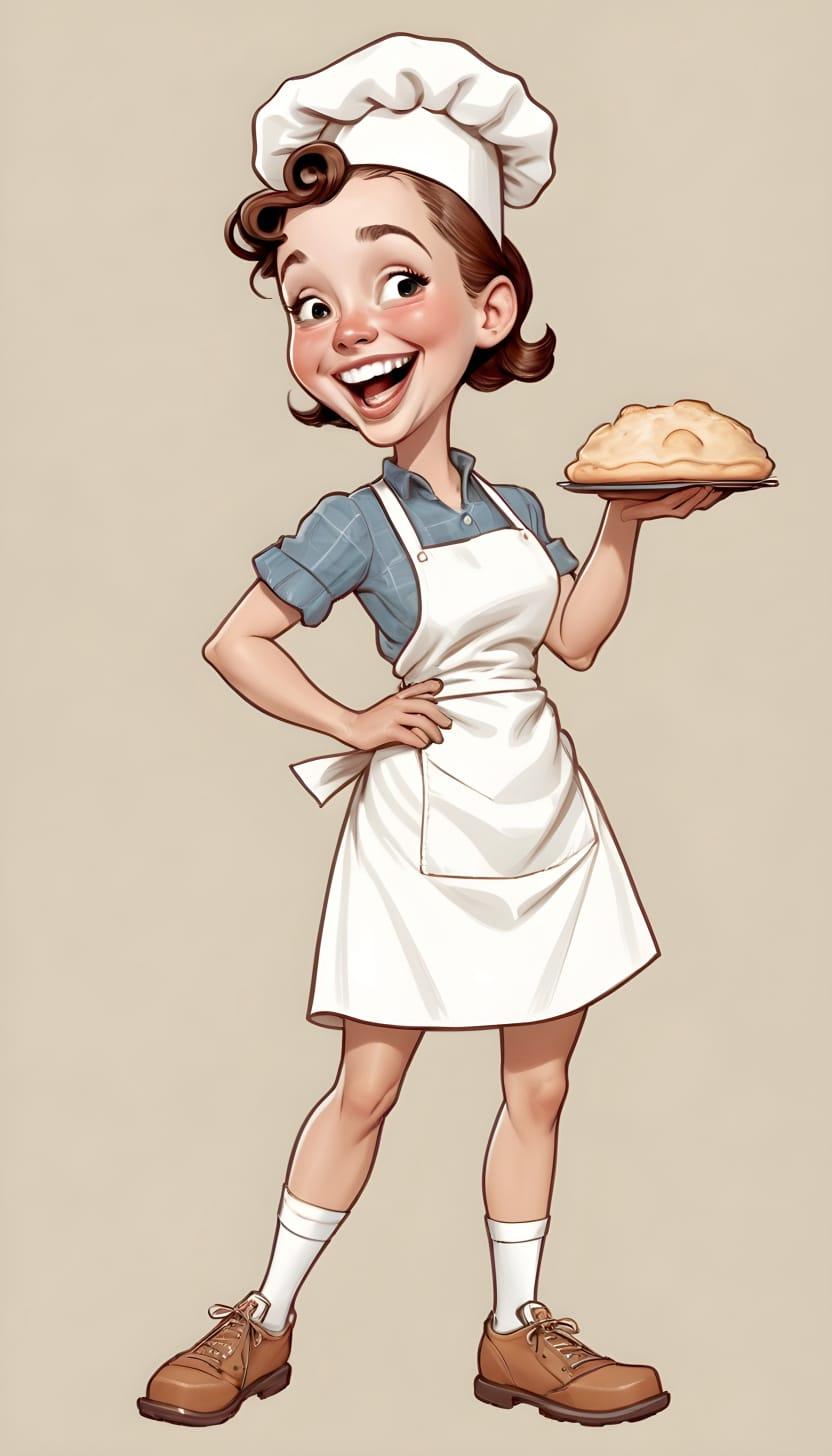
The term “baker’s yeast” refers to a specific yeast strain used to make dough rise quickly and reliably. Bakers often personalize their breads by adding nuts, fruits, or herbs, creating signature products. In some cultures, bakers are celebrated during harvest festivals with special breads symbolizing prosperity.

Bakers work with a variety of grains, including wheat, rye, barley, and corn, each producing distinct bread types. The precision of temperature control in ovens is critical for bakers to produce consistent, high-quality breads. Bakers have inspired countless stories, songs, and poems, reflecting the universal love for bread.
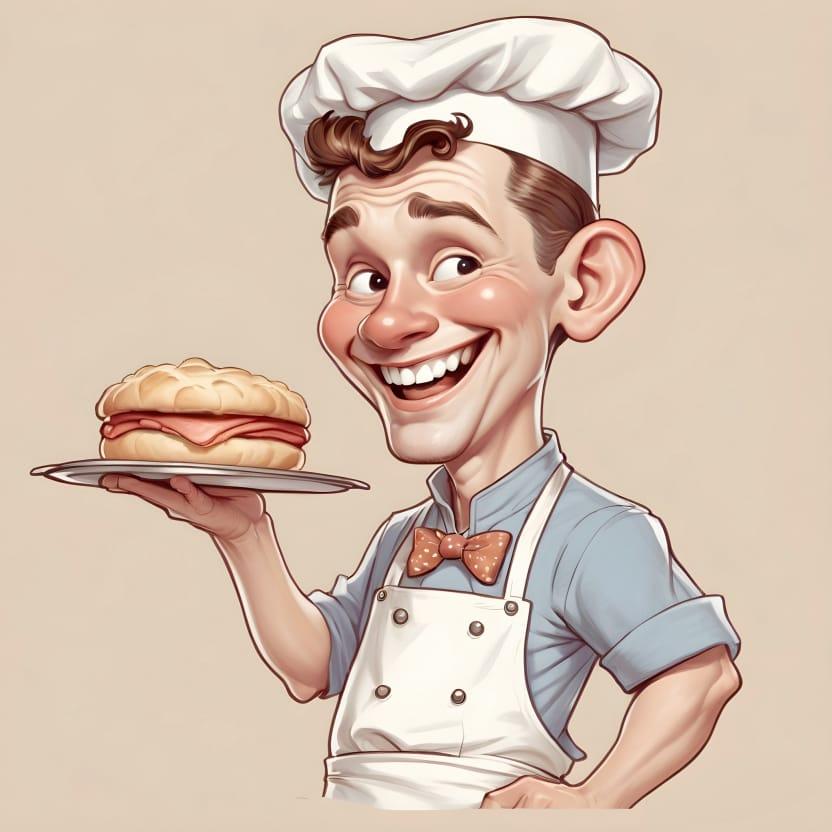
Bakers know that patience is key; good bread takes time to develop flavor and texture through careful fermentation. The community often depends on bakers not just for food but for social connection, as bakeries serve as gathering places. With modern technology, bakers combine tradition and innovation to keep this ancient craft alive and evolving.