Bride
- Fun pictures /
- People /
- Bride

In ancient Rome, a bride would wear a flame-colored veil called a 'flammeum' to symbolize passion and protection. Queen Victoria started the Western tradition of brides wearing white when she wore a white gown for her wedding in 1840. In Hindu weddings, brides often wear red, which symbolizes prosperity, fertility, and marital bliss.

The word “bride” comes from the Old English word 'bryd', which is over 1,000 years old. In Japan, a traditional bride wears a white kimono called a 'shiromuku' to represent purity and obedience. A Swedish bride might walk down the aisle with coins in her shoes—a silver one from her father and a gold one from her mother.

In Congo, the bride and groom are not allowed to smile during the ceremony to show they take marriage seriously. During a Maasai wedding in Kenya, the bride’s head is shaved and covered with lamb fat and oil. In Germany, friends of the couple smash porcelain to bring good luck and test the bride and groom’s teamwork as they clean it up.
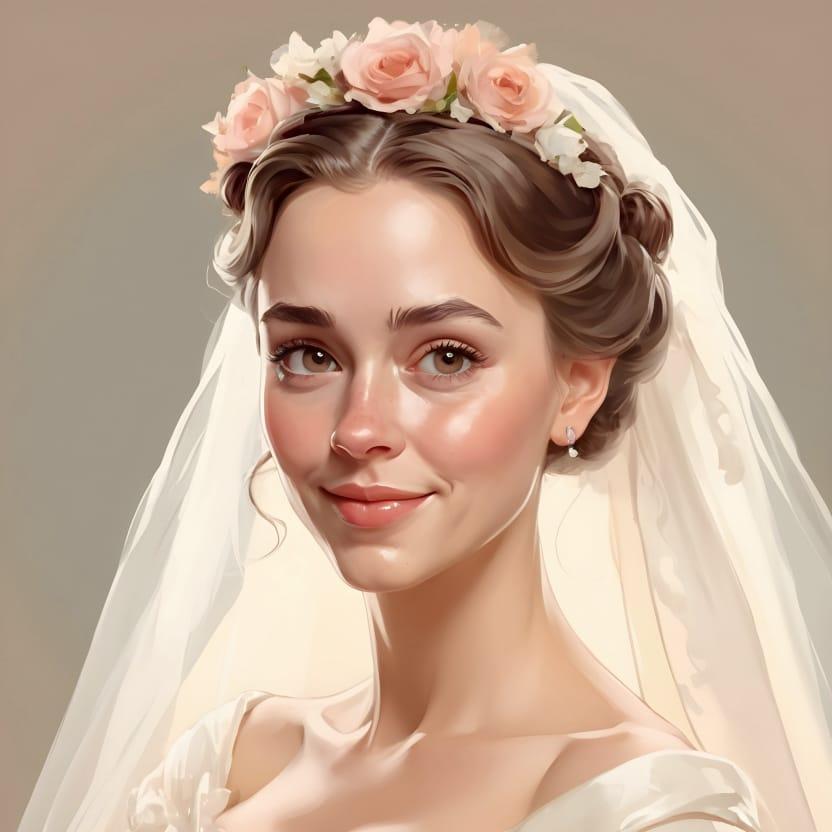
Brides in ancient Greece would carry herbs like garlic or dill to ward off evil spirits. In Korean weddings, wooden ducks are gifted to the bride and groom—ducks mate for life, symbolizing fidelity. In Morocco, a bride may take a milk bath before the wedding to purify herself before marriage.

Some brides in the Philippines release doves after the ceremony to symbolize peace and a harmonious life together. Bridal bouquets started as bunches of herbs to mask body odor in pre-deodorant times. A bride in a traditional Russian wedding often wears a red sarafan, not a white gown.
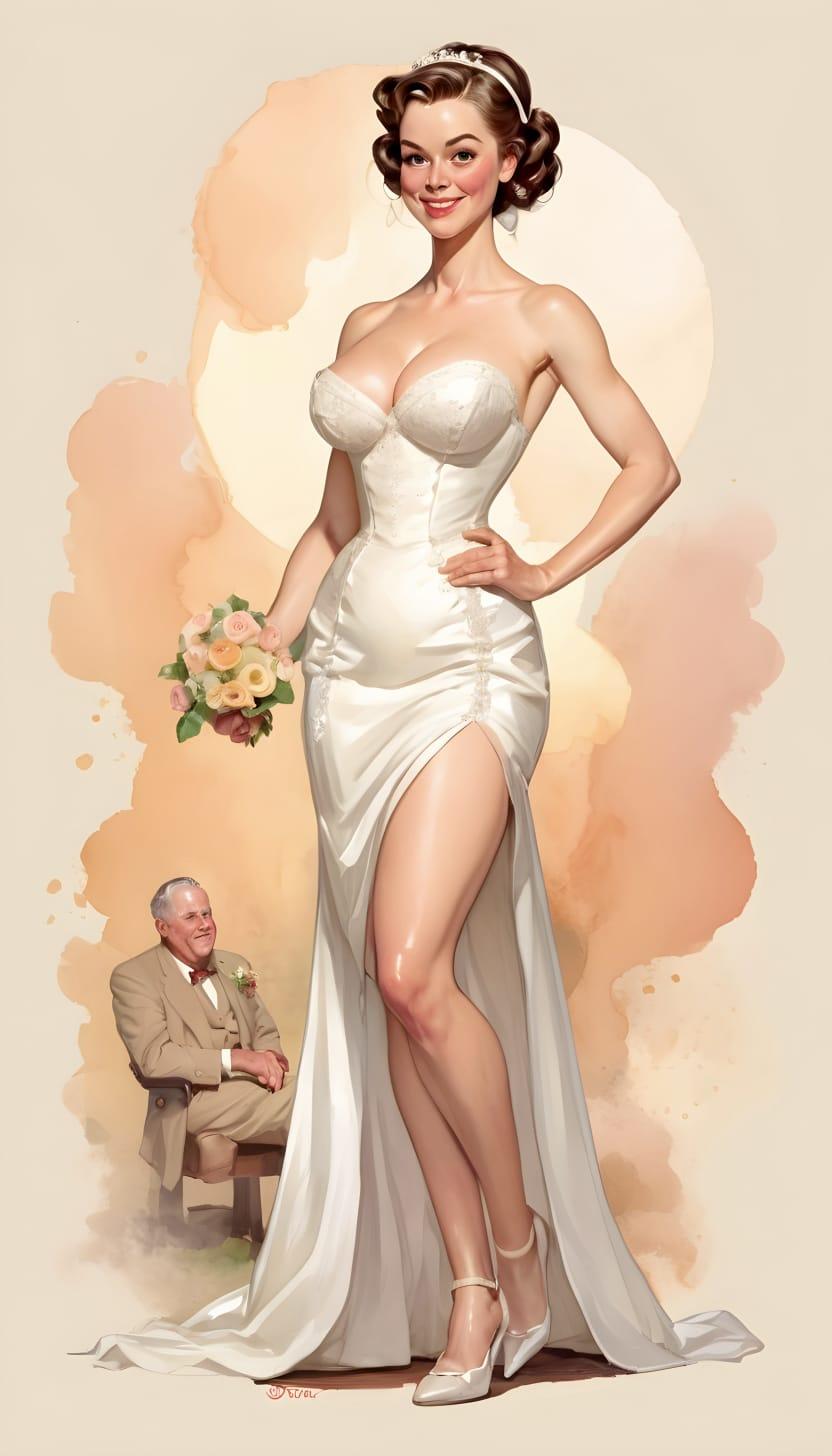
In traditional Scottish weddings, the bride might be “blackened” with soot, treacle, and feathers by her friends before the big day. Ancient Egyptian brides would wear blue for protection and good luck. In Chinese tradition, a bride may cry for an hour a day for a month before the wedding—it’s considered a ritual of joy and mourning.
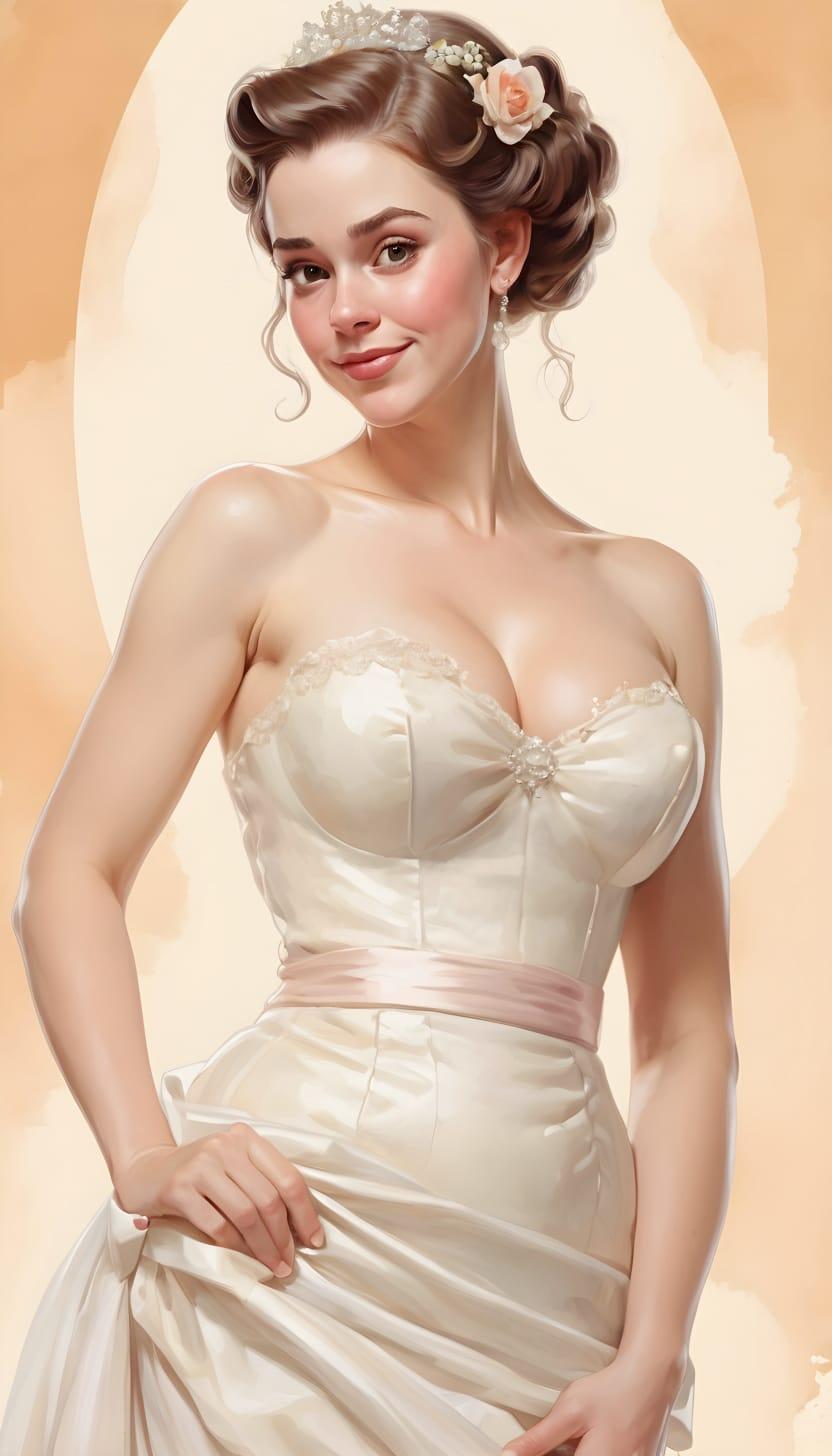
An Irish bride may wear a horseshoe turned up for luck on her wedding day. Victorian brides sometimes wore orange blossoms as a symbol of fertility and innocence. In Nigeria, a bride’s wedding attire often includes brightly colored fabric and elaborate head wraps called 'gele'.

In traditional Jewish ceremonies, the bride circles the groom seven times, symbolizing the building of a new family circle. Some Native American tribes include a basket of corn and beans in the ceremony, honoring the Earth and future fertility. During a traditional Malay wedding, the bride may sit on a decorated dais for guests to admire her finery.

In Armenian culture, breaking plates before the ceremony brings good luck to the couple. A Czech bride might get showered with rice and peas after the ceremony to promote fertility. In Bali, brides might have their teeth filed as a symbolic rite of passage before marriage.

Brides in Poland are traditionally offered bread, salt, and vodka upon entering the reception. A Turkish bride might write the names of single friends on the bottom of her shoe—the one whose name rubs off first is next to marry. In Samoa, a bride may wear a dress made of tapa cloth, which is handcrafted from tree bark.

A traditional Greek bride might wear a crown called a 'stefana', often connected to the groom’s with a ribbon. In Peru, cakes may have ribbons inside, one with a fake ring; the woman who pulls that ribbon is said to be the next bride. Brides in Ethiopia might wear heavy gold jewelry and adorn their hair with beads and fabric.
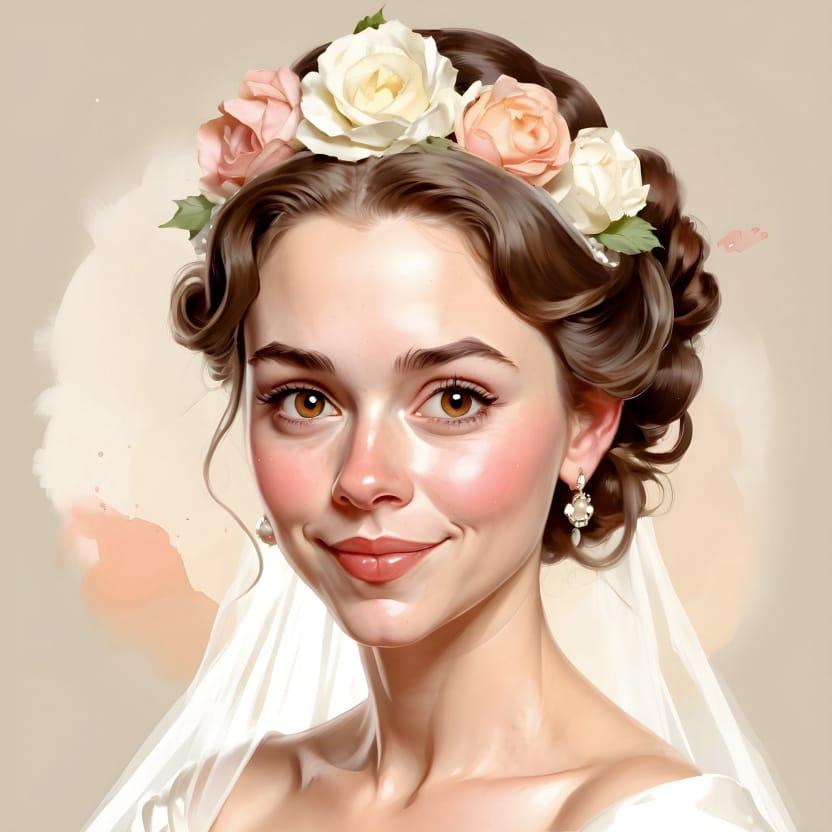
In Norway, a bride might wear a silver crown with small charms hanging from it—the tinkling sound is thought to ward off evil spirits. A Mongolian bride’s wedding clothes can take months to prepare, sometimes including handmade boots and hats. A bride in Thailand may pour water over the groom’s hands as a symbol of love and respect.

Bridal showers started in 16th-century Holland as a way to help brides who didn’t have dowries. In South Africa, the bride and groom’s families light a fire together to unite their homes. A Finnish bride might carry a pillowcase and go door to door collecting gifts from neighbors before the wedding.

In Laos, the bride and groom are often tied together with white strings for unity and blessings. A Scottish bride may wear a “luckenbooth brooch,” a heart-shaped pin symbolizing love. In Greenland, it’s traditional for the bride and groom to have their faces smeared with soot to drive away evil spirits.

Brides in Tunisia may celebrate with a multi-day event, sometimes lasting up to seven days. A Tahitian bride might wear a floral crown called a 'hei' and perform traditional dances at her wedding. The Hopi people of Arizona weave the bride’s wedding garment and then wrap her in it as a part of the ceremony.

A Lithuanian bride may wear a wreath of rue, a herb believed to protect purity. Brides in the Czech Republic are sometimes blessed by children who sprinkle them with flowers. In Bhutan, a bride might receive a handwoven scarf called a 'kira' from the groom’s family.

In Vietnam, a bride wears a red áo dài dress for good luck and prosperity. Brides in Ghana often wear dresses made from traditional kente cloth, symbolizing their family heritage. In Indonesia, some brides wear golden crowns that can weigh several pounds.

A Peranakan bride in Malaysia may wear a beaded kebaya, a traditional blouse-dress combination. Brides in Venezuela sometimes sneak out of their own wedding reception for good luck. In Kenya’s Kikuyu tribe, the bride is often adorned with colorful beads and intricate hairstyles.

In Iceland, weddings often include Viking elements, with the bride wearing handmade woolen garments. A Hawaiian bride might wear a white muumuu and a lei of tropical flowers instead of a traditional gown. The tradition of carrying the bride over the threshold comes from the idea of protecting her from evil spirits at the door.

A modern-day bride might blend cultural traditions from both sides of the family into her wedding. Eco-conscious brides are choosing recycled or vintage wedding dresses to reduce waste. Some brides are now writing their own vows and ditching old traditions entirely for more personalized ceremonies.