Bartender
- Fun pictures /
- People /
- Bartender
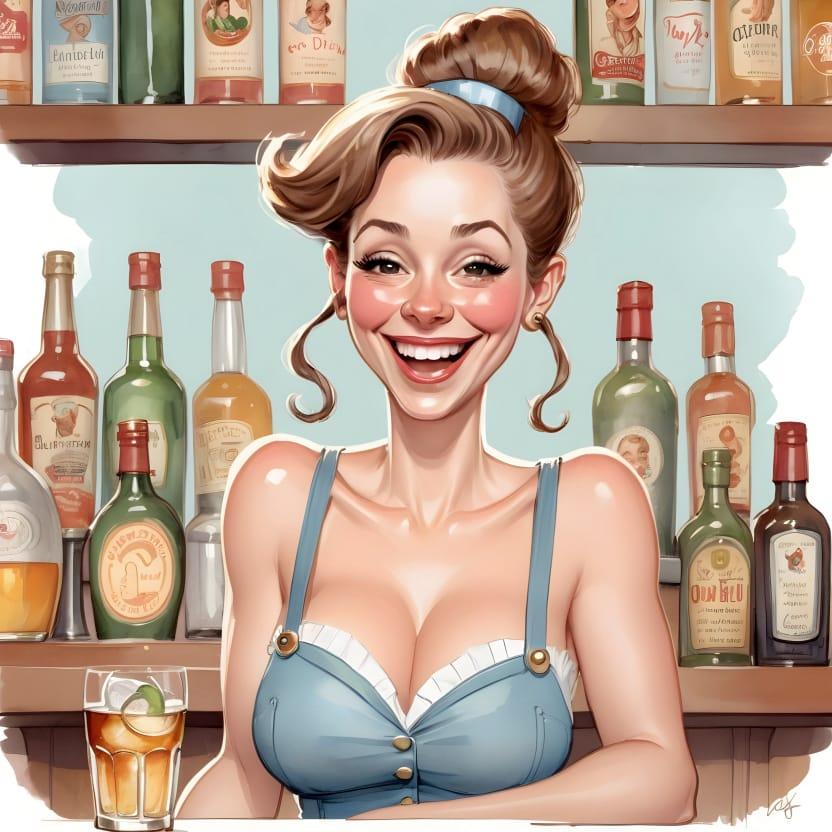
A bartender once invented the world’s first cocktail, the Sazerac, back in the 1800s in New Orleans. It combined whiskey, absinthe, sugar, and bitters — a recipe still loved today. Bartenders aren’t just drink makers; they’re psychologists, too. They listen, chat, and offer advice while mixing your favorite drink. The longest recorded bartender shift lasted 26 hours straight, proving bartenders have stamina like few others.
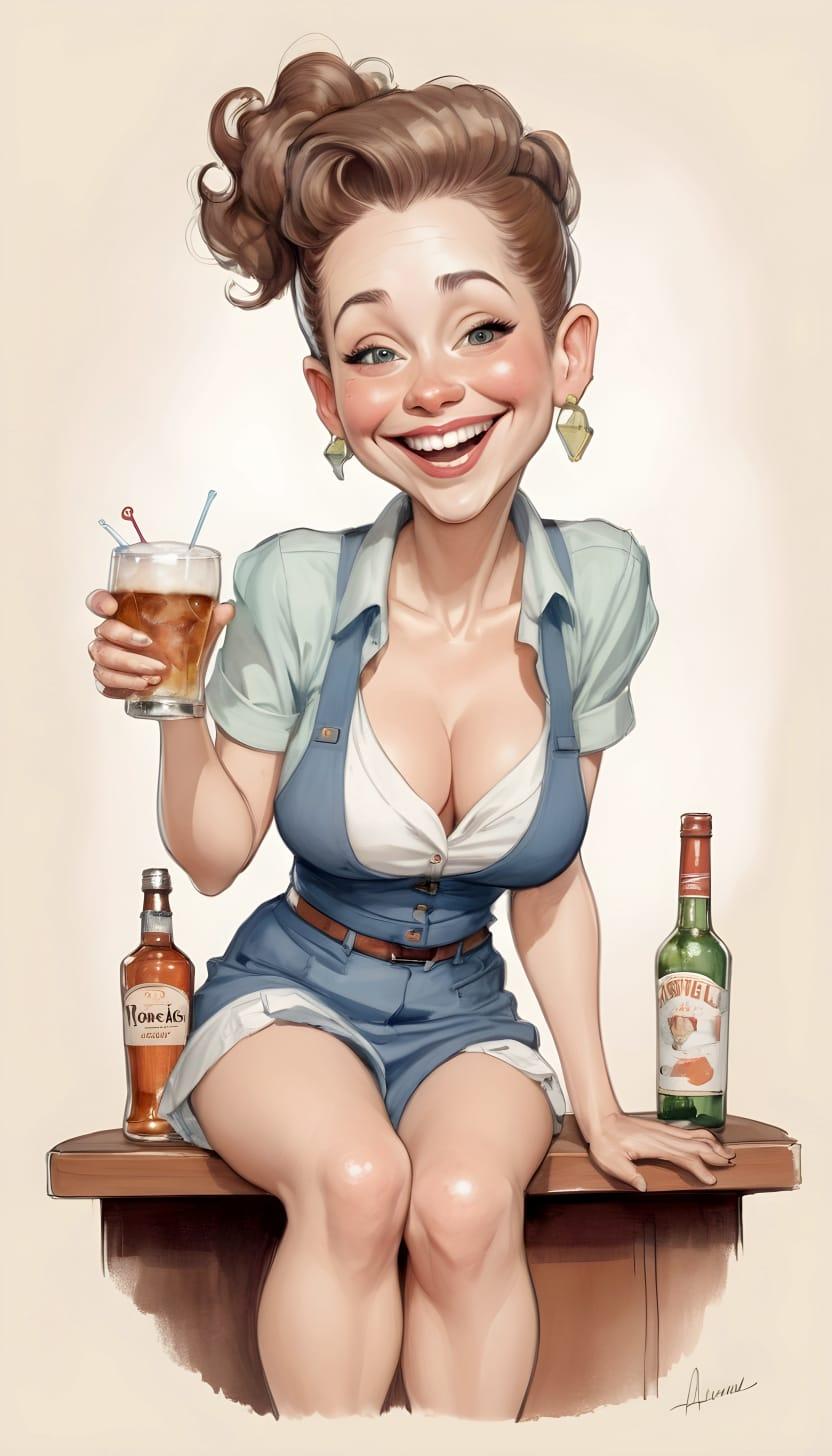
The term "cocktail" first appeared in print in 1806, and bartenders quickly turned it into an art form, blending flavors and inventing classics we still enjoy. Bartenders often memorize hundreds of recipes but also rely heavily on creativity, mixing new drinks on the spot for adventurous customers. Some bartenders use flair techniques—juggling bottles and shaking with style—to entertain guests while making drinks.

In the 1920s, bartenders became secret heroes during Prohibition, crafting cocktails to mask the taste of homemade spirits. A good bartender knows how to balance a drink perfectly, making it not too sweet, bitter, or strong—like a tasty science experiment. Bartenders often double as mixologists, diving deep into the history and chemistry of cocktails to craft unique experiences.
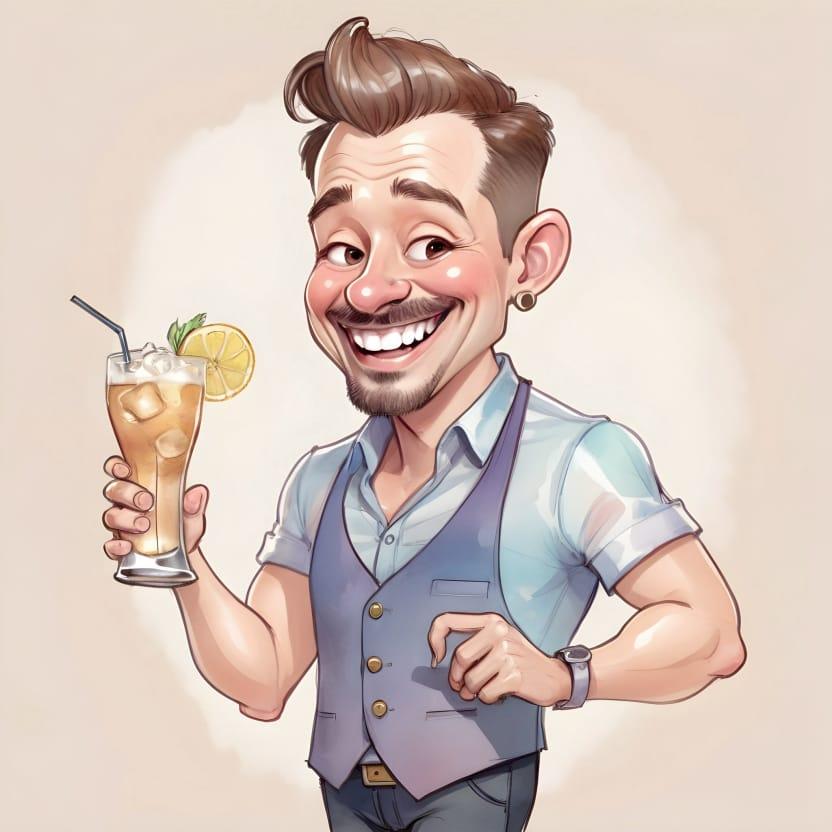
The world’s busiest bartender served 600 drinks in just 8 hours during a festival in Scotland. Speed and accuracy are key skills in the job. Bartenders often work late nights, making them experts at reading moods and defusing tense situations with a smile. Many bartenders keep their favorite secret recipes, sharing them only with close friends or loyal customers.
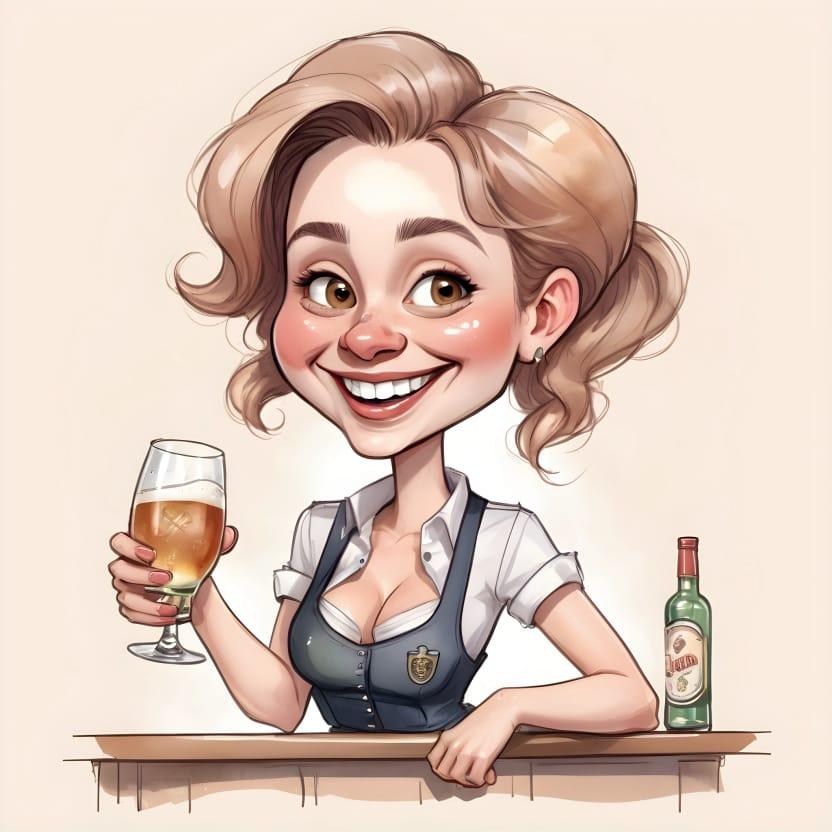
Bartenders sometimes create custom drinks based on customers’ personalities or moods—a fun way to personalize your night out. In Japan, bartending is a respected craft with strict training, and some bartenders spend years perfecting their skills. The iconic martini, popularized by bartenders, has sparked endless debates about the perfect ratio of gin to vermouth.
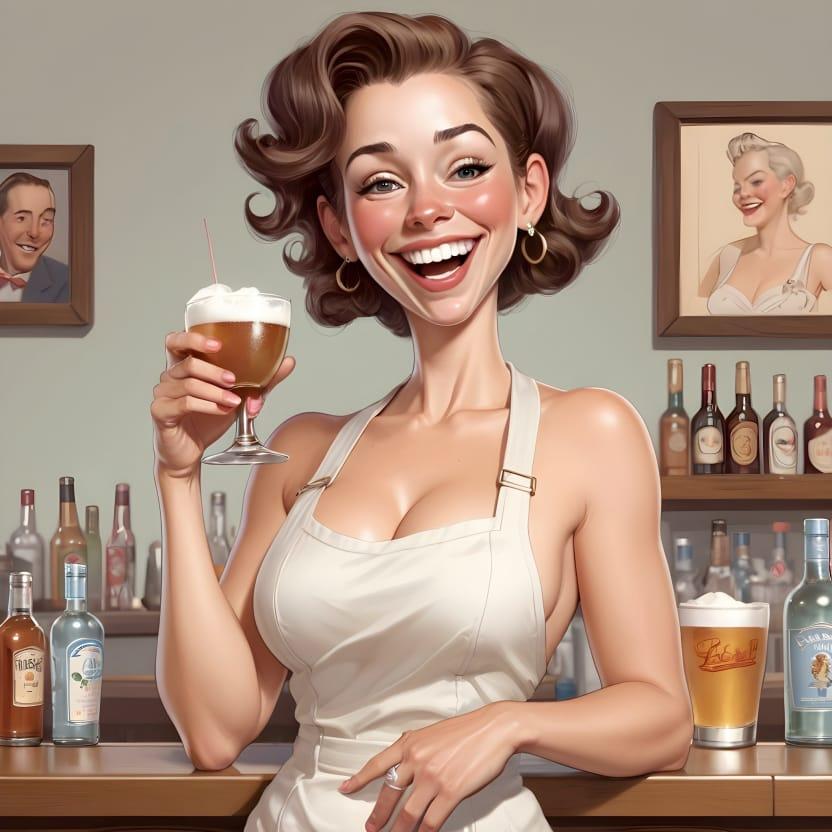
Some bartenders are experts in bitters, tiny flavor bombs that transform cocktails with just a few drops. Bartenders often develop a “sixth sense” for when a customer needs a little extra kindness or a strong drink. Historically, bartenders were among the first to push for responsible drinking and creating welcoming social spaces.
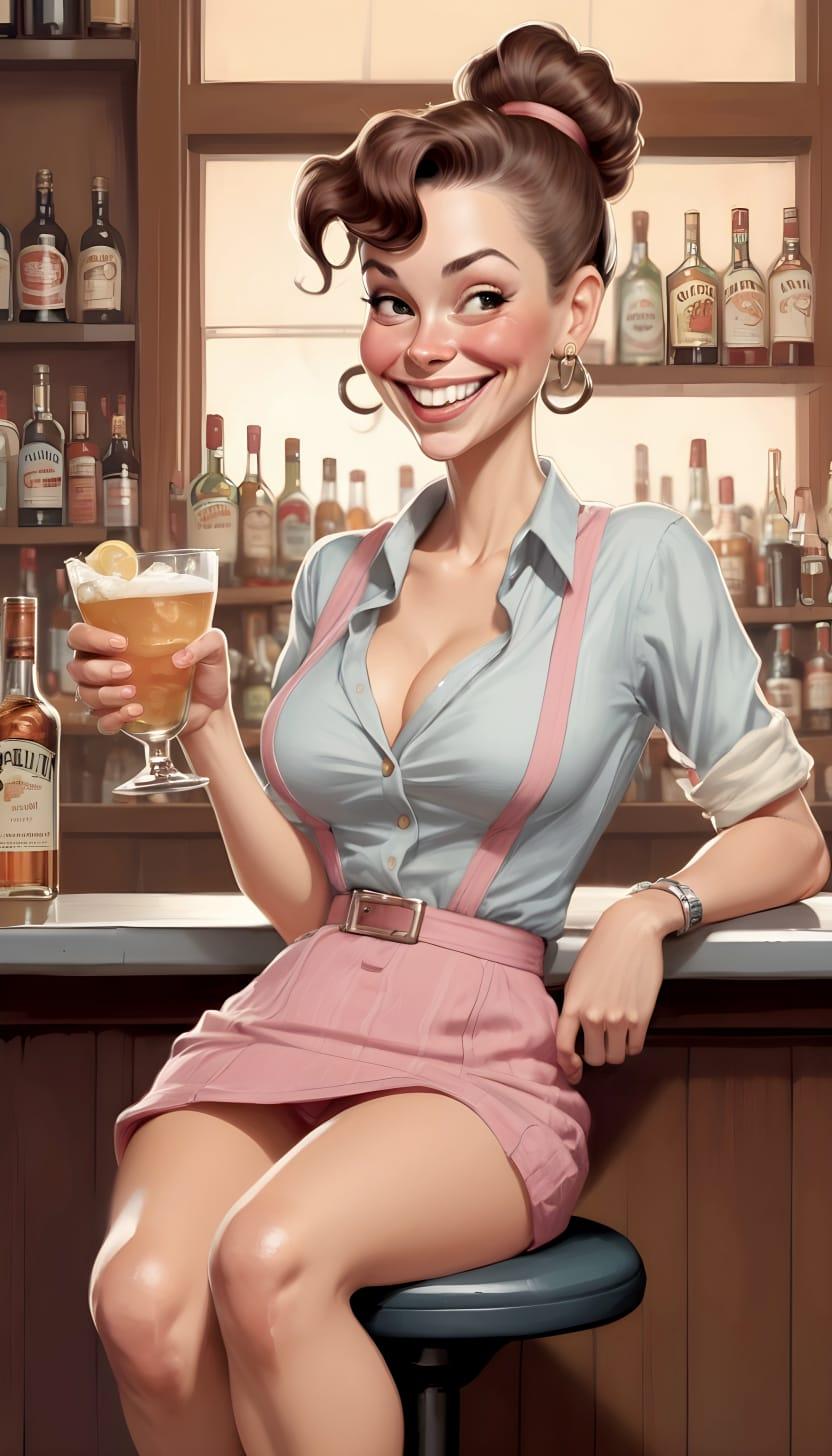
Bartenders usually juggle many orders at once, using sharp memory and quick hands to keep the line moving smoothly. A great bartender can tell the story behind every bottle and share fun facts about each spirit’s origin. Bartenders often experiment with infusions—adding herbs, fruits, or spices to spirits to create new flavor twists.
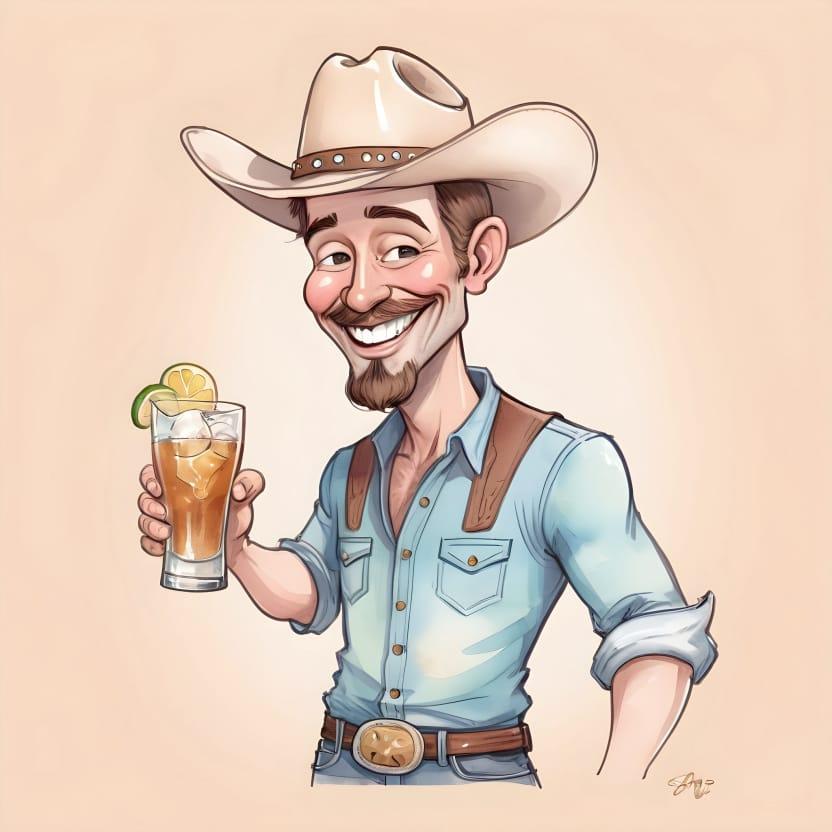
In some cultures, bartenders play a role similar to a host or a therapist, making guests feel comfortable and welcome. Bartenders sometimes mix drinks that pay homage to historical events or famous figures, adding extra meaning to your sip. Ice matters: bartenders use different types and shapes of ice to control how a drink melts and tastes.
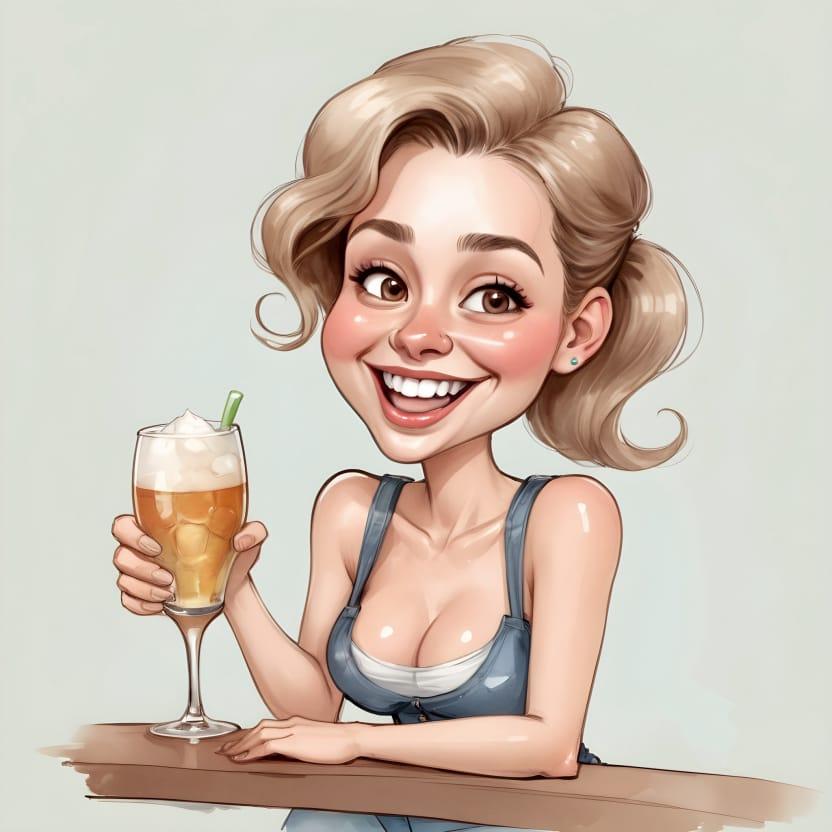
Bartenders often build strong local reputations, with some becoming celebrities in their own right for their unique styles. Bartenders’ tools include not just shakers and strainers, but also spoons, muddlers, and peelers for garnishes. Some bartenders collect vintage barware, preserving the history of cocktail culture.
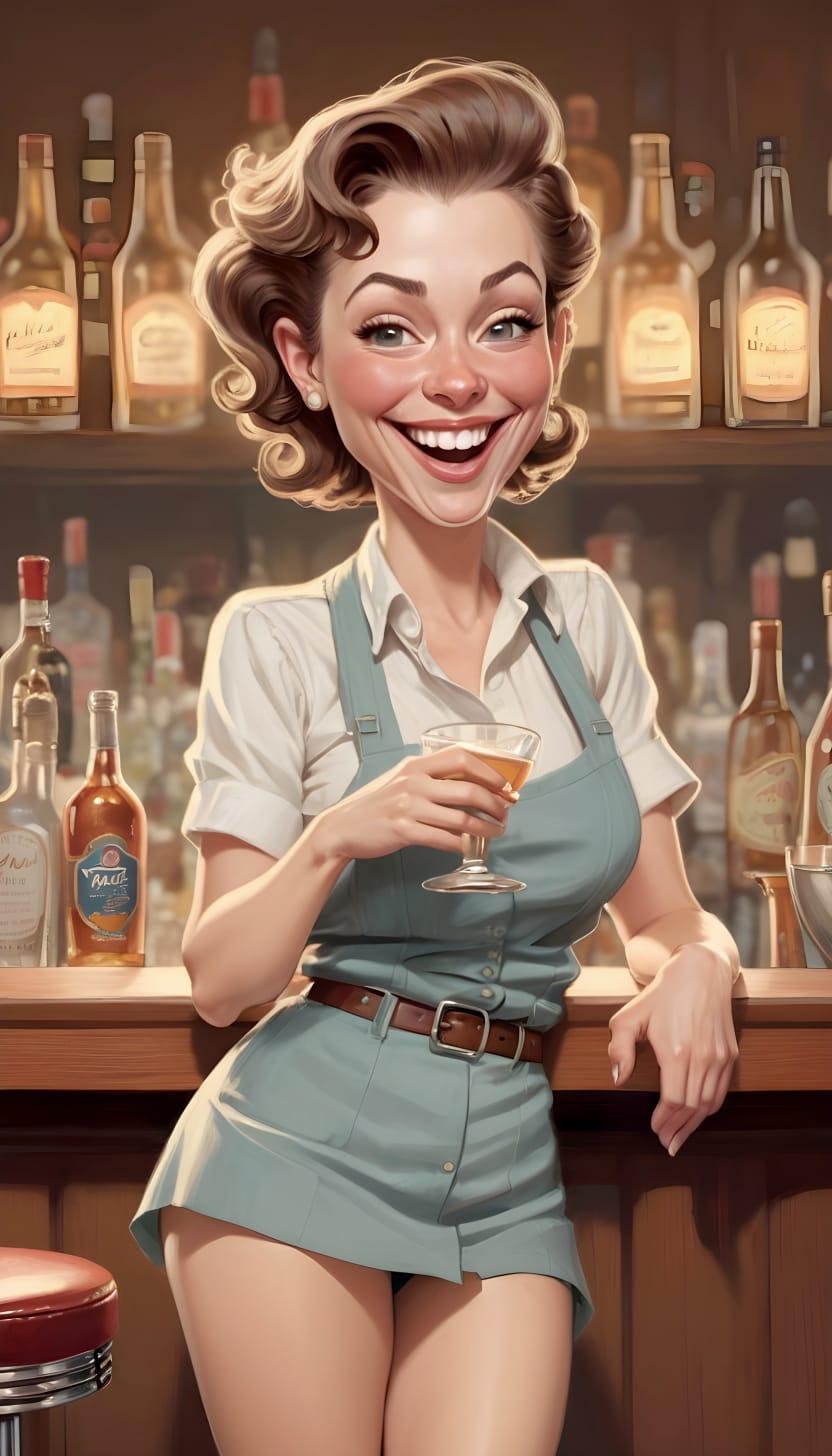
Bartenders frequently invent new cocktails during slow nights, testing flavors like scientists in a lab. Bartenders learn to work under pressure, especially during busy weekends or special events. A bartender’s smile and attitude can turn a bad night into a great one for many customers.

The famous “bartender’s choice” lets you skip the menu and trust the bartender to surprise you with something special. Bartenders often recommend food pairings to go with your drink, enhancing the overall experience. Bartenders know how to balance strong drinks with lighter mixers for a smooth finish.

Bartenders sometimes use smoke or fire to add drama and flavor to cocktails, creating memorable presentations. A bartender’s workspace is organized for speed—every tool and bottle placed for quick reach. Bartenders often keep an eye on guests’ well-being, knowing when to cut someone off for safety.

Many bartenders develop signature drinks that become a bar’s trademark, drawing in crowds eager to try them. Bartenders often train apprentices, passing down skills and recipes through generations. Bartenders frequently interact with diverse groups, making the job rich with social connections.

Bartenders have adapted through history, from prohibition-era speakeasies to today’s craft cocktail renaissance. Bartenders sometimes create drinks themed for holidays, events, or local festivals to keep menus fresh and fun. Bartenders often use fresh ingredients like herbs, fruits, and homemade syrups to enhance flavor naturally.

Bartenders sometimes hold competitions to showcase speed, creativity, and technique, pushing their craft to new heights. Bartenders also serve non-alcoholic cocktails, or mocktails, catering to customers who want the flavor without the buzz. Bartenders’ knowledge of spirits includes understanding aging, distillation, and regional variations.
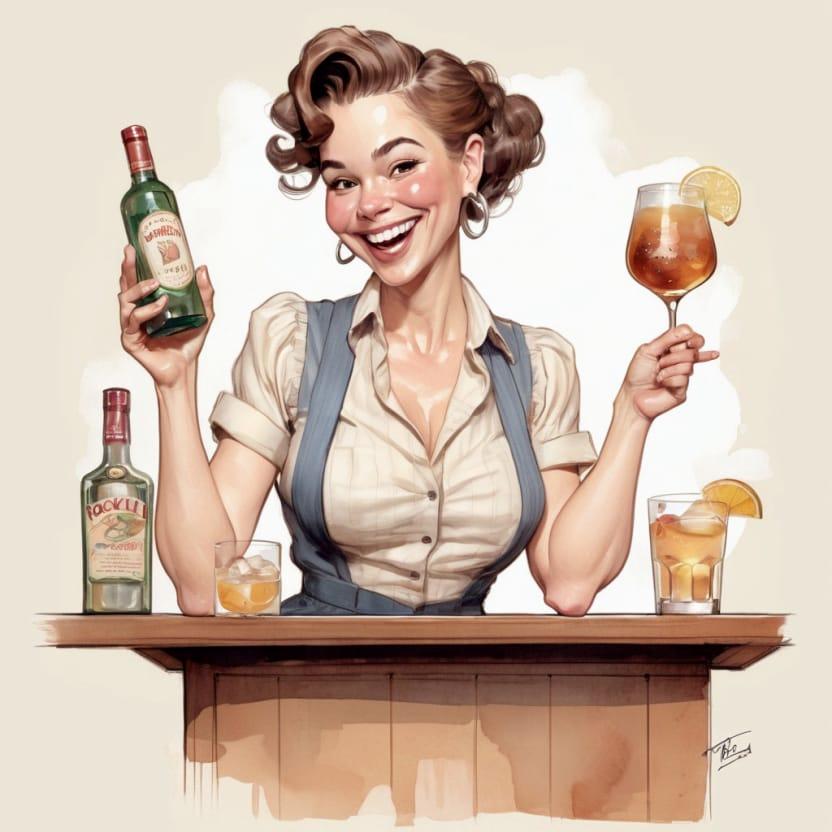
Bartenders often use bitters and liqueurs to add complexity and depth to drinks that might otherwise be simple. Bartenders frequently pair classic drinks with modern twists, reinventing old favorites for new tastes. Bartenders have to manage inventory carefully, avoiding waste while keeping popular ingredients stocked.

Bartenders’ ability to multitask is legendary—they mix, serve, chat, and clean all at once. Bartenders often have to deal with tricky customers tactfully, balancing hospitality and bar rules. Bartenders can detect subtle flavor differences in spirits, a skill that improves with experience.
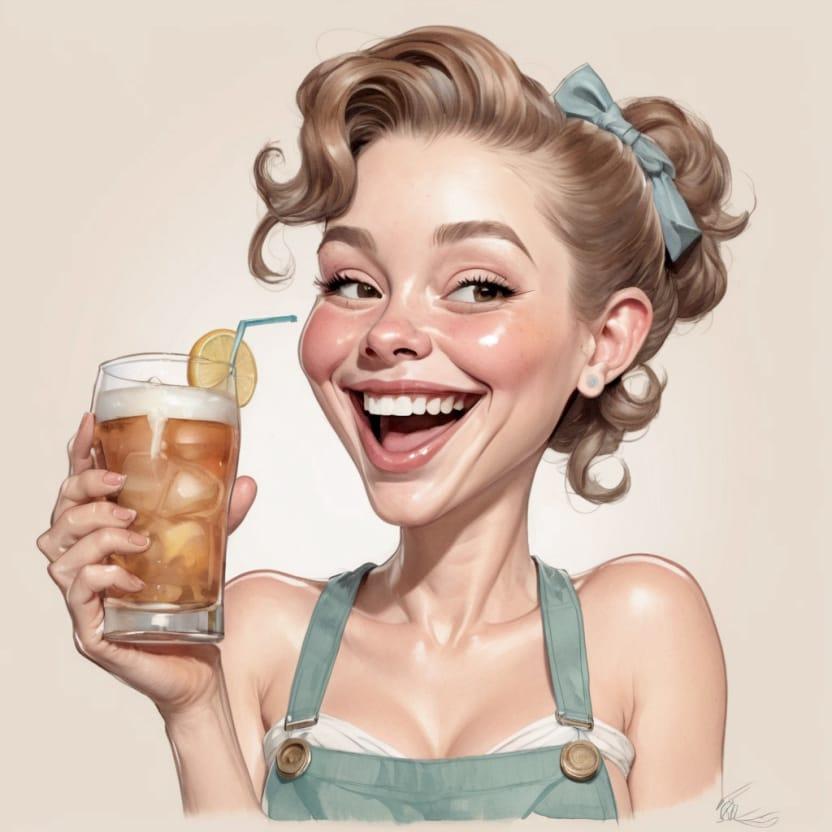
Bartenders sometimes create drinks inspired by literature, movies, or music, connecting pop culture with mixology. Bartenders often learn to use garnishes creatively, adding aroma and visual appeal to drinks. Bartenders usually know quick fixes for common issues like watery drinks or too-sour flavors.

Bartenders’ hands often show wear from constant shaking, pouring, and handling glassware. Bartenders sometimes become local historians, preserving stories about their city’s drinking culture. Bartenders play a key role in social bonding, creating environments where strangers become friends.

Bartenders know that the best drink isn’t always the strongest but the one that brings people together. Bartenders often create rituals around drink preparation that enhance the social experience. Bartenders contribute to evolving food and beverage trends by experimenting with flavors and presentation.