Buddha
- Fun pictures /
- People /
- Buddha

The name "Buddha" means "The Awakened One," referring to someone who has reached enlightenment. Siddhartha Gautama, who became the Buddha, was born into a royal family in what is now Nepal over 2,500 years ago. He gave up a life of luxury to understand suffering and how to overcome it.

The Buddha sat under a Bodhi tree for 49 days before reaching enlightenment. That Bodhi tree still has descendants growing in India today. The core of Buddha’s teachings is the Four Noble Truths and the Eightfold Path.

Buddha didn’t consider himself a god—he was a teacher who showed a path to peace. His teachings emphasize compassion, mindfulness, and non-attachment. Meditation was central to Buddha’s practice and remains essential in Buddhism.
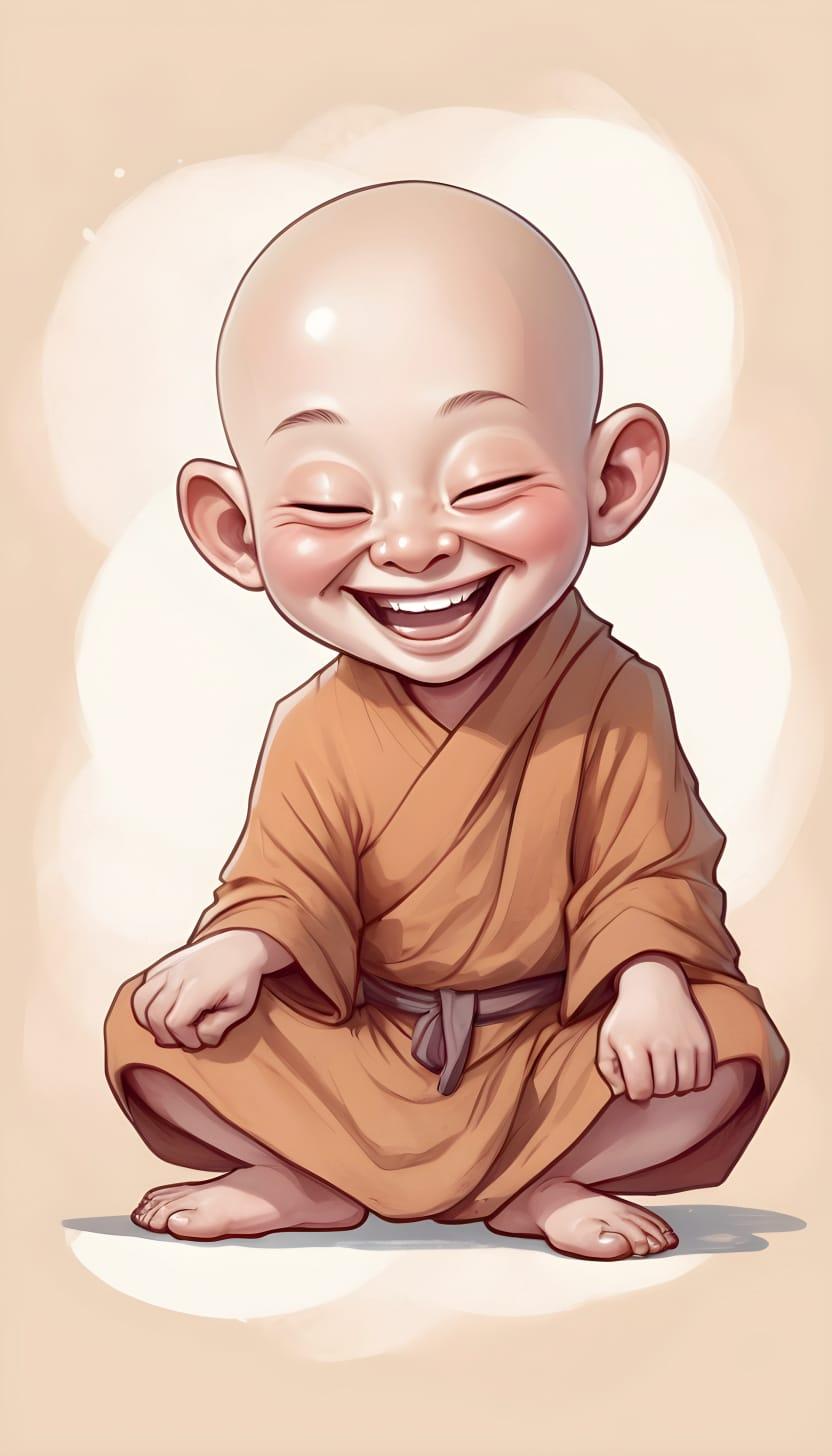
Buddha's first sermon is called the “Turning of the Wheel of Dharma.” He shared it with just five followers, who became the first Buddhist monks. Buddhism grew peacefully, without force or conquest, spreading across Asia.

Buddha believed that desire is the root of suffering. He taught that letting go of craving leads to lasting happiness. The smile often seen on Buddha statues symbolizes inner peace and contentment.
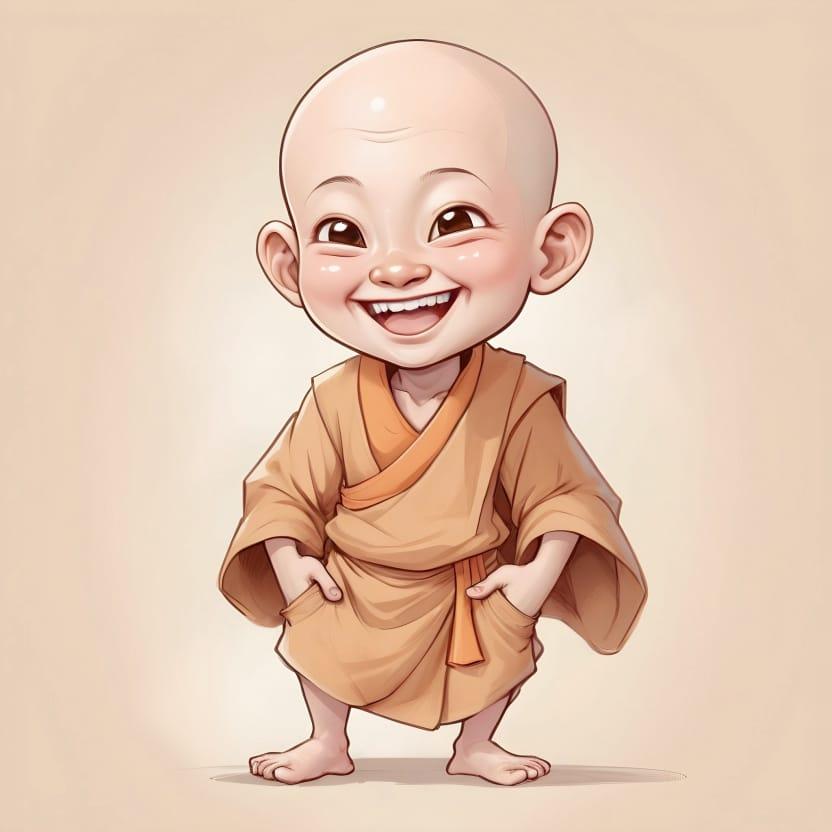
Buddha statues come in many poses, each with specific meanings. The reclining Buddha represents his final moments and entry into nirvana. A raised hand in a Buddha statue usually means protection or fearlessness.
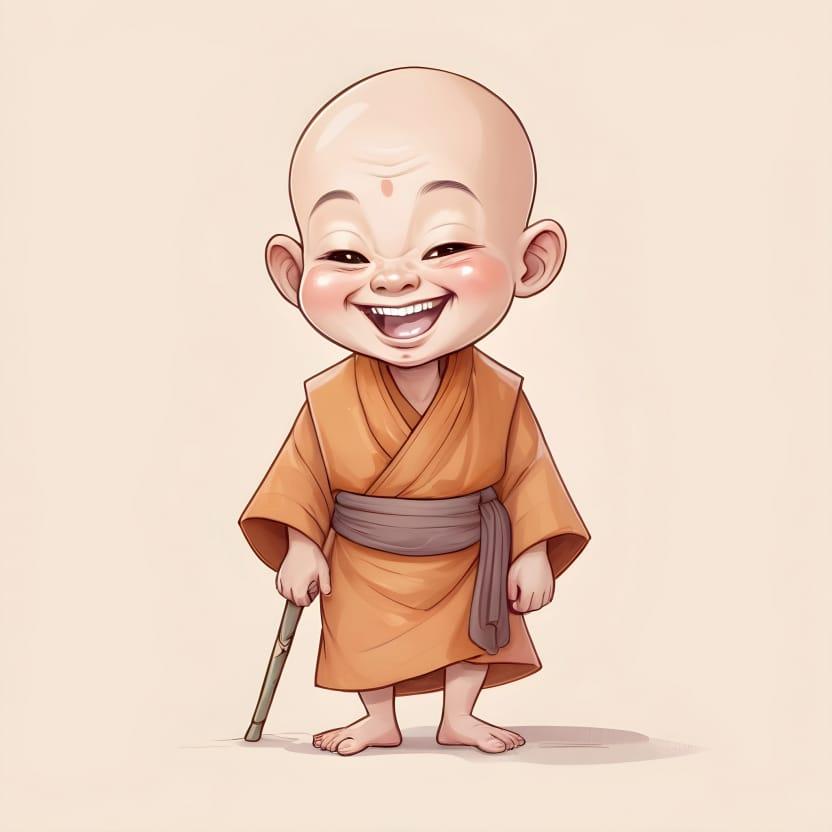
Buddha’s birthday is celebrated as Vesak in many Asian countries. In Japan, people pour sweet tea over small Buddha statues during Vesak. Some people rub Buddha statues for luck, especially the belly—though that’s a Western twist!

There’s a famous golden Buddha in Bangkok weighing over 5 tons. It was hidden under plaster to protect it from invaders and rediscovered by accident. The original teachings of Buddha were passed down orally for centuries.
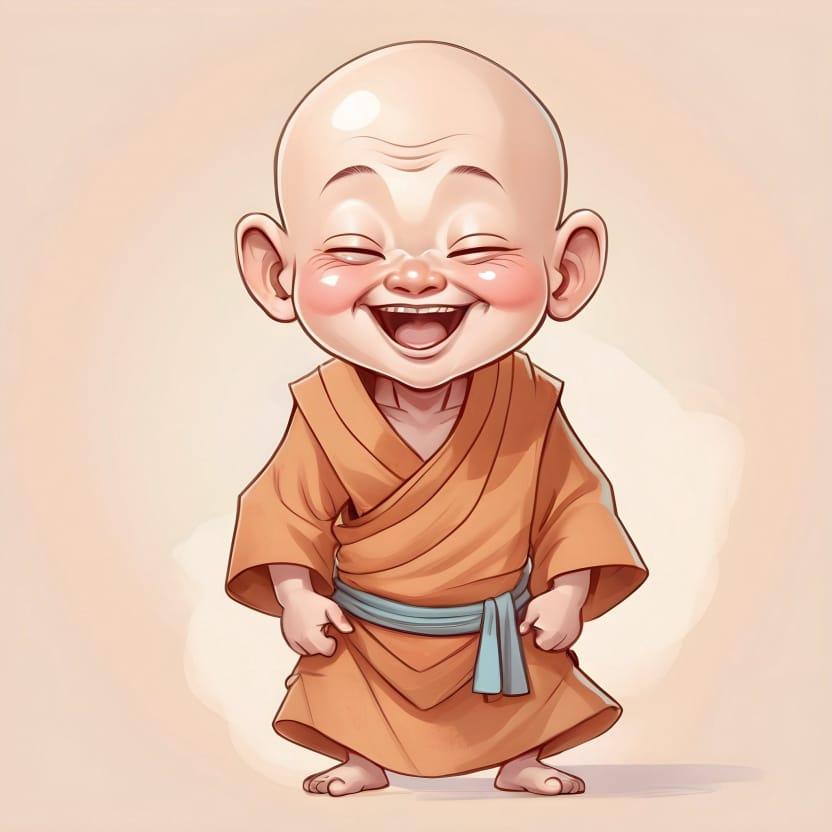
Buddhism has no central god, temple, or required rituals. Followers can practice at home, in nature, or in monasteries. Buddha encouraged people to question and explore truth for themselves.

In Buddhist art, the wheel symbolizes the cycle of life and the path to liberation. The lotus flower represents rising above suffering and blooming into enlightenment. Even animals like elephants and deer are often found in Buddhist symbolism.

Buddha once told his disciples to treat his teachings like a raft—useful for crossing the river, but not to be carried afterward. One of the Buddha’s key lessons: “All things are temporary.” Laughter and joy were part of Buddha’s approach to life—he wasn’t always serious.

A peaceful mind, Buddha taught, is stronger than any weapon. His teachings helped shape the culture of countries like Thailand, Sri Lanka, and Tibet. There are many different types of Buddhism, like Zen, Theravāda, and Mahāyāna.
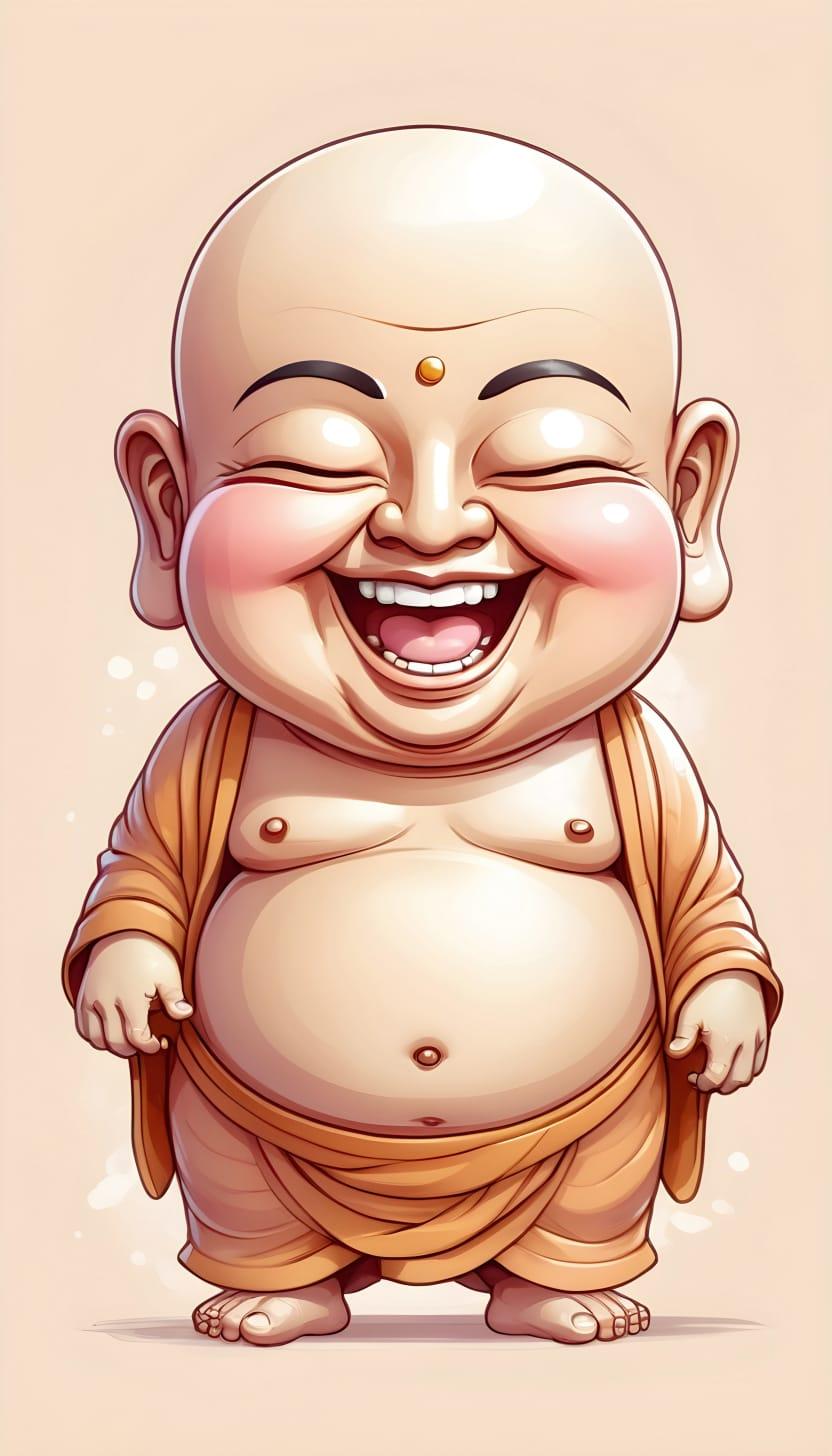
Buddha’s followers built stupas—dome-shaped structures that hold relics. Some stupas are pilgrimage sites visited by millions every year. The biggest stupa in the world is in Nepal, near where the Buddha was born.
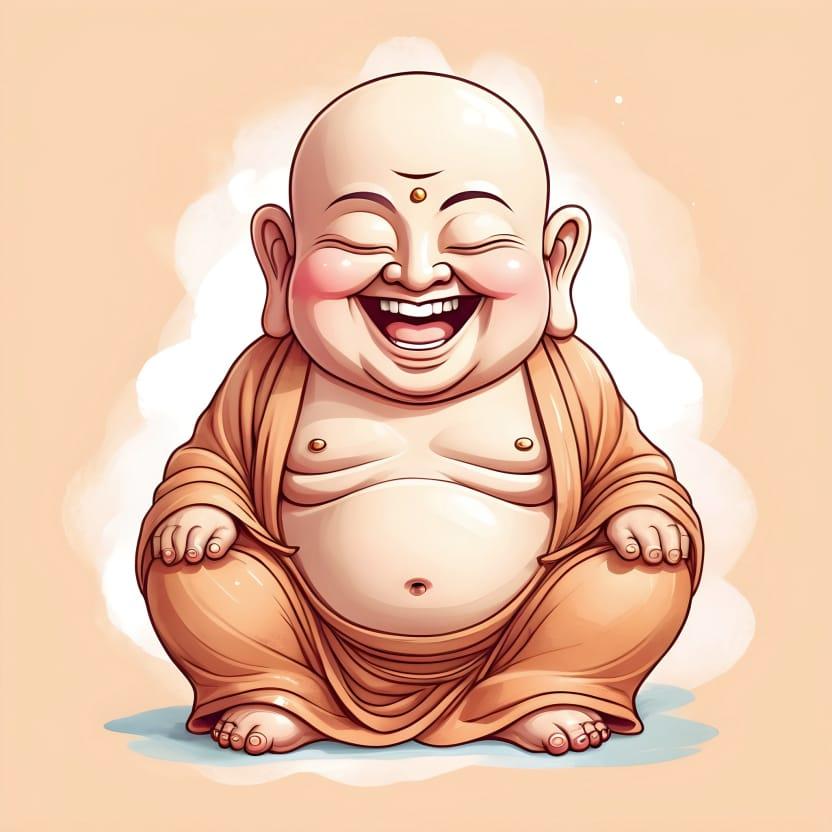
The “Middle Way” was Buddha’s strategy—avoiding extreme indulgence and extreme denial. Buddha was known for his calm presence and powerful silence. He once stopped a war just by sitting between two armies.
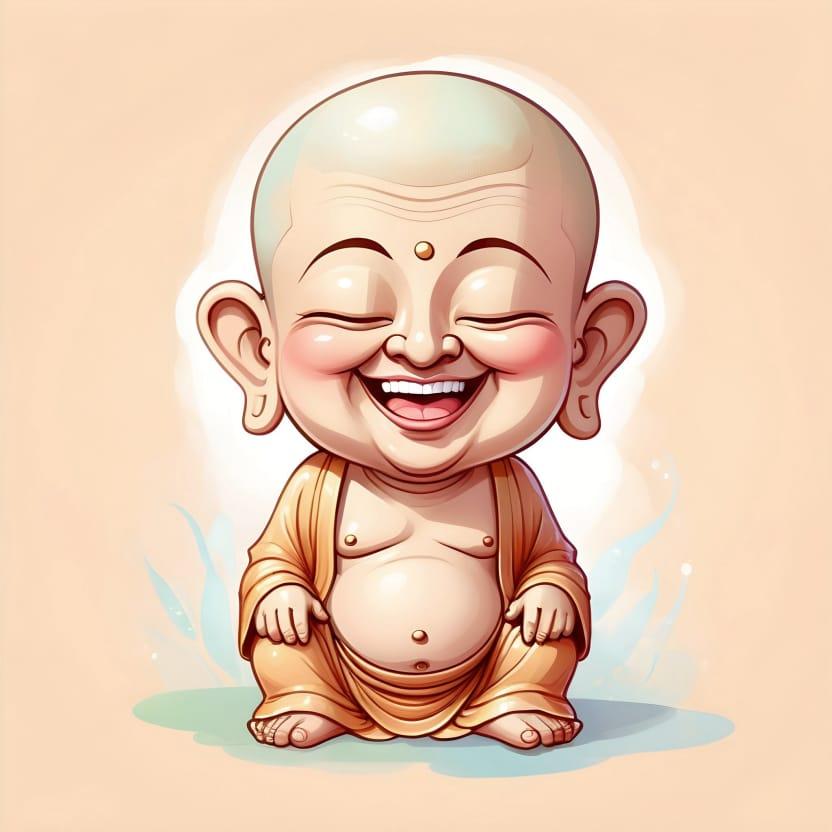
Even today, monks follow the Buddha’s path by living simply and practicing daily meditation. Some Buddhist monks spend years in total silence, focusing inward. The orange robes often worn by monks represent humility and detachment.
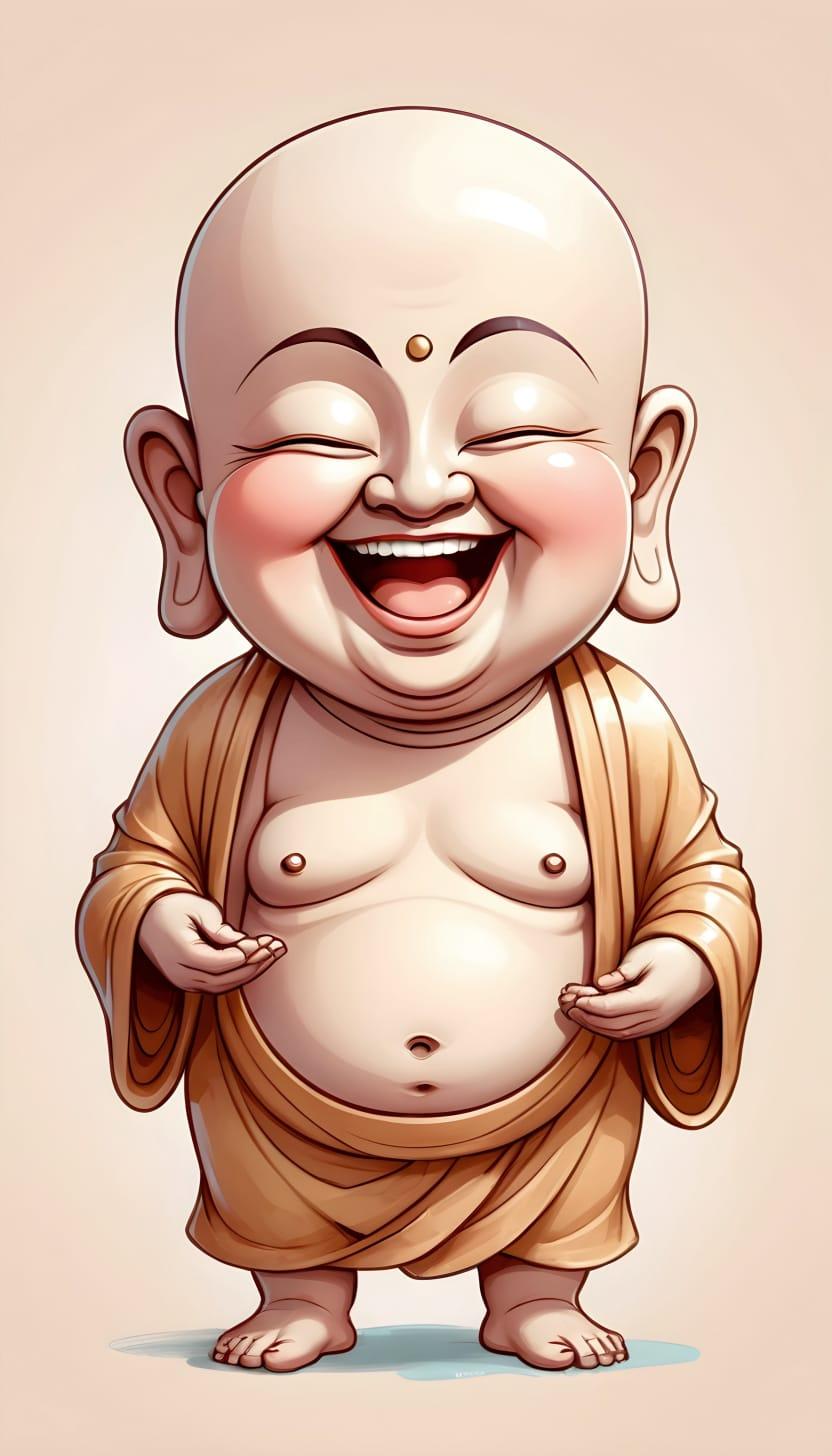
Buddha taught that kindness to all living beings brings peace. Many Buddhists follow a vegetarian diet to avoid harm. Chanting is a way some Buddhists connect to teachings and calm the mind.
Buddhism made its way to the West in the 1800s and grew during the 20th century. Today, millions around the world explore mindfulness thanks to Buddha’s legacy. Celebrities like Tina Turner and Richard Gere have shared their interest in Buddhism.
The Dhammapada is a famous book of Buddha’s sayings, still widely read. One quote from it: “Hatred does not cease by hatred, but only by love.” Many schools and therapists now include mindful breathing, a practice from Buddha’s teachings.

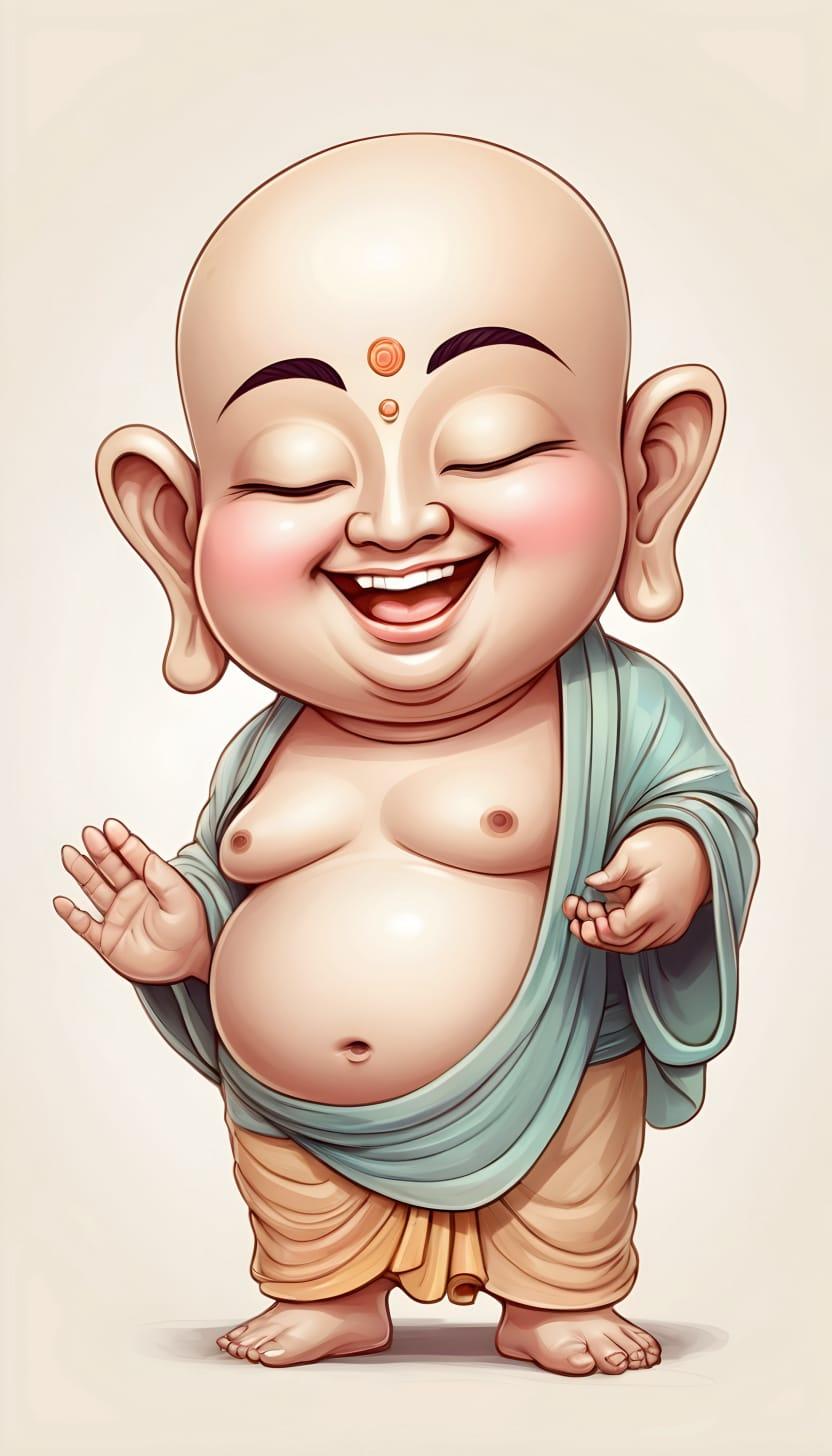
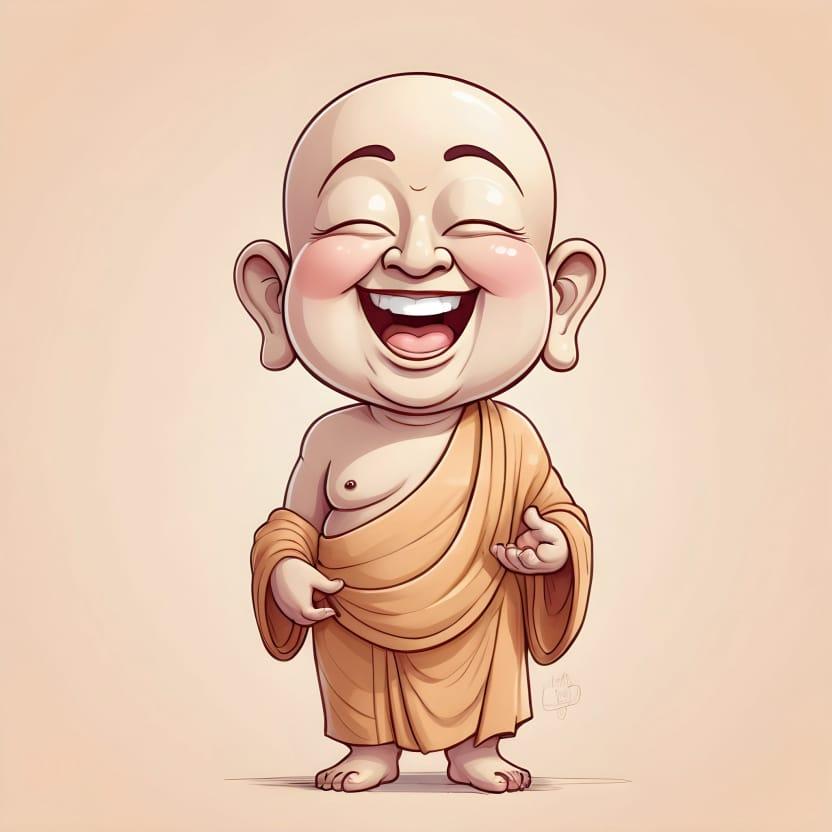
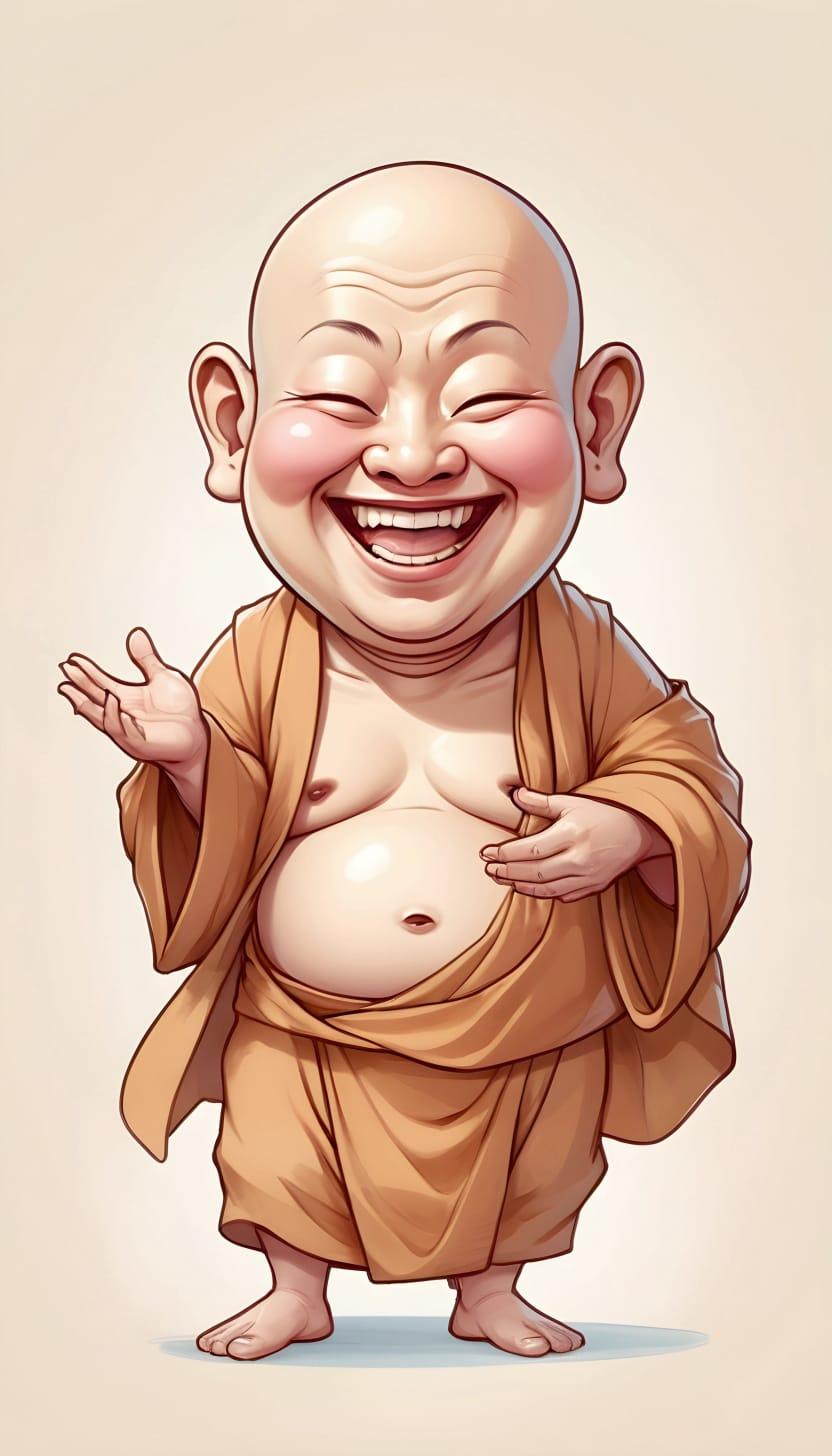
There’s a massive Buddha statue in Leshan, China—71 meters tall and carved into a cliff. The Laughing Buddha, often confused with the real Buddha, is actually based on a Chinese monk. In some traditions, Buddha is depicted with long earlobes to show wisdom and detachment from wealth.
Buddha’s influence has touched art, science, and daily life for centuries. From incense to meditation apps, his teachings continue to evolve with the times. Understanding Buddha means exploring both the history and the heart of human experience.