Archaeologist
- Fun pictures /
- People /
- Archaeologist
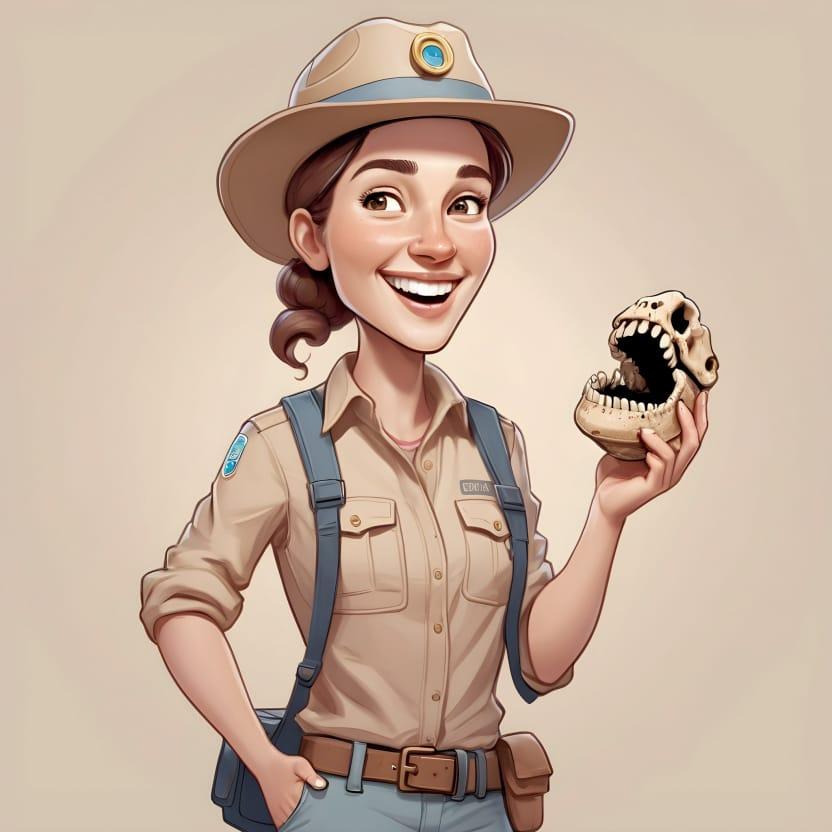
An archaeologist once discovered a 5,000-year-old piece of chewing gum in Finland—still with human teeth marks on it. The Rosetta Stone, crucial in deciphering Egyptian hieroglyphs, was actually found by accident during construction by Napoleon’s soldiers. Some archaeologists use drones now to find buried cities by spotting unusual soil patterns from above.

An archaeologist in the U.S. uncovered a prehistoric dog burial, showing humans loved their pets thousands of years ago. In Pompeii, archaeologists found graffiti that looks suspiciously like ancient social media posts—short messages scratched into walls. A 13-year-old boy in Denmark, using a metal detector, helped archaeologists uncover Viking treasure.

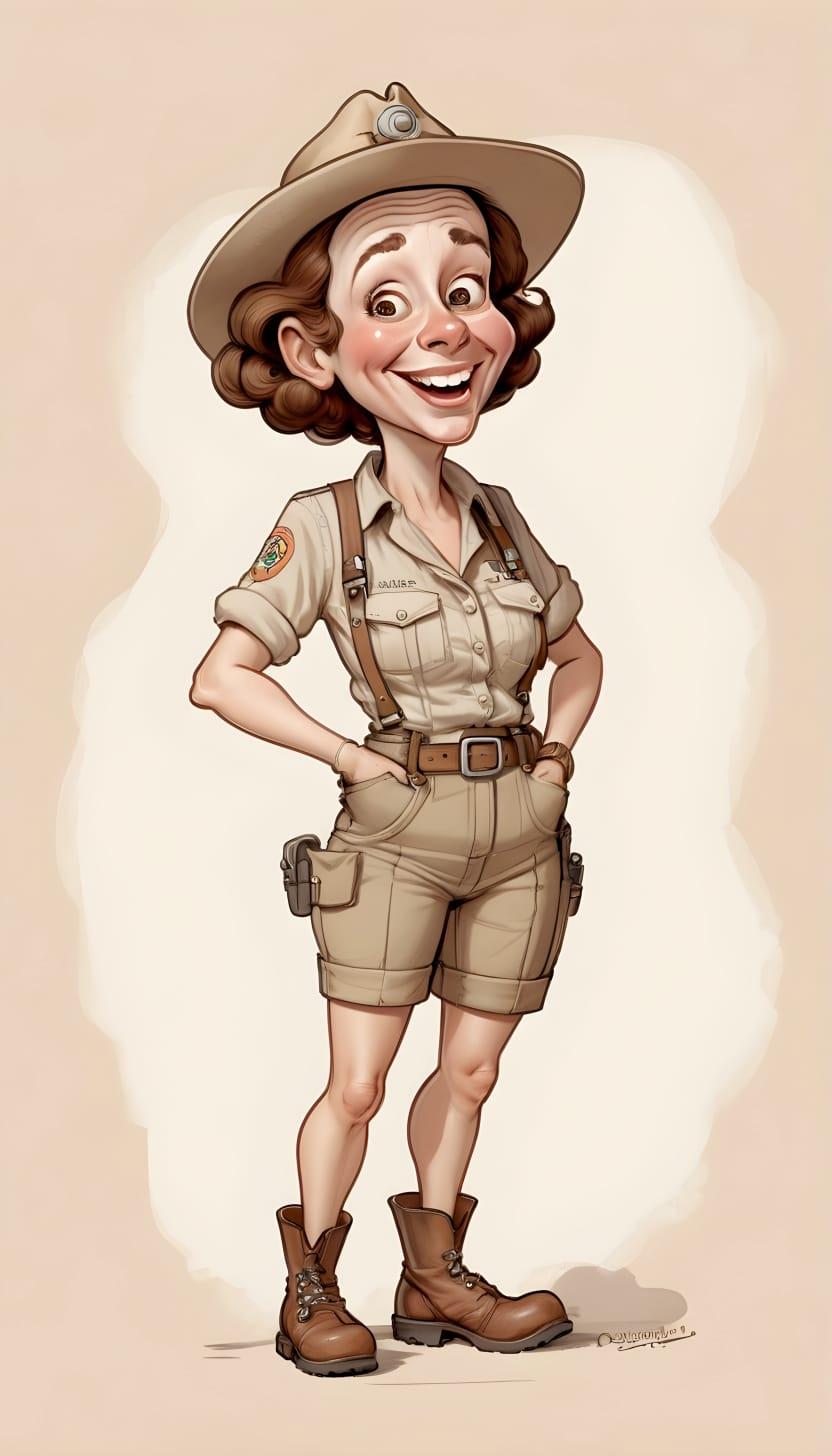
The Terracotta Army was found in 1974 by farmers digging a well—archaeologists then spent decades excavating it. Some ancient Roman toilets still work today—archaeologists found the original plumbing and tested it with water. To avoid damaging fragile sites, archaeologists often use soft brushes, dental tools, or even toothbrushes during digs.

An ancient Mayan city in Guatemala was mapped by archaeologists using laser technology called LiDAR—it revealed thousands of unknown structures. Bog bodies found in northern Europe are so well-preserved, archaeologists can still see their hair, nails, and stomach contents. In 2021, archaeologists in Egypt discovered a “lost golden city” near Luxor that had been buried for over 3,000 years.
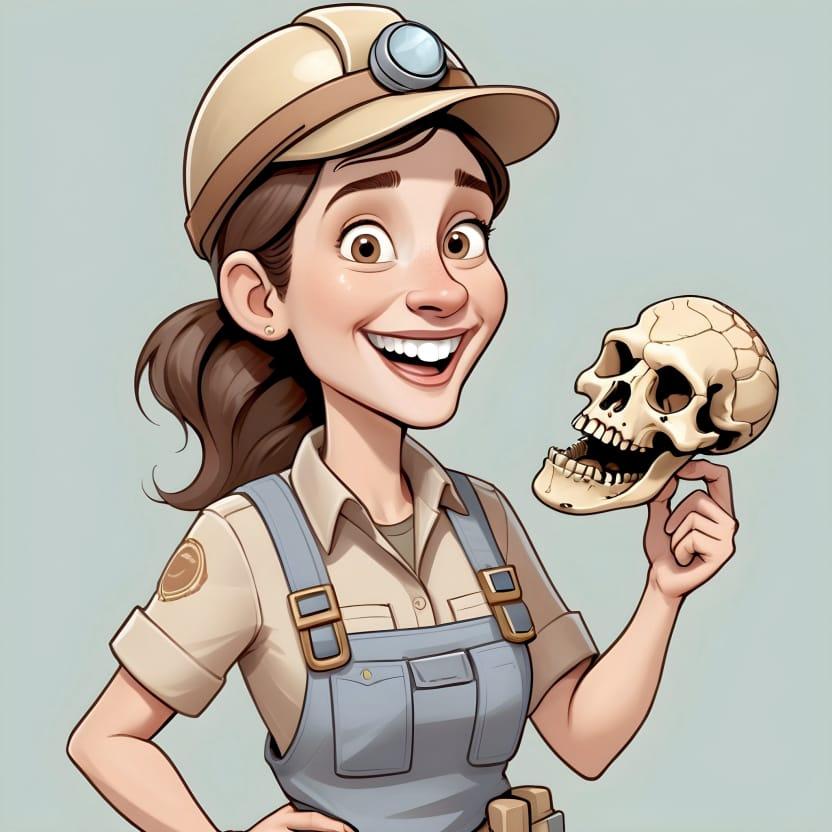
King Tut’s tomb was one of the best-preserved ever found—archaeologists spent ten years cataloging everything inside. A 2,000-year-old Roman fast food joint was discovered in Pompeii, complete with images of food painted on the walls. Archaeologists sometimes use ancient trash piles—called middens—to learn about diets and habits of past civilizations.

The oldest known shoe—over 5,000 years old—was found in a cave in Armenia, perfectly preserved in sheep dung. Underwater archaeologists explore shipwrecks, often finding items like coins, weapons, and even ancient wine bottles. In 2020, archaeologists uncovered a huge network of Amazonian villages using satellite images.
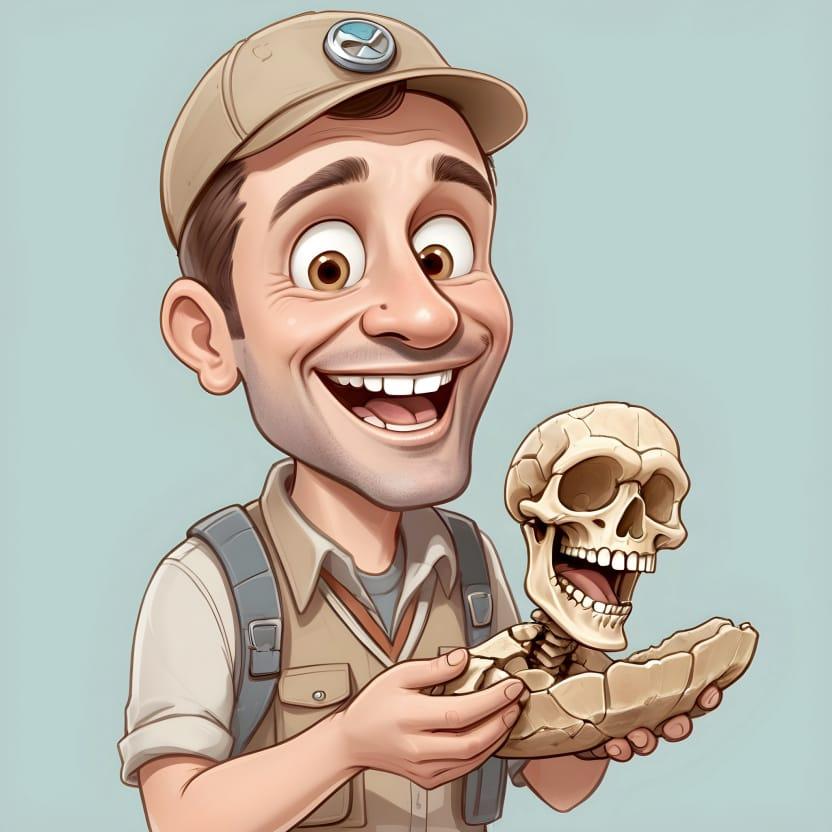
Not all discoveries are glamorous—some archaeologists spend months just sifting through layers of dirt for tiny seeds or bones. The Great Wall of China has hidden sections buried under sand—archaeologists are still uncovering them today. A 3,500-year-old prosthetic toe found in Egypt is one of the earliest known medical devices.

Archaeologists once found 40,000-year-old cave art in Indonesia—depicting pigs and hunting scenes. The Dead Sea Scrolls were hidden in desert caves for nearly 2,000 years before a shepherd stumbled upon them. Ancient Egyptian tombs often had “curses” written inside, but archaeologists have never found proof that one actually worked.
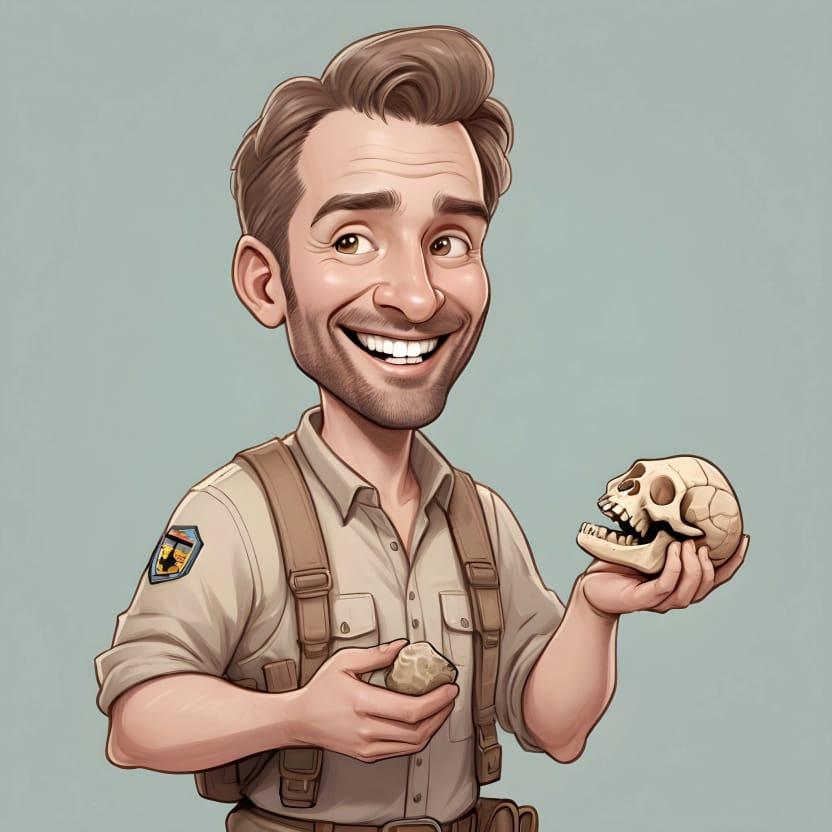
In Japan, archaeologists uncovered a 1,800-year-old Roman coin—suggesting surprising ancient trade routes. Some archaeologists specialize in ice—melting glaciers are revealing ancient tools, clothing, and even bodies. Excavating ancient latrines tells archaeologists a lot about health, hygiene, and diet in historical communities.

The oldest known musical instrument, a flute made from a vulture bone, was found by archaeologists in a German cave. A Viking ship burial uncovered in Norway showed how seafaring warriors honored their dead. Archaeologists found a 2,600-year-old brain preserved in English mud—still with its structure intact.
Ancient Chinese oracle bones—used for divination—helped archaeologists date the early Shang Dynasty. In Peru, archaeologists discovered Nazca lines shaped like monkeys and birds, visible only from the sky. Children sometimes help archaeologists by joining “junior dig” programs and learning field techniques.

A 10,000-year-old bread recipe was recreated by archaeologists using charred remains found in ancient ovens. Archaeologists in Turkey found a Neolithic temple older than the pyramids—Gobekli Tepe. A Roman mosaic floor was discovered under an English farmer’s field—just inches below the surface.

In Greenland, archaeologists used radar to find Viking structures buried under ice and snow. Some archaeological sites are protected by wild animals—like monkeys guarding temples in India. A ceramic jar in Jerusalem had ancient yeast inside—archaeologists actually baked bread with it.
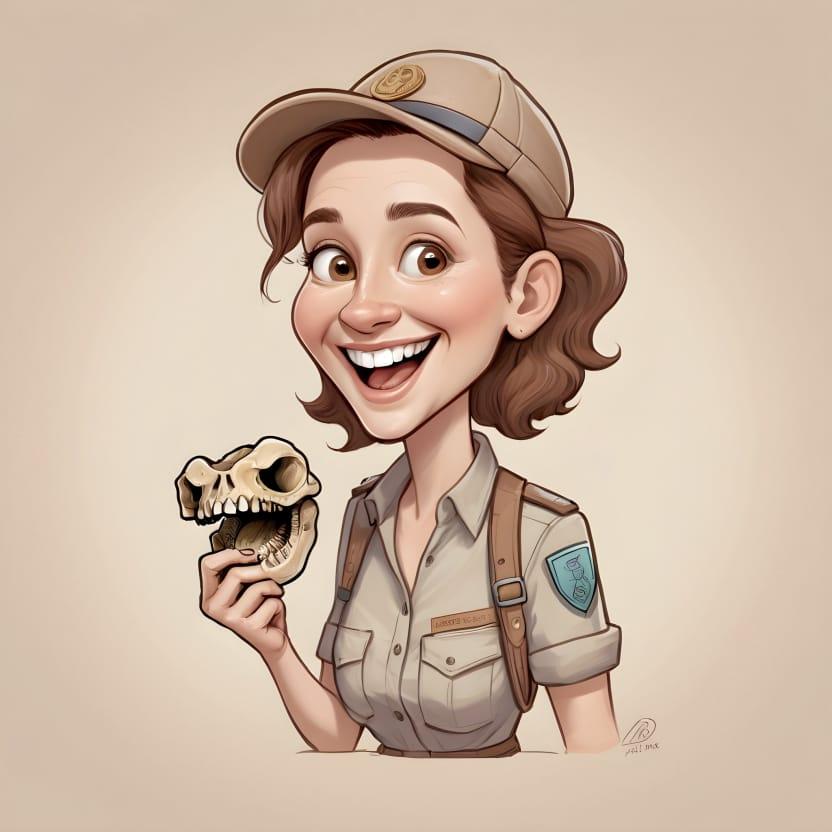
A prehistoric village was found in Canada beneath modern buildings—older than the Egyptian pyramids. Archaeologists found clay balls in Mesopotamia used as early accounting tools. Skeletal remains often reveal clues about ancient diseases like tuberculosis or arthritis.

In 2022, archaeologists unearthed a Roman mosaic in Syria featuring mythical sea creatures. Some ancient statues were originally painted in bright colors—archaeologists have found pigment traces on the surfaces. In Italy, archaeologists found ancient graffiti complaining about wine prices—proof that some things never change.

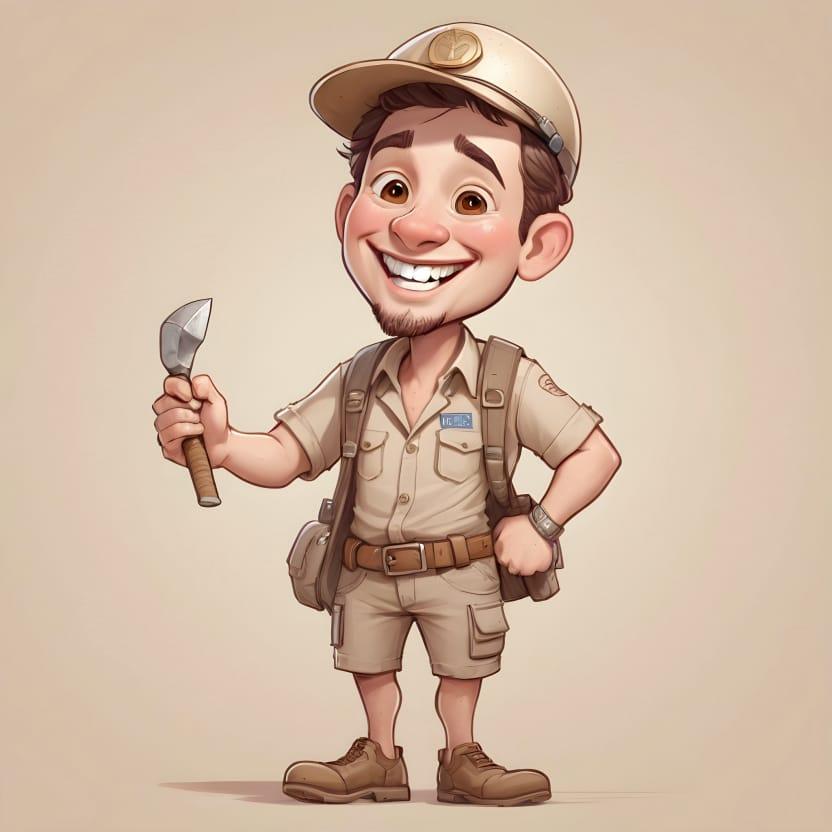
Stonehenge’s purpose remains a mystery, but archaeologists think it may have aligned with solar events. In China, archaeologists uncovered a 3,000-year-old bronze tree with mythical bird carvings. Some archaeologists focus entirely on ancient tools, analyzing how early humans crafted knives and axes.
In Greece, archaeologists discovered a 3,500-year-old city thought to be linked to Homer’s stories. Cave art often shows handprints—archaeologists believe some were made by children. A Roman toilet seat was found in England—still made of wood and quite well-preserved.

Mummy wrappings sometimes include amulets or tiny scrolls—archaeologists use x-rays to study them without unwrapping. A 2,000-year-old tattoo tool was found in Utah, showing ancient Native American body art practices. Some archaeologists study battlefield remains to reconstruct troop movements and weapon types.

In Mexico, archaeologists uncovered massive stone heads created by the Olmec civilization. Pollen grains found at ancient sites help archaeologists reconstruct ancient environments. An archaeologist once found a tiny Roman dice hidden in the floor of a tavern—possibly used for cheating.

At Machu Picchu, archaeologists discovered that its stones fit so precisely, not even a knife blade can fit between them. In Kenya, footprints from 1.5 million years ago were preserved in volcanic ash—clues to how early humans walked. Archaeologists sometimes carry toothbrushes in their toolkits—not for brushing teeth, but for cleaning history.