Barista
- Fun pictures /
- People /
- Barista

The word "barista" comes from Italian, meaning someone who serves drinks, especially coffee. In many countries, a barista is a skilled expert who crafts espresso-based beverages. Making the perfect espresso shot involves precise timing—usually around 25 to 30 seconds—to extract the right flavors from the coffee grounds. Many baristas train for years to master latte art, creating designs like hearts and rosettas on the foam of cappuccinos and lattes.

The espresso machine, a barista's main tool, was invented in Italy in the early 1900s and revolutionized how coffee is prepared worldwide. Baristas don’t just brew coffee; they often understand the beans’ origins, roasting styles, and how grind size affects flavor. Competitions for baristas, like the World Barista Championship, test speed, taste, creativity, and presentation under pressure.

In the early days, baristas often worked behind simple espresso machines, but today, high-tech machines with digital controls help maintain consistency. A skilled barista knows how to adjust water temperature and pressure to suit different types of coffee beans for the best taste. Some baristas specialize in manual brewing methods like pour-over and siphon coffee, focusing on precision and clarity of flavor.

Baristas often develop a strong sense of smell and taste to detect subtle differences in coffee profiles, much like sommeliers do with wine. In addition to coffee, many baristas prepare tea and specialty drinks like matcha lattes or chai teas, expanding their craft. The rise of third-wave coffee shops has turned baristas into coffee educators who share brewing tips and coffee knowledge with customers.

Baristas usually clean their equipment multiple times a day, as cleanliness is key to maintaining great coffee flavor. The grind size that a barista chooses can make or break a cup—too coarse, and the coffee will be weak; too fine, and it might taste bitter. Many baristas use scales and timers to perfect each coffee shot, turning coffee-making into a precise science.

Espresso machines use pressure—about nine bars—to force hot water through finely ground coffee, a technique baristas master for consistency. The crema, a golden foam on top of an espresso shot, is a key sign of a barista’s skill and a well-extracted coffee. Baristas often learn how to steam milk to create microfoam, which gives lattes their smooth texture and helps with latte art.

Many baristas memorize dozens of drink recipes, from classic americanos to complicated signature beverages. The term “barista” gained global popularity in the 1990s, as coffee culture exploded outside Italy. Some baristas compete in “latte art throwdowns,” where they showcase their most creative and intricate designs.

Baristas often recommend coffee beans to customers based on taste preferences, from fruity and bright to dark and smoky. Behind every great coffee shop is a team of baristas who collaborate to keep the flow smooth and customers happy. In some places, baristas have become local celebrities, known for their friendly chats and coffee expertise.

Baristas use tampers to pack coffee grounds evenly before brewing, which is crucial for an even extraction. Cold brew coffee has become a barista favorite in recent years, offering a smooth and less acidic alternative to hot coffee. The best baristas continuously experiment with coffee variables like water quality, grind, and brewing time to enhance flavor.

In Japan, baristas sometimes focus on slow, precise brewing methods that can take several minutes per cup. Many baristas consider coffee a form of art and science combined, blending creativity with exact measurements. The barista’s role extends beyond coffee—it often includes customer service, storytelling about coffee origins, and creating a warm atmosphere.

Baristas often deal with early morning rushes, needing speed and accuracy to serve dozens of drinks quickly. Some baristas roast their own beans to better understand coffee flavor profiles from farm to cup. In cities worldwide, baristas help spread coffee culture and appreciation for specialty brews.

The “barista” profession has grown into a respected career path, with training programs and certifications available globally. Many baristas keep journals to track different coffees and brewing results, improving their craft over time. Espresso-based drinks like cortados and flat whites have become popular thanks to skilled baristas introducing them to new markets.

The sound of steaming milk and grinding beans is the barista’s soundtrack, signaling the start of a fresh coffee experience. Some baristas experiment with unique milk alternatives like oat or almond milk to accommodate diverse tastes. Baristas often have to balance precision with creativity, especially when inventing new drinks.

Coffee extraction depends heavily on the barista’s technique; even slight changes can alter the flavor dramatically. Many baristas are passionate about sustainability, choosing ethically sourced beans and eco-friendly practices. Baristas sometimes host tasting sessions or “cuppings” to explore and compare coffee flavors with customers.

During the COVID-19 pandemic, many baristas adapted by learning to prepare coffee for takeout and delivery without losing quality. Baristas’ knowledge of grind size also applies when brewing methods change, like espresso versus drip coffee. Some baristas learn additional skills such as latte art competitions or advanced coffee chemistry.

The best baristas know how to listen to customers’ preferences and suggest drinks that fit their mood or taste. Baristas often develop quick reflexes to handle multiple orders, steaming milk and pulling espresso shots simultaneously. Many coffee shops encourage baristas to develop their own signature drinks to showcase their creativity.

Coffee shops with expert baristas often see more loyal customers who appreciate the care behind every cup. Some baristas use apps or digital tools to track brewing parameters and improve consistency. Baristas sometimes collaborate with roasters and growers to experiment with new coffee varieties.

A barista’s daily routine includes calibrating the espresso machine and grinder to ensure peak performance. Baristas often develop close bonds with regular customers, making coffee shops feel like a community hub. Certain baristas are recognized internationally for pushing the boundaries of coffee brewing techniques.
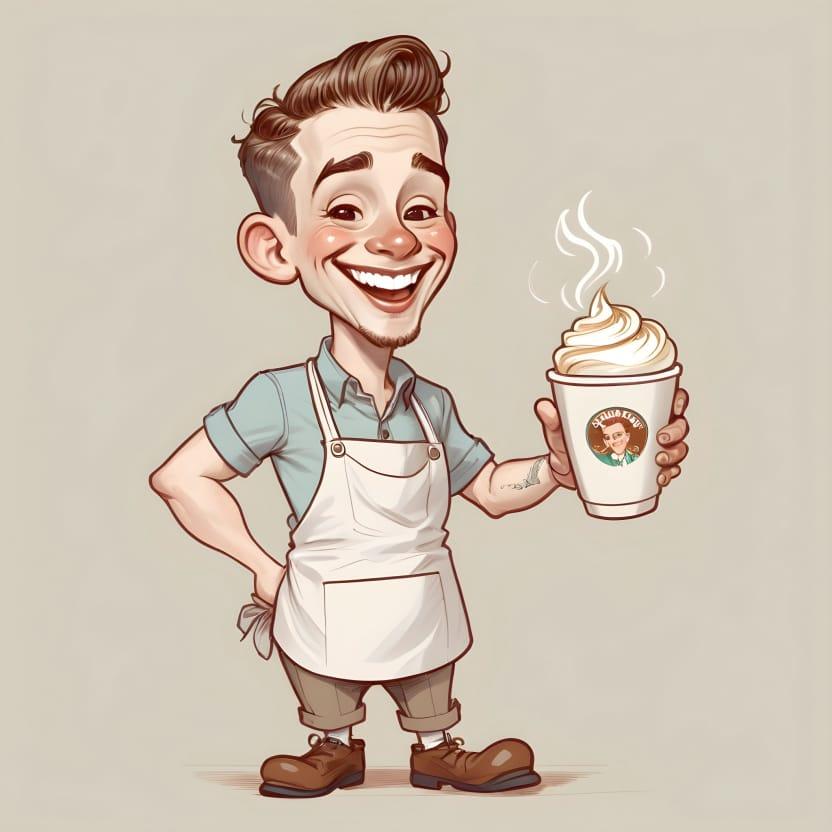
Baristas are often early risers, starting their shifts before sunrise to prepare the freshest coffee for the day. Some baristas participate in charity events or workshops to promote coffee education and community support. The role of a barista blends manual skill, science, and hospitality in a way few jobs do.

Coffee grounds used by baristas can be recycled for compost or natural deodorizing around the home. The barista’s touch influences not only the taste but also the experience of enjoying coffee. Across cultures, the barista remains a symbol of passion for great coffee and craftsmanship.