Cowboy
- Fun pictures /
- People /
- Cowboy
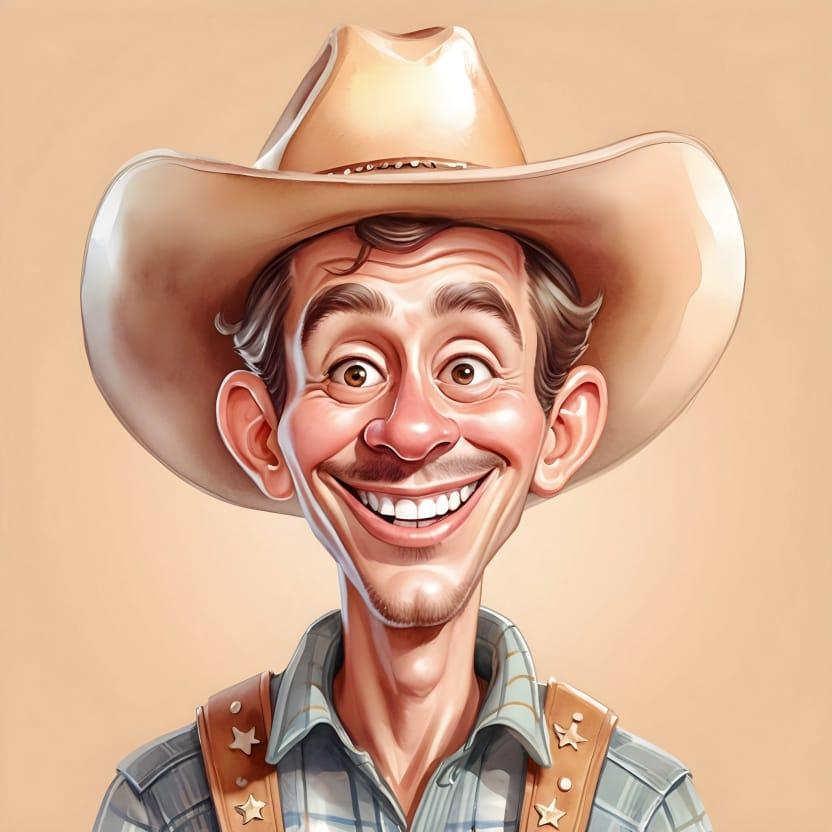
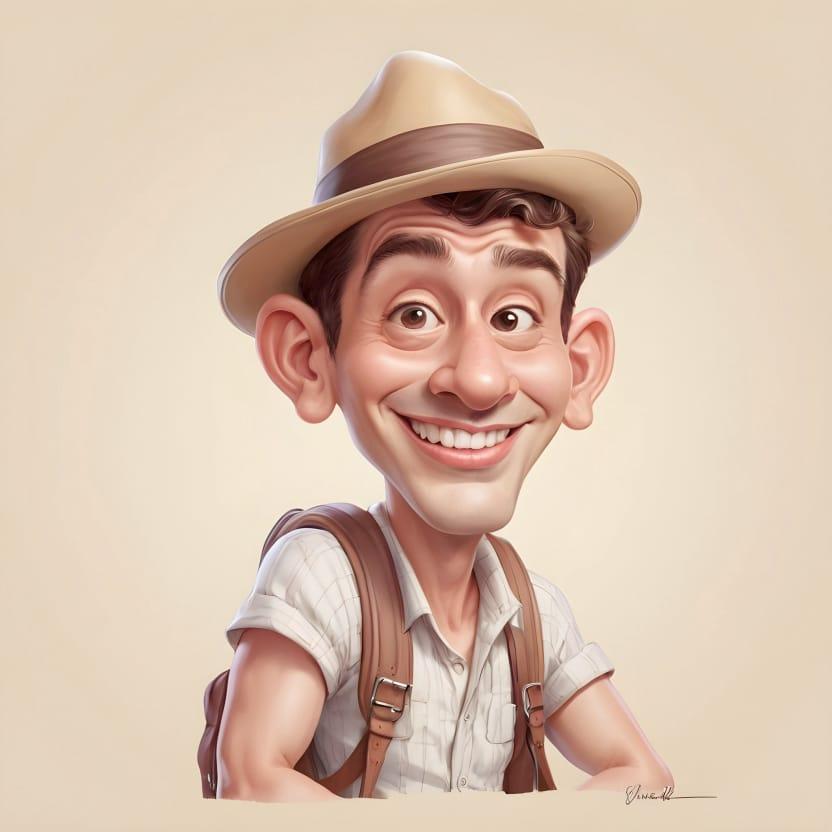
The cowboy culture began in the 1800s when cattle ranching became a big deal in the American West. Cowboys helped move huge herds of cattle over long distances. Cowboys wore wide-brimmed hats not just for style but to protect themselves from sun and rain. Those hats became a symbol of the Wild West. The classic cowboy boots have high heels to keep feet steady in stirrups while riding horses all day long. Practical and stylish!
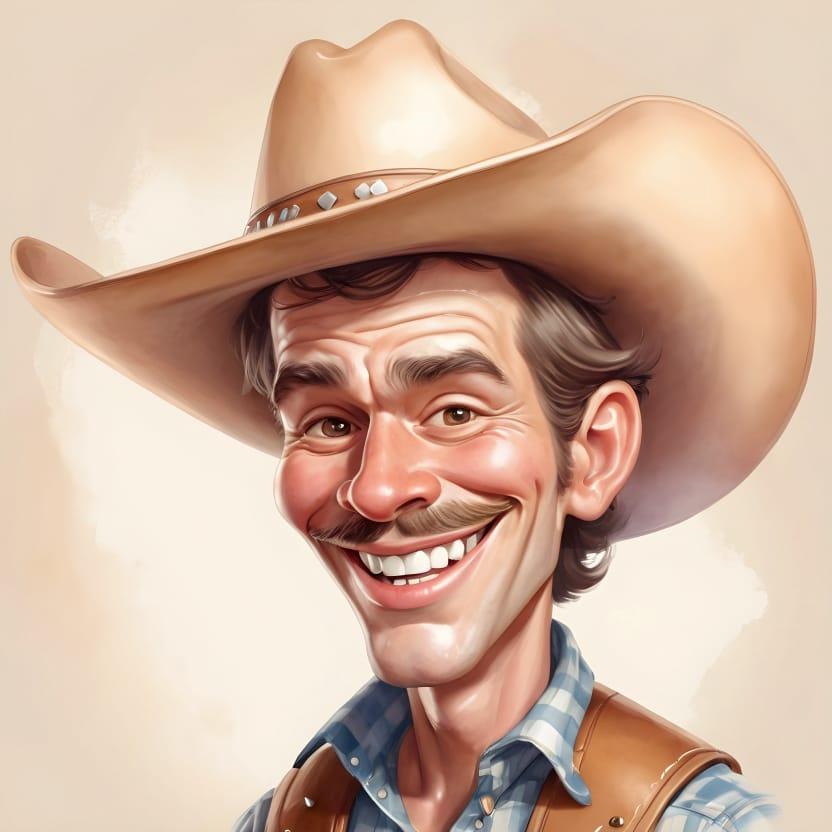
Cowboys used lassos, or ropes, to catch cattle from horseback, a skill that takes lots of practice and precision. It’s a true art form. Famous cowboy movies often show quick draw duels, but real cowboys spent most of their time working hard, not in shootouts. The cowboy’s bandana wasn’t just a fashion statement — it protected their face from dust during long cattle drives.
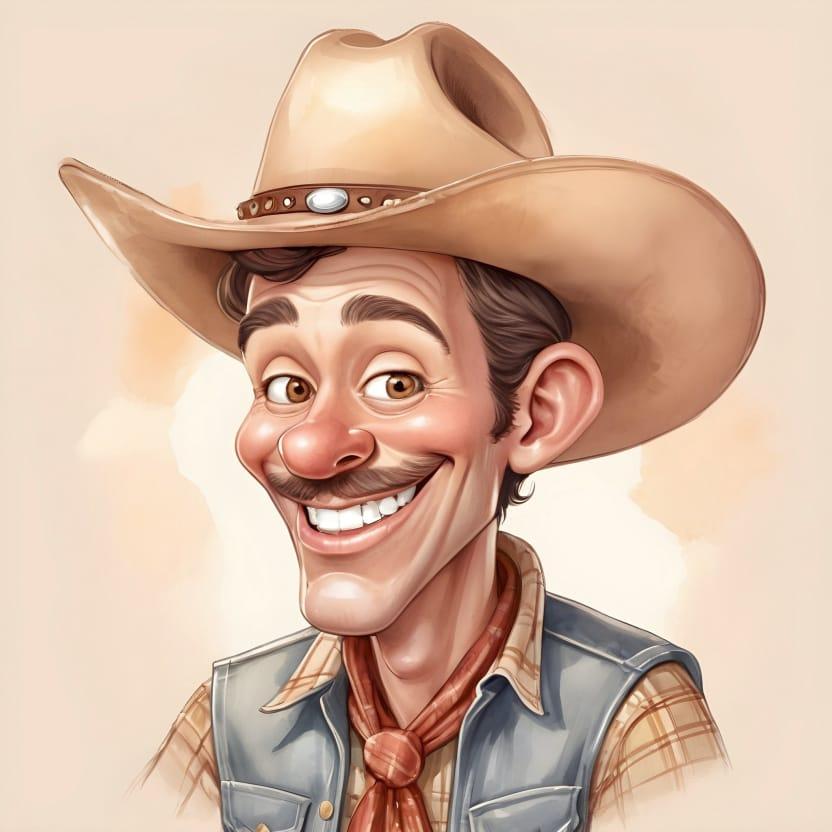
The cowboy lifestyle helped shape American culture, influencing music, fashion, and even language. Words like "y'all" come from this era. Cowboys weren’t just men—women also took part in ranching and riding, though history often overlooks their contributions. Rodeos grew from cowboy skills contests, turning practical ranch tasks into exciting competitions.
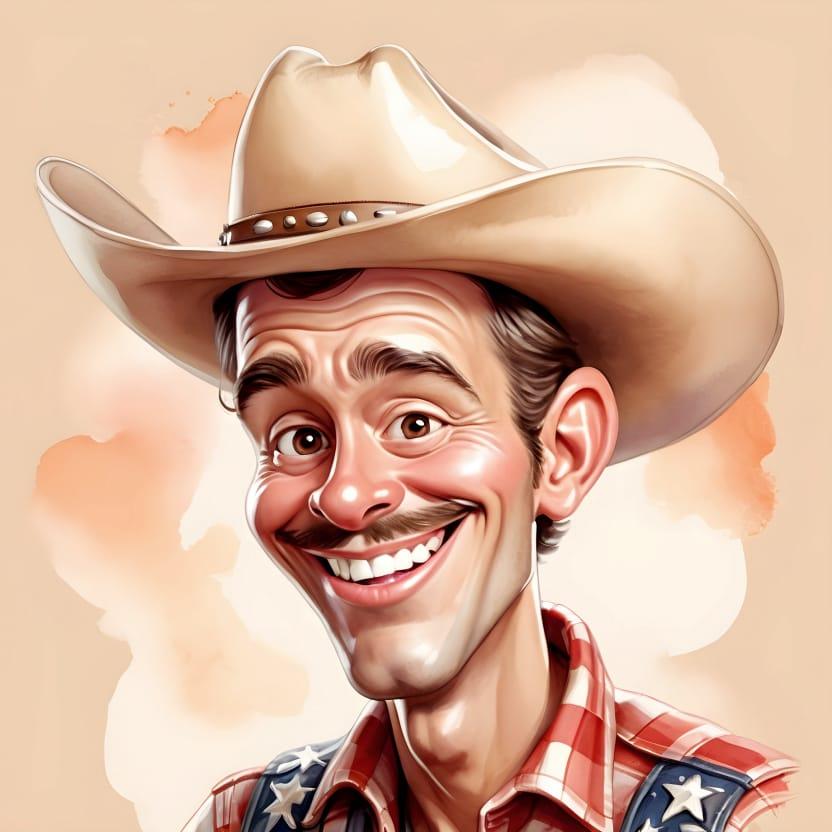
The famous cowboy symbol of the horse came from their close bond with these animals. Horses were essential for moving cattle and daily work. Cowboys often slept under the stars, making campfires their evening routine while sharing stories. Cattle drives could last months, covering hundreds of miles, showing the cowboy’s endurance and toughness.
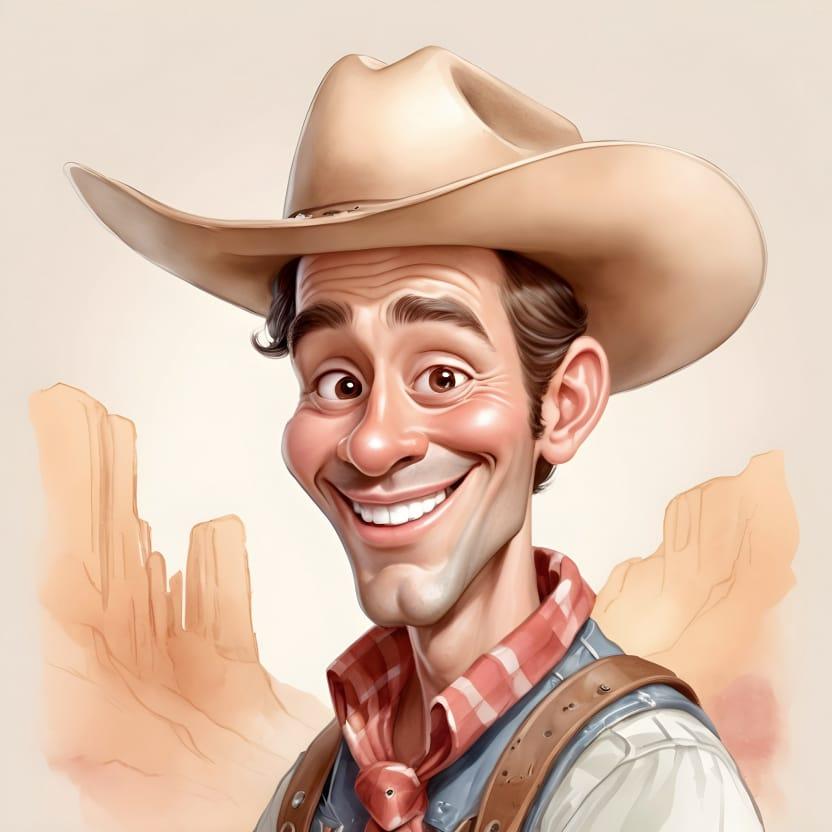
The term “cowboy” originally had a negative meaning, but over time it became a badge of pride and independence. Chaps are leather leg coverings cowboys wore to protect their pants and legs from thorny bushes and brush. Cowboy songs, called “cowboy ballads,” tell stories of life on the trail, blending sadness and adventure.
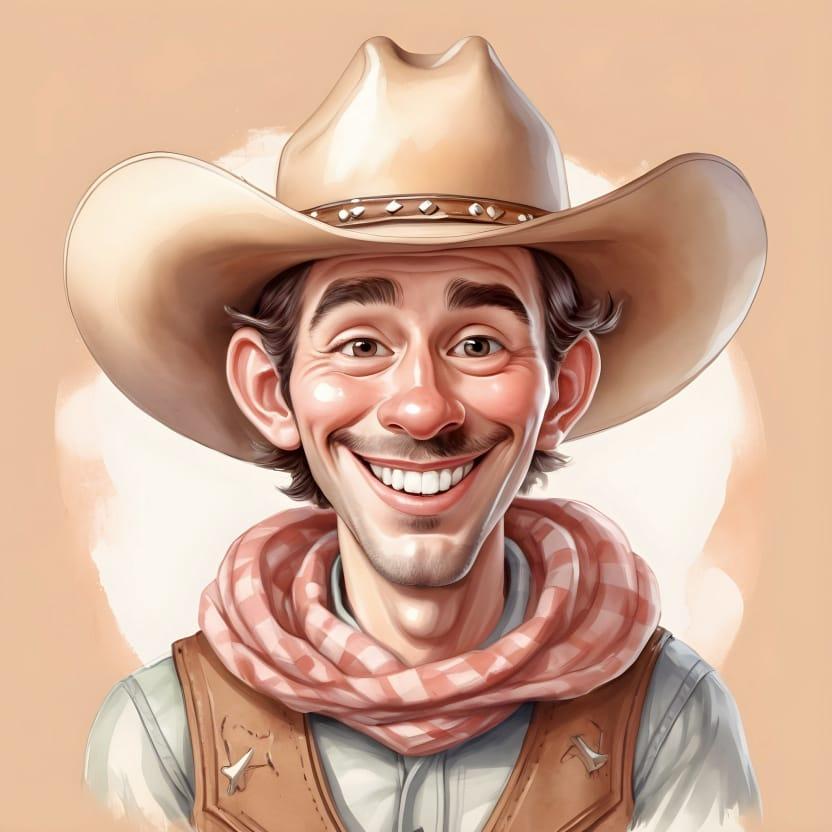
The cowboy's rope, or lariat, was specially made to be strong yet flexible for roping cattle quickly. A real cowboy needed to know how to care for horses, fix fences, and survive harsh weather. Barbed wire fences changed the cowboy life by ending open-range cattle drives in the late 1800s.
Famous cowboy figures like Wild Bill Hickok and Buffalo Bill Cody became legends for their daring and skills. The cowboy hat styles varied by region; the Stetson became the most popular and enduring design. Cowboy poetry is a real genre that celebrates the rugged lifestyle and emotional side of ranch work.
Many cowboys were actually Mexican vaqueros, who taught important skills like roping and riding to American cowboys. Cowboy culture influenced modern country music, with themes of freedom, hard work, and life on the land. Cowboys often had to treat their own injuries and illnesses far from any doctor or hospital.

A cowboy’s saddle is specially designed to be comfortable for both rider and horse during long hours on the trail. Cattle brands were used to mark ownership, a practice that helped prevent theft and confusion among herds. Many cowboy tools and gear are still used today by modern ranchers and horseback riders.
The phrase “riding shotgun” comes from stagecoach days when a guard would sit next to the driver with a shotgun to protect against attacks. Cowboy hats can block the sun during the day and keep heat in during cold nights — a versatile piece of gear. The cowboy lifestyle represents freedom and adventure, which is why it still fascinates people worldwide.

Some cowboys became famous writers and artists, sharing their real-life stories and shaping the cowboy myth. Cowboys often worked from dawn to dusk, dealing with everything from stampedes to bad weather. The cowboy’s rope spinning skills were so fast and accurate that they amazed spectators even in rodeo shows.
Chuckwagon cooks played a big role in keeping cowboys fed with hearty meals after long days on the trail. Cowboy hats sometimes had feathers or other decorations showing personality or achievements. Cowboy hats and boots became iconic fashion symbols, appearing in movies, music, and even high fashion.

The cowboy’s lifestyle required tough boots because they had to walk through rocky and rough terrain daily. Cowboys had a special language with unique slang words like “buckaroo” (another word for cowboy). Many cowboys were skilled at making leather goods like saddles and belts by hand.

The cowboy’s horse often became their closest companion and partner on the range. Cowboys sometimes had to use their own judgment in emergencies, acting as doctors, mechanics, or negotiators. The cowboy culture also influenced American sports like baseball, which borrowed some of its early team spirit from ranch communities.

Cowboys needed to be expert riders to manage wild horses and cattle in rugged conditions. The cowboy’s lifestyle reflected a strong connection to nature and the land. Campfire gatherings were essential for sharing news, telling stories, and relaxing after long days.

Cowboys often wore leather gloves to protect their hands from rope burns and rough work. The cowboy tradition is celebrated in festivals and parades all across the United States, keeping history alive. Cowboy songs sometimes included humor and lessons about life, making them more than just entertainment.

The cowboy hat’s crease styles often showed a wearer’s region or personal style. Cowboys had to know how to read weather signs to prepare for storms or heat waves on the open range. The cowboy’s life was physically demanding but gave a sense of freedom and pride many still admire today.
Cowboy gear like spurs helped riders communicate subtle commands to their horses. Rodeo events like bull riding and bronco busting test the cowboy’s courage and skill under pressure. Cowboy culture has been romanticized in books and films, but real cowboys were practical and hardworking.

The cowboy’s rope tricks are sometimes used today in entertainment shows, showcasing impressive skills. Many cowboys were also skilled hunters, providing food for their camps during long drives. Cowboy stories often emphasize respect for animals, nature, and fellow workers.

The cowboy spirit continues to inspire people who value independence, hard work, and a connection to the outdoors. Their legacy lives on in Western traditions, art, music, and the rugged style loved around the world. From cattle drives to rodeos, the cowboy remains an enduring symbol of adventure and resilience.