Day of the dead dia de muertos
- Fun pictures /
- holiday /
- Day of the dead dia de muertos
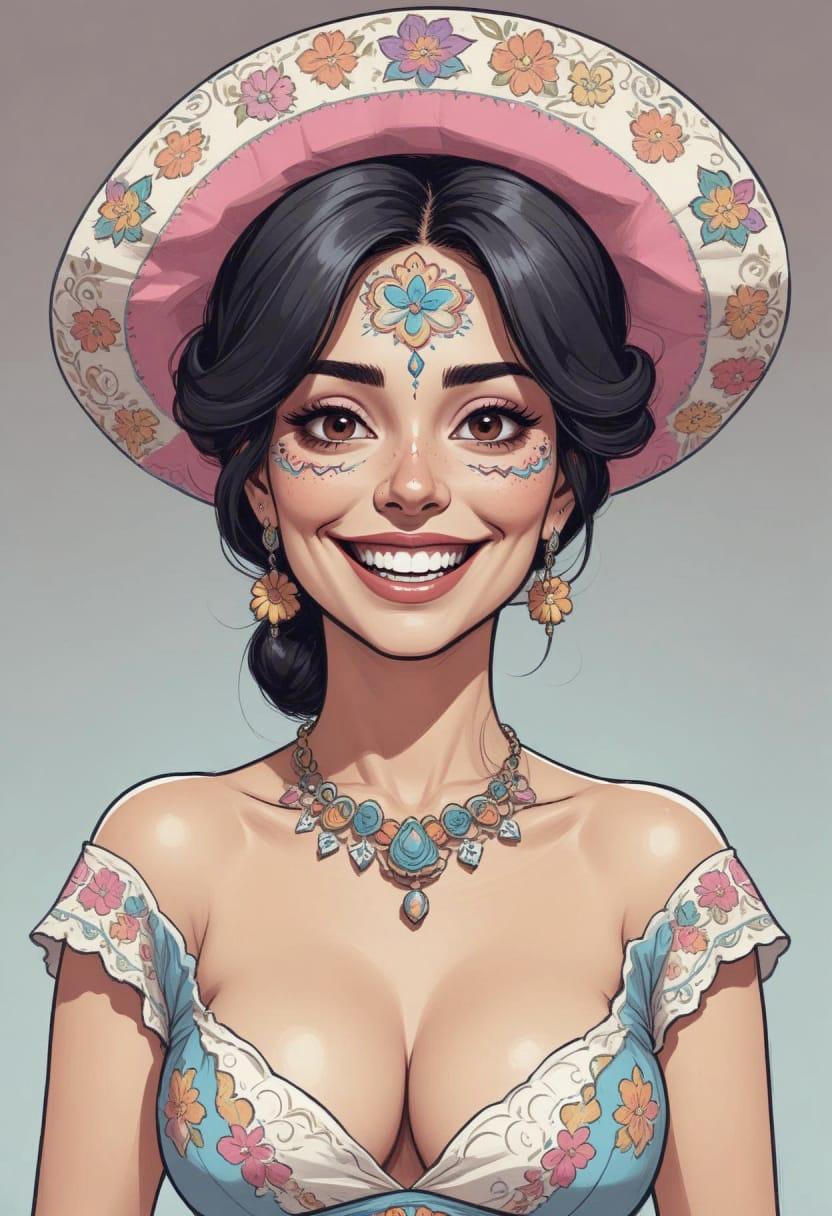
Sugar skulls aren’t just candy—they’re symbols of honoring the dead and celebrating life. During day of the dead dia de muertos, marigolds are used to guide spirits home with their bright color and strong scent. Families build altars (ofrendas) with food, photos, and favorite items to welcome back their loved ones.
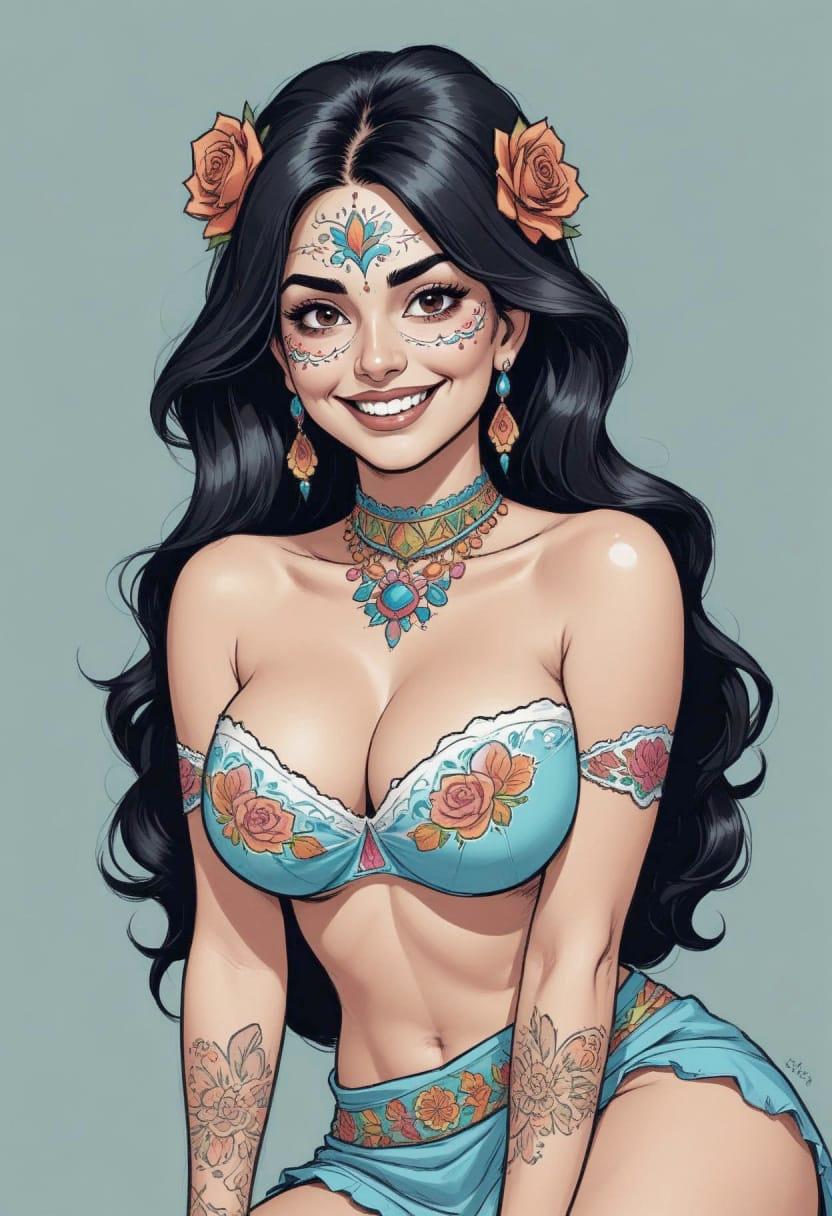
Even pets are honored with their own altars, because animals are considered part of the family too. Pan de muerto is a sweet bread baked only for this celebration, often topped with bone-shaped decorations. In Mexico City, you’ll find parades with giant puppets, face paint, and dancers in skeleton costumes.
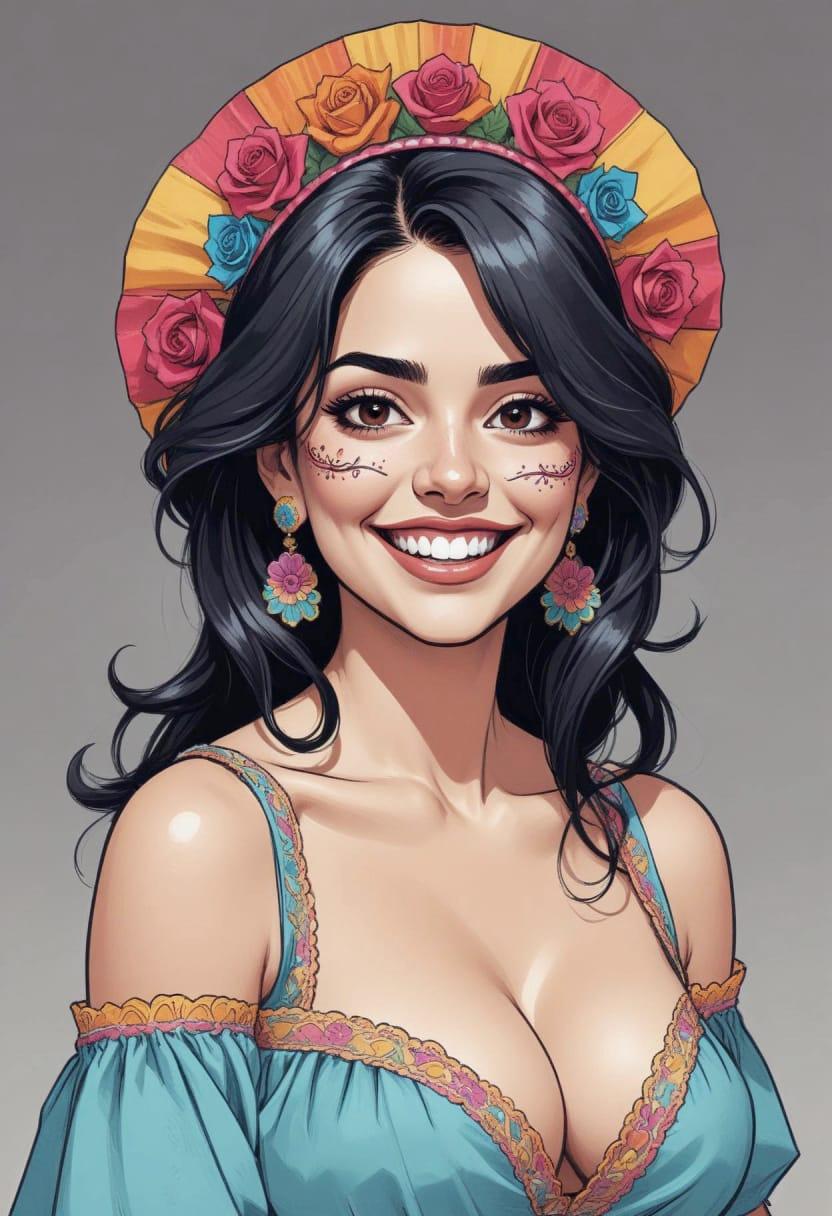
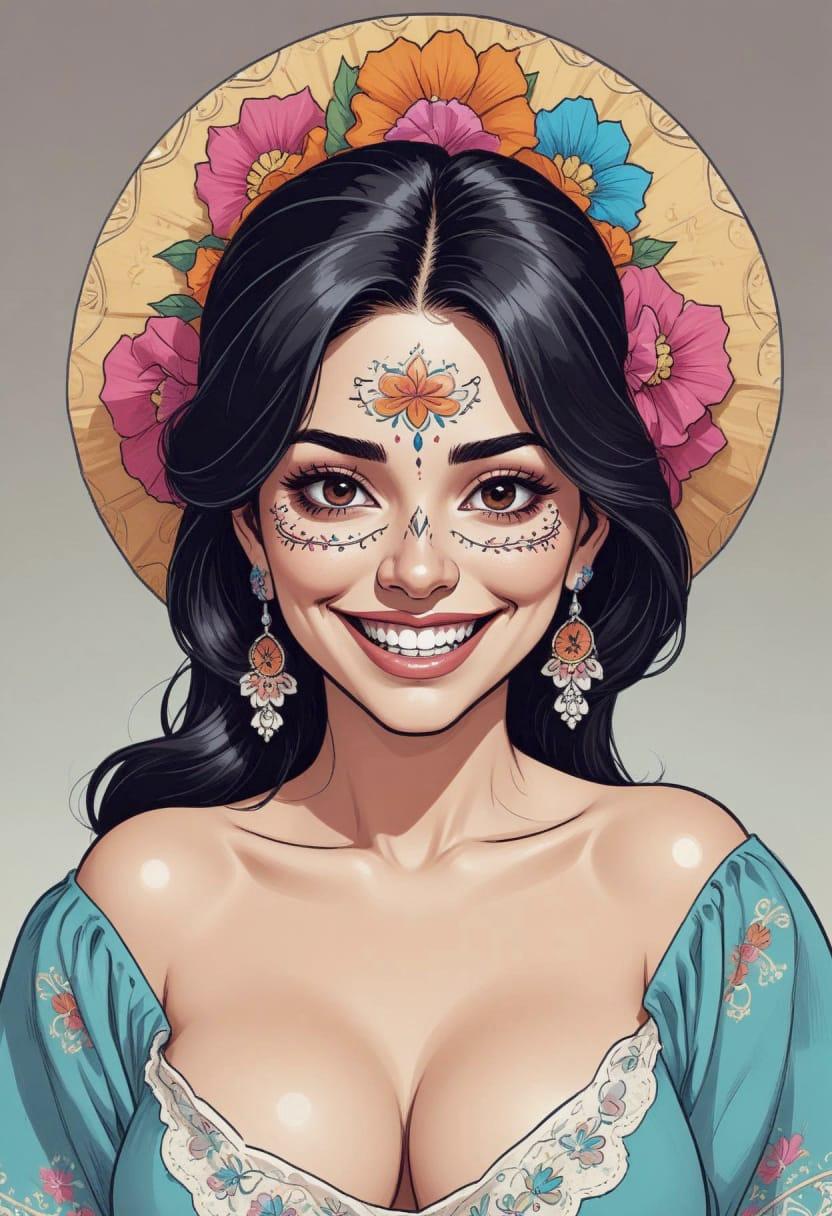
The iconic skull face paint isn’t meant to scare—it’s about showing we all share life and death. Candles on the altar light the way for visiting spirits to find their way home. Some people sleep in cemeteries overnight, telling stories and singing to honor their ancestors.
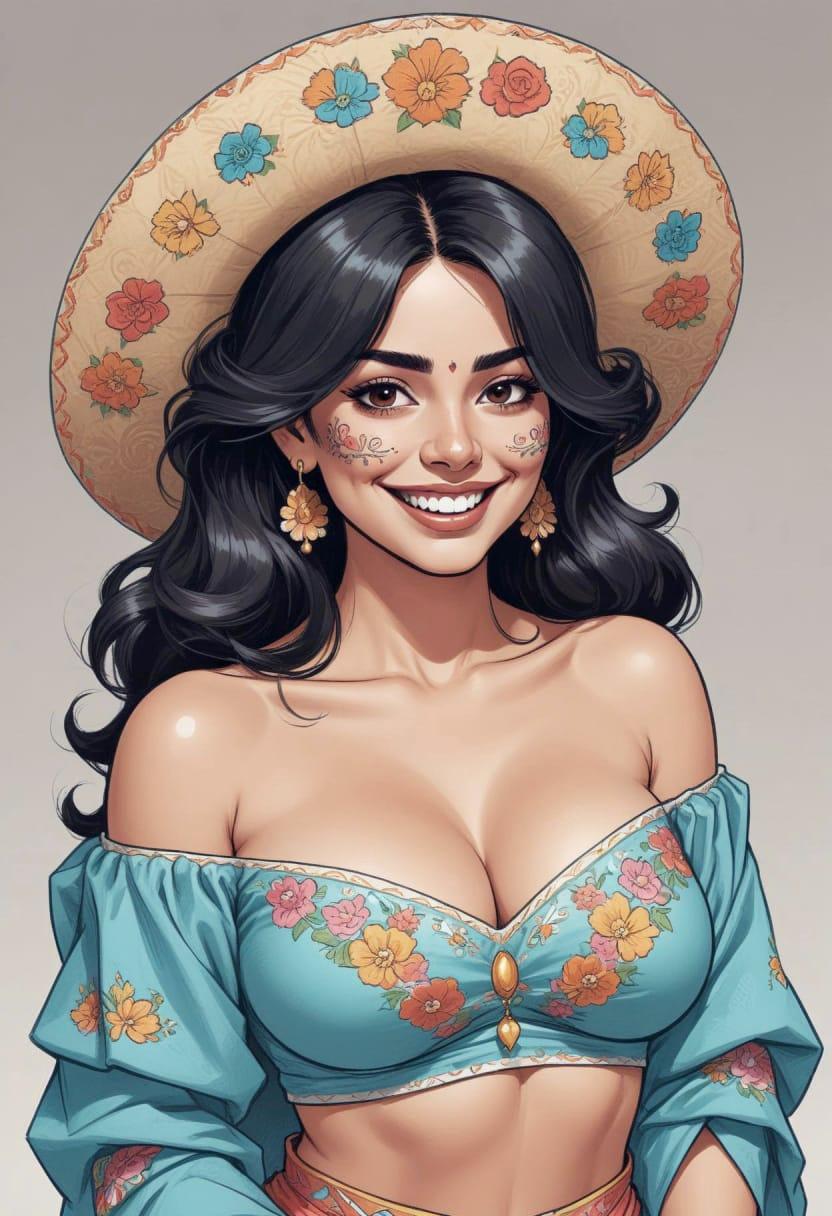
You might spot papel picado—colorful cut paper banners fluttering above altars or streets. The colors used have meaning: purple for mourning, pink for joy, and white for purity. People often write “calaveras literarias,” funny poems about death poking fun at the living.
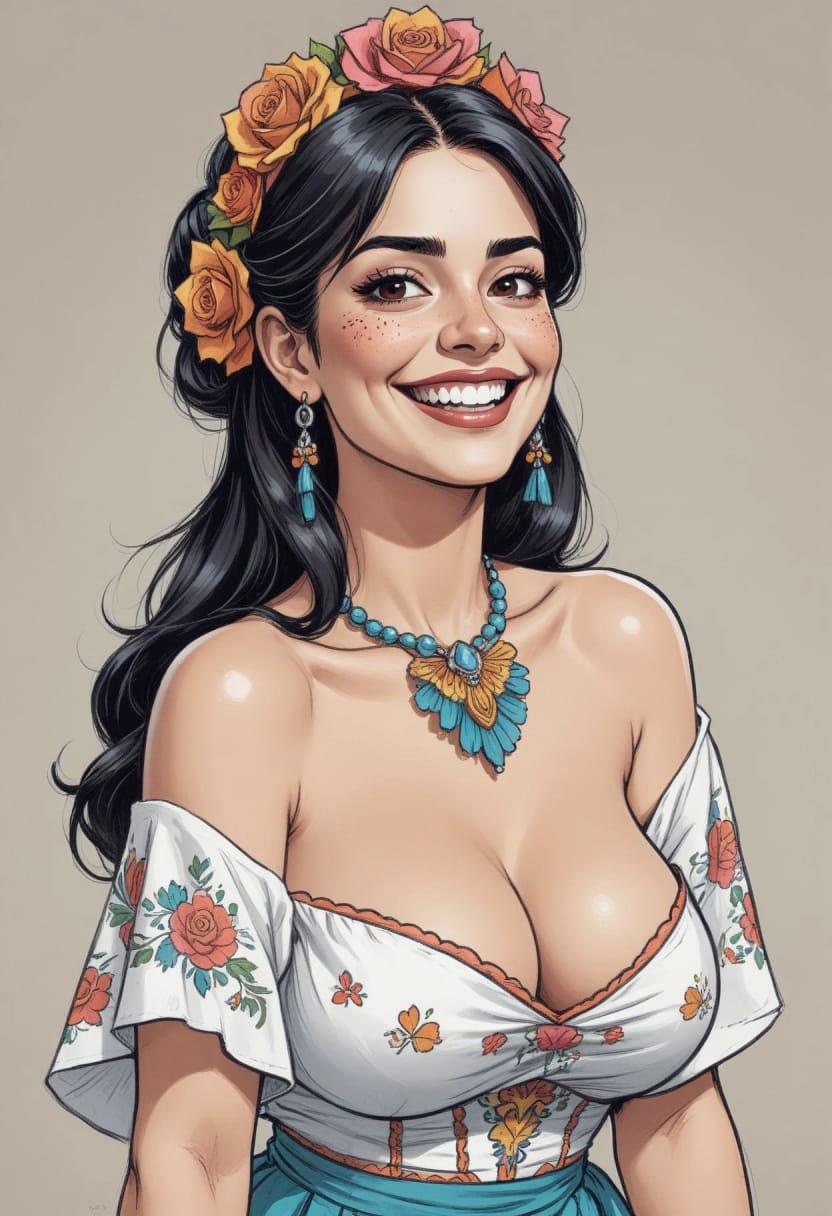
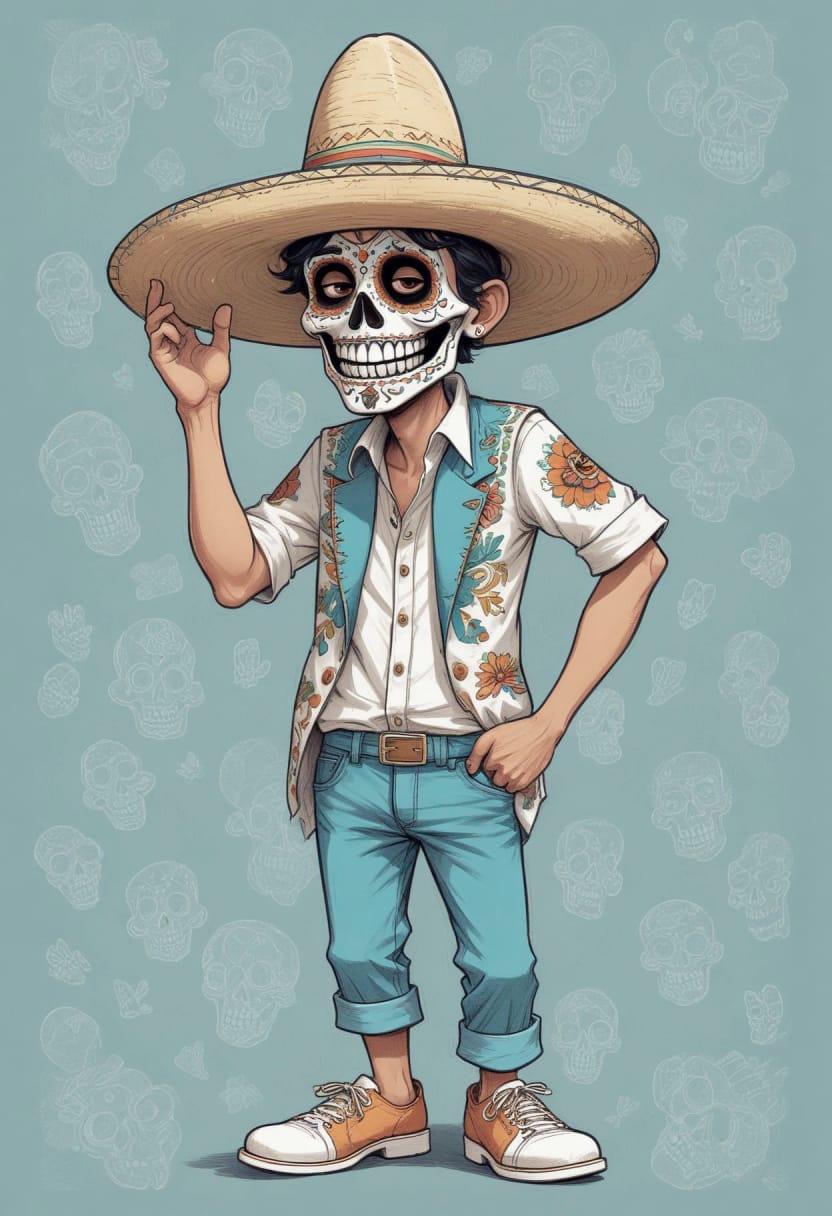
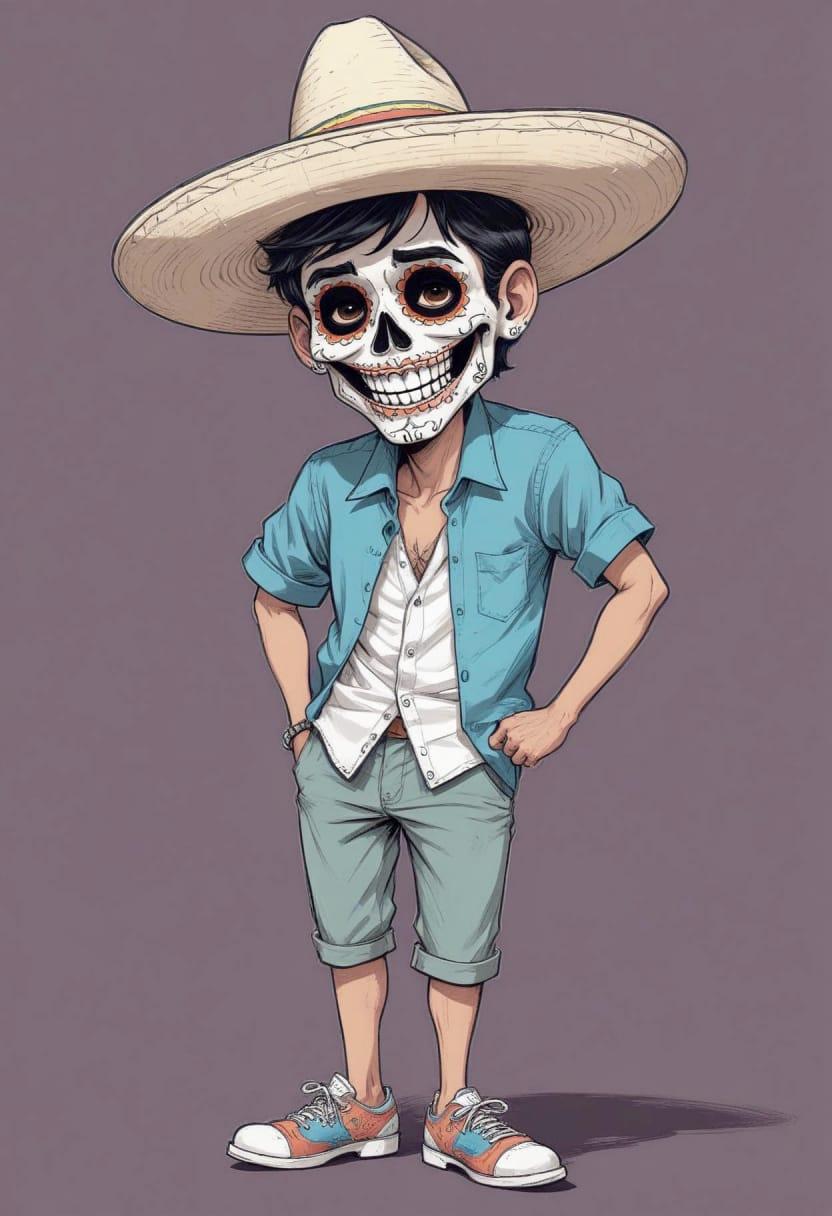
Skeleton figurines (called “calacas”) are usually shown dancing or playing music—they’re full of life! Day of the dead dia de muertos is about memory, not mourning—it’s joyful, not gloomy. The celebration blends Aztec traditions with Catholic influences like All Saints’ Day.
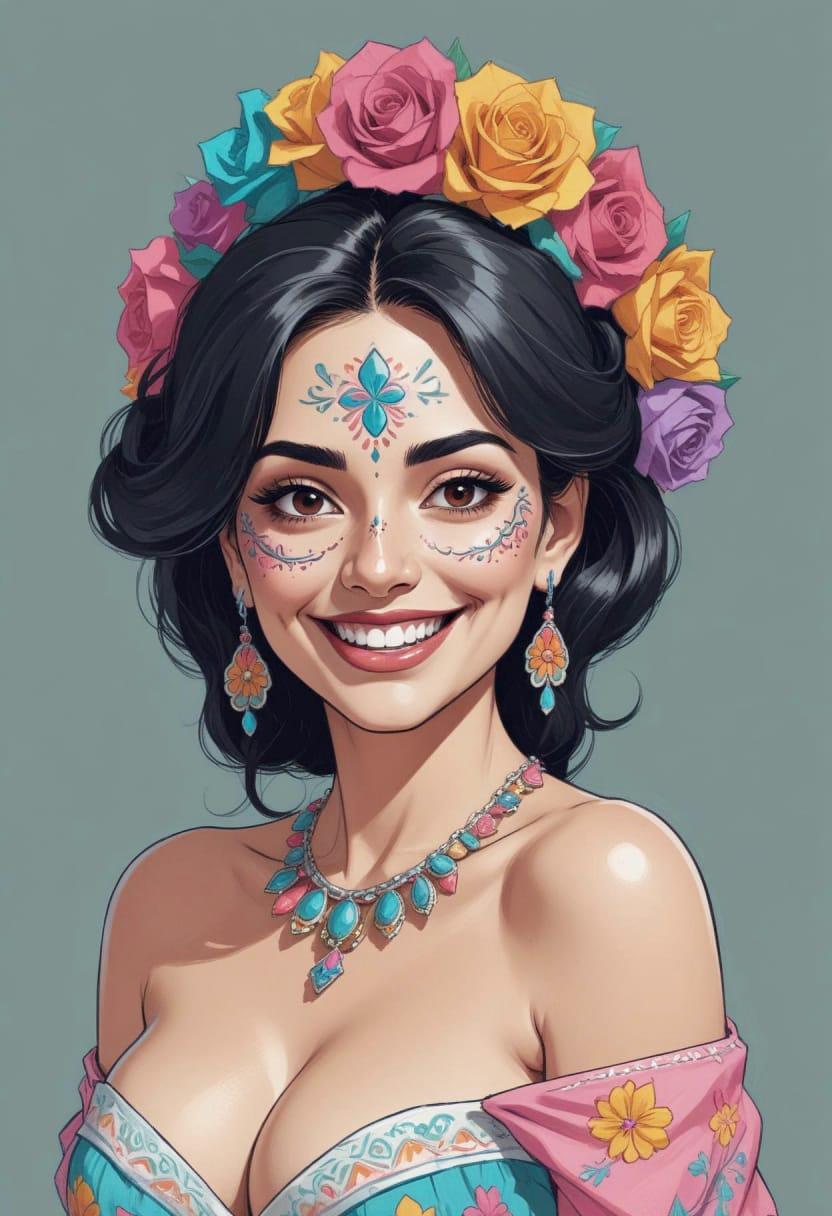
Monarch butterflies arrive in Mexico every year around this time—many believe they carry the spirits of the dead. The holiday has roots going back over 3,000 years in Mesoamerican cultures. Children get involved early, helping decorate and learning family stories through the celebration.
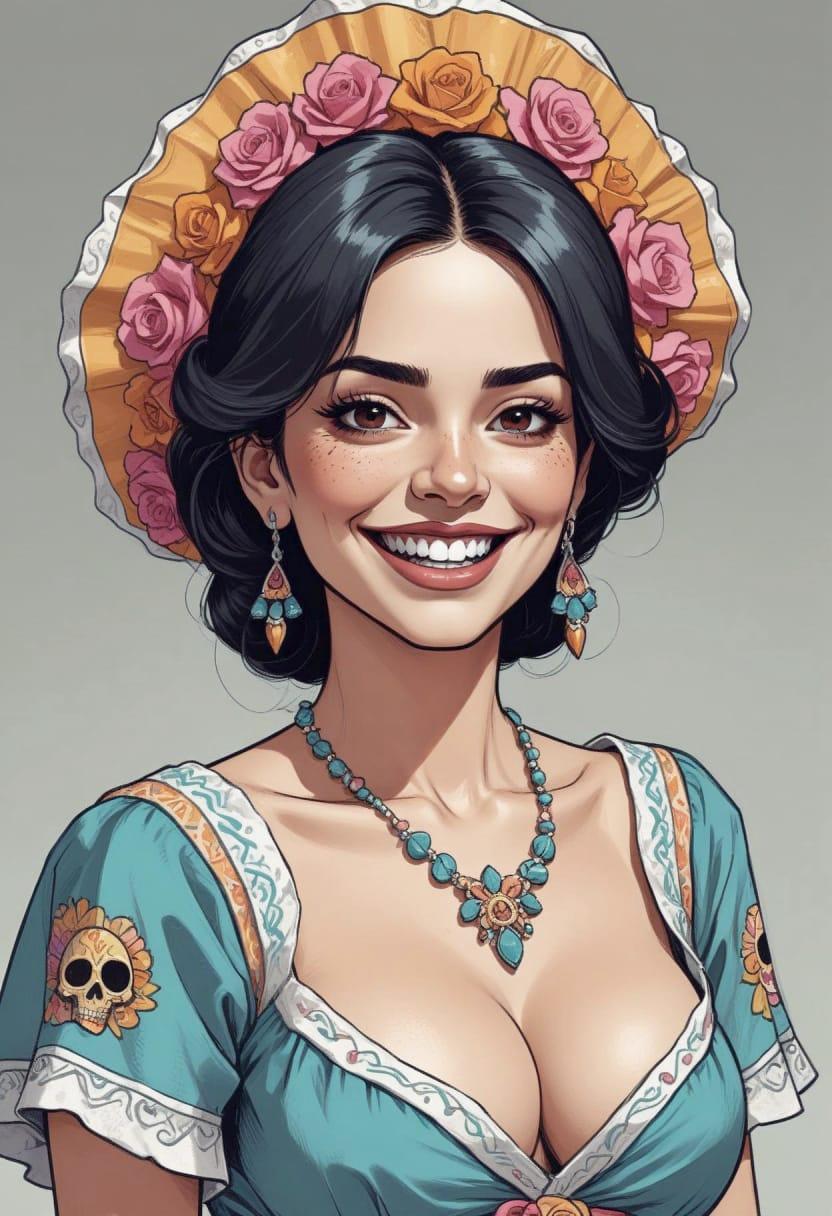
Altars can be simple or elaborate, but they always include the four elements: earth, wind, fire, and water. The scent of copal incense is believed to cleanse the space and attract spirits. Skulls made of chocolate or amaranth are popular modern twists on the traditional sugar skulls.
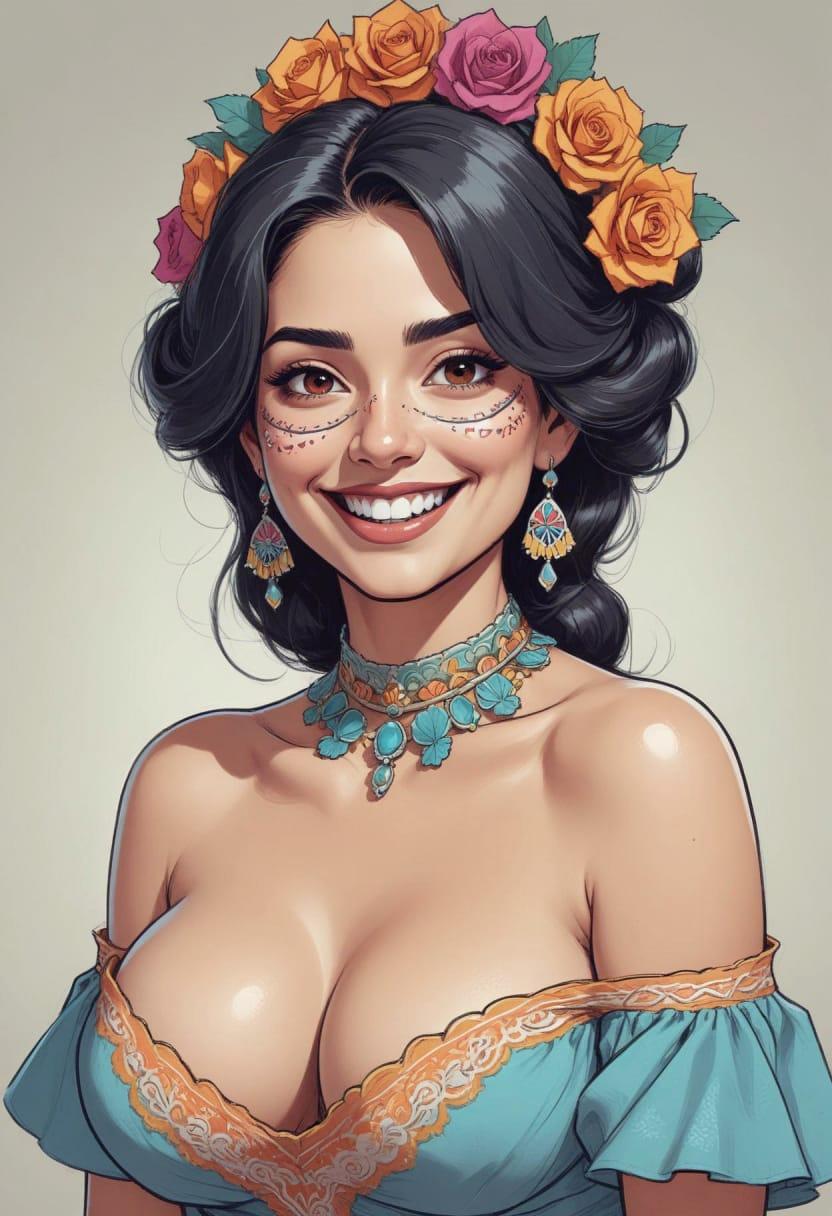
Even in the U.S., cities like Los Angeles and San Antonio host massive day of the dead dia de muertos events. Face painting has become a creative art form, often inspired by the iconic La Catrina figure. Marigolds are called “cempasúchil” in Nahuatl, the Aztec language still spoken today.
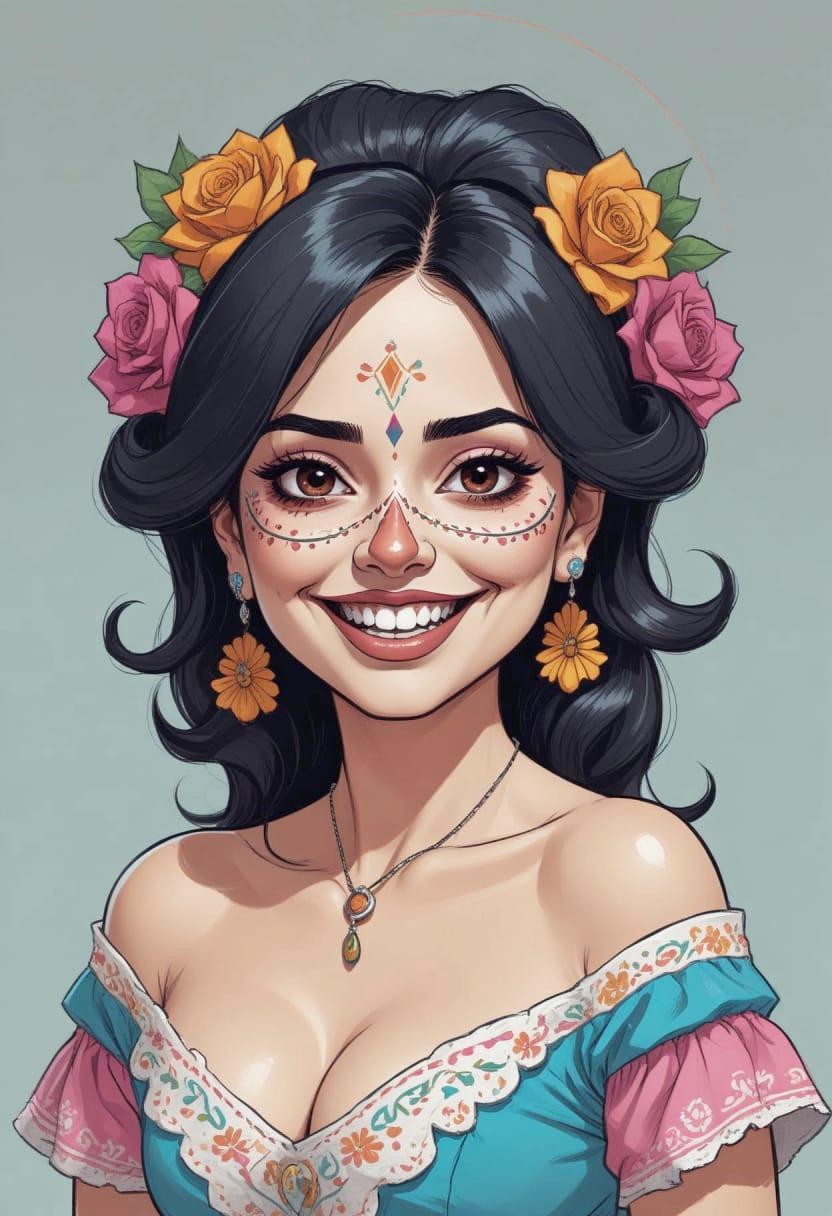
Some families leave a glass of water on the altar so spirits can refresh after their long journey. Photos of deceased pets are sometimes placed next to their favorite toy or treat. Skeletons playing guitars and dancing show that death is just another part of life’s rhythm.
Oaxaca is one of the most famous places to experience the holiday, with elaborate street celebrations. Schools sometimes host altar contests to teach kids about the tradition in a fun way. Netflix and Disney have both featured this holiday in popular films like “Coco.”
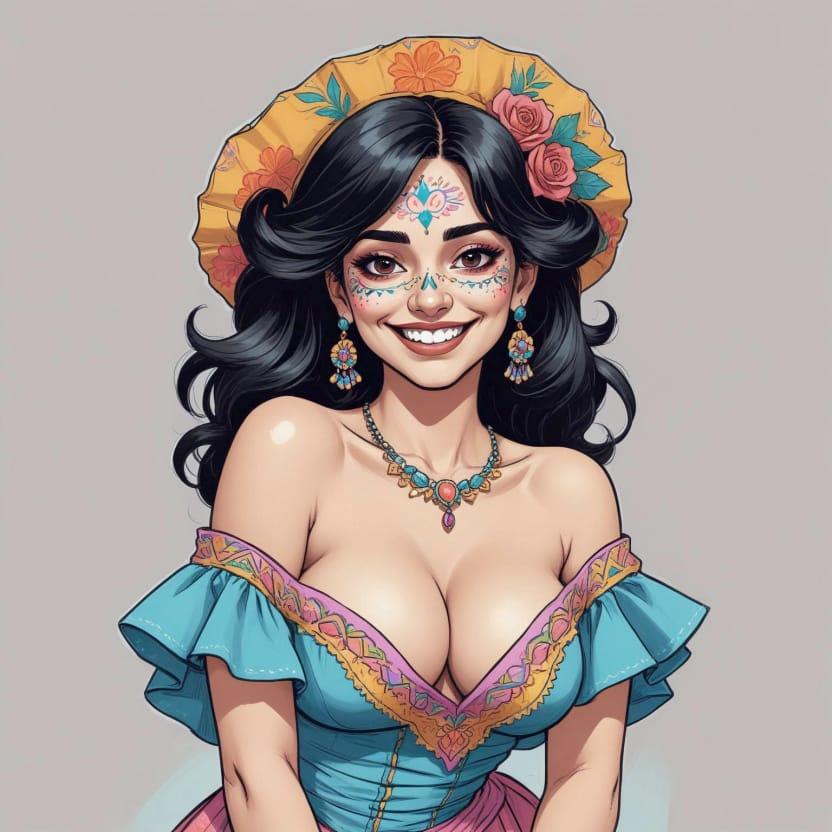
Many people dress as La Catrina, the elegant skeleton woman in a feathered hat, inspired by Mexican artist José Guadalupe Posada. The holiday isn't just one day—celebrations usually begin on October 31 and go through November 2. Some towns hold “tapetes de arena,” which are colorful sand carpets made with incredible designs.
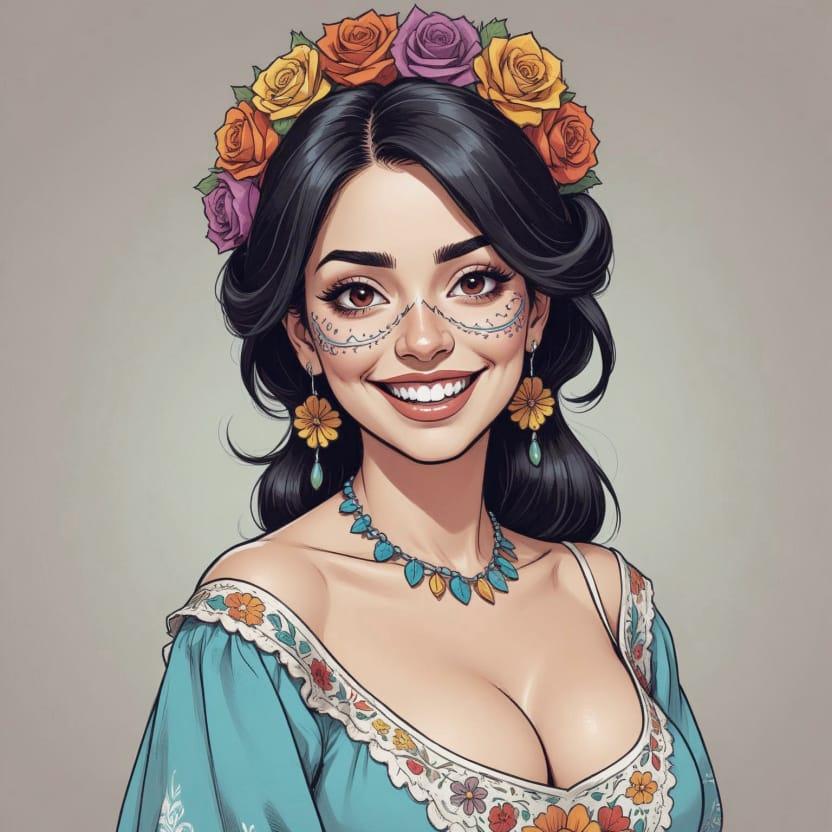
Music is key—families often play favorite songs of the deceased to bring joy to the occasion. Altars sometimes include soap and a towel, so spirits can “freshen up” before their visit. In some places, bells are rung at midnight to signal the spirits’ arrival.
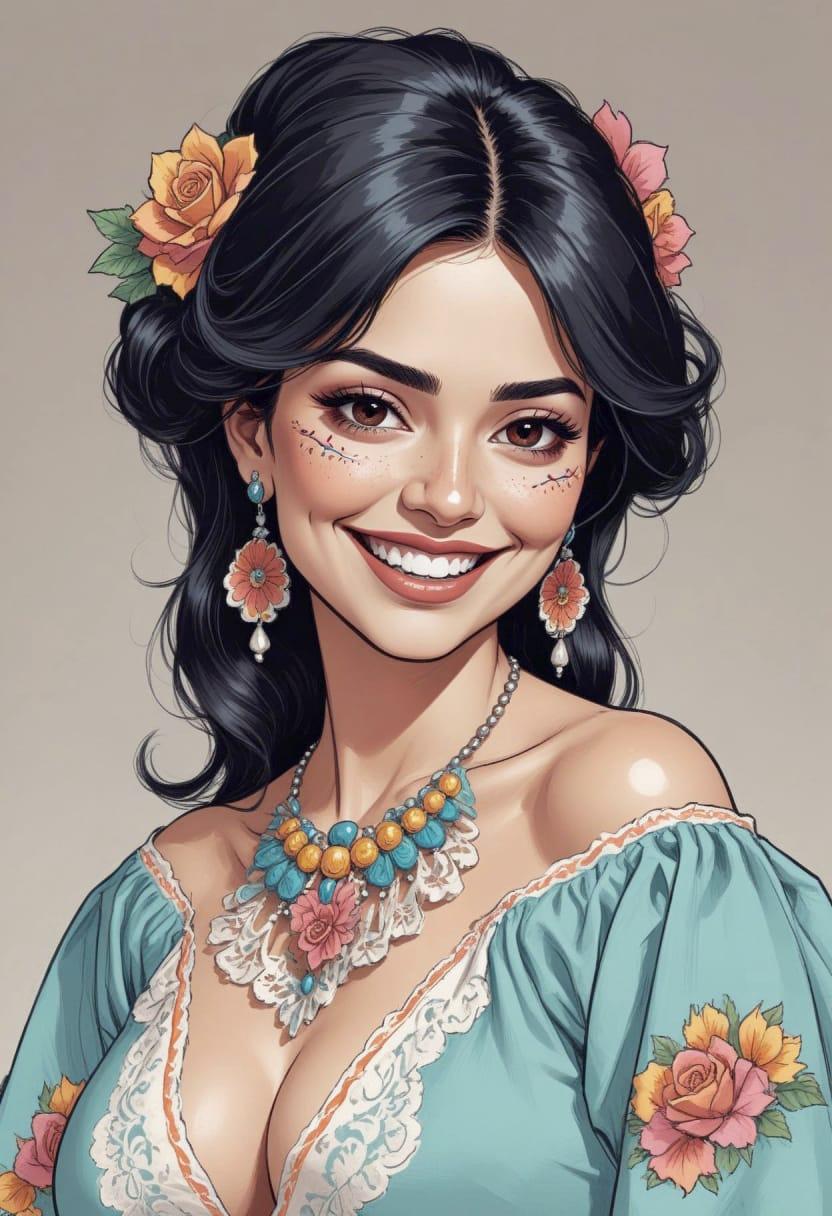
In rural areas, people decorate graves with flowers, candles, and personal items, turning cemeteries into glowing night gardens. Artists create stunning day of the dead dia de muertos murals each year celebrating Mexican identity. Skulls are often inscribed with names, reminding us that death is personal and universal.
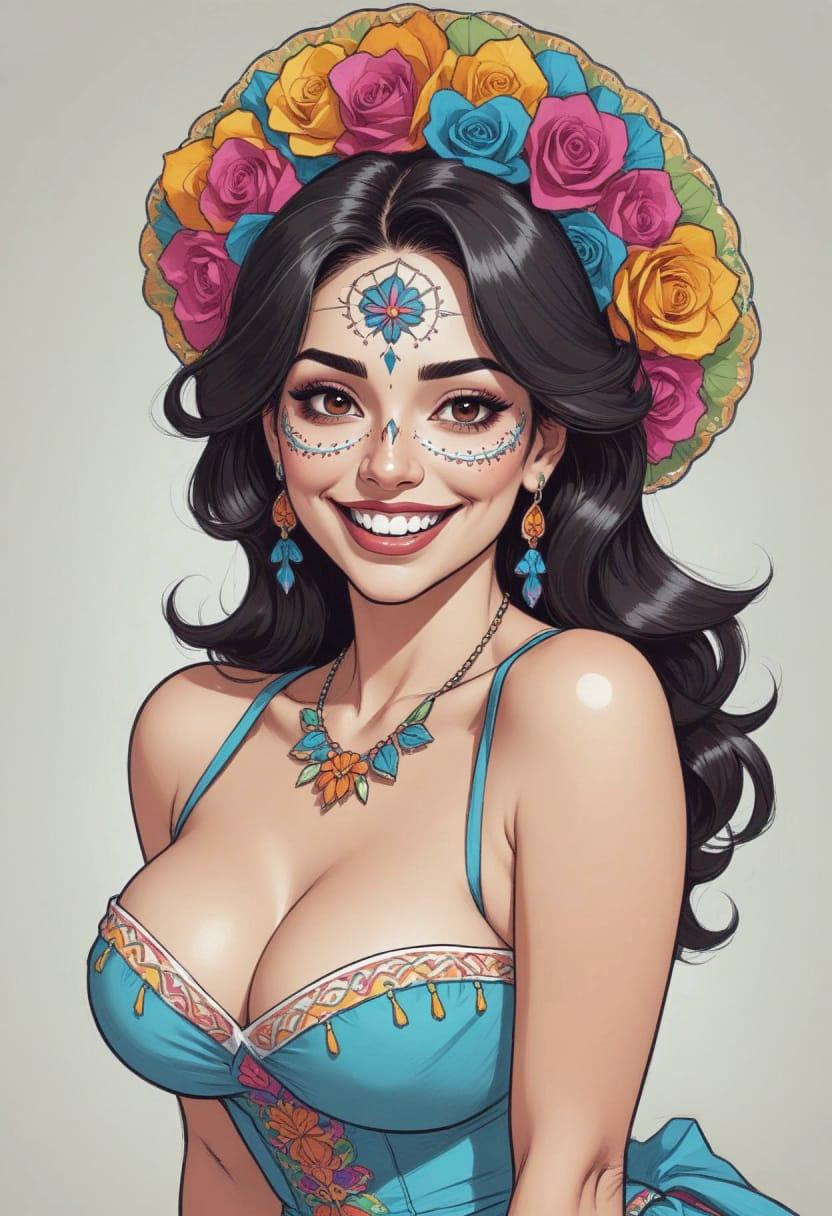
Bright colors are everywhere during the celebration—death isn't portrayed in black and gray. Some people place mirrors on the altar to reflect the spirit’s image and show they’re remembered. Young and old share stories, laugh, cry, and bond over shared memories.
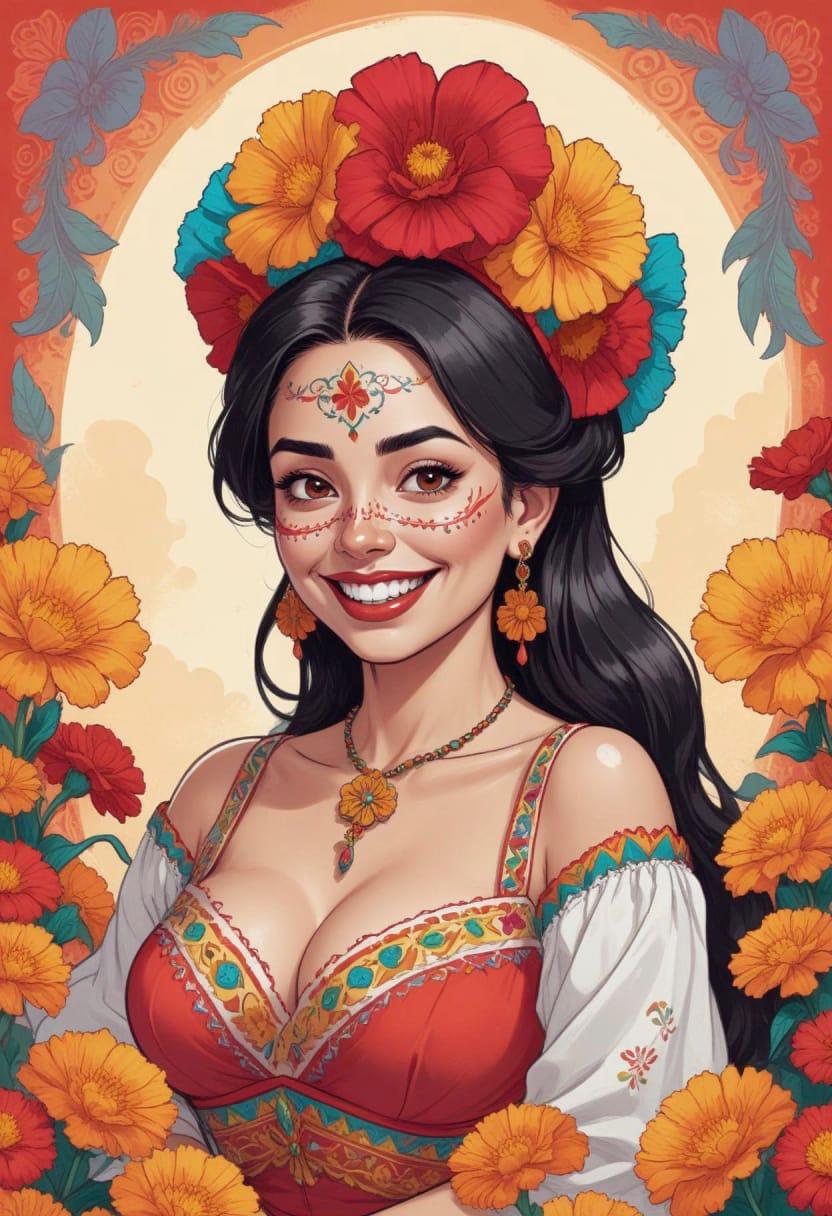
Pumpkin is also a traditional food offering—sometimes candied, sometimes baked into treats. In Guatemala and El Salvador, similar celebrations happen with unique regional twists. Face paint often blends modern art with traditional symbols like flowers and suns.
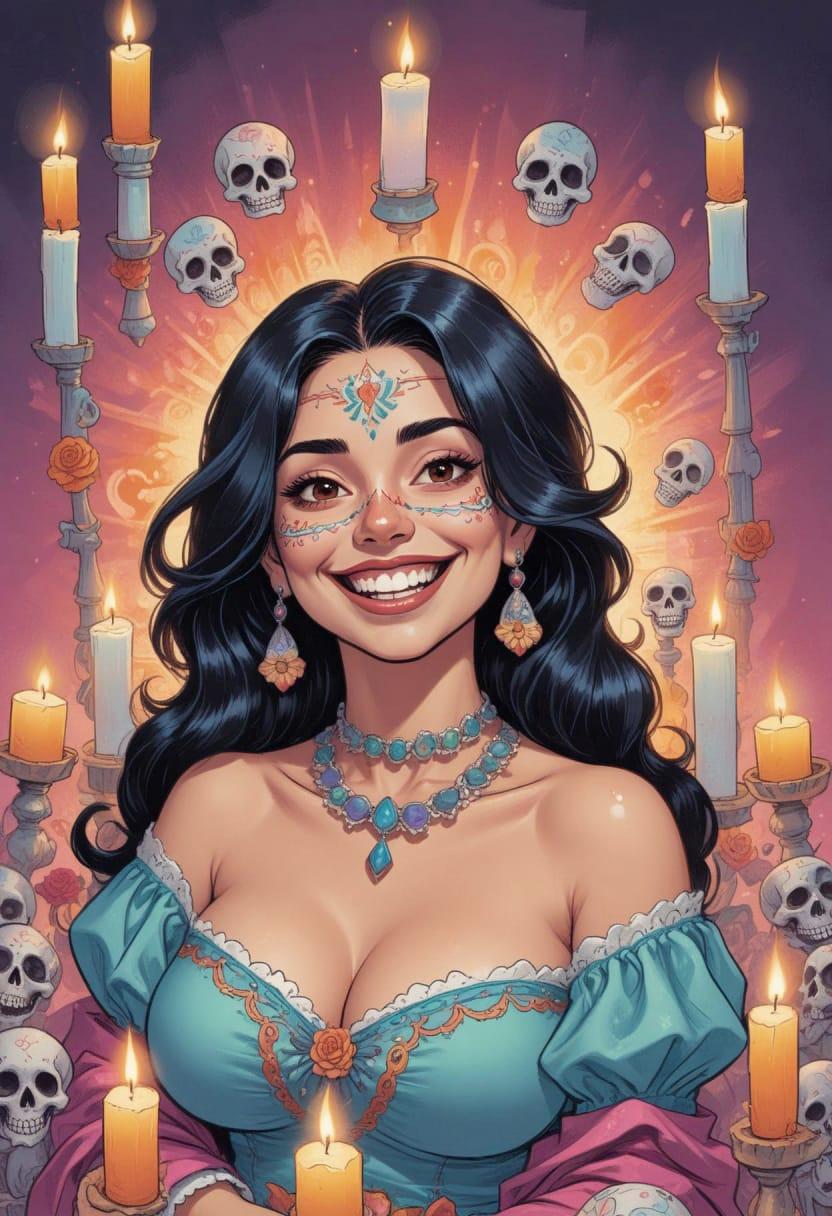
Visitors are welcome at cemeteries during celebrations—it’s a time for community, not solitude. Families often prepare their loved ones’ favorite meals, believing the scent will draw them back. In some regions, paper boats or lanterns are floated in rivers as offerings.
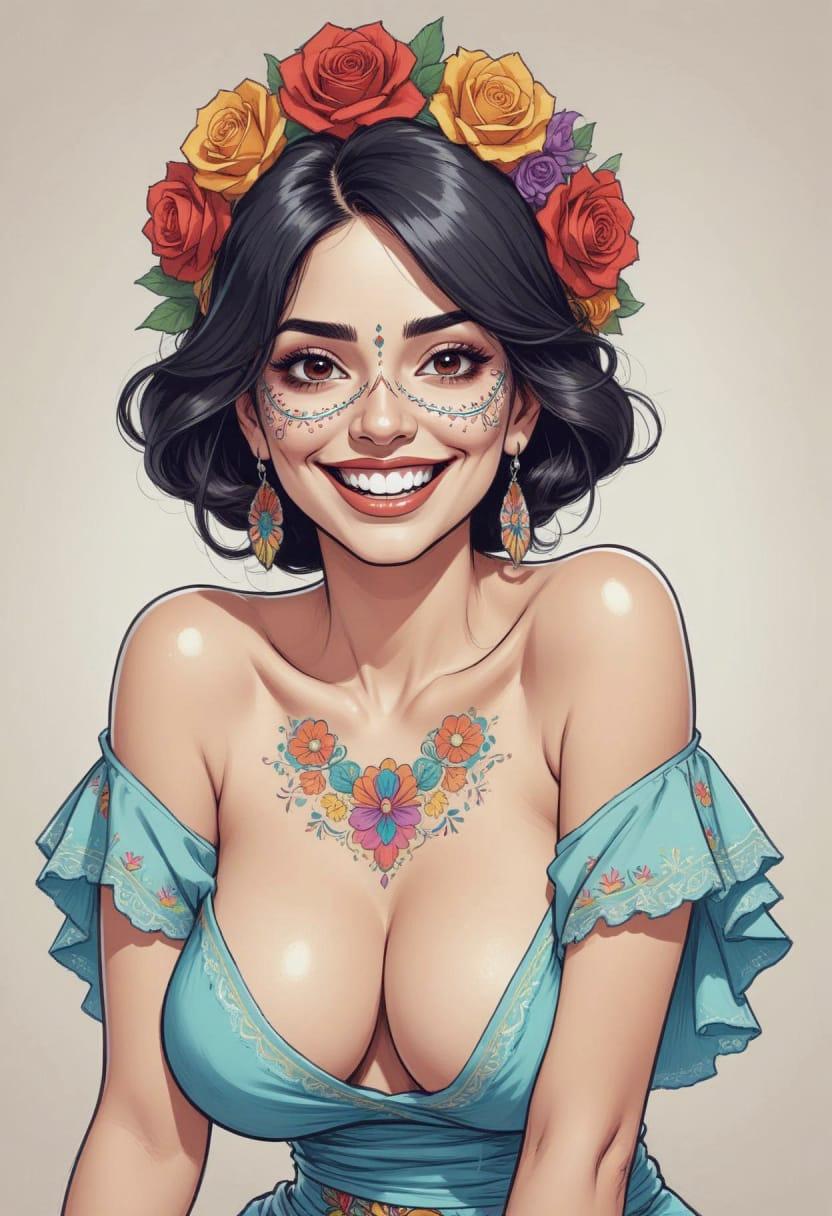
The holiday shows up in tattoo art as a tribute to lost loved ones and heritage. Skeleton mariachis are common decorations, reminding everyone that the music never dies. People sometimes write letters to those who’ve passed as part of their healing process.
The holiday was added to UNESCO’s list of Intangible Cultural Heritage in 2008. Some altars are built specifically for people who died tragically or without family. You might see entire towns covered in orange petals, creating a golden path for spirits.
The tradition reminds us to embrace death as part of the human story—not something to fear. Tourists are encouraged to respect the holiday by learning, not just dressing up. Altars may include religious symbols like crosses alongside Aztec imagery.
Many people use this time to reflect on their own life, goals, and relationships. Even in big cities, the celebration brings neighbors together in meaningful ways. The spirit of day of the dead dia de muertos lives on in art, music, and memory.