De los muertos
- Fun pictures /
- holiday /
- De los muertos
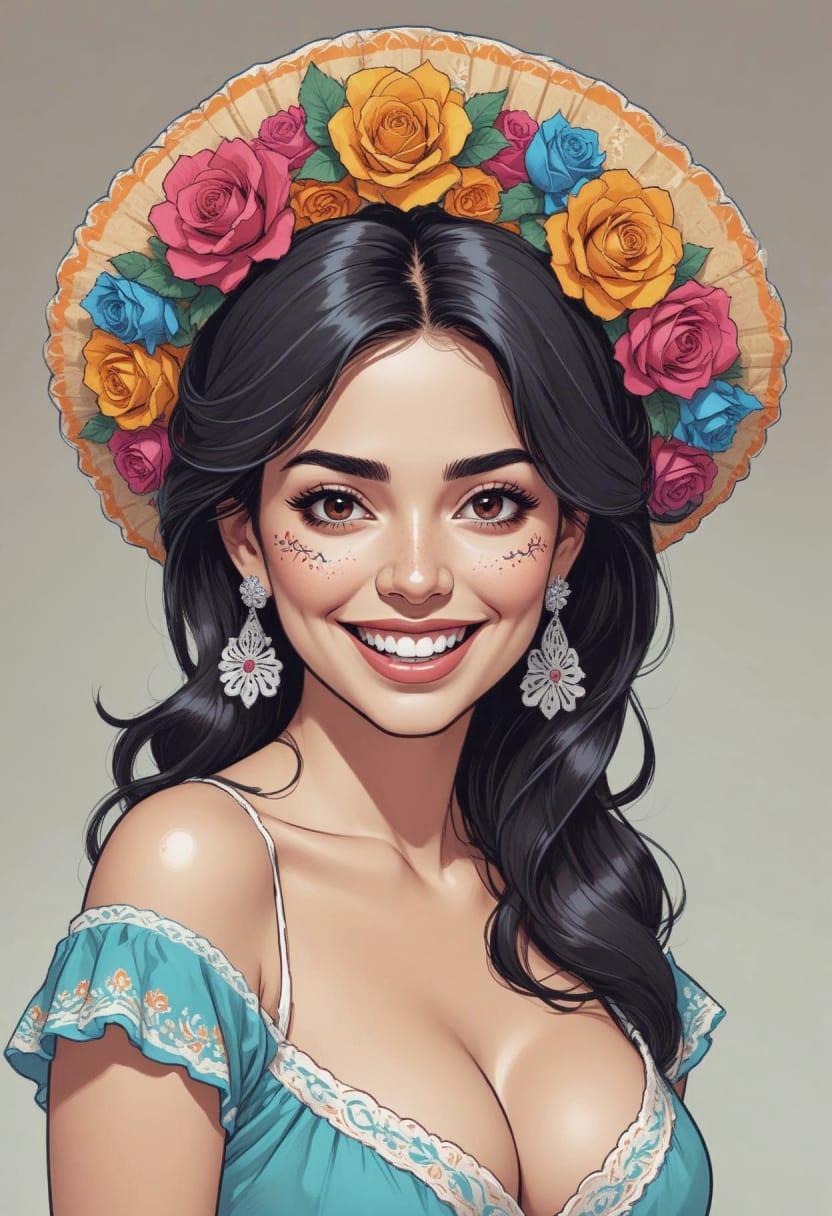
“De los muertos” literally means “of the dead,” and it’s a holiday that celebrates life, not mourns death. Families often build colorful altars called 'ofrendas', decorated with candles, marigolds, sugar skulls, and the favorite foods of loved ones who passed. It’s common to see people picnicking at cemeteries, telling stories, singing, and even sharing tequila with the deceased.
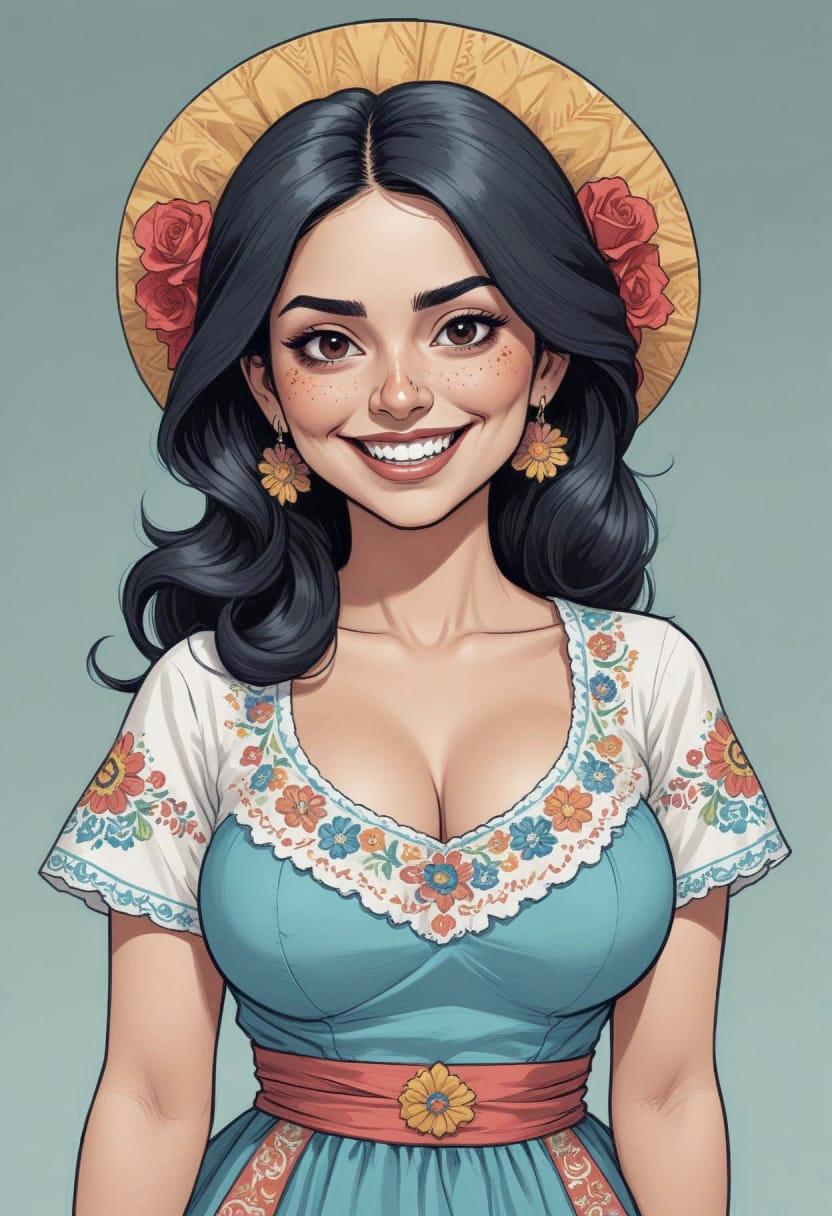
The traditional flower of de los muertos is the cempasúchil, or Mexican marigold, believed to guide spirits with its bright orange color and strong scent. Calaveras, or sugar skulls, aren’t just decorations—they’re edible, and often personalized with names to honor ancestors. Some people believe that butterflies, especially monarchs, carry the souls of departed loved ones back home during the celebration.
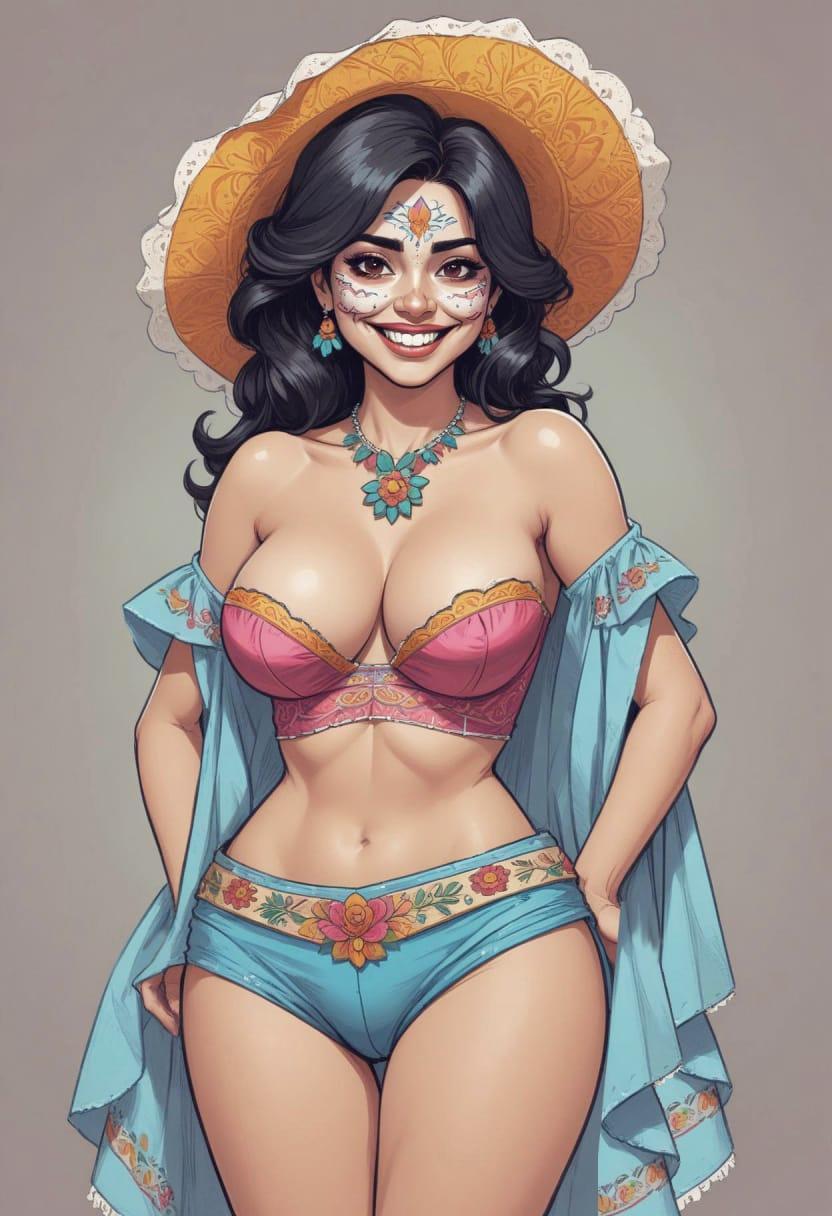
Pan de muerto is a sweet, fluffy bread topped with sugar and shaped to look like bones—eaten only during this time of year. The Aztecs had rituals that inspired de los muertos, honoring the dead for an entire month dedicated to the goddess Mictecacihuatl. Instead of being spooky, skull face paint is a joyful nod to mortality and the beauty of life.
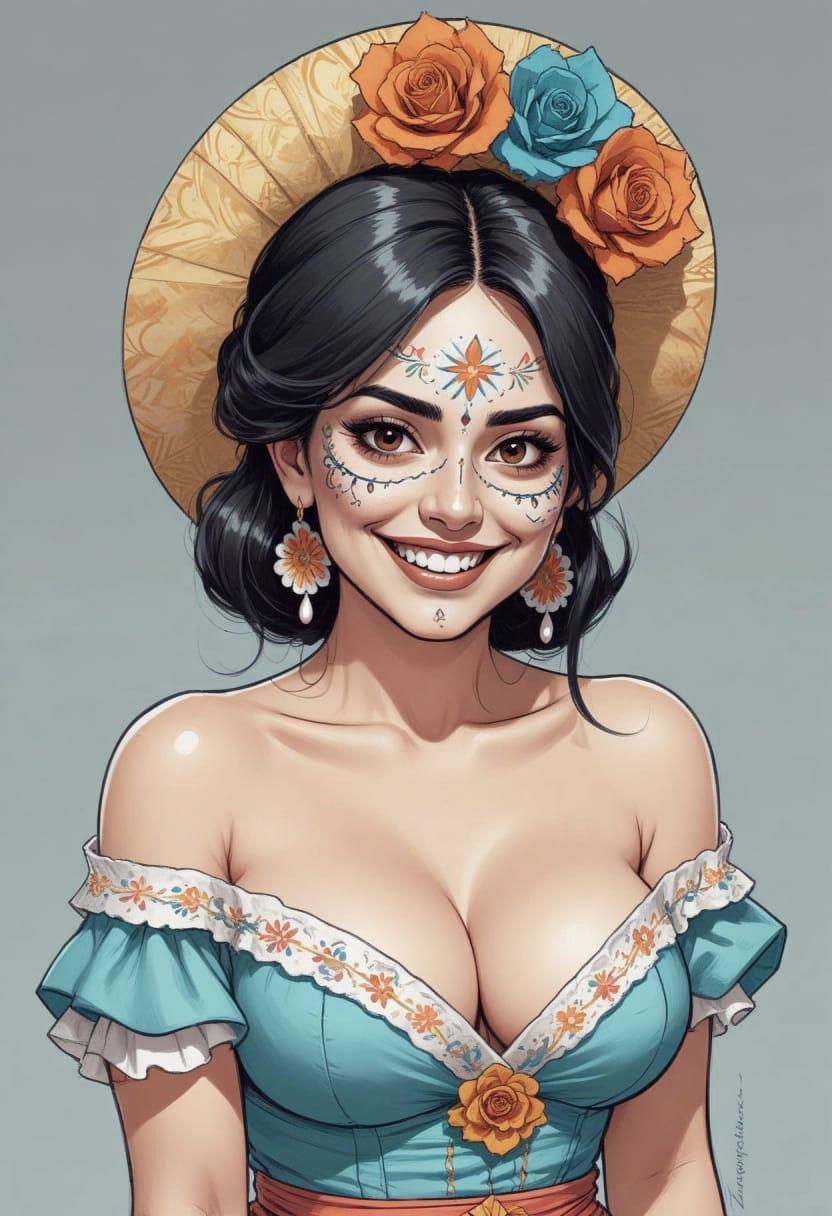
During de los muertos, skeleton figurines called 'calacas' are often shown doing everyday things—dancing, playing music, even riding bikes. Mexico City hosts massive de los muertos parades, with floats, dancers, and giant puppets called 'mojigangas'. The holiday is celebrated on November 1st and 2nd—All Saints’ Day for children and All Souls’ Day for adults.
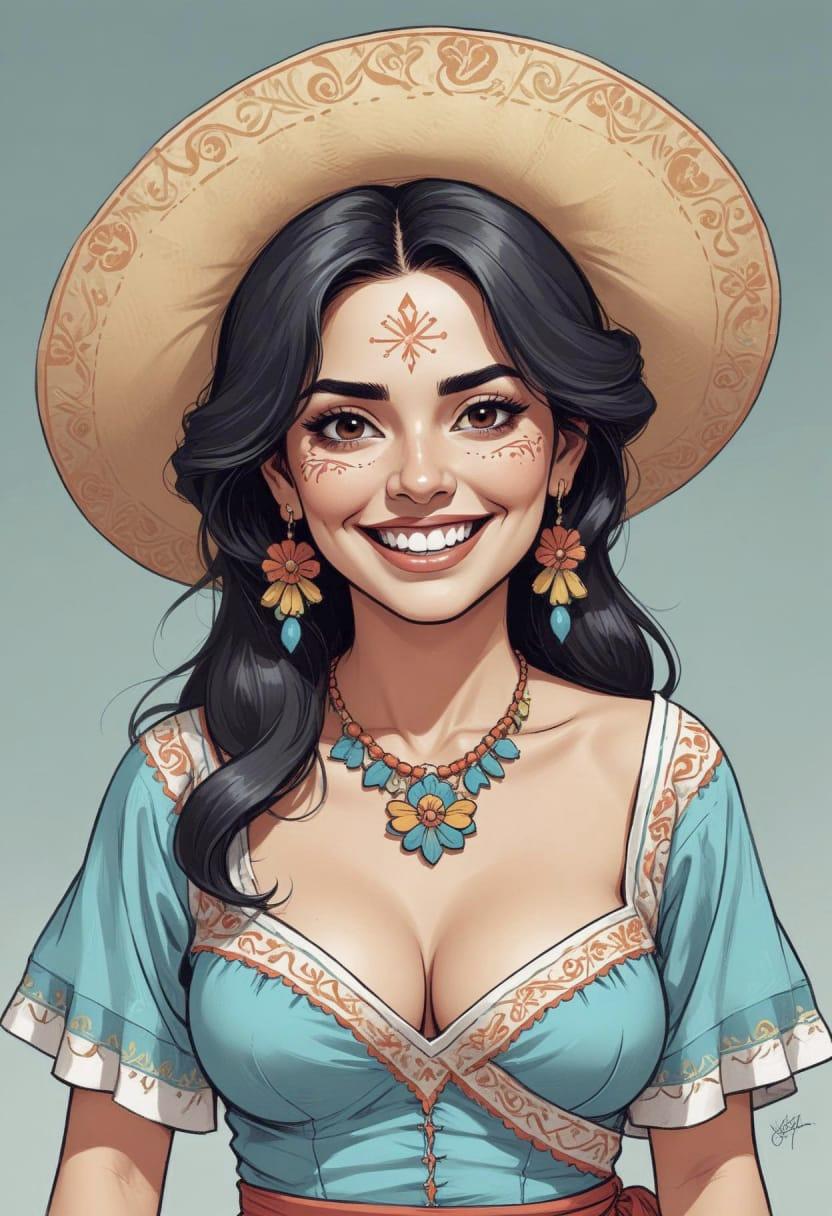
Many families leave a trail of marigold petals from the street to their front door, guiding spirits back home for a short visit. Altars usually include a glass of water to refresh thirsty spirits after their long journey from the afterlife. It's not just a Mexican holiday—countries like Guatemala, Bolivia, and even parts of the U.S. celebrate de los muertos in their own way.
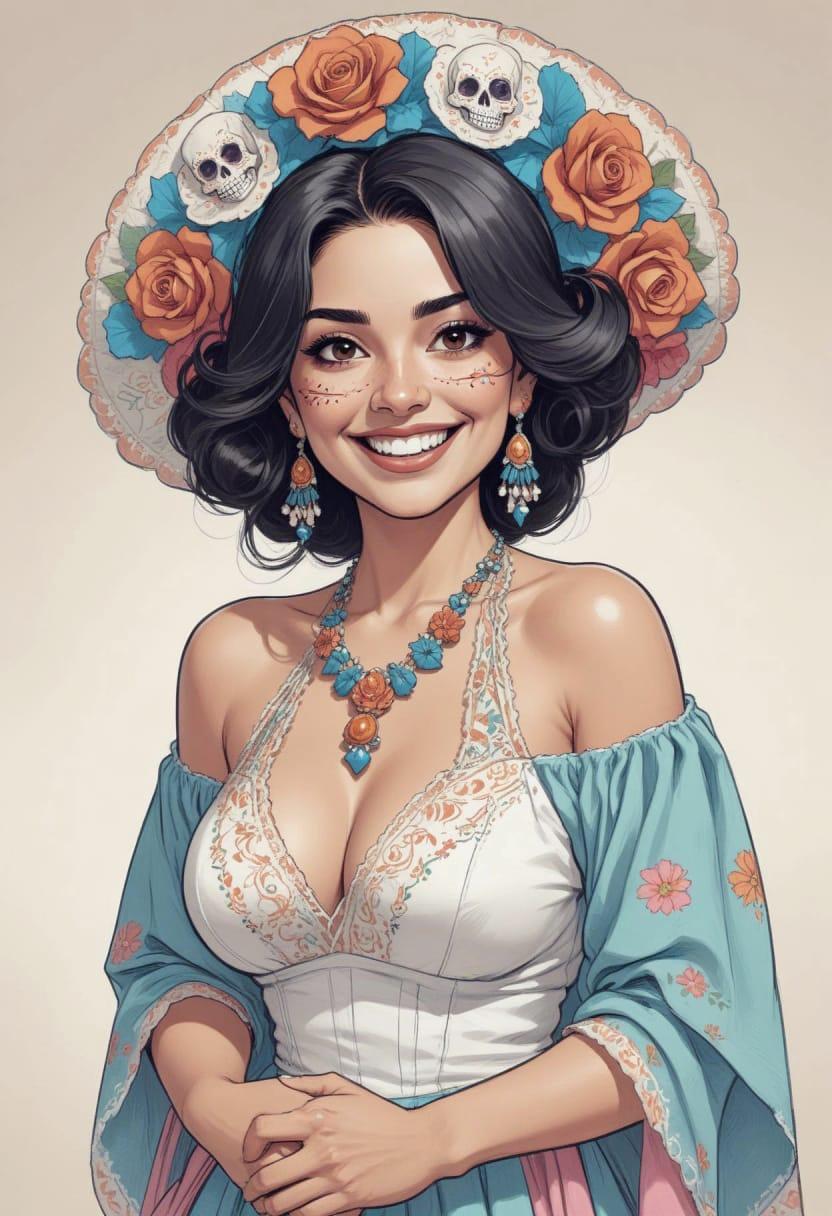
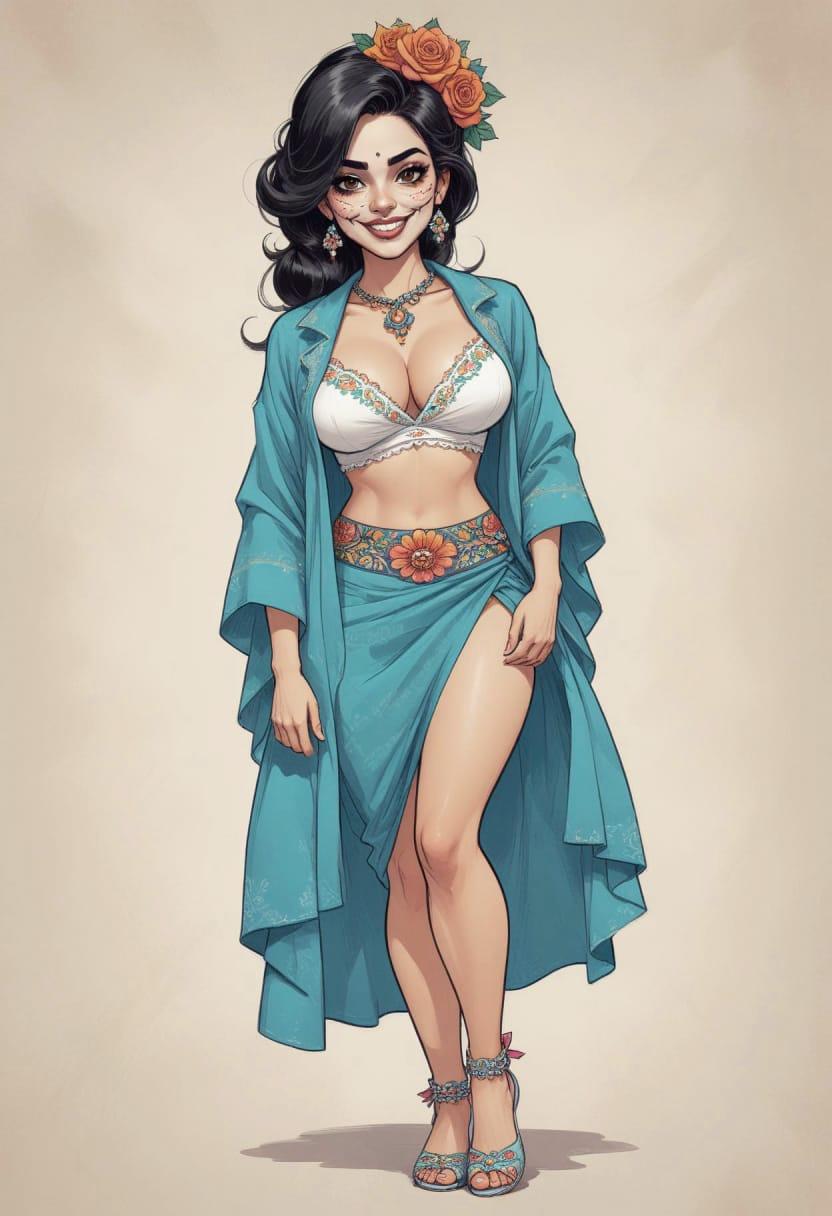
Papel picado, those colorful tissue paper banners with intricate cutouts, represent the fragility of life and flutter in the wind like spirits. Photos on the 'ofrenda' aren’t random—they serve as invitations to specific souls to return home. Traditional de los muertos makeup uses black to represent death, white for hope, and colorful accents to symbolize joy and remembrance.
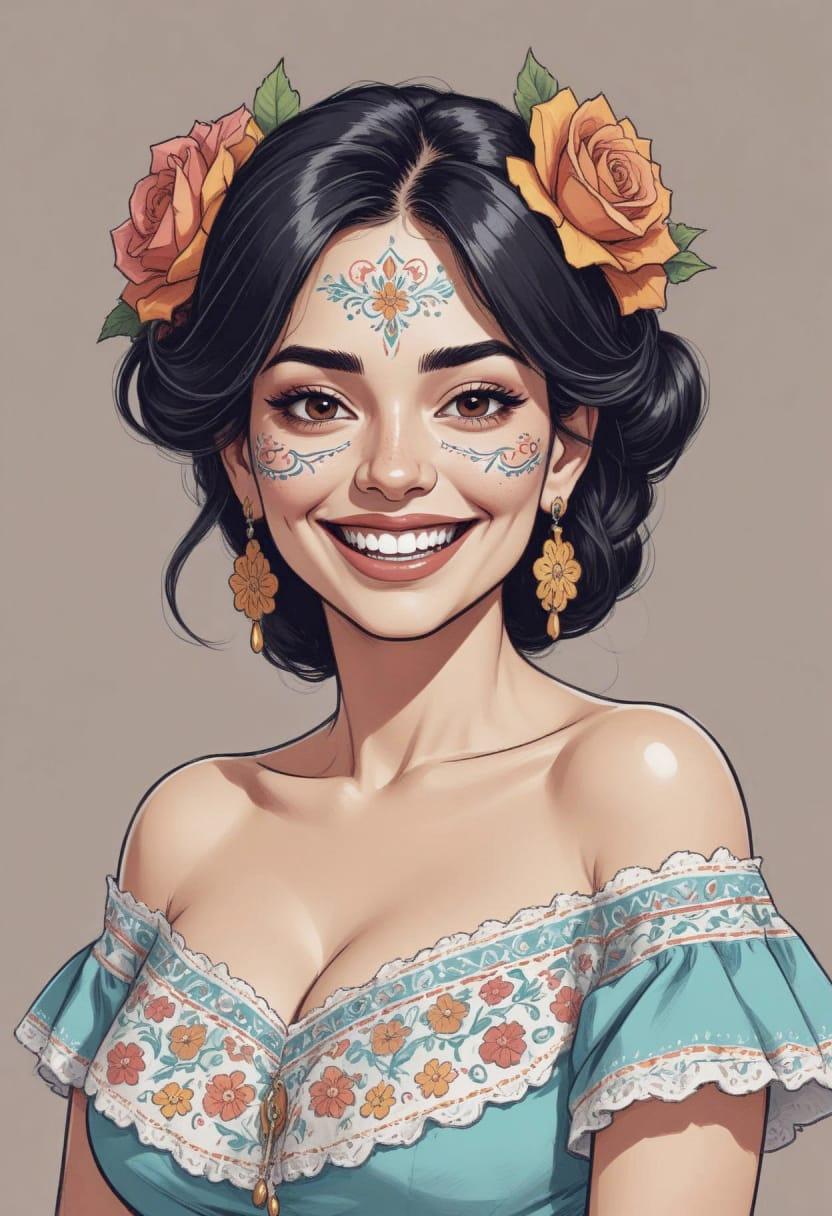
Kids often dress up as skeletons and go door to door for treats, kind of like Halloween with a twist of heritage and meaning. Street vendors sell everything from sugar skull earrings to marigold bouquets during the weeks leading up to the holiday. People sometimes write funny poems called 'calaveras literarias' that mock the living as if they were already dead—it’s satire with skulls.
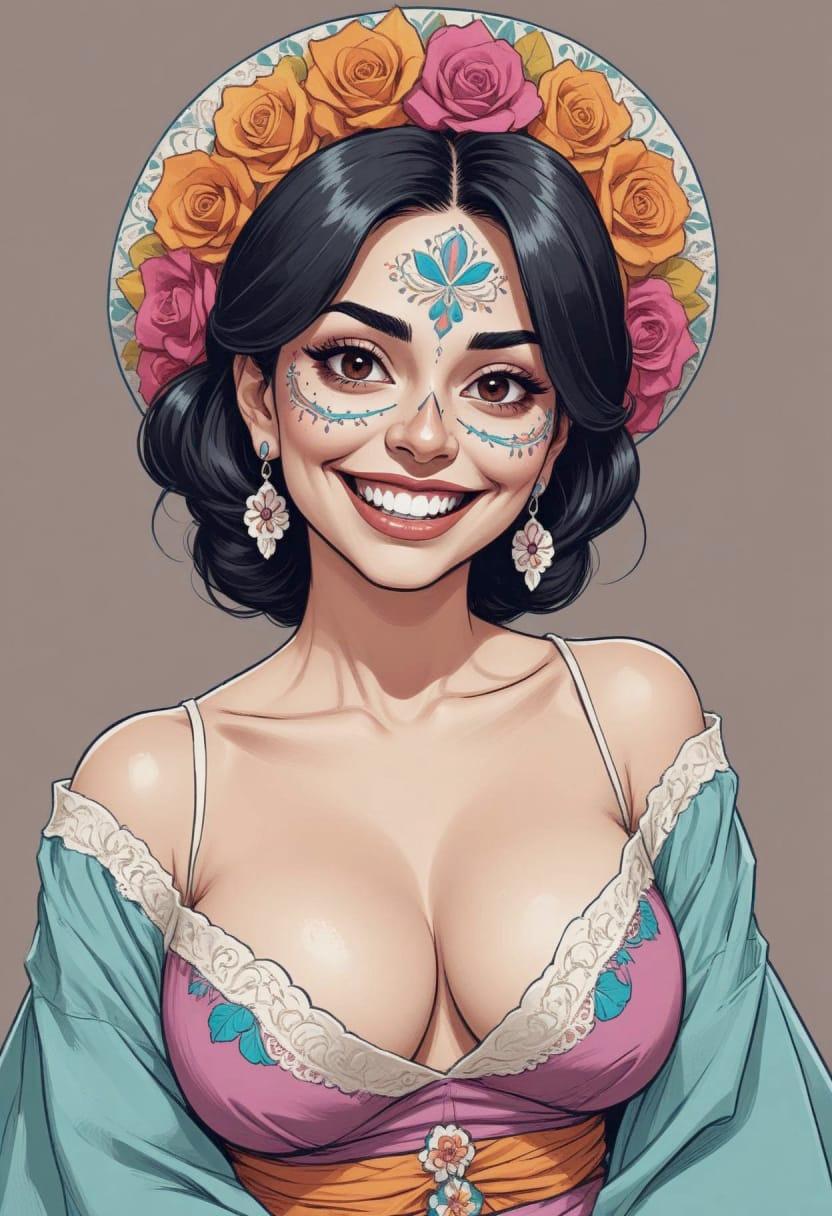
Some families leave an empty chair at the table for the spirits to “join” dinner on de los muertos. The Disney-Pixar film 'Coco' introduced the holiday to a global audience and helped explain why it's a celebration, not a time for sorrow. Marigold-scented incense called 'copal' is burned to cleanse the space and attract positive energy during the celebration.
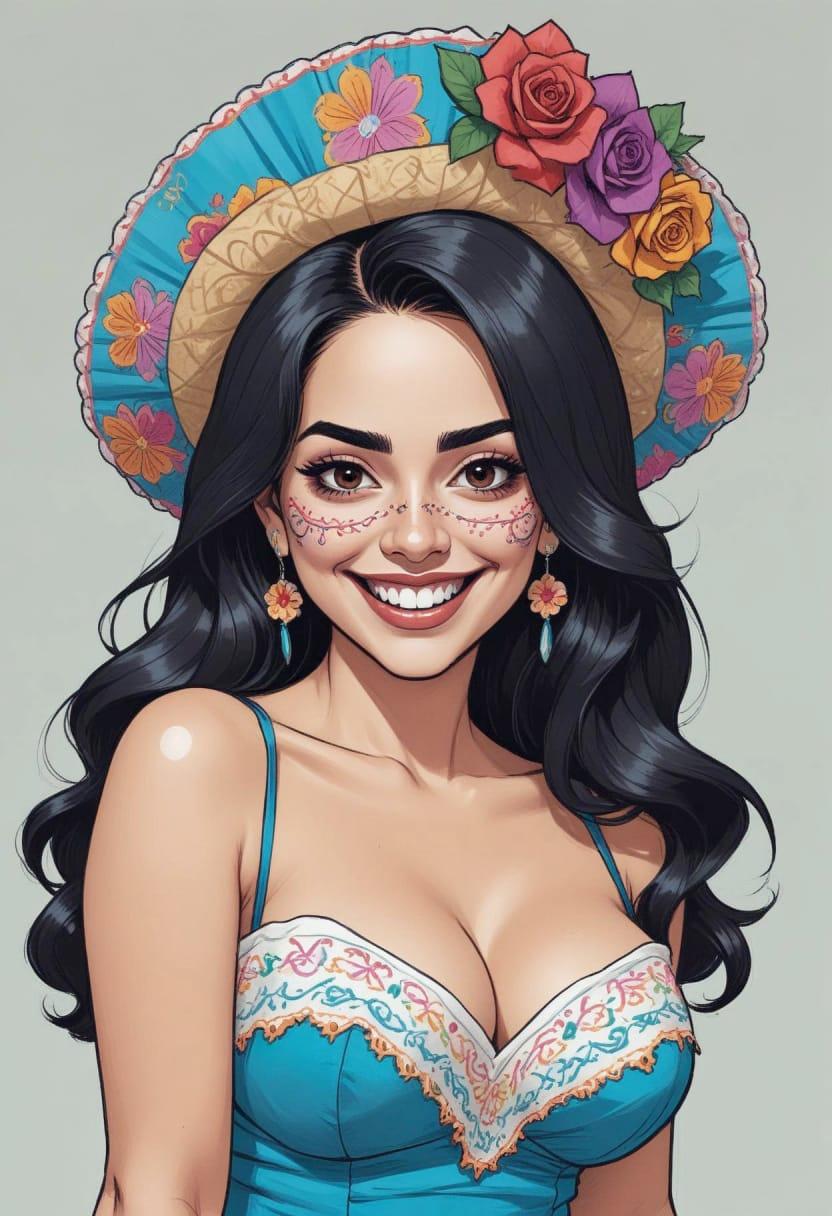
In Oaxaca, sand tapestries called 'tapetes de arena' are made to depict skulls, saints, or memories of the deceased—then erased after the holiday. Dolls and skeleton toys aren’t scary during de los muertos—they’re often smiling or playing instruments. Some altars include favorite drinks like coffee or soda—whatever the loved one enjoyed most in life.
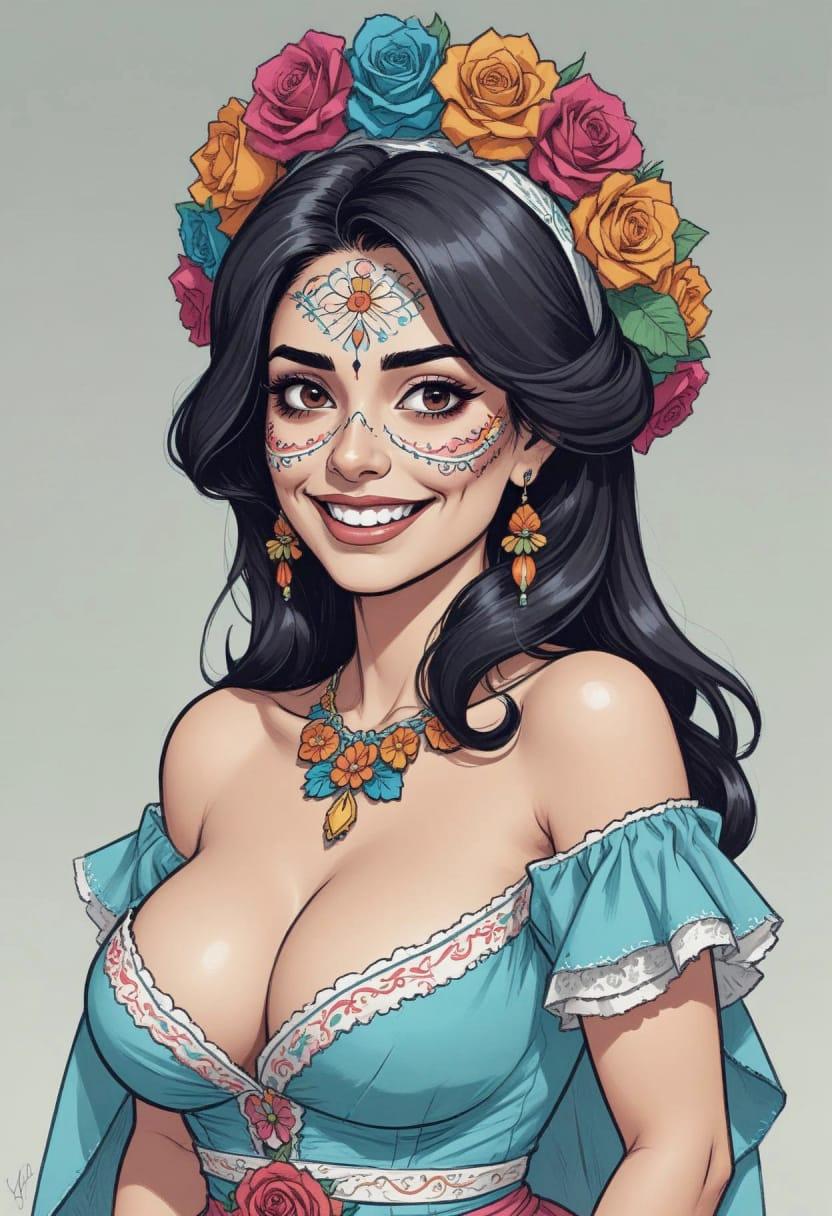
You might see pets included on altars too—especially in homes where animals were beloved family members. The vibrant colors of de los muertos are meant to contrast the sadness often linked with death, turning it into a celebration. People believe the veil between the living and dead is thinnest during these two days, making it easier for souls to return.
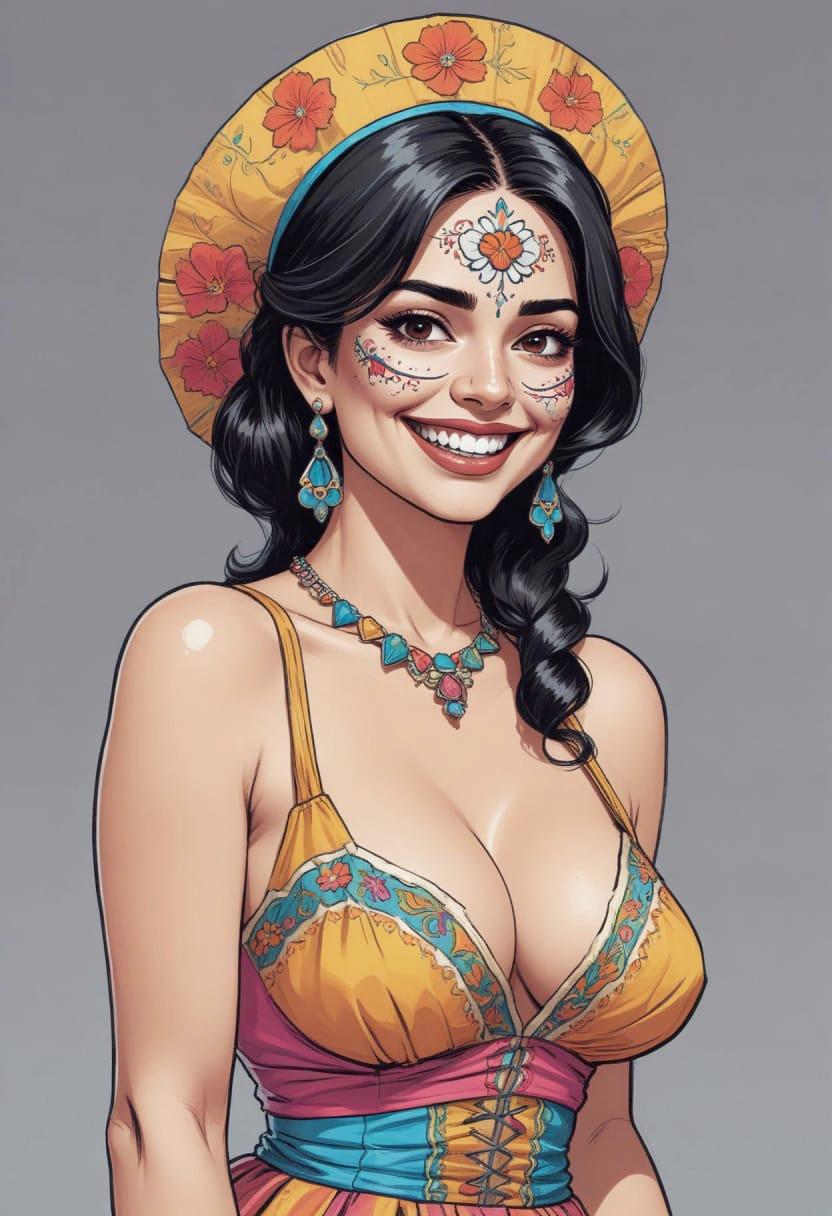
Families clean graves, repaint headstones, and even repaint lettering before decorating them with flowers and lights. Even though it's tied to Catholicism today, de los muertos blends Indigenous rituals, Spanish influence, and folk tradition. Young people often get tattoos of sugar skulls or marigolds to honor their ancestry and keep the tradition alive.
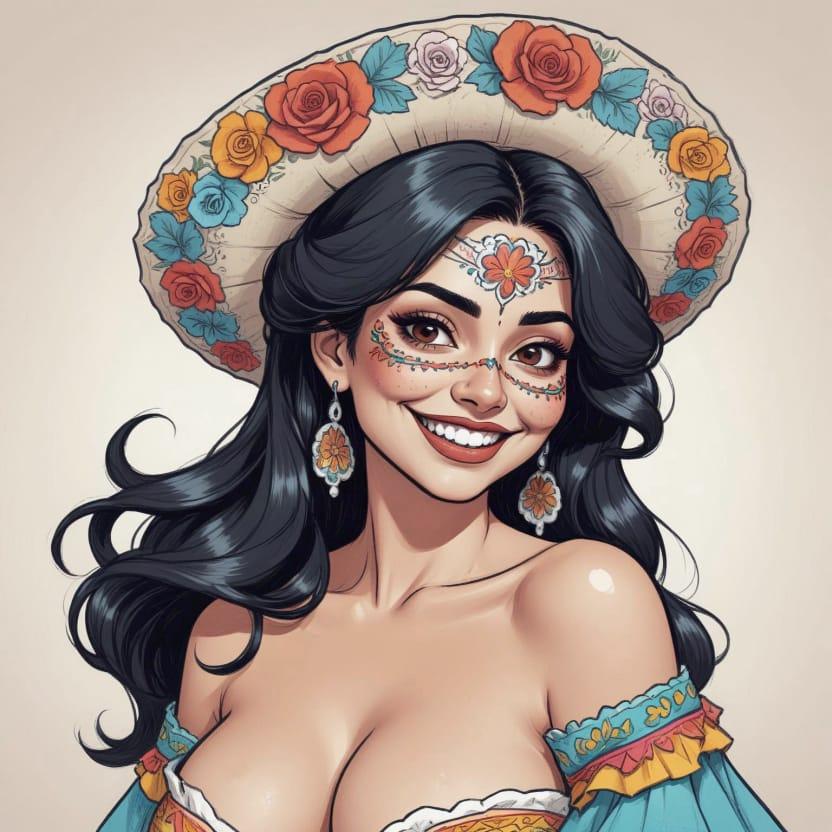
In some regions, families spend the whole night at the cemetery, sharing stories and staying close to the ones they’ve lost. Altars usually include the four elements—earth (food), wind (papel picado), fire (candles), and water (drinks). The idea isn’t to scare, but to laugh at death and treat it as a natural part of the human journey.
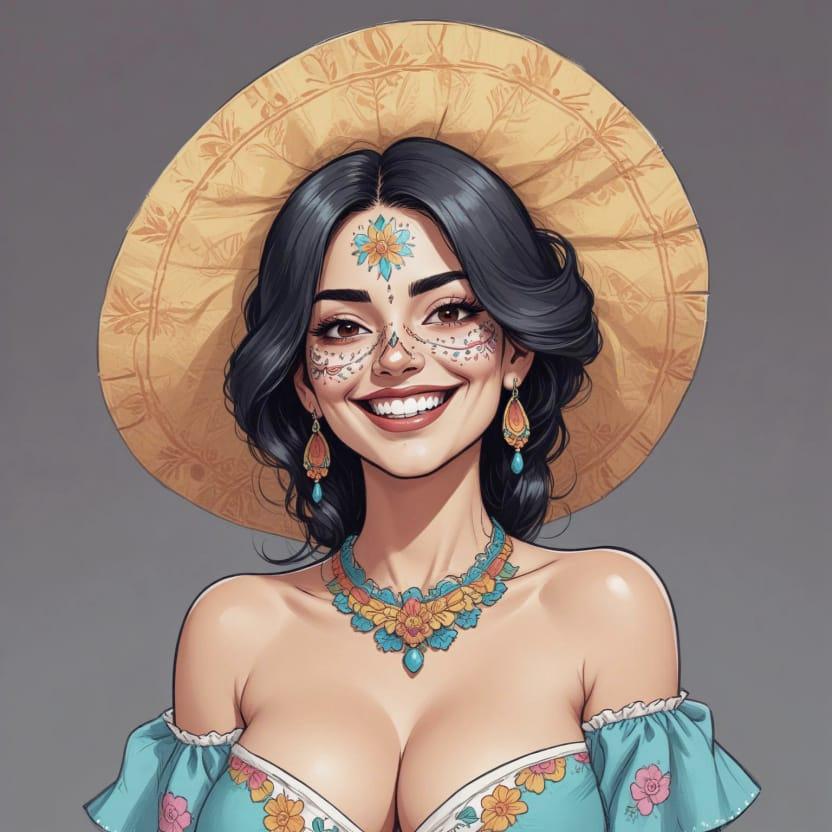
Bright pink and electric blue are common colors used in decorations, representing happiness, not mourning. Schoolchildren learn about the holiday through crafts, drawing skulls, or building miniature altars in class. Modern altars may include phones, headphones, or fast food—anything the spirit might recognize from their past life.
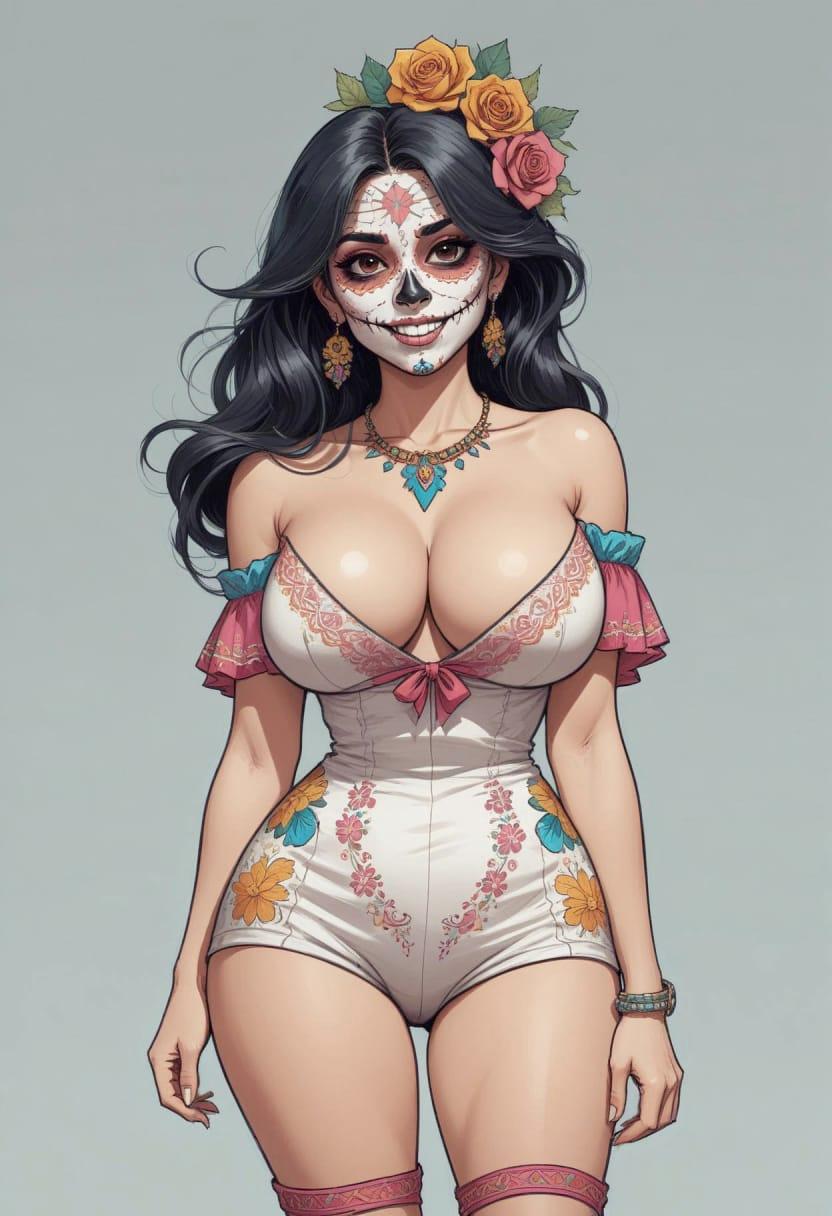
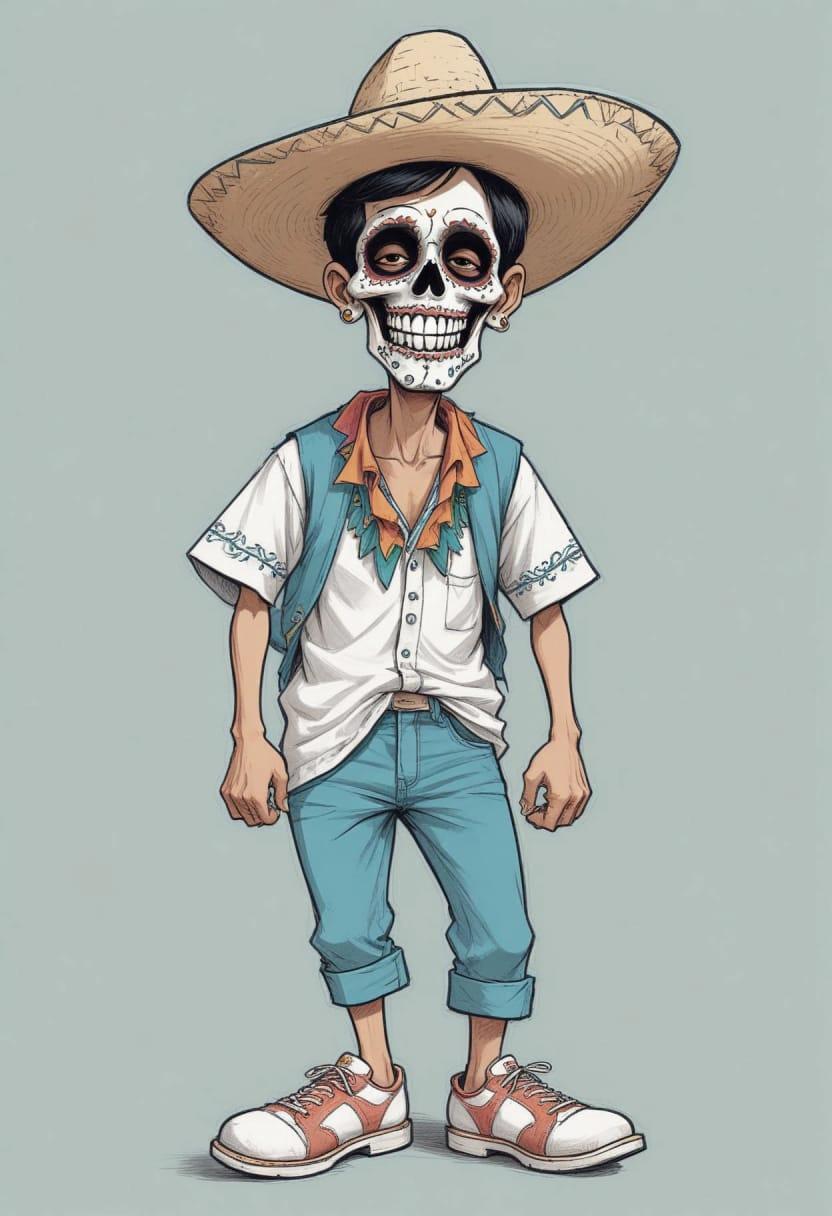
Skeletons are often depicted with grins, reminding people that death doesn’t mean forgetting how to smile. In Los Angeles, large-scale de los muertos festivals take place in neighborhoods like Boyle Heights and Hollywood Forever Cemetery. Some families include food their ancestors never had—like pizza or soda—to represent evolving tastes across generations.
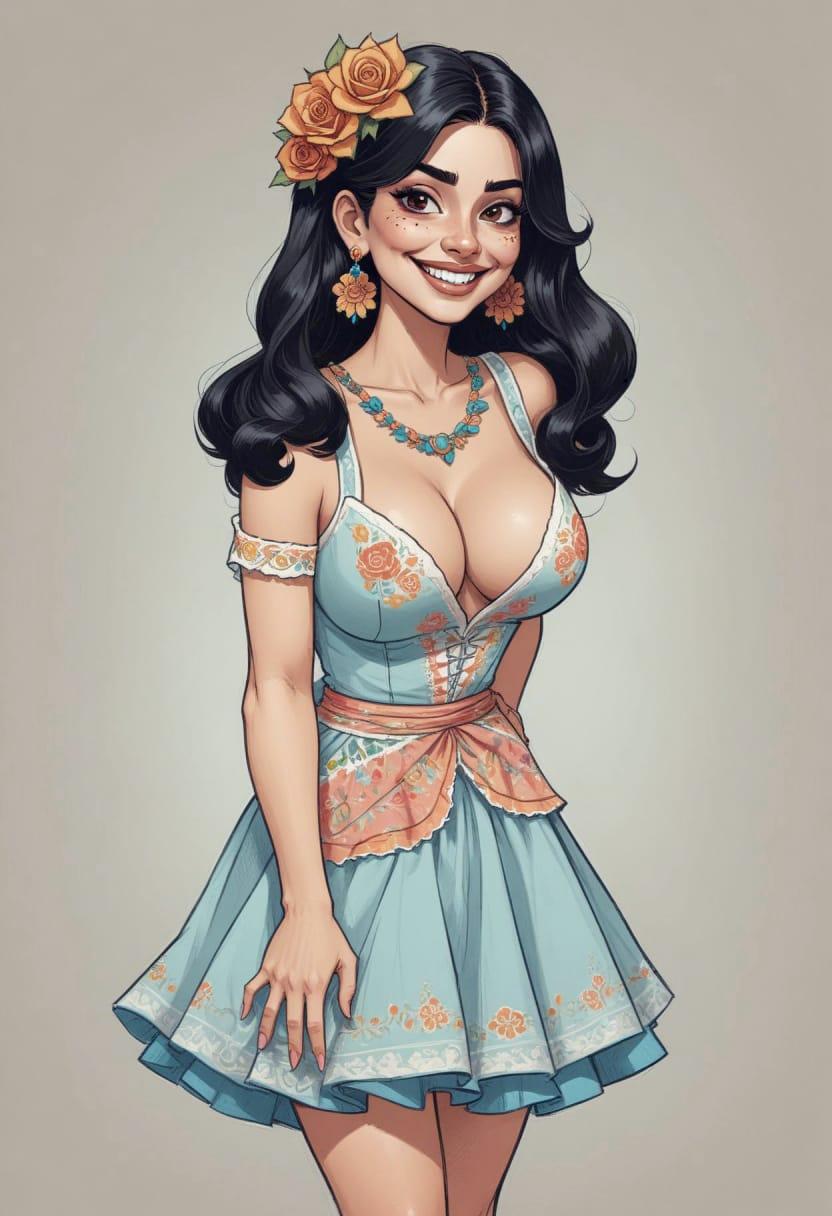
Masks with painted skulls are worn not to frighten, but to blend in with the spirits walking among the living. Local artisans spend all year preparing handmade decorations and crafts to sell during the holiday. Candles are often placed in sets of four to symbolize the cardinal directions, guiding spirits from all over.
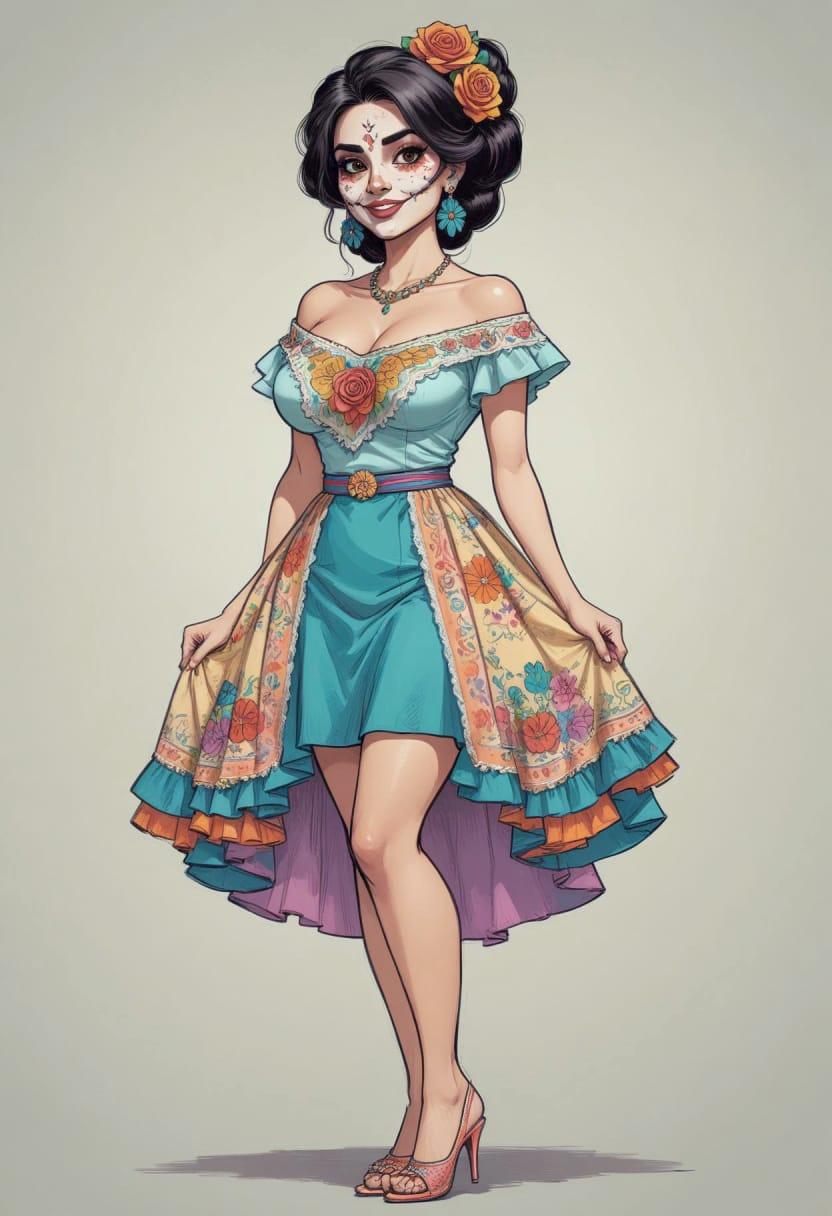
It’s considered rude to cry during the holiday—smiles and joy are how you show love for the dead. Some regions play mariachi music all night long in cemeteries, celebrating through rhythm and song. The largest sugar skull ever made reportedly weighed over 1,000 pounds and took days to mold.
You’ll find vegan versions of pan de muerto now, reflecting changing diets and cultural blending. Photos of famous people—like Frida Kahlo or Selena—are sometimes included on public altars in their honor. Even dogs have de los muertos costumes now, with tiny skeleton onesies and flower crowns.
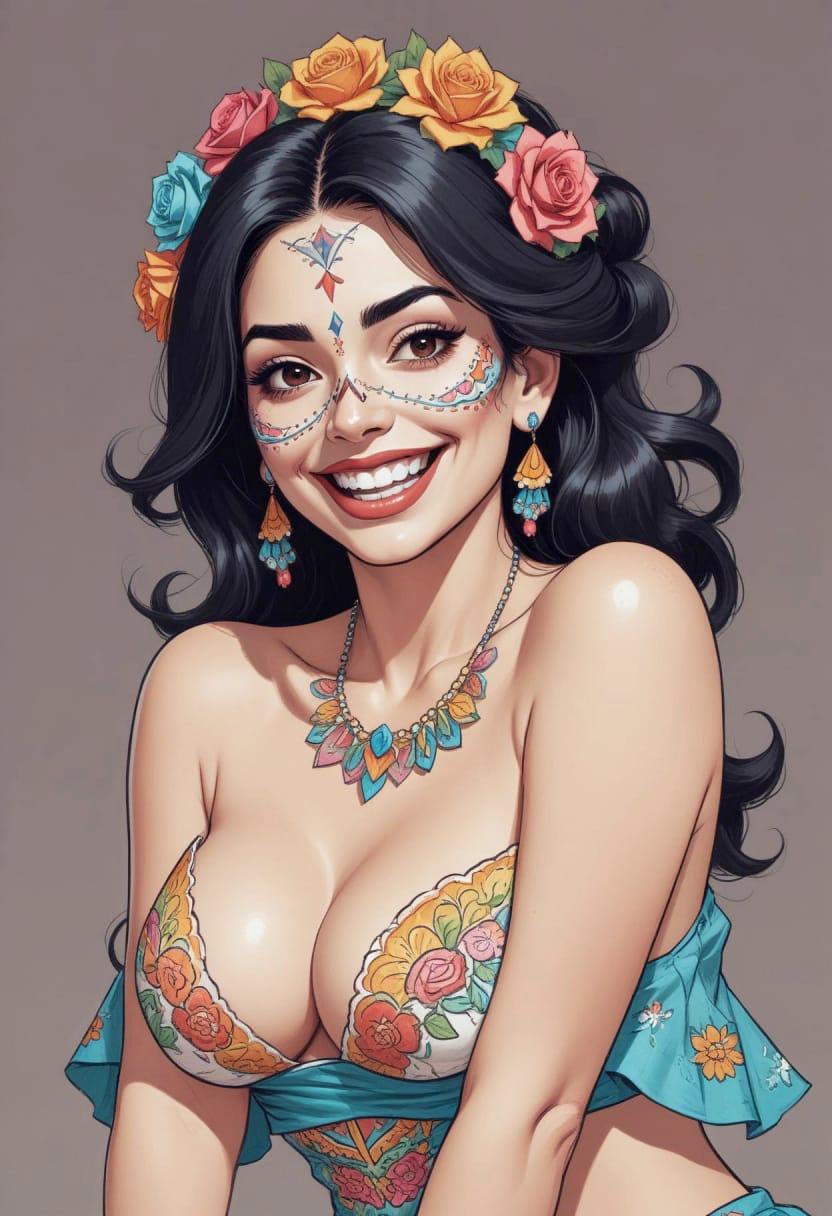
Street murals of skulls and saints pop up in cities as a way of reclaiming public space with culture and art. Face paint tutorials for de los muertos have millions of views online, blending tradition with modern beauty trends. Skulls made from chocolate or amaranth are gaining popularity as alternatives to the classic sugar skulls.
You’ll often hear people say “They’re not really gone if we remember them”—a core belief of the celebration. Some musicians write new songs each year for the holiday, using lyrics that tell stories of loss and joy. Entire communities sometimes come together to build shared altars in town plazas or cultural centers.
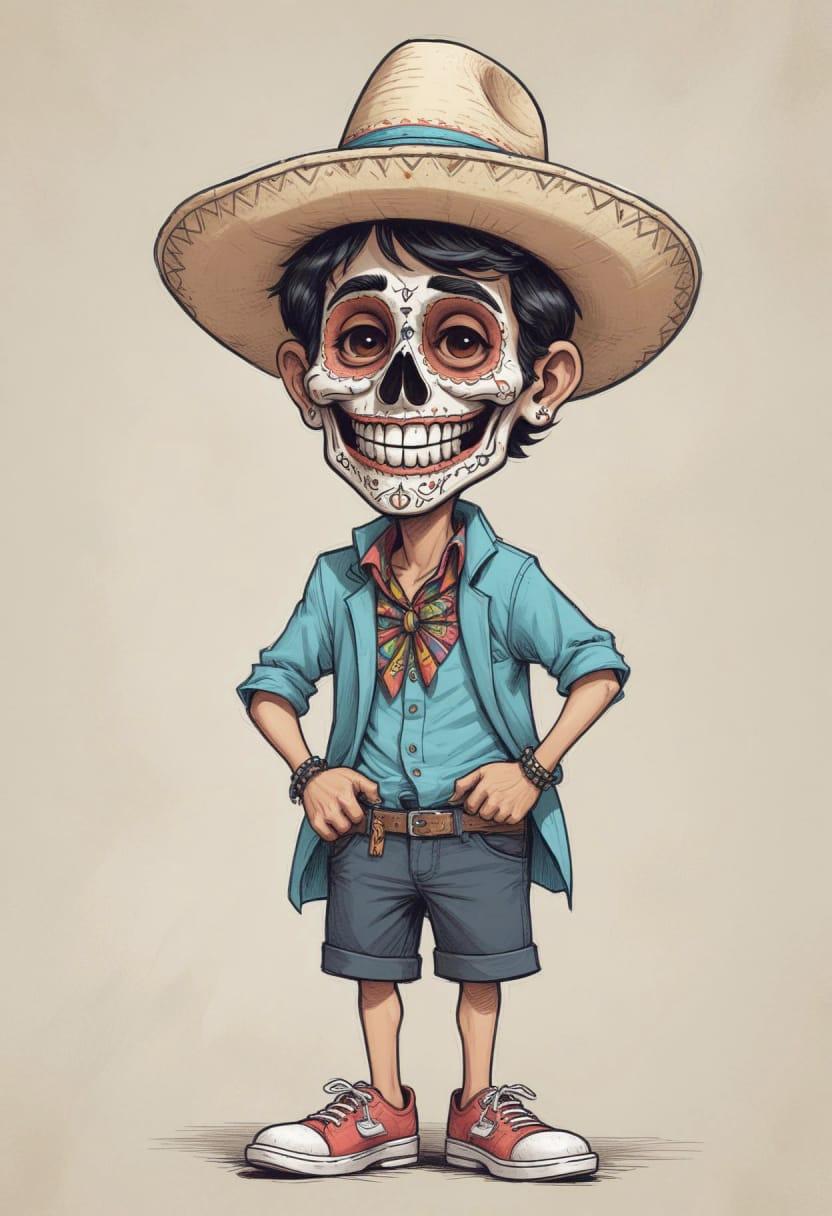
De los muertos reminds people to celebrate the past while living fully in the present. It's a time to honor memories, not just mourn absence. Every candle, every marigold, every plate of tamales tells a story worth remembering.