Dia de los muertos calavera
- Fun pictures /
- holiday /
- Dia de los muertos calavera
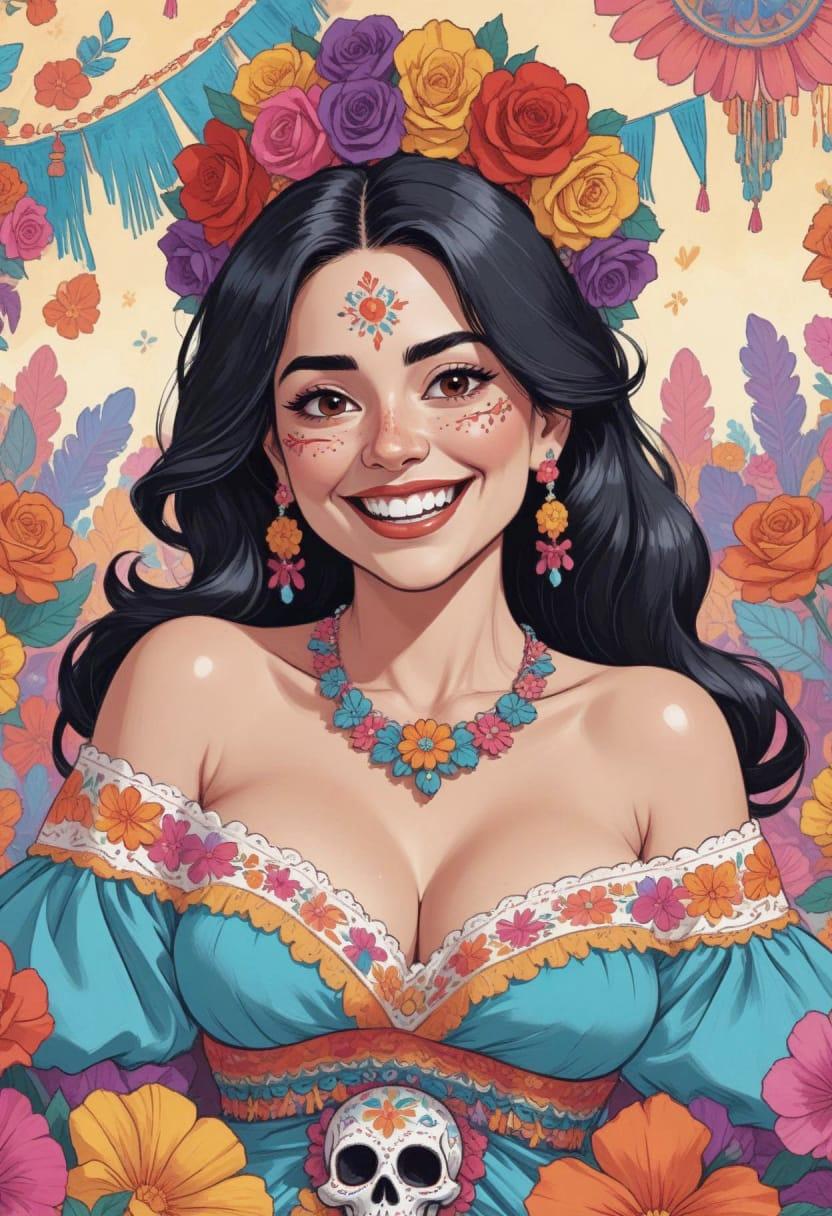
The colorful skulls seen during Dia de los Muertos are called “calaveras,” and they’re usually made from sugar or clay. Each sugar calavera is decorated by hand, often with icing, sequins, and foil to make them cheerful instead of spooky. In Mexico, it’s common to write a loved one’s name on the forehead of a calavera to honor their memory.
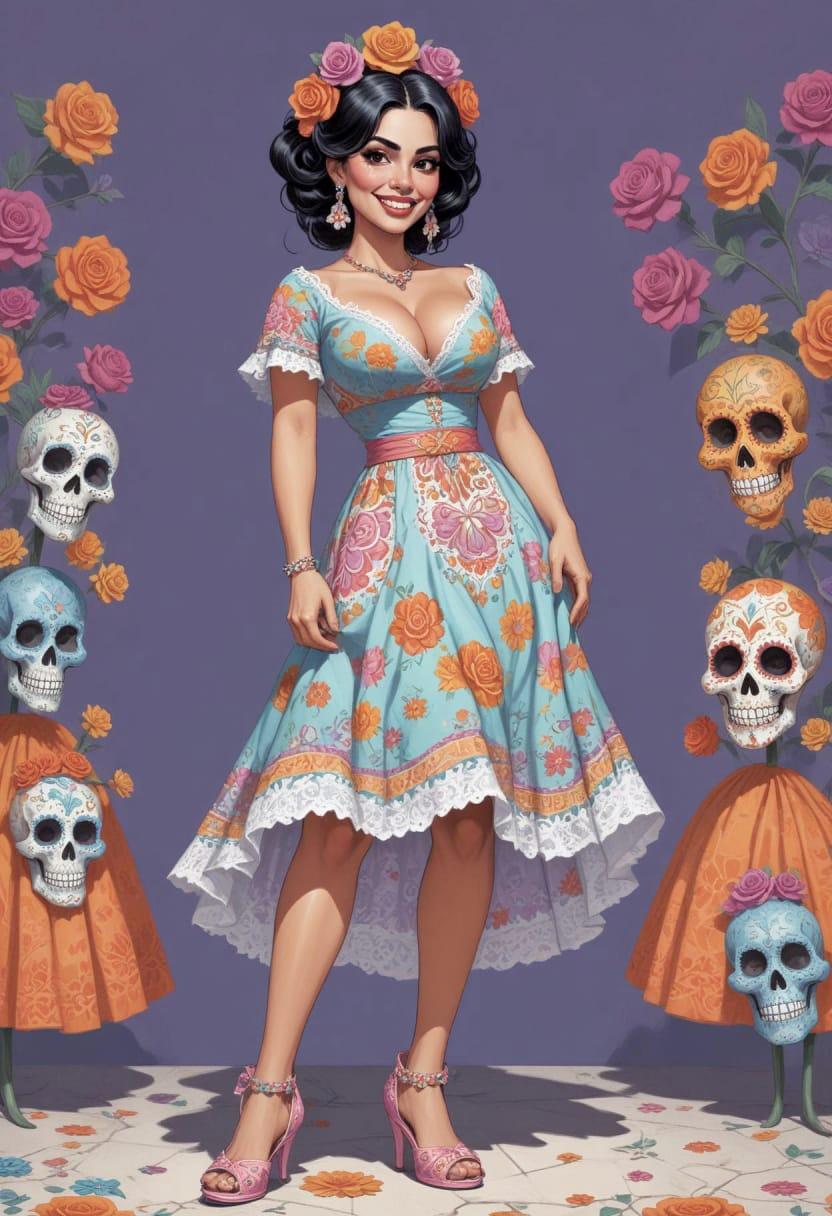
Calaveras aren’t just decorations—they’re symbols of life, death, and the cycle in between. During Dia de los Muertos, families place calaveras on altars, or “ofrendas,” as sweet gifts to the spirits. Some people even write funny poems, called “calaveritas literarias,” poking fun at death itself.
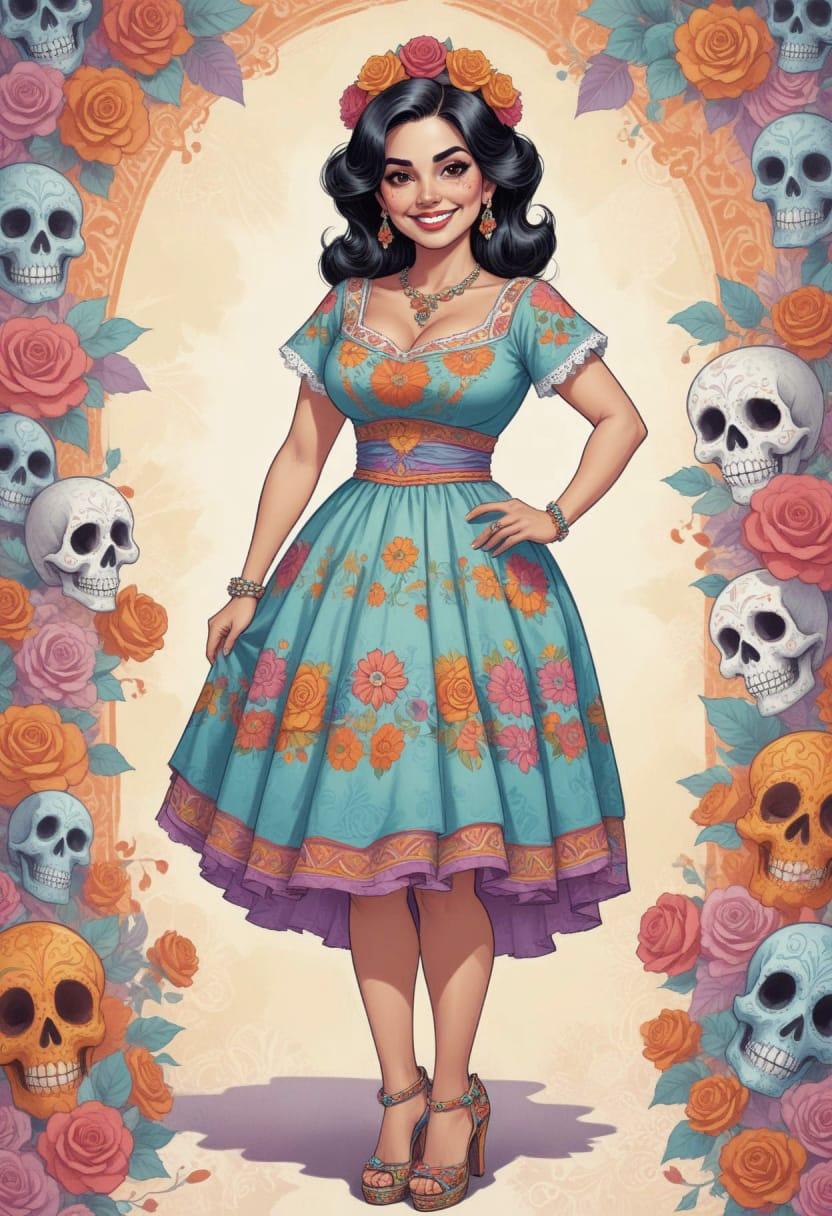
The tradition of the dia de los muertos calavera dates back to pre-Columbian times, long before Spanish colonization. Skulls were a powerful symbol to the Aztecs, representing both death and rebirth. Modern calaveras carry on that tradition, blending indigenous culture with Catholic rituals.
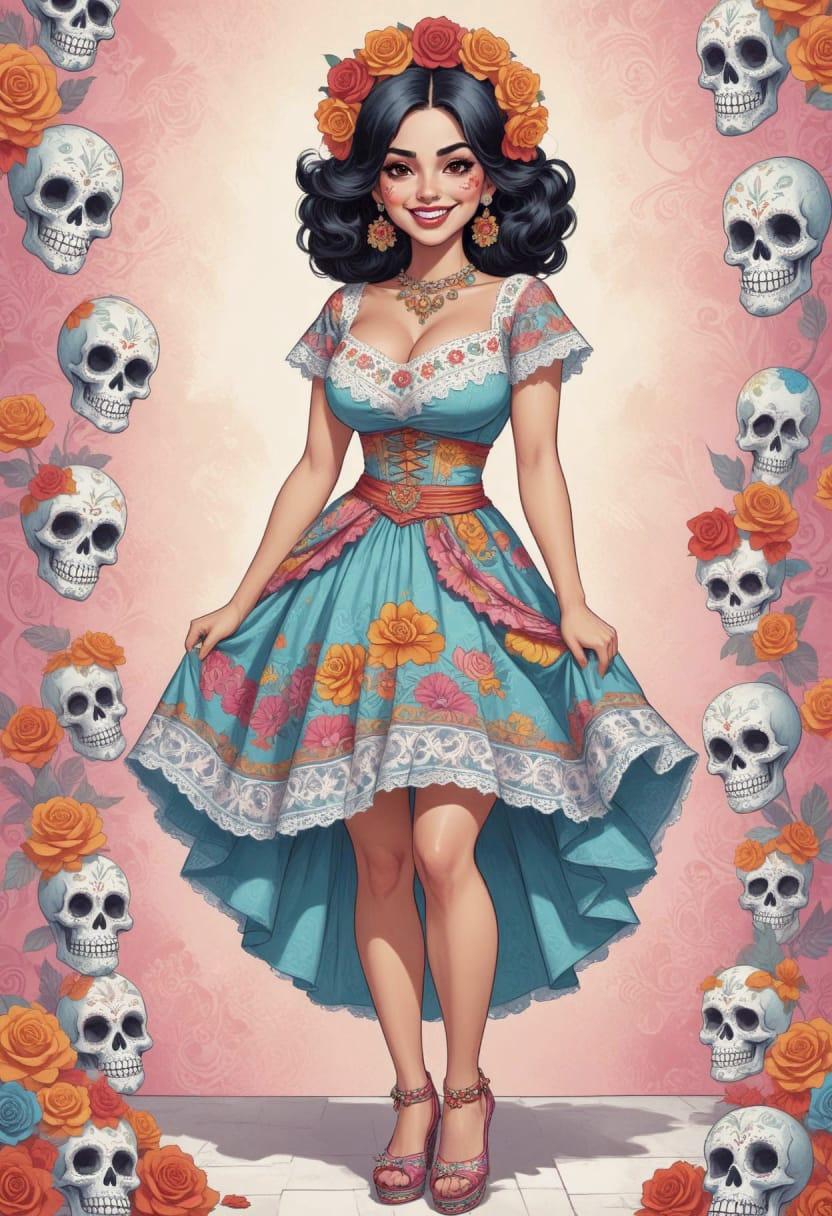
In Mexico City, artists spend weeks designing giant calavera sculptures for public parades. These skulls can be taller than people and are often painted with flowers, hearts, and suns. They’re meant to celebrate, not scare—Dia de los Muertos is a joyful remembrance.
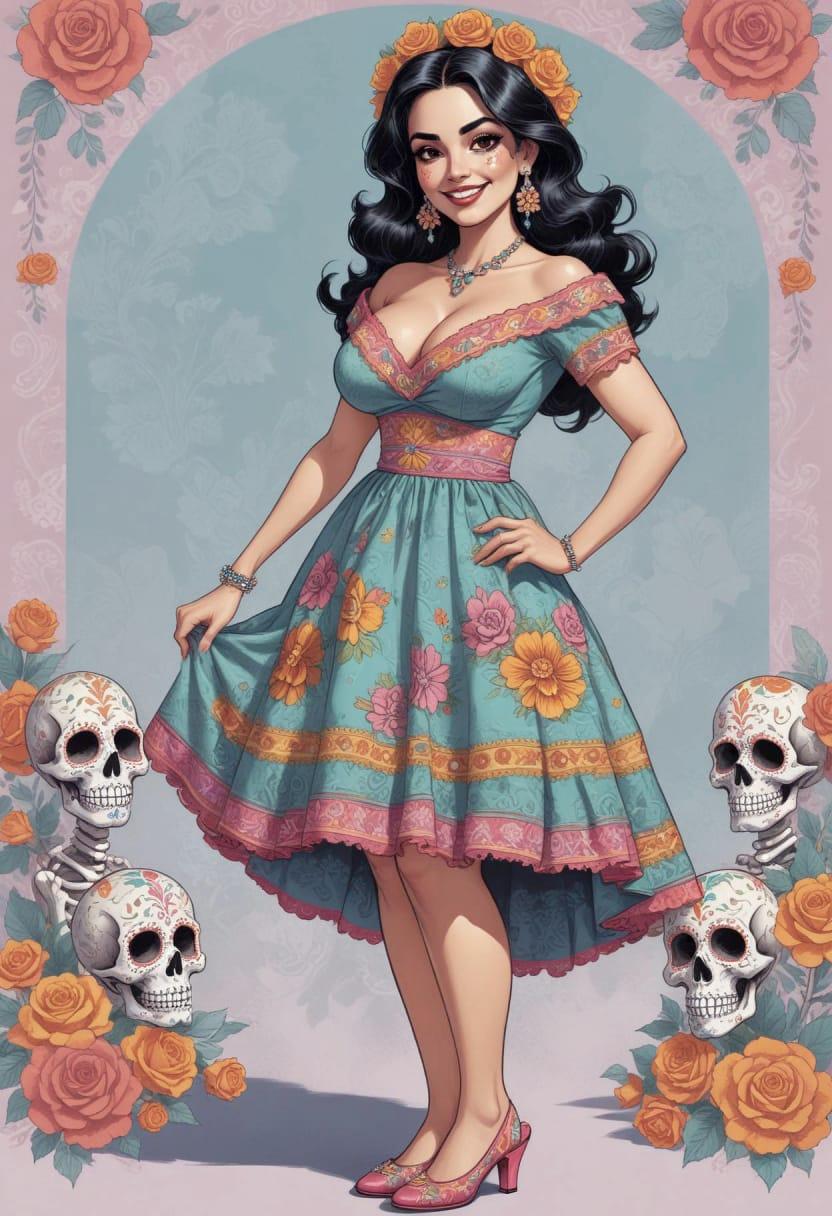
Kids enjoy eating tiny sugar skulls with their own names on them during the holiday. Some calaveras are chocolate-covered for an extra treat, blending old tradition with sweet modern twists. Bakers also make bread in the shape of skulls or bones, called pan de muerto.
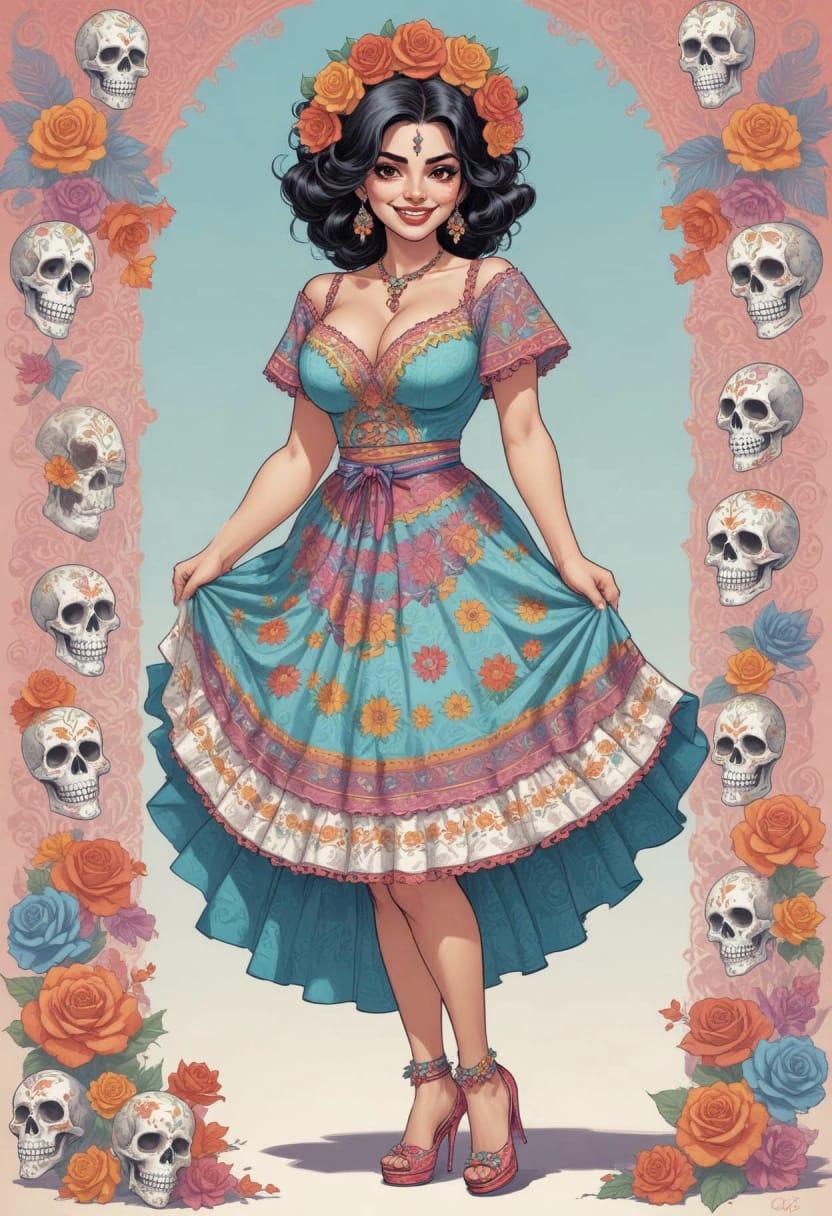
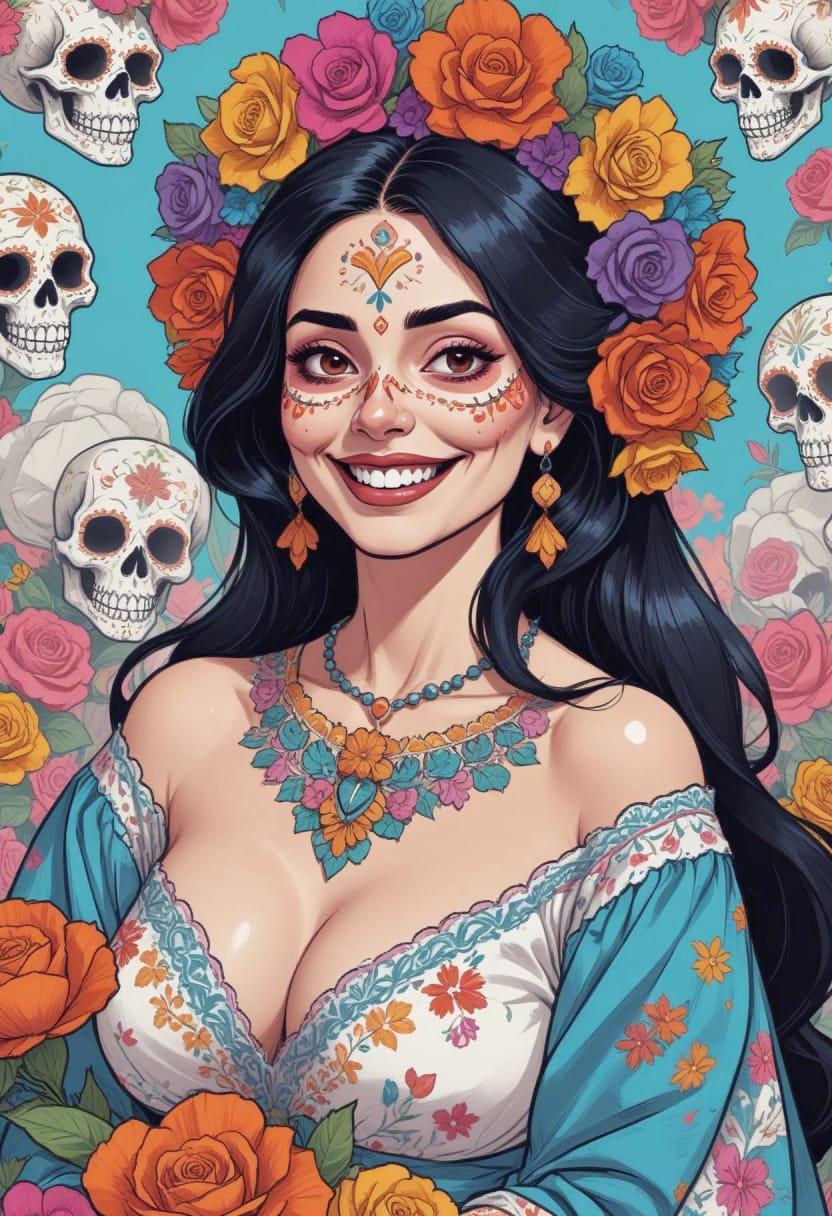
Many calaveras feature marigold designs, since the flower is believed to guide spirits back to the world of the living. Some calaveras wear hats or sunglasses, showing off a bit of personality and humor. You’ll even see skeletons dancing or playing music—life doesn’t stop after death, it just keeps grooving.
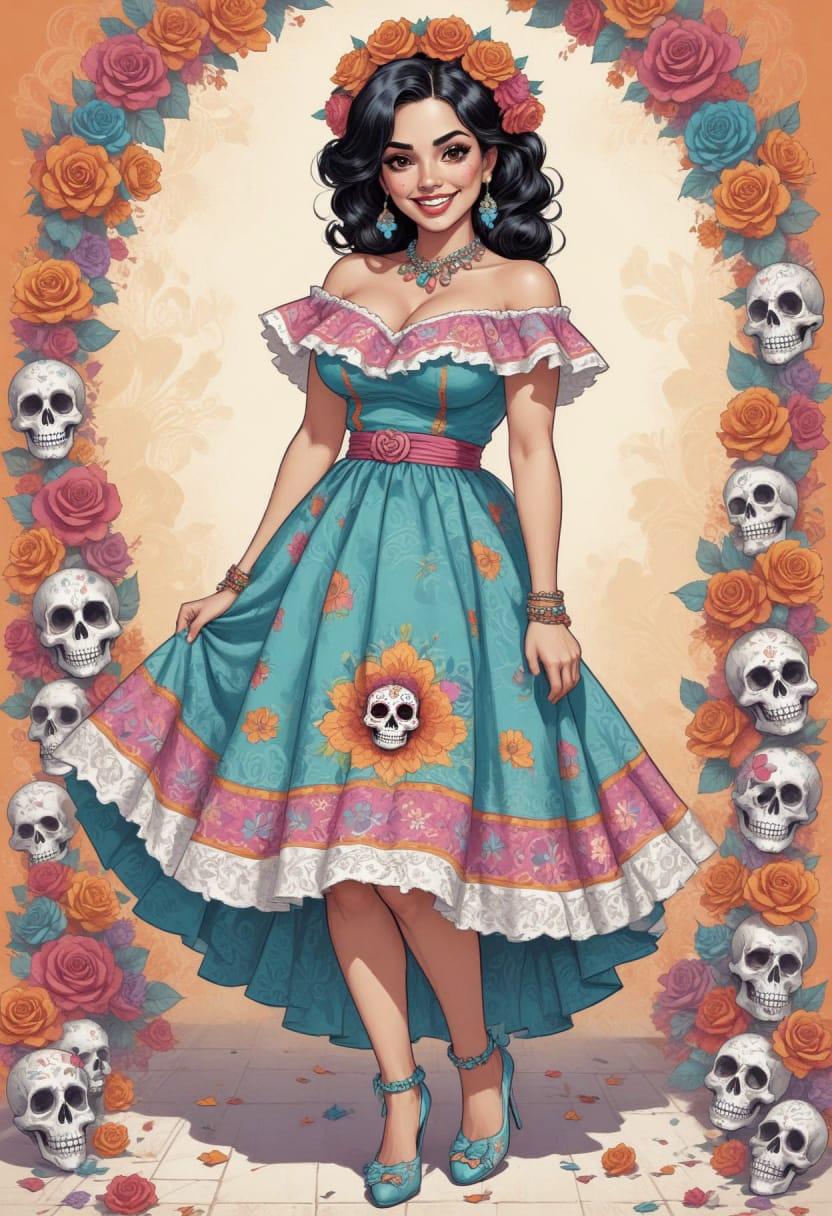
In Oaxaca, calavera masks are used in street performances during the holiday. The performers dress as skeletons to act out stories of the afterlife with flair and fun. It’s all part of making peace with death—laughing with it instead of fearing it.
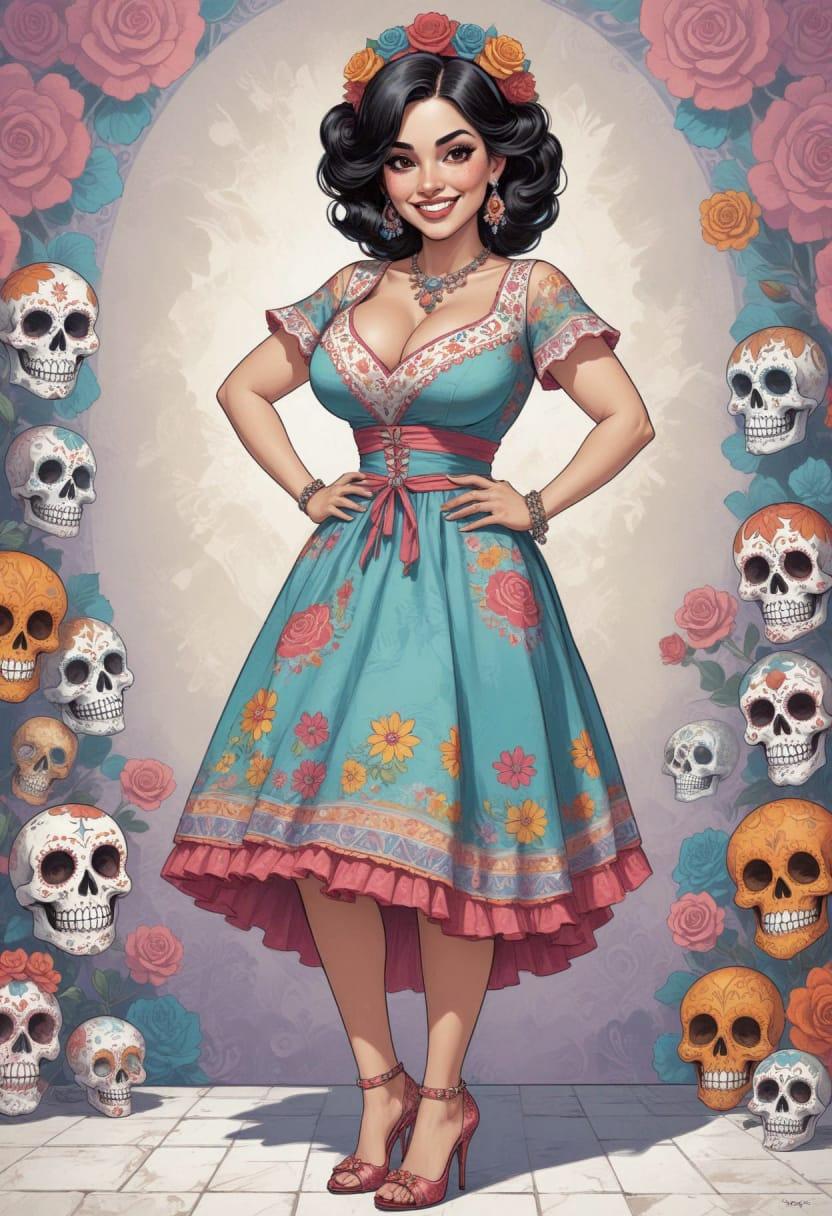
During Dia de los Muertos, calaveras often represent specific ancestors who are lovingly remembered. Families light candles and sing songs while placing these skulls on their altars. The vibe is more like a family reunion than a ghost story.
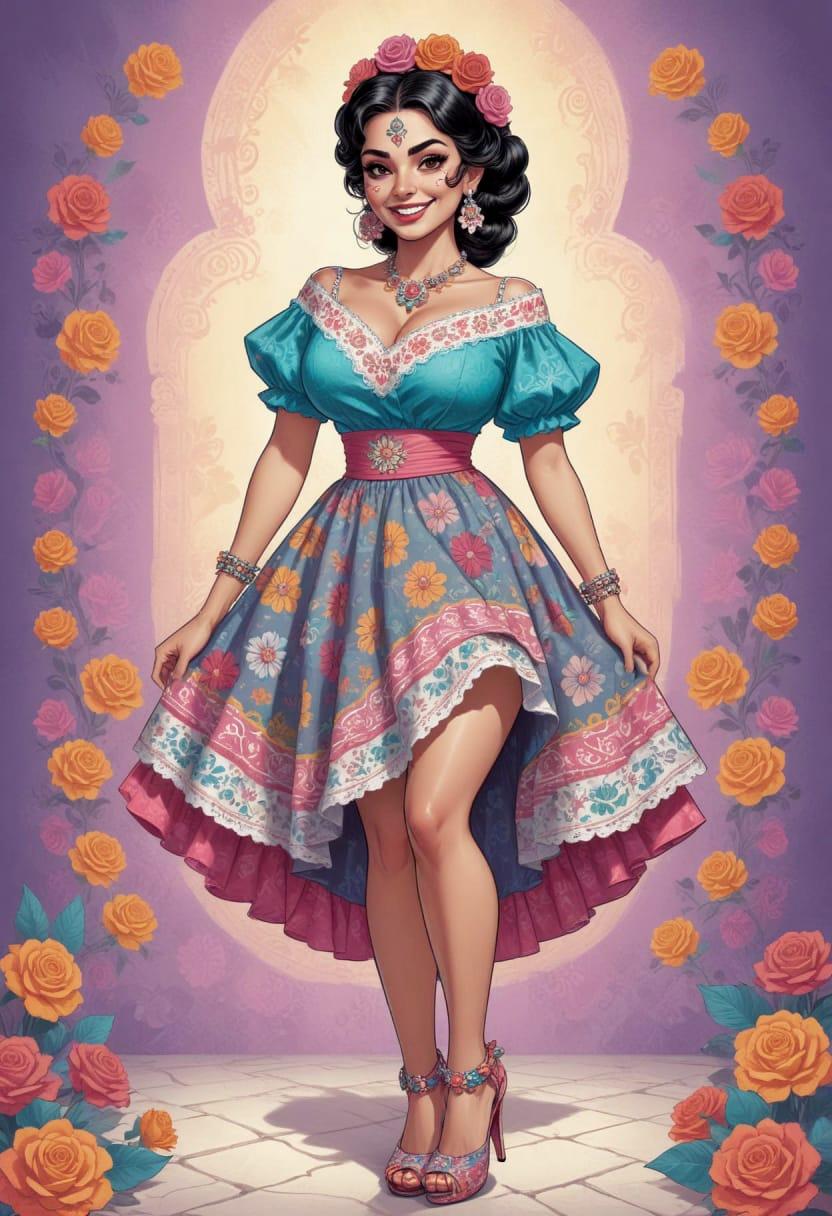
Jose Guadalupe Posada popularized the modern calavera with his iconic skeleton art in the 1900s. His famous “La Catrina” image—an elegant skeleton lady in a big hat—has become a symbol of the holiday. She reminds us that no matter your status in life, death treats everyone equally.
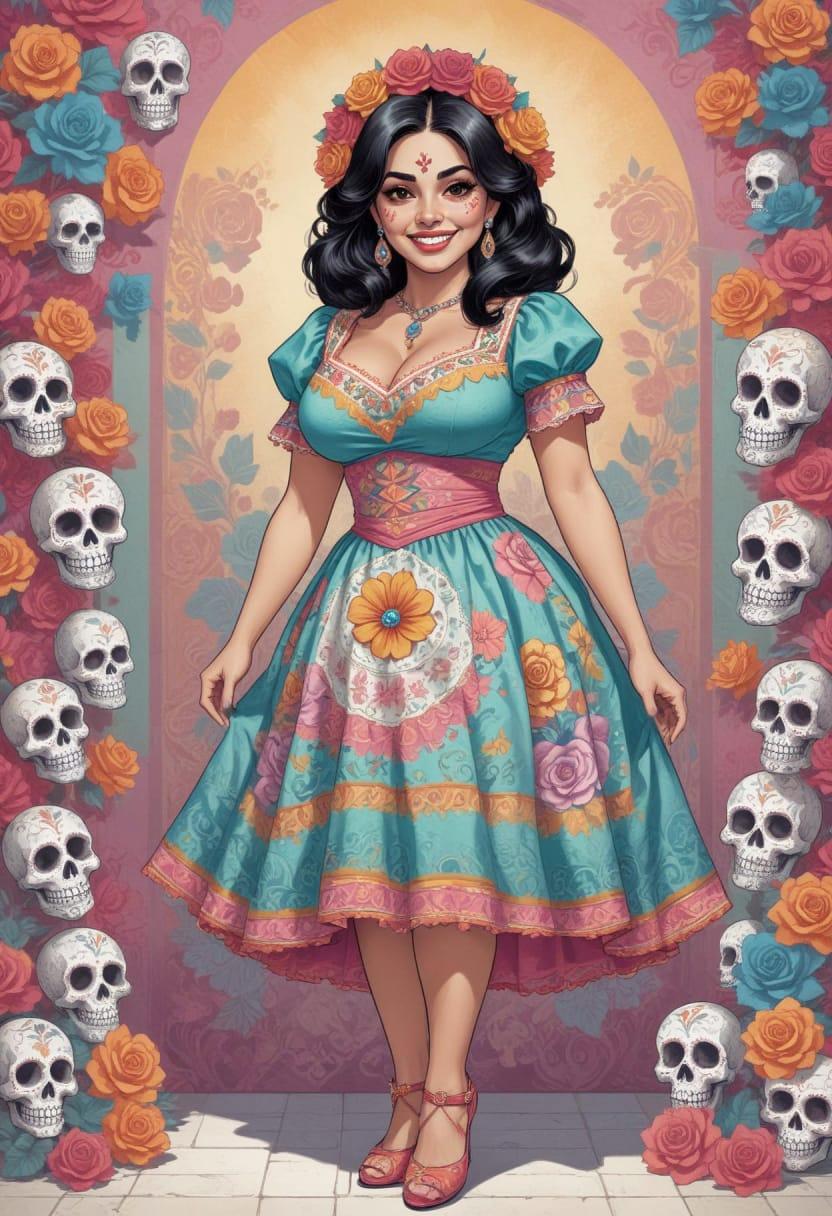
Some artists carve calaveras out of wood, stone, or even fruits and vegetables for festivals. In schools across Mexico, kids learn to draw and paint calaveras as part of cultural lessons. It’s not about fear—it’s about identity, memory, and celebration.
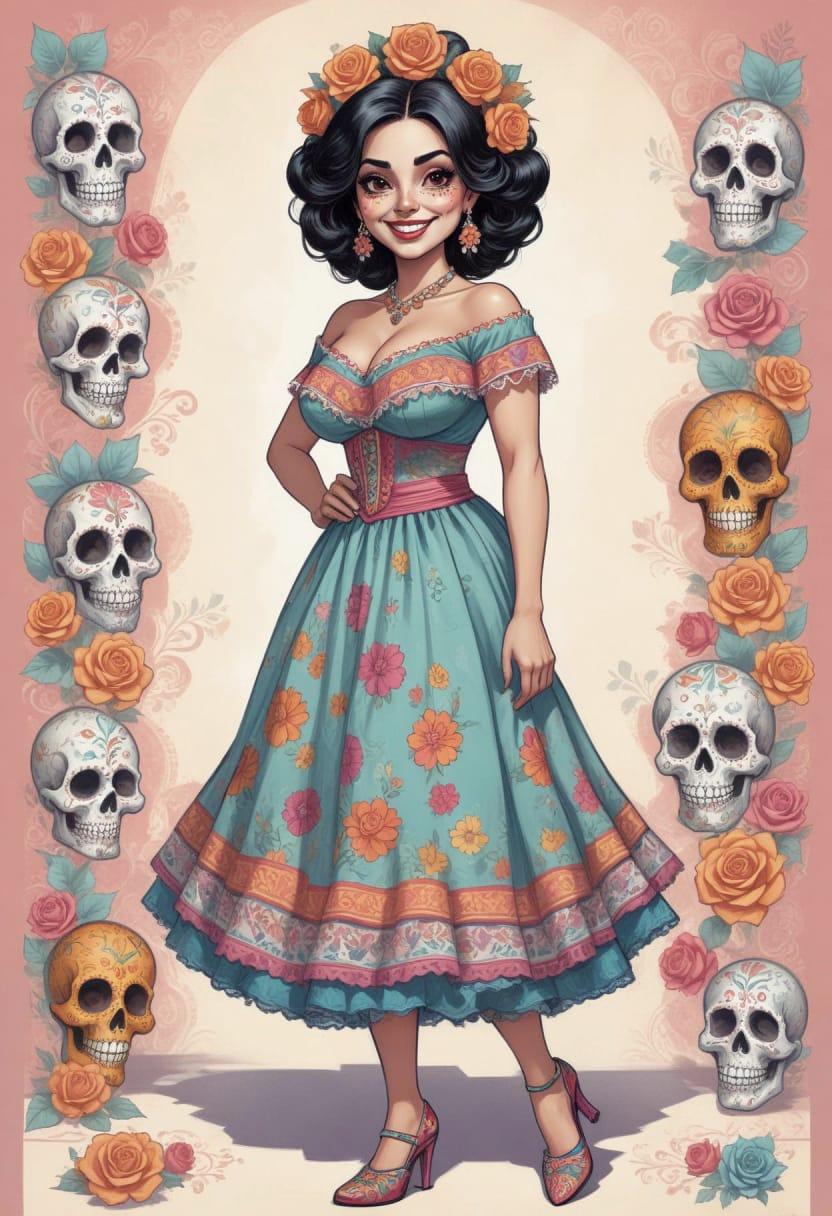
Even pets get their own calaveras, with animal-shaped skull treats on special altars. Calaveras can come in bright neon colors or soft pastels—there are no rules, just love. They symbolize how death is a natural part of life, not something to hide away.
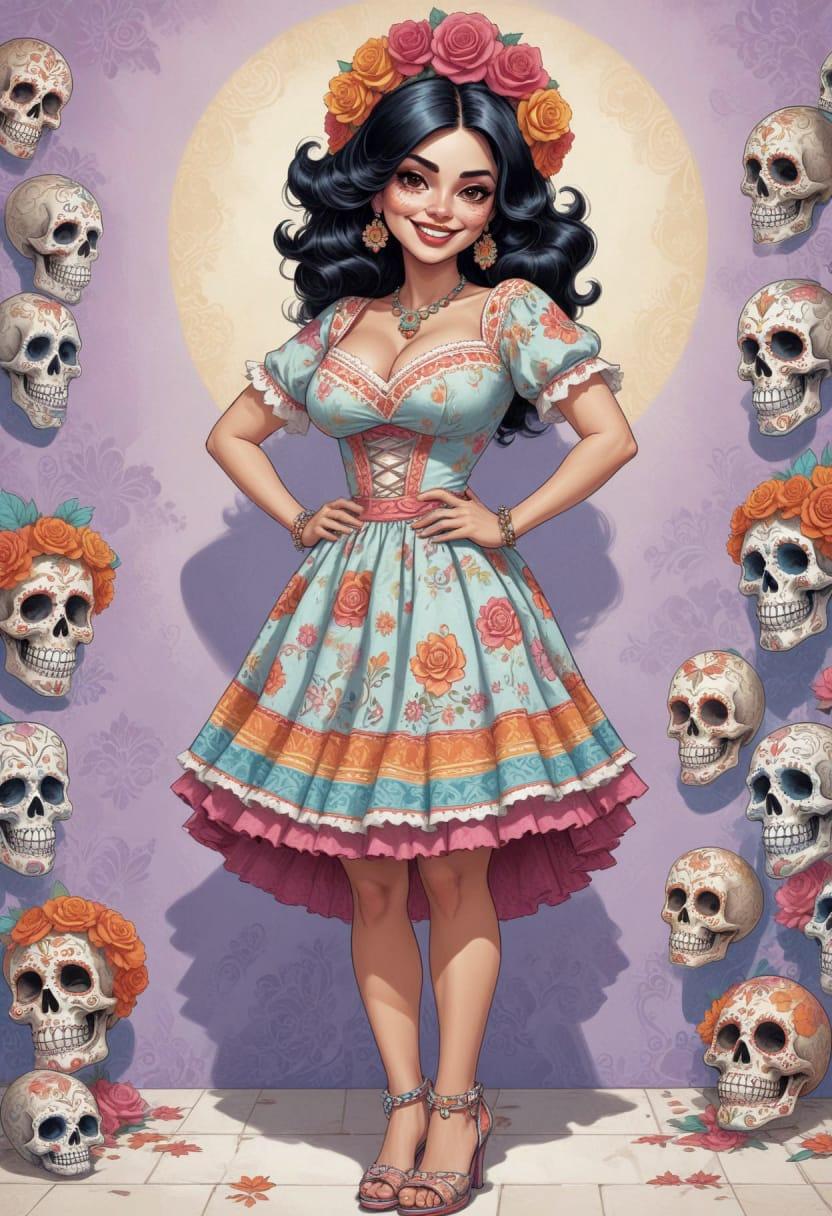
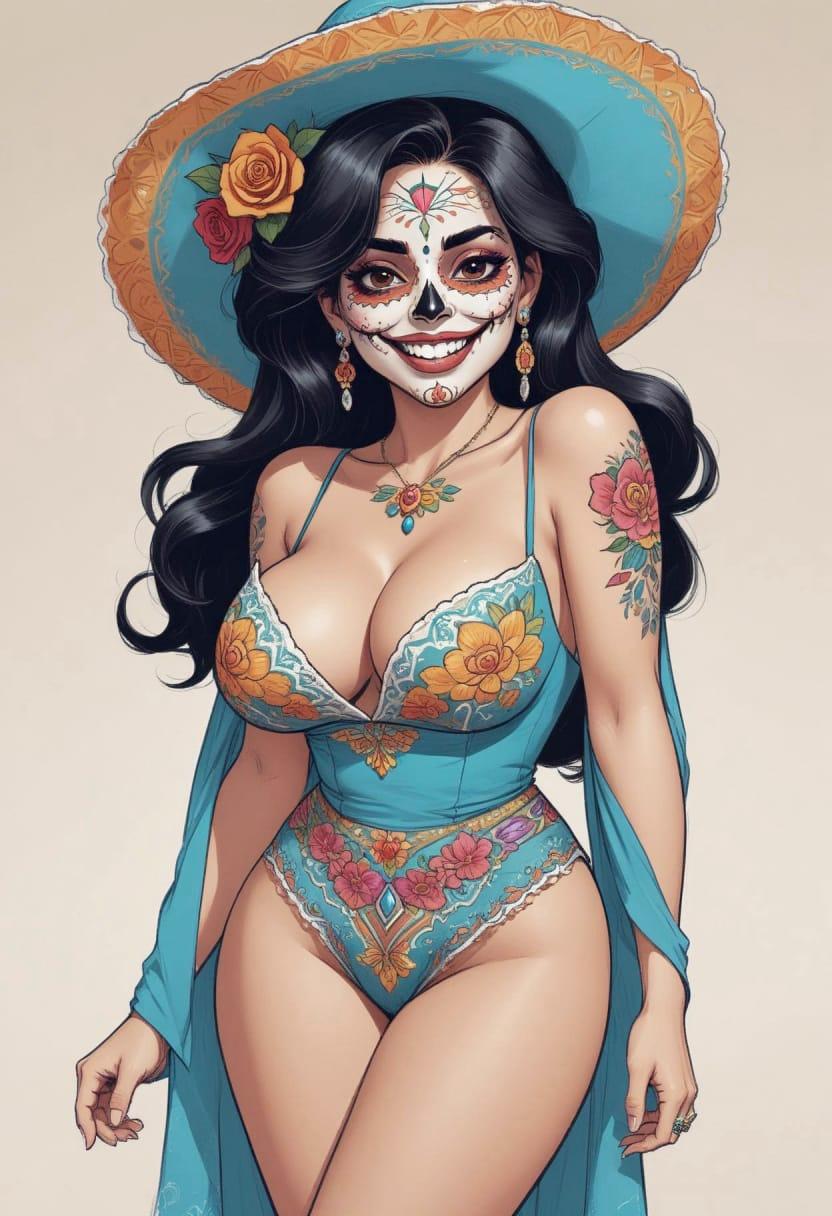
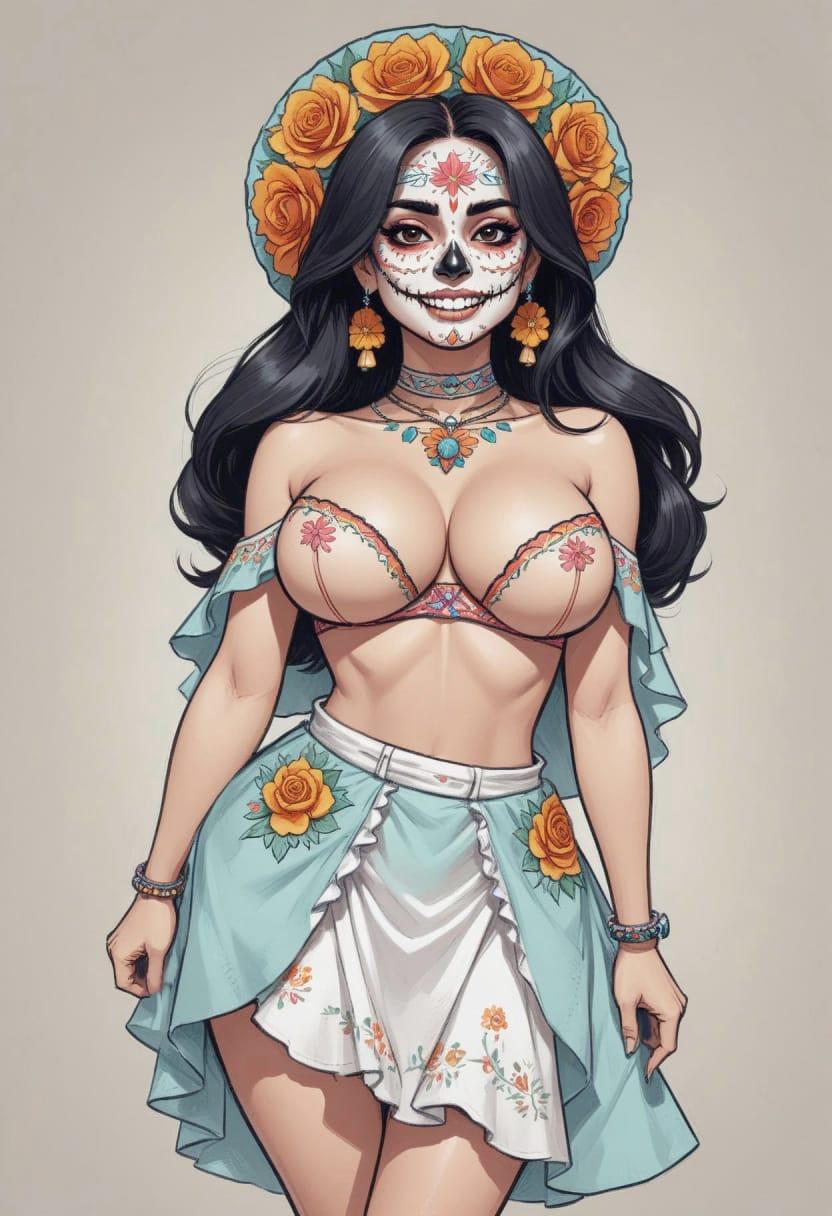
Calavera face paint has become popular worldwide, especially during Halloween, though it’s deeply tied to dia de los muertos calavera customs. Each painted skull design has meaning, from flowers for life to webs for time. It’s not just fashion—it’s a tribute to ancestors and cultural pride.
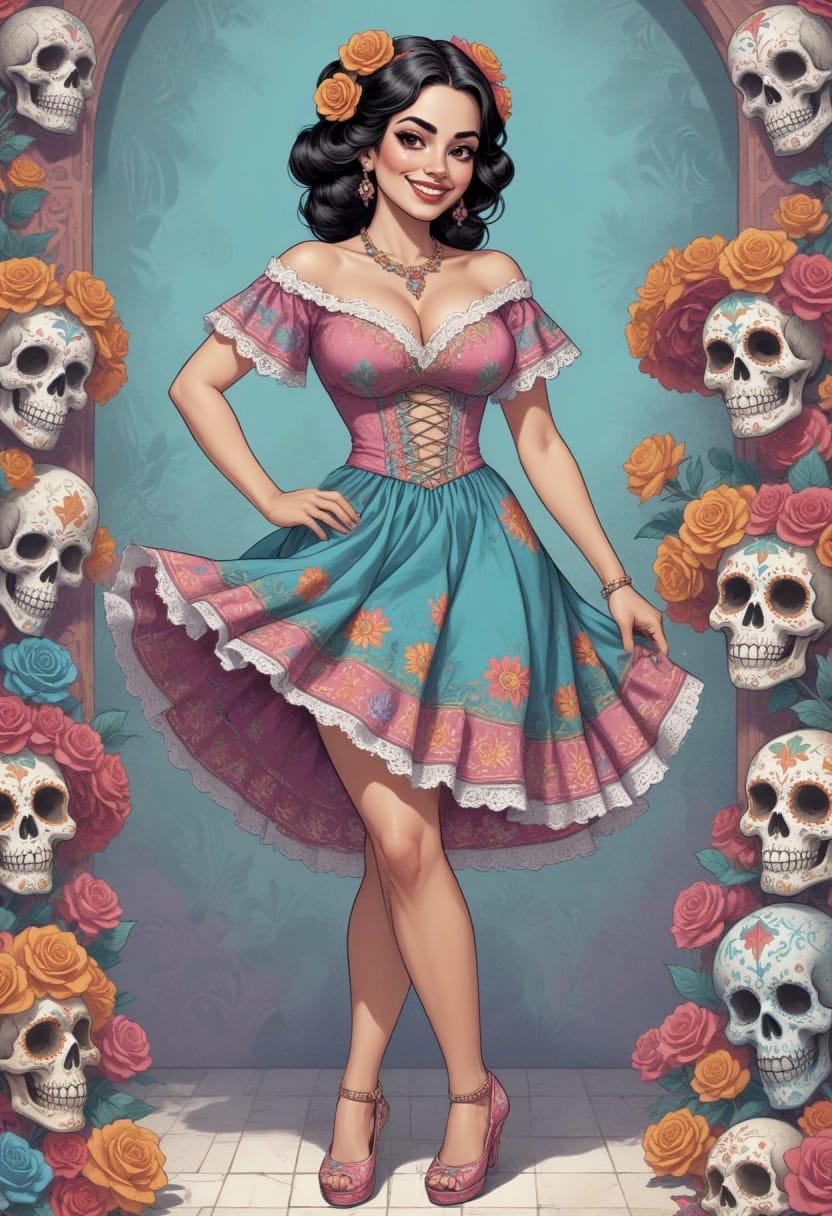
In Los Angeles, the annual Day of the Dead parade features thousands of painted faces and calavera costumes. It’s a huge community event blending Mexican tradition with American celebration. People carry paper mache skulls, dance, and share stories about their loved ones.
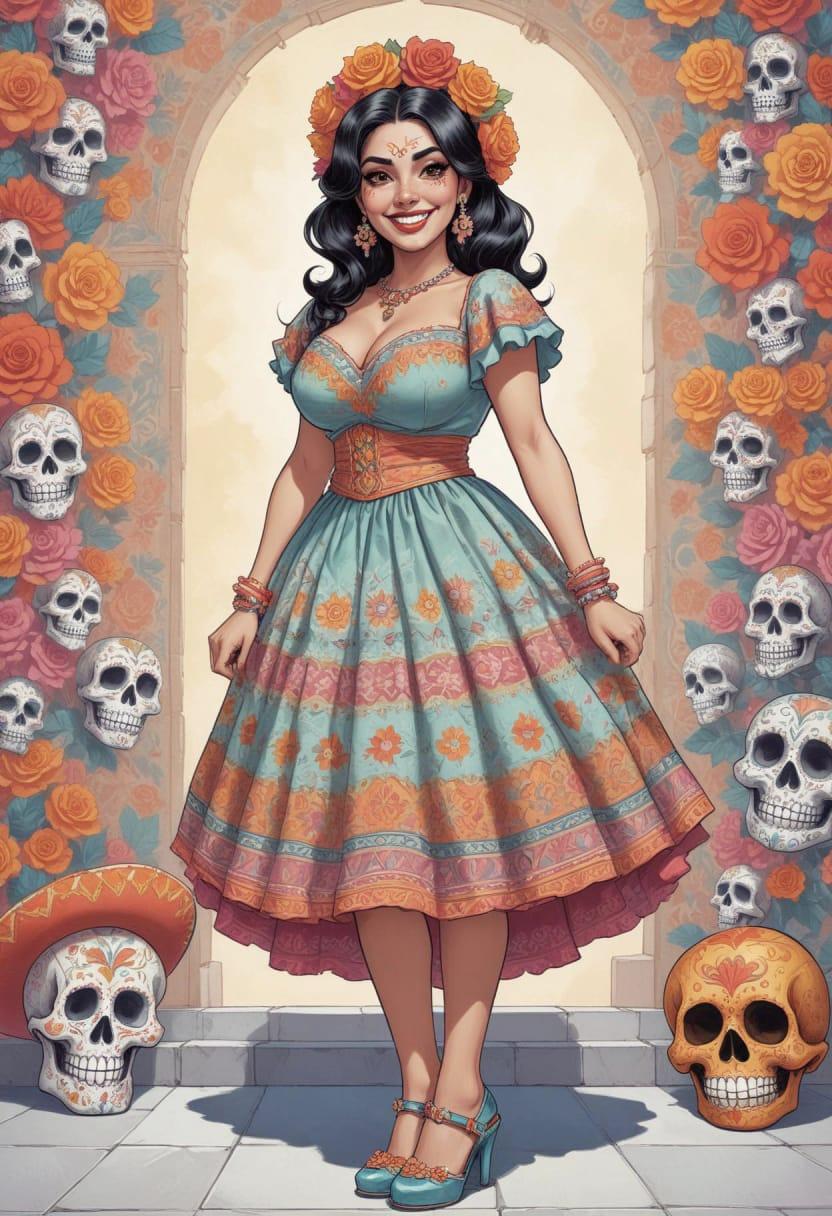
Calaveras are often placed next to favorite foods of the departed, like tamales or mole. They serve as a reminder that death doesn’t end relationships—it just changes them. Some skulls even wear tiny glasses or carry books, reflecting the hobbies of the honored soul.
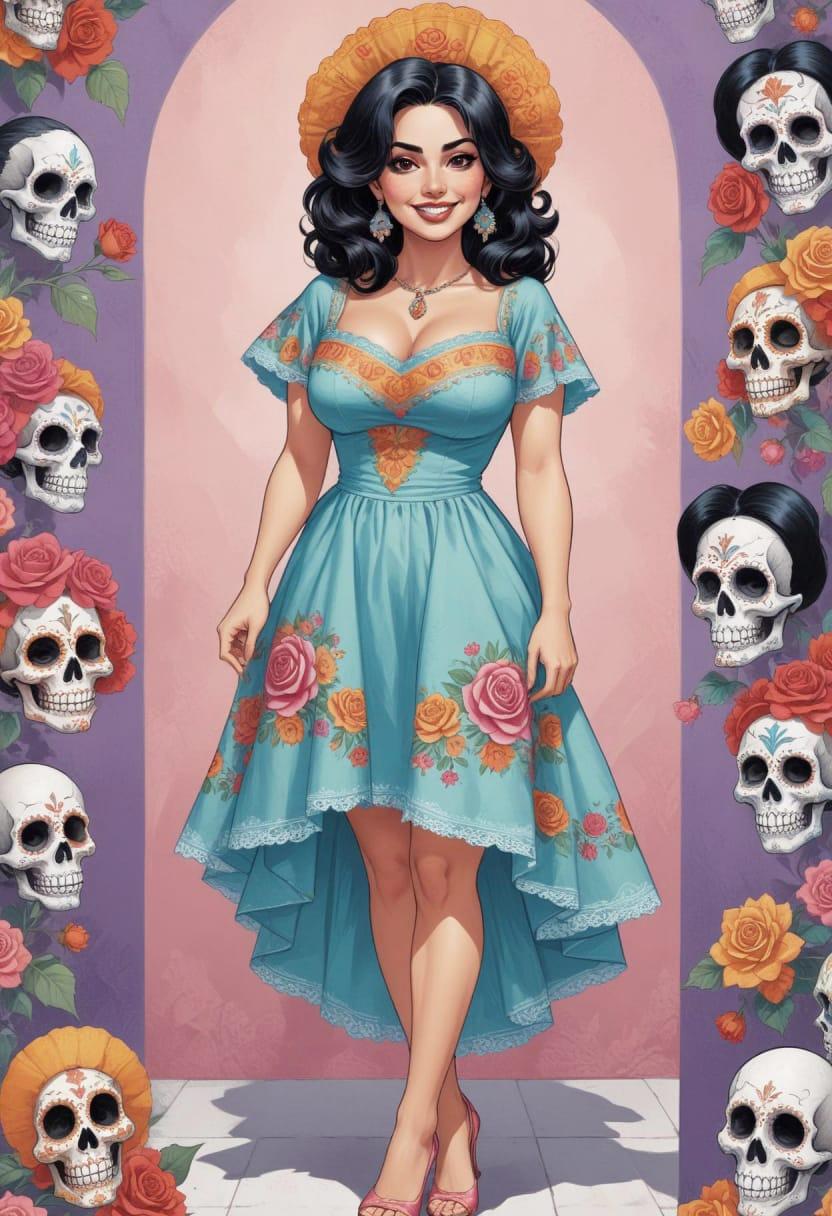
You’ll see calaveras in Mexican art year-round, not just during Dia de los Muertos. They pop up in murals, folk art, jewelry, and tattoos as symbols of identity. Each one is unique—no two sugar skulls are ever exactly the same.
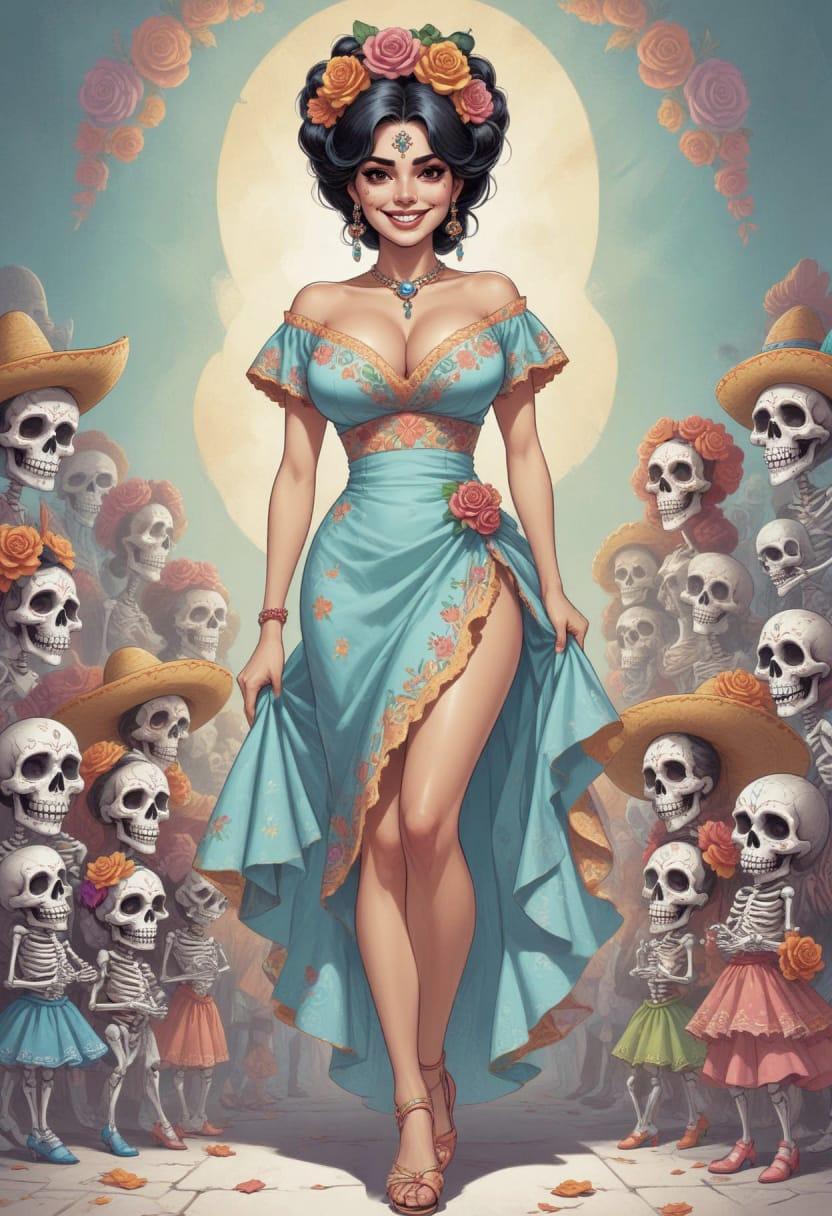
The making of a dia de los muertos calavera is often a family activity, passed down through generations. Children learn to mold and decorate skulls, connecting them to their roots. It’s a hands-on way to understand life, love, and legacy.
In Guatemala and Peru, skull imagery is also used during local festivals honoring the dead. Though styles differ, the core idea is the same—death deserves joy, not fear. These traditions keep communities connected across time and borders.
Skulls made from amaranth, an ancient grain, are sometimes used as edible calaveras. They’re both tasty and historic, combining nutrition with spiritual meaning. Even in modern cities, markets fill with handmade calaveras weeks before the holiday.
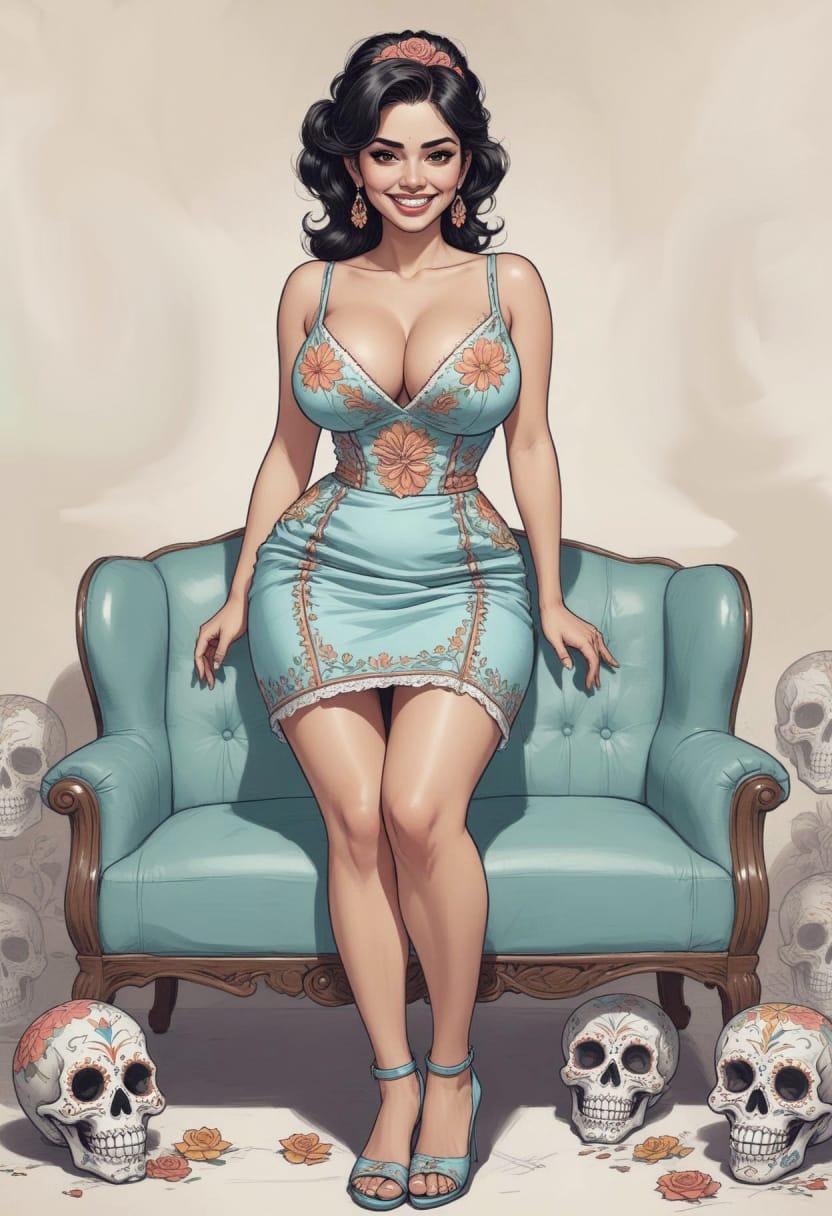
You’ll find calaveras painted on pottery, embroidered on clothing, and sculpted into candles. Every form reflects the personal way people celebrate those who came before. The dia de los muertos calavera is more than a skull—it’s a message of love, legacy, and life.
Even in digital games and animations, the calavera makes an appearance, blending tradition with tech. Fashion designers around the world borrow the skull motif for edgy yet meaningful pieces. The calavera has become an international icon, but it will always belong first to the heart of Dia de los Muertos.