Tomato
- Cute pic /
- Tomato

Tomatoes were once called "love apples" in Europe because people believed they had aphrodisiac powers. In the 18th century, many Europeans thought the tomato was poisonous due to its connection to the deadly nightshade family. A tomato is actually a fruit, but in 1893, the U.S. Supreme Court declared it a vegetable for trade purposes.

Tomato plants are native to western South America and were first domesticated by the Aztecs and Incas. China is currently the largest producer of tomatoes in the world. Tomatoes come in many colors—red, yellow, green, purple, and even striped varieties.
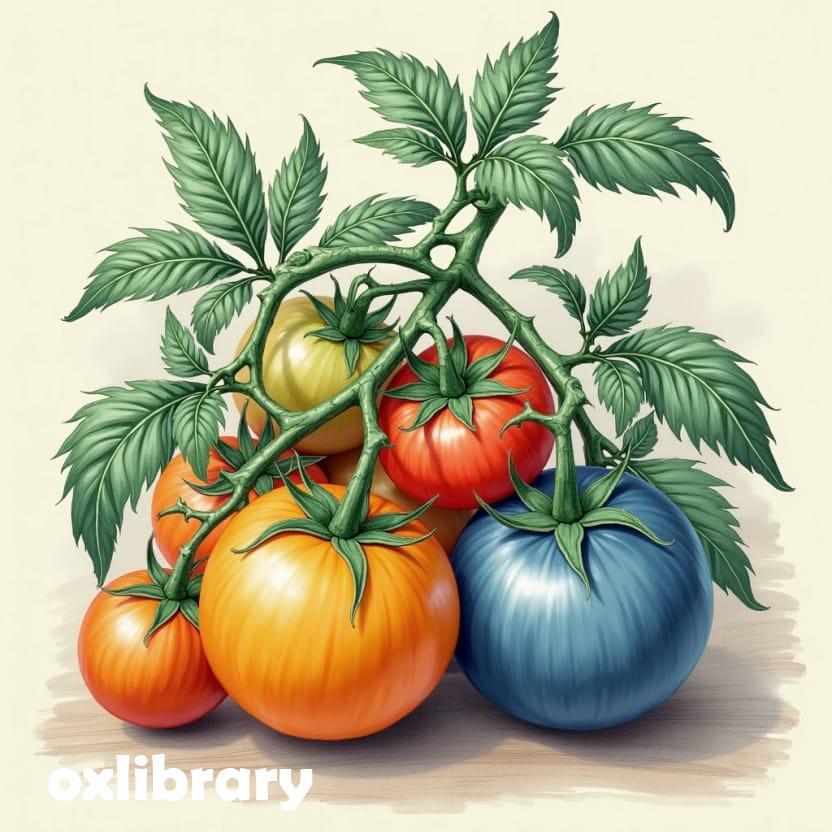
There's a massive tomato fight called "La Tomatina" in Spain where thousands throw squashed tomatoes for fun. The heaviest tomato ever recorded weighed over 10 pounds and was grown in Oklahoma. Tomatoes contain lycopene, a powerful antioxidant linked to heart and skin health.

Cooking tomatoes boosts their lycopene content, making pasta sauce not just tasty but nutritious. The tomato genome was fully sequenced in 2012, helping scientists improve crop quality. Some tomato species are so small they can sit on a teaspoon, like the "Tomberry" variety.

You can make electricity from a tomato! Scientists have used rotting tomatoes to power fuel cells. Tomatoes were first brought to Europe in the 16th century by Spanish explorers. In Italy, tomato wasn't added to pasta until the late 1600s, long after the pasta tradition began.

A single tomato plant can produce more than 200 fruits under ideal conditions. Green tomatoes are just unripe red ones—although some varieties stay green when fully mature. Tomato leaves are toxic if eaten, so don't toss them into your salad!
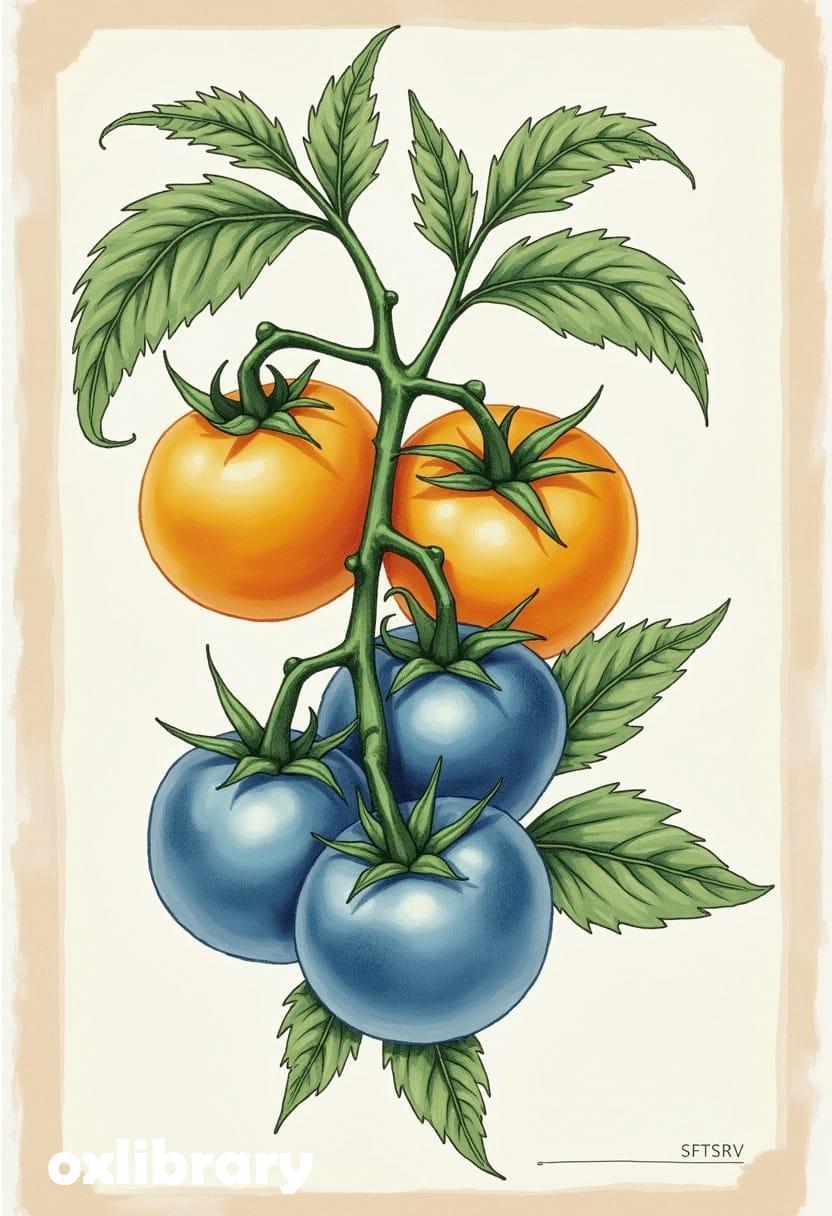
The tomato is the official state fruit of Ohio, and tomato juice is Indiana's official state beverage. The word "tomato" comes from the Nahuatl (Aztec) word "tomatl." Botanically speaking, a tomato is a berry.

Tomatoes thrive best in warm, sunny climates with well-drained soil. A tomato's flavor depends on its sugar, acid, and aroma compounds working in harmony. There are over 10,000 known tomato varieties grown across the globe.

In space, astronauts have successfully grown tomato seeds aboard the International Space Station. Tomato skins contain the highest concentration of nutrients in the whole fruit. Freezing a tomato changes its texture forever—it turns mushy, perfect for sauces but not for salads.

The phrase "you say tomato, I say tomahto" became famous from a 1930s song. Heirloom tomatoes are prized for their rich flavor and unique shapes, passed down for generations. Tomato ketchup was once sold as medicine in the 1830s for digestive ailments.
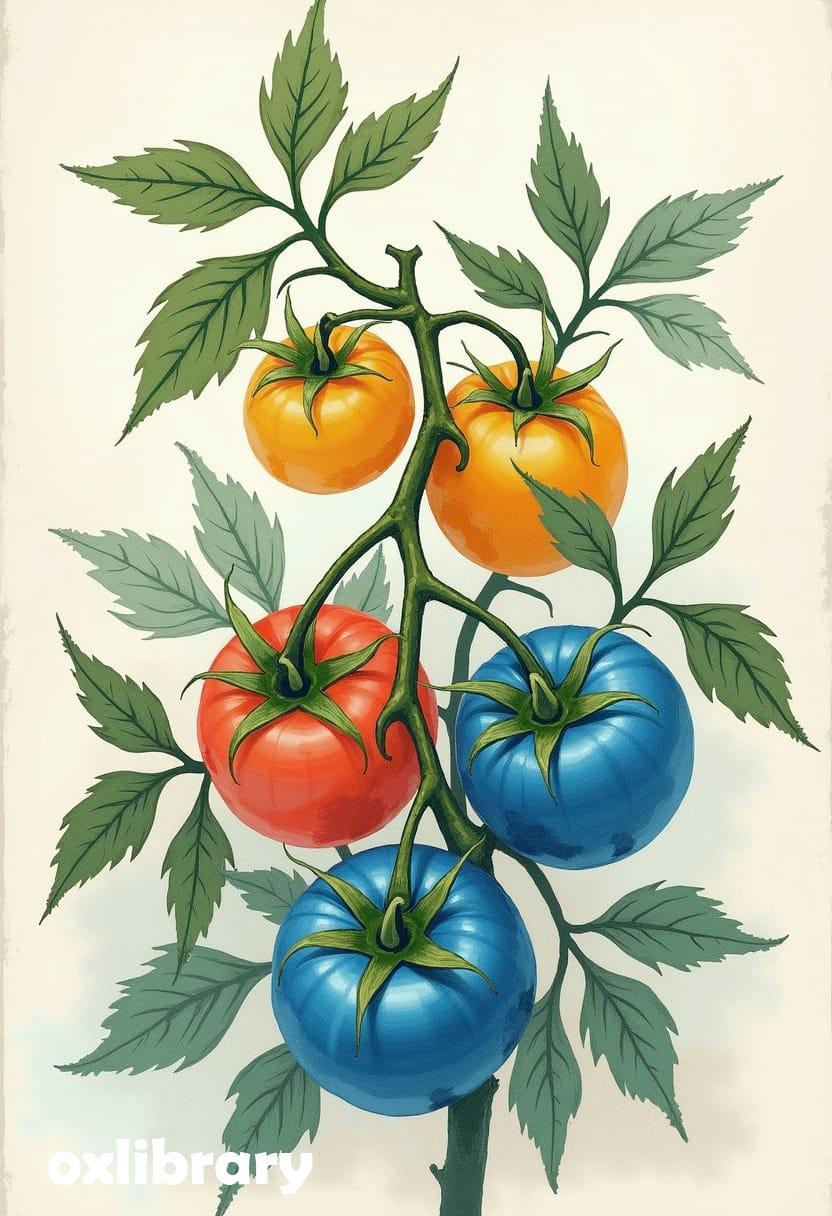
A tomato plant is technically a perennial, but it's usually grown as an annual in temperate climates. Tomato seeds can survive passage through the digestive system and sprout in compost heaps. In Japan, there's a wearable tomato robot that feeds runners tomatoes while they jog.

Tomatoes belong to the Solanaceae family, which includes potatoes, eggplants, and peppers. Tomato paste is highly concentrated and used as a flavor base in many cuisines. Unripe tomatoes can ripen off the vine if stored at room temperature with a banana.

The largest tomato plant ever grown covered over 900 square feet inside a greenhouse. Some people have tomato allergies and experience itchy skin or stomach upset. Tomatoes grow best at temperatures between 70°F and 85°F.

Tomatoes were once feared in colonial America and grown only for decoration. Tomato sauce is a key component in pizza and has helped shape modern food culture. A ripe tomato is about 95% water, which explains its juicy texture.
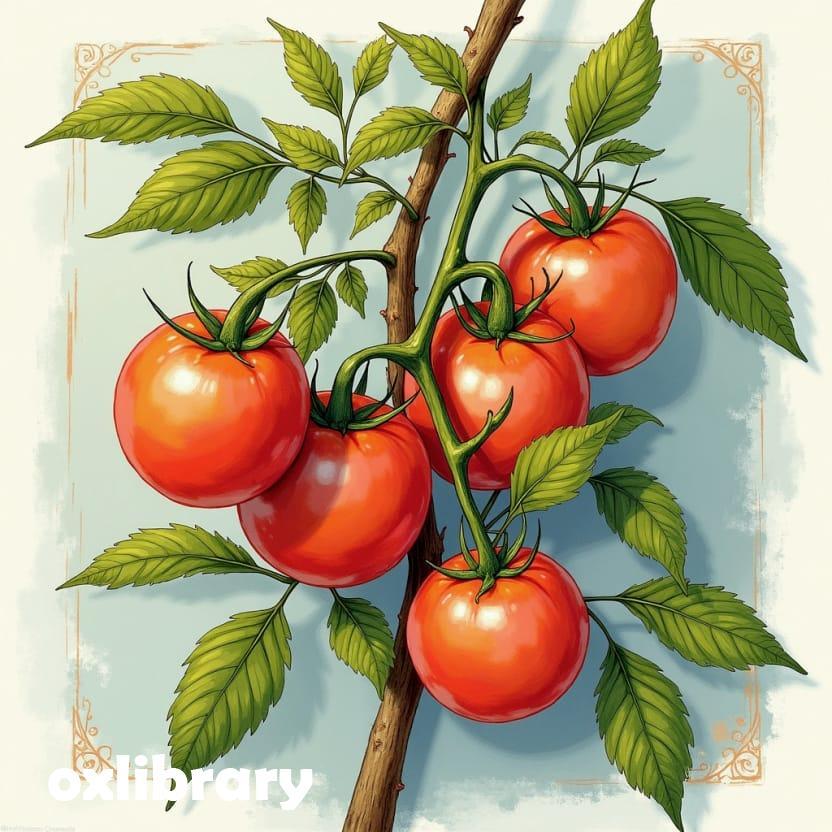
Some varieties of tomato are bred for long shelf life, but they often sacrifice taste. Sun-dried tomatoes are made by drying fresh tomatoes in the sun or in a low oven. The tomato hornworm is a common garden pest that can strip plants in days.
Tomatoes were one of the first genetically modified foods researched in the 1990s. Adding salt to sliced tomatoes draws out moisture and intensifies flavor. Tomatoes can be grown upside down in hanging containers with surprising success.

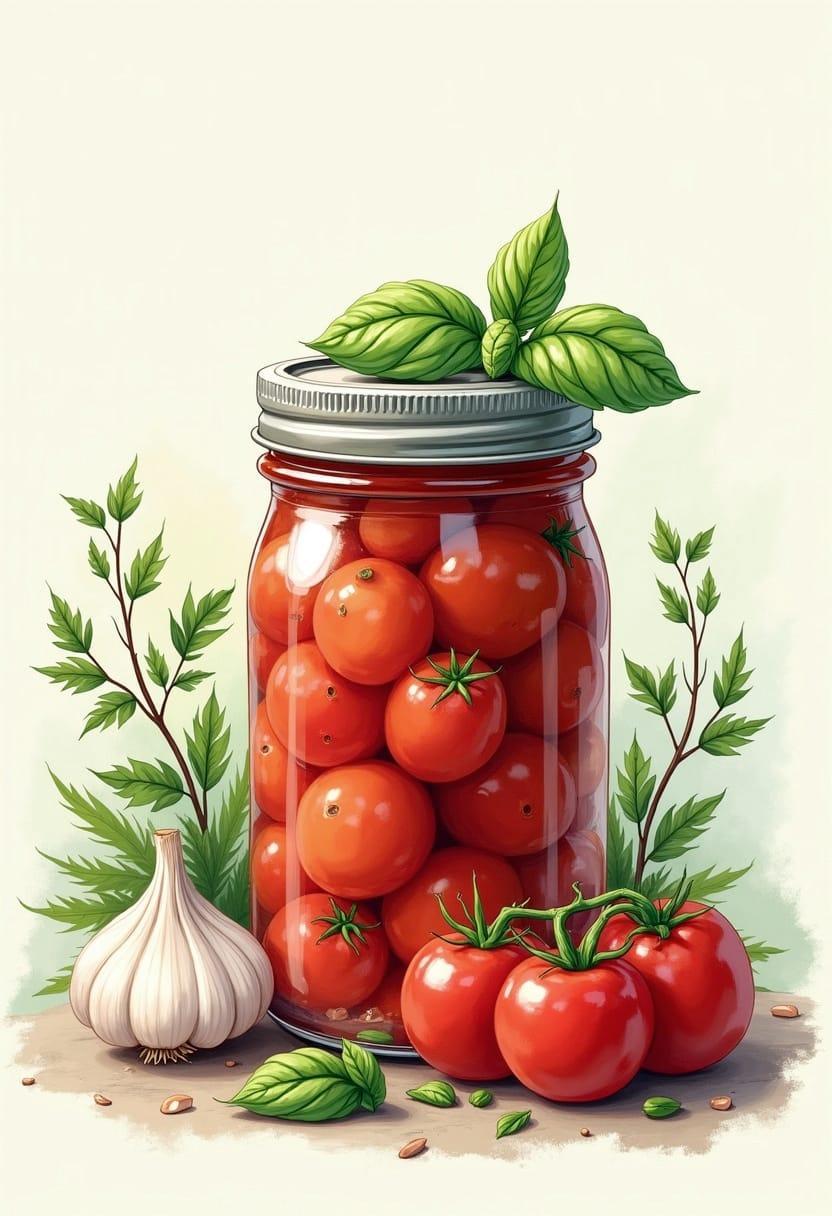
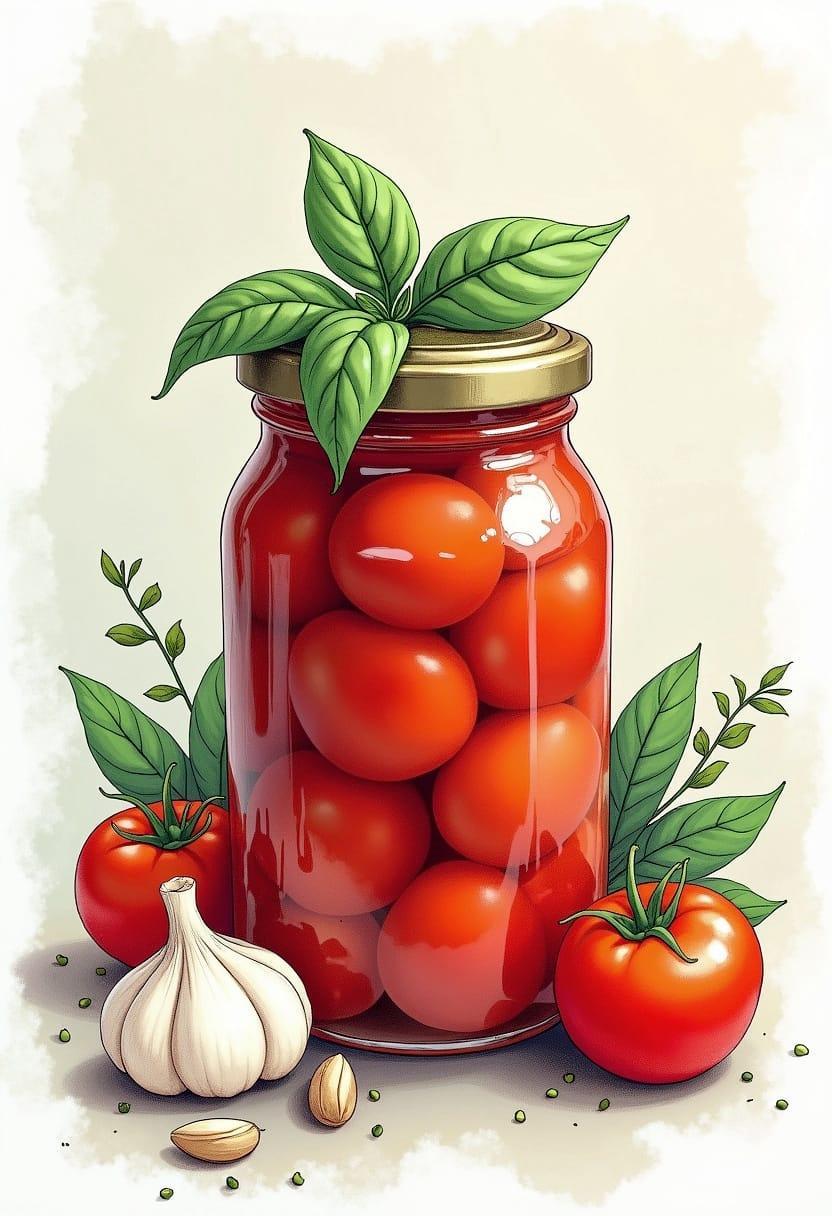
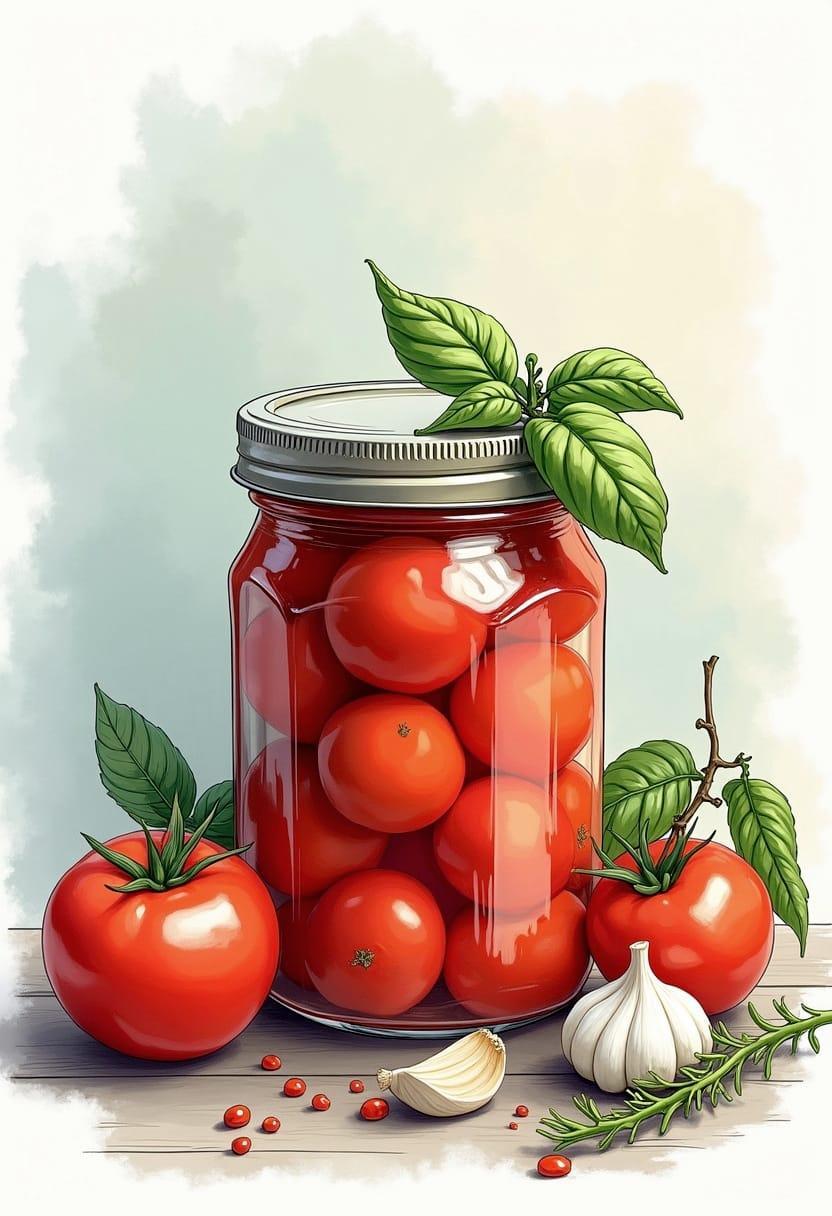
The acidity in tomatoes makes them great for canning without spoilage. You can grow a tomato plant indoors with just a sunny window and some patience. Tomatoes are often picked green and ripened with ethylene gas during shipping.

Tomato plants produce yellow flowers that self-pollinate before turning into fruit. The scent of crushed tomato leaves is used in perfumes and home sprays. Some chefs prefer to peel tomatoes for a smoother texture in sauces.
Roma tomatoes are oval-shaped and perfect for making sauces due to low moisture. Cherry tomatoes are sweeter and make excellent snack options. Tomato plants have tiny hairs that help reduce water loss and deter pests.
Grafting is used to combine tomato plants for disease resistance and better yields. Tomatoes contain serotonin precursors, which may slightly boost mood. You can make your own tomato fertilizer using compost and crushed eggshells.

Tomatoes have been featured in countless paintings, symbolizing fertility and abundance. A fresh tomato sandwich is considered a summer delicacy in the American South. Many chefs recommend not refrigerating tomatoes because it dulls their flavor.

Tomatoes are climacteric fruits, meaning they continue to ripen after being picked. In colder climates, gardeners often wrap tomato plants to protect them from frost. Tomato plants can suffer from blossom end rot due to calcium deficiency.
Slicing a tomato horizontally shows its star-like seed pattern, unique to each variety. Some tomato varieties are so sweet they're almost like fruit candy. Tomatoes grow better when planted alongside basil, a companion plant that deters pests.
Greenhouse-grown tomatoes can be produced year-round under controlled light and humidity. Tomato juice is often served on airplanes because it tastes better at altitude. Tomatoes can get sunburned, especially when suddenly exposed to intense sunlight.

The tomato's tangy flavor comes from organic acids like citric and malic acid. The term "tomato canning season" refers to late summer when tomatoes are most plentiful. Adding a pinch of sugar to tomato sauces balances the natural acidity.

Tomato seeds don't need soil at first; they can sprout in moist paper towels. Old-fashioned tomato varieties tend to have irregular shapes and vibrant flavors. Some tomato vines can grow up to 12 feet long if not pruned.
The tomato is the most widely grown fruit in home gardens across the U.S. Rubbing a tomato leaf on skin may repel mosquitoes due to its natural oils. Purple tomatoes are being bred for their high anthocyanin content—an antioxidant.

Tomatoes help thicken stews and curries naturally when cooked down. Tomato flavor is often described as umami, the "fifth taste" known for savoriness. Canned tomatoes are usually packed with citric acid to preserve color and texture.

Tomatoes need about 6–8 hours of full sun daily to produce good fruit. The "Brandywine" tomato is famous for its rich flavor and large, pink fruits. Tomatoes are one of the few plants that can be cloned by rooting a stem cutting.

A tomato's skin can crack after heavy rain due to rapid water absorption. Tomatoes grown at higher elevations may have more intense flavors. Slicing tomatoes with a serrated knife helps avoid squishing them.
Some tomato vines have natural resistance to common diseases like fusarium wilt. In Brazil, there's a popular tomato-flavored popsicle—yes, really. The first tomato ever grown in space was part of a school experiment in 1984.
Tomatoes are excellent for dehydrating and storing for use in winter stews. Red tomatoes contain more lycopene than yellow or green varieties. Adding olive oil to tomatoes helps the body absorb fat-soluble nutrients better.

The tomato's red color comes from lycopene, not chlorophyll like many plants. Tomatoes have a mild natural sedative effect and were once used to help sleep. Tomatoes can absorb flavors from the soil, which is why terroir matters in farming.

Salt sprinkled on a tomato slice draws water to the surface and makes it juicier. Tomato leaves, though toxic to eat, are safe to handle and give off a unique smell. Crushed tomatoes are a pantry staple in many cultures from Italy to India.
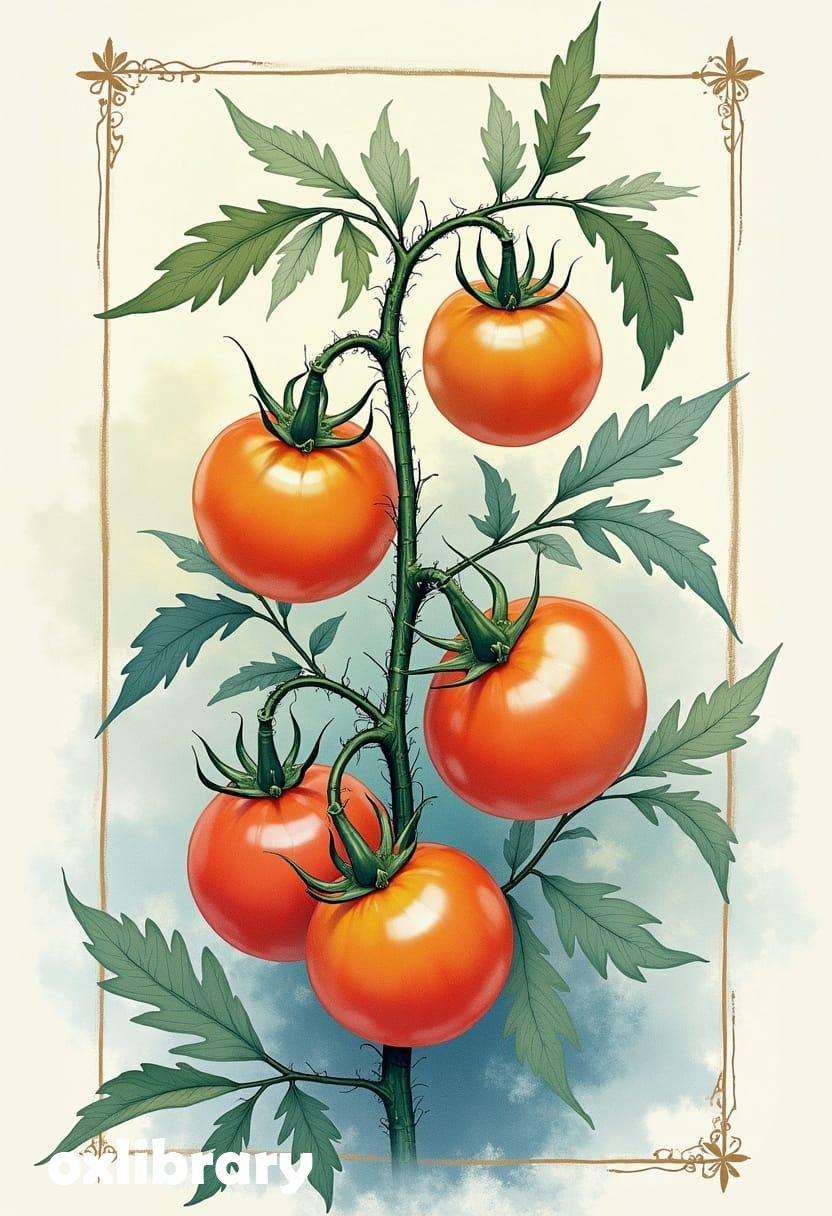
The world's most expensive tomato variety is the "Ruby Roman" from Japan. Tomato stains are tough because of their natural pigments—baking soda helps remove them. Salsa, one of the top condiments in America, is tomato-based and comes in endless varieties.
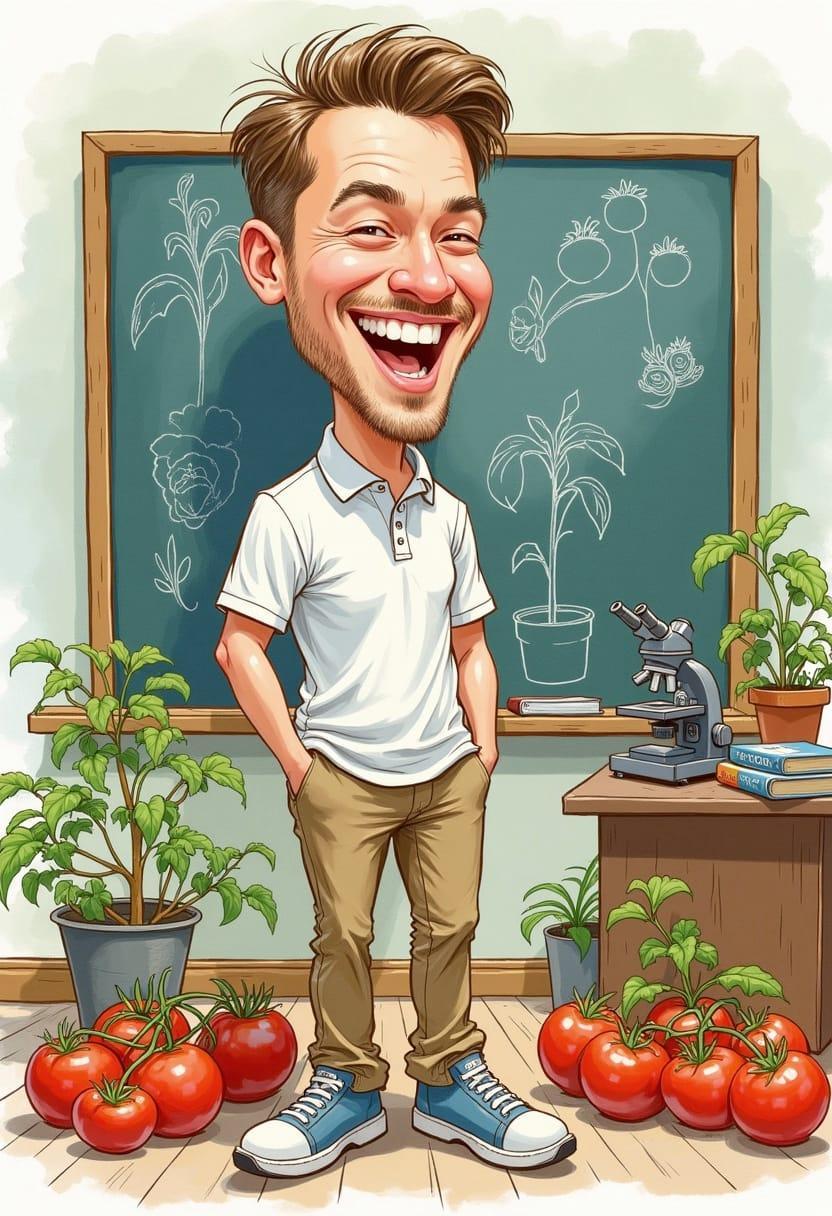
In the 1800s, many Americans grew tomatoes but wouldn't eat them, fearing poison. You can use a tomato to clean brass; its acidity helps remove tarnish. Tomato seeds are coated in a gel that prevents them from germinating inside the fruit.

It's possible to graft tomato plants onto potato roots to grow both crops in one plant. Roasting tomatoes intensifies their flavor and gives them a smoky sweetness. Many tomato festivals celebrate local heritage and farming traditions.

Tomatoes are classified by their shape: beefsteak, plum, cherry, and grape. A tomato's core can be tough, especially in under-ripe fruit, and is often removed. Tomatoes naturally contain MSG-like compounds that enhance savory dishes.
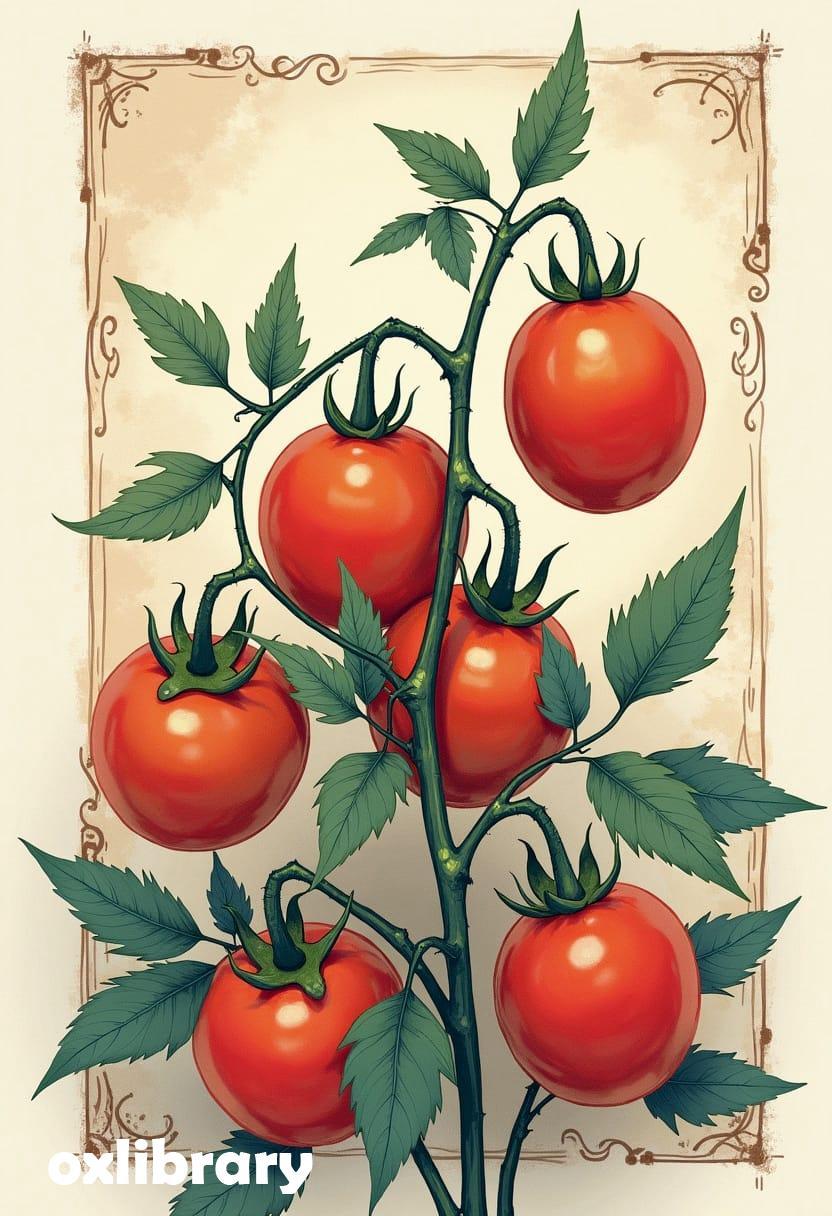
The tomato is one of the first foods kids often learn to grow because it's rewarding. Canned whole tomatoes are more versatile than diced or crushed versions. Tomatoes may develop "catfacing," a scarring condition caused by cool temperatures.

Dry-farmed tomatoes are prized for their intense flavor, grown with minimal irrigation. Some chefs swear by peeling tomatoes for the smoothest sauces and soups. Tomato varieties bred for shipping usually have thicker skins to prevent bruising.

You can make homemade tomato powder by dehydrating and grinding tomato skins. Tomatoes were featured in early Hollywood films as props in slapstick comedy. A tomato has both male and female reproductive parts in each flower.
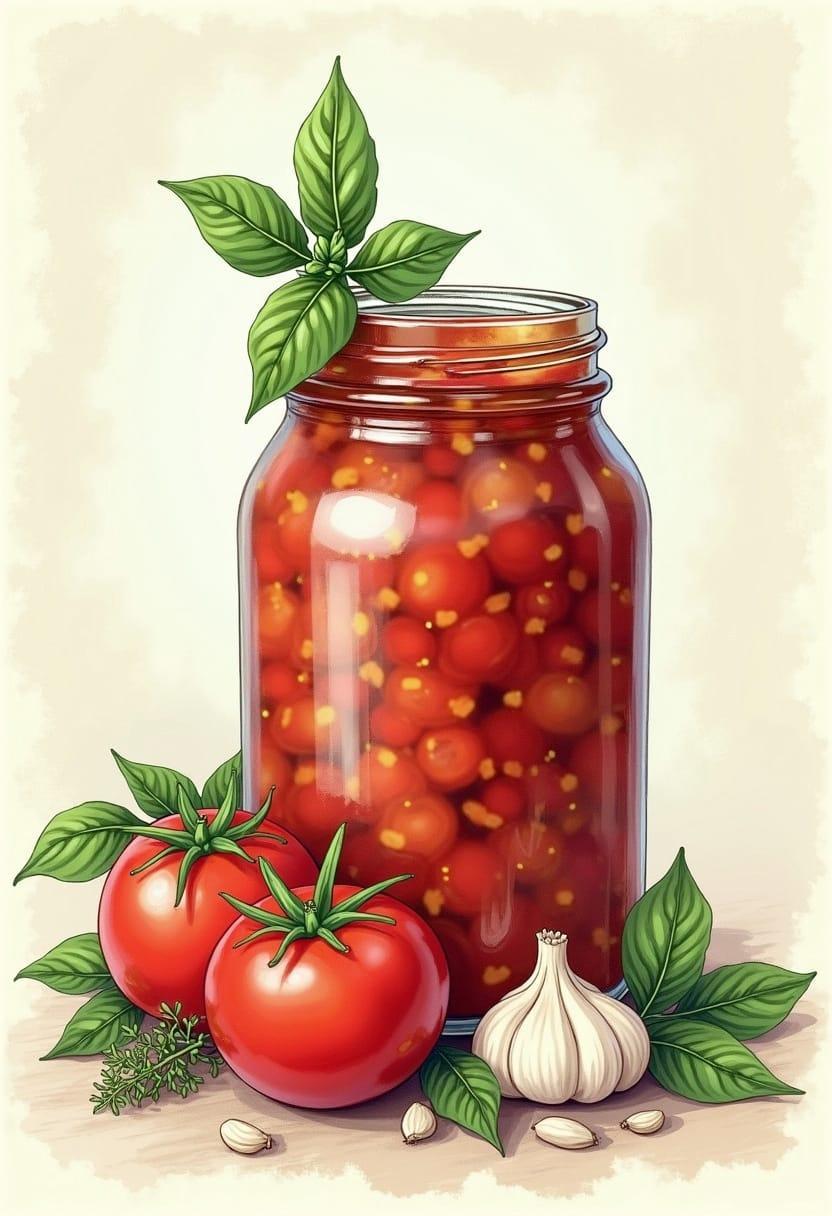
Some tomato plants produce striped fruit with eye-catching color patterns. Crushed tomatoes simmered with garlic and herbs form the base of many Italian dishes. A tomato's stem end ripens slower, which is why it stays green longer.

The tomato's scientific name is Solanum lycopersicum, meaning "wolf peach" in Latin. A tomato fresh off the vine will always have a stronger aroma than store-bought ones. Chefs often "seed" tomatoes before cooking to avoid excess water in recipes.

Cooking a tomato with a bit of oil unlocks more nutrients for your body. In India, tomato chutney is a popular side dish served with rice or dosa. Tomato plants can be grown from supermarket seeds, but results are unpredictable.

Tomato plants naturally release a hormone when stressed, affecting fruit development. The tomato was named the "2018 Vegetable of the Year" by Germany's Vegetable Marketing Board. Crushed eggshells added around tomato plants can deter slugs and add calcium.
Tomatoes store best at room temperature, away from direct sunlight. The ridged "costoluto" tomato looks wrinkly but has rich, meaty flesh. Tomato cages help the plant grow upward and keep fruit off the soil.

Tomato skins can be removed easily by blanching them in boiling water. In Mexican cuisine, tomatoes are often roasted to add a smoky depth to salsas. Some tomatoes are "determinate," meaning they produce all their fruit at once.

"Indeterminate" tomato varieties grow and produce fruit continuously until frost. A tomato-based facial mask is a popular DIY skincare trick for oily skin. Slicing a tomato with a dull knife bruises it and squeezes out the juice.

Fried green tomatoes are a Southern U.S. specialty, crispy and tangy. A tomato can absorb pollutants from the soil, which is why clean soil matters. Hybrid tomatoes are bred for specific traits like resistance to disease or cracking.
The tomato's blossom end (opposite the stem) is the first part to ripen. In Turkey, a cold tomato soup called "domates çorbası" is popular in summer. You can save tomato seeds by fermenting them to remove their protective gel.

Tomatoes may develop yellow leaves if they're overwatered or underfed. Some gardeners pinch off tomato suckers to focus energy on fruit production. A tomato vine with good airflow is less likely to develop mold and blight.
Tomato skin contains a compound called tomatine, which can fend off insects. Tomatoes make a natural base for many homemade salad dressings. In Ethiopia, raw tomatoes are often eaten with injera and spices.

A tomato's internal color can vary—some have green, yellow, or pink streaks. Tomatoes are rich in vitamin C, potassium, and folate. A grafted tomato plant often has stronger roots and more fruit.
Tomato puree is smoother and thicker than crushed tomatoes. A well-pruned tomato plant gets better sunlight and grows tastier fruit. Some tomato seeds can remain viable for over five years if stored dry.

Tomatoes with "shoulders" often have more intense flavor near the stem. Biting into a sun-warmed tomato is a summer joy for gardeners. Tomatoes can be preserved in oil, especially when semi-dried or roasted.
Tomato plants need consistent watering—too little or too much causes splitting. Tomatoes have featured in food diplomacy, such as Italy's culinary ambassadors. Staking tomatoes helps avoid soil-borne diseases and makes harvesting easier.

Some tomato varieties mature in just 50 days, while others need over 90. In France, tomatoes were used in folk medicine to treat melancholy. Tomato seeds often appear in compost piles after being discarded.
The phrase "throwing tomatoes" comes from old theater practices to show disapproval. A homemade tomato jam is sweet, tangy, and great with cheese. The striped "Tigerella" tomato has red and orange streaks and a zesty taste.

Tomato sauces taste richer if simmered for a long time to reduce moisture. In Korea, tomato juice is a trendy health drink, especially in the summer. Tomatoes should be rotated in garden beds to avoid soil disease buildup.

A lack of pollination in tomato flowers causes small or misshapen fruits. Tomatoes need a steady balance of nitrogen, phosphorus, and potassium to thrive. Tomato roots can extend several feet into the soil in search of water.

In Vietnam, tomato soup with crab is a classic home-cooked dish. Tomato slices sprinkled with sea salt and olive oil make a simple appetizer. Growing tomatoes in containers requires frequent watering and feeding.
Tomatoes were once so exotic in Europe that they were grown in palace gardens. Tomato paste is used worldwide in stews, soups, and meat marinades. A tomato plant's leaves will droop during the hottest part of the day to conserve moisture.

Tomato-based cocktails like the Bloody Mary are brunch staples. Stressed tomato plants may develop sweeter fruit due to sugar buildup. Tomatoes need pollinators like bumblebees to improve fruit yield.
Tomato juice is a traditional hangover remedy in several cultures. Tomatoes stored stem-down on a counter last longer without spoiling. Cooking tomatoes with onions and garlic creates a flavor base in many cuisines.

Adding crushed red pepper to a tomato sauce gives it heat and depth. Tomatoes freeze well if cooked first and stored in airtight containers. Tomato-based curries are a favorite across South Asia for their richness and color.
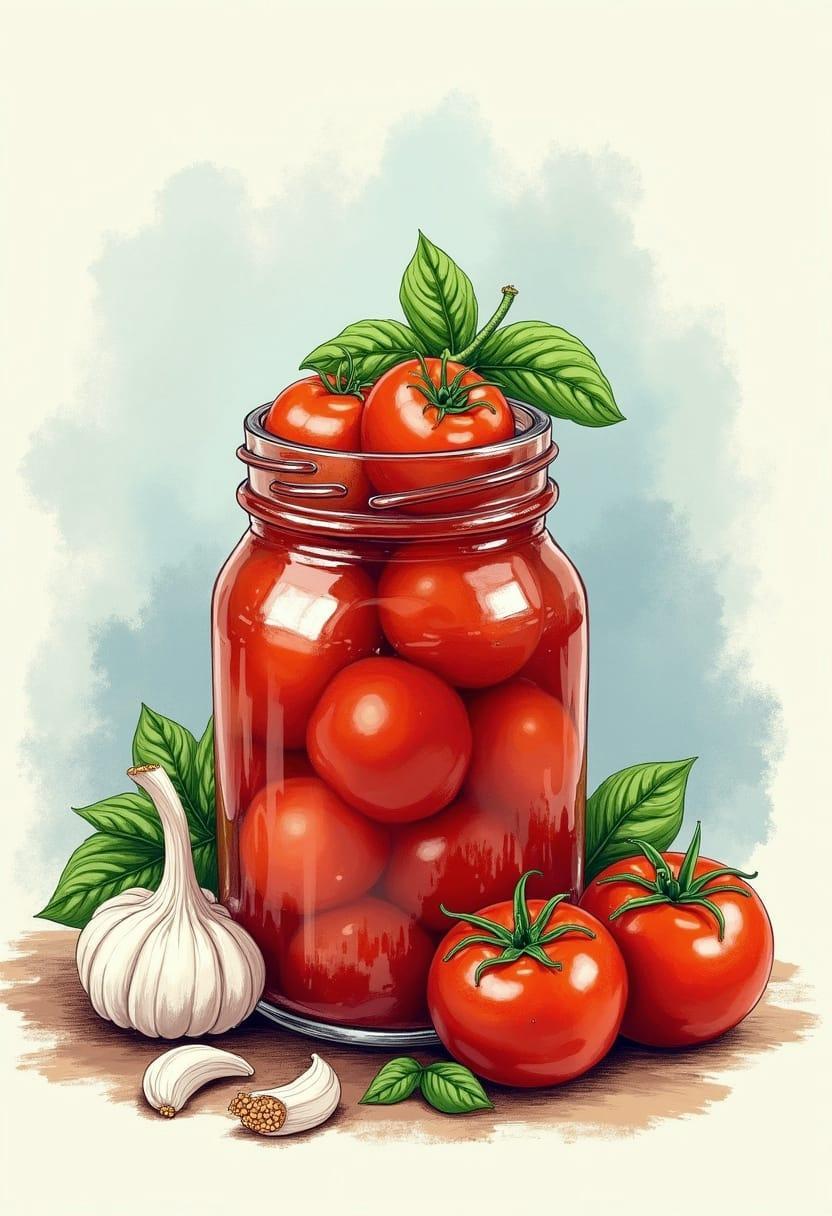
A "cold frame" lets you grow tomatoes earlier in spring or later into fall. Tomatoes often curl their leaves in reaction to wind or transplant stress. The tomato's reputation evolved from feared to beloved in just two centuries.

Some tomatoes have a citrus-like tang, depending on their acid-to-sugar ratio. You can infuse olive oil with tomato and herbs for a flavorful topping. Tomato breeders often cross wild varieties to create stronger cultivars.

In Spain, tomato bread (pan con tomate) is a beloved breakfast dish. Tomato plants don't like wet leaves—watering at the base prevents disease. A tomato grown in ideal conditions can yield 20 pounds or more per plant.

Tomato powder adds instant flavor to soups, popcorn, and even homemade chips. In some cultures, tomatoes are used in sweet dishes and jams. Too much nitrogen can cause tomato plants to grow tall but produce few fruits.
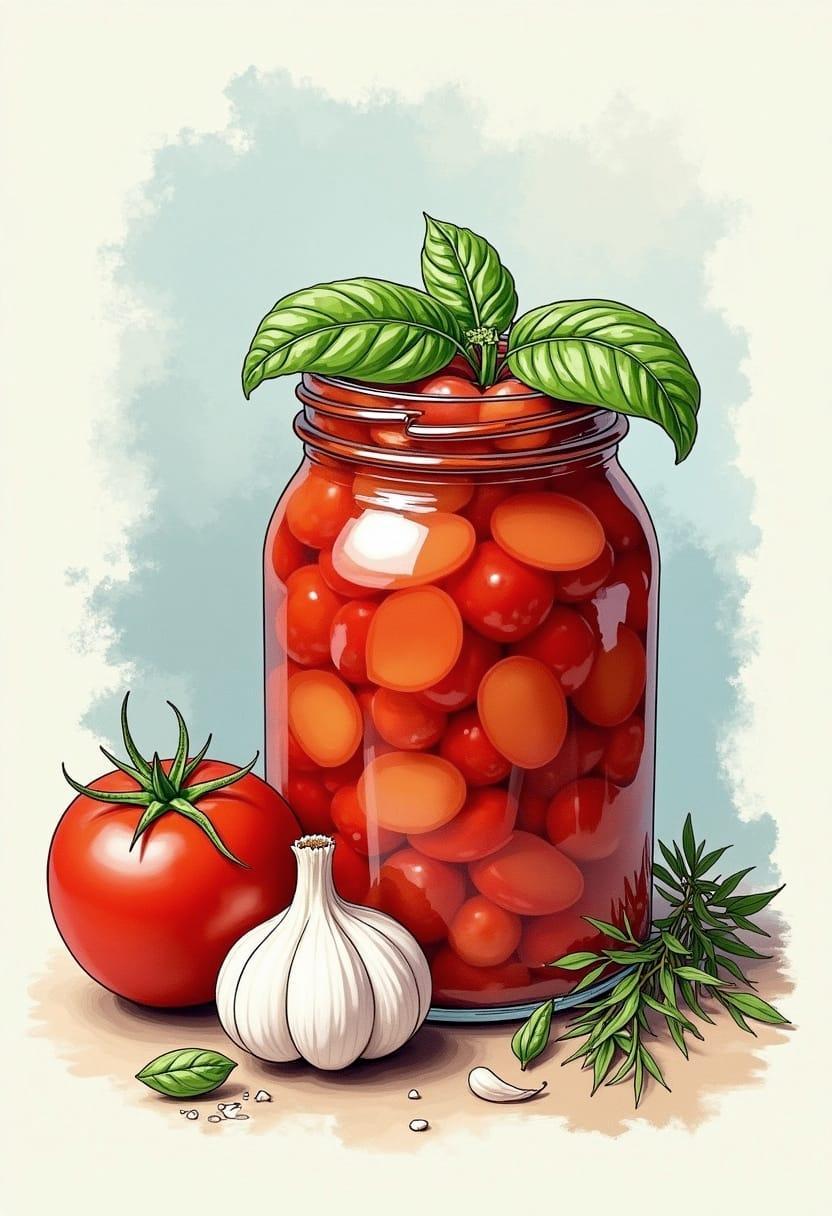
Some tomato skins are tough due to weather stress or overwatering. Tomato roots need plenty of oxygen, which is why loose soil works best. In Uganda, tomatoes are often sun-dried for storage and later use.

Tomatoes can be made into candies or pickles in some Asian cuisines. Tomato seeds are tiny but contain all the genetic info to grow huge plants. Tomatoes have played key roles in food security research due to their fast growth.

Red tomatoes are ripened by the plant's natural release of ethylene gas. Some tomato varieties are bred for vertical farming in urban settings. Tomatoes are sometimes pollinated by vibrating toothbrushes in greenhouses.

You can make tomato leather by pureeing and drying tomatoes into chewy sheets. Tomato soups vary globally—from creamy bisques to spiced broths. Some tomatoes develop "zippering," a cosmetic skin defect that's harmless.
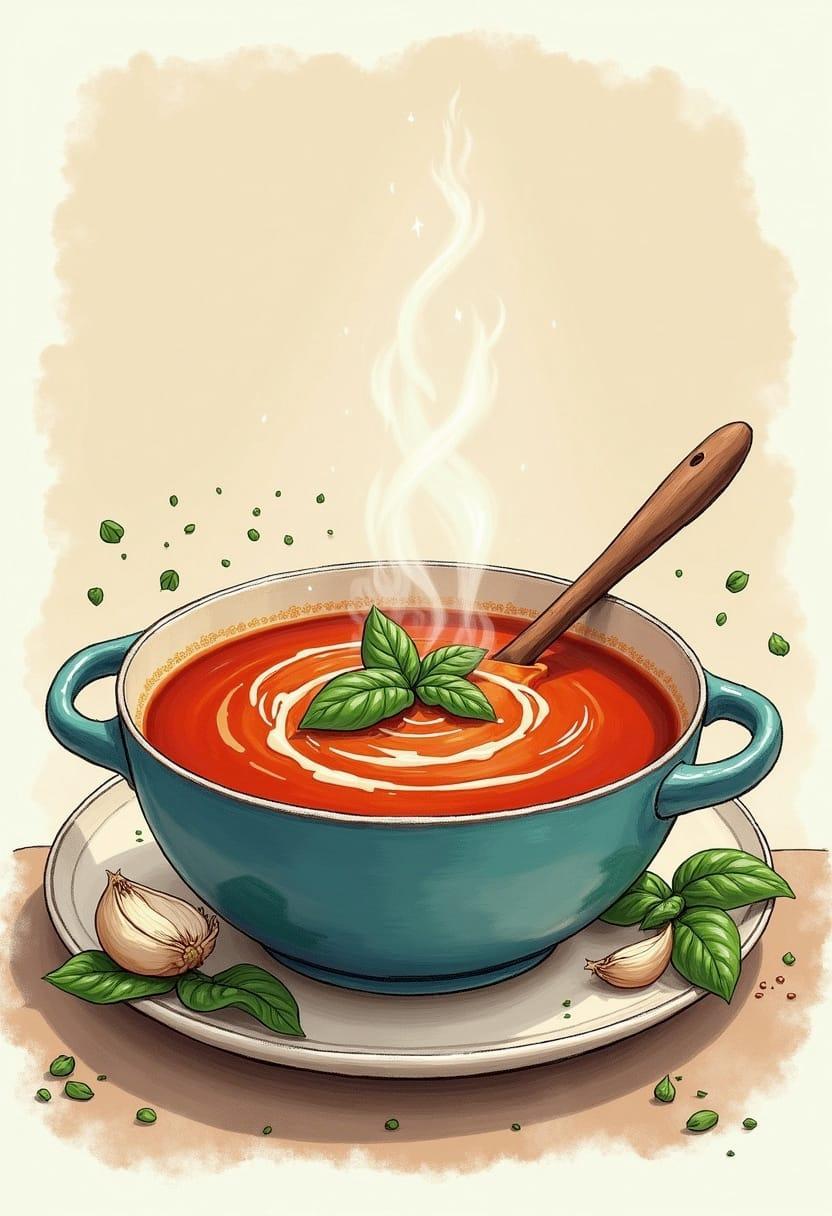
Tomatoes that ripen on the vine usually taste better than those picked early. Tomato stems can become woody and prickly with age. In Israel, a popular snack is cold tomato salad with lemon juice and mint.

A tomato grown under stress can actually become more flavorful. Using mulch around tomato plants keeps moisture in and weeds out. Tomato hornworms can be controlled naturally using parasitic wasps.
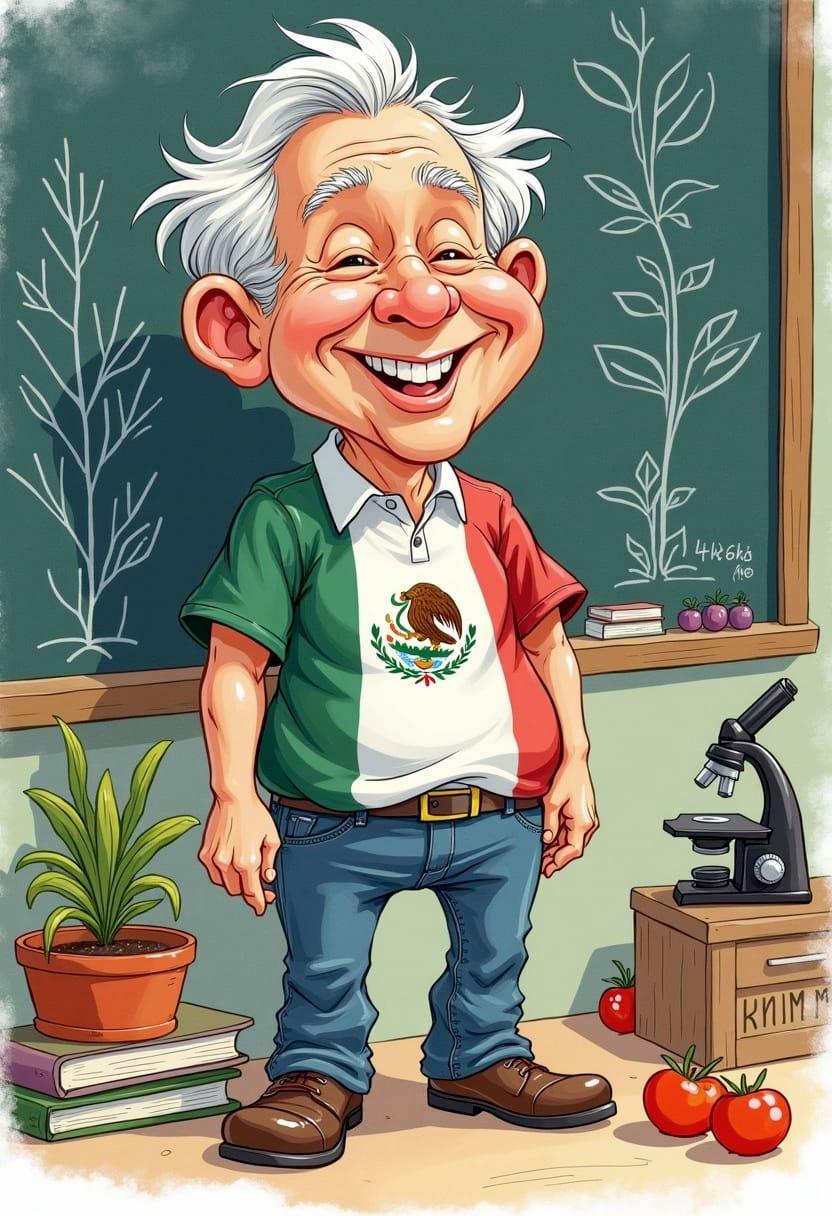
Tomato skins contain chlorogenic acid, known to help lower blood pressure. In Australia, tomato sauce is often used like ketchup, but it's less sweet. You can make tomato vinegar by fermenting leftover scraps.

Overripe tomatoes are perfect for sauces, soups, or homemade ketchup. In Morocco, tomatoes are blended into savory breakfast dips. Too little calcium in soil can lead to tomato problems like blossom end rot.
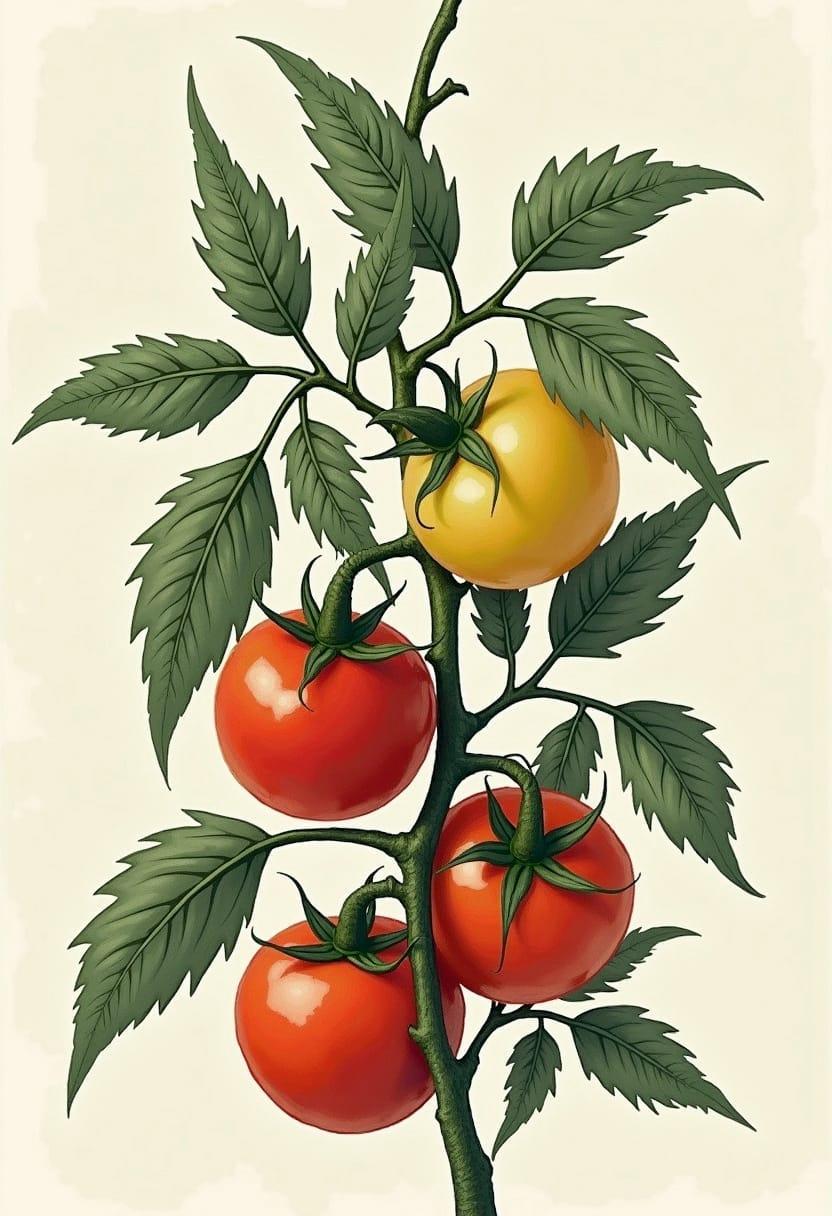
Tomatoes and mozzarella are a perfect pair in Caprese salad. Tomato canneries once ran 24/7 during harvest season to keep up with demand. Tomato seeds planted upside down still find their way upward thanks to gravity sensing.
Tomato pulp makes a great base for DIY face scrubs. Tomatoes can be affected by viruses spread by whiteflies and aphids. A tomato's center sometimes turns white due to inconsistent watering.

Some tomato varieties are so acidic they can cause a tingling sensation when eaten raw. A tomato picked too early may never develop full flavor. Tomatoes symbolize health, prosperity, and fertility in various cultures.
Related Content
- 1 About tomato
- 2 Acid in tomato
- 3 Amish paste tomato
- 4 Amish paste
- 5 Ananas noire tomato
- 6 Arkansas traveler tomato
- 7 Bacon tomato pasta
- 8 Baked beans in tomato sauce
- 9 Baked cherry tomatoes
- 10 Baked green tomatoes
- 11 Baked tomato
- 12 Baked tomatoes with cheese
- 13 Basil pasta sauce
- 14 Basil pasta
- 15 Beans in tomato sauce
- 16 Beef tomato
- 17 Beefsteak tomato seeds
- 18 Beefsteak tomato
- 19 Bella rosa tomato
- 20 Berkeley tie dye tomato