
Tomatoes were once considered poisonous in Europe, mainly because they belong to the nightshade family. The biggest tomato ever grown weighed over 10 pounds—basically the size of a small watermelon. There are more than 10,000 varieties of tomatoes around the world, from tiny cherry tomatoes to giant beefsteaks.
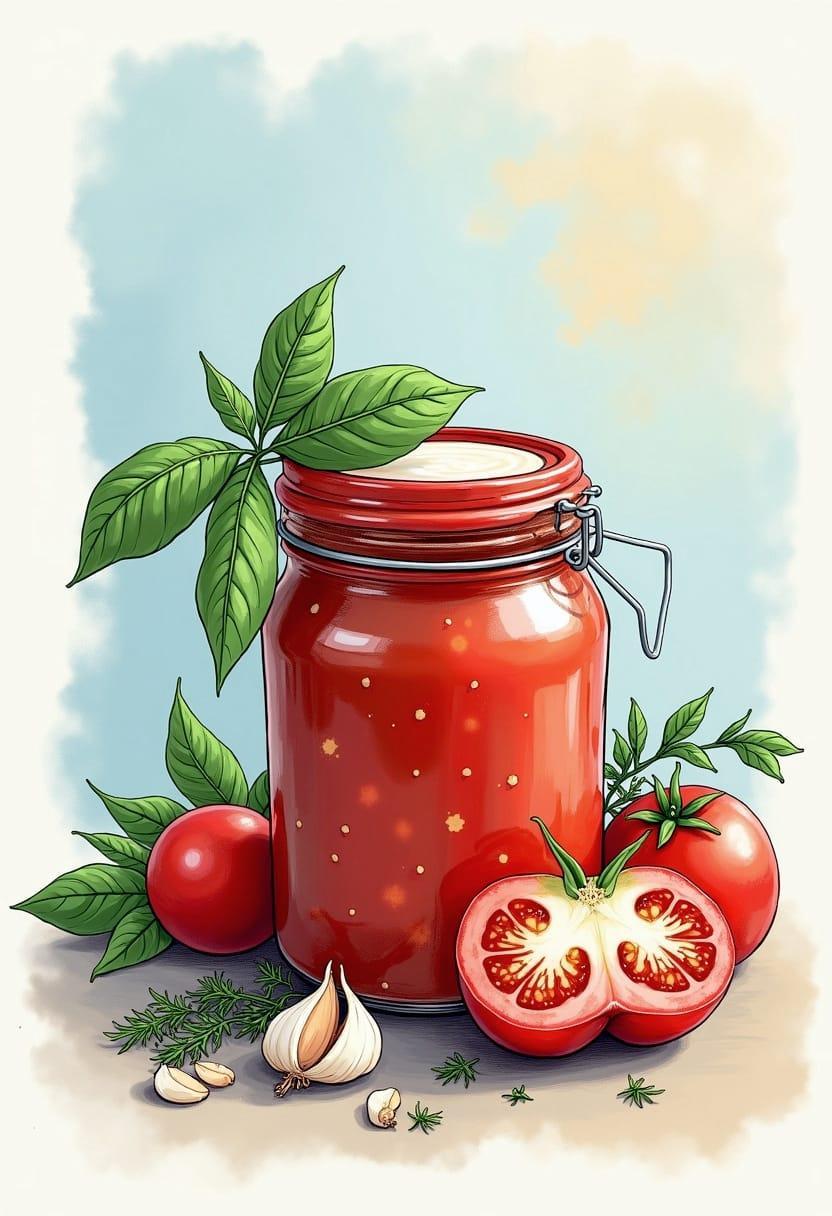
In the U.S., tomatoes are technically fruits but are legally considered vegetables, thanks to an 1893 Supreme Court ruling. The word “tomato” comes from the Aztec word “tomatl,” meaning “plump fruit.” Some tomato plants can grow over 30 feet long if left wild and untamed.
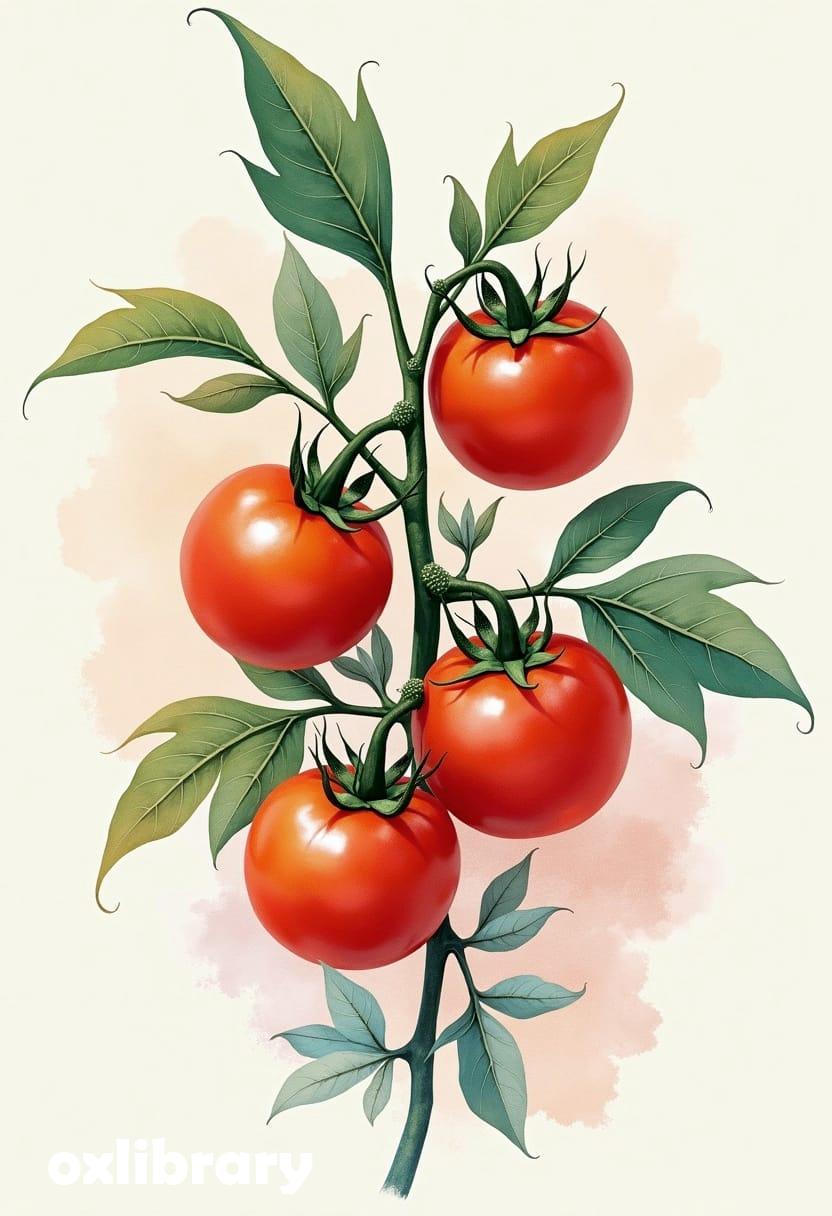
Florida and California produce most of America’s tomatoes, supplying grocery shelves all year round. Tomato juice is often served on airplanes because our taste buds crave umami at high altitudes. China grows more tomatoes than any other country—over 60 million tons a year!
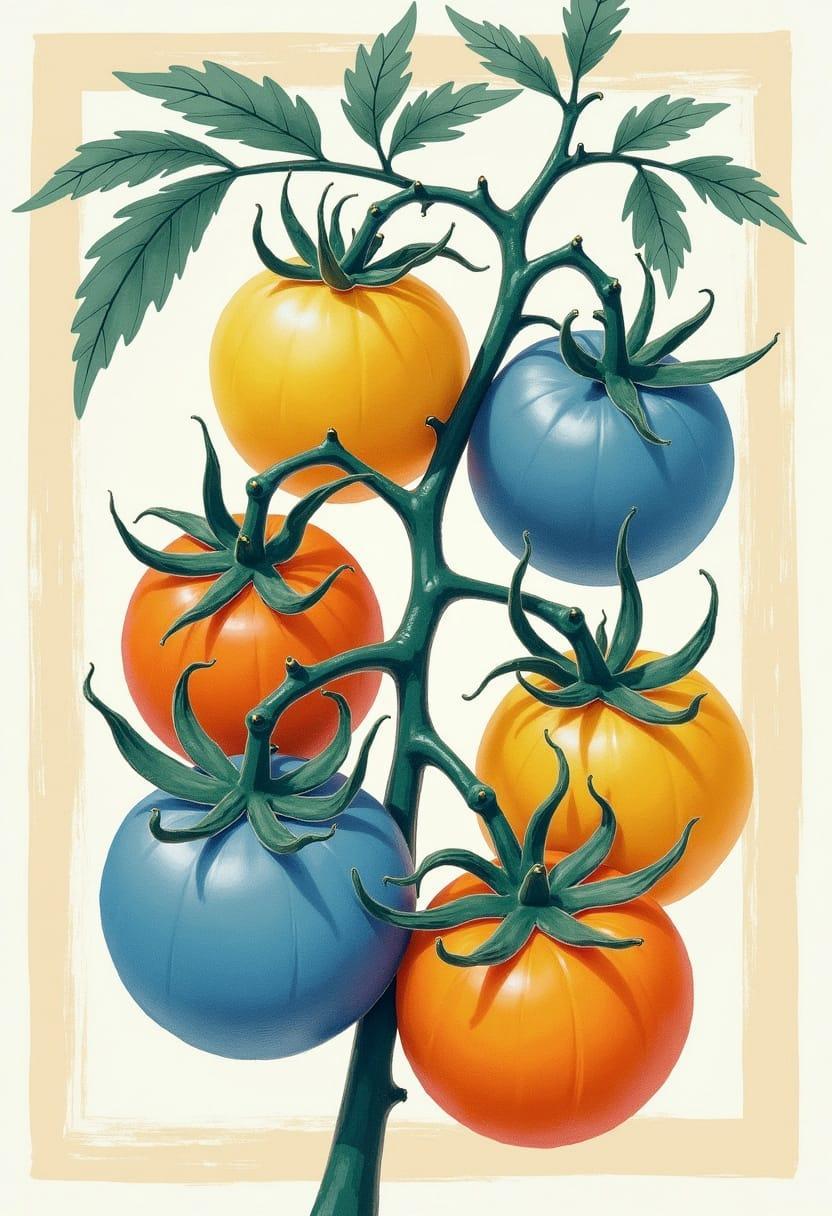
Tomatoes are 95% water, which is why they explode so satisfyingly in food fights. Ketchup was once sold as a medicine in the 1830s, claimed to cure indigestion. Some heirloom tomato varieties have names like “Mortgage Lifter” and “Green Zebra.”
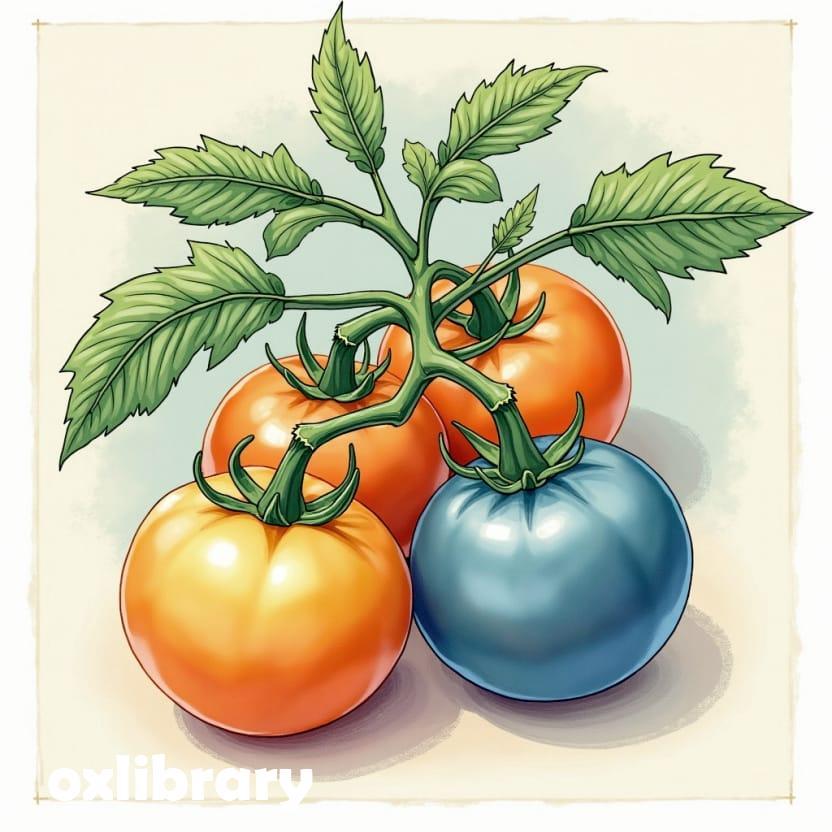
Lycopene, the antioxidant in red tomatoes, may help reduce the risk of heart disease and certain cancers. A single tomato contains all four major carotenoids: alpha-, beta-, lutein, and lycopene. Freezing tomatoes before blending makes for a smoother sauce—who knew?

People throw over 150,000 tomatoes during Spain’s annual “La Tomatina” festival. Tomato leaves are slightly toxic, so they’re not meant for salads—even if they look fresh. NASA has sent tomato seeds into space to study how they grow under zero gravity.

Tomatoes don’t ripen well in the fridge—it shuts down their flavor-making process. The first tomatoes ever brought to Europe were small and yellow, not red. A tomato is actually a berry, scientifically speaking, because it forms from a single flower ovary.

Some people are allergic to tomatoes, especially when raw, due to their histamine-releasing properties. You can polish copper cookware using tomato paste—acids in tomatoes break down tarnish. Tomatoes were once nicknamed “love apples” because of their supposed aphrodisiac qualities.

Tomato seeds can survive the human digestive system and grow after being excreted. The Guinness World Record for the fastest tomato-eating is just over one minute for a pound. Tomatoes are one of the few crops that can be harvested both green and ripe.

In Japan, you can find tomato-flavored desserts like ice cream and Kit-Kats. The color of a tomato doesn’t indicate sweetness—some yellow ones are more acidic than red ones. About tomato lovers say nothing beats the taste of a sun-warmed tomato right off the vine.

A tomato’s scent mostly comes from its leaves, not the fruit. The deeper the red, the more lycopene a tomato typically has. Tomato vines are covered in tiny hair-like structures called trichomes that release aromatic oils.

Tomatoes were the first genetically modified food sold in grocery stores—the Flavr Savr. Cooking tomatoes boosts their lycopene levels but slightly reduces their vitamin C. Tomato skins contain the highest concentration of nutrients, so don’t peel if you don’t have to.

Some chefs roast tomatoes to concentrate their flavor for sauces and soups. The inside of a tomato is technically called locular jelly. Grown upside down in hanging planters, tomatoes can avoid soil diseases and pests.

Tomato hornworms are the main garden pests and can eat through a plant in just days. Some farmers grow square tomatoes by using molds—they're easier to ship. Tomatoes are one of the few fruits that continue ripening after being picked.

About tomato growth: sunlight and warm temperatures are key to a sweet, juicy harvest. If you rub a tomato slice on your skin, its acidity may help gently exfoliate. Tomatoes have appeared in over 500 scientific studies for their health benefits.

Some wild tomato species taste nothing like store-bought ones—earthier, tangier, and even spicy. The world's largest tomato festival has been celebrated in Spain since 1945. Tomato seeds don't need soil to germinate—just a damp paper towel and patience.

Crushed tomatoes are used industrially in dyes, glues, and even biodegradable plastics. Tomato ice cream may sound strange, but it’s been a hit in parts of Italy. You can use tomato pulp as a natural face mask due to its vitamin-rich content.

Tomatoes are so popular that Americans eat over 70 pounds per person each year. About tomato farming: organic methods often yield fewer but more flavorful fruits. Some cultures consider tomatoes sacred, using them in rituals and traditional medicine.

The scent of tomatoes has been recreated in perfumes and candles—it’s that iconic. Tomato juice can neutralize skunk spray better than soap, thanks to its acidity. A ripe tomato’s skin reflects light in a way that signals to animals it’s ready to be eaten.
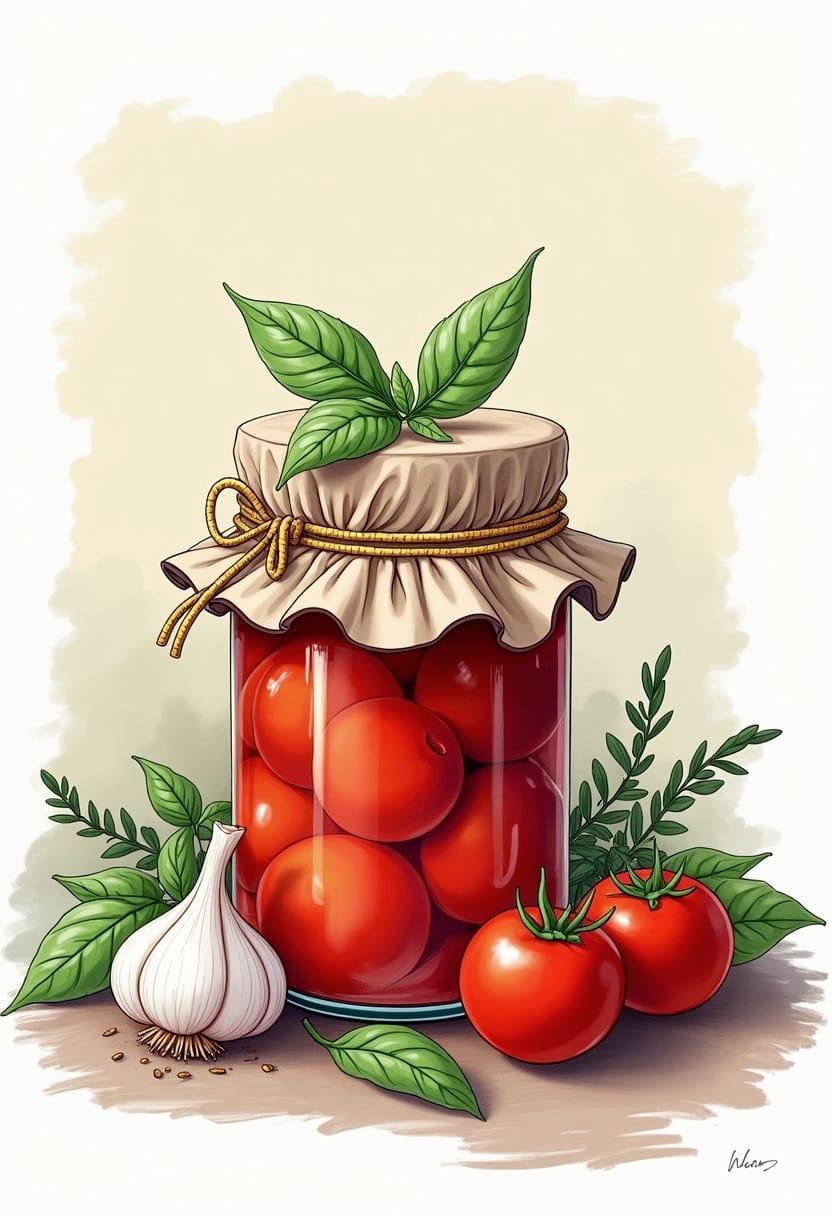
You can graft tomatoes onto potato plants and harvest both from one root system. About tomato history: they were introduced to Europe from the Americas in the 16th century. Tomatoes appear in more recipes worldwide than any other fruit or vegetable.