
Amish paste tomatoes are known for their rich, sweet flavor that makes them a favorite in homemade sauces. Unlike most paste tomatoes, they’re juicy enough to enjoy fresh in sandwiches or salads. This tomato variety dates back to the 1870s and was originally grown by the Amish community in Wisconsin.
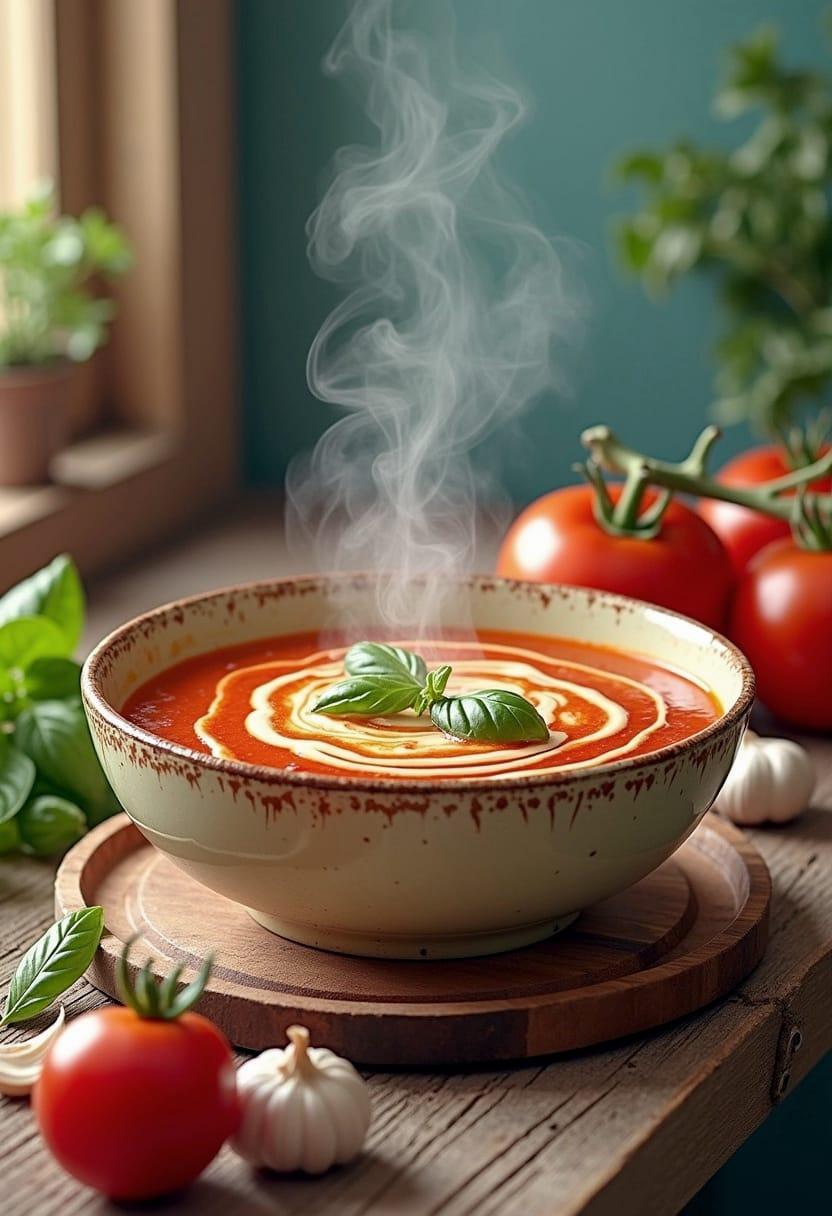
They’re shaped like a plump heart—kind of like a cross between a Roma and a beefsteak tomato. Amish paste plants can grow over six feet tall, so they need strong support in the garden. These tomatoes have fewer seeds than most, which makes them perfect for thick, velvety sauces.
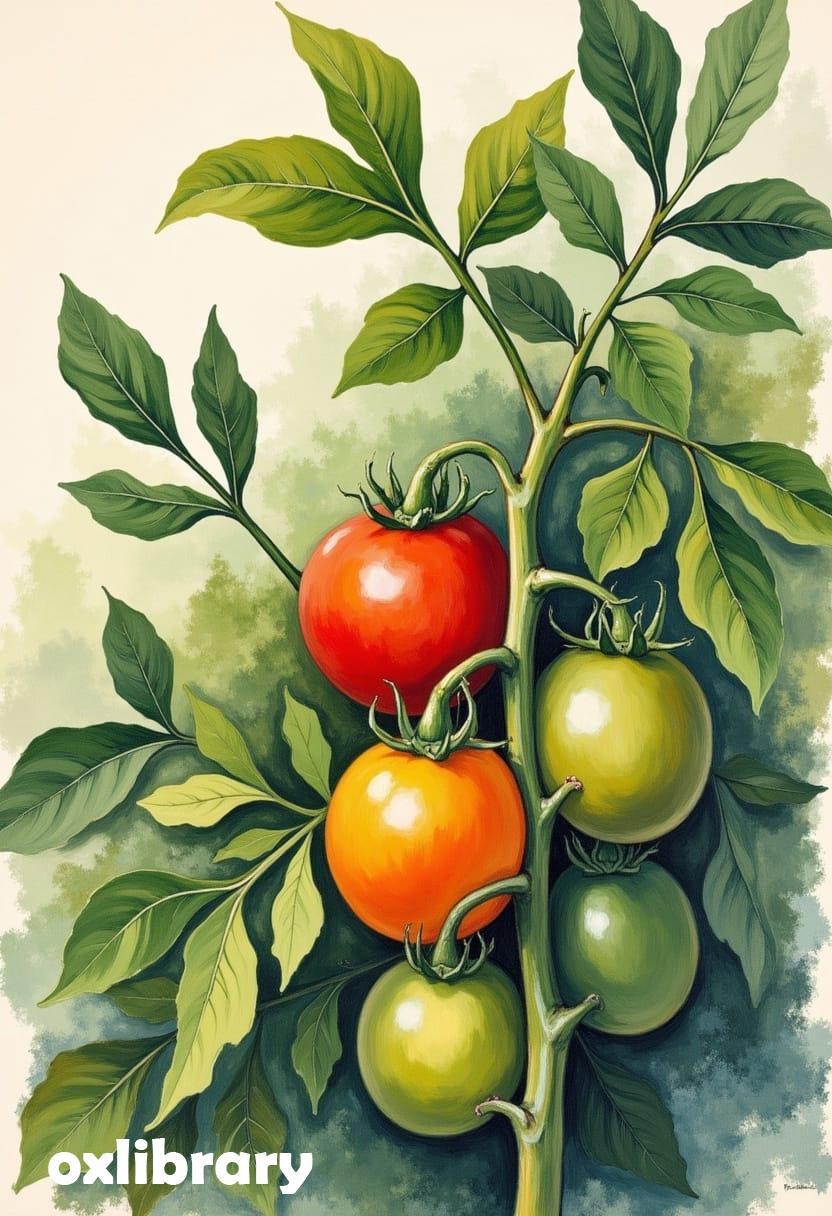
One amish paste tomato can weigh up to 12 ounces—almost double the size of a typical Roma. They take about 80 to 85 days to mature, so they’re a mid-to-late season variety. Gardeners love them because they produce steadily through the summer once they start.
You’ll often find them in heirloom seed catalogs because they’re open-pollinated and true to type. Amish paste tomatoes are a staple for canning because they hold their shape and taste after cooking. If you want a tomato that’s both meaty and sweet, this is a top contender.

Their deep red color signals high lycopene content, a compound linked to heart health. The skin is smooth and relatively thin, which means less peeling during prep time. These tomatoes aren’t too acidic, making them a great option for people with sensitive stomachs.

Even though they’re great for cooking, many people snack on them straight off the vine. Amish gardeners have passed down these seeds for generations through careful selection. If you're into seed-saving, amish paste is one of the easiest tomatoes to start with.

They thrive in warm, sunny climates but also tolerate cooler northern zones pretty well. Each plant can yield dozens of fruits over the growing season. The tomato’s meaty interior means less water in your pasta sauce—no boiling it down forever!

In taste tests, amish paste often outshines modern hybrids with its balanced flavor. It’s one of the most popular heirloom paste tomatoes grown in backyard gardens. The fruits have a slightly pointed end, almost like a teardrop.

These tomatoes can crack a little in very wet weather, so they’re happiest in well-drained soil. You can find amish paste featured in lots of farm-to-table recipes thanks to its homegrown charm. It’s not just for sauce—try roasting them with garlic and herbs for a tasty side dish.

Because of their size and shape, they make great stuffed tomatoes, too. People who grow amish paste often say it's their “desert island” tomato. They’re ideal for making sun-dried tomatoes due to their dense flesh.

The variety was brought into wider circulation by tomato collector Tom Hauch in the 1980s. They’re indeterminate plants, which means they’ll keep producing until the first frost. Their vines are vigorous and need plenty of space to stretch out.

You can plant them in large containers, as long as you provide a sturdy trellis. The tomatoes are easy to spot when ripe—they turn a vivid crimson red. They have a longer shelf life than most heirloom tomatoes.

Some gardeners call them the “ultimate sauce tomato” for good reason. One harvest basket can fill your pantry with jars of homemade goodness. The seeds are widely available and often come from small, organic farms.

The name “amish paste” reflects its heritage and culinary purpose in one phrase. Kids love picking them because they’re so large and easy to handle. They’re also a great teaching plant for beginners learning to grow food.

You can start the seeds indoors about 6 to 8 weeks before the last frost. They respond well to compost-rich soil and consistent watering. Many organic gardeners swear by this variety for taste and productivity.

Even small gardens can accommodate amish paste if you train the vines vertically. The flavor deepens when the tomatoes are roasted or slow-cooked. They're often used in traditional Italian sauces and stews.

These tomatoes tend to ripen all at once, which is perfect for batch cooking. Amish paste was once traded between farming families as a prized seed. Their compact gel cavities make them easy to core and clean.

You can freeze them whole if you're short on time—just remove the skin later. Many seed savers treasure them for their genetic purity and history. Their sweet-smoky aroma fills the air when roasted in the oven.

Tomato festivals often include amish paste in taste competitions. Add a touch of balsamic and olive oil, and you've got a salad star. They grow well alongside basil, peppers, and marigolds in companion planting.
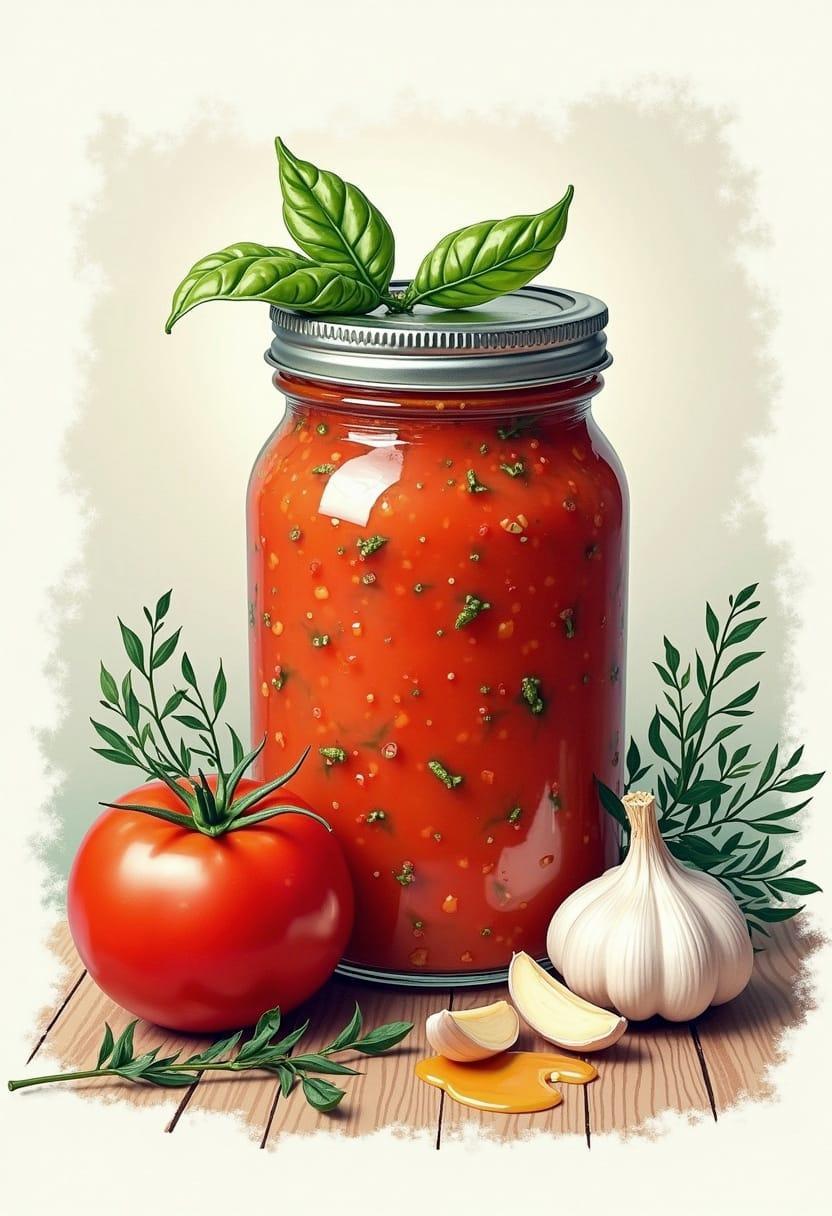
These tomatoes reflect the care and heritage of Amish agricultural traditions. Amish paste makes it easy to fall in love with cooking from scratch. It’s the kind of tomato that turns everyday meals into something special.